

Fighting Cancer by the Plateful
No single food can prevent cancer, but the right combination of foods may help make a difference. At mealtimes, strike a balance of at least two-thirds plant-based foods and no more than one-third animal protein. This “New American Plate” is an important cancer-fighting tool, according to the American Institute for Cancer Research. Check out better and worse choices for your plate.
Cancer-Fighting Tomatoes
Whether it’s the lycopene — the pigment that gives tomatoes their red color — or something else isn’t clear. But some studies have linked eating tomatoes to reduced risk of several types of cancer, including prostate cancer. Studies also suggest that processed tomato products such as juice, sauce, or paste increase the cancer-fighting potential.
Tea’s Anticancer Potential
Even though the evidence is still spotty, tea, especially green tea, may be a strong cancer fighter. In laboratory studies, green tea has slowed or prevented the development of cancer in colon, liver, breast, and prostate cells. It also had a similar effect in lung tissue and skin. And in some longer term studies, tea was associated with lower risks for bladder, stomach, and pancreatic cancers. But more research in humans is needed before tea can be recommended as a cancer fighter.
Grapes and Cancer
Grapes and grape juice, especially purple and red grapes, contain resveratrol. Resveratrol has strong antioxidant and anti-inflammatory properties. In laboratory studies, it has prevented the kind of damage that can trigger the cancer process in cells. There is not enough evidence to say that eating grapes or drinking grape juice or wine (or taking supplements) can prevent or treat cancer.
Limit Alcohol to Lower Cancer Risk
Cancers of the mouth, throat, larynx, esophagus, liver, and breast are all linked with drinking alcohol. Alcohol may also raise the risk for cancer of the colon and rectum. The American Cancer Society recommends against drinking alcohol, but if you do, limit alcohol to no more than two drinks per day if you are a man and one drink a day if you are a woman. Women at higher risk for breast cancer may want to talk with a doctor about what amount of alcohol, if any, is safe based on their personal risk factors.
Water and Other Fluids Can Protect
Water not only quenches your thirst, but it may also protect you against bladder cancer. The lower risk comes from water diluting concentrations of potential cancer-causing agents in the bladder. Also, drinking more fluids causes you to urinate more frequently. That lessens the amount of time those agents stay in contact with the bladder lining.
The Mighty Bean
Beans are so good for you, it’s no surprise they may help fight cancer, too. They contain several potent phytochemicals that may protect the body’s cells against damage that can lead to cancer. In the lab these substances slowed tumor growth and prevented tumors from releasing substances that damage nearby cells.
The Cabbage Family vs. Cancer
Cruciferous vegetables include broccoli, cauliflower, cabbage, Brussels sprouts, bok choy, and kale. These members of the cabbage family make an excellent stir fry and can really liven up a salad. But most importantly, components in these vegetables may help your body defend against cancers such as colon, breast, lung, and cervix. Lab research has been promising, but human studies have had mixed results.
Dark Green Leafy Vegetables
Dark green leafy vegetables such as mustard greens, lettuce, kale, chicory, spinach, and chard have an abundance of fiber, folate, and carotenoids. These nutrients may help protect against cancer of the mouth, larynx, pancreas, lung, skin, and stomach.
Protection From an Exotic Spice
Curcumin is the main ingredient in the Indian spice turmeric and a potential cancer fighter. Lab studies show it can suppress the transformation, proliferation, and invasion of cancerous cells for a wide array of cancers. Research in humans is ongoing.
Pass on the Sugar
Sugar may not cause cancer directly. But it may displace other nutrient-rich foods that help protect against cancer. And it increases calorie counts, which contributes to overweight and obesity. Excess weight is also a cancer risk. Fruit offers a sweet alternative in a vitamin-rich package.
Credit: webmd
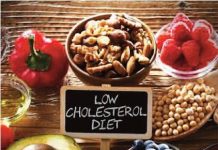









A very informative and valuable article! 🌿🥦 I really appreciate how you explained the role of **plant-based foods, beans, leafy greens, cruciferous vegetables, tomatoes, grapes, turmeric, and healthy hydration** in supporting overall health. I also found the points about limiting alcohol and excess sugar especially useful. Thank you for sharing such practical nutrition information and reminding readers that no single food can prevent or treat cancer. Please keep sharing more health-focused and informative blogs! 👏💚
Blood test Hyderabad