The call for inclusive and equitable water management, particularly for women and girls, dominated discussions at this year’s World Water Day 2026 celebration in Tarkwa, as stakeholders underscored the link between water access, gender equality and sustainable development.
Participants stressed that addressing Ghana’s water challenges must go beyond the provision of infrastructure to include deliberate policies that integrate gender considerations into water governance.
The event, organised by the University of Mines and Technology (UMaT) with support from the Gold Fields Ghana Foundation, was held under the global theme “Water and Gender: Where Water Flows, Equality Grows.”
Bringing together community members, water and sanitation advocates, and institutional stakeholders, the programme served as a platform to reflect on the critical role water plays in both national development and gender equity.
A key highlight of the event—a stakeholder durbar—focused on persistent challenges such as pollution of water bodies, inefficient usage, and limited access to safe water in some communities.
Participants called for practical and sustainable solutions, including stronger protection of water resources, improved efficiency in water use, and intensified public education on conservation practices.
They also emphasised the need for inclusive policies and active community participation to ensure that no group, particularly vulnerable populations, is left behind.
The event recorded the participation of 64 representatives from water and sanitation groups within Tarkwa mine catchment communities, signalling growing grassroots interest in water governance and sustainability.
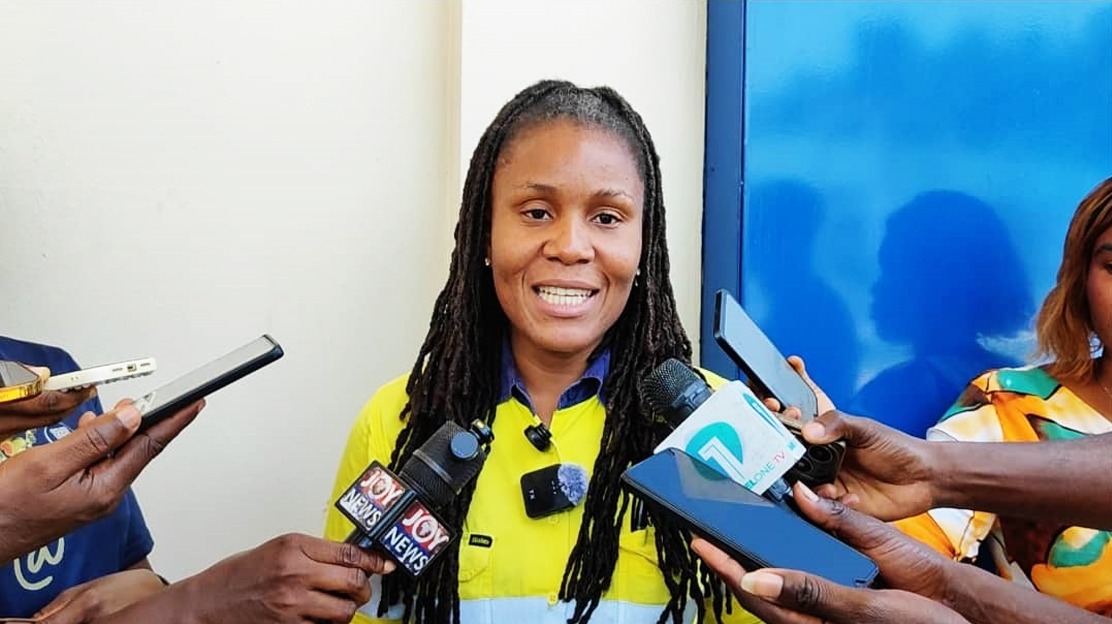
Project Coordinator at the Gold Fields Ghana Foundation, Ms. Ayishetu Mohammed, highlighted the Foundation’s continued investment in improving livelihoods through water and sanitation initiatives.
She disclosed that since 2004, the Foundation has committed over US$109 million to corporate social responsibility projects, with more than US$2.6 million dedicated specifically to water and sanitation interventions in the Tarkwa-Nsuaem and Prestea-Huni Valley municipalities.
According to her, these interventions have significantly improved access to clean water and sanitation, particularly benefiting women and girls.
“Access to safe water reduces the time women and girls spend searching for water, creating opportunities for education, work and family life,” she noted.
Ms. Mohammed further stressed the importance of partnerships in achieving the Sustainable Development Goals (SDGs), especially those relating to clean water and gender equality.
Project Manager at the Foundation, Mrs. Sandra Deladem Woanyah, also paid tribute to women in the water sector, describing their role as critical in shaping policy, managing infrastructure and supporting communities.
She encouraged more young women to pursue careers in the sector, noting that it offers opportunities to lead and make meaningful impact.
The event ended with a renewed commitment from stakeholders to strengthen collaboration among institutions, communities and development partners to safeguard water resources and promote equitable access for all.
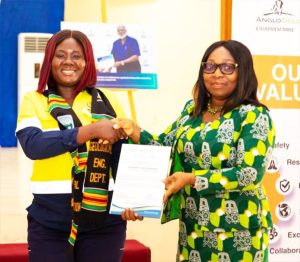
In recognition of her contribution to water resource management, Ms. Ayishetu Mohammed was honoured by the Geological Engineering Department of UMaT for her instrumental role in advancing water and sanitation initiatives in host communities.
For more news, join The Chronicle Newspaper channel on WhatsApp: https://whatsapp.com/channel/0029VbBSs55E50UqNPvSOm2z