Home Blog Page 1000

Police Probe Arson Attack On Ablekuma Ballot Boxes

0
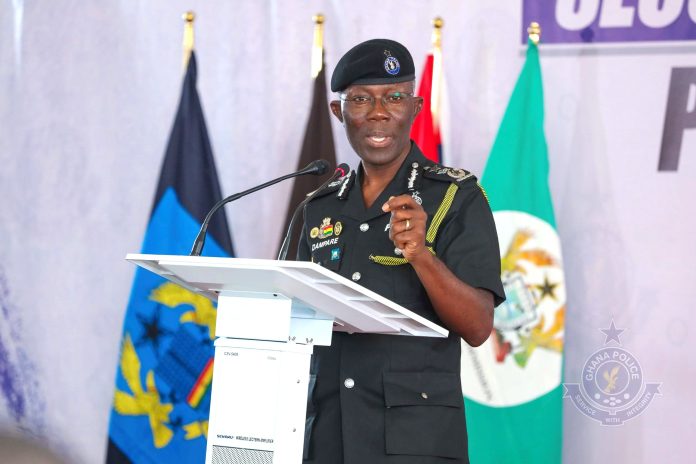
IGP Dr George Akuffo Dampare

The Ghana Police Service says it has commenced investigations into the alleged arson attack at the Kwashieman Cluster of Schools in Accra.

The fire outbreak on Monday razed down the school building, housing ballot papers and other election material for Ablekuma North.

Also, the Library, Computer laboratory of the school has been burnt into ashes, though the flames were doused by the Ghana National Fire Service.

STATEMENT

The following is a full statement issued by the police and the promise to delve into the issue;

The Ghana Police Service, in partnership with the Ghana National Fire Service, is investigating a fire outbreak that occurred in the early hours of today, 17th December 2024 at the Kwashieman Cluster of Schools, where the Ablekuma North Constituency ballot boxes are housed.

We wish to assure the public that any individual or group of individuals found responsible for this incident will be arrested and brought to face justice.

We urge the public to remain calm as the investigation into the incident continues.

Meanwhile, the 132 suspects arrested across the country in connection with the post-election disturbances are still going through the due process of the law.

Out of this number, 45 suspects have been remanded into custody, 71 are on police enquiry bail, and 16 are on court bail.

EYEWITNESS

Meanwhile, a Citinewsroom report said an eyewitness living near the school reported seeing thick smoke and flames engulfing the building, shortly after the fire started.

The story said the GNFS was promptly notified and Alex King Nartey, the Fire Service’s Public Relations Officer, confirmed in a livestream on Facebook, that fire officers arrived quickly and were able to bring the blaze under control.

“Information we have gathered indicates that the school was used to store ballot boxes and that is why we are still here and the flames have been subdued.

“We salvaged all the buildings and were left with just one that we worked so hard to ensure that the fire did not reignite.

“Officers from Anyaa, Headquarters and from Circle came to ensure that the situation was brought under control.”

BACKGROUND

The parliamentary race in the Ablekuma North constituency emerged as one of the most closely watched contests following the December 7 general elections.

Ablekuma North is among the 12 disputed constituencies across the country, as the outcome remains under contention and a recount has been ordered.

The NPP’s candidate, Nana Akua Owusu Afriyie and the NDC’s candidate, Ewurabena Aubynn, have both claimed victory in the election, despite the Electoral Commission (EC) initially declaring the seat for the NDC candidate.

Following this, the EC has since reversed its declaration, calling the earlierdeclaration illegal and announced plans to conduct a recollation exercise for the constituency.

Volta Region has immense potential to transform the fortunes of the country

0
Social Volta Fortunes

Dr Archibald Yao Letsa, the Volta Regional Minister, has said the region has immense potential to transform not only itself but also the entire country, if adequately harnessed and utilised.

He said the region was an attractive destination for investment, particularly agriculture and tourism.

Dr Letsa, who was speaking at the second Regional Coordinating Council meeting, asked various stakeholders to continue to build on the successes chalked by the region to create decent livelihoods for the people.

Considering the recent events in some parts of the country, he said the Volta Regional Coordinating Council (VRCC) had taken preventive measures to promote dialogue between the leadership of the two main political parties.

The Minister said the VRCC had also directed the Municipal and District Security Councils to engage local party leadership, which had yielded positive results.

Dr Letsa urged the Councils to continue their engagement to facilitate a smooth transition process and work to ensure that the next government established itself quickly to begin its duties effectively.

He thanked the chiefs and people of the region for their support and cooperation during his tenure, and the heads of departments and agencies for implementing government policies, initiatives and activities during the period.

GNA

Ashaiman youth await scrapping of 10% betting tax

0
President-elect John Dramani Mahama

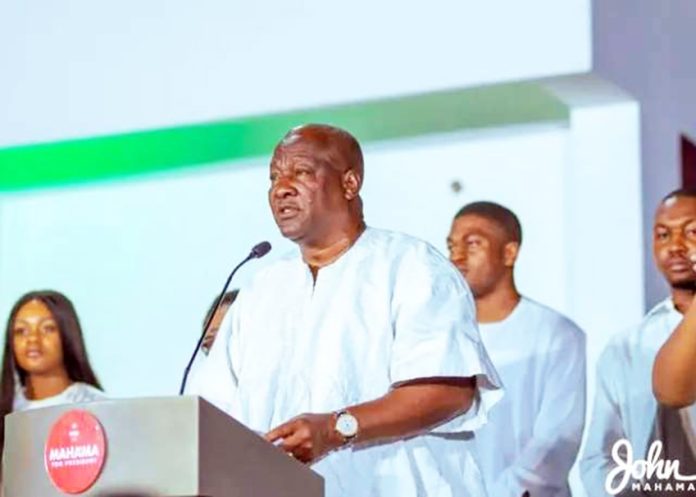
Some youth in Ashaiman-Lebanon say they are awaiting President-elect John Dramani Mahama’s scrapping of the 10 percent sports betting tax, as promised in his campaign messages, ahead of the December 7 general elections.

The 10 percent withholding tax introduced in 2023 by the current government is intended to increase the country’s domestic tax revenue.

The introduction of the tax led to a lot of backlash from the youth and the campaign promises from the president-elect and the National Democratic Congress to abolish it when voted into power.

The youth, speaking to the Ghana News Agency (GNA), said they were looking forward to having the tax abolished and that they depend on sports betting for survival.

The GNA gathered that to be successful in sports betting, one must understand all the moves and terms, such as correct score, booking (red card), corner, either half, aviator, bottles, spin the wheel, voucher and cards, among others.

The youth who engage in sports betting call themselves by many names, including investors and game-men.

Mr Nasiru Mussah, who engages in sports betting at one of the many betting centres in Ashaiman, said he occasionally engages in it, through some of the sporting platforms.

Mr Mussah said even though he often stakes bets during his desperate financial period, he became frustrated when they started deducting the taxes from the little wins he depended on.

According to him, betting comes with its own emotional challenges, therefore, adding the 10 percent tax increased their frustration, calling for its total abolishment.

“The emotional toll of losing both bets and seeing my team lose can be overwhelming. It is very tough to watch your team losing, especially after deciding not to withdraw potential winnings when ‘cash out’ is given. It can drive you mad, and now this tax on the bet too is another headache,” he said.

He described the tax as a burden on the youth, saying many of the youth in Ghana rely on bets as their financial pillow during tough times.

“When you get a lucky winning bet and they tax it, it is very devastating, irrespective of the amount you win,” he added.

Mr Benjamin Arhin, another ‘investor’, backed the call on the president-elect to fulfil his promise of abolishing the tax, reiterating that taxing sporting bets meant taxing the youth’s survival.

He said most of the youth engage in betting due to the high rate of unemployment in the country and the many expenditures they need to take care of, such as rent and utility bills.

“We bet because they have not created jobs for us, and we have expenses we must take care of. The companies that have available jobs also do not pay well, but with betting, you can win enough to take care of your things,” he said.

From Francis Blankson, Ashaiman

GNA 

Editorial: Fallout From 2024 Elections: Why EC Must Introduce Reforms

0
Editorial

The New Patriotic Party (NPP), according to a story we published yesterday, has urged the National Election Security Taskforce to provide security for the Electoral Commission to undertake the re-collation of parliamentary results of constituencies in contention.

According to the party, it is necessary to provide adequate security to avert the reoccurrence of the mayhem visited on the process by supporters of the National Democratic Congress (NDC), which allegedly compelled EC returning officers to declare results in their favour.

Addressing a news conference in Accra on Monday, this week, former chairman of the NPP, Peter Mac Manu, criticised the opposition NDC for allegedly interfering in the collation process.He expressed concern over the actions of some NDC supporters, which he claimed had contributed to the delays in declaring results in these constituencies.

“We call on the NDC leadership to demonstrate responsible leadership by calling their supporters to order. This is a crucial time for our nation, and no action should undermine our democratic processes,” he reiterated.

Earlier, the National Democratic Congress (NDC) officials, who were at the new collation centre – the Police Training School at Tesano, a suburb of Accra, had protested vehemently against what they described as re-declaration going on at the centre. The party subsequently went to court to secure an injunction order against the process at Tesano.

Before the NDC proceeded to court, their National Chairman, Johnson Asiedu Nketiah, had also addressed a news conference where he protested strongly against the re-collation going on at the police training school. In the view of The Chronicle, the accusations and counter accusations going on between the two major political parties point to the fact that there must be reforms at the Electoral Commission (EC).

In the year 2020, NDC accused the EC of collaborating with the NPP to steal the seats they had legitimately won. Four years down the line, NPP is also making similar accusations that seats they have won are being taken away from them. In our opinion, the only way to solve this problem once and for all is the early declaration of the results.

What The Chronicle has observed is that because the political parties are always ahead of the EC when it comes to the collation of the result from the polling stations, they know the seats they have won. If these seats are not enough for them, they try the usual tricks of winning more seats through the backdoor.

One of the fascinating things is that sometimes the pink sheets produced by these parties are different from what is in the custody of the EC. On some occasions too, the EC also produces pink sheets that do not tally with what the political parties have.

A critical analysis of the development will point to the fact that some machinations are going on, which is very dangerous and can plunge the country into chaos.

In view of this, The Chronicle suggests that the EC must open up its doors to other state institutions such as the judiciary and the police in the 2028 general elections.

For instance, a robust digital platform can be created for the EC, Police and the Judiciary. The purpose of this platform is for all the presiding officers to take a shot of the pink sheet in each of the polling stations and WhatsApp them to this common platform, which the political parties are already doing anyway.

In this case, should any of the disputing political parties produce a controversial pink sheet, the system can fall on the police and judiciary to confirm or otherwise. Though the EC may not be interested in this suggestion because of the previous experience where its system was allegedly hacked, it is the only panacea that can solve controversial pink sheets being generated by the political parties to justify their positions that they have won a particular seat.

We believe that if all stakeholders put their heads together to discuss the issue, they can find a common solution to it.  Whether we like it or not, hacking has become part and parcel of our digital space. What we need to do is to build a strong resilience to avert it.

Though our cherished democracy, when compared with other African countries is way above average, what happened in 2020 and repeating itself in 2024, is a danger staring at all of  us in the face and if nothing is done about it, can spell a doom for the country in the near future.

This is the reason why we are putting forward the above suggestion for the EC to adopt to cure any political party that will try to be mischievous. We hope the EC and all the stakeholders are listening to us.

The Dream of a 24-Hour Economy: Let’s Bridge Public Sector Salary Disparities

0
Wisdom Koudjo Klu, the writer

The idea of a 24-hour economy is seen as a major advancement for Ghana. It promises greater productivity, job creation, and a more diverse economic landscape. In this model, businesses, services, and government operations would function continuously, improving efficiency and fostering economic opportunities.

The model could transform areas such as healthcare, transportation, manufacturing, and hospitality, thereby increasing national income and job opportunities for the expanding population. For example, hospitals could provide round-the-clock care, transportation could meet the demands of night-time travellers, and industries could enhance production through multiple shifts. This shift would improve service delivery,alleviate rush hour congestion, and optimize the use of infrastructure.

Nonetheless, successfully establishing a 24-hour economy would depend on several key elements. These encapsulate a motivated workforce, fair resource distribution, and the removal of systemic inefficiencies. Another critical issue to address is the significant salary disparities present in the public sector. The issue of salary differences has long been controversial. It affects morale, productivity, and fairness among employees.

The occurrence of individuals receiving outrageously high salaries-sometimes amounting to the total pay of 10 or 20 other public workers-underscores a huge structural imbalance that could jeopardize the success of a 24-hour economy. Tackling this problem is not only a matter of equity but also a crucial step toward Ghana’s economic development.

The Salary Disparity Conundrum

Ghana’s public sector salary system is fraught with inequities. Some public employees receive modest incomes that barely cover their living expenses, while others earn salaries sufficient to support many of their peers. This disparity is not only unfair but also harmful to the workforce’s morale and productivity.

Take the healthcare sector, for instance, where junior nurses and doctors often endure long hours in tough conditions for low pay, while top executives in other public entities reap substantial compensation. Likewise, in education, committed teachers who are shaping the nation’s future earn significantly less than their counterparts in various administrative positions. These discrepancies foster resentment, diminish motivation, and create a sense of undervaluation among many public servants.

The situation is worsened by a lack of transparency and accountability in how salaries are managed. Problems like “ghost” names on payrolls, unexplained pay raises for certain job categories, and inconsistent application of benefits weaken trust in the system. If these issues are left unresolved, they could undermine the goal of achieving a 24-hour economy, as employees in essential sectors may be disincentivized to meet the demands of round-the-clock operations.

The Need for Salary Harmonization

To create a sustainable 24-hour economy, we should focus on harmonizing salaries within the public sector. This requires implementing policies that provide fair and just compensation for all workers, taking into account the complexity and relevance of their roles.

  • Creating a Clear Pay Structure: A clear and standardized pay framework should be established to eliminate arbitrary salary differences. This can be done by using a systematic approach to job evaluation, where salaries are based on the required skills, responsibilities, and risks related to each position.
  • Limiting Excessive Salaries: There is an immediate need to set limits on excessively high salaries in the public sector. This doesn’t mean punishing high performers or undervaluing expertise, but rather ensuring that no one is compensated significantly more than their colleagues. The funds saved from these limits can be used to enhance the pay of those who are underpaid, promoting a fairer distribution of resources.
  • Encouraging Night Shifts and Overtime: As a 24-hour economy takes shape, night shifts and extra hours would become commonplace. To motivate workers to accept these changes, sufficient incentives such as overtime pay, night shift bonuses, and performance incentives should be provided. These rewards should be fairly allocated across all sectors.
  • Improving Accountability: The effort to combat payroll fraud should be intensified to remove ghost employees and other forms of financial misconduct. Strengthening payroll management systems and conducting regular audits will ensure that public funds are spent responsibly and equitably.
  • Engaging Stakeholders: Successfully implementing these reforms will require the support of all stakeholders, including employees, unions, and policymakers. Open communication and consultation will be essential for addressing concerns and achieving consensus on future actions.

 Putting Ghana First

At The essence of these reforms lies in prioritizing Ghana’s goals over personal interests. Public sector employees, policymakers, and citizens need to cultivate a collective mind-set that emphasizes the nation’s well-being. A 24-hour economy could bring significant advantages, but its success hinges on the commitment of all parties to sacrifice and adapt.

Those in high-paying sectors should acknowledge the need for fairness and support initiatives to equalize salaries across different roles. At the same time, individuals in lower-paying positions must stay dedicated to excellence, understanding that their efforts are valued and that improvements to their circumstances are in progress.

Conclusion

A 24-hour economy could hold the promise of making our country a centre of productivity and innovation, generating jobs and enhancing living conditions for many. Nonetheless, achieving this vision requires addressing the longstanding salary inequalities within the public sector. By adopting equitable and transparent pay practices, rewarding diligence, and promoting accountability, we could build a foundation for a sustainable and inclusive economy.

Let us rise to this challenge with a sense of responsibility and national pride. Although the journey towards a 24-hour economy may be challenging, with united effort and a dedication to fairness, we could realize this ambitious vision. It is crucial to prioritize the nation’s goals, address the salary discrepancies, and collaborate to create a prosperous future for all.

Written By:

Wisdom Koudjo Klu,

Educationist/Columnist,

Greater Accra Region.

wisdomklu@gmail.com

The views expressed in this article are the author’s own and do not necessarily reflect The Chronicle’s stance.

Let’s remove physical, attitudinal barriers that inhibit persons with disabilities’

0
Cross-section of students of Akropong school for the blind at the ceremony

The National Director of the Special Education Division at Ghana Education Service (GES), Madam Helena Mensah, has called on Ghanaians to remove physical and attitudinal barriers that inhibit persons with disabilities from reaching their full potentials. 


According to her, persons with disabilities deserve inclusive policies, an accessible environment and equitable access to education and employment, hence encouraging staff who are working at the various schools to work hard to ensure that their contributions are recognised.


Some of the students treating the gathering with a breathtaking dance

“A sustainable future is where every individual contributes to and benefits from progress. Persons with disabilities are key agents in achieving the United Nations Sustainable Development Goals, particularly those focusing on reducing inequalities and promoting their rights, she said.


She made the declaration at the celebration of this year’s International Day of People with Disabilities (PwDs) at the School for the Blind at Akropong, in the Akuapem North Municipality, of the Eastern Region. 


Madam Mensah pledged GES and for that matter the Ministry of Education commitment to advocate for policies and practices to help promote accessibility, equality and social justice to strengthen and improve the lives of students with disabilities.

The National Director of the Special Education Division at the GES further disclosed that GES will empower students with disabilities to take leadership roles and participate fully in decision-making processes. 


According to the Director, People with Disabilities (PwDs) are trailblazers in driving meaningful change as they demonstrate courage, resilience, and innovation, hence GES’s commitment to amplify their voices and support the unique needs of learners with inclusive education.


With vital contributions by the PwDs, Madam Helena Mensah indicated that students with disabilities bring unique perspectives that enrich communities and organizations.

Mr. Joshua Addy, Acting Coordinator for Regional Directorates at the National Council for Persons with Disability (NCPD), commended GES for celebrating the efforts of PwDs and called on Ghanaians to stop the neglect, stigmatization and discrimination.


The Country representative for Chance for Childhood, a disability-focused Non-Governmental Organisation (NGO), Abdul Ghaffar Adam, made a call for an inclusive community where all disabilities have equal opportunity for education.

Hwereso-Donaaso Obaapanin appeals to Otumfuo

0
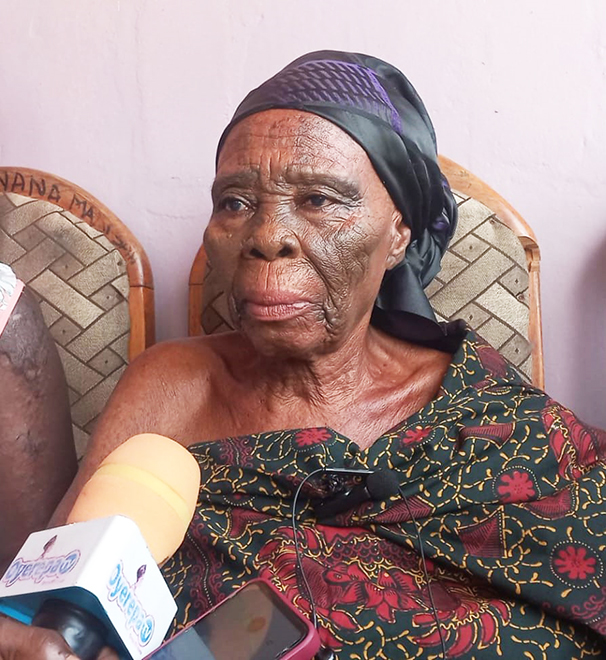
Nana Fosuah Tieamanie - Obaapanin of Hwereso-Donaaso

Nana Fosuah Tieamanie, Obaapanin of Hwereso-Donaaso, in the Ejisu Municipality of the Ashanti Region has appealed to Otumfuo Osei Tutu II, the Asantehene, to permit her to bury the deceased chief of Hwereso-Donaaso, Nana Oppong Kesse III, who passed on about seven years ago.

Hwereso-Donaaso owes allegiance to Oguakro Afrane Okese II, Omanhene of Ejisu, who is

supposed to give approval for the burial of the late chief.

But funeral rites and the interment of late Nana Oppong Kesse have been delayed till now, due to some litigation between the Obaapanin and the Omanhene of Ejisu, which matter is yet to be resolved by the Kumasi Traditional Council.

Speaking at a press conference yesterday, ObaapaninFosuahTieamanie, appealed to the Asantehene to intervene and grant the permit for the burial of the late Hwereso-Donaaso”, to avoid accumulated “mortuary fees” over the period.

Nana Fosuah also disclosed that the  Ejisumanhemaa, Nana Yaa Asantewaa II, has imposed a new Queen on the people of Hwereso-Donaaso, which act she described as illegitimate, noting that “it is only the chief of the town that can enstool a Queen mother and vice versa”.

Nana FosuahTieamanie claimed she is the only legitimate Obaapanin of Hyereso-Donaaso, urging the people of Hwereso-Donaaso not to heed the decision of Ejisumanhemaa.

As a result, the Hwereso-Donaaso Obaapanin has also appealed to the Asantehene to intercede in the dispute.

From Oswald Pius Freiku, Kumasi

Dzetorkoe Community expresses gratitude to Adutwum

0
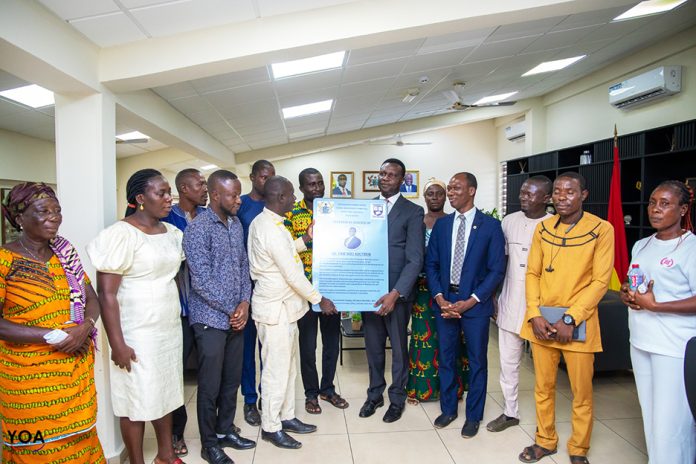
Dr Adutwim receiving the citation from the community

A 12-member delegation from Dzetorkoe, a farming Community in the South Tongu Municipality of the Volta region, on Tuesday, paid a courtesy call on the Education Minister, Dr Yaw Osei Adutwum in Accra.

The visit was to show appreciation to the Minister for the construction of a state-of-the-art school building for the community, which will improve effective teaching and learning in the area.

It would be recalled that Dr Adutwum, an astute educationist, saw a picture of a dilapidated old school building on social media. He responded quickly by sending a technical team to assess the school’s state.

The feedback from the technical team made the Minister quickly begin a contract process for the construction of a new 6-classroom block and its ancillary for the school, which were commissioned recently.

The Head Teacher of Dzetorkoe M/A Basic School, Mr Evans Avedzi, who was the leader of the delegation, on behalf of the community expressed their appreciation to the Education Minister for the love and passion shown to the people of Dzetorkoe.

He explained that apart from the fact that the new building has helped create an enabling environment for effective teaching and learning in the school, the new facilities in the school have raised the image of the community as people travel from nearby communities to catch a glimpse of the new school environment.

Mr Avedzi pledged to ensure that the new facilities would be maintained properly to ensure that they last longer to serve it purpose of construction.

Award presentation 

The delegation, after the discussion, presented a citation to Dr Adutwum as a token of their appreciation for the honour done them.

The citation also thanked him for the personal interest in the development of the community as well as the welfare of the people of the area.

Dr Adutwum, responding to the citation praised the delegation for the visit and stated that the development of the nation remains his focus hence his decision to undertake the development of infrastructure in the community.

He appealed to the community to stay united and continue supporting their children so they would be able to stay in school and study hard for the good of their future.

The outgoing Education Minister who is the Member of Parliament for Bosomtwe pledged to continue supporting the development of education in the country at all times.

Tinubu approves free nationwide transportation ahead of Christmas

0

President Bola Tinubu has approved free transportation nationwide ahead of Christmas celebration.

The Minister of Information, Mohammed Idris, announced this while briefing State House correspondents shortly after the Federal Executive Council meeting chaired by the President on Monday.

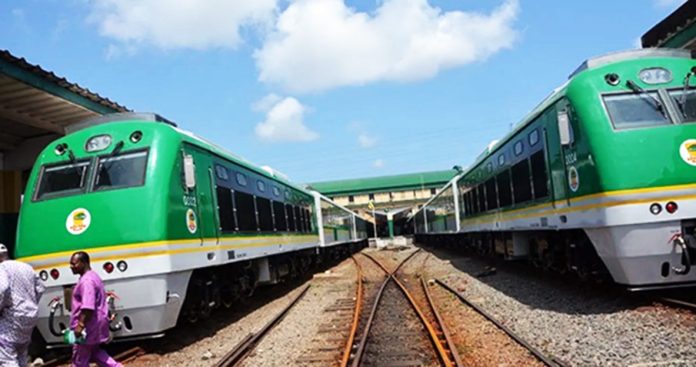
He said the Federal Government will commence a nationwide free train services from the 20th of December to 5th of January 2025.

He also announced that FG has renamed the University of Abuja to Yakubu Gowon University.

On the 2025 budget, the Minister of Finance and Coordinating Minister of the Economy, Wale Edun disclosed that the cabinet also deliberated extensively on the Appropriation Bill.

He expressed confidence that the budget will boost private sector participation in the national economy.

The Minister of Information confirmed that this FEC is the last meeting for the year, and that FEC will be on recess from 18 of December until 6th of January 2025.

Credit: channelstv.com

Reps to invite CDS, COAS over alleged unlawful operation of 177 Battalion in Nasarawa

0
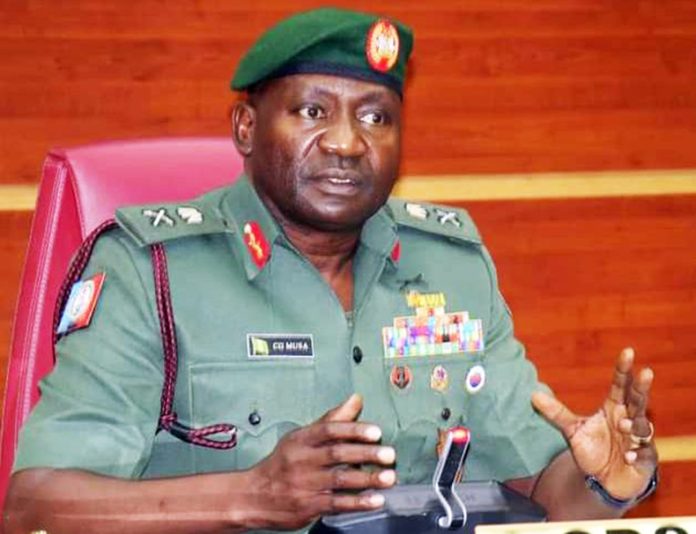
Chief of Defence Staff (CDS), Gen. Christopher Musa

The House of Representatives has resolved to invite the Chief of Defense Staff, the Chief of Army staff and the commanding officer of the 177 battalion over an alleged unlawful arrest and detention of a community leader in Nasarawa state.

Honourable Mansur Soro who moved the motion during Tuesday’s plenary, explained that on December 9th 2024, the community leader Bello Badejo was arrested in Maliya town, Nassarawa State by officers of the 177 battalion of the Nigerian Army with no prior invitation or court injunction.

The Chief of Defence Staff (CDS), Gen. Christopher Musa; the Chief of Army Staff (CAS), Lt-Gen. Olufemi Oloyede and the Commanding Officer of 177 Battalion had been criticised over the unlawful arrest and detention of Bodejo.

He further stated that one week after, Badejo is yet to be arraigned, which signifies an unlawful act by the Nigerian Army and a violation of the fundamental human rights as provided in sections 34, 35 and 36 of the 1999 Nigerian Constitution as amended.

It called on the “Chief of Defence Staff and the Chief of Army Staff to order the immediate release of Alhaji Bello Badejo from unlawful detention and to also apologize to him for infringing on his constitutionally guaranteed fundamental human rights.

The service chiefs are to appear before the House Committees on Army, Human Rights and Justice on Thursday 20th December 2024.

Credit: channelstv.com

The Ghanaian Chronicle