The Controlled Food Suppliers Association (CFSA) has announced plans to picket the Ghana Commodity Exchange (GCX) and the National Food Buffer Stock Company Limited (NAFCO) on November 24, 2026 over outstanding payments for food supplies made under the Free Senior High School (Free SHS) programme in 2024.
In a statement dated November 17, 2026 the association said the protest would seek the immediate settlement of all outstanding amounts owed to its members for food items supplied to the two institutions.
The planned peaceful picketing will be held in accordance with the Public Order Act, 1994 (Act 491). The picketing by members of the Controlled Food Suppliers Association over outstanding payments for food supplies made under the Free Senior High School (Free SHS) programme is a development that should concern the government and all stakeholders in the education sector.
The association is demanding payment for food items supplied in 2024. That suppliers are still pursuing payments for goods delivered nearly two years ago raises legitimate questions about the management of the programme’s financial obligations.
Government must treat this matter with the urgency it deserves. Suppliers who have fulfilled their contractual obligations by providing food for students should not be left to struggle to recover their money.
They have businesses to run, workers and other operational expenses to cater for, as well as new supplies to finance. Delayed payments can undermine their ability to remain in business and continue participating in the programme.
More importantly, government must recognise that the money owed to these suppliers is the same money they need to procure food for schoolchildren. It is unreasonable to expect suppliers to continue delivering food when payments for previous supplies remain outstanding. Timely payment is, therefore, not merely a matter of honouring contractual obligations, it is also essential to sustaining the programme.
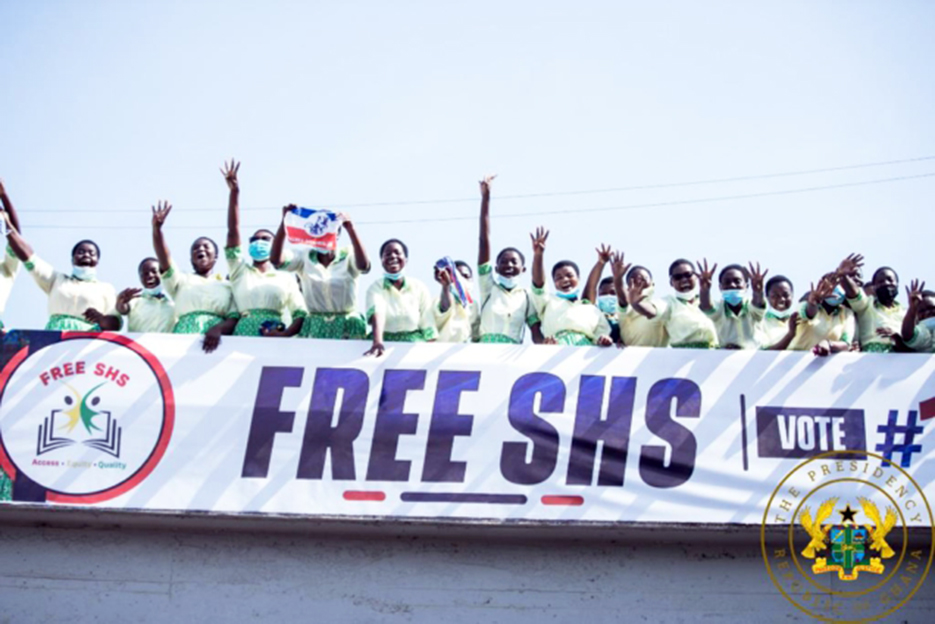
The provision of meals is a critical component of Free SHS. Beyond easing the financial burden on parents, feeding students helps ensure that they are adequately catered for while pursuing their education. Any development that threatens the consistent provision of meals must, therefore, be addressed before it disrupts the academic experience of students.
While the suppliers have opted for peaceful picketing to press their demands, government should not allow the situation to escalate to a point where food deliveries are interrupted. The relevant institutions must engage the association, verify the outstanding claims and establish a clear timeline for settling all legitimate arrears.
However, resolving the current impasse should not be the end of the matter. Government must introduce effective financial and administrative measures to prevent a recurrence. These should include reliable budgetary provisions, timely release of funds, proper monitoring of payment obligations and greater accountability by institutions responsible for the programme.
Free SHS cannot be sustained on promises alone. It requires sound financial management and a government that honours its obligations to those who make its implementation possible. Suppliers must be paid promptly, and schoolchildren must not become casualties of administrative and financial inefficiencies.
For more news, join The Chronicle Newspaper channel on WhatsApp: https://whatsapp.com/channel/0029VbBSs55E50UqNPvSOm2z