Law enforcement officers block participants of a gay pride rally in Russia
Russia’s parliament has passed the third and final reading of a law banning “LGBT propaganda” among all adults, as Moscow ramps up its conservative push at home amid the war in Ukraine that passed the nine-month mark on Thursday.
The bill criminalises any act regarded as an attempt to promote what Russia calls “non-traditional sexual relations” – in film, online, advertising or in public – and expands on a notorious 2013 law that banned “propaganda of nontraditional sexual relations” among minors and was used to detain gay rights activists.
Under the new law, individuals can be fined up to 400,000 roubles (£5,400) and organisations 5m roubles (£68,500) for “propagandising nontraditional sexual relations”, while foreigners could face up to 15 days’ arrest and expulsion from Russia.
Human rights groups and LGBTQ+ activists say the extension of the law means any act or public mention of same-sex relationships is functionally being outlawed.
The Russian president, Vladimir Putin, is expected to sign the bill in the coming days. Credit: theguardian.com
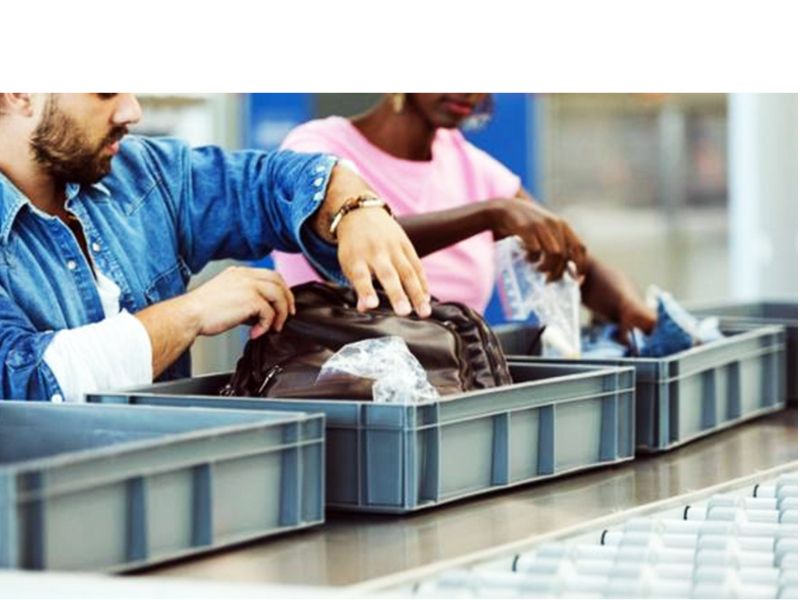
Security restrictions on liquids and laptops in airport hand luggage could be axed in the UK within two years thanks to high-tech 3D scanners.
The government is considering rolling out the more advanced scanners by mid-2024, a source told the BBC, although a final decision has yet to be made.
The equipment, similar to CT scanners used in hospitals, provides a clearer picture of a bag’s contents.
A previous installation deadline slipped due to the pandemic. The Times newspaper reported that ministers have been carrying out a review and an announcement is due before Christmas, with the hope it could cut down on queues in UK airports.
Passengers carrying liquid in their cabin baggage are currently restricted to containers holding no more than 100ml. These must be shown to security staff in a single, transparent, resealable plastic bag, which holds no more than a litre and measures about 20cm (8in) by 20cm. Those limits have been in place since November 2006.
Rats have been blamed in the past for consuming alcohol in police stations
Police in India have blamed rats for destroying nearly 200kg (440lb) of cannabis seized from dealers and kept in police stations.
“Rats are tiny animals and they have no fear of the police. It’s difficult to protect the drug from them,” a court in Uttar Pradesh state has said.
The court had asked the police to produce the stash as evidence in cases of drug peddling.
The judge cited three cases in which marijuana was destroyed by rodents.
Judge Sanjay Chaudhary said in an order that when the court asked the police to produce the seized drug as evidence, it was told that 195kg of cannabis had been “destroyed” by rats.
In another case involving 386kg of the drug, the police filed a report saying “some” of the cannabis was “eaten up by the rats”.
Judge Chaudhary said some 700kg of marijuana seized by the police was lying in police stations in Mathura district and that “all of it was under danger of infestation by rats”.
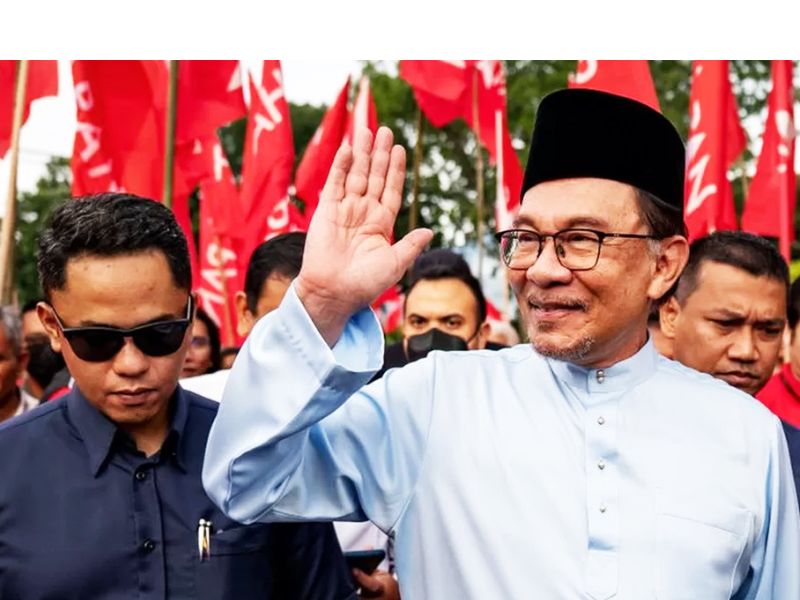
Anwar Ibrahim has been appointed to the job after days of uncertainty - and years of trying
Malaysia’s veteran opposition leader Anwar Ibrahim has been sworn in as the country’s new prime minister, after several days of post-election deadlock. The new leader was appointed by King Sultan Abdullah, after elections over the weekend resulted in an unprecedented hung parliament.
Neither Mr Anwar nor ex-premier Muhyiddin Yassin had won the simple majority needed to form a government. It is not immediately clear who Mr Anwar will go into coalition with.
“After taking into the consideration the views of Their Royal Highnesses the Malay Rulers, His Majesty has given consent to appoint Anwar Ibrahim as the 10th Prime Minister of Malaysia,” said a statement released by the palace earlier on Thursday.
The new PM was sworn in by the king in the late afternoon.
Mr Anwar’s Pakatan Harapan (PH) party, which won the biggest share of seats in Saturday’s election, does not have enough seats on its own to form a government.
It took five days of intense negotiations to reach an agreement on a new government, during which time various combinations of parties and forms of alliances were discussed, and then rejected.
A brawl broke out in Sierra Leone’s parliament Wednesday as lawmakers debated a proposed change to the electoral system to allow for proportional representation in next year’s election, local media reported.
In video footage, representatives from the ruling Sierra Leone People’s Party (SLPP) and the opposition All People’s Congress (APC) party can be seen swinging punches and throwing chairs. At one point what appears to be a large ornamental vase is tossed across the chamber — and back.
The West African nation’s electoral commission has recommended switching to a proportional representation system for the June 2023 local and parliamentary elections, set for the same day as the presidential ballot, a move the opposition has opposed.
The government is in favour of the plan, which requires parliamentary approval.
Matthew Sahr Nyuma, chairman of parliament’s information committee, confirmed that a fight had broken out.
Following the fight, which broke out around 1100 GMT and had quieted down by the afternoon, some members of parliament were thrown out of the chamber by security, a local journalist who was present told AFP. The June vote will see President Julius Bio, who was first elected in 2018, contest a second term in office.
The Ghana Police Service, through its Marine Police Unit, in collaboration with the International Justice Mission (IJM), has commissioned two boats for its operations on the Volta Lake. It is part of its flagship Lake Patrol Project aimed at combating crime on the Volta Lake including child trafficking and operationalised under the Marine Police Volta Lake Command.
Deputy Commissioner of Police (DCOP) Henry Otoo, Director of Operations, Ghana Police Service headquarters, noted at the event, at Kete-Krachi in the Oti Region, that activities such as the proliferation of child trafficking incidents on some parts of the Volta Lake called for an effective and efficient maritime law enforcement agency.
He said other activities, including cultivation and transportation of Indian hemp, overloading and use of rickety canoes resulting in boats capsizing, drowning and fatalities were also of a concern.
DCOP Otoo said the Ghana Marine Police would protect life and property; prevent, detect, arrest and prosecute perpetrators of maritime crimes on and around the banks of the Volta Lake. He noted that the operations would help “reduce the security and economic threats posed to the Nation to the barest minimum.”
DCOP Joseph Antwi-Ababio, Director, Marine Police Unit, said the formation of the Volta Lake Marine Police Patrols Team was relevant and would help to tackle all forms of criminality on the Lake and enhance law enforcement and deterrence.
He noted that a pilot base to tackle the menaces was run and expected to provide a road map for Police administration to provide resources for the continued implementation of patrols on the other areas of the Lake.
Madam Anita Budu, Director of Operations at IJM, said the commissioning of the boats and patrol project marked a great milestone in the fight against trafficking on the Lake. She said it also demonstrated how far the government partners had come in efforts to rescue victims of trafficking and hold perpetrators accountable for their actions. Mr. Andrews Dodzi, the Senior State Attorney for Volta Region, assured that the law would deal with people involved in or helping trafficking.
Nana Nkrumah Eyerealeso II, Adontenhene of Krachi Traditional Area, noted that child trafficking had been a long-standing problem to the people of Krachi hence their readiness to support the project. He said they were ready to punish any chief involved in or supporting the crime and called for de-politicisation in the enforcement of the law.
The Anti-human Trafficking Unit of the Ghana Police and IJM collaborated with the Marine Police through the usage of its patrol boats and personnel to conduct rescue operation activities on some targeted areas on the Volta Lake since 2015.
Through such collaborated operations, 24 children below the age of seven years old were rescued from fishing boats on the Volta Lake and 16 suspects were arrested and facing the law.
I believe it is also time we promote some local products doing well in the market. This particular product has performed extremely well with different anecdotal evidence I heard. I have decided to examine the science of this product without no financial obligations to the manufacturer. I aim to promote evidence-based natural remedies.
Popularly known as ‘Policeniin’aduro no’. IMBOOST herbal mixture contains the essential raw materials that help your immune system resist diseases and also repair worn-out tissues.
IMBOOSTHerbal Mixture is locally produced from Mangiferaindica,Khayasenegaliensis, cassia siamia, and Tectonagrandis. This article examines the scientific aspects of the ingredients.
IMBOOST, Science
Mangiferaindica
Mango Tree
Two studies (Batool et al. 2018; Zhang et al. 2019) confirmed that the leaves of Mangiferaindica have been used in Ayurveda and traditional Chinese medicine for many years in naturopathic healing.
Zhang et al. (2019 ) explained that the leaves, especially have been used in naturopathic practices to treat diabetes and many other health conditions as compared to other parts such as the stem, bark, roots, and fruit.
Mangiferaindica, science
Loaded in plant compounds
One study by Ediriweera et al.(2017) found that the leaves of mango are loaded with diverse significant plant compounds, such as polyphenols and terpenoids. One such is Terpenoids, which another study by Grassmann, J(2005) found that is good for eye health and immunity. Terpenoids also act as antioxidants, which protect our cells from harmful activities.
Two other studies( Fraga et al. 2019; Cory et al. 2018) also found that the polyphenols in Mangiferaindica are also loaded with antioxidant and anti-inflammatory properties. These polyphenols enhance gut bacteria and help treat or prevent conditions like obesity, diabetes, heart disease, and cancer.
One specific polyphenol found in Mangiferaindica, called mangiferin is linked with several health benefits( Du et al. 2018; Matkowski et al. 2013; Barreto et al. 2008).
For instance, Du et al. (2018) found that mangiferin acts as an anti-microbial agent and potential treatment for tumors, diabetes, heart disease, and fat digestion abnormalities. Though, more human studies are needed( Batool et al. 2018).
Mangiferaindica, anti-inflammatory properties
Though, more human studies are needed. Three studies have demonstrated the potential anti-inflammatory properties in mango leaves( Saha et al. 2016; Pan et al. 2016; Fomenko and Chi, 2016). Though inflammation is part of the body’s normal immune response, chronic inflammation can increase the risk of various diseases.
However, this can be dealt with by using mango leaves. One animal study ( Omairi et al. 2018) found that mango leaves’ anti-inflammatory properties could protect the brain from conditions like Alzheimer’s or Parkinson’s. In this study, a mango leaf extract given to rats at 2.3 mg per pound of body weight (5 mg per kg) helped counteract artificially induced oxidative and inflammatory biomarkers in the brain.
MangiferaIndica, Weight Loss
One study by Zhang et al.( 2013) found that the mango leaf extract could manage obesity, diabetes, and metabolic syndrome by interfering with fat metabolism.
Additionally, three other animal studies( Zhang et al. 2013; Guo et al. 2011; Sferrazzo et al. 2019) have found that the mango leaf extract inhibits fat accumulation in tissue cells. The studies further found that cells treated with a mango leaf extract had lower levels of fat deposits and higher levels of adiponectin.
Two studies( Nigro et al. 2014; Achari and Jain, 2017) explained that Adiponectin is a cell-signaling protein that plays a role in fat metabolism and sugar regulation in your body. Higher levels could protect against obesity and obesity-related chronic diseases.
In another study of rats( Ramírez et al. 2017) who were obese, those fed mango leaf tea in addition to a high-fat diet had less abdominal fat as compared to those given only the high-fat diet.
In another study, which happens to be in humans ( Na et al. 2015) conducted for 12 weeks in 97 adults with excess weight, those given 150 mg of mangiferindaily had lower fat levels in their blood and better insulin resistance index as compared tothe placebo. This means that mango leaves are better for blood sugar management.
Studies have confirmed that Mango leaveshave a better score in the management of blood sugar due totheir effects on fat metabolism. For instance, Zhang et al. (2019) study used the mango leaf extract administered to mice for 2 weeks and found that it has lower triglyceride and blood sugar levels.
In another study in rats by Sandoval-Gallegos et al. (2018) administered 45 mg per pound of body weight (100 mg per kg) of mango leaf extract and found that it decreased hyperlipidemia, a condition characterized by abnormally high levels of triglycerides and cholesterol.
A recent animal study by Boas et al. (2020) this time compared mango leaf extract and the oral diabetes drug glibenclamide in rats with diabetes. The study found that the mango leaf extract group experienced lower blood sugar levels than the glibenclamide group after 2 weeks.
A previous human study( Evans et al. 2014) from Oklahoma found that individuals are given mango leaf extract and fruit for 12 weeks drastically decreased blood sugar levels in obese adults.Finally, another previous study (Lattimer and Haub, 2010) found that fiber content promotes normal blood sugar levels.
With high blood pressure, one study(Houston and Harper, 2008) found that mango is loaded with high magnesium and potassium, which are two essential nutrients that are vital when it comes to regulating blood pressure. Additionally, Ha. SK (2014) also reports that Mangifera is naturally low in sodium, a micronutrient that should be limited in those with high blood pressure.
MangiferaIndica, Cancer properties
Two reviews ( Vyas et al. 2012; Khurana et al. 2016) found that mangiferin in mango leaves may have an anticancer ability as it combats oxidative stress and fights inflammation. One test-tube study by NúñezSelles et al. (2016) found specific effects against leukemia and lung, brain, breast, cervix, and prostate cancers.
An earlier study( Youn et al. 2008) found that the mango bark has strong anticancer ability due to its lignans, which are another type of polyphenol. Additionally, One significant study by Glinskya and Razc (2009) found mangos to be loaded with pectin. These pectins, which aid to lower cholesterol levels in the blood could also fight prostate cancer, in vitro studies.
Another good news for men is that a compound within pectin combines with galectin-3, a protein that is pivotal in fighting inflammation and cancer progression. For instance, an old human study by Daviglus et al (1996) found that higher dietary intakes of vitamin C and beta-carotene, an antioxidant found within the mango, increased survival rates in men with prostate cancer. This means that IMBOOST could help men diagnosed with prostate cancer improve their quality of life(QOL).
Finally, another in vitro study by Wilkinson et al.(2011) conducted by the University of Queensland also established that extracts of mango flesh and peels were effective at blocking the growth of breast cancer cells. This also suggests that IMBOOST formulated in Ghana with mango extract could be integrated into the natural cancer treatment protocol.
Mango, Stomach Ulcers, Digestive Health
Though human studies are limited in this area. Some studies(Prabhu and Rajan, 2015; Priya et al. 2011; Lima et al. 2006) found that mango leaf and other parts of the plant have traditionally been employed in naturopathic practice to treat stomach ulcers and other digestive conditions.
Also, one study in rodents( Severi et al. 2009) found that orally administering the mango leaf extract at 113–454 mg per pound (250–1,000 mg per kg) of body weight reduced the number of stomach wounds. Another earlier rodent study( Carvalho et al. 2007) found the same findings with mangiferin drastically improving digestive damage.
The fiber in Mango, (Anderson et al. 2009; Anderson et al. 2009) has been found to add bulk to the stool to increase stool frequency in people with constipation, and also help protect against other gastrointestinal conditions, including hemorrhoids, GERD, intestinal ulcers, and diverticulitis.
Mango, Healthy Skin, Hair
A recent study by Zhang and Duan, (2018) found that mango leaf extract could decrease signs of skin aging due to its antioxidant content.
Another earlier study in mice( Song et al. 2013) found that mango extract taken orally at 45 mg per pound (100 mg per kg) of body weight increased collagen production and drastically shortened the length of skin wrinkles.
Another test-tube study by Chirayath et al.( 2019) found that the mango leaf extract could have antibacterial effects against Staphylococcus aureus, a bacterium that can cause staph infections. In a recent study by Pleguezuelos-Villa et al. (2020)the Mangiferin in Mango has also been studied for psoriasis, a skin condition that causes itchy, dry patches. A test-tube study using human skin confirmed that this polyphenol encouraged wound healing.
On hair, three studies(Laulloo et al. 2018; Trüeb et al. 2009; Trüeb et al. 2015) confirmed that mango leaves are rich in antioxidants, and protect hair follicles from damage. This aids hair growth.
Mango, Asthma
Senaidy, AM(2009) found that due to the high level of vitamin A and beta-carotene is lower in children with asthma. Hence, mango vitamin A and carotene content could have some impact on allergic diseases, such as asthma.
Cassia siamia
Siamia
siamea has been reported to be used in the management of constipation, diabetes, insomnia, hypertension, asthma, typhoid fever, and dieresis. Leaves and bark of medicinal plants were reported to be used locally as antimalarial medications.
Siamia, Analgesic
One study by Ntandou et al.(2010) investigatesthe analgesic and anti-inflammatory activities of Cassia siamea Lam stem bark extracts. The study found that siamia has analgesic and anti-inflammatory properties. The study also noted that the analgesic and anti-inflammatory properties are derived from the following compounds present in the plant: triterpenes (lupeol, oleanolic acid, ursolic acid, friedelin, betulin), flavonoids (apigenin, kaempferol, luteolin), anthraquinones (emodin), phytosterols (stigmasterol, beta-sitosterol).
Siamia, Long life
One study on common fruit flyby Wongchum and Dechakhamphu(2021) examined the claim of longevity and found that eating a diet that containssiamia could significantly extend the mean life span ofthe common fruit fly by 14% compared with the control diet.
The study provides supportive evidence that supplementation with siamia prolonged the life span and reduced oxidative stress in the common fruit fly. Though this is an animal study, it provides the clue that taking IMBOOST as a supplemental diet could be supporting your age.
Cassia Siamia, a natural dewormer
One study examined cassia siamia as a natural dewormer with the pharmaceutical drug ivermectin as a control. The study found that Cassia siamea may be used as a natural source of lead compounds for the development of alternative anthelmintic.
Cassia Siamia, Antimalarial
One study by Tasiam et al.(2020) examined Cassia Siamia as an antimalarial drug and found that cassia Siamia demonstrates the requirements of a promising antimalarial effect.
Cassia Siamia, Antioxidant
One study by Kaur et al.(2006) suggests that the alcoholic extract of C. siamea flowers has potent antioxidant activity against free radicals, prevent oxidative damage to major biomolecules, and affords significant protection against oxidative damage in the liver.
Tectoniagrandis
Tectonia grandis
Tectonagrandis, commonly known as teak, is a tall deciduous tree that typically grows to 150′ tall in its native habitat, but to about 80′ in cultivation. It is native to India, Myanmar (Burma), Southeast Asia, Malaysia, and Indonesia, but is now planted in tropical to sub-tropical areas throughout the globe, not only for ornamental reasons but also in plantations for commercial timber production. Timber from this tree is an important tropical wood (at or near the top of the list of world hardwoods).
Unfortunately, demand for teak timber has far outpaced available supply with the result that many of the old teak forests from native habitat areas have now been decimated by overlogging. Even though the demand for teak wood remains unmet, commercial plantations help meet that demand in a way that does not harm natural plantings which in many areas are still subject to logging.
Teak trees feature: (a) trunks with scaly gray to gray-brown bark topped by an open crown of spreading branches, (b) large, rough, leathery, ovate-elliptic, green leaves (to 18-30″ long) which are covered by gray-green stellate hairs, (c) fragrant, finely-pubescent, white flowers which bloom in summer (June-August) in large terminal panicles to 16″ long, (d) globose, finely pubescent fruits (to 2/3″ diameter) enclosed in egg-shaped calyxes which mature from September to December, and (e) dark yellow trunk wood which turns an attractive deep brown when exposed to sunlight and air.
Teak wood is hard, durable, fine-grained, resistant to decay if exposed to moisture, and of attractive deep brown color. Teak wood is used in a variety of ways, including (a) for outdoor purposes, it is used in the manufacture of outdoor furniture, boat building, doors, and window frames, and (b) for indoor purposes, it is used for flooring, fine furniture, and veneer. Teak is the national tree of Indonesia.
Leaves of the teak wood tree are used in making Pellakaigatti (jackfruit dumpling), where a batter is poured into a teak leaf and steamed. This type of usage is found in the coastal district of Udupi in the Tulunadu region in South India. The leaves are also used in gudeg, a dish of young jackfruit made in Central Java, Indonesia, and give the dish its dark brown colour.
Khayasenegaliensis
Khaya senegaliensis
Its medicinal uses are as a tonic and fever medicine; a chewing stick for treating toothaches, dental caries, and septic mouth, and for treating diarrhea, dysentery, and malaria. In most parts of West Africa, the bark is used against fever and malaria; hence, it has been described as African quinine.
(Atawodi et al. 2003; Wurochekke and Nok,2004 ; Mikail, 2009; Aderbauer et al 2008; Umar et al, 2010;Adeiza et al. 2010; Ibrahim et al, 2008; and Ibrahim et al 2013) investigate extracts of stem bark both in vitro and in vivo in rats, against T. evansi, T. congolense and T. b. brucei. All showed promising results and a few demonstrated an effective dose.
Wood is used for a variety of purposes. It is often used conventionally for carpentry, interior trim, and construction. Traditionally the wood was used for dugout canoes, household implements, djembe, and fuel wood. The bitter-tasting bark is used for a variety of medical purposes; it is taken against fever caused by malaria, stomach complaints, and headaches. It is applied externally to cure skin rashes, wounds, or any abnormality. It has been exported from West Africa (Gambia) to Europe since the first half of the 19th century and has been exploited heavily for its timber. It is now used more locally and is planted ornamentally as a roadside tree.
Take Home
Animal studies have demonstrated the many benefits of the ingredients used in formulating IMBOOST Herbal Mixture. Some have demonstrated its effects on immunity, others as a natural dewormer, anti-inflammatory,and many others.
The author is a Professor of Naturopathic Healthcare and President of Nyarkotey College of Holistic Medicine & Technology (NUCHMT)/African Naturopathic Foundation.E-mail:
Wongchum N, Dechakhamphu A. Ethanol extract of Cassia siamea increases life span in Drosophila melanogaster. BiochemBiophys Rep. 2021 Jan 26;25:100925. doi: 10.1016/j.bbrep.2021.100925. PMID: 33553687; PMCID: PMC7844133.
Tasiam E, Primaharinastiti R, Ekasari W. IN VITROANTIMALARIAL ACTIVITY AND TOXICITY STUDIES OF JOHAR (CASSIA SIAMEA) LEAVES FROM THREE DIFFERENT LOCATIONS. Afr J Infect Dis. 2020 Jul 31;14(2):23-29. doi: 10.21010/ajid.v14i2.4. PMID: 33884347; PMCID: PMC8047291.
Kaur G, Alam MS, Jabbar Z, Javed K, Athar M. Evaluation of antioxidant activity of Cassia siamea flowers. J Ethnopharmacol. 2006 Dec 6;108(3):340-8. doi: 10.1016/j.jep.2006.05.021. Epub 2006 Jun 12. PMID: 16846707.
Egg yolks are the yellow part at the center of an egg. They contain high levels of cholesterol but also provide a range of vital nutrients and health benefits.
Eggs are a low cost, nutrient dense food that is easy to access and prepare, making them an excellent dietary staple for many people worldwide.
They are extremely versatile. People can prepare eggs in several different ways or use them in many aspects of food preparation, cooking, and baking.
In this article, we explain the benefits and nutritional breakdown of egg yolks. We also compare them with egg whites and provide tips on how to eat them safely.
Benefits
Eating egg yolk may lower a person’s risk of gastrointestinal distress.
Eating the egg white and yolk together in a whole egg provides the right balance of protein, fat, and calories. This combination allows most people to feel fuller and more satisfied after eating eggs in meals.
However, a 2019 review suggests that most of the nutrients in an egg are in the yolk. The distribution of the proteins, however, is even throughout the whole egg.
The review highlights several benefits that the nutrients and proteins in egg yolk may provide, including:
A lower risk of gastrointestinal distress: This benefit may be due to egg yolk proteins, such as phosvitin, which may reduce the number of compounds in the body that cause inflammation.
A boosted immune system: Certain compounds called sulfated glycopeptides are present in the membrane of the egg yolk. These may stimulate the production of macrophages, which are cells in the immune system that protect the body against disease and infection.
Lower blood pressure: The review notes that egg yolk contains several compounds called peptides that research has shown to reduce blood pressure significantly in rats. High blood pressure is a risk factor for cardiovascular disease.
Reduced risk of vision problems: The American Heart Association state that yolks are a significant sourceTrusted Source of lutein and zeaxanthin. These carotenoids may protect against cataracts and macular degeneration, two common eye problems that often develop after the age of 55 years.
It is worth noting that many of the studies in this review did not test the effects of egg yolks in humans. Instead, they performed the tests in a laboratory or on animals. Therefore, the findings may not apply to humans.
Researchers have also started exploring the potential of various immunostimulants called immunoglobulins, which are present in egg yolks.
For example, a 2017 study found that female mice were less likely to become infected with Helicobacter pylori — bacteria that commonly cause intestinal infection — after consuming anti-VacA IgY, an immunoglobulin in egg yolk.
Nutrition
Cooking eggs in oil will increase the fat content of a dish.
The nutritional content of an egg yolk depends on the size, origin, and processing of the egg, as well as the species from which it comes.
The final dietary value of egg yolks varies greatly depending on their preparation. For example, cooking whole eggs in oil may double or even triple the fat and cholesterol content of an egg dish.
According to the United States Department of Agriculture, a raw yolk from one standard, large egg provides the following:
55 calories
2.70 g of protein
4.51 g of fat
184 milligrams (mg) of cholesterol
0.61 g of carbohydrate
0.10 g of sugar
0 g of dietary fiber
Egg yolks contain at least seven essential minerals, including:
calcium
iron
magnesium
phosphorus
potassium
sodium
zinc
Egg yolks are a plentiful source of many vitamins, especially fat- and water-soluble vitamins.
The table below outlines the vitamin content of one large (17 g) egg yolk.
Thiamin 0.030 mg
Riboflavin 0.090 mg
Niacin 0.004 mg
Vitamin B-6 0.060 mg
Vitamin B-12 0.332 micrograms (mcg)
Vitamin A 64.8 mcg
Vitamin E 0.439 mg
Vitamin D (D-2 and D-3) 0.918 mcg
Vitamin K 0.119 mcg
Duck, quail, goose, and turkey eggs contain higher amounts of many vital nutrients than chicken eggs.
Yolk vs. egg white
In comparison with the 2.7 g of protein in the yolk of a single, large egg, the white provides 3.6 g.
While the white provides more protein, the yolk contains nearly all of the fat- and water-soluble vitamins and minerals in eggs. Research suggests that consuming whole eggs has more significant benefits than eating egg whites alone.
For example, a 2017 study found that young men who ate whole eggs immediately after performing resistance exercises had higher rates of muscle metabolism than those who consumed only egg whites.
Considerations
Buying eggs from a reputable seller may reduce the risk of food poisoning.
The most common health concern relating to eggs is food poisoning from the bacteria Salmonella, which poultry naturally carry. These bacteria may contaminate the eggs.
Salmonella infections can be serious, especially for young children, people with immune conditions, and those over the age of 65 years Trusted Source. However, following a few basic safety precautions when purchasing, storing, handling, and cooking eggs significantly reduces the risk of food poisoning.
Tips for safely dealing with eggs include:
purchasing eggs from a reputable, licensed source or a trusted local farmer
making sure that eggs do not have cracks or holes in the shell before purchasing them
storing eggs in the refrigerator at 40°F (4.4°C)
washing the hands and all exposed surfaces with soap and water immediately after coming into contact with raw eggs
eating or refrigerating eggs no more than 2 hours after cooking them
cooking eggs until at least the whites are firm (individuals at higher risk of infection should cook eggs until both the white and yolk are firm)
cooking egg dishes, such as casseroles or quiches, to an internal temperature of at least 160°F (71.1°C)
cooking scrambled eggs until firm
throwing away broken, dirty, or cracked eggs, as well as expired eggs and egg products
avoiding eggs that have an odd consistency, appearance, or smell
keeping raw eggs away from other foods, especially foods that do not require cooking
using pasteurized eggs for dressings and condiments that require soft boiled eggs, such as hollandaise sauce, mayonnaise, and Caesar salad dressing
Dr. Joyce Rosalind Aryee, Executive Director, Salt and Light Ministries
Whatever you do, work at it with all your heart, as working for the Lord, not for men, since you know that you will receive an inheritance from the Lord as a reward. It is the Lord Christ you are serving – Colossians 3:23-24. (NIV)
Introduction
Some people say that it does not really matter what you believe, as long as you do the right thing. However, Paul’s letter to Titus contradicts that sort of thinking. He knew that people become what they think, and that everything they do is shaped by what they believe.
That is why he urged Titus, his valued associate who was pastoring a church on the island of Crete, to, “speak the things which are proper for sound doctrine” – Titus 2:1. He knew that correct living is a product of correct belief. Error can never lead to Godliness. Only truth produces genuine Christlikeness.
In our world today, many streams of thought lay claim to being “true.” Yet they produce nothing that even approaches the character, integrity, and humility of Christ. That is why believers need to carefullypay attention to the teaching they receive. Does it square with Scripture? Does it honor Christ? Does it acknowledge what Paul calls “the truth which accords with godliness” – Titus1:1.
We have published this article a couple of years ago but we consider it very relevant today. Please enjoy!
Titus’s Work in Crete
An elder must live a blameless life. He must be faithful to his wife, and his children must be believers who are not wild or rebellious. An elder must live a blameless life because he is God’s minister. He must not be arrogant or quick-tempered; he must not be a heavy drinker, violent, or greedy for money. He must enjoy having guests in his home and must love all that is good. He must live wisely and be fair. He must live a devout and disciplined life. He must have a strong and steadfast belief in the trustworthy message he was taught; then he will be able to encourage others with right teaching and show those who oppose it where they are wrong.
For there are many who rebel against right teachings; they engage in useless talk and deceive people. This is especially true of those who insist on circumcision for salvation. They must be silenced. By their wrong teaching, they have already turned whole families away from the truth. Such teachers only want your money. One of their own men, a prophet from Crete, has said about them, “The people of Crete are all liars; they are cruel animals and lazy gluttons.” This is true. So, rebuke them as sternly as necessary to make them strong in the faith. They must stop listening to Jewish myths and the commands of people who have turned their backs on the truth.
Everything is pure to those whose hearts are pure. But nothing is pure to those who are corrupt and unbelieving, because their minds and consciences are defiled. Such people claim they know God, but they deny Him by the way they live. They are despicable and disobedient, worthless for doing anything good – Titus 1:6-16.
Promote Right Teachings
But as for you, promote the kind of living that reflects right teaching. Teach the older men to exercise self-control, to be worthy of respect, and to live wisely. They must have strong faith and be filled with love and patience.
Similarly, teach the older women to live in a way that is appropriate for someone serving the Lord. They must not go around speaking evil of others and must not be heavy drinkers. Instead, they should teach others what is good. These older women must train the younger women to love their husbands and their children, to live wisely and be pure, to take care of their homes, to do good, and to be submissive to their husbands. Then they will not bring shame on the word of God.
In the same way, encourage the young men to live wisely in all they do. And you yourself must be an example to them by doing good deeds of every kind. Let everything you do reflect the integrity and seriousness of your teachings. Let your teachings be so correct that it can’t be criticized. Then those who want to argue will be ashamed because they won’t have anything bad to say about us.
Slaves must obey their masters and do their best to please them. They must not talk back or steal, but they must show themselves to be entirely trustworthy and good. Then they will make the teaching about God our Saviour attractive in every way.
For the grace of God has been revealed, bringing salvation to all people. And we are instructed to turn from godless living and sinful pleasures. We should live in this evil world with self-control, right conduct, and devotion to God, while we look forward to that wonderful event when the glory of our great God and Saviour, Jesus Christ, will be revealed. He gave His life to free us from every kind of sin, to cleanse us, and to make us His very own people, totally committed to doing what is right. You must teach these things and encourage your people to do them, correcting them when necessary. You have the authority to do this, so don’t let anyone ignore you or disregard what you say – Titus 2:1-15
Do What Is Good
Remind your people to submit to the government and its officers. They should be obedient, always ready to do what is good. They must not speak evil of anyone, and they must avoid quarreling. Instead, they should be gentle and show true humility to everyone.
Once, we too, were foolish and disobedient. We were misled by others and became slaves to many wicked desires and evil pleasures. Our lives were full of evil and envy. We hated others, and they hated us.
But then God our Saviour showed us His kindness and love. He saved us, not because of the good things we did, but because of His mercy. He washed away our sins and gave us a new life through the Holy Spirit. He generously poured out the Spirit upon us because of His great kindness. And now we know we will inherit eternal life. These things I have told you are all true. I want you to insist on them so that everyone who trusts in God will be careful to do good deeds all the time. These things are good and beneficial for everyone. – Titus 3:1-8
Paul’s Final Remarks and Greetings
Do not get involved in foolish discussions about spiritual pedigrees or in quarrels and fight about obedience to Jewish laws. These kinds of things are useless and a waste of time. If anyone is causing divisions among you, give a first and second warning. After that, have nothing more to do with that person. For people like that have turned away from the truth. They are sinning, and they condemn themselves – Titus3:9-11.
Conclusion
Megathemes in Titus 1-3
A good life –The gospel transforms people’s lives, so that they eventually perform good deeds. A good life is a witness to the gospel’s power. As Christians, we must have commitment and discipline to serve. Are we putting your faith into action by serving others?
Character – It’s not enough to be educated or to have a loyal following to be Christ’s kind of leader. You must have self-control, spiritual and moral fitness, and Christian character. Who we are is just as important as what we can do.
Church Relationships – Right living and right relationships go along with right doctrine. Let’s treat relationships with other believers as an outgrowth of our faith.
Citizenship – How we fulfill our civic duties is a witness to the watching world. Our community life should reflect Christ’s love as much as our church life does.
Remain Blessed!
Please continue to join us on Asempa 94.7 FM – Sundays 5.30 am., Sunny 88.7 FM – Tuesdays 5:30 am; and YFM 107.9 – Sundays 6.30am; for our Radio Bible Study as well as Sunny FM 88.7 FM every Sunday at 3:30 pm. for Hymn and their Stories.
Right Honourable Speaker, Honourable Members of Parliament, on the authority of the President of the Republic of Ghana, and in accordance with the requirement under Article 179 of the 1992 Constitution of the Republic of Ghana, I present to you the 2023 Budget Statement and Economic Policy of His Excellency Nana Addo Dankwa Akufo-Addo.
Mr. Speaker, I beg to move that this House approves the Budget Statement and Economic Policy of the Government of Ghana for the year ending 31st December, 2023.
I also respectfully submit to this House the following statutory reports:
The 2022 Annual Report on the Petroleum Funds, pursuant to Section 48 of the Petroleum Revenue Management Act, 2011 (Act 815), (as amended); and
The 2022 Report on the Utilisation of the African Union Levies, pursuant to Section 7 of the African Union Import Levies Act, 2017 (Act 952).
Mr. Speaker, this Budget Speech is an abridged version of the 2023 Budget Statement and Economic Policy of Government. I request the Hansard Department to capture the entire Budget Statement and Economic Policy of Government for the year ending 31st December, 2023.
Mr. Speaker, at the outset, permit me to thank you, personally, the leadership of Parliament, Honourable Members of this august House for your individual and collective support, understanding and cooperation the past six years that I have had the honour and privilege to be the Minister responsible for Finance.
As we all are fully aware, a lot has happened this year in the economy and more so in recent weeks over my role in the management of the economy. These are very erratic times and, on behalf of the President of the Republic and, for myself in particular, I am eternally grateful, first, to the leadership of the New Patriotic Party, and the majority leadership and caucus of this House. And, to the Minority caucus of the National Democratic Congress in Parliament, I thank you, on your decision yesterday to participate fully in the process of passing this budget and, to quote, you stressed how “also mindful” you are “of the timeliness regarding the IMF negotiations and the crucial role a timely presentation of the 2023 budget will play in the advancement” of Ghana’s case in the negotiations with the Fund.
I wish to assure this House of my strong commitment and unflinching cooperation in our collective efforts to secure an historic IMF programme very soon; a programme that will assist the country in its post-covid recovery efforts. Our disagreements notwithstanding, what should never be in doubt, especially in the eyes and ears of the general public, is our common desire to serve the Republic. Our democracy is richer for it. Let me quote Simón Bolíva; “In the unity of our nations rests the glorious future of our peoples.”.
But Mr. Speaker, The President of the Republic who is in Qatar enjoins us to remember Nehemiah when he said ‘Let us rebuilt the walls of Jerusalem and we will in disgrace. They replied “Let is start rebuilding”. So they began to work.
Mr. Speaker, the year 2022 will go down as one of the most difficult and eventful years in the economic history of our country. While we continue to deal with the devastating impact of the COVID-19 pandemic which led to significant reduction in our revenues and increased our expenditures enormously, we also have had to contend with the double jeopardy of the Russian-Ukraine war. What has resulted in unprecedented global crises ravaging all currencies and historic living and inflation levels
In the midst of these really challenging times, Parliament has in many, many instances supported Government’s programmes presented to this House. The eventual passage of the E-levy Act, the Fees and Charges Act, the Exemptions Act and the US$750 million Afrexim Loan, among others, attest to the support received from this august House. At the same time, the exceptional challenges that the Electronic Levy bill encountered months before it was passed, also attest to the challenges that we must be mindful of going forward.
Mr. Speaker, I also wish to express the deep appreciation of Government to the various stakeholders, including Employers’ Associations, Labour Unions, Civil Society, Faith-Based Organizations, Association of Ghana Industries, Ghana Union of Traders Association, Bankers, Academia and Think-Tanks for the support we have received throughout the year, as well as the inputs that have informed and enriched our policy choices. It is, Mr Speaker, when God’s people live together in unity- the Lord bestows His blessings.
A CHALLENGING YEAR
Mr. Speaker, a year ago, I came to present a Budget with significant revenue measures to tackle our fiscal difficulties, finance the transformative agenda of Government and sustain the post COVID-19 recovery. However, what started as a political disagreement over revenue measures in this House, triggered a series of events that significantly undermined the credibility of our budget, consequently leading to serious economic challenges, as investor confidence hit a new low.
This manifested in credit rating downgrades which triggered the closure of Ghana’s access to the International Capital Market; tightening domestic financing conditions; and increasing cost of borrowing. The combined effects of the developments contributed to the rapid depreciation of the cedi and compounded the high debt service levels.
Mr. Speaker, our inability to access the International Capital Markets meant that, for the first time in our administration, we did not have the needed foreign currency to complement our forex earnings. We have had to make strenuous efforts to meet our import bill, which exceeds US$10.0 billion annually. Considering our low foreign earnings, it has been difficult to meet our import requirements including crude oil and petroleum products of about US$400m (GHc4.80 billion) a month. At the same time, Ministry of Finance still needs to find about US$1.0 billion annually to keep our lights in our homes and workplaces.
Mr. Speaker, the demand for foreign exchange to support our unbridled demand for imports undermines and weakens the value of the cedi. This contributed to the depreciation of the cedi, which has lost about 53.8 percent of its value since the beginning of the year. Compared to the average 7 percent average annual depreciation of the Cedi between 2017 and 2021, the current year’s depreciation, which is driving the high costs of goods and services for everyone, is clearly an aberration – a very expensive one.
The increases in fuel prices (Diesel currently GHS20.5 and Petrol GHS16.8) has led to increases in prices of most goods and services. Inflation which we managed to bring down from 15.4 percent at the end of 2016 to 7.9 percent at the end of 2019 and remained in single digits till the pandemic hit in March 2020 is now 40.4 percent.
It is not only the individuals and households who are adversely affected by the depreciation of the cedi. For us at the Ministry of Finance, the depreciation of the cedi seriously affects our ability to effectively manage our debt. Indeed, our stock of debt has increased by GHc93 billion this year alone due to the depreciation of the cedi since the beginning of 2022. Even as the State struggles to raise sufficient revenues, high inflation rates continue to eat away the already meagre wages of the average Ghanaian. The lesson from this relapse in macro-economic stability makes us even more determined, as your government, to permanently restructure and transform this economy and build resilience.
Mr. Speaker, we have been honest with Ghanaians about the economic challenges that the country is facing. H.E. The President pointed out that, never have so many malevolent forces come together, in a perfect storm, to so dramatically impact our lives. The current challenges on the back of two difficult years, since March 2020, have really tested our people and our resolve. We empathize greatly with all Ghanaians for the undue pressures this has placed on their livelihoods. We want to commend all of you for your forbearance during these difficult times. We are confident that together, and with God on our side, we will turn things around.
On behalf of His Excellency the President, let me assure all Ghanaians that Government is working to change this negative narrative and demonstrate our resilience as a people and our ability to rebuild for a better future. We have demonstrated this many times in our country, but more recently between 2017 and 2019. We are resolved that in the next two years, Government would work with you all, with a restless determination, to turn around this economy.
Mr. Speaker, in a few hours, the Black Stars will be playing their first game in the 2022 FIFA World Cup tournament in Qatar. It is clear that we stand united as a nation behind our Black Stars. A successful passage of the 2023 budget, a successful conclusion of negotiations with the IMF; and, making Ghana’s performance in Qatar 2022, the most successful that is winning the Cup not only for the country but for any African side on the World Cup stage, will, I dare say, bring this most challenging year to a very successful end. To this, Mr Speaker, we pray. As the bible says ‘behold How good and pleasant it is when God’s people live together in unity! ……… for there, the Lord commands the blessing” Psalm 133 verse 1-3
Resetting Our Economy
Mr. Speaker, events since March 2020 have taught us the pervasive volatility of our world today and the wisdom in the vision of President Akufo-Addo to reset our economy through industrialisation. This budget reflects our resolve to reset the economy and restore macroeconomic stability. But, to do so, we need the support of the people of Ghana and the cooperation and approval of this Parliament. Our goal now is to significantly enhance revenues, significantly cut down the cost of running government, significantly expand local production, invest more to protect the poor and vulnerable, continue expanding access to good roads, education and health for every Ghanaian everywhere in Ghana and the diaspora.
Mr. Speaker, this Budget is, therefore, anchored on a seven-point agenda aimed at restoring macro-economic stability and accelerating our economic transformation as articulated in the Post-COVID-19 Programme for Economic Growth (PC-PEG). These comprise an agenda to: i. Aggressively mobilize domestic revenue; ii. Streamline and rationalise expenditures; iii. Boost local productive capacity; iv. Promote and diversify exports; v. Protect the poor and vulnerable; vi. Expand digital and climate-responsive physical infrastructure; and vii. Implement structural and public sector reforms.
To achieve these, there are three (3) critical imperatives: successfully negotiating a strong IMF programme; coordinating an equitable debt operation programme; and attracting significant green investments. This will enable us to generate substantial revenue, create needed fiscal space for the provision of essential public services and facilitate the implementation of the PC-PEG programme to revitalise and transform the economy.
Mr. Speaker, we will undertake the following actions, initiatives, and interventions under the seven-point agenda.
To aggressively mobilize domestic revenue, we will among others:
➢ Increase the VAT rate by 2.5 percent to directly support our roads and digitalization agenda;
➢ Fast-track the implementation of the Unified Property Rate Platform programme in 2023; and
➢ Review the E-Levy Act and more specifically, reduce the headline rate from 1.5% to one percent (1%) of the transaction value as well as the removal of the daily threshold.
To boost local productive capacity, we will among others:
○ cut the imports of public sector institutions that rely on imports either for inputs or consumption by 50% and will work with the Ghana Audit Service and the Internal Audit Agency to ensure compliance;
○ support the aggressive production of strategic substitutes, including the list disclosed at the President’s last address to the nation;
○ Support large-scale agriculture and agribusinesses interventions through the Development Bank Ghana and ADB Bank; ○ introduce policies for the protection and incubation newly formed domestic industries to allow them to make the goods produced here competitive for local consumption and also for exports. ● To promote exports, we will among others: ○ expand our productive capacity in the real sector of the economy and actively encourage the consumption of locally produced rice, poultry, vegetable oil and fruit juices, ceramic tiles among others; ● To pursue efficiency in Government expenditures, we will among others: ○ Implement the Government directives on expenditure measures;
○ Integrate public procurement approval processes with GIFMIS to ensure that projects approved are aligned with budget allocation; ○ Review key government programmes to reflect relevance, promote efficiency, and ensure value for money; and ○ Review the efficiency of Statutory Funds ● To implement structural and public sector reform, we will among others: ○ Impose a debt limit on non-concessional financing; ○ Undertake major structural reforms in the Public Sector by reviewing the operations of 36 State-owned Enterprises, 8 Special Purpose Vehicles, 90 Joint Venture Companies, 38 Regulatory institutions, 68 Statutory Bodies and 6 Subvented Agencies; ○ Enforce compliance with legal and regulatory framework on foreign exchange; ○ Initiate measures to overhaul the tax structures in the extractive industry;
○ Expand the gold purchase programme by Bank of Ghana to support FX Reserve accumulation, promote an LBMA certified gold refinery in Ghana and promote local currency stability; ● To safeguard the social protection programmes, we will among others: ○ Expand social protection programmes such as LEAP, School Feeding, and NHIS for the vulnerable and socially excluded.
Mr. Speaker, last year, I presented our plan to get us back to pre-pandemic macro-stability and growth levels. More importantly, I shared the President’s strategy to improve the living standards of Ghanaians and address our central challenge – unemployment. The strategy was anchored on building a Sustainable Entrepreneurial Nation through fiscal consolidation and Job Creation. I am happy to report that we have piloted the YouStart Programme and launched the District Level programme.
Mr. Speaker, we now have the commitment of our banks and development partners and are confident that the GHS10 billion, 1 million jobs will be achieved in the next three (3) years.
We are now embarking on a journey to fundamentally reposition our economy with the Post-COVID-19 Programme for Economic Growth (PC-PEG), to be supported by the IMF, World Bank and other friendly sovereigns and the private sector (domestic and international), as our blueprint. We are mindful that it will require broad-based contributions and sacrifices. There will be costs to the fiscal adjustments we intend to make in the coming years to sustain our stability, recovery and eventual transformation. My pledge to this House is that there will be fiscal discipline. That every pesewa that we ask the Ghanaian people and businesses operating in Ghana to contribute will be spent well.
The challenges we face are daunting but we must not lose sight of the greatest strength of being Ghanaian: resilience, entrepreneurial zeal, faith, courage, solidarity and hope. I, therefore, ask all of us to play a constructive role in getting our nation fully back on track. Ours is a country with real prospects and the challenges notwithstanding, Ghana will rise again, and my faith is premised on the fact that a lot has already been achieved, especially over the course of the Fourth Republic and our policy, as outlined in this budget to reset the economy, if supported will ensure that, indeed, we have not wasted the current global crisis, but used it to make our economy stronger and the progress and prosperity of our people even more assured.
SECTION 2: GLOBAL ECONOMIC DEVELOPMENTS AND OUTLOOK
Economic Growth and Inflation 29. Mr. Speaker, the global environment is fragile, and the outlook remains uncertain. Global economic activity in 2022, has slowed down more broadly and sharply than anticipated. Economic growth in Emerging Markets and Developing Economies is expected to slow down from 6.7 percent in 2021 to 3.7 percent in 2022, with a similar pattern expected in 2023. In Sub-Saharan Africa, growth is expected to slow down to 3.6 percent in 2022 and 3.7 percent in 2023, from 4.7 percent in 2021 due to low investment and a worsening trade balance.
Overall, global inflation has risen, driven largely by increases in energy and food prices. Inflation in Emerging and Developing Economies has also risen from an average 5.9 percent in 2021 to 9.9 percent in 2022. The war in Ukraine has further heightened inflationary pressures.
The exchange rates across the major international currencies depreciated rapidly by the end of the third quarter of 2022. As at 23rd November, 2022, the Ghana cedi depreciated cumulatively by 54.2 percent against the US Dollar. Similarly, the Ghana cedi depreciated cumulatively by a 48.5 percent against the British Pound.
Overview of Macroeconomic Performance (Jan-Sep. 2022)
Mr. Speaker, I now present to this august House the provisional macroeconomic performance for the first three quarters of 2022 based on available data for the period.
To better assess the macroeconomic developments for the first three quarters of the year, permit me to restate the macroeconomic targets set for 2022 as presented in the 2022 Mid-Year Fiscal Policy Review:
Overall Real GDP growth of 3.7 percent;
Non-Oil Real GDP Growth rate of 4.3 percent;
End-period inflation of 28.5 percent;
Overall fiscal deficit of 6.6 percent of GDP;
Primary surplus of 0.4 percent of GDP; and
Gross International Reserves sufficient to cover at least three and half months of imports of goods and services.
Mr. Speaker, data on the performance of the economy at the end of the third quarter highlights the continued adverse impact of the challenging global and domestic environment on the economy. As I indicated earlier, these developments have manifested through rapid exchange rate depreciation, high inflation, unsustainable debt burden, fiscal stress and external sector shocks, among others, despite the monetary and fiscal policy interventions that were deployed in the first three quarters of the year.
Mr. Speaker, the economic performance for the first three quarters of the year is summarised as follows:
Mr. Speaker, provisional GDP data from Ghana Statistical Service (GSS) published in September 2022 indicate that overall Real GDP for the first half of 2022 recorded an average year-on-year growth of 4.0 percent (3.4 percent in Q1 2022 and 4.8 percent in Q2 2022 respectively). Non-Oil GDP expanded by 4.1 percent and 6.2 percent in the first and second quarters in 2022, respectively.
The latest data indicates that headline inflation accelerated to 40.4 percent in October 2022, from 37. 2 percent in September and 33.9 percent in August. The rise in the October inflation was broad-based, driven by both food and non-food prices.
The Monetary Policy Rate has increased by 1,000 basis points (from 14.5% to 24.5%) since the beginning year as the Central Bank deployed its monetary policy tools to anchor inflation expectations;
Developments on the money market broadly showed rising interest rates across the yield curve. For example, the discount rate on the 91-day instrument has increased to 32.5 percent as at today from 12.5 percent in December 2021;
The Public Debt-to-GDP ratio stood at 75.9 percent at the end of September 2022, up from 76.7 percent at the end of December 2021.
Gross International Reserves (GIR) stood at US$6,591.8 million, equivalent to 2.9 months of imports cover, at the end of September 2022 from a stock position of US$9,695.2 million (equivalent to 4.3 months imports cover) at the end of December 2021.
Fiscal Developments
Summary of Fiscal Performance Q1-Q3 2022
Mr. Speaker, the 2022 Mid-Year Fiscal Policy Review revised the 2022 fiscal framework against the backdrop of unfavourable global and domestic developments. The fiscal deficit target was revised to 6.6 percent of GDP down from the 7.4 percent set in the 2022 Budget. Similarly, the primary balance target was revised upwards to a surplus of 0.4 percent of GDP from a surplus of 0.1 percent.
This was on the back of revisions in GDP projections, adjustment in the expected yield from the 2022 revenue measures, adjustments to reflect the 30 percent discretionary expenditure cuts, adjustment in interest payments, and adjustments in the allocation for compensation of employees to incorporate a 15 percent Cost of Living Allowance (COLA), adjustment in exchange rate on account of higher depreciation, and adjustment to the Benchmark Crude oil price.
Mr. Speaker, provisional data on Government fiscal operations for January – September 2022 shows a shortfall in revenue performance and a faster execution of expenditures. This resulted in an overall budget deficit of GH¢41,699 million (7.0% of GDP), against a programmed deficit target of GH¢36,684 million (6.2% of GDP). The corresponding primary balance for the period was a deficit of GH¢9,597 million (1.6% of GDP), against a deficit target of GH¢5,794 million (1.0% of GDP).
Revenue Performance
Mr. Speaker, Total Revenue and Grants amounted to GH¢65,399 million (11.0 percent of GDP), compared with a target of GH¢67,307 (11.4 percent of GDP) and the GH¢49,108 million (10.7 percent of GDP) recorded in the corresponding period in 2021. The outturn for Total Revenue and Grants represents a shortfall of 2.8 percent compared to the period’s target and year-on-year growth of 33.2 percent. The shortfall in revenue stemmed from the less robust performance recorded in all the revenue handles for the period.
Mr. Speaker, Domestic Revenue for the period amounted to GH¢64,601million (10.9 percent of GDP), falling below the target of GH¢66,503 million (11.2 percent of GDP) by 2.9 percent. The outturn, however, represents a year-on-year growth of 34.0 percent and constituted 98.8 percent of Total Revenue and Grants.
Expenditure Performance
Mr. Speaker, Total Expenditure (including arrears clearance and discrepancy) for the period amounted to GH¢109,421 million (18.5 percent of GDP), above the target of GH¢103,992 million (17.6 percent of GDP) by 5.2 percent. Compensation of Employees amounted to GH¢27,146 million (4.6 percent of GDP), 2.9 percent below the budgetary provision of GH¢27,947 million (4.7 percent of GDP). The Wage bill constituted 91.3 percent of the total Compensation and amounted to GH¢24,734 million.
Interest Payments for the period amounted to GH¢32,101 million (5.4 percent of GDP), against the target of GH¢30,890 million (5.2 percent of GDP) reflecting the higher cost of borrowing and the adverse impact of the currency depreciation on external interest. Domestic Interest Payments constituted 78 percent of total Interest Payments for the period.
Financing Operations
Mr. Speaker, the fiscal operations for the period resulted in an overall budget deficit of GH¢44,022 million (7.4% of GDP), against a target of GH¢36,684 million (6.2% of GDP). The corresponding primary balance for the period was a deficit of GH¢11,921 million (2.0% of GDP), against a deficit target of GH¢5,794 (1.0% of GDP).
The fiscal deficit for the period was financed mainly from domestic sources amounting to GH¢37,491 million (6.3% of GDP), accounting for 85.2 percent of the total financing. Foreign financing for the period amounted to GH¢6,531 million (1.1% of GDP) and accounted for the remaining 14.8 percent of the financing.
Public Debt Developments for January – September 2022
Mr. Speaker, provisional debt data as at end September 2022 shows a significant increase in Ghana’s public debt largely due to exogeneous factors.
The end-September 2022 provisional figures indicate that total gross public debt stood at GH¢467,371.31 million (US$48,871.34 million), representing approximately 75.9 percent of GDP.
The domestic debt component is GH¢195,657.60 million, which is 31.79 percent of GDP, whilst external debt is GH¢271,713.71 million, representing 44.15 percent of GDP. The increase in the domestic debt is largely on account of rising interest costs. Domestic debt as a share of total public debt reduced from 51.6 percent in 2021 to 41.9 percent as at end September 2022.
Mr. Speaker, the external debt as a percentage of the total debt stock is 58.1 percent as at end September 2022. The sharp growth in the external debt stock is largely driven by the depreciation of the local currency. The depreciation of the Ghana cedi added GH¢93,855.15 million to the external debt stock.
Overall, debt accumulation increased from 20.7 percent in 2021 to 32.7 percent as at end September 2022, reflecting the impact of the depreciation of the Ghana cedi on the external debt side.
Outlook for External Sector in 2023 and the Medium Term
Mr. Speaker, the external sector performance in the outlook will depend largely on the quick resolution of the Russia-Ukraine war and the outcome of recession fears in advanced economies. The thrust of the external sector will focus on rebuilding external buffers enough to cover at least three and half months of imports of goods and services to cushion the economy against adverse external shocks. This will be underpinned by, among others, bilateral support, and strong remittance inflows.
Measures by BOG to address the Exchange Rate depreciation
Mr. Speaker, the Bank of Ghana will continue to monitor inflation developments and respond appropriately to contain price pressures. Monetary Policy will focus on using the monetary policy rate to, among others, contain inflationary pressures.
Since August 2022, the Bank of Ghana has successfully been working with the mining firms, international oil companies, and their bankers to purchase all foreign exchange arising from the voluntary repatriation.
UPDATE ON THE GHANA’S ENGAGEMENT WITH THE IMF FOR A FUND-SUPPORTED PROGRAMME
Mr. Speaker, since Government announced its engagement with the International Monetary Fund (IMF or the Fund) for a supported Programme on 1st July, 2022, we have made substantial progress. The Fund assured Government of its strong commitment and support in these difficult times.
Mr. Speaker, Government and the IMF have agreed on programme objectives, a preliminary fiscal adjustment path, debt strategy and financing required for the programme to be in line with the Government’s Post-COVID-19 Programme for Economic Growth (PC-PEG). The PC-PEG is Government’s blueprint to restore macroeconomic stability, promote debt sustainability, sustain economic recovery and support structural reforms.
2023 and Medium-Term Overall Macroeconomic Targets
Mr. Speaker, guided by the medium-term policy objectives, the following macroeconomic targets are set for the medium-term (2023-2026):
Overall Real GDP to grow at an average rate of 4.3 percent;
Non-Oil Real GDP to grow at an average rate of 4.0 percent;
iii. Inflation to be within the target band of 8±2 percent;
Primary Balance on Commitment basis to average 0.8 % of GDP in the 2023-2026 period; and
Gross International Reserves to cover at least 4 months of imports.
Mr. Speaker, based on the overall macroeconomic objectives and the medium-term targets, the following macroeconomic targets are set for the 2023 fiscal year:
Overall Real GDP growth of 2.8 percent;
Non-Oil Real GDP growth of 3.0 percent;
iii. End-December inflation rate of 18.9 percent
Primary Balance on Commitment basis of 0.7% of GDP; and
Gross International Reserves to cover not less than 3.3 months of imports.
Resource Mobilisation and Allocation For 2023
Resource Mobilisation for 2023
Mr. Speaker, Total Revenue and Grants is projected at GH¢143,956 million (18.0% of GDP) and is underpinned by permanent revenue measures – largely Tax revenue measures – amounting to 1.35 percent of GDP as outlined in the revenue measures.
Resource Allocation for 2023
Mr. Speaker, Total Expenditure (including clearance of Arrears) is projected at GH¢205,431 million (25.6% of GDP). This estimate shows a contraction of 0.3 percentage points of GDP in primary expenditures (commitment basis) compared to the projected outturn in 2022 and a demonstration of Government’s resolve to consolidate its public finances.
Mr. Speaker, the following projections underpin the resource allocation for 2023:
Compensation of Employees is projected at GH¢44,990 million (5.6% of GDP).
Mr. Speaker, Use of Goods and Services is also projected at GH¢8,048 million (1.0% of GDP).
Mr. Speaker, Interest Payment is projected at GH¢52,550 million (6.6% of GDP).
Mr. Speaker, Grants to Other Government Units is estimated at GH¢30,079 million (3.8% of GDP).
Mr. Speaker, Capital Expenditure (CAPEX) is projected at GH¢27,694 million (3.5% of GDP).
Mr. Speaker, Other Expenditure, mainly comprising Energy Sector Levies (ESL) transfers and Energy Sector Payment Shortfalls is estimated at GH¢26,739 million.
Budget Balances and Financing Operations for 2023
Mr. Speaker, based on the estimates for Total Revenue & Grants and Total Expenditure (including arrears clearance), the overall Budget balance to be financed is a fiscal deficit of GH¢61,475 million, equivalent to 7.7 percent of GDP. The corresponding Primary balance is a deficit of GH¢8,925 million, equivalent to 1.1 percent of GDP.
Mr. Speaker, I wish to notify you that, Budget items such as Interest Payments, Amortisation and Financing will be adjusted accordingly once Government’s debt management strategy and financing to be provided by international partners in the context of the Fund-supported programme have been finalised.
Revenue Measures
Mr. Speaker, Government has consistently indicated its intention to improve the revenue collection effort by leveraging technology to enhance tax administration, identify and register taxable persons and improve tax compliance.
Mr. Speaker, Government has received several proposals for review of the Electronic Transfer Levy and is working closely with all stakeholders to evaluate the impact of the Levy in order to decide on the next line of action which will include revision of the various exclusions. As a first step, however, the headline rate will be reduced to one percent (1%) of the transaction value alongside the removal of the daily threshold.
To this end, the income tax regime will undergo reforms to among others, review the upper limits for vehicle benefits and introduce an additional income tax bracket of 35%.
Expenditure Measures
Mr. Speaker, key expenditure measures will also be pursued to support the fiscal consolidation process. In this regard, it is proposed that Government:
Reduce the threshold on earmarked funds from the current 25 percent of Tax Revenue to 17.5 percent of Tax Revenues;
Migrate all earmarked funds onto the GIFMIS platforms and ensure they use the GIFMIS platform to process all their revenue and expenditures transactions.
Continue with 30% cut in the salaries of the President, Vice President, Ministers, Deputy Ministers, MMDCEs, and political office holders including those in State-Owned Enterprises;
vii. Place a cap on salary adjustment of SOEs to be lower than negotiated base pay increase on Single Spine Salary Structure for each year;
Fiscal Contingency Planning
Mr. Speaker, given the uncertainties about the macroeconomic environment, Government stands ready to deploy additional tools if fiscal outturns require further interventions. On the revenue side, some of the measures that will be identified for the Medium Term Revenue Strategy being designed by Government in the context of the IMF programme could be implemented early on. On the spending side, MDAs budget allocation for Goods and Services or Domestic CAPEX would be strictly controlled by the quarterly budget allotment system.
Key Government Interventions
Mr. Speaker, the present economic challenges have heightened the need to transform our economy through a renewed focus on boosting local capacity for increased export promotion, to expand job creation while protecting the vulnerable.
Government is therefore taking active steps to address the impact of these economic shocks on Ghanaians through the seven-point agenda to restore macro-economic stability and accelerate our economic transformation as articulated in the Post-COVID-19 Programme for Economic Growth.
DEVELOPING LOCAL CAPACITY FOR PRODUCTION
Mr. Speaker, as I have already indicated, Ghana’s heavy dependence on imports places tremendous pressure on the Cedi, creating an unfavourable balance of payments position. On average, Ghana’s import bill exceeds US$10 billion annually and is accounted for by a diverse range of items that include iron, steel, aluminum, sugar, rice, fish, poultry, palm oil, cement, fertilizers, pharmaceuticals, Toilet roll, toothpick, fruit juices, etc.
We currently have the capacity as a country to locally produce items that account for about 45 percent of the value of our annual imports. These include rice, fish, sugar, poultry, cement, pharmaceuticals, jute bags, computers, etc. To this end, Government will target these products for import substitution by supporting the private sector, through partnerships with existing and prospective businesses to expand, rehabilitate and establish manufacturing plants targeted at producing these selected items.
GhanaCARES “Obaatan pa” Programme
Mr. Speaker, it has been two years since the launch of the GhanaCARES programme to mitigate the severe impact of the COVID-19 pandemic on the economy. Significant achievement has been made with the implementation of agreed activities despite the current macroeconomic challenges.
Mr. Speaker, the high food prices and pressures on the local currency validates the current focus of the GhanaCARES Programme to bolster the productive and export capacity of the private sector. To this end, an Economic Enclave project with focus on providing support for the cultivation of up to 110,000 acres of land in the Greater Accra, Ashanti, Central, Savannah and Oti Regions is being pursued.
Mr. Speaker, this initiative which seeks to expand our production and productivity in rice, tomato, maize, vegetables and poultry is being led and coordinated by the Millennium Development Authority (MiDA) in collaboration with other Government institutions such as the Ministry of Food and Agriculture (MoFA), Ministry of Energy, Ghana Irrigation Development Authority (GIDA), 48 Engineers Regiment of the Ghana Armed Forces (GAF) under the Ministry of Defence, the National Entrepreneurial and Innovation Programme (NEIP) and the National Service Secretariat (NSS).
Mr. Speaker, consistent with the private sector-led approach, the programme will engage interested private sector actors to expand and agricultural production and processing in the Asutuare-Tsopoli Economic Enclave area based on a Partnership Framework. The same approach will be adopted for the lands secured in the Ashanti, Central, Savannah and Oti regions.
Mr. Speaker, we have also initiated discussions with the Graphic Communication Group Limited to explore the feasibility of producing paper locally using the by-products of the cultivated rice in the Economic Enclave at Asutuare as raw material. It is envisaged that the imports of paper will be replaced, and more jobs created.
Mr. Speaker, in addition to the Enclave Project, GhanaCARES programme in 2023 will continue to offer catalytic support in the following targeted areas. To this end, the programme will:
work with DBG to provide funding to interested and targeted farmers
support MoFA to adopt and deploy the farmer registration database for the farmer input subsidy programme to enhance efficiency;
support the Ministry of Communication and Digitalisation (MoCD) to establish a tech hub to improve knowledge in Technology and innovation by the youth, in collaboration with the University of Ghana;
ensure the operationalisation of the Foundry under a sustainable private sector management framework;
provide interest rate subsidies and direct financing; including supporting prioritised sectors in the rural economy through the ARB Apex Bank and its network of banks as agreed under the AfDB-supported Post-COVID Skills and Productivity Enhancement Project.






 I believe it is also time we promote some local products doing well in the market. This particular product has performed extremely well with different anecdotal evidence I heard. I have decided to examine the science of this product without no financial obligations to the manufacturer. I aim to promote evidence-based natural remedies.


 Republic of Ghana, I present to you the 2023 Budget Statement and Economic Policy of His Excellency Nana Addo Dankwa Akufo-Addo.
 What has resulted in unprecedented global crises ravaging all currencies and historic living and inflation levels
 Considering our low foreign earnings, it has been difficult to meet our import requirements including crude oil and petroleum products of about US$400m (GHc4.80 billion) a month. At the same time, Ministry of Finance still needs to find about US$1.0 billion annually to keep our lights in our homes and workplaces.