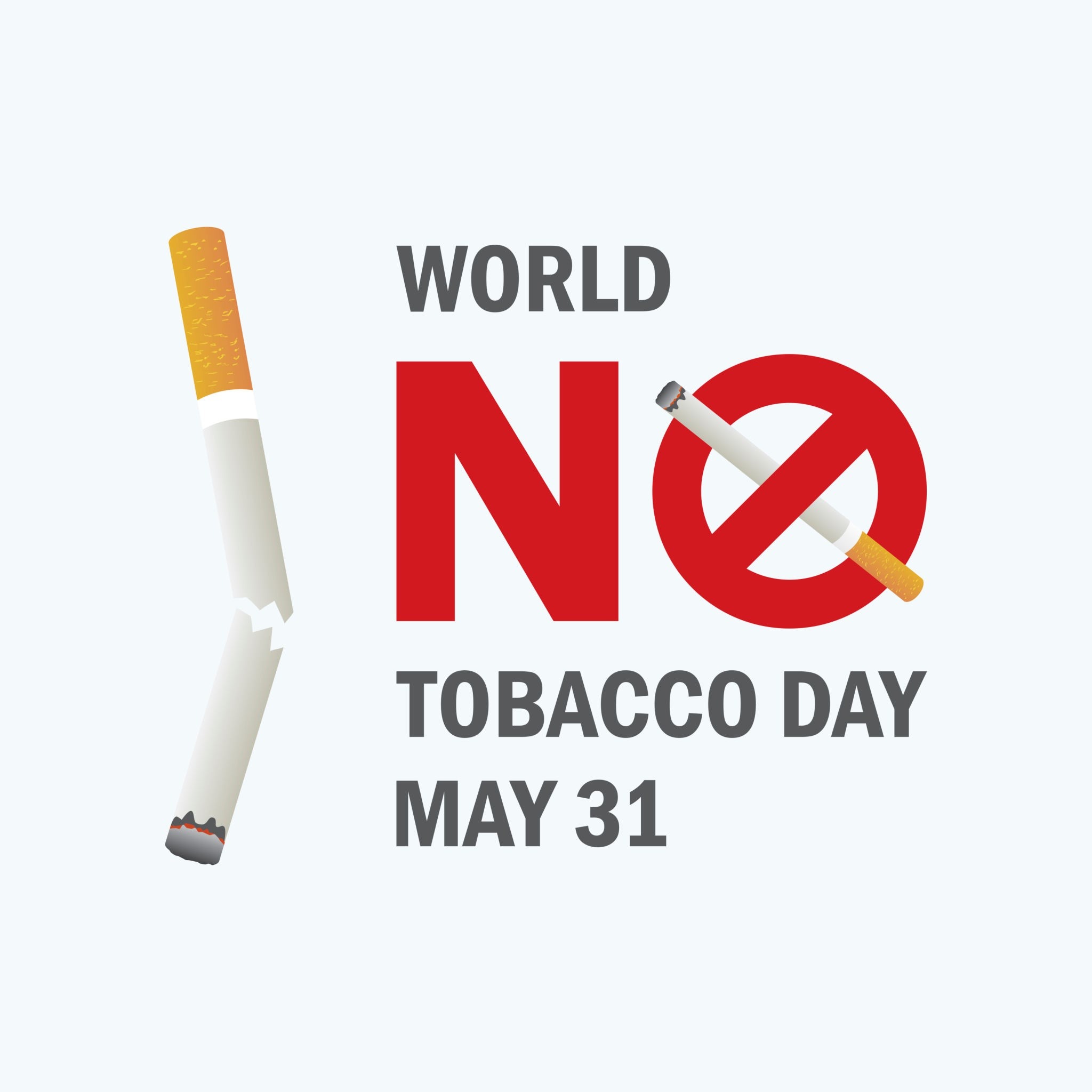
The Ghana Health Service (GHS) has issued a forceful public health warning on the occasion of World No Tobacco Day, observed every May 31, calling on Ghanaians, and young people in particular, to resist the growing allure of tobacco and nicotine products.
The appeal comes as the 2026 global campaign, themed “Unmasking the Appeal: Countering Nicotine and Tobacco Addiction,” turns its focus on the tobacco industry’s increasingly sophisticated efforts to recruit younger users through product reinvention, including e-cigarettes, synthetic nicotine, and flavoured pouches.
A Calculated Seduction
The GHS warned that the industry is deliberately engineering its products to appeal to youth, deploying attractive packaging, sleek designs, and sweet flavourings such as strawberry and menthol to mask the underlying harm.
“Strawberry flavour? Menthol breeze? Sleek designs? Don’t fall for the trap,” the Service cautioned in a message circulated on its official WhatsApp platform.
The warning is well founded. These are not incidental marketing choices. They are a documented strategy to lower the psychological barrier to first use, normalise the habit, and accelerate addiction before users are fully aware of the consequences.
The Numbers Tell a Grim Story
The scale of the problem in Ghana is substantial. According to data from the Tobacco Atlas, tobacco use accounts for an estimated 5,702 deaths in Ghana each year, with the annual economic cost of smoking-related illness standing at approximately GH¢1.67 billion.
The burden falls disproportionately on men. Among adults aged 15 and above, male smoking prevalence stands at 2.40% compared to 0.10% among women, yielding an overall adult prevalence of 1.30%. In absolute terms, Ghana had an estimated 438,000 adult smokers as of 2022, of whom 411,000 were men.
Among youth aged 10 to 14, the picture is equally concerning. As of 2023, smoking prevalence in that age group stood at 3.66%, with boys at 4.03% and girls at 3.27%. That girls in this age bracket approach parity with boys is a particularly notable signal, one that warrants closer attention from public health planners.
Tobacco is currently responsible for 2.38% of all deaths in Ghana, with the mortality burden again skewed toward men at 3.49% against 1.11% for women.
A Policy Gap That Costs Lives
Beyond individual behaviour, the GHS warning points implicitly to a systemic failure. Ghana’s tobacco control framework has not kept pace with the industry’s evolution. The Tobacco Atlas notes that government complacency has effectively shielded the tobacco industry, allowing the death toll to climb year on year. Evidence-based interventions, including stricter advertising bans, plain packaging legislation, and robust enforcement of existing regulations, remain inconsistently implemented.
The tobacco industry does not stand still. Neither can public health policy.
The GHS Call to Action
The Service urged Ghanaians not to be misled by promotional messaging that frames tobacco as harmless or fashionable, and encouraged individuals to make active, informed choices in favour of their health.
“Don’t let tobacco and nicotine take control of your health. Protect your lungs, your heart and your future. Say no to tobacco and nicotine,” the GHS advised.
Health experts have long established the causal links between tobacco use and lung cancer, heart disease, stroke, and chronic respiratory conditions. None of that changes with a strawberry flavour or a sleeker device.
For more news, join The Chronicle Newspaper channel on WhatsApp: https://whatsapp.com/channel/0029VbBSs55E50UqNPvSOm2z