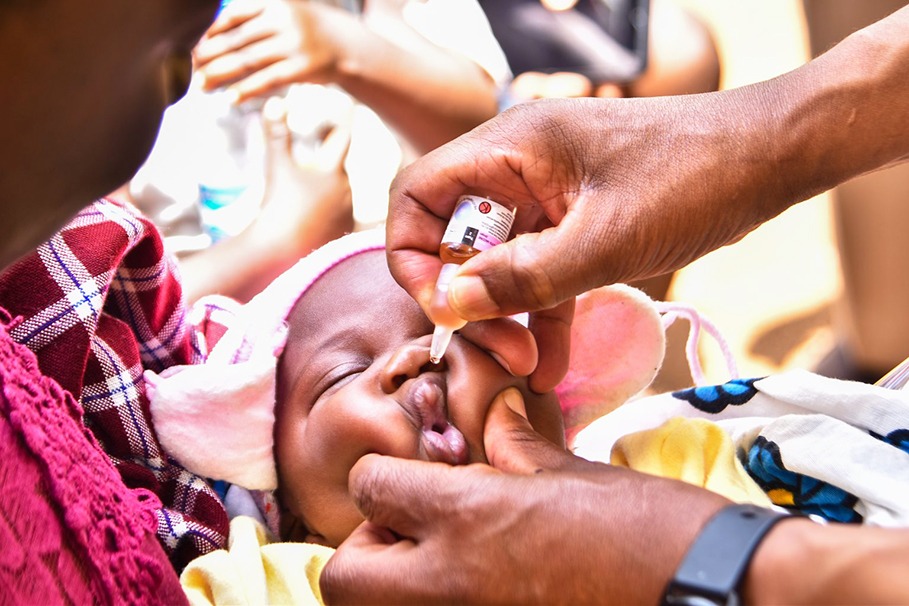
Immunizations, or vaccines as they’re also known, safely and effectively use a small amount of a weakened or killed virus or bacteria or bits of lab-made protein that imitate the virus in order to prevent infection by that same virus or bacteria.
When you get an immunization, you’re injected with a weakened form of (or a fragment of) a disease. This triggers your body’s immune response, causing it to either produce antibodies to that particular ailment or induce other processes that enhance immunity.
Then, if you’re ever again exposed to the actual disease-causing organism, your immune system is prepared to fight the infection. A vaccine will usually prevent the onset of a disease or else reduce its severity.
Why Should Someone Get Immunized?
The goal of public health is to prevent disease. It’s much easier and more cost-effective to prevent a disease than to treat it. That’s exactly what immunizations aim to do.
Immunizations protect us from serious diseases and also prevent the spread of those diseases to others. Over the years immunizations have thwarted epidemics of once common infectious diseases such as measles, mumps, and whooping cough. And because of immunizations, we’ve seen the near eradication of others, such as polio and smallpox.
Some vaccines need to be given only once; others require updates or “boosters” to maintain successful immunization and continued protection against disease.
Here are important answers to three common misconceptions about vaccines.
Misconception #1: “We don’t need to vaccinate against rare diseases.”
Few parents today have even heard of all of the diseases we vaccinate against, let alone seen a case of the measles, diphtheria, or whooping cough.
This leads some to ask, “Why am I giving my child a vaccine against a disease that doesn’t even exist?”
The answer is that it’s the vaccines that keep these diseases so rare. Avoiding having your child immunized because of myths and misinformation about vaccine safety puts your child — and public — at risk. In communities where vaccine rates have dropped, these infectious diseases have quickly returned.
Misconception #2: “The preservative thimerosal makes vaccines risky.”
Another concern about vaccines involves the use of a mercury-based preservative called thimerosal.
Thimerosal has been used as a preserving agent in some vaccines and other products since the 1930s. According to the CDC, no harmful effects have been reported from the amount of thimerosal used in vaccines, other than expected minor reactions like redness and swelling at the injection site.
However, in July 1999, the Public Health Service (PHS) agencies, the American Academy of Pediatrics (AAP), and vaccine manufacturers agreed to reduce or eliminate thimerosal in vaccines as a precautionary measure.
It’s important to note that since 2001, with the exception of some flu vaccines, no U.S. vaccines used to protect preschool children against infectious disease contain thimerosal as a preservative. A preservative-free version of the inactivated flu vaccine (containing trace amounts of thimerosal) is available.
Misconception #3: “Vaccines cause autism.”
Because symptoms of autism spectrum disorder, a learning disorder, usually occur around the same time as the first measles, mumps, rubella (MMR) and other immunizations in children, some have assumed that there is a link between thimerosal and autism.
However, the MMR vaccines have never contained thimerosal, and neither have the vaccines for chickenpox or inactivated polio. In 2004, an Institutes of Medicine report concluded that there is no association between autism and vaccines that contained thimerosal as a preservative.
The only study that made any connection between vaccines and autism was found to have been fraudulent and the head researcher has been paid to make the connection. All subsequent studies. including a 2019 study of almost 700-thousand children over a ten year period, have concluded there was no connection between vaccines and autism.
Diseases such as measles, mumps, and rubella can cause serious health problems, disabilities, and even death. Your children face a much greater risk from an infectious disease than they do from its vaccine.
Immunization Side Effects
Today, vaccines are considered safe. As with any medication, they can have side effects. In most cases, these are usually mild. The most common minor reactions to an immunization are:
- Soreness or redness around the injection site
- Low-grade fever
Side effects like these usually disappear in a few days. In extremely rare instances a high fever, in excess of 104 F, can occur with a vaccine. Fevers like this will not harm your children, but they can make them uncomfortable and upset.
Children have also been known to have serious allergic reactions to a vaccine. These usually happen very soon after getting the vaccine, and doctors’ offices are well-equipped to handle such reactions. If you think your child has or may have an allergy to any component in a vaccine, be sure to share that information with your doctor.
Medical providers agree that the proven preventive benefits of vaccines far outweigh the risks of the minimal side effects associated with them.
Credit: webmd