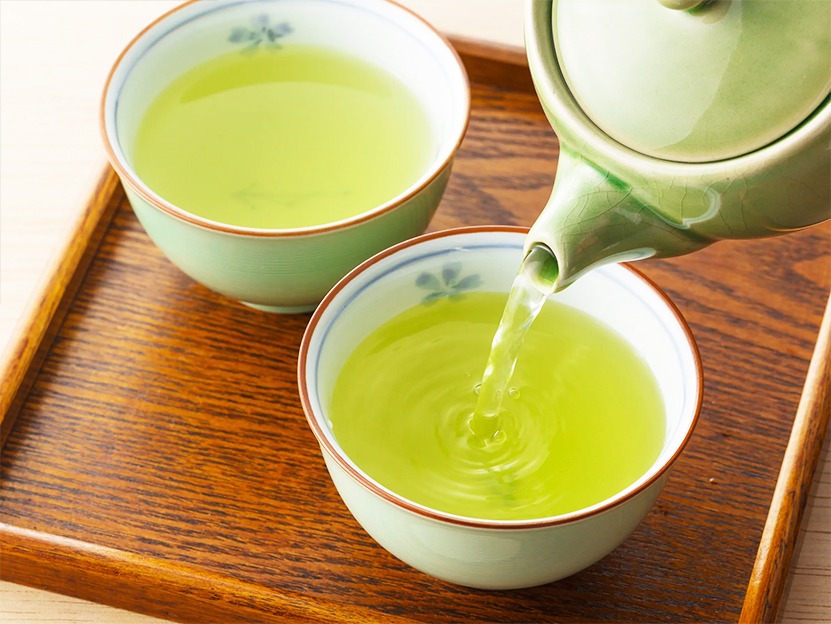
Many health benefit claims have been made about green tea for centuries. Traditionally, in China and India, green tea was a medicine for controlling bleeding, aiding digestion, and regulating body temperature. In modern times, research has been able to show some of its health benefits more solidly than others.
Heart health
One large study in Japan followed 40,000 adult participants over 11 years and showed that daily consumption of green tea was linked to a low risk of death from cardiovascular diseases. In particular, the study examined the link between polyphenols (antioxidants) in green tea and cardiovascular diseases. The minimum daily consumption needed to see this benefit was five cups per day.
Diabetes
Green tea can help regulate your blood sugar levels. It lowers your fasting blood sugar and HbA1c when you have type 2 diabetes.
Stroke prevention
Another large Japanese study, this one following more than 82,000 participants over 13 years, showed that higher consumption rates of green tea were associated with a reduced risk of stroke. Participants who drank four cups or more per day saw the highest benefit.
Genital wart treatment
The FDA has approved a topical green tea extract treatment to treat breakouts of genital warts. This ointment is available by prescription only, and it is estimated to be effective for 24%-60% of patients.
Benefits for your skin
Studies show green tea may have anti-inflammatory and anticancer benefits that may help you have healthier skin. Their findings suggest skin products with green tea in them may be good for you. But more research is needed.
Green tea and ginger
Both green tea and ginger have been shown to have health benefits when ingested on their own. Throughout history, green tea has been thought to aid in digestion, regulate body temperature, and control bleeding. For centuries, ginger has been used to treat digestive problems, arthritis, asthma, diabetes, and menstrual symptoms. Scientific studies support its ability to ease nausea and vomiting linked to pregnancy, surgery, cancer therapy, and motion sickness. Ginger is also proven to lower inflammation and pain. So, it’s not surprising to think that ginger and green tea would have health benefits when had together.
Weight loss
Some studies show that green tea and ginger may help with weight loss. In one study, weight loss capsules containing green tea, ginger, and capsaicin (the spicy component of chili peppers) were much more effective in promoting weight loss than a placebo.
But more research is needed to know how much the capsaicin contributed to those results.
Green Tea Benefits for Women
Some studies suggest higher green tea intake can lower the odds of getting breast cancer or having a recurrence. But more research is needed to understand the link.
Mallik notes a Japanese study where women with early-stage breast cancer who drank three to five cups daily before diagnosis had a 44% lower risk of their cancer coming back compared to non-tea drinkers.
Green tea with or without ginger is sometimes used to ease painful periods. It may also help with conditions such as endometriosis, fibroids, and polycystic ovarian syndrome (PCOS), though the science is limited.
Green Tea Benefits for Men
Some research points to a lower risk of prostate cancer in men who drink more green tea, but results have been mixed.
There’s some evidence that drinking green tea over time may help with healthy aging. Studies suggest it could ease inflammation linked to depression, support weight control, and improve testosterone levels in middle-aged and older men.
Green tea has also been tied to lower risk of cognitive decline. One study on older Japanese adults found that men and women who drank three or more glasses a day were less likely to develop dementia. More research is still needed to learn if there’s a causal link.
Green Tea Side Effects
There isn’t much evidence that drinking green tea and ginger could be harmful. But too much ginger can cause diarrhea, heartburn, and even an irregular heartbeat. While it would be pretty hard to overdose on ginger by drinking ginger and green tea, it’s much easier to do so by taking diet pills that promote their green tea and ginger content.
Always check with your doctor before taking supplements, and follow dosing instructions carefully. Drinking eight cups per day or less of green tea is considered safe for most adults. But there are risks posed by drinking green tea in high concentrations, especially as an extract.
In rare cases, green tea extract may cause liver problems. While the research is limited, you should avoid green tea extract if you have liver problems.
Stop taking green tea extract and contact your doctor if you have abdominal pain, dark urine, or jaundice.
Credit: webmd