NDC Challenges NPP’s Mandamus Application in Disputed Election Results Case
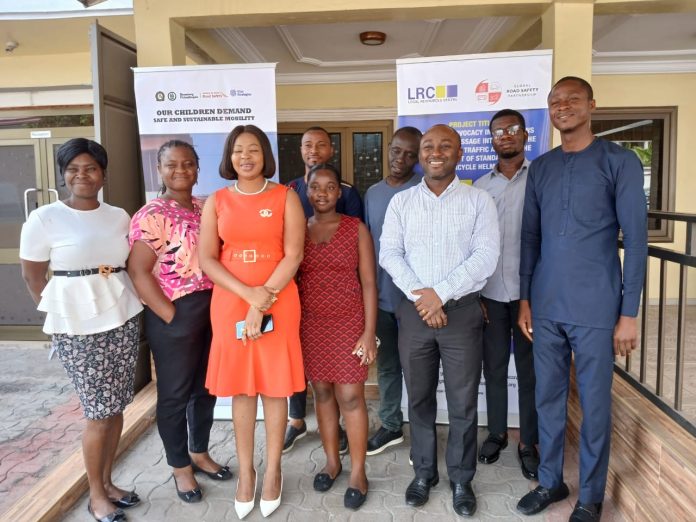
LRC advocacy for standardization of motorcycle helmets in Ghana
Enock Jengre, Programme Officer at the Legal Resources Centre (LRC), has called for the urgent standardization of crash helmets for motorcycle riders in Ghana as part of efforts to enhance road safety and reduce fatalities.
This advocacy comes under the project titled “Supporting Advocacy Interventions Towards the Passage into Law of the Reviewed Road Traffic Act and the Development of Standards on Motorcycle Helmets,” spearheaded by LRC in collaboration with the Bloomberg Philanthropies Initiative for Global Road Safety.
Speaking at the Road Safety Journalist Training in Accra recently, Jengre emphasized the need for helmet standards that are suited to Ghana’s climatic conditions and safety requirements.
The training, which focused on speed management and helmet standards, aims to empower journalists to amplify road safety advocacy and demand the enforcement of protective measures.
This conversation has become necessary as Ghana faces significant challenges in road safety, with motorcycle-related injuries and fatalities being a major concern.
From January to June 2024 alone, the country recorded 1,237 road crash deaths and 7,561 injuries, largely attributed to overspeeding, wrongful overtaking, and low compliance with helmet use laws.
The LRC highlighted the gaps in Ghana’s road safety legislation, including the outdated Road Traffic Act of 2004 and weak enforcement mechanisms, which fail to meet global standards.
“Standards ensure minimum safety requirements, and developing national standards for helmets will not only protect riders and passengers but also contribute to reducing road traffic injuries and fatalities,” Jengre noted.
The Role of Standards in Road Safety
A standard, as defined during the training, is a document established by consensus and approved by a recognized body to provide rules, guidelines, or characteristics for achieving optimal order in a given context.
Collaborating with the Ghana Standards Authority (GSA), the LRC is advocating for the adoption of helmet standards that prioritize safety, quality, and protection for riders.
The LRC outlined a multifaceted strategy to achieve its goals, including partnering with entities such as the Ministry of Transport, National Road Safety Authority, and Police MTTD to review speed management policies and helmet standards.
Again, training journalists to report on road safety issues effectively as well as utilizing traditional and digital media to raise awareness.
There was also a call for designing helmets suitable for Ghana’s environment through partnerships with local and international stakeholders.
Mavis Obeng Mensah, Communications Officer for the Bloomberg Philanthropies Initiative for Global Road Safety, emphasized the pivotal role of journalists in shaping public discourse on road safety.
She urged reporters to delve deeper into the human stories behind crash statistics, highlighting the socio-economic toll of preventable road crashes.
“Impactful storytelling can drive real change,” she said, stressing the importance of reporting that not only informs but also inspires action.
Kharis Haven is H.E.R Haven” shows love on Christmas Day

A Non-Governmental Organisation which specialises in Health, Education and Restoration, “Kharis Haven is H.E.R Haven” has stayed committed to its cause of showing love through donations.
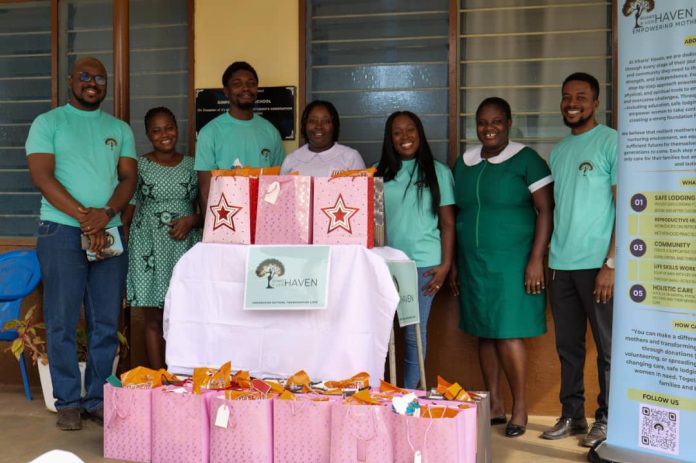
The foundation, on Christmas day, donated vital supplies such as diapers, baby clothing, washing detergent and toiletries to the Achimota Hospital and
Amomorley Community Clinic Centre in the Greater Accra Region.
The gesture by “Kharis Haven is H.E.R Haven” foundation covered approximately 85 Christmas Day babies and their mothers at the two separate facilities, as part of the foundation’s effort to help better the lives of mothers and children.
In an interaction with the media, the co-founder of the foundation, Mrs Jessie-Emma Boaitey Ampratwum, stated that the foundation was mainly committed to empowering women to overcome basic challenges of life.
This, she explained, was meant to ameliorate the plights of women and improve their living conditions in order to enable them to provide better care for their children.
She added that the NGO’s human-centeredness was a reflection of its determination to equipping mothers with the tools and confidence they needed to care for their families and the motherhood.
This included skills transfer through skill-building workshops, identifying key skills or knowledge and capacity building of women to enable them to overcome challenges that were basically associated with women.
Mrs. Jessie-Emma Boaitey Ampratwum emphasized that “the foundation’s initiatives aim to nurture resilience and independence in the women they serve”.
Through impactful workshops and educational programmess, she added that they “equip mothers with the knowledge and skills to make informed decisions about their health and well-being.
“Our vision is to restore hope to mothers so they can in turn restore hope to their families. This isn’t just about providing care—it’s about ensuring that women can
thrive as strong, capable pillars in their homes and society”.

She praised a co-founder of the NGO, Mr Ransford Ampratwum for his immense support, dedication and contributions which have propelled the organisation to its present status where it has become a source of hope to many.
According to her, the NGO’s current status of giving hope to many in society through generous donations in the past two years could not have been possible without Mr Ampratwum’s compassion and support.
A senior pediatric nurse at the Pediatric wards at the Achimota Hospital, Lawrencia Aryee showered praises on “Kharis Haven is H.E.R Haven” for its benevolent gesture which she described as “timely intervention.”
Civil servant accused of defrauding businessman
A civil servant, Mercy Lilian Danquah, has been arraigned before the Circuit Court in Accra for allegedly conspiring with a contractor to defraud her former senior high schoolmate, Issah Abdullah, of GH¢360,000.
Ms. Danquah, 41, pleaded not guilty to charges of conspiracy to commit defrauding by false pretense and defrauding by false pretense.
She appeared before the court, presided over by Mrs. Susana Eduful, on Friday, December 27.
The court granted her bail of GH¢100,000 with two sureties, each earning no less than GH¢2,000 monthly.
A bench warrant has also been issued for the arrest of her alleged accomplice, Kofi Agyei Asante, a 47-year-old contractor.
The case has been adjourned to January 28, 2025.
Brief Facts of the Case
According to the prosecution, Issah Abdullah, a businessman residing in Nungua, Accra, lodged the complaint against Ms. Danquah and Mr. Asante.
The complainant and Ms. Danquah were former classmates at Nungua Senior High School in 2004.
On June 13, 2024, Ms. Danquah allegedly misrepresented to Mr. Abdullah that she and her accomplice, Mr. Asante, needed laptops for a customer.
During the discussions, Mr. Abdullah spoke with Mr. Asante over the phone, who assured him that payment would be made within two weeks.
Trusting their claims, Mr. Abdullah provided 40 Dell laptops valued at GH¢360,000. However, the accused failed to fulfill their payment obligations. Repeated attempts by the complainant to retrieve the money proved futile.
On August 29, 2024, Mr. Abdullah lodged a complaint at the Nungua Police Station, leading to the arrest of Ms. Danquah.
She reportedly admitted to transferring the laptops to Mr. Asante and refunded GH¢50,000, requesting more time to settle the remaining GH¢310,000. Despite her assurances, no further payment was made.
Dissatisfied with the progress of the case at the Nungua Police Station, Mr. Abdullah petitioned the Greater Accra Regional Police Command.
On November 4, 2024, Mr. Asante was arrested from his hideout. Investigations revealed that the accused had no customer seeking laptops, as they had claimed.
Instead, they allegedly sold the laptops and shared the proceeds. During the investigation, Mr. Asante refunded GH¢50,000 to the police. Both accused persons are expected to reappear in court in January 2025 as the case proceeds.
Nurse Remanded Over GH¢98k Recruitment Scam
A nurse, Gordon Bomeh, 34, has been remanded by the Circuit Court in Accra for allegedly defrauding a fellow nurse of GH¢98,000 under the pretense of securing enlistment slots into state security services.
Mr. Bomeh pleaded not guilty to three counts of defrauding by false pretense, contrary to Section 131(1) of the Criminal Offences Act, 1960 (Act 29). The court, presided over by Mrs. Susana Eduful, ordered his remand in police custody until January 15, 2025.
ASP Issah Achibure represented the state, while the accused was defended by Kassim Tanko.
Counts of Offense
The prosecution outlined three instances in which Mr. Bomeh allegedly defrauded the complainant, Emmanuel Domanang Ngmendaa, a nurse residing in Kasoa Ojobi:
- Count One: In 2023, Mr. Bomeh allegedly collected GH¢18,500 from the complainant under the false pretense of securing protocol recruitment for two family members into the Ghana Police Service.
- Count Two: He is accused of obtaining GH¢44,500 from the complainant, claiming he could recruit six family members into the Ghana Immigration Service.
- Count Three: He allegedly took GH¢17,500 to facilitate the enlistment of two family members into the Ghana Prison Service.
Case Facts
The prosecution revealed that in 2023, Mr. Bomeh informed the complainant that he could secure protocol recruitment slots into the Ghana Police Service, Ghana Immigration Service, Ghana Prison Service, and Ghana Armed Forces. Fees reportedly ranged between GH¢7,000 and GH¢8,000 per slot.
Trusting Mr. Bomeh’s claims, Mr. Ngmendaa transferred GH¢98,000 to him via two mobile money accounts: 0248613172 and 0593748086.
The money was intended to secure enlistment for 11 associates of the complainant.
After receiving the funds, Mr. Bomeh allegedly ceased communication with the complainant and became untraceable. On July 25, 2024, the complainant reported the matter to the police.During investigations, Mr. Bomeh admitted to receiving the money and named one Frank Osei as an accomplice.
However, he failed to assist the police in locating Mr. Osei. Investigators found no evidence of recruitment activities, and the accused was charged with defrauding by false pretense.
Acquisition of US Visa: farmer allegedly defrauds mechanic
A 38-year-old farmer, Richard Turkson, has been arraigned before the Circuit Court in Accra on charges of defrauding by false pretenses, contrary to Section 131(1) of the Criminal Offences Act, 1960 (Act 29).
The accused is alleged to have deceived Forster Yaw Hedze, a mechanic, into parting with GH¢52,000 under the pretense of securing a United States visa for Hedze’s wife, Victoria Mensah.
Court Proceedings
Presiding over the case, Her Honour Susana Eduful granted Turkson bail in the amount of GH¢80,000, with three sureties.
The court stipulated that each surety must earn no less than GH¢3,000 monthly, and one of them must be an immediate relative of the accused.
The case has been adjourned to January 29, 2025, for further proceedings.
Details of the Alleged Fraud
According to court documents, the incident occurred in April 2024, when Hedze sought assistance to secure a U.S. visa and work permit for his wife.
Turkson allegedly claimed he could facilitate the process through a purported partner in the United States, identified as Isaac Nyantaki, who was described as being involved in recruiting nurses for overseas work.
The accused assured Hedze that for a fee of $4,000, the visa and necessary documentation would be ready within six weeks.
Convinced by these representations, Hedze transferred GH¢52,780 to a Fidelity Bank account provided by Turkson.
However, after confirming receipt of the funds, Turkson reportedly ceased all communication with Hedze. Several attempts to reach him proved futile, prompting Hedze to file a complaint with the police.
Subsequent police investigations revealed that Turkson had withdrawn the money from the provided bank account.
When arrested, he implicated one Isaac Nyantaki and another individual, Doris Nyamekye, but failed to provide any actionable information. Investigators dismissed his claims as fabrications.
Global Report Reveals Alarmingly Low Transparency in Air Quality Data Amid Growing Health Crisis
Less than one-third of national governments provide fully transparent air quality data, according to a new report by Open AQ, a U.S.-based nonprofit dedicated to universal access to air quality information.
The report, Open Air Quality Data: The Global Landscape 2024, sheds light on the urgent need for improved monitoring and open access to air pollution data, a critical step toward addressing the world’s largest environmental health risk.
Air Pollution: A Leading Cause of Early Deaths
Air pollution, primarily driven by fossil fuel emissions, is responsible for over 8 million premature deaths annually, surpassing the health impacts of smoking, high alcohol use, road traffic injuries, and HIV/AIDS combined. The Air Quality Life Index (AQLI) reports that the effect of air pollution on global life expectancy rivals that of smoking, underlining its devastating toll on public health.
“Billions of people do not know what they are breathing,” said Dr. Colleen Rosales, OpenAQ’s Strategic Partnership Director. “Transparent air quality data is essential for scientific research, policy development, and empowering communities to demand change.”
A Global Gap in Monitoring and Transparency
The report categorizes countries into four groups based on their air quality monitoring programs and data transparency. Alarmingly, over one-third of countries lack an air quality monitoring program altogether, leaving nearly 1 billion people unaware of the pollutants they breathe daily.
Even among countries with monitoring programs, only 27% share their data openly and transparently, creating a significant barrier to addressing air pollution effectively. Without accessible, accurate data, governments and stakeholders cannot make informed decisions to mitigate pollution or enforce regulatory policies.
Countries Making Progress
Despite the grim outlook, the report highlights progress by 30 countries that have improved their air quality data transparency since 2022. Eleven countries—Cabo Verde, Hong Kong, Italy, Japan, Kenya, Kosovo, Kyrgyzstan, the Netherlands, Peru, South Africa, and Uganda—achieved full data transparency during this assessment cycle, demonstrating leadership in the global fight for clean air.
“We applaud these nations for stepping up,” said Chris Hagerbaumer, Executive Director of OpenAQ. “Their efforts show that transparency is achievable and serves as a foundation for collaborative action.”
The Role of Open Data in Tackling Air Pollution
OpenAQ’s findings emphasize the importance of accessible air quality data in driving collaborative efforts to combat pollution. Open data invites contributions from civil society, academia, and the private sector, fostering innovative solutions to this global health crisis.
“Open data spurs collaboration, enabling a global community of changemakers to contribute expertise and resources to address air pollution,” added Hagerbaumer.
Recommendations for Action
To accelerate progress, the report calls for increased philanthropic support and international development aid to enhance air quality monitoring systems. It also recommends that funding agreements include conditions for data transparency, ensuring that governments prioritize open access to air quality information.
The report highlights the need for a multi-stakeholder approach involving public, private, and civil society actors to tackle air pollution. This includes raising awareness, addressing pollution sources, and ensuring transparent and accessible air quality data.
A Call to Action
As air pollution continues to shorten lives and exacerbate health inequalities, the call for transparent air quality monitoring has never been more urgent. OpenAQ’s report serves as a stark reminder of the work that remains to achieve clean air for all.
“Governments cannot solve this problem in isolation,” said Rosales. “We need a united effort to address air inequality and create a world where everyone has access to clean air.”
The full report, Open Air Quality Data: The Global Landscape 2024, is available on OpenAQ’s website.
About OpenAQ
OpenAQ is a nonprofit organization that aggregates and harmonizes air quality data from sources worldwide, offering it freely on an open-source platform. By empowering researchers, advocates, and policymakers with data, OpenAQ aims to eliminate air inequality and drive action for clean air and climate change.
New Judge Takes Over Re-Collation Case
The Supreme Court, in a unanimous decision, has ordered the reassignment of a mandamus application case, initially presided over by Justice Rev. Fr. Joseph Adu Owusu Agyeman, to another judge.
This directive follows a legal challenge by the National Democratic Congress (NDC) against rulings in favor of the New Patriotic Party (NPP).
The five-member panel of justices, presided over by Justice Gabriel Scott Pwamang, emphasized that the decision was not predicated on any evidence of bias on the part of Justice Adu Owusu Agyeman. Instead, it was aimed at bolstering public confidence in the judicial process.
However, the Supreme Court ruled that Justice Adu Owusu Agyeman’s failure to grant the applicants a proper hearing contravened constitutional provisions under the 1992 Constitution. The court cited Article 23, which guarantees the right to a fair hearing, as the basis for its ruling.
High Court Orders Quashed
The Supreme Court quashed several orders made by the High Court regarding constituencies, including Okaiwei Central, Ablekuma North, Tema Central, and Techiman South. However, it upheld the orders concerning Ahafo Ano and Nsawam Adoagyiri.
This development arose from an application filed by Godwin Edudzi Tamakloe, Esq., Director of Legal Affairs for the NDC, challenging the High Court’s rulings.
Mr. Tamakloe argued that the judge had violated the applicants’ right to a hearing, citing procedural irregularities in the handling of the mandamus applications.
Key Findings
In its ruling, the Supreme Court criticized the High Court’s failure to accord the applicants the opportunity to file affidavits or make legal submissions in response to the mandamus applications.
The court stated, “The common law tradition holds the right to be heard as sacrosanct, and in this case, the applicants should have been granted the chance to present their case.”
The court referenced precedents, including the Hawa Yakubu case and decisions involving administrative bodies like the West African Examinations Council (WAEC), to underscore the constitutional significance of the right to a hearing. “If that had been held to bind administrative bodies, how much more a court of law,” it said
Next Steps
The Supreme Court granted leave for the applicants to file affidavits and statements of case in response to the mandamus applications. The hearing has been expedited, with proceedings set to resume on December 31, 2024.
Reliefs Granted and Dismissed
The Supreme Court granted several reliefs sought by the applicants, including:
Orders quashing specific High Court rulings related to contested constituencies. A directive to allow applicants to participate fully in the hearing process.
However, the court dismissed claims of bias against Justice Adu Owusu Agyeman, stating that insufficient evidence was provided to substantiate the allegations.
IGF2024: African leaders Call for Concrete Investment and Inclusive Strategies Post-IGF
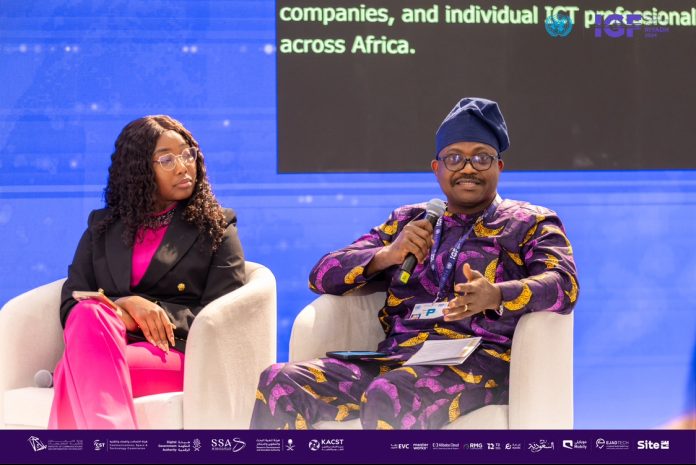
African leaders and stakeholders delved into strategies to advance digital governance on the continent.
The panel discussion, themed “Digital Governance in Africa: Post-Summit of the Future,” highlighted the urgent need for inclusive digital policies, investment in infrastructure, and gender equity in technology.
Namibia’s Leadership on the Global Digital Compact
Madam Emma Theofelus, Namibia’s Minister of Information and Communication Technology (MICT),
emphasized her country’s role as a co-facilitator of the Summit of the Future and the Global Digital Compact (GDC).“Namibia carried the interests of the Global South, particularly Africa, to ensure our voices were heard in shaping the Pact of the Future,” she stated.
Madam Theofelus underscored the need for African countries to implement costed action plans to realize digital goals under the 2030 Sustainable Development Goals (SDGs) and Agenda 2063.
“Everything looks good on paper, but without a costed implementation plan, it’s all talk. Each country must allocate resources—$2 million annually, for instance—to achieve these objectives,” she said, calling for stronger collaboration with international organizations such as the World Bank, UNESCO, and UNDP.
She also highlighted the interconnectedness of energy and ICT infrastructure. “You can’t connect people if they are in the dark. Network infrastructure won’t function without energy. This multi-faceted issue requires a comprehensive approach.”
Private Sector’s Role in Bridging the Digital Divide
Dr. Jimson Olufuye, Chair of the Advisory Council for the Africa ICT Alliance (AfICTA), reiterated the private sector’s critical role in driving digital transformation. “The private sector is ready to implement affordable solutions, but we need meaningful participation and government support,” he noted.
Dr. Olufuye advocated for the adoption of Universal Service Provision Funds (USPF) to subsidize infrastructure in underserved areas. “Subsidies are essential for bridging the connectivity gap, especially in rural areas where access remains below 25% in countries like Nigeria,” he explained.
He also called for inclusive dialogue among stakeholders, emphasizing the need for buy-in from all sectors. “We must bring everyone—government, private sector, gender advocates, and civil society—to the table to ensure no one is left behind.”
Addressing the Gender Digital Divide
When asked about Namibia’s strategy to connect more women and girls, Minister Theofelus highlighted systemic barriers limiting women’s participation in tech. “Cultural, religious, and normative barriers make it difficult for girls to pursue careers in technology,” she remarked. “Only 25% of the global tech workforce is women, and only 11% are executives in tech companies.”
Namibia has taken proactive steps to close this gap. “We organize girl coding camps and have developed a national digital literacy framework to ensure quality training across the country,” she explained. The ICT Ministry has also established ICT centers in rural areas, providing access to basic technology and training.
Theofelus stressed the importance of digital literacy, saying, “Let’s get back to basics. If the average person in our communities can’t confidently go online, all our high-level discussions mean nothing. Empowering people with basic digital skills will drive demand and force governments and the private sector to expand services.”
A Call to Action
The panelists concluded with a unified call for action, urging African governments to prioritize digital governance as a cornerstone of development.
“ICT is no longer just a sector; it’s the backbone of every other sector,” Theofelus stated, reflecting on Namibia’s ICT sector growth during the COVID-19 pandemic. “It carried other sectors when they were brought to their knees.”
With robust collaboration among governments, the private sector, and international organizations, Africa can bridge its digital divide and achieve sustainable development through inclusive digital governance.
IGF2024: Wipro Expert Calls for Fair, Transparent AI and Closing the Digital Gender Gap.
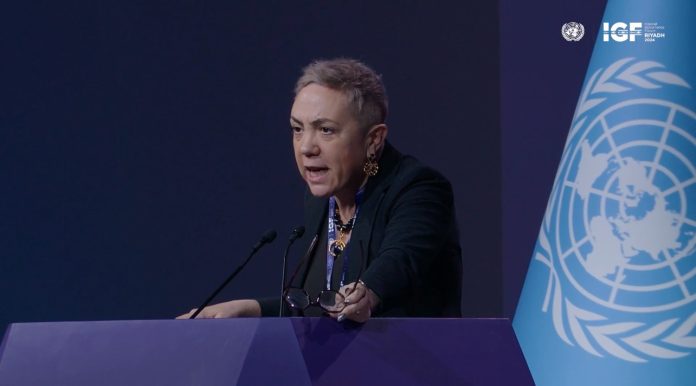
The Chief Privacy & AI Governance Officer at Wipro, Ms. Ivana Bartoletti has emphasized the urgent need for inclusive and ethical digital ecosystems.
Speaking at the opening ceremony of the United Nations Internet Governance Forum (IGF) in Riyadh, Ms. Bartoletti highlighted the transformative potential of technology while addressing the pressing challenges it presents, including the digital gender gap, privacy concerns, and the governance of artificial intelligence (AI).
“We are at a watershed moment in the relationship between humanity and technology,” Ms. Bartoletti stated, acknowledging the strides made in fields like precision medicine and personalized education.
However, she also called attention to the darker aspects of technological advancements, such as misinformation, hate speech, and deepfakes. “Sometimes, over the last few years, we’ve seen some pretty bad things,” she noted, citing the harmful impact of deepfakes, particularly on women and vulnerable groups.
Ms. Bartoletti outlined three key priorities for building an equitable digital future. First, she called for urgent action to address the digital gender divide, describing it as “not acceptable.”
She warned against the perpetuation of societal biases in AI systems due to a lack of diversity. “Bias in AI can softwareize and crystallize the society as it is today whilst we work together towards a brighter future,” she said, urging stakeholders to prioritize gender diversity in AI development.
Secondly, Ms. Bartoletti stressed the need to reconcile privacy with innovation, rejecting the notion of a trade-off between the two. “Privacy and innovation can go hand in hand,” she argued, adding that privacy should be treated as a fundamental public good.
Finally, Bartoletti emphasized the importance of robust AI governance, advocating for transparency and accountability in how AI systems process and use data. “Governance of AI is not a nice-to-have,” she said, highlighting the role of frameworks like the European AI Act and urging further collaboration between governments and the private sector.
Concluding her address, Ms. Bartoletti described the present moment as a unique opportunity to redefine humanity’s relationship with technology. “The time to shape the relationship between humanity and technology is exactly now,” she asserted, encouraging attendees to work together to create a digital ecosystem that benefits everyone.