Home Blog Page 85

Ukraine says it has hit Russian ‘missile component’ plant

0
Ukraine hit Russian 'missile plant

Ukrainian forces have struck one of Russia’s “most important military factories”, President Volodymyr Zelensky has said.

“The plant produced electronics and components for Russian missiles. The very missiles that strike our cities, our villages and civilians,” he said.

British Storm Shadow missiles were used to hit Kremniy El plant in the border region of Bryansk, Ukraine’s military said.

Russian local authorities say at least six civilians were killed and 42 injured in the “terrorist missile attack”. President Vladimir Putin’s spokesman said it was “obvious that the launch of these missiles was impossible without British specialists”.

“In order to prevent such barbaric actions by the Kyiv regime from continuing, the special military operation is being conducted,” Dmitry Peskov said, using the Russian description for the full-scale invasion of Ukraine that Putin ordered on 24 February 2022.

Peskov said one of the goals of the Russian operation was to demilitarise Ukraine. Putin himself has often stated that demilitarisation is a central objective of the war.

But it is due to the Russian invasion that Ukraine has been receiving Western support – including sophisticated weapons aimed at defending its territories.

Russia, for its part, has also been receiving help from its allies, including Shahed drones supplied by Iran and soldiers sent by North Korea.

One of those drones was used in an attack which killed two people and injured another five in the second-largest city of Kharkiv on Wednesday, Ukrainian officials said.

Another Russian attack a day earlier in Slovyansk, in eastern Ukraine, killed four and injured 16.

Both sides have continued attacks, even though the war has reached a stalemate recently.

Credit: bbc.com

Attacks on ships in Strait of Hormuz escalate amid Iran war

0
Strait of Hormuz

Three commercial ships have been damaged by “unknown projectiles” in the Strait of Hormuz. Three vessels were hit by unknown projectiles yesterday, the UK’s maritime agency said. Meanwhile, three crew members on board a Thai vessel remain unaccounted for after it was struck yesterday. Sources told CNN Tehran had begun laying mines in the key waterway.

23 crew members on board one ship were being rescued as at yesterday.

Earlier, the US military said it “eliminated” 16 Iranian mine-laying ships in the area, after President Trump warned Iran not to “put out any mines” there.

Iran continues its strikes across the region, including in Saudi Arabia, the UAE, and Kuwait. In a related development, announcing the “largest ever” release of 400m barrels of oil, the International Energy Agency (IEA) said its 32 member countries voted unanimously in favour of the move.

“The oil market challenges we are facing are unprecedented in scale, therefore I am very glad that IEA Member countries have responded with an emergency collective action of unprecedented size,” says IEA executive director Fatih Birol.

The IEA says the emergency stocks will be made available to the market over a “timeframe that is appropriate to the national circumstances” of each member country.

It is the sixth time the IEA has approved a coordinated release of oil stocks, having previously done so in 1991, 2005, 2011, and twice in 2022, it says.

It adds that its members hold emergency stockpiles of more than 1.2 billion barrels, with a further 600 million barrels of industry stocks held under government obligation.

Credit: bbc.com

Feature: Fire Across The Horizon: What The Middle East War Means For Africa, And Why Africa Can Still Emerge Stronger

0
Obed Kog

On the morning of February 28, 2026, the United States and Israel launched coordinated airstrikes on Iran, killing Supreme Leader Ali Khamenei and triggering a wave of retaliatory missiles and drones across the Gulf. Within days, the Strait of Hormuz through which approximately 20 percent of the world’s daily oil supply travels was effectively shut down. Shipping traffic through the waterway fell by 90 percent.

Major container lines including Maersk, Hapag-Lloyd, and CMA CGM suspended all Gulf and Red Sea transits. Global oil prices surged by more than 25 percent in the first week alone.

Africa did not start this war. Africa was not consulted. And yet, within hours of the first strikes, Africa was already paying for it.

The conflict between the United States, Israel, and Iran is the most dangerous escalation the Middle East has seen in a generation. It has drawn in Hezbollah, threatened the Gulf Cooperation Council states, and rattled global markets from London to Lagos.

Talk of a third world war is no longer the preserve of alarmists; it has entered the vocabulary of serious analysts. For Africa, standing at the intersection of multiple overlapping vulnerabilities, the question is not whether this war affects us. It already does. The question is whether Africa will navigate this crisis as a passive victim or as a continent with strategic intelligence and the will to use it.

What Africa Stands to Lose

The immediate economic consequences for Africa are significant, uneven, and in some cases already irreversible for the households bearing them.

The first shock is energy. Oil prices have risen sharply since the start of the conflict, with Goldman Sachs warning of a breach above $100 per barrel if Hormuz disruptions continue. For Africa’s majority oil-importing nations, including Ghana, Kenya, Ethiopia, and most of the Sahel this translates directly into higher fuel costs, transport inflation, and widening fiscal deficits.

Ghana, which has been painstakingly managing an IMF-supported fiscal consolidation, now faces renewed inflationary pressure from an external shock entirely outside its control. In Nigeria, where the government had only recently removed fuel subsidies, pump prices rose by an estimated 14 percent in the first week of the conflict.

The second shock is trade. With the Strait of Hormuz effectively closed and Houthi threats resuming in the Red Sea, global shipping has rerouted around the Cape of Good Hope. The detour adds between 3,500 and 4,000 nautical miles to Asia-Europe and Asia-Africa routes, extending delivery times by 10 to 20 days and driving freight costs up by 40 percent or more. Emergency conflict surcharges of $2,000 to $4,000 per container are being imposed by major lines.

East African ports like Mombasa are facing delayed arrivals of machinery, electronics, grain, and edible oils. West Africa, including Ghana, faces elevated landed costs across a wide range of imports. For economies already grappling with debt, weakened currencies, and thin fiscal buffers, this is not an inconvenience. It is a structural setback.

The third vulnerability is geopolitical. Several African countries host US military infrastructure. Djibouti’s Camp Lemonnier, housing approximately 4,000 American personnel, sits fewer than 160 kilometres from Houthi-controlled Yemen. Somaliland’s Berbera port, operated by the UAE now itself a target of Iranian missile strikes, lies near the southern Red Sea entrance. The Horn of Africa, already deeply unstable from conflicts in Sudan, Somalia, and Ethiopia, risks being drawn closer to a theatre of great power violence that its institutions are not designed to withstand.

Diplomatically, Africa’s response has so far been inadequate. The African Union Commission Chairperson issued a statement on February 28 calling for restraint and dialogue, appropriate in tone but insufficient in substance. Analysts at Amani Africa have pointed out that the AU’s statement failed to name the initial strikes as a potential violation of international law, instead adopting a posture of false equivalence between an aggressor and its target. This is a pattern the AU has repeated across multiple crises.

A continent of 1.4 billion people, representing 54 states and a growing share of global population, cannot afford to speak to the world’s most consequential conflicts in language so careful it says nothing.

What Africa Stands to Gain

And yet, crisis is rarely uniform in its effects. The same disruption that harms import-dependent economies in West and East Africa creates real, tangible opportunities for others, and if managed collectively, for the continent as a whole.

The most visible opportunity is in energy. Africa’s oil and gas producers, Nigeria, Angola, Libya, Algeria, Equatorial Guinea, and the Republic of Congo among them, find themselves in a position of sudden global relevance. Analysts at Energy Capital and Power have noted that Angola’s deepwater projects, Libya’s 2026 licensing round, and Nigeria’s investment incentives under the Petroleum Industry Act all present openings to scale production and lock in long-term supply contracts with energy-hungry buyers in Europe and Asia now desperately diversifying away from Middle Eastern sources.

If the disruption in the Strait of Hormuz persists, the pressure on European and Asian economies to secure alternative oil and gas supplies will intensify. Africa’s upstream energy sector has rarely had a more compelling moment to attract investment.

The geographic opportunity is equally striking. Cape of Good Hope transit saw a 35 percent increase in vessel calls in the first days of the conflict. Ports at Durban and Cape Town are already reporting a surge in bunkering and provisioning demand. If this rerouting becomes extended or semi-permanent, it transforms southern Africa from a peripheral maritime node into a critical global logistics hub.

For South Africa, Mozambique, and other Indian Ocean economies, the question is whether they can invest rapidly enough in port infrastructure, bunkering capacity, and logistics services to capture the long-term value of this shift rather than simply absorbing its short-term transit.

There is a third, less material but strategically critical opportunity: Africa’s non-alignment dividend. As the United States, its European allies, China, and Russia navigate a world war they are all careful not to name, every region not yet committed to a side holds leverage. Africa’s historical experience with the Non-Aligned Movement is not nostalgia.

It is institutional memory that can be converted into diplomatic capital. Countries that can credibly say “we have no automatic loyalty” to any great power bloc become valuable interlocutors, mediators, and swing votes in international forums. Africa has 54 UN votes. In a world where the rules-based order is fracturing and great powers are competing for legitimacy as much as territory, that is not nothing.

What Africa Must Do to Emerge Victoriously

Opportunity is not destiny. Africa’s history is filled with moments where the structural conditions for a breakthrough existed but the political will and continental coordination to capture it did not. This moment requires a different response.

First, the African Union must find its voice, and it must be a principled one. Calling for restraint is not leadership. Leadership means naming violations of international law clearly, articulating Africa’s specific interests in the conflict’s resolution, and mobilising the continent’s diplomatic weight in international forums including the UN Security Council reform process that African states have long demanded. The AU’s silence or timidity in moments like this weakens not only its credibility but Africa’s collective leverage in every negotiation that follows.

Second, the African Continental Free Trade Area must be accelerated, not deferred. The single most important lesson of this crisis for Africa is the danger of import dependency. Economies that rely on Middle Eastern shipping corridors for food, fuel, and manufactured goods are exposed to disruptions they cannot control. Deepening intra-African trade, building regional value chains, and reducing dependency on external supply routes is not an abstract aspiration. It is a concrete risk-management strategy. Every month of delay in AfCFTA implementation is a month of retained vulnerability.

Third, African oil producers must think and act collectively. Nigeria’s structural weakness, a net oil exporter that remains a net importer of refined fuels due to inadequate refining capacity is a symbol of the broader failure to translate resource wealth into processed value.

The current moment, with oil prices elevated and global buyers anxious, is precisely the window to accelerate refinery investment, negotiate long-term supply contracts at favourable terms, and redirect oil revenues into the energy infrastructure that would reduce the continent’s own import bills. Acting alone, individual African producers will capture some windfall. Acting collectively, they can reshape their structural position in global energy markets.

Fourth, and most fundamentally, Africa must practice what might be called active non-alignment, not the passive silence of a continent waiting to see who wins, but the deliberate, principled positioning of a bloc that refuses to be conscripted into other people’s wars. This means engaging diplomatically with all parties, Washington, Tehran, Beijing, Brussels while maintaining the independence to speak honestly to each.

It means proposing African-led mediation initiatives where credible. It means refusing military bases and bilateral security deals that would compromise the continent’s neutrality. And it means building the institutional architecture of AU security and diplomacy so that Africa’s position is backed by something more than rhetoric.

The fire burning across the Middle East horizon is not Africa’s fire. But its smoke reaches every African city, port, and household. The continent is already absorbing its costs. The question is whether Africa will also claim its opportunities, and whether its leaders have the strategic clarity and collective will to turn a global crisis into a continental turning point.

History will not wait. The window for non-alignment leverage, energy diplomacy, and trade diversification is open now, precisely because the world is distracted and desperate. Africa has been here before: present at the margins of other people’s catastrophes, waiting to be consulted, waiting to be included, waiting for the world to recognise its value.

This time, Africa should not wait. It should move.

By Obed Kog

okog@gimpa.edu.gh

The writer is a Graduate Student in International Relations and Diplomacy, GIMPA, and Public Policy Analyst


What to Eat When Pregnant

0
Pregnant woman

Good nutrition during pregnancy is very important for your baby’s growth and development. You should take in about 300 more calories per day (600 a day if you’re carrying twins) than you did before you became pregnant.

Although nausea and vomiting during the first few months of pregnancy can make this difficult, try to eat a well-balanced diet and take prenatal vitamins. Here are some recommendations to keep you and your baby healthy.

Goals for Healthy Eating When Pregnant

  • Eat a variety of foods to get all the nutrients you need. Aim for 6-11 servings of breads and grains, 2 to 4 servings of fruit, four or more servings of vegetables, four servings of dairy products, and three servings of protein sources (meat, poultry, fish, eggs or nuts), daily. Ease up on the fats and sweets.
  • Choose foods that are high in fiber, such as whole-grain breads, cereals, beans, pasta, and rice, as well as fruits and vegetables. Although it’s best to get your fiber from foods, taking a fiber supplement can help you get enough.
  • Protein drives blood production, especially when it comes to iron that your body easily absorbs, like the kind from red meats, chicken, and shellfish. Your blood volume increases during pregnancy to supply your baby’s blood. Opt for healthy proteins that aren’t high in fat, like lean meats, fish, poultry, tofu and other soy products, beans, nuts, and egg whites.
  • You and your baby need some fats to stay healthy. Just remember to pick the healthy, unsaturated kind like vegetable oils, olive oil, and nuts.
  • Make sure you’re getting enough vitamins and minerals. A prenatal vitamin supplement can help. Your doctor can recommend an over-the-counter brand or prescribe one.
  • Eat at least three servings of iron-rich foods, such as lean meats, spinach, beans, and breakfast cereals, each day. You need 27 mg of iron daily.
  • You’ll need 220 micrograms (mcg) of iodine a day for your baby’s brain and nervous system development. But avoid high-dose supplements. The safe upper limit is 1,100 mcg a day. Choose from a variety of dairy products like milk, cheese (especially cottage cheese), and yogurt, as well as baked potatoes, cooked navy beans, and limited amounts (8 to 12 ounces per week) of seafood such as cod, salmon, and shrimp.
  • Choose at least one good source of vitamin C every day, such as oranges, grapefruit, strawberries, honeydew, papaya, broccoli, cauliflower, Brussels sprouts, green or red peppers, tomatoes, and mustard greens. This vitamin makes it easier for your body to absorb iron from plant foods. And it builds strong bones and teeth, boosts immunity, and keeps blood vessels strong and red blood cells healthy. You need 80-85 mg of vitamin C a day. Don’t exceed 2,000 mg.
  • Choose at least one good source of folate every day, like dark green leafy vegetables, veal, and legumes (like lima beans, black beans, black-eyed peas, and chickpeas). You need at least 0.64 mg (about 600 mcg) of folate per day to help prevent neural tube defects such as spina bifida. Supplements called folic acid can be an important source of folate.
  • Choose at least one source of vitamin A every other day. Foods rich in vitamin A include carrots, pumpkins, sweet potatoes, spinach, water squash, turnip greens, beet greens, apricots, and cantaloupe.

Foods to Avoid When Pregnant

  • Avoid alcohol. It’s been linked to premature delivery, intellectual disability, birth defects, and low birth weights.
  • Limit caffeine to 300 mg per day. The caffeine content in tea and coffee depends on the beans or leaves used and how it was prepared. An 8-ounce cup of coffee has about 150 mg of caffeine, while black tea usually has about 80 mg. A 12-ounce glass of caffeinated soda contains anywhere from 30 to 60 mg. Remember, chocolate (especially dark chocolate) contains caffeine – sometimes a lot of it.
  • Try not to use saccharin, because it can cross the placenta and may remain in fetal tissues. You can use other artificial sweeteners approved by the FDA during pregnancy. These include aspartame (Equal or NutraSweet), acesulfame-K (Sunett), stevia (Pure Via, Truvia)and sucralose (Splenda). These are considered safe in moderation. Talk with your doctor about how much artificial sweetener is OK during pregnancy.
  • Keep the total amount of fat you eat at 30% or less of your total daily calories. For someone eating 2,000 calories a day, this would be 65 grams of fat or less.
  • Limit cholesterol intake to 300 mg or less per day.
  • Stay away from shark, swordfish, farmed salmon (wild is OK), king mackerel, or tilefish (also called white snapper) because they contain high levels of mercury. Too much mercury can hurt your baby’s central nervous system.
  • Avoid soft cheeses such as feta, brie, Camembert, blue-veined, and Mexican-style cheese. These cheeses are often unpasteurized and may cause a listeria infection. You can have hard cheese, processed cheese, cream cheese, cottage cheese, or yogurt.
  • Avoid raw fish, especially shellfish like oysters and clams.

Credit: webmd

Mahama’s track record is unmatched -Afram Plains South MP

0
Joseph Appiah Boateng, MP for Afram Plains South

The Member of Parliament for Afram Plains South, Joseph Appiah Boateng, has stated that the John Dramani Mahama-led administration has outperformed the previous government across all sectors of the economy. He cited improvements in infrastructure, agriculture, public finance management, and economic stability to buttress his argument.

Contributing to deliberations on the State of the Nation’s Address at a Parliamentary sitting on Tuesday, March 10, 2026 the MP said major development projects underway in his constituency demonstrate what he described as a clear difference in governance approach and delivery.

According to him, infrastructure projects linking communities such as Adawso to Ekye bridge, Amanfrom to Agodeke road and Kwame Oppong Nkwanta to Akyem Agogo road have commenced and are at various stages of completion, improving access to farmers, traders and commuters.

He was optimistic that the projects highlighted above, when completed, would open up communities in the constituency and reduce the hardship people have endured for years.

Appiah Boateng, aka JAB 1, also pointed to agricultural interventions by President John Mahama, including the distribution of 10,000 birds to farmers under the “Nkokonketenkete” flagship program of the government, which is aimed at boosting local production and household income.

The initiative further seeks to create jobs and improve food security. He added that an ultra-modern farmers’ center in the constituency, which is underway would provide technical support, training and storage facilities for farmers.

On public finance, the legislator said Afram Plains South has received significantly higher development funding in recent times, allowing long-delayed projects to resume. He noted that statutory payments to district assemblies are up to date, enabling assembly members to function more effectively.

“President Mahama has demonstrated strong commitment to development in Afram Plains South. Over GHS18 million has been allocated to Afram Plains South for developmental projects, an immense improvement compared to the GHS300, 000 received in 2024 under the previous Akufo-Addo-led government. Clearly, the President is working diligently for the good of the people.

It, therefore, raises questions as to why some individuals continue to undermine and dishonour his efforts.

“One must ask why the persistent opposition to every positive step taken by this administration”, he quizzed.

He further cited reductions in fuel and food prices, improved currency stability, and the absence of power supply disruptions as indicators of economic recovery.

“The cost of doing business has reduced and ordinary people are beginning to feel some relief”, he said.

The MP also highlighted peaceful by-elections and timely payment of assembly members as signs of improved governance and political stability, urging Minority MPs to acknowledge the country’s economic growth advanced by President Mahama or remain silent.

By Stephen Larbi


For more news, join The Chronicle Newspaper channel on WhatsApp: https://whatsapp.com/channel/0029VbBSs55E50UqNPvSOm2z

OSP Draws Regional Attention Despite Local Criticism

0
Eswatini officials at the OSP

At a time when members of the Majority Caucus have called for the abolition of the Office of the Special Prosecutor (OSP), a delegation from the Southern African kingdom of Eswatini visited Ghana to study the Office’s modus operandi, highlighting its significance, both nationally and as a model for anti-corruption institutions across the region.

The study tour, led by Jabu Phakathi, Commissioner of the Eswatini Anti-Corruption Commission, included the Commission’s legal adviser and a legislative drafter from the Ministry of Justice and Constitutional Affairs. The delegation also comprised officials from Eswatini’s Ministry of Justice.

During their visit, the team met with Deputy Special Prosecutor Cynthia Lamptey and senior directors of the OSP, including Dr Isidore Tuffour (Prosecutions), Samuel Appiah-Darko (Strategy, Research & Communications), Albert Akurugu (Asset Recovery & Management) and Boakyewaa Glover (Human Resources).

In a visit that was published on the official website of the OSP, OSP officials briefed the visitors on the Office’s mandate, legal authority, operational procedures, inter-agency collaboration, international cooperation and stakeholder engagement.

They also outlined staffing structures, resource allocations and accountability mechanisms that ensure transparency and independence in the fight against corruption.

The visiting officials showed particular interest in Ghana’s legal framework, especially the independence of the Special Prosecutor, the appointment process, security of tenure and the Office’s ability to prosecute cases independent of the Attorney-General’s Department of Ghana. They contrasted this with Eswatini, where the Anti-Corruption Commission’s Commissioner and Deputy Commissioner are appointed by the King and serve five-year terms, highlighting the differences in institutional autonomy.

OSP officials responding to questions from the Estwini officials during a meeting

Discussions also explored ways to strengthen Eswatini’s anti-corruption framework, including granting investigative powers to its Commission.

The delegation reviewed ongoing constitutional proposals in Ghana that aim to entrench the OSP in the constitution, a move intended to clarify powers under Article 88 of the 1992 Constitution of Ghana and improve the handling of unexplained wealth cases.

Eswatini is a small, landlocked country in Southern Africa, bordered by South Africa to the north, west and south, and Mozambique to the east.

Formerly known as Swaziland, it is one of the few remaining absolute monarchies in the world, ruled by King Mswati III.

Officials on both sides expressed optimism that the exchange would deepen institutional cooperation and contribute to strengthening anti-corruption efforts across the two jurisdictions, highlighting the OSP’s growing influence as a benchmark for independent anti-graft bodies in Africa.


For more news, join The Chronicle Newspaper channel on WhatsApp: https://whatsapp.com/channel/0029VbBSs55E50UqNPvSOm2z

Today’s UEFA Europa & Conference Leagues Fixtures and Previews

0
Jaden Sancho, Aston Villa

Aston Villa travel away to face Lille

Aston Villa travel to Northern France to face Lille at Stade Pierre-Mauroy in the first leg of their Europa League last-16 tie today.

The two teams meet for the first time since their enthralling Conference League quarter-final tie in April 2024 when the English side prevailed on penalties following a 3-3 draw over two legs.

After reaching the Conference League semi-finals in 2024 and the Champions League quarter-finals last season, Aston Villa are competing in the Europa League knockout rounds this term after finishing second in the 36-team League Phase, level on points with table-toppers Lyon.

Since beating Red Bull Salzburg 3-2 at home at the end of January, Villa have suffered a dip in form on the domestic front which has coincided with injuries to a few key players. Just one win has been posted across their last seven games, most recently suffering a heavy 4-1 home defeat to Chelsea in the Premier League a week last Wednesday.

The Europa League could represent a valuable distraction for Villa, and possibly a backup route to next season’s Champions League, as a four-game winless run in the Premier League has dented their top-five hopes.

Head coach Unai Emery is “dreaming” of steering Villa to their first major trophy since 1996 and winning his record-extending fifth Europa League title as a manager. The Spaniard has won 66 of his 102 matches in the competition with five different clubs and he has never been eliminated in the last 16 in seven previous campaigns.

Credit: sportsmole.co.uk


Bologna and Roma clash in all Italian tie

Commencing a battle to be the last Italian team standing in this season’s Europa League, Bologna and Roma will clash at Stadio Dall’Ara on Thursday.

Donyell Malen, AS Roma

The Serie A pair must beat familiar foes in their last-16 tie, with a quarter-final against either Lille or Aston Villa ultimately at stake.

Having progressed from their first UEFA knockout tie for 26 years – beating SK Brann 1-0 in both legs of a playoff – Bologna are now aiming to ride that momentum and reach the Europa League’s latter stages. Since losing at Villa Park on the opening matchday, the Emilian club have lost none of their next nine fixtures in the current campaign, thereby matching their all-time best unbeaten sequence in Europe.

Just avoiding defeat on Thursday evening would see them surpass a streak set way back in 1967, but coach Vincenzo Italiano will aim to take a first-leg lead down to Rome.

A 10th-placed finish in the league phase may have meant they had to take the playoff route, but Bologna are still firmly in the hunt for more silverware.

Despite inching back up to eighth place in Serie A, they still trail their next visitors by 12 points, and any hopes of returning to Europe surely rest on winning the Europa League.

When the sides met at Stadio Olimpico earlier this season, Roma won 1-0; but before the teams reconvene in Emilia-Romagna, that is Bologna’s lone loss across the last six meetings.

Credit: sportsmole.co.uk


Celta Vigo host Lyon in Last 16 of Europa League

Meeting for the first time on the European stage, Celta Vigo welcome Lyon to Balaidos in the Spanish community of Galicia for the opening leg of that round of 16 Europa League tie.

Iago Aspas, Celta Vigo

Thanks to a pair of one-goal victories over PAOK in the playoff phase, the Spaniards were able to advance, while Lyon finished on top of the League Phase table, earning an automatic place in the last 16.

A pair of narrow victories against a well-structured and disciplined Greek side has taken Celta Vigo into the last 16 of this tournament for the first time since 2016-17. Four of the previous five competitive games played by Claudio Giraldez’s men have been decided by a single goal, with Vigo winning on three of those occasions.

They will enter this contest unbeaten in their last four Europa League encounters, dropping points only once over that stretch (1-1 draw at Red Star Belgrade).

At the same time, four of their five matches played at home in this tournament ended in a victory for Celta, though three of their four competitive defeats in 2026 have also come at Belaidos.

Thursday will mark their first knockout game in this competition since reaching the semi-finals of the 2016-17 Europa League, with their only two knockout defeats in that edition coming at home.

Celta Vigo has a 100% record against French opposition in the Europa League, defeating Lille and Nice at home in the League Phase this season by 2-1 scores.

Credit: sportsmole.co.uk


Crystal Palace out for revenge against AEK Larnaca 

Crystal Palace will be out for revenge when they play host to AEK Larnaca in the first leg of their Conference League last-16 tie.

Adam Wharton, Crystal Palace

Just under five months ago, the Eagles suffered a slender 1-0 League Phase loss to the Cypriot side in what was their first game in a major European competition at Selhurst Park.

Crystal Palace remain the bookmakers’ favourite to win the Conference League despite finishing down in 10th place in the 36-team League Phase after winning only half of their six games (W3 D1 L2).

Palace have experienced mixed results away from home in the Premier League, with a 2-1 defeat at Man United followed four days later by a much-needed 3-1 success over Tottenham, a result which has helped the South Londoners move 10 points clear of the relegation zone.

Head coach Oliver Glasner will be leaving his post at the end of the season and the Austrian – a Europa League winner with Eintracht Frankfurt in 2021-22 – will hope to go out on a high.

Palace’s solid home form in Europe bodes well ahead of Thursday’s contest, but that solitary defeat was against Larnaca, who have been described as a “compact team”.

Another tight and cagey contest could be in store here, with Larnaca boasting a slight psychological edge following their win at Selhurst Park earlier this season, as well their unbeaten run in the Conference League.

Credit: sportsmole.co.uk


Europa League Fixtures

Lille 17:45 Aston Villa

Panathinaikos 17:45 Real Betis

Stuttgart 17:45 Porto

Celta Vigo 20:00 Olympique Lyonnais

Ferencváros 20:00 Sporting Braga

Genk 20:00 Freiburg

Nottingham Forest 20:00 Midtjylland 


Conference League Fixtures

AZ 17:45 Sparta Prague

Lech Poznań 17:45 Shakhtar Donetsk

Rijeka 17:45 Strasbourg

Samsunspor 17:45 Rayo Vallecano

Celje 20:00 AEK Athens

Crystal Palace 20:00 AEK Larnaca

Fiorentina 20:00 Raków Częstochowa

Sigma Olomouc 20:00 Mainz 05

GHANA EYES CANNABIS ECONOMY

0
Logo of the National Commission for Civic Education (NACOB)

The Narcotics Control Commission has officially opened applications for licences to cultivate and manage cannabis for industrial and medicinal purposes, following the historic launch of the national licensing regime on February 26, 2026, by the Muntaka Mohammed-Mubarak, Minister for the Interior.

The licences are strictly for cannabis varieties with a tetrahydrocannabinol (THC) content of no more than 0.3 percent on a dry weight basis. They are intended to support industrial production of fibre and seeds and medicinal development of pharmaceutical and health-related products.

Applicants can seek licences across 11 categories, including cultivation, processing, breeding, research and development, laboratory testing, storage, transportation, import and export, sales and distribution, and advertising.

The Commission has made the application process fully digital. Prospective applicants can visit www.ncc.gov.gh, complete the online forms, upload required documents, and pay the non-refundable application fee via Visa card, Mobile Money, or at any National Investment Bank branch nationwide.

The Commission, in a statement signed by Francis Opoku Amoah, Acting Director of Public Affairs and International Relations, emphasized its commitment to a transparent, accountable, and law-abiding cannabis industry that safeguards public health while promoting lawful innovation.


For more news, join The Chronicle Newspaper channel on WhatsApp: https://whatsapp.com/channel/0029VbBSs55E50UqNPvSOm2z

Ghana Condemns Drone Incident in Dubai That Injured Two Nationals

0
Samuel Okudzeto Ablakwa, MP for North Tongu

The Government of Ghana has condemned a drone incident near Dubai International Airport that left two Ghanaian nationals injured, describing the development as a threat to civilian safety and critical infrastructure.

In a statement issued on Tuesday, March 11, 2026, the Ministry of Foreign Affairs (Ghana) said it had been officially informed by authorities in the United Arab Emirates that the two Ghanaians were injured following a drone incident in the vicinity of the airport earlier in the day.

“The Government of Ghana strongly condemns any act that endangers civilian lives and critical infrastructure,” the Ministry said, noting that such incidents pose significant risks to public safety and underscore the need to safeguard civilians and major international transport hubs.

According to the Ministry, Ghana’s Ambassador to the United Arab Emirates led a delegation from Ghana’s Embassy in Abu Dhabi and the Consulate in Dubai to visit the injured nationals in hospital. Officials said the victims sustained non-critical injuries and are expected to make a full recovery.

The Ministry urged calm among Ghanaians, stating that diplomatic officials are continuing to provide consular assistance while maintaining close collaboration with host authorities.

“The Ministry is closely monitoring the situation and will continue to engage with the appropriate authorities as required,” the statement said, adding that the Government’s thoughts are with the injured individuals and their families.

The Ministry reiterated Ghana’s commitment to the protection and welfare of its citizens abroad and assured that Ghana’s diplomatic missions in the Gulf region remain actively engaged on the matter.

It further disclosed that Ghana is supporting ongoing consultations at the United Nations aimed at securing a resolution calling for a cessation of hostilities. The Government also urged Ghanaian nationals living in the Gulf region to remain vigilant and comply with directives issued by Ghanaian embassies and local authorities while the situation continues to be monitored.


For more news, join The Chronicle Newspaper channel on WhatsApp: https://whatsapp.com/channel/0029VbBSs55E50UqNPvSOm2z


FDA Investigates Alleged Use of Plastic in Frying Plantain Chips

0

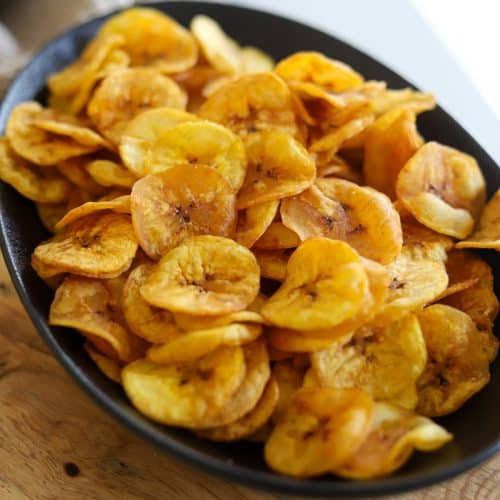
The Food and Drugs Authority (FDA) has launched a nationwide investigation into allegations that some vendors are using melted plastic in the preparation of plantain chips, a practice the regulator warns poses serious public health risks.

The move follows an exposé by Kumasi-based radio host Oheneni Adazoa of Sompa FM, whose claims have been widely circulated on social media and triggered public concern about the safety of the popular snack.

In a statement issued on its official X platform on Wednesday, March 11, the FDA said it had taken “grave concern” of videos and reports suggesting that polyethylene — a form of plastic — is being added to frying oil to enhance the crispiness and extend the shelf life of plantain chips.

The Authority said it has begun nationwide market surveillance and laboratory testing of plantain chips to verify the claims and ensure the safety of consumers.

According to the regulator, deliberately melting plastic into frying oil constitutes direct chemical contamination of food, rendering the product unsafe for human consumption.

The FDA explained that introducing plastic materials — particularly Low-Density Polyethylene (LDPE) — into hot oil could cause harmful chemicals to migrate into the food.

“Hot oil accelerates the leaching of plasticizers, phthalates and antioxidants from the plastic into the food,” the Authority said, warning that prolonged consumption of such contaminated food could have serious health implications.

Citing existing scientific research, the FDA noted that long-term ingestion of these chemicals has been associated with endocrine disruption, hormonal imbalances and an increased risk of certain cancers.

The Authority has therefore issued a strong caution to food vendors, reminding them that such practices violate Section 100 of the Public Health Act, 2012 (Act 851), which prohibits the sale of unwholesome or contaminated food.

Any vendor found deliberately introducing plastics or other non–food-grade substances into food preparation, the FDA warned, will face prosecution and possible permanent closure of their business.

Consumers have also been urged to remain vigilant when purchasing plantain chips. The Authority advised the public to avoid products that emit an unusual chemical smell, leave a plastic-like aftertaste, or maintain the same texture over a long period without becoming stale.

The FDA said it is collaborating with local authorities and the Ghana Police Service to monitor food vendors and enforce safety regulations.

Reaffirming its mandate to safeguard public health, the Authority urged all food processors and street vendors to comply with Good Manufacturing Practices (GMP) and obtain the required FDA Food Hygiene and Vendor Permit before operating.

The regulator assured the public that it will provide updates once laboratory results from the ongoing investigation become available. Meanwhile, the public has been encouraged to report any suspicious food preparation practices to the Authority through its official communication channels.


For more news, join The Chronicle Newspaper channel on WhatsApp: https://whatsapp.com/channel/0029VbBSs55E50UqNPvSOm2z

The Ghanaian Chronicle