Home Blog Page 86

FDA Investigates Alleged Use of Plastic in Frying Plantain Chips

0

The Food and Drugs Authority (FDA) has launched a nationwide investigation into allegations that some vendors are using melted plastic in the preparation of plantain chips, a practice the regulator warns poses serious public health risks.

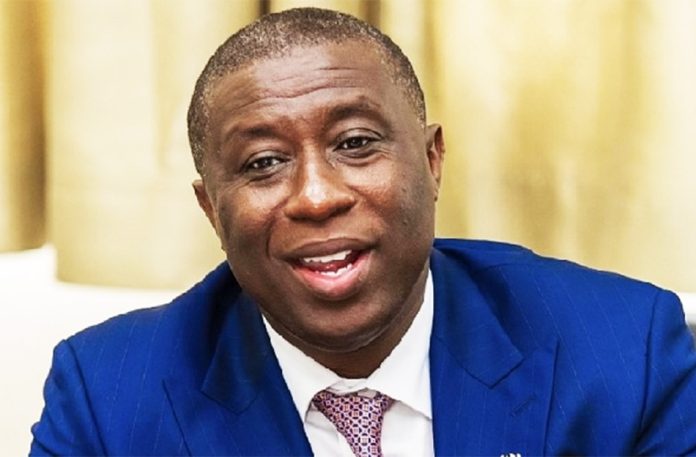
The move follows an exposé by Kumasi-based radio host Oheneni Adazoa of Sompa FM, whose claims have been widely circulated on social media and triggered public concern about the safety of the popular snack.

In a statement issued on its official X platform on Wednesday, March 11, the FDA said it had taken “grave concern” of videos and reports suggesting that polyethylene — a form of plastic — is being added to frying oil to enhance the crispiness and extend the shelf life of plantain chips.

The Authority said it has begun nationwide market surveillance and laboratory testing of plantain chips to verify the claims and ensure the safety of consumers.

According to the regulator, deliberately melting plastic into frying oil constitutes direct chemical contamination of food, rendering the product unsafe for human consumption.

The FDA explained that introducing plastic materials — particularly Low-Density Polyethylene (LDPE) — into hot oil could cause harmful chemicals to migrate into the food.

“Hot oil accelerates the leaching of plasticizers, phthalates and antioxidants from the plastic into the food,” the Authority said, warning that prolonged consumption of such contaminated food could have serious health implications.

Citing existing scientific research, the FDA noted that long-term ingestion of these chemicals has been associated with endocrine disruption, hormonal imbalances and an increased risk of certain cancers.

The Authority has therefore issued a strong caution to food vendors, reminding them that such practices violate Section 100 of the Public Health Act, 2012 (Act 851), which prohibits the sale of unwholesome or contaminated food.

Any vendor found deliberately introducing plastics or other non–food-grade substances into food preparation, the FDA warned, will face prosecution and possible permanent closure of their business.

Consumers have also been urged to remain vigilant when purchasing plantain chips. The Authority advised the public to avoid products that emit an unusual chemical smell, leave a plastic-like aftertaste, or maintain the same texture over a long period without becoming stale.

The FDA said it is collaborating with local authorities and the Ghana Police Service to monitor food vendors and enforce safety regulations.

Reaffirming its mandate to safeguard public health, the Authority urged all food processors and street vendors to comply with Good Manufacturing Practices (GMP) and obtain the required FDA Food Hygiene and Vendor Permit before operating.

The regulator assured the public that it will provide updates once laboratory results from the ongoing investigation become available. Meanwhile, the public has been encouraged to report any suspicious food preparation practices to the Authority through its official communication channels.


For more news, join The Chronicle Newspaper channel on WhatsApp: https://whatsapp.com/channel/0029VbBSs55E50UqNPvSOm2z
Two Ghanaians Injured As Drones Fall Near Dubai Airport

0
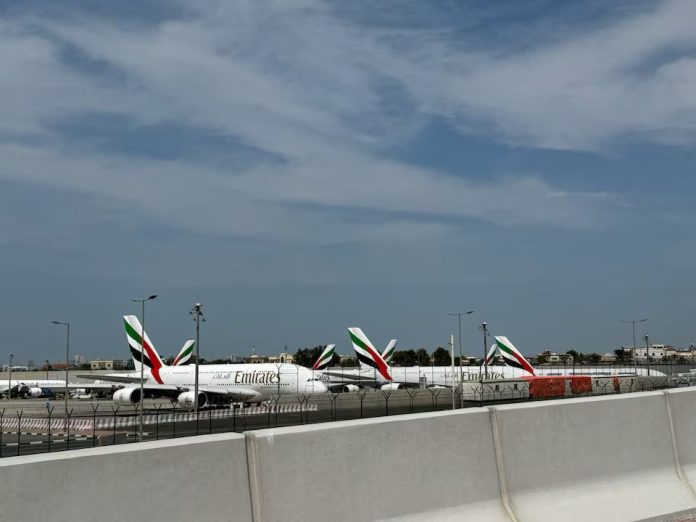
Emirates' planes sit on the tarmac of Dubai International Airport (DXB) after two drones came down in the vicinity of the airport, amid the U.S.-Israeli conflict with Iran, in Dubai, United Arab Emirates, March 11, 2026. Picture taken with a mobile phone. REUTERS/Stringer Purchase Licensing Rights

Two Ghanaian nationals were among four people injured on Wednesday after two drones fell near Dubai International Airport in Dubai, according to a report published on the website of Reuters.

Authorities confirmed that the drones came down in the vicinity of the airport, but air traffic operations continued as normal.

According to the report, the incident resulted in minor injuries to two Ghanaian nationals and one Bangladeshi national, while an Indian national sustained moderate injuries.

The drone incident comes amid escalating tensions linked to the ongoing conflict involving Iran, which has disrupted aviation across the Middle East and forced airlines to cancel, reroute or reschedule flights.

Large portions of regional airspace, including that of Qatar, remain closed due to concerns over missile and drone attacks, causing widespread disruption to global air travel.

Airlines in the United Arab Emirates, including Emirates and Etihad Airways, have resumed some flights since the crisis began on February 28, although they continue to operate below full capacity.

The incident marks another challenge for Dubai International Airport, regarded as the world’s busiest airport for international passengers, which handled nearly 100 million passengers last year.

-Source: Reuters


For more news, join The Chronicle Newspaper channel on WhatsApp: https://whatsapp.com/channel/0029VbBSs55E50UqNPvSOm2z

Denkyirahemaa, Nyinawusuhene Fight Over Akwaboso Lands

0
Nana Ama Ayensua Saara III, Denkyirahemaa (L) and Baffour Awuah II, Chief of Nyinawusu

The Denkyirahemaa, Nana Ama Ayensua Saara III and Baffour Awuah II, the chief of Nyinawusu in the Upper Denkyira East District, in the Central region of Ghana, are engaged in hostilities over the Akwaboso lands, measuring about 9,666 acres.

The impasse, bordering on ownership of the said lands, has culminated into a purported destoolment of the Nyinawusuhene by the Denkyirahemaa.

On November 12, 2025 Nana Ama Saara, the Denkyirahemaa, caused a letter with Ref. No. 1600-2025/ABK/ODDF/006 to be written by Lawyer E.K. Nanah, said to be the Secretary to the Denkyirahene, to the Regional Police Commander and the Police chief at Diaso, to the effect that Denkyira Nyinawusuhene had been destooled.

Prior to this action, the Denkyirahemaa had in 2025, between March and August, authorised one Kwaku Baiden of Baiden Enterprise and Paa Joe (Boafo Ne Ewurade Enterprise) to do mining on the Akwaboso lands, which belong to the Nyinawusu stool.

Copies of the letters, authorising Kwaku Baiden and Paa Joe to engage in mining activities, were brought to the attention of the Director General of the Ghana Police Service, Regional Police Commander and the President of the Regional House of Chiefs at Cape Coast.

Baffour Awuah II, who was installed the chief of Nyinawusu in November 2023 and occupies the Kwa Dampem Stool of the Bretuo family, has challenged his purported destoolment by the Denkyirahemaa.

The Nyinawusuhene through his Solicitor has debunked the Denkyirahemaa’s claim.

Lawyer Stephen B. Alewabah, on November 14, 2025 drew the attention of the Inspector-General of Police to the fact that the Bretuo family of Denkyira Nyinawusu has never undertaken any procedure suggesting the destoolment of the chief of Nyinawusu.

The IGP was also informed that one Akwasi Bekoe, mentioned by the Denkyirahemaa, is not the head of the Bretuo family and, therefore, cannot be assigned to start processes of finding a suitable replacement of Baffour Awuah.

The Nyinawusuhene, according to Lawyer Alewabah, has emphasised that no person, including the Denkyirahemaa, ever preferred any destoolment charges against a Divisional chief of his calibre at any forum.

Baffour Awuah, who is also the Kronkohene of Denkyira State, said his purported destoolment is a palpable falsehood because no traditional rites had been performed, and that the claim is in serious breach of Denkyira customs and tradition.

The lawyer, acting on the instruction of the Nyinawusuhene pleaded with the IGP to, in the interest of peace in Denkyira in general and Nyinawusu in particular, prevail on his officers and men to stay away from giving support to the Denkyirahene and Akwasi Bekoe to engage in acts purporting to be procedures or process of enstoolling a new chief at Denkyira Nyinawusu.

The Nyinawusuhene said the impasse between him and the Denkyirahemaa is driven by her quest to take over the Akwaboso lands for mining purposes.

Following, the Registrar of the Denkyira Traditional Council, has delayed the registration and gazetting process of Baffour Awuah as a chief.

The Registrar has not responded to enquiries by Baffour Awuah’s lawyer since July 7, 2025 regarding the chief’s status.

According to the chief, his security is currently under threat as assassins trail his movements and attack his residence without any provocation.

Referring to a High Court judgment of June 27, 2023, the Nyinawusuhene said several years ago the Nyinawusu Stool granted bare licence to the Denkyira Stool for use which licence could be revoked anytime as the Nyinawusu Stool desired.

The court, presided by His Lordship Justice Emmanuel Ayesu Essampong, upon evidence adduced at the trial, also established that the Denkyira Stool is not the owner of the disputed land because the Denkyira Stool was a mere gratuitous or bare Licencee, which was further explained that a bare or gratuitous licence is a mere permission for the Licencee to enter upon the Licensor’s land and that this permission could be withdrawn at any time by the Licensor.

The Court, heard that around 20:15 while Odeefuo Boa Amponsem III was taken ill, Nana Amponsah Kruh II (Baffour Awuah’s predecessor) revoked the licence which was granted to the Denhyira Stool, as far back as 1650 (370 years ago).

The Court, which determined the ownership and possession of the Nyinawusu Stool lands in the said judgment of June 27, 2023 declared Nana Amponsah Kruh II (Nyinawusu Stool) the owner of the 9,666 acre Akwaboso lands including the Akwaboso Township and encircled by Kyiribra, Nteteeso, Mpaawere, Ntumtuna Streams and River Offin sharing boundaries with Manso Nkwantamanhene, Nkronusa Atifihene and Denkyira Obuasihene.

The Nyinawusuhene told The Chronicle that in spite of the June 27, 2023 High Court judgment, the machinations to undermine him and threats on his life continue on daily basis.


For more news, join The Chronicle Newspaper channel on WhatsApp: https://whatsapp.com/channel/0029VbBSs55E50UqNPvSOm2z
KON Mad Over Sale Of Ghana’s Gold Reserves

0
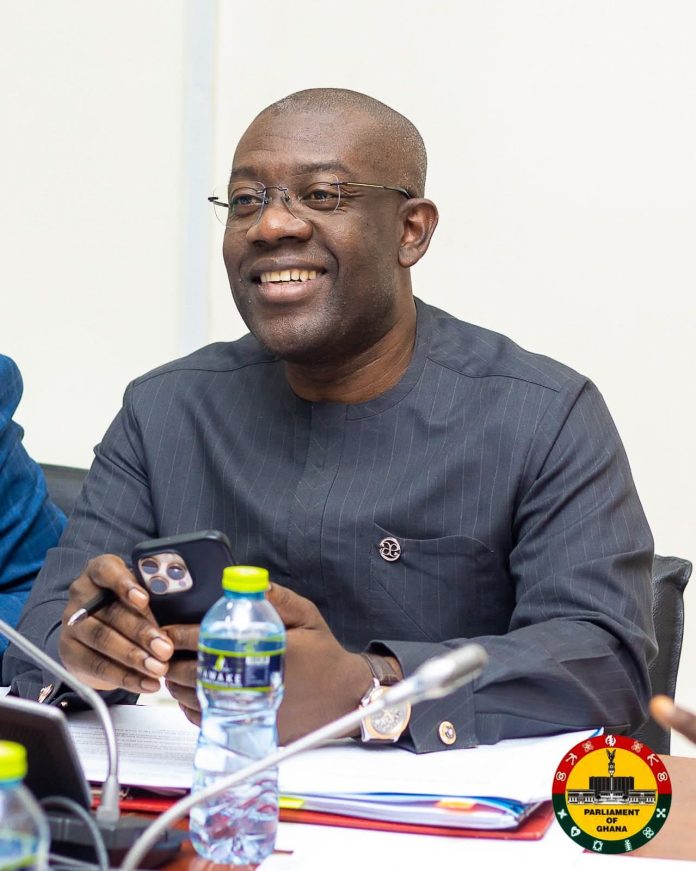
Mr Kojo Oppong-Nkrumah at the committee meeting

A fresh controversy has emerged over Ghana’s reserve management strategy after the Minority Member of Parliament for Ofoase-Ayirebi, Kojo Oppong Nkrumah, criticised the Bank of Ghana (BoG) for selling part of the country’s gold reserves.

The legislator, who also serves as Ranking Member on Parliament’s Committee on Economy and Development, raised concerns following a briefing by the Governor of the central bank, Dr. Johnson Pandit Asiama, on Monday.

The Governor appeared before the committee to provide explanations on the central bank’s monetary policy actions, reserve management decisions, and the financial implications of stabilising the economy after the recent debt crisis.

In recent years, Ghana has significantly increased its gold reserves through the Domestic Gold Purchase Programme, an initiative introduced to strengthen the country’s external buffers and diversify its international reserve assets.

Prior to the introduction of the programme in 2021, the Bank of Ghana held approximately 8.7 tonnes of gold. Through continuous purchases from domestic producers, the central bank gradually increased its gold holdings to more than 40 tonnes by October 2025.

This expansion made gold one of the largest components of Ghana’s reserve portfolio. However, a sharp rise in global gold prices in 2025 significantly altered the structure of the reserves. Gold prices increased by about 62 percent between January and October of that year, pushing gold’s share of Ghana’s reserves to roughly 42 percent.

According to the central bank, this development created concerns about excessive concentration in a single asset class.

BoG Defends Portfolio Rebalancing

Addressing members of the committee, Governor Asiama defended the Bank’s decision to rebalance the reserve portfolio by converting part of its gold holdings into foreign exchange assets. He explained that the move did not represent a depletion of Ghana’s reserves, but rather an adjustment in their composition.

“Ghana’s gold reserves remain fully part of our international reserves; what changed was the composition of those reserves,” the Governor told lawmakers. Dr. Asiama noted that international reserve management guidelines generally recommend that about 20 percent of a country’s reserves be held in gold as part of a diversified portfolio.

He said Ghana’s exposure had risen to more than 40 percent, creating what he described as a concentration risk.

To address this, the central bank undertook what he described as a measured portfolio rebalancing, converting part of the gold holdings into foreign exchange assets to improve liquidity and ensure the reserves remain readily usable for stabilising the foreign exchange market and financing essential imports.

The Governor stressed that central banks typically manage reserves based on principles of safety, liquidity and diversification rather than speculation on short-term price movements.

“The foreign exchange obtained from the transaction remains fully invested as part of the international reserves and continues to generate returns,” he added.

Opposition Challenges Decision

Despite the explanation, Mr. Oppong Nkrumah strongly criticised the decision, arguing that the sale of about 18 tonnes of gold had resulted in a major opportunity cost for the country. According to him, the gold was sold at around $4,000 per ounce, while current global prices have risen to above $5,000 per ounce.

Based on this difference, he argued that Ghana had potentially forfeited about $1.3 billion in valuation gains. “The poor policy decision on portfolio rebalancing is what has led to the $1.3 billion loss on the sale of the 18 tonnes of gold,” he said after the committee meeting.

While acknowledging the importance of diversification in reserve management, the legislator maintained that alternative strategies could have been adopted to reduce concentration risk without selling the gold.

Dispute Over Price Forecasts

Mr. Oppong Nkrumah also disputed the Bank’s suggestion that the surge in gold prices could not have been anticipated. According to him, several global forecasts had already pointed to a likely rise in gold prices due to geopolitical tensions and broader economic uncertainties.

“As far as we are concerned, most forecasts suggested that gold prices were going to rise in the medium term because of uncertainties around the world,” he said. He, therefore, described the Bank of Ghana’s assertion that the price surge was unforeseeable as unacceptable.

The Ranking Member argued that had the central bank retained the gold instead of selling it, Ghana’s reserves would have recorded valuation gains estimated at $1.3 billion.

The legislator further revealed that during the committee meeting, the Bank of Ghana indicated that it had already conducted an assessment of the valuation gains associated with the transaction and promised to provide the analysis to Parliament.

However, he said this disclosure would not halt the parliamentary inquiry already requested by the Minority. Mr. Oppong Nkrumah also disclosed that the central bank confirmed to the committee that government approval was obtained before the gold sale was executed.

According to him, Parliament will examine who authorised the transaction and whether such a significant decision should have required parliamentary oversight.

“It is now turning out that they got approval from government before they sold it. We will be looking into who gave that approval for such a significant transaction without recourse to Parliament,” he said.


Nana Leads AU Election Observation Mission To Congo

0
Nana Akufo-Addo

Former President Nana Addo Dankwa Akufo-Addo has been appointed by the African Union (AU) to lead the AU’s Election Observation Mission for the upcoming presidential elections in the Republic of the Congo scheduled for March 15, 2026.

According to a press release issued by the Office of the former president on Tuesday, March 10, Akufo-Addo will head the African Union Election Observation Mission (AUEOM), which will monitor the electoral process and assess its credibility and adherence to democratic standards.

The mission will comprise a broad range of stakeholders drawn from key continental institutions. These include members of the African Union’s Permanent Representatives Committee, the Pan-African Parliament, representatives of the African Governance Platform, election management bodies, independent election experts, as well as civil society organisations, women and youth representatives.

Election observation missions organised by the African Union are typically deployed to promote transparent and credible elections across the continent. Observers monitor various stages of the electoral process, including preparations ahead of voting, polling day procedures and the immediate post-election environment.

Akufo-Addo is expected to depart Accra on Friday, March 13, ahead of the vote and will return to Ghana on March 18 after the completion of the mission.

His appointment adds to the growing list of former African heads of state who are often called upon by the African Union to lead election observation efforts across member states, reflecting their experience in governance and diplomacy.

The AU election observation team is expected to engage with electoral authorities, political stakeholders and civil society groups in the Republic of the Congo as part of efforts to ensure that the presidential election is conducted in a peaceful, transparent and credible manner.

Africa Policy Lens Demands Full Disclosure On BoG Gold Divestment

0
Bank of Ghana headquarters

A policy think tank, Africa Policy Lens (APL), has filed a formal request under Ghana’s transparency laws seeking detailed disclosures from the Bank of Ghana (BoG) over the divestment of part of the country’s gold reserves in the final quarter of 2025.

The request, submitted under the Right to Information Act, 2019 (Act 989), was addressed to the Governor of the central bank and signed by APL’s Director of Research, Administration and Partnerships, Dr. Hayford Mensah Ayerakwa.

In the letter, the think tank argued that the transaction involves a matter of “significant national interest,” particularly because gold plays a critical role in Ghana’s monetary stability and the management of its external reserves.

According to APL, the request is intended to obtain clarity on the circumstances surrounding the sale of the gold and to ensure transparency in the management of national reserve assets. In its application, APL is asking the central bank to release extensive details regarding the divestment transactions undertaken in the third and fourth quarters of 2025.

The think tank specifically requested confirmation of the total quantity of gold divested during the period, including the exact weight in tonnes and ounces.

It also wants the central bank to disclose the precise dates on which each transaction was executed as well as the pricing benchmark used in valuing the gold.

APL further requested information on whether the transactions were priced using the London Bullion Market Association reference rate. Additionally, the organisation is demanding disclosure of the average realised sale price per ounce for the gold that was sold.

Buyers and Transaction Structure

Beyond pricing details, the think tank is also seeking the identities of the counterparties involved in the transactions. It is asking the Bank of Ghana to disclose the purchasing entities and provide information on their beneficial ownership structures.

The organisation also wants clarification on whether any local partners participated in the transactions and, if so, details regarding their identities and ownership arrangements.

APL further requested a description of the structure of the transactions, including whether the gold was sold outright, swapped, leased or transferred under any structured financial arrangement.The request also seeks confirmation on whether the transactions included any buy-back clauses.

Transfer and Use of Proceeds

The think tank has also asked for details regarding the delivery and custodial arrangements associated with the transactions. Specifically, APL wants to know whether the gold was shipped out of the country and, if so, the dates on which the shipments occurred.

In addition, the organisation is requesting disclosure of the total proceeds realised from the transactions, including the currencies in which the payments were received. It is also seeking information on the accounts or financial instruments into which the proceeds were credited.

According to the request, the Bank of Ghana should also clarify how the funds were subsequently used, including whether they were applied to reserve management operations, debt servicing, investment activities or other financial purposes.

Advisors, Fees and Policy Justification

APL is also demanding information on any financial advisors, consultants, bullion banks, brokers or transaction advisors who may have been engaged to facilitate the sale. The think tank has requested full disclosure of commissions, fees or other forms of compensation paid in relation to the transactions.

The request further asks the central bank to provide the policy rationale for the decision to sell the gold at the time it did. In particular, APL is seeking clarification on the economic considerations that informed the decision, including the market indicators, analyses or projections that were reviewed before the divestment was carried out.

It also wants to know whether the central bank conducted any strategic market timing analysis before proceeding with the sale, especially given global forecasts suggesting that gold prices could rise toward $5,000 per ounce.

In the letter, Dr. Ayerakwa emphasised that the request is intended to promote transparency and accountability in the stewardship of Ghana’s strategic financial assets.

He noted that the disclosure is required not only to inform the public, but also to ensure trust in the management of the nation’s reserves. “The people of Ghana deserve full clarity on the strategic decisions involving our national gold reserves,” the letter stated.

APL indicated that it expects the Bank of Ghana to respond within the timelines stipulated under the Right to Information Act.


There is no vacuum at Defence Ministry -Brogya Genfi 

0
Ernest Brogya Genfi - Deputy Minister for Defence

Deputy Minister for Defence, Ernest Brogya Genfi, had indicated that there is no leadership vacuum at the Ministry of Defence.

Speaking on Channel One Newsroom programme at the weekend, Ernest Brogya Genfi emphasised that, “There is no vacuum. There is a Minister responsible for the Defence Ministry and that Minister is Hon. Cassiel Ato Forson. As Deputy Minister, I am to assist the Minister in the performance of his functions as mandated by the Constitution. So there is no vacuum at the Ministry,” he said.

His reaction to concerns that there is a leadership vacuum at the Defence Ministry, follows calls by the Minority for the appointment of a substantive minister, as a result of recent security incidents including the terrorist attack on Ghanaian tomato traders in Burkina Faso that claimed eight lives, and the recent attack on Ghana’s peacekeeping base under the United Nations Interim Force in Lebanon (UNIFIL) in Lebanon.

The Minority in Parliament want President John Dramani Mahama to appoint a substantive Defence Minister, following the demise of Dr. Edward Omane Boamah last year, August.

But the Deputy Defence Minister maintained that the decision to appoint a substantive minister rests solely with the President.

He insisted that the ministry continues to function effectively under the current arrangement.

The Deputy Minister for Defence also suggested that the opposition’s concerns stem from surprise at the President’s ability to govern with a smaller number of ministers.


For more news, join The Chronicle Newspaper channel on WhatsApp: https://whatsapp.com/channel/0029VbBSs55E50UqNPvSOm2z

Create jobs for the youth to curb illegal mining –Osahen

0
Minority Leader, Alexander Afenyo-Markin

The Minority Leader, Alexander Afenyo-Markin, has called for urgent national policies aimed at creating sustainable employment opportunities for the youth, particularly in agriculture and tree crop farming, as part of efforts to curb the growing menace of illegal mining, popularly known as galamsey.

Contributing to a statement on the floor of Parliament, Afenyo-Markin warned that the destruction of Ghana’s environment through illegal mining was closely linked to youth unemployment and the lack of viable economic opportunities.

According to him, unless deliberate steps are taken to provide young people with alternative livelihoods, many would continue to be drawn to illegal mining activities that are destroying forests and water bodies across the country.

“Directly connected to this is the need to create opportunities for our youth,” he told the House. “Especially so when we are aware that one of the factors destroying our forest cover is galamsey.”

The Minority Leader noted that illegal mining had become one of the biggest threats to Ghana’s natural resources, with its effects increasingly visible in the destruction of forest reserves and pollution of water bodies.

He explained that in many communities, the lure of quick money from illegal mining had compelled farmers to abandon their farms and even destroy crops in favour of mining activities.

“Where trees fell in, where our water bodies are being destroyed, people are even pulling down their cocoa trees and their farms because of the attraction of galamsey,” he said.

He warned that the situation was worsening the effects of climate change, including extreme heat conditions being experienced in some parts of the country.

Osahen Afenyo-Markin stressed that government must begin to deliberately promote agriculture, particularly tree crop farming, as a viable source of employment for young people.

He mentioned crops such as coconut, mango and cashew as sectors that could create significant job opportunities if properly supported with the right policies and incentives.

“We have to encourage our youth to go into tree crop farming. Coconuts, mango and other tree crops should be seen as a major source of employment,” he emphasised.

The Minority Leader added that Ghana appeared to be overlooking the economic potential of several tree crops that could generate income for thousands of young people. Sharing observations from a recent trip to the Bono Region, he noted that cashew farming, for instance, had significant potential to create jobs if given the needed policy support.

“I was in the Bono area over the weekend and they were talking about cashew. We seem to have forgotten about some of these cash crops and we are not putting in policies to attract the youth in that direction,” he said.

To ensure that the issues raised during the debate translate into practical measures, Osahen Afenyo-Markin proposed that the statement be referred to the Ministry of Lands and Natural Resources for further consideration.

According to him, the ministry could study the proposals and develop a comprehensive policy framework that would provide resources and opportunities for young people seeking alternative livelihoods.

“My proposal is for you to make a referral of this very important statement to the Ministry of Lands and Natural Resources,” he told the Speaker.

He explained that the ministry should extract key policy ideas from the discussions and develop strategies that would create funding avenues and support systems for young people interested in agriculture and other productive sectors.

Without such interventions, he cautioned, illegal mining would remain attractive to unemployed youth seeking economic survival.

“Otherwise they would continue to see mining, illegal mining otherwise known as galamsey, as their main source of wealth,” he warned.

The Minority Leader also reflected on the rare coincidence of the Christian Lenten season and the Islamic holy month of Ramadan occurring at the same time this year.

He described the moment as a period of spiritual reflection that should encourage Ghanaians to act responsibly in protecting the environment.

“This year something very strange happened. Lent and Ramadan coincided. Lent started the same day as Ramadan,” he observed.According to him, the spiritual significance of the period should inspire citizens to protect the nation’s natural resources rather than exploit them for short-term gains.

Background

Earlier, the Member of Parliament for Krachi-Nchumuru, Solomon Kuyon, had delivered a statement highlighting the urgent need to empower Ghana’s youth with sustainable economic opportunities.

In his statement, Solomon Kuyon argued that many young Ghanaians possessed the ambition and creativity to build successful businesses, but were often constrained by the lack of accessible financing.

To address this challenge, he proposed the establishment of a National Youth Development Fund, which would provide seed capital, scale-up financing and skills development support to young entrepreneurs across the country.

According to him, such a fund would bridge the gap between youthful ambition and economic opportunity while helping to unlock innovation and job creation nationwide.


For more news, join The Chronicle Newspaper channel on WhatsApp: https://whatsapp.com/channel/0029VbBSs55E50UqNPvSOm2z

Mining Sliding‑Scale Royalties Will Hurt Ghanaian Economy –Patrick Boamah

0
Patrick Boamah

The Chairman of Parliament’s Subsidiary Legislation Committee, Patrick Boamah, has warned that the proposed sliding‑scale royalties regime under the Minerals and Mining Royalties (Regulations) 2025 could harm Ghana’s economy by discouraging investment, triggering job losses and weakening the country’s competitiveness in the global mining sector.

Interacting with journalists on the regulations on Tuesday, March 10, 2026, Patrick Boamah said although the Committee had completed its mandatory scrutiny of the instrument, serious concerns remain about the broader economic consequences of the new royalties framework.

According to him, while government maintains that Ghana is “open for business,” current fiscal decisions within the mining sector send a contradictory signal to both local and international investors.

“We critically examined the policy and its effects on the mining sector. But there are still strong reservations about how this regime will affect investments and the overall sustainability of mining operations in the country,” Patrick Boamah said.

The regulations laid in Parliament on December 19, 2025 mature on March 10, 2026 after the constitutionally required 21 sitting days. However, the Chairman of Parliament’s Subsidiary Legislation Committee stressed that maturity of the instrument does not erase the economic risks associated with the policy.

Investor confidence at risk

Patrick Boamah disclosed that an Ernst & Young report, commissioned by stakeholders in the mining industry, paints a troubling picture of the sector’s future under the current royalties and fiscal regime. The report reportedly highlights anticipated job losses, declining capital inflows, and reduced investor confidence if the sliding‑scale royalties are implemented without accompanying relief measures.

He noted that Ghana currently ranks among the least attractive mining jurisdictions globally, largely due to its high fiscal burden on mining companies. “When you look at the royalties regime and the broader fiscal framework in the mining sector, Ghana ranks number one in terms of burden,” he said adding, “what all this tells investors is that Ghana is no longer attractive.”

A major source of frustration for industry players, the Chairman of Parliament’s Subsidiary Legislation Committee said it is the government’s failure to honour a promise to reduce the Growth and Stabilisation Levy from 3 percent to 1 percent.

According to him, the Ministry of Finance had assured the mining community that the reduction would be implemented to cushion the impact of the new royalties structure.

However, no such proposal has been presented to Parliament.

“As we speak, that hasn’t happened. This tells you that government has not been honest with the mining community, and that is why this Ernst & Young report was commissioned.”

He warned that multinational mining companies, which operate in several jurisdictions, regularly report policy risks to their headquarters, and Ghana’s credibility is at stake.

“These are global companies. Their reports go back to their head offices, and if we are not seen as consistent or credible, they will simply look elsewhere,” he added.

Declining global rankings

Patrick Boamah further cited global mining indices to support his concerns, noting that Ghana’s position has worsened in recent years.

In the Fraser Institute’s Investment Attractiveness Index, Ghana fell from 46th out of 82 countries in 2024 to 53rd out of 68 countries in 2025.

Similarly, in the Global Mining Perception Index, Ghana dropped from 46th in 2024 to 60th in 2025.

The Global Best Practices Index also shows Ghana near the bottom of global rankings, an indication, Patrick Boamah said, that mining capital is increasingly being redirected to countries such as Peru, Colombia, South Africa, Côte d’Ivoire and Mali.

Beyond investment flows, he warned that the sliding‑scale royalties could result in massive job losses, undermining government revenue in the long term.

He said Ghana expects about US$7 billion in mining investments between the past five years and 2028, investments that would support local businesses, local content initiatives, and employment.

“If you introduce this sliding scale, you may gain some revenue in the short term,” he cautioned, adding “but the net effect could be job losses close to a million.”

According to him, losing such a large number of jobs would reduce income tax receipts, corporate taxes, and economic expansion, ultimately defeating the purpose of the higher royalties.

Local ownership under threat

The Chairman of Parliament’s Subsidiary Legislation Committee also expressed concern about government’s plan to encourage Ghanaian ownership of mining assets, especially as some major leases are due to expire by the end of the year.

While welcoming local participation, he argued that Ghanaian investors cannot succeed without a supportive fiscal and regulatory environment.

“If a Ghanaian takes over a mining investment and cannot raise the required capital because the fiscal regime is too harsh, that investment will not thrive,” he said.

He stressed that local ownership should be supported through incentives that promote capital retention, job creation, and currency stability, rather than policies that strain operations.

Patrick Boamah concluded by urging government to realign its mining policies with its stated economic objectives.

“You cannot, in one breath, increase royalties through a sliding scale and, in another breath, take away the support required for investors to survive. That is a contradiction that must be addressed,” he said.

He called on government to urgently review the royalties regime, honour its commitment on the Growth and Stabilisation Levy and adopt a balanced framework that attracts investment while safeguarding national revenue and employment.

By Stephen Larbi


For more news, join The Chronicle Newspaper channel on WhatsApp: https://whatsapp.com/channel/0029VbBSs55E50UqNPvSOm2z
Death on the Hillside: How Kyebi’s Silence on Illegal Mining turned fatal

0

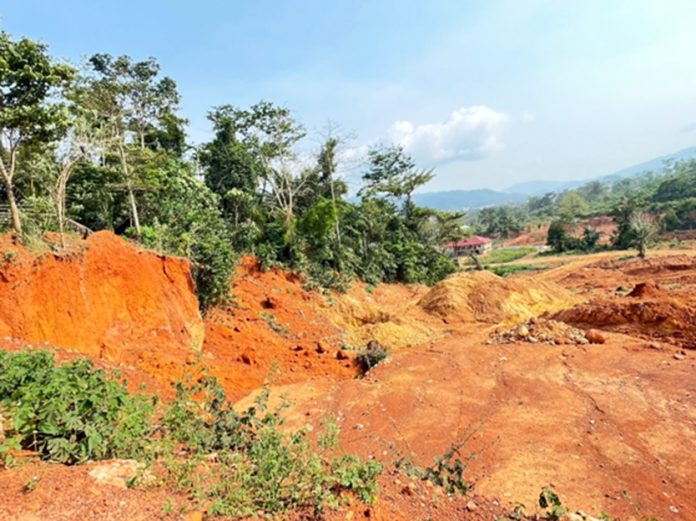
In plain sight and with seeming impunity, illegal mining operations continue to ravage the hillsides of Kyebi, a dangerous reality that resulted in an tragic incident on Saturday, 7th March 2026, when a miner lost his life just meters from a local A Rocha Ghana office.

The incident, which occurred behind the landed property of environmental NGO A Rocha Ghana, has done little to disrupt the irresponsible and illegal mining activities dotting the landscape. According to eyewitness accounts, the illegal miner became trapped in a pit at around 10 PM during a nighttime operation. His body was later recovered using an excavator, a grim testament to the unregulated and hazardous nature of the work taking place in full view of the community.

For years, the hills surrounding this township have been stripped bare by illegal miners, commonly known as galamsey, who operate irresponsibly and with reckless abandoned for safety and safeguards with what residents describe as total disregard for the law. Despite the visibility of these operations, local police and municipal authorities have repeatedly failed to intervene, raising questions about complicity or a complete breakdown of enforcement.

A Pattern of Impunity

The latest fatality struck particularly close to home for A Rocha Ghana, whose Kyebi office sits adjacent to the active mining front. The organization has been a vocal opponent of the degradation, but their efforts have been met with inertia from the very bodies meant to uphold mining and environmental regulations.

As early as 2024, A Rocha reported to the police that illegal miners had encroached on their land, destroying several boundary pillars. While some individuals were initially arrested and taken to court, the legal action proved to be a mere speed bump. Soon after, the excavators returned, digging dangerously close to the office boundaries, leaving behind deep, and unstable slopes.

Despite filing multiple complaints and pursuing civil remedies, the organization has watched helplessly as the hills behind their office have been systematically reduced to rubble. Saturday’s death, occurring literally in their backyard, is the tragic outcome they had long warned about.

Losing Kyebi’s forested Hillsides

The environmental scars and risks of mining the hillsides of Kyebi are plain for all to see upon entering the town. The hills and forests surrounding Kyebi form part of an important ecological landscape that supports biodiversity, regulates water systems, and sustains local livelihoods. Allowing illegal mining to continue unchecked threatens not only the environment but also human safety and the rule of law.

Calls for Accountability Intensify

A Rocha Ghana has, in the wake of the 7th March incident, reiterated its demand for immediate and coordinated action by state security and local government, stressing that intelligence-led interventions are critical to averting future calamities. The organization is demanding an immediate halt to all illegal mining operations in the Kyebi hills, a thorough investigation into the circumstances of the death, and the enforcement of laws against those and operating and facilitating illegal mining operations in the town.

By Charles Agyarkwa. A Rocha Ghana. Kyebi Office.


For more news, join The Chronicle Newspaper channel on WhatsApp: https://whatsapp.com/channel/0029VbBSs55E50UqNPvSOm2z
The Ghanaian Chronicle