Home Blog Page 76

Police Crack Major Robbery, Murder Syndicates In Atebubu Enclave

0
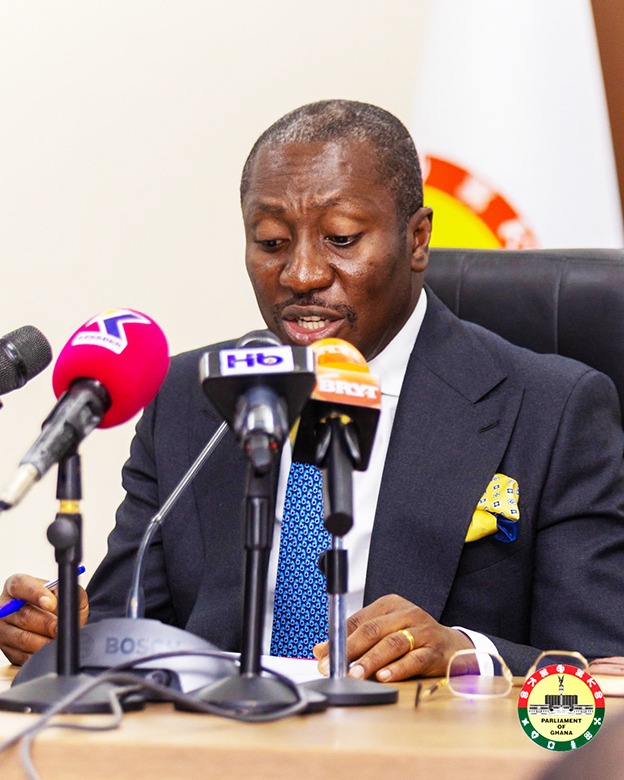
IGP Tetteh Yohuno

The Inspector-General of Police, Christian Tetteh Yohuno, has announced a major breakthrough in the Ghana Police Service’s fight against violent crime, following the arrest of several suspects linked to high-profile murder and armed robbery cases in the Atebubu enclave of the Bono East Region.

Addressing a press briefing, the IGP disclosed that police intelligence operations had led to the arrest of suspects connected to the murder of Nana Sewa Jankuma, Queenmother of Abamba, as well as a deadly armed robbery attack at a GB oil filling station near Atebubu.

According to him, the police over the past year had intensified intelligence-led operations across the country, targeting armed robbery gangs, narcotics networks, online fraud syndicates, child trafficking rings and other organised criminal groups.

He explained that with logistical and operational support from the government, several violent crime syndicates had been dismantled, leading to the retrieval of weapons and ammunition from criminal gangs.

The IGP noted that Atebubu, which had in recent times become a hotspot for criminal activity, was now under sustained police pressure through swoops and intelligence operations aimed at flushing out criminals from the area.

“Those who were daring enough to engage the police in shootouts received the appropriate response, while others fled the town,” he stated, adding that the operations would continue to ensure residents could conduct their daily activities without fear.

On the murder of the Abamba Queenmother, which occurred on February 25, 2026, the police chief revealed that investigations took a dramatic turn after police at Kasoa arrested suspects allegedly preparing to commit robbery.

During interrogation, one of the suspects, identified as Abdurazak Ibrahim Langa, alias Zak, reportedly confessed knowledge of the murder, claiming the “ghost” of the deceased queenmother had been tormenting him.

Further investigations identified Nana Yaw Bediako, alias Nana Yaw, as the alleged gunman who shot the queenmother. Police say he confessed to the crime and implicated Nana Osu Sankofi II, chief of Akonkwa, as the alleged mastermind behind the murder plot.

According to the IGP, the chief allegedly promised to pay GH¢50,000 for the assassination.

Police investigations subsequently led to the arrest of additional suspects, including Bukari Amadu, a driver, and another suspect identified as Daco, described as the Abakomahene of Akonkwa.

The IGP also disclosed that another suspect, Suley Yagani, currently serving a prison sentence at Nsawam Maximum Security Prison and temporarily held at Sunyani Central Prison pending an appeal, had been linked to the case.

On the May 2, 2026 armed robbery attack at the GB filling station, the police chief said eight suspects, including two women, had so far been arrested.

Three suspects – Adam Ademu, 27, Suley Amadu, 22, and Abdulai Ali, 45 – remain in police custody, while three others, Abdul Razak Osman, Nuhum Awudu and Dauda Issa, died during police operations.

The two female suspects, both nursing mothers, have been granted temporary police bail.

Preliminary investigations, according to the IGP, revealed that the alleged ringleader, Abdul Razak Osman, who operated within the area, contracted members of the gang to rob and kill the owner of the filling station.

Police said the gang monitored the owner’s movements and attacked after mistakenly believing he had entered the premises.

However, the intended target had reportedly left moments earlier. Realising they had missed him, the suspects allegedly opened fire indiscriminately, killing two persons and injuring two others.

The IGP assured the public that all suspects implicated in the crimes would be made to face the full rigours of the law.

He commended officers from the Police Intelligence Directorate, the Cybercrime and Enforcement Unit, the Anti-Armed Robbery Unit and the Bono East Regional Police Command for what he described as their dedication and sacrifice in pursuing the criminals.

He also expressed gratitude to members of the public who provided information that aided the investigations.

“To the criminals out there, watch out. We are coming for you,” the IGP warned.


For more news, join The Chronicle Newspaper channel on WhatsApp: https://whatsapp.com/channel/0029VbBSs55E50UqNPvSOm2z

Galamsey: NAIMOS Nabs Chinese, 7 Ghanaians in Ashanti Region

0
Screenshot

A carefully coordinated anti-galamsey operation has resulted in the arrest of eight illegal miners — including a Chinese national — at an active mining site in the Ashanti Region, the National Anti-Illegal Mining Operations Secretariat (NAIMOS) has announced.

According to a statement posted on Facebook by journalist Erastus Asare Donkor, the NAIMOS task force swooped on a galamsey site at Oseikokrom in the Amansie West District on Thursday, 21 May 2026, in what the Secretariat described as an intelligence-led operation.

The Arrests

Upon sensing the approach of the task force, the suspects attempted to flee the site but were intercepted before they could escape. Eight individuals were arrested in total: one Chinese national and seven Ghanaian locals.

The arrested suspects were identified as:

1. Huang Weiye (Chinese National) — 38 years
2. Augustine Manu — 23 years
3. Kwame Ntoadro — 41 years
4. Moses Alou — 30 years
5. Alex Lenley — 32 years
6. Yaw Owusu — 26 years
7. Shaibu Wuni — 26 years
8. Patrick Bampoa — 22 years

Huang Weiye has since been conveyed to NAIMOS Headquarters for further investigations and subsequent handover to the Ghana Immigration Service, in line with standard procedure for foreign nationals implicated in illegal mining. The seven Ghanaian suspects were handed over to the Antoakrom Police Station for investigations and prosecution.

Equipment and Weapons Seized

The raid yielded a significant haul of equipment. Two Toyota Hilux pickups — registered GX 555-24 and CN 5168-26 — were seized at the site and transported to the NAIMOS logistics holding facility in Kumasi.

Operatives also found two excavators actively engaged in mining. One was seized and conveyed to the Kumasi holding area. The second, immobile due to an attached tracker that could not be deactivated, was immobilised on-site by task force personnel who detached its monitor and control board.

Additionally, a pump-action gun was recovered from the site — a detail that underscores the security risks routinely faced by anti-galamsey operatives in the field.

Task force personnel also set ablaze several makeshift structures that had served as hideouts for the illegal miners.

NAIMOS Signals Escalation of Operations

Speaking on the outcome of the raid, Colonel Dominic Buah, Director of Operations for NAIMOS, signalled that the Secretariat’s enforcement posture would not relent.

“The task forces would continue to intensify such surgical raids in all galamsey hotspots across the country,” he stated.

Colonel Buah further noted that the intensified operations and broader strategies being deployed by NAIMOS were yielding measurable results in disrupting entrenched illegal mining networks — networks he described as responsible for the destruction of cocoa farms, forest reserves, and road networks, as well as the severe pollution of the nation’s water bodies.

The Oseikokrom bust represents another data point in what NAIMOS is framing as a sustained, intelligence-driven campaign — one that is increasingly targeting the organised, often foreign-backed networks that underpin Ghana’s galamsey problem, rather than merely apprehending low-level site workers.


For more news, join The Chronicle Newspaper channel on WhatsApp: https://whatsapp.com/channel/0029VbBSs55E50UqNPvSOm2z
 

Osahen Fires Ministers …Over Early Race To Succeed Mahama

0
Osahen Afenyo-Markin

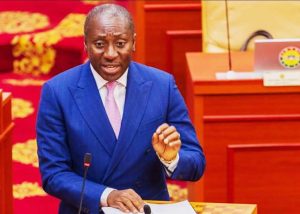
The Minority Leader in Parliament, Alexander Kwamena Afenyo-Markin, has accused senior figures within the ruling NDC government of abandoning governance for an early succession contest, warning that the growing race to replace President John Dramani Mahama is distracting ministers from pressing national crises.

Patricia Appiagyei, deputy minority leader

In a strongly-worded statement read on his behalf by Madam Patricia Appiaggyei, his deputy, on the floor of Parliament yesterday, Afenyo-Markin said the government was increasingly consumed by internal political ambitions, while Ghanaians battle worsening economic and social hardships. The Effutu MP claimed the governing administration was losing focus barely sixteen months into its tenure.

Under the heading: “The Race to Replace the President: Who is Governing Ghana?”, the Minority Leader argued that senior government appointees had become preoccupied with positioning themselves for the 2028 presidential race, instead of addressing the country’s immediate challenges.

According to him, concerns over the early succession campaign had even emerged from within the Presidency itself. He cited an opinion article published in the Daily Graphic on May 5, 2026  by the President’s Executive Secretary, Dr. Callistus Mahama, titled “Before the Race Begins: A Call for Discipline, Reflection and Duty.”

Quoting portions of the article, Afenyo-Markin said the Executive Secretary warned that “barely a year and a half into this mandate, the conversation about succession in 2028 risks arriving before the foundations of recovery have even been firmly laid.”
He further quoted the article as describing the situation as “a quiet form of neglect,” adding that “the clock is not yet ticking toward succession; it is ticking toward delivery.”

The minority leader told Parliament that when a sitting President’s own Executive Secretary publicly appealed to government officials to stop campaigning and concentrate on governance, it reflected a government losing grip of its priorities.
“Ghana remains under an IMF programme. Debt restructuring is incomplete. Dumsor is back. Farmers are in distress. The people appointed to solve these problems are focused on replacing the man who appointed them,” he declared.

He subsequently called on President Mahama to “enforce real discipline” within his administration, insisting that ministers who could not separate governance from political ambition “should be asked to choose.”

Dumsor Returns
The Minority Leader also launched a fresh attack on the government over the return of erratic power supply, popularly known as dumsor. He alleged that communities across the country were once again experiencing prolonged and unpredictable outages despite campaign promises by the NDC to end the crisis.

According to him, businesses were losing money, hospitals were under pressure and students were being forced to study with candles in a country capable of generating its own electricity.

Minority leader, Hon Alexander Kwamena Afenyo Markin

Afenyo-Markin claimed the economic losses from the outages were estimated at about $320 million annually in lost productivity.
He referenced the Akosombo Power Control Centre fire and the suspension of the GRIDCo Chief Executive Officer as warning signs that were allegedly ignored by the authorities. The Minority Leader demanded that the Energy Minister appear before Parliament with what he described as a “credible, costed and time-bound” plan to end load-shedding.

Athletics Championship Embarrassment
Turning to sports, Afenyo-Markin described Ghana’s hosting of the 24th African Senior Athletics Championships at the University of Ghana Stadium as an “international embarrassment.”

He accused the Sports Ministry of gross incompetence despite having nearly two years to prepare for the continental event. The Minority Leader cited reports of inadequate accommodation, poor feeding arrangements, transportation delays, malfunctioning timing systems and internet failures at the media centre.

According to him, Ghana’s image suffered severe reputational damage after complaints from participating athletes went viral across international media platforms. He linked the controversy directly to Ghana’s preparations for the upcoming 2026 FIFA World Cup campaign, where the Black Stars are expected to face Panama, England and Croatia.

Afenyo-Markin questioned whether the same ministry that struggled to organise the athletics championship could adequately support the Black Stars on the global stage. “The level of incompetence that attended the African Athletics Championships must not manifest in Ghana’s World Cup campaign,” he warned.

The Minority Caucus therefore demanded a full parliamentary investigation into the athletics championship fiasco and insisted that the Minister for Youth and Sports appear before the full House to answer questions. The caucus also called for a written World Cup preparedness plan to be submitted to Parliament before the end of the month.

Ghanaians Abroad
On the safety of Ghanaians living abroad, the Minority Leader acknowledged steps taken by the Ministry of Foreign Affairs concerning xenophobic attacks in South Africa, but maintained that government intervention came too late.

He credited sustained pressure from the Minority Caucus and his intervention at the ECOWAS Parliament in Abuja for forcing urgency on the matter. Afenyo-Markin disclosed that the ECOWAS Parliament had directed its Committee on Political Affairs to investigate attacks on Ghanaians and other West Africans in South Africa following concerns he raised during proceedings.

He admitted that the Foreign Affairs Ministry had engaged South African authorities and initiated evacuation measures for affected Ghanaians, but argued that the government’s initial response lacked urgency.
The Minority Leader further called on government to establish a formal early warning and emergency response framework for protecting Ghanaians abroad.

He also demanded a comprehensive reintegration programme for returnees evacuated from South Africa.


For more news, join The Chronicle Newspaper channel on WhatsApp: https://whatsapp.com/channel/0029VbBSs55E50UqNPvSOm2z
Ghana On Right Path Despite Challenges -Ayariga

0
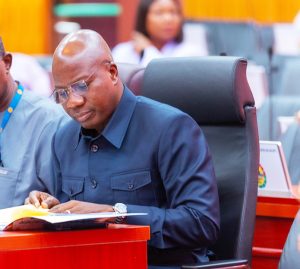
Majority Leader, Mahama Ayariga

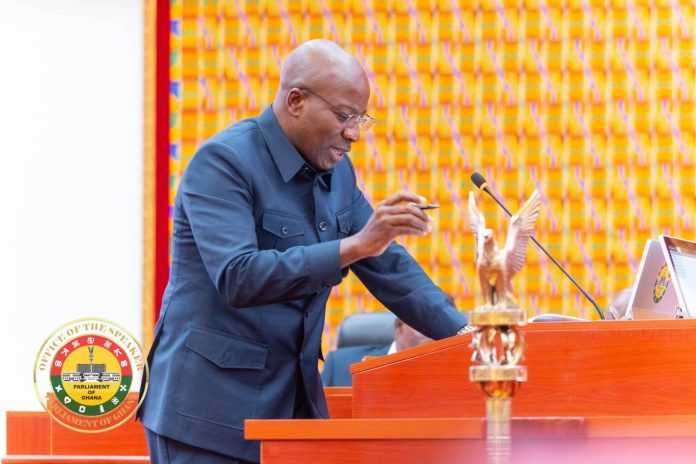
The Majority Leader and Member of Parliament for Bawku, Mahama Ayariga, has mounted a spirited defence of the Mahama administration’s stewardship of the economy and democratic governance, while launching a blistering attack on the opposition NPP, over what he described as years of “waste, mismanagement and plunder.”

Addressing Parliament yesterday at the commencement of the Second Meeting of the Second Session of the Ninth Parliament, the Bawku Central MP said Ghana was witnessing one of the fastest economic recoveries in its history under President John Dramani Mahama.

Mahama Ayariga, Majority Leader

In a speech laced with political jabs at the Minority, the majority leader accused the previous NPP administration of dragging the economy into collapse through reckless governance, but the current NDC government has managed to stabilise the situation within a short period.

He mocked the Deputy Minority Leader, Patricia Appiagyei, suggesting she was “rehearsing for her potential role as a running mate,” before declaring that the country had entered a period of “renewed hope and optimism.”

Fastest Economic Recovery
The Majority Leader relied heavily on comments made recently by policy analyst, Franklin Cudjoe, to support his defence of the government’s economic record.
Quoting the IMANI Africa President extensively on the floor of Parliament, Ayariga said even civil society had acknowledged that the Mahama administration had engineered “the fastest economic recovery in Ghana’s history.”

According to him, Ghana’s economic stabilisation had been achieved despite inheriting what he described as a “badly bruised, broken and marred” IMF programme from the previous administration.

He argued that the economic collapse experienced in 2022 was avoidable and blamed it on “regressive self-immolating policies of waste, mismanagement and plunder.”
Ayariga maintained that inflation was declining rapidly, debt levels were reducing and investor confidence was gradually returning under the current administration.

“What is the Policy Coordination Instrument (PCI)? It is a non-financial advisory and monitoring tool provided by the IMF. It allows the country to design and implement its own economic reforms without receiving a financial bailout,” he explained.

He further described the transition from the IMF bailout programme to the PCI as a “masterstroke in economic diplomacy.” According to him, the government was determined to ensure Ghana would not quickly return to the IMF as had repeatedly happened under successive administrations since independence.

Defends Mahama Leadership
The Majority Leader praised President Mahama’s leadership style, insisting the President was personally invested in the details of governance. “The President reads every document handed to him, often correcting grammatical mistakes before signing the country up to the contents,” Ayariga stated.

He stressed that the economic gains being recorded were not propaganda from the NDC, but reflected objective assessments from independent voices. “This is civil society’s verdict on this government, not NDC praising itself,” he declared.

Press Freedom Gains
Ayariga also defended the government’s democratic credentials, citing Ghana’s improved ranking in the 2026 World Press Freedom Index. According to him, Ghana’s rise to the 39th position globally represented a “remarkable institutional redemption” under the Mahama administration.
He described the achievement as evidence of what he called a “profound democratic resurrection” under the NDC government.

“We have fiercely reclaimed our heritage as a vanguard of free expression,” he said.
The Majority Leader subsequently accused the Minority Leader, Alexander Kwamena Afenyo-Markin, of attacking the judiciary.

He cautioned politicians to remain consistent in their public comments regarding court decisions, stressing that democratic governance depended on respect for state institutions.
“I want to assure the judiciary that we on this side of the House have their backs covered,” he declared.

NPP Blamed For Economic Hardship
While admitting that Ghana still faced serious economic challenges, Ayariga argued that many of the problems were inherited from the previous administration.
He cited rising youth unemployment, infrastructure deficits and a struggling private sector as consequences of years of economic mismanagement.

“The last one and a half years of economic management establishes the point that our economy does not lack. Our economy has only suffered from decades of inefficiency, waste, graft and corruption,” he said.

He assured Ghanaians that the government’s proposed 24-hour economy policy would accelerate job creation following Ghana’s exit from the IMF bailout programme.
The Majority Leader further announced that Parliament would be handling an intensive legislative agenda during the session, including 48 bills and 26 statutory instruments.

Calls For Unity
Touching on the arrest of the MP for Asante Akyem North in the Netherlands, Ayariga urged Ghanaians to avoid prejudicial commentary and respect the principle of innocence until proven guilty.
He also called for cooperation between the Majority and Minority sides of Parliament, insisting national development could not be achieved through perpetual partisan conflict.

“History will judge this Ninth Parliament not by the volume of our arguments, but by our contribution to national progress,” he stated.


For more news, join The Chronicle Newspaper channel on WhatsApp: https://whatsapp.com/channel/0029VbBSs55E50UqNPvSOm2z
Halt Creeping Culture Of Silence -Nana Akomea

0
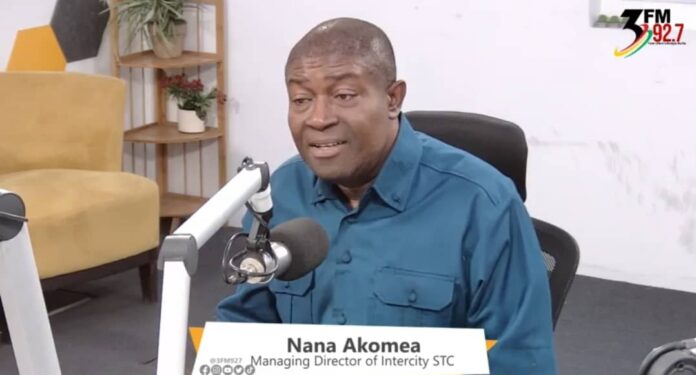
Nana Akomea

The Chairman of the New Patriotic Party’s (NPP) Communications Committee, Nana Akomea, has called on President John Dramani Mahama to take immediate steps to halt what he describes as a “creeping culture of silence” emerging under the current administration.

Speaking on Peace FM’s Kokrokoo programme on Tuesday, May 19, 2026 Nana Akomea argued that in a democratic society, speech-related matters that allegedly damage reputations should be addressed through civil remedies rather than criminal prosecution, especially following Ghana’s repeal of the Criminal Libel Law.

According to him, although some colonial-era sedition laws still exist, such laws should only be applied in extreme circumstances where statements pose a serious threat to national security or public safety.

He maintained that many of the recent arrests of individuals linked to political commentary or public criticism do not meet the threshold for sedition offences.

Nana Akomea

Nana Akomea cited several examples, including the arrest of Rita Batse over comments criticising the performance of local government officials and the abandonment of a factory project in Hohoe. He also referenced the arrest of David Essandoh following a Facebook post on the ongoing power outages, popularly known as “dumsor,” which featured President Mahama’s photograph.

Other cases he mentioned included Alfred Kumi, who petitioned the President over the conduct of members of the committee investigating Chief Justice Gertrude Torkornoo; Rev. John Ntim Fordjour, who raised concerns about the activities of two aircrafts at the airport and Kofi Ofosu Nkansah, who allegedly highlighted claims of extortion in the awarding of scholarships.

He further mentioned Wilberforce, a journalist with Asaase Radio, who was reportedly questioned over a report concerning operations at the Minerals Income Investment Fund (MIIF).

According to Nana Akomea, none of these incidents should warrant arrests on grounds of sedition or criminal intimidation.

He also criticised the manner in which some of the arrests were reportedly carried out, describing them as excessive and intimidating. He alleged that in several instances, security operatives conducted dawn raids using heavily armed and masked personnel, while some suspects were denied bail as though they were dangerous criminals.

Nana Akomea further accused the government of selective justice, claiming that some members and sympathisers of the governing National Democratic Congress (NDC), who made controversial statements, have not faced similar scrutiny.

Among those he referenced were Sabah Zita Benson, whom he alleged accused the NPP of involvement in a helicopter crash that killed government officials; former MPs Kojo Adu Asare and Joseph Azumah, who reportedly spoke about extortion in senior high school admissions; as well as Anita De-Soso, who allegedly claimed appointments under President Mahama were being sold.

He also cited Fifi Kwetey, accusing him of alleging that government officials were cutting deals with persons accused of corruption to avoid prosecution.

Nana Akomea argued that the perceived disparity in how such cases are handled creates an impression of political discrimination and intolerance.

He expressed concern that, within just over a year of President Mahama’s administration, more than 16 NPP members had allegedly been arrested over comments or political expressions, and urged the President to intervene to protect freedom of speech and democratic accountability in the country.


For more news, join The Chronicle Newspaper channel on WhatsApp: https://whatsapp.com/channel/0029VbBSs55E50UqNPvSOm2z
Ghana to Host 2027 World Cocoa Foundation Partnership Meeting

0
World Cocoa Foundation (WCF)

Ghana will host the 2027 World Cocoa Foundation (WCF) Partnership Meeting from March 16 to March 18, next year, in Accra. The meeting will bring together leaders from across the global cocoa and chocolate industry at a pivotal moment for the future of the cocoa sector.

The 2027 meeting, on the theme: “From Origin to Global Resilience,” will focus on the critical role of producing countries and farming communities in shaping the resilience of the global cocoa economy and strengthening collaboration across the cocoa value chain.

Mr Thomas Nyarko Ampem, the Deputy Minister of Finance, announcing the partnership, said hosting the 2027 WCF Partnership Meeting went beyond organising an international conference, adding that it symbolised Ghana and Africa’s continued leadership within the global cocoa economy.

He said cocoa remained a strategic national asset for Ghana, supporting livelihoods, financing national development and contributing significantly to economic transformation over several decades.

Mr Ampem observed that although cocoa sustained a global chocolate industry valued at more than 100 billion dollars annually, many cocoa farmers in producing countries continued to live below acceptable income levels. He described the situation as a major contradiction that threatened the long-term future of the cocoa industry and called for urgent reforms to ensure fairness and sustainability across the value chain.

The Deputy Minister identified climate change, cocoa swollen shoot disease, environmental degradation, supply chain complexities and price volatility as some of the major challenges confronting the sector.

He said the global cocoa industry had reached a critical turning point where resilience, sustainability and shared responsibility had become essential for the survival of the sector.

Mr Ampem said Ghana had, therefore, embarked on a major transformation agenda known as the “Cocoa Reset,” aimed at repositioning the country’s cocoa sector for long-term growth, resilience and competitiveness.

He explained that the reforms focused on improving governance and transparency, strengthening farmer support systems, enhancing productivity, promoting disease control and expanding local cocoa processing and value addition.

“Ghana is determined to move beyond the export of raw cocoa beans and retain greater value within producing countries through industrialisation and local processing,” he added.

Mr Ampem said sustainability could no longer be treated as a secondary issue, as international market access increasingly depended on compliance with sustainability and traceability standards.

Ghana remained committed to climate adaptation measures, forest protection, landscape restoration and climate-smart cocoa production to safeguard the future of the sector, he added.

The Deputy Minister stressed the need for stronger collaboration among governments, industry players, financial institutions, development agencies and farming communities to secure the future of cocoa.

He noted that resilience could not be achieved by farmers and producing countries alone and called for fairer value distribution and long-term investment across the cocoa value chain.

Ghana looked forward to welcoming global leaders, cocoa companies, farmer organisations, civil society groups and development partners for discussions aimed at building a resilient and prosperous future for the cocoa industry, he said.

Mr Chris Vincent, President of the World Cocoa Foundation, described Ghana as the most fitting destination to host the Partnership Meeting.

Speaking virtually at the official announcement, he said Ghana remained one of the world’s leading cocoa-producing countries and was globally recognised for the quality of its cocoa beans and longstanding support for cocoa farmers.

He expressed appreciation to the Government and the Ghana Cocoa Board for their partnership and leadership in advancing the cocoa sector, noting that the meeting would provide a major platform for global dialogue on the future of cocoa.

Mr Vincent noted that the event would coincide with the 80th anniversary of the Ghana Cocoa Board, describing it as a significant milestone in Ghana’s contribution to the global cocoa industry.

GNA

Rank And Competence In Public Service

0
Henry Atta Nyame, the writer

The public service is a major contributor to economic and social progress in Ghana. Whenever public sector workers go on strike, society truly feels the impact. Nonetheless, there is a silent setback that many people may be afraid to discuss openly. It concerns the competence of some individuals who occupy highly ranked public service offices.

In Akan, there are popular remarks often heard during moments of crisis: “Opanyin nni fie ha?” literally meaning, “Is there no adult in the house?” and “Opanyin nni wo fie a, due,” meaning, “Woe unto you if there is no responsible adult in your household.” These expressions reflect an important belief within Ghanaian culture that suggests that in times of difficulty, the most mature, experienced, and competent person is expected to take charge. Competence, therefore, is not only valued in our offices; it is deeply admired within our culture, especially among elders and leaders.

Whenever I watch sittings of the Public Accounts Committee, I sometimes observe highly ranked executives struggling to answer simple questions that require straightforward responses. At such moments, being human, I naturally begin to question and even doubt their competence.

I ask myself: if these individuals occupy some of the highest positions within their various departments, then what becomes of those under them?

Interestingly, some of their subordinates often appear more confident, articulate, and professional than their superiors.

Sadly, this is not an isolated situation. A walk into certain public service offices may reveal similar concerns.

Personally, I have worked with some highly ranked executives within the public service. In hindsight, I was initially excited to work with them because I believed they were competent enough for me to learn from their experience and expertise. Surprisingly, the opposite occurred. In some cases, I found myself rather assisting them. Frankly, I felt disappointed.

In terms of professional attitude and technical skills, some were below average, if I may be candid. This is not to denigrate or disrespect them, but I expected better. If not perfection, then at least a level of competence that matched the offices they occupied.

Nonetheless, it is important to acknowledge that not all cases reflect this concern. Some employees occupying ranks they truly deserve are performing exceptionally well.

At the sittings of the Public Accounts Committee, the performance of such executives is clearly evident, acknowledged, respected, and often commended. They demonstrate competence, confidence, and professionalism in handling complex questions and accountability issues. Indeed, they are worthy of emulation within the public service.

Competence gap

Over the years, I have also observed that some highly ranked employees occupy their positions partly because of long years of service. The assumption is often that since they have spent many years within the organisation and perhaps gone through the ranks, they are automatically qualified for higher responsibilities. However, this is not always the case.

Experience and longevity in service are important, but they do not always translate into competence, leadership capacity, or managerial effectiveness. Some positions demand critical thinking, decision-making ability, technical expertise, emotional intelligence, and strategic leadership. These are qualities that may not necessarily develop simply through the passage of time.

It is also important to recognise that certain high-ranking positions may not be suitable for everyone. An individual may perform well in one role within an organisation yet lack the capacity and capability required for more demanding leadership positions. Unfortunately, promotions are sometimes treated as rewards for long service rather than appointments based on proven competence and suitability for the role.

Merit decline

Ironically, such individuals continue to receive salaries, allowances, prestige, and recognition, while junior officers often do most of the actual work yet receive far less in return.

The danger of this trend is serious. Competent subordinates gradually become bitter and underappreciated. Over time, they reduce their work effort or, in extreme cases, resign entirely.

Productivity declines, morale weakens, and workplace conflicts begin to emerge. Simply put, it becomes a case of square pegs in round holes.

But can we entirely blame such individuals? Perhaps not. A society deeply rooted in nepotism and the “whom you know” syndrome will inevitably produce such outcomes.

A Senior Research Fellow at the Institute for Democratic Governance, Kwesi Jonah, once attributed the low productivity levels within the public service to what he described as tribal and politically influenced recruitment practices. According to him, Ghana cannot achieve the level of development it seeks if competence and merit are sacrificed for tribal affiliations, political loyalty, and personal connections.

Speaking on Adom FM’s Dwaso Nsem programme, he reportedly warned that it is dangerous for the nation to ignore competence and skills while prioritising tribal links in recruitment into the civil service — an institution considered a major engine of national development. He further expressed concern over situations where family members are recruited into the public service without going through the required procedures.

According to him, such nepotistic practices have contributed to growing indiscipline within the public service and have seriously undermined national development.

The Convener of the Senyo Hosi’s OneGhana Movement, Senyo Hosi, has also raised alarm over what he describes as a worsening productivity crisis within Ghana’s public sector. Speaking on TV3 Ghana’s Newsfile programme on Saturday, 21 March 2026, he stressed that while labour concerns are legitimate, productivity has reached “an all-time low”, a situation he said requires urgent national attention.

A qualitative study by K. Asamoah et al. (2013) on factors that enhance productivity in the public sector also revealed, among other findings, that the appointment of personnel should be based on merit. The study emphasised that competence, fairness, and professionalism remain essential ingredients for efficiency and productivity within public institutions.

Today, some people appear to occupy positions they may not be adequately qualified for simply because they belong to a political party, are connected to influential individuals, or are related to those in authority.

Unfortunately, when competence is sacrificed for connections and favoritism, institutions suffer. Efficiency declines, trust in leadership weakens, and national development slows.

If Ghana truly seeks progress, then appointments and promotions within the public service must increasingly be based on merit, competence, integrity, and proven ability rather than political loyalty or personal relationships.

Ranks should reflect competence not merely influence, privilege, or familiarity.

WRITTEN BY:

Henry Atta Nyame

Institutional Assessment practitioner

hattanyame@gmail.com

Editor’s note: Views expressed in this article do not represent that of The Chronicle


For more news, join The Chronicle Newspaper channel on WhatsApp: https://whatsapp.com/channel/0029VbBSs55E50UqNPvSOm2z
Editorial: Bridge The Divide Before Children Pay The Price

0
Editorial

The disturbing story published by The Chronicle on Tuesday, May 19, 2026 under the headline: “Perilous Journey To Knowledge …How Pupils In Western North Suffer To Access Education” must not be treated as another routine rural hardship story that disappears from public discussion after a few days of outrage. In our opinion, it is a national emergency that exposes the continuing inequality between urban and rural Ghana in access to education, transportation and basic state protection.

In Achiase, Ankasse, Apromase Mission and Plot So, in the Western North Region, schoolchildren are compelled to cross the swollen River Bia in a canoe before they can access education at Antwi Agyeikrom in the Ahafo Region. Some of these children are in Kindergarten and lower primary school. During the rainy season the river overflows, turning what should be a normal journey to school into a daily gamble with death.

The facts presented in our story are heartbreaking. Children reportedly wade through water, reaching chest or chin level, before boarding a canoe that carries only six people at a time, including the paddler. During flooding, a single crossing may take more than fifteen minutes. At times, pupils remain out of school for weeks or even months, because the river becomes impassable.

The Chronicle finds this development horrible and deeply disturbing. This is not merely an inconvenience; it is a direct threat to the lives of innocent schoolchildren and a violation of their constitutional right to education.

We believe the 1992 Constitution is unambiguous on this matter. Article 25 guarantees equal educational opportunities for all citizens, and mandates the state to make basic education accessible to every child. Article 38 further directs the state to provide educational facilities across all regions of the country. When children must risk drowning simply to sit in a classroom, the state is failing in that constitutional obligation.

What makes the situation even more troubling is that this problem is not new. According to residents, the challenge has persisted for more than sixteen years. Sixteen years is enough time for children to be born, grow and complete Senior High School. Yet successive administrations have apparently allowed these communities to remain trapped in neglect and isolation.

The danger goes beyond education alone. Pregnant women, sick persons, farmers and traders all depend on the same dangerous crossing. Cocoa farmers reportedly carry bags of cocoa beans across the river manually, because there is no bridge. During heavy rains, entire communities become cut off from one another. Economic activity slows, access to healthcare becomes difficult and families are isolated.

The account by the Queenmother of Antwi Agyeikrom of a resident drowning while attempting to cross the river should have been enough warning to authorities that the situation cannot continue indefinitely. Sadly, it often appears that national attention is only mobilised after tragedy strikes schoolchildren.

The Chronicle believes Ghana cannot continue to speak about inclusive development, rural transformation and equal opportunity while children in parts of the country still struggle under such primitive and dangerous conditions merely to obtain basic education.

It is important to emphasise that the affected residents are not demanding luxury. They are asking for a bridge, a basic piece of infrastructure that would preserve lives, improve school attendance, support cocoa transportation and connect isolated communities to economic opportunity.

Government must, therefore, treat this issue with urgency. The Ministry of Local Government and Rural Development, the Ministry of Roads and Highways, the Ministry of Education, the Ghana Education Service and the district authorities in the affected areas must collaborate immediately to provide a permanent solution. At the very least, emergency safety interventions, including life jackets and safer transport arrangements, should be introduced pending the construction of a bridge.

As the rainy season intensifies, the danger will only worsen. If urgent action is not taken, many children may abandon school altogether while farmers continue to suffer losses transporting produce across the river. No Ghanaian child should have to choose between education and survival. The state must act now before River Bia claims another life.


For more news, join The Chronicle Newspaper channel on WhatsApp: https://whatsapp.com/channel/0029VbBSs55E50UqNPvSOm2z


From Isolation to Hope: Bandahu welcomes new KG Block and Teachers’ Quarters

0
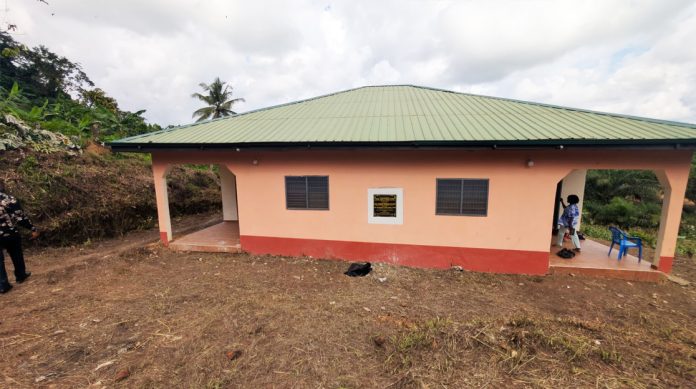
The newly handed over Teachers Quarters

For years, the people of Bandahu, a remote farming community at the far end of the Prestea Huni-Valley Municipality have lived with the burden of isolation. Poor road access, limited social amenities and the complete absence of mobile network connectivity have made life difficult for residents, especially school children and teachers.

At Bandahu, receiving quality education has often depended not only on the willingness of children to learn, but also on whether teachers were prepared to accept postings to such a deprived area.

Many teachers reportedly declined postings to the community because they could not communicate with their families or access basic conveniences enjoyed in other towns.

For parents, the dream of seeing their children study in a conducive environment remained distant.

However, hope arrived at Bandahu this week as the Prestea Huni-Valley Municipal Assembly officially commissioned a newly completed kindergarten block and teachers’ quarters for the community.

The project, funded through the Assembly’s Internally Generated Fund (IGF), is expected to improve early childhood education and help attract and retain teachers in the area.

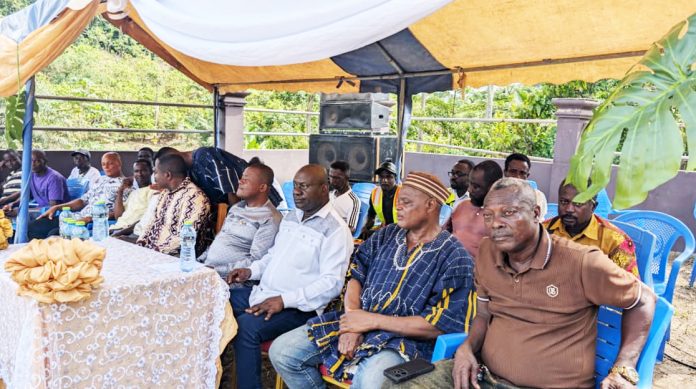
The commissioning ceremony brought together traditional leaders, residents, Assembly officials and political leaders, with many describing the facility as a turning point in the educational development of the community.

Speaking at the ceremony, the Municipal Chief Executive (MCE) for Prestea Huni-Valley, Matthew Ayeh, acknowledged the hardships facing the people of Bandahu and described the completion of the project as part of efforts to bridge development gaps in deprived communities.

According to him, the project was inherited at about 40 percent completion from the previous administration, but was completed under the directive of the government to ensure that abandoned and legacy projects are delivered to benefit communities.

“The commissioning of the KG block and teachers’ quarters is good news for the people of Bandahu. Bandahu is disadvantaged because of its location, but government is committed to ensuring that no community is left behind,” he said.

Mr. Ayeh noted that the Assembly used its own Internally Generated Funds (IGF) to complete the facility, emphasizing that the investment demonstrates the Assembly’s commitment to education and community development.

He urged residents to take good care of the infrastructure and maintain the facility properly to encourage government and development partners to undertake more projects in the area.

“Take it as your own property and maintain it well. Whether additional projects will come to this community will depend on how this facility is maintained,” he advised the people.

The MCE also revealed that efforts are underway to address one of the community’s biggest challenges, the absence of mobile network connectivity.

According to him, the Member of Parliament (MP) for the area, Robert Wisdom Cudjoe, was working to ensure that telecommunications network is extended to Bandahu as part of the next phase of development interventions.

For many residents, access to mobile network would not only improve communication, but also reduce the feeling of isolation that has affected the community for years.

The Member of Parliament commended the Assembly for what he described as strong teamwork and collaboration in bringing development projects to the people.

He stressed the need for unity among political leaders and local authorities in addressing the needs of deprived communities, saying development should not be politicised when it concerns the welfare of ordinary citizens.

The MP used the occasion to donate books to the learners.

In a light-hearted remark that drew laughter from the gathering, the MCE observed that the MP appeared to be “in competition” with the Assembly because of the number of development projects being rolled out across the municipality.

Beyond the speeches from political leaders, the emotions of traditional authorities and residents reflected the significance of the project to the community.

The Tufuhene of Mbease-Nsuta, Nana Kojo Baah, appealed passionately to parents to make good use of the new school facility.

He said the community did not want a situation where parents would refuse to enroll their children in the school, after the facility had been handed over. “So parents should release their children to enter the block,” he urged.

His appeal painted a common challenge in some rural communities where poverty, farming activities and social conditions sometimes affect school enrollment among young children.

For residents of Bandahu, however, the new facility represents more than just a school block and accommodation for teachers. It symbolises recognition, hope and inclusion.

Parents at the event expressed optimism that the presence of teachers’ quarters would encourage teachers to stay longer in the community and help improve academic performance among pupils.

Others believe the project may finally open the door for more development initiatives, including improved roads, electricity expansion and mobile network access.


For more news, join The Chronicle Newspaper channel on WhatsApp: https://whatsapp.com/channel/0029VbBSs55E50UqNPvSOm2z
 

Clean water finally flows at Mbease-Nsuta after years of struggle

0
MCE, MP at the handing over of the borehole project

Residents of Mbease-Nsuta, a farming community in the Prestea Hunni-Valley Municipality, can finally heave a sigh of relief after years of struggling to access clean drinking water.

For decades, women and children in the community walked several miles daily in search of water for drinking, cooking and other household chores.

During the dry season, the situation often became worse as residents depended on unsafe water sources shared with animals.

But hope has finally arrived for the community following the completion and commissioning of a mechanized borehole project by the Prestea Hunni-Valley Municipal Assembly.

The mechanized borehole project

The project, funded through the Public Utilities Regulatory Commission (PURC), was initiated under the previous administration, but stalled at about 40 percent completion.

The current Municipal Chief Executive, Matthew Ayeh, together with the Member of Parliament for the area, Robert Wisdom Cudjoe, ensured the completion of the project and officially handed it over to the community.

For many residents, the mechanized borehole represents more than just access to water; it symbolizes dignity, relief and renewed hope for a better future.

Speaking at the commissioning ceremony, Mr. Ayeh said access to clean drinking water remains a key priority of the Assembly because water is essential to the health and development of every community.

According to him, the Assembly could not ignore the plight of the people of Mbease-Nsuta, especially women and school children who spent hours each day searching for water instead of focusing on productive activities and education.

“We came to meet this project unfinished, but we believed the people deserved better. Together with the MP, we worked to ensure the project was completed for the benefit of the community,” the MCE stated.

He added that the Assembly remains committed to improving the living conditions of deprived communities across the municipality through the provision of essential social amenities.

Some residents who spoke after the commissioning described the project as life-changing.

An elderly woman in the community said the burden of waking up before dawn to search for water had now become a thing of the past.

“This is the first time our community is enjoying a mechanized borehole. We are very happy because our children can now get clean water nearby,” she said.

The mechanised borehole is expected to serve hundreds of residents and improve sanitation and public health in the farming community.


For more news, join The Chronicle Newspaper channel on WhatsApp: https://whatsapp.com/channel/0029VbBSs55E50UqNPvSOm2z
The Ghanaian Chronicle