Home Blog Page 694

Inzaghi leaves Inter Milan ‘by mutual agreement’

0
Simone Inzaghi

Inter Milan and manager Simone Inzaghi have parted company “by mutual agreement” three days after their Champions League final thrashing by Paris St-Germain.

The 49-year-old, who was appointed by the Serie A club in 2021, has been heavily linked with Saudi Arabian side Al-Hilal.

“The time has come for me to say goodbye to this club after a four-year journey, during which I gave everything,” said Inzaghi, who won six trophies with Inter.

“I want to dedicate one last word to the millions of Nerazzurri (Inter) fans who cheered me on, cried and suffered in difficult moments and laughed and celebrated in the six triumphs we experienced together.

“I will never forget you.”

The announcement of his departure followed a meeting between Inzaghi and Inter officials on Tuesday.

“The club and Simone Inzaghi are parting ways,” said an Inter Milan statement. “This is the decision taken by mutual agreement.”

Inter president Giuseppe Marotta added: “I would like to thank Simone Inzaghi for the work done, for the passion shown and also for the sincerity in the discussion that led to the common decision to separate our paths.

“Only when we have fought together to achieve success day by day, can we have a frank dialogue like the one that happened.”

Inzaghi won one Serie A title, two Coppa Italias and the Supercoppa Italia three times during his spell at San Siro.

He twice guided Inter to the Champions League final but they were beaten 1-0 by Manchester City in 2022-23 then suffered a record 5-0 defeat against PSG on Saturday.

They also missed out on the 2024-25 Serie A title by a point to Napoli.

Inzaghi’s departure comes before Inter’s participation in the newly expanded Fifa Club World Cup, which takes place in the United States between 14 June and 13 July.

Credit: bbc.com

UK threatens to sue Abramovich over Chelsea sale

0
Roman Abramovich

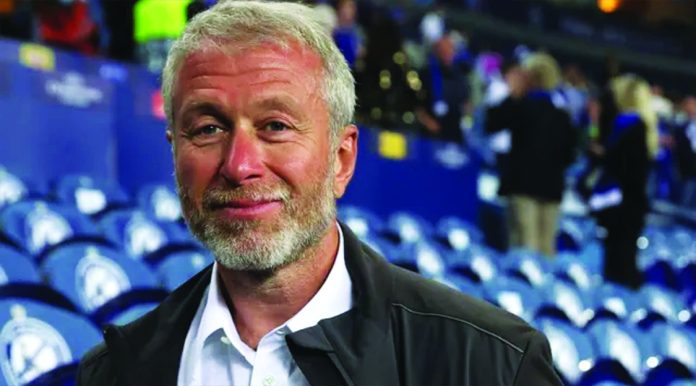
The UK government has threatened to sue former Chelsea Football Club owner Roman Abramovich to make sure the money from the club’s sale goes to Ukraine. The £2.5bn in proceeds have been frozen in a UK bank account since the sale, with Mr Abramovich sanctioned after Russia’s full-scale invasion of Ukraine in February 2022.

The UK government wants the money to be for Ukrainian humanitarian aid, but Mr Abramovich has said he wants it to go to “all victims of the war in Ukraine”.

In a joint statement, Chancellor Rachel Reeves and Foreign Secretary David Lammy said: “While the door for negotiations will remain open, we are fully prepared to pursue this through the courts if required.”

They said they wanted “to ensure people suffering in Ukraine can benefit from these proceeds as soon as possible”. They added: “The government is determined to see the proceeds from the sale of Chelsea Football Club reach humanitarian causes in Ukraine, following Russia’s illegal full-scale invasion.

“We are deeply frustrated that it has not been possible to reach agreement on this with Mr Abramovich so far”. The delay in releasing the funds centres on a disagreement between the UK government and his lawyers.

Mr Abramovich – a Russian billionaire who made his fortune in oil and gas – was granted a special licence to sell Chelsea following Russia’s invasion of Ukraine, providing he could prove he would not benefit from the sale.

He is alleged to have strong ties to Russian President Vladimir Putin, something he has denied.

He cannot access the £2.5bn sale proceeds under UK sanctions but the money still legally belongs to him.

When he announced his decision to sell the club, he said proceeds from the sale would be donated via a foundation “for the benefit of all victims of the war in Ukraine”, which would include those in Russia.

The UK government has pushed back and argued that the funds should only be spent on humanitarian efforts inside Ukraine.

A House of Lords committee said last year said it was “incomprehensible” that Mr Abramovich’s promise to use the funds to support Ukraine remained unfulfilled, and that the assets remained frozen. “This impasse reflects badly on both Mr Abramovich and the government, which ought to have pushed for a more binding commitment,” the report said.

Credit: bbc.com

Bruno Fernandes rejects £200M offer to join Saudi giants Al-Hilal

0
Bruno Fernandes

Rio Ferdinand has revealed that he messaged Bruno Fernandes after reading reports that the Manchester United skipper had rejected a lucrative offer from the Saudi Pro League.

The Saudi giants have been in hot pursuit of the Portuguese in recent weeks and even made direct contact with the player’s entourage in the last week.

Mail Sport revealed that Fernandes’ agent, Miguel Pinho, spent three days at the Four Seasons hotel in Riyadh last week, where he held face-to-face talks with club officials.

The Saudi club are said to have tabled an offer worth £200milion over a three-year contract – and are ready to bid in the region of £100m for the midfielder. However, reports on Tuesday morning claim that Fernandes has come to a decision over his future and rejected the proposal from the Saudi giants.

Ferdinand was unable to contain his delight at the news, which he claimed couldn’t have made him happier.

‘Listen, I’ve got to be honest with you,’ he said on his YouTube channel Rio Ferdinand Presents. ‘I don’t know if I could have said no. He’s 30 years old, at a club that struggling.’

He added: ‘Bruno’s staying, our most potent goalscorer, our biggest provider, our biggest chance maker, he does a lot and our captain.

‘I couldn’t have woken up this morning happier and I did message him. I won’t go into the details of that but what a man.’

Earlier, Fabrizio Romano revealed that the playmaker is keen to continue playing at the top level of European football.

The detail that Fernandes is keen to play at the ‘top level in Europe’ could still spell trouble for United – who finished 15th in the league and lost the Europa League final.

Had they won that match, against Premier League rivals Tottenham, they would have qualified for the Champions League and been in good stead to keep Fernandes.

It remains to be seen which top European sides would be interested in Fernandes.

As part of the deal, the Saudi giants had been prepared to quadruple Fernandes’ current weekly wage of £280,000 to a tax-free sum of £700,000.

Many United fans have been uncertain over Fernandes’ future given his recent social media activity and the fact the star was spotted alongside an Al-Hilal star.

Credit: dailymail.co.uk

Agyebeng Talks Tough: Ofori-Atta Can’t Be Treated Like A King … Says He Is Fugitive From Justice

0
OSP Kissi Agyebeng
Ofori Atta Wanted

The Office of the Special Prosecutor (OSP) has questioned why former Finance Minister, Kenneth Nana Yaw Ofori-Atta, believes he deserves special treatment in an ongoing investigation into alleged corruption and related offenses.

At a press briefing in Accra yesterday, Special Prosecutor Kissi Agyebeng emphasised that no individual, regardless of title or position is above the law.

He cited former President John Dramani Mahama as an example of a high-profile figure who complied with similar investigative procedures without issue.

“This office investigated a former president. He was served the same kind of directive to appear before the OSP. We didn’t have to chase him around the world – so how much less a former minister? What is so special about Mr. Ken Ofori-Atta that he thinks he is unique and should be treated like a king?”

Following Mr. Ofori-Atta’s failure to appear for a scheduled interview on June 2, the OSP officially declared him a wanted person and a fugitive from justice once again.

Mr. Agyebeng confirmed that extradition proceedings have begun, and an INTERPOL Red Notice has been initiated to facilitate his arrest abroad.

The OSP began its investigation on January 24, 2025 naming Mr. Ofori-Atta as a suspect in multiple corruption-related cases.

He was initially summoned for questioning on February 10, 2025 but, through his lawyers, said he was outside the country receiving medical treatment.

Since then, the OSP has accused him of deliberately stalling the investigation through what it describes as “utter bad faith” and “a baleful spite at law enforcement.”

Medical Excuses Rejected

The SP detailed a timeline of communications with Mr. Ofori-Atta and his legal team, highlighting what it views as a pattern of non-compliance.

After initially citing an indefinite medical stay abroad, Mr. Ofori-Atta later indicated a possible surgery scheduled for March 20–21. Based on this, the OSP extended the deadline and rescheduled the interview for June 2.

However, the surgery did not occur, and the SP claims it was not informed of the change until May 28, 2025.

At that point, his lawyers disclosed a new cancer diagnosis and proposed a video-recorded statement in lieu of an in-person interview – an offer the OSP firmly rejected.

“A suspect in a criminal investigation does not get to dictate how the investigative authority conducts its work. We will not accommodate such conduct, not in this case or any other.”

Legal Action and Broader Impact

Within 30 minutes of the press briefing, the SP had formally requested international enforcement assistance via INTERPOL and began the process of securing Mr. Ofori-Atta’s extradition.

“No person, no matter their title, status, or medical condition is beyond the reach of inquiry by this office,” Mr. Agyebeng declared.

Timeline of Events

January 24, 2025: OSP notifies Mr. Ofori-Atta that he is under investigation and requests his appearance on February 10.

January 31, 2025: His lawyers inform the OSP that he is abroad indefinitely for medical reasons and offer to represent him in absentia.

February 5, 2025: OSP rejects the proposal, demands a firm return date, and reminds legal counsel they cannot respond to criminal charges on a client’s behalf.

February 10, 2025: Lawyers submit a generic doctor’s note citing tests and a potential surgery but no confirmed return date.

February 12, 2025: OSP, citing lack of cooperation, declares Mr. Ofori-Atta a fugitive from justice and acts on an arrest warrant.

February 18, 2025: Mr. Ofori-Atta files an appeal for the warrant to be lifted.

March 2025–May 2025: Continued delays, revised medical claims, and lack of updates from Ofori-Atta’s team.

May 28, 2025: Lawyers disclose a new cancer diagnosis and propose a virtual interview.

June 2, 2025: Mr. Ofori-Atta fails to appear in person; OSP declares him wanted and seeks INTERPOL’s assistance.

Cecilia Dapaah’s Case Back To EOCO

0
Cecilia Abena Dapaah

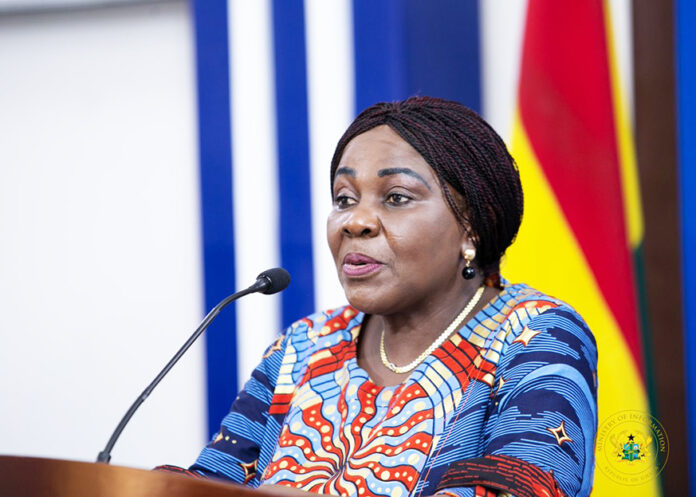
The Office of the Special Prosecutor (OSP) has officially returned the case involving former Minister for Sanitation and Water Resources, Cecilia Abena Dapaah, to the Economic and Organised Crime Office (EOCO) for renewed investigation.

Speaking at a media briefing in Accra yesterday, the Special Prosecutor, Kissi Agyebeng, disclosed that EOCO, under new leadership, had formally requested the docket for review and investigation, after initially rejecting it in May 2024.

The OSP said, “By a letter dated 14 May 2025, the new leadership of EOCO requested the OSP to forward the docket back to EOCO for a review and commencement of investigation.

“Under the cover of communication dated 29 May, 2025 the OSP forwarded a duplicate docket of the case back to EOCO.”

The OSP commenced its investigation into Cecilia Dapaah and her associates in July 2023, following reports of large sums of cash and valuable items found in her home, sparking public outrage and demands for accountability.

Mr. Agyebeng reported that while the OSP and the FBI did not find direct and immediate evidence of corruption regarding the seized funds and frozen bank accounts, the inquiry revealed strong indications of suspected money laundering and financial structuring offences that are not directly within the mandate of the OSP.

In January 2024, the OSP referred the matter to EOCO for further action. However, EOCO, under the previous administration, returned the case, arguing that money laundering, being a collateral offence, must be based on a primary or predicate offence.

Since no such predicate offence had been established by the OSP, EOCO claimed it lacked the mandate to investigate further.

The situation changed when EOCO requested that the docket be returned for review and possible commencement of investigation under its renewed mandate. The OSP has agreed to offer full collaborative support in EOCO’s renewed effort, noting that the docket provides valuable background for EOCO to act upon.

“This Office considers that the docket serves as a valuable background resource for EOCO to commence its own investigation in respect of aspects of the case the OSP does not have a direct mandate,” Mr. Agyebeng stated.

Charles Bissue and Illegal Mining Scandal

The Special Prosecutor also provided updates on criminal proceedings filed on April 28, 2025 against Charles Bissue, former Secretary to the now-defunct Inter-Ministerial Committee on Illegal Mining and his co-accused, Andy Thomas Owusu.

The pair face fifteen counts of corruption and corruption-related offences.

According to the OSP, Mr. Owusu has negotiated a plea bargain, which has been filed in court and is expected to be finalised in the coming days. The plea bargain is described as both restitutive and reparative in nature.

The OSP accepted Mr. Owusu’s offer on the basis of several considerations under Section 71(4) of the Office of the Special Prosecutor Act, 2017 (Act 959), including:

  1. Mr. Owusu’s criminal history;
  2. His level of cooperation during the investigation;
  3. The likelihood of securing a conviction if the case proceeds to trial;
  4. The probable effects on witnesses if the case were to be litigated; and
  5. The need to prevent delays in resolving other pending cases.

National Petroleum Authority

According to the OSP, since November 2024, it has been investigating the operations of the NPA and the conduct of some of its officials between 2022 and 2024.

The findings so far point to the existence of a highly organized and corrupt scheme in which high-ranking NPA officials abused their office to amass illegal wealth.

The corrupt scheme reportedly involved the use of threats, coercion, intimidation, bribery and excessive regulatory pressure to extort large sums of money from oil marketing companies (OMCs) and other industry entities that fall under the NPA’s regulatory oversight.

As of May 30, 2025, the OSP revealed that it had traced a staggering GHS280, 516,127.19 as proceeds of the scheme. These illicit funds were reportedly used by the perpetrators to: Purchase apartments, suites, and houses both locally and abroad; Acquire 22 fuel haulage trucks; Incorporate and operate new oil marketing companies that directly competed with the regulated companies.

The Special Prosecutor announced that criminal charges would be filed before the end of June 2025 against the first batch of perpetrators and complicit oil marketing companies.

“Upon filing, we would brief you in detail in respect of who did what, who acquired what, and what has been recovered,” Mr. Agyebeng assured the media.

The Special Prosecutor reiterated the OSP’s determination to continue its investigations and ensure accountability across all sectors.

He underscored the need for coordinated institutional action in the fight against corruption and insisted that no one is above the law.

Sagyimase Youth Kick Against Mining In Atewa Forest

0
Atewa Forest

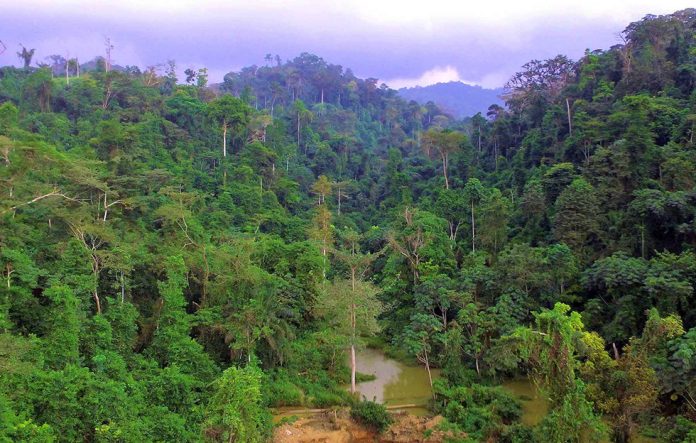
A concerned youth group of the Sagyimase community have issued a strong warning against what they describe as an imminent threat of illegal mining in the Atewa Forest Reserve.

In a press statement signed by Baffour Asare Bediako, the Kyidomhene of Akyem Sagyimase, the group has declared their resolute opposition to plans by one Prince Kegya, to invade the sacred forest for galamsey (illegal mining) operations.

The Atewa Forest, which lies in the Eastern Region of Ghana, is internationally recognised for its biodiversity, ecological value and role in climate regulation.

It serves as the source of three major rivers the Birim, Ayensu and Densu that supply water to over five million Ghanaians.

“We were first alerted two months ago when credible information reached us that Mr. Prince Kegya was making moves to acquire about 800 acres of land in Sagyimase for illegal mining. He is said to have approached our chief directly with this proposal,” said Baffour Asare Bediako.”

The Kyidomhene emphasised that Mr. Kegya does not possess any license from the Minerals Commission to conduct mining operations in the area and that his alleged attempts to exploit the land constitute a flagrant violation of Ghanaian environmental laws.

He further noted that Sagyimase is both the ancestral and geographical gateway to the Atewa Forest, making it the natural entry point for any activities legal or illegal into the reserve. As such, the community sees itself as the first line of defense for the protection of one of Ghana’s most important natural heritages.

The youth group, which includes traditional leaders, farmers, environmental activists and civil society organisations, is calling on government authorities to take immediate action to halt any encroachment attempts by the alleged miner.

“If the government fails to act swiftly, we, the people of Sagyimase, will take it upon ourselves to resist this invasion. We are ready to protect our forest, our water, our future,” warned Kwame Boateng, a youth leader and local farmer. “This forest is not just trees – it is our lifeline. We are not against development. But development should not come at the cost of our survival.

“No one is above the law. We call on the Minerals Commission, the Forestry Commission and the Ministry of Lands and Natural Resources to act now,” Baffour Asare Bediako clarified.

The Atewa Forest Reserve officially gazetted in 1926 during British colonial rule – was protected due to its rich biodiversity and vital watershed functions. Today, it stands as one of the world’s most critical ecosystems, recognized as a Key Biodiversity Area (KBA) and an Important Bird Area (IBA).

The forest is home to over 1,100 species of plants, 230 species of birds – 1,000 species of butterflies and 50 species of mammals, including critically endangered animals such as the white-naped Mangabey and the Roloway monkey.

Notably, species like the Afia Birago puddle frog (Conraua sagyimase) and the Atewa dotted border butterfly (Mylothris atewa) are found nowhere else on Earth, making the forest an irreplaceable biodiversity treasure.

Community members have expressed frustration over the perceived impunity with which some well-connected individuals are able to exploit protected lands.

Government to track importation of Excavators -President Mahama 

0
President John Dramani Mahama speaking at the event

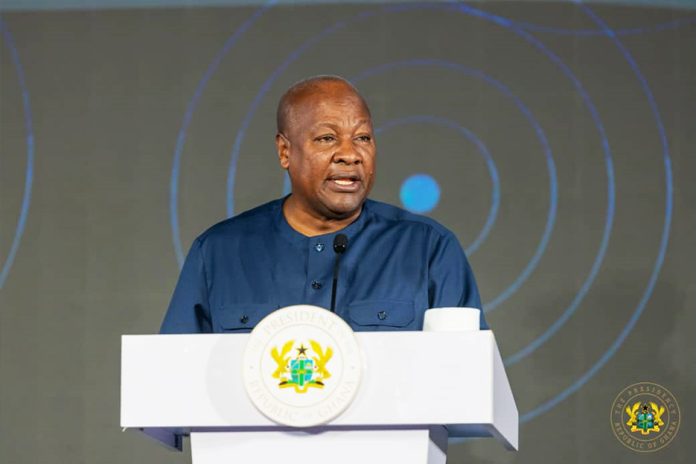
President Mahama has announced that the Government will track excavators to know whether they were being used for illegal mining or not and change the permitting regime, as the country had more excavators than in the whole of Africa.

“We are going to change the permitting regime. You will not be allowed to import an excavator or put it on a ship unless you get a permit before you can ship an excavator. Mining cannot be sustainable unless it is also responsible,” the President said.

“As Africa’s largest gold producer and a country with diverse mineral resources, Ghana has become a model for sustainable ASM development, driving economic growth and improving the livelihoods of local communities”.

The President made the disclosure in his remarks at the opening of the 2025 Global Mining Summit (Mining in Motion Summit), an initiative of Otumfuo Osei Tutu II, the Asantehene.

The two-day Summit on the theme “Sustainable Mining and Local Growth – Leveraging Resources for Global Impact”, shines a spotlight on Ghana’s Artisanal and Small-scale Mining (ASM) sector.

It aims to promote responsible and innovative ASM practices, policy reforms and international collaboration in Ghana.

He said environmental degradation; water pollution and community displacement were not inevitable by-products of mining; stating that they were the consequences of poor governance and enforcement.

He said the Government was strengthening environmental, social and governance frameworks across the mining sector, which would include banning toxic chemicals in gold processing, like mercury, mandating site rehabilitation, and so it means that small-scale miners and medium-scale mining must also have rehabilitation clauses in their permits to reclaim the land, enforcing community development agreements, and promoting renewable energy use in our mining sector.

President Mahama said true policy and regulation would ensure that every ounce of gold or gramme of lithium mined in Ghana left with a positive green footprint.

He said the world was transitioning; stating that the use of fossil fuels was waning, and clean energy was rising and with this comes a surge in demand for critical minerals like lithium, graphite, nickel and other rare earth minerals.

“Ghana is ready to play a central role. We’re establishing policy, legal and investment frameworks to explore and develop critical mineral reserves, build refining and battery manufacturing capacity, attract ethical long-term investors, promote local content and technology transfer.”

President Mahama said in this new global order, their mineral wealth was not just a national asset but a strategic geopolitical resource.

He said the Ghana Gold Board (GoldBod), a key plank in his administration’s strategy to reform the gold mining sector and ensure maximum benefits for Ghanaians from their gold resources, had taken off, noting that in its short existence, it had sanitized the gold sector, ensuring maximum returns from their gold exports.

He said Ghana’s gold exports, through the PMMC/Goldbod, earn the country $2.7 billion between January and April.

This figure, the President said was expected to increase exponentially throughout the year and the Goldbod was not only about exporting gold, and that it would soon roll out a track and trace system to ensure that Ghana’s gold exports were procured from environmentally sustainable sources.

He said the Goldbod would work to train artisanal and small-scale miners in responsible and sustainable mining practices.

The Ministry of Lands and Natural Resources, in collaboration with the Gold Board, is also soon to launch, in cooperation with the private sector, an ambitious project to reclaim 10,000 hectares of mined outlands.

He said the future of mining was not national, stating that it was continental and the African Continental Free Trade Area provided them with an unparalleled opportunity to retain value within Africa, establish regional supply chains, create joint refining and research institutions, and strengthen intra-African investment flows.

Otumfuo Osei Tutu II, the Asantehene said corruption and political miscalculations were major factors behind the failure of the fight against illegal mining (galamsey) in the country.

GNA

Police Arrests 20 Illegal Miners in 3-Day Crackdown

0
Some of the suspects

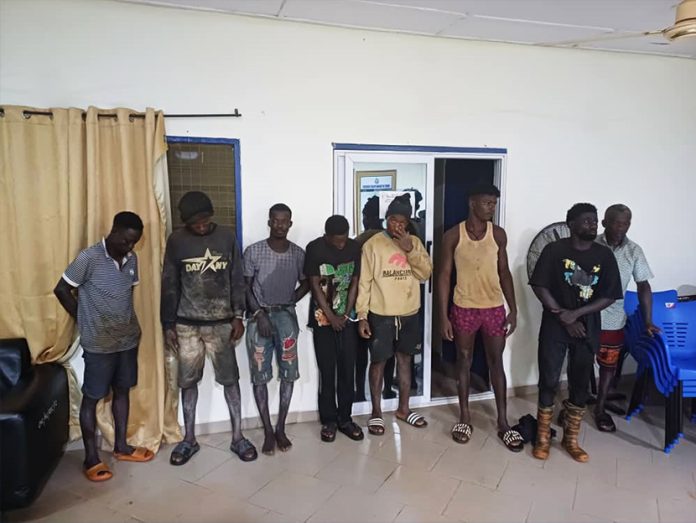
Within a span of three days, the Central North Regional Police Command successfully arrested 20 illegal miners during separate operations conducted in the Upper East and West Districts of the Central Region.

Leading the effort was the Anti-Galamsey Operations Team, which also confiscated four excavators, eight pumping machines and eight “chanfans” (dredging machines).

The police also set fire to eight pieces of illegal mining equipment found at the sites, as part of the crackdown.

In addition, the Command has solicited public support to apprehend three people; Kwesi Atta, Aboagye DaCosta and Apeti Abass, suspected of renting mining equipment to illegal miners operating along the Offin River.

The call for their arrests had been prompted by the police’s inability to remove or dismantle the chanfans from the river, as well as the need to prevent these machines from being reclaimed and reused by the miners.

All suspects are currently cooperating with investigators and will be prosecuted in accordance with the law.

Deputy Commissioner of Police (DCOP) Abraham Acquaye, Central North Commander, told the Ghana News Agency that the operations aligned with the Inspector General of Police (IGP) Christian Tetteh Yohunu’s nationwide commitment to eradicate illegal mining activities.

On Sunday, May 25, 2025 he said he personally led the intelligence-driven operation in Ebenezer community, a suburb of Diaso, the capital of the Upper Denkyira West District.

The operation led to the arrest of eight suspects – Kwame Joe, 45; Yaw Mireku, 28; Mark Baba, 18; Kofi Donkor,18; Nana Kwame, 26; Yaw Marfo, 30; Okyere David, 18 and Kwaku Asante, 28, allegedly involved in illegal mining.

DCOP Acquaye said two excavators and a cylinder machine seized from the site were taken to Diaso Police Station, while eight water pumping machines recovered were moved to the Central North Regional headquarters in Assin Fosu.

He said on Thursday, May 29, the Anti-Galamsey Operations Team, led by Chief Superintendent David Ashong and other officers, arrested illegal miners including Samuel Ankamah and Daniel Agyemang, operating excavators along the River Offin, a vital water source for local communities.

Additionally, he said on Friday, May 30, a joint operation led by ASP Ebenezer Ampah targeted illegal mining in Dunkwa Township and nearby areas, where miners were using eight dredgers known locally as “tototo.”

He said despite attempts to escape by swimming across the river, police arrested ten miners, including Kwesi Attey, Anane Sampson and others.

Recovered items from the site included black residue suspected to be mining-related, fresh wooden boards, and moulded metal materials found along the riverbank.

The Central North Regional Police Commander announced that over the past three months, following directives from the IGP, the Command has established a dedicated taskforce to combat illegal mining and organised crime throughout the region.

Through that, the specialised Operations Team has conducted numerous successful missions, resulting in the arrest of several illegal miners, the seizure of excavators and the destruction of other equipment used in unauthorised mining activities, commonly known as galamsey.

Despite the tragic loss of Constable Dogbe during an operation in April, 2025 the Commander expressed the Command’s unwavering commitment to enforcing the law, protecting natural resources, and ensuring lasting security in the community.

The Command strongly urged residents in galamsey-affected areas to cease illegal mining, emphasising the significant environmental harm and repercussions.

He highlighted that such activities contaminated water sources, damaged ecosystems and hindered sustainable development, warning that offenders would face arrest and prosecution.

Furthermore, the Command called on community members to actively report illegal mining and other criminal activities to help maintain peace and security in the Region.

From Isaac Arkoh, Cape Coast

GNA

Chop Bar Methodology, FSHS Philosophy

0
Lawyer Osei Kwabena - the writer

Ever called at a Chop Bar after 1pm? l mean a typical DON’T MIND YOUR WIFE, ANKONAM BOAFO, BAAKO YE YA, NO CHOP MONEY, NSO NYAME YE, ASANTE BOAFO YE NA at Ntumkumso, ATWEEWOM etc categories of eateries?

Mince no words, after 1pm at the aforesaid eateries, the most juicy parts of the soup including the bushmeat/fish/crab/mushroom, mention them, might “have gone”, oh yes, settled in the stomachs of early comers and gradually finding its level within their digestive systems leaving the remnants – plain bones rearing its ugly heads and struggling in the thin bubbles of the remnant soup poised to be diluted by the Chop Bar Handlers.

l travelled with my boy to Kumasi and had a scrumptious fufu meal at a Chop Bar somewhere in the Eastern Region. That was around 10am. On our return journey to Accra a day thereafter, we got to the same eatery around 1:30pm, the food almost exhausted but a few hungry patrons hanging around.

After waiting patiently for about 30 minutes we were finally served and set off thereafter.

Then my boy quizzed, “Dad, this time round, the soup was “lighter”. Again, “though you bought the same amount of fufu and meat as the last time, this time around, the sizes had shrinked, why?”.

Small boys are young. The boy had virtually fractured my peace, yah, he won’t leave me alone to think about myself. l was duty bound to explain the why to him.

Listen son, what you have seen and experienced is akin to the ill thought and badly implemented Free Senior High School (FSHS) policy initiated by Addo Show boy and his cohorts. Yah, it permeates through even in the procurement of buses for the programme and will expatriate shortly.

Boy, did you realize that before the food was served, the entire pot holding the soup was taken to the kitchen theatre for about ten minutes thereabouts. Yah, in our full glare?

The soup, when it entered the kitchen, was diluted with water from the galamsey ridden Birim river to balloon the same without adding the complementary ingredients to boost its chemistry. This accounted for the lightening of the soup you complained of. This “methodology” was so adopted so that all present will be served without caring a hoot about the quality of the meal and other ramifications thereof. This is exactly the philosophy that lies beneath the  FSHS policy – to compromise on quality and serve a wider populace amid choked classrooms, crass indiscipline, stressed infrastructure, epileptic academic calendar – add up.

Note that the Chop Bar handlers partook not, in the diluted soup, so goes the Political class who dodged the FSHS and dumped their kids, including “Bola birds”, l mean “Abanomas” in private schools and worse still, ferried them outside for good and better education – how can they knowingly afford to allow their kids and “Abanomas” to take in, cyanide, mercury, lead and other heavy metals infested soup? It was, and is, you and l who are supposed to take in that soup, l lamented.

On the same score, almost all Senior Secondary, Technical, Vocational Schools under the FSHS were empowered with high occupancy buses under the programme.

Most of these buses are of Asian origin – my information is, these mass produced buses are relatively cheap and l equally buy into the idea of spreading the net as explained in the fufu matter earlier. l mean to say, the value of one robust bus from elsewhere can procure three or even more of the same buses with the same or more seating capacities from that of Asia.

Yah, that’s the fate of the SHS buses, yet the handlers of the buses are yet to appreciate the fact that the buses aren’t such and that robust, aka, Obɔmɔfoɔ nnim aboa yarefoɔ, alias, once there was space/room on the bus, it shall be filled to capacity no matter its safety ramifications, after all, it’s God who gives and takes.

The point l want to drive home from my lay’s man point of view (never read mechanical or related engineering) is, the handlers over load these fragile buses anytime the schools embarks on exercises outside, notably during Inter Schools & Colleges sports as l witnessed at Koforidua last two weeks – all the schools buses that trooped to the Koforidua Stadium had students parked to the brim like sardines, the Police Service having turned a blind eye thereto because it was a normal feature of school buses – WHO CARES.

The State could have done better knowingly knowing that the “rights” of these buses would by all means be violated by pressure from the students and the exigencies of the times. This is to say, they could have procured more robust buses for the FSHS programme to contain the likely and probable menace, or was it or is, a question of “noko fio?”.

Recall the sad commentary of the Aburi Girls Secondary School (not Aburi Girls SHS) incident where some students tragically lost their lives – no lessons learnt.

In the recent past, there was one such accident somewhere in the eastern part of the Eastern region involving one of these FSHS overloaded buses on an educational trip where a student and a parent lost their lives. The driver is said to have lost control of the steering wheel – the packed load in the bus apparently had adverse effects both on the steering and braking systems culminating in the incident. The bus somersaulted like a match box being rolled over.

Yah, the FSHS has come to stay. We had the benefit of hindsight, Kenya having experimented it earlier amid issues which we could easily have tapped into, but NO.

As obstinate as they were and still are, they won’t listen but prey on gullible and susceptible Ghanaians – for far too long, we have been taken for granted.

Pray the system is inched further.

Fractured Peace Rested.

Written by Osei Kwabena Esq., Accra 


Editor’s note: Views expressed in this article do not represent that of The Chronicle

Editorial: Is Government Not Pushing Public Sector Schools Deeper Into The Valley?

0
Editorial

Henceforth, the Ministry of Education has slashed the 30 per cent quota placement for public schools’ candidates of the Basic Education Certificate Examination (BECE) to 15 per cent. The policy decision is applicable to the 2025 BECE candidates entering Senior High Schools for the 2025/26 academic year.

The Daily Graphic quoted the National Coordinator of the Free Senior High School, Benita Sena Okity-Duah, as saying this at a news conference in Accra last week Tuesday, to outline new guidelines for the selections of schools under the Computerised Schools Selection and Placement System (CSSPS).

Until now, the report continued, Ghana Education Service (GES) allocated 30 per cent placement of Grade ‘A’ schools to public school candidates, leaving the rest of the 70 per cent for the remaining public school and private school candidates.

Though this decision or policy has been in place for some years, private school operators have not been happy with it. To them, the policy was unconstitutional since it created discrimination in the educational system.

Furthermore, the Graphic story argued that the policy infringed on Article 25 (1) of the 1992 Constitution, which provided that “all persons shall have the right to equal educational opportunities and facilities, and with a view of achieving the full realisation of that right.”

Though Benita Sena Okity-Duah stated that the new quota directive was coming from the government, she did not state the rationale behind it. We do remember though that when the late Professor John Atta Mills assumed office as president of Ghana, chiefs and opinion leaders in Cape Coast protested that despite hosting the best Senior High Schools in the country, their children do not, in most of the cases, gain admissions to any of the schools in the city.

Following this protest, the Atta Mills administration directed that 30% quota should be reserved for Junior High School students in the Cape Coast and its environs who want to enter any of the prestigious Senior High Schools in the Metropolis. The Chronicle does, however, know when this policy was extended to cover the whole country. What we do know is that the policy has been in place for some time.

However, if the John Mahama government thinks this is the time to review the policy, The Chronicle has no qualms about it, especially when the private schools are arguing that it infringes upon the 1992 constitution. Whether some of the children are attending private schools or not, they are also Ghanaians like their counterparts in the private schools. This means that they have equal rights and should, therefore, not be discriminated against.

This is the reason why we do not find anything wrong with the new directive that has been issued by the government. But whilst acknowledging this fact, the government should also not forget that students or children from public sector schools also have the right to enter these Grade A schools. They can, however, do so only if they are able to attain the required grade always demanded by the Grade A schools.

But looking at the huge gap between private and public schools in Ghana, it will virtually be impossible for the public school candidates to gain admissions to the Grade A schools in the numbers they want. That will mean public school candidates are going to be ‘denied’ admissions to some of the best Senior High Schools in the country.

This, to us at The Chronicle, is unfair. We are, therefore, suggesting to the government to put measures in place to ensure that teaching and learning in public sector schools have been improved. Though all the government assisted schools have qualified teachers, the performance of the students when compared with their counterparts from the private schools is nothing to write home about.

The elephant in the room is poor supervision. Whilst proprietors of private schools always ensure that their teachers are really teaching the students, that supervision when it comes to the public schools is almost missing. In fact, in some of the rural areas children are sent to work on teachers’ farms. Which private school proprietor will allow this?

Another problem facing public schools is that  those in the rural areas lack the required number of teachers to teach the children, because the teachers sometimes refuse postings to these areas, due to lack of proper accommodation among others. The government must address all these shortcomings to ensure that the new quota system policy she is about to implement benefits the public schools.

Not every parent has the financial wherewithal to send his or her child to private school. This is why the public schools must be made attractive by the government through proper supervision. Until this is done, the new policy will sound discriminatory though it is constitutional on paper.

The Ghanaian Chronicle