Japanese Prime Minister Sanae Takaichi on Monday called a snap general election with a vow to suspend an 8% food levy for two years, echoing proposals by her rivals despite the potential strain on the country’s already precarious finances.
A consumption tax cut that many opposition parties have also proposed would create a
huge hole in state revenue at a time when concern over Japan’s fiscal health is pushing up bond yields to multi-decade highs. Japan levies an 8% consumption tax on food and a 10% levy on other goods and services, helping to fund rising social welfare costs among a rapidly aging population.
Takaichi said that a two-year exemption of the 8% food levy would cushion the blow to
households from rising living costs. The government will not issue debt to fund the suspension, she said, adding that other measures could include a review of existing subsidies.
“We will overhaul past economic and fiscal policy. My administration will put an end to an excessively tight fiscal policy and a lack of investment for the future,” Takaichi told a
press conference.
The growing prospect of a sales tax cut and expectations that Takaichi will use an election victory to solidify her expansionary fiscal policies sent the yield on the 10-year Japanese government bond to a 27-year high of 2.275% on Monday. Mindful of the public’s grumbling over inflation, opposition parties have also called for consumption tax to be cut or ditched ahead of the election to be held on February 8. Credit: cnn.com
Denmark has sent additional troops to Greenland amid United States President Donald Trump’s threats to take control of the self-governing Danish
territory.
The chief of the Royal Danish Army, Peter Boysen, and a “substantial contribution” of soldiers landed in Kangerlussuaq in western Greenland on Monday evening, public
broadcaster DR and other Danish media reported.
Public broadcaster TV2 reported that 58 Danish troops landed in the Arctic territory,
joining about 60 others dispatched earlier to participate in ongoing multinational military
exercises, dubbed Operation Arctic Endurance. Denmark’s Ministry of Defence and the
Danish Armed Forces did not immediately respond to requests for comment.
The deployment came hours after Trump declined to rule out using military force to take control of the vast, mineral-rich Arctic territory, which the US president claims isvital to Washington’s security. In an interview with NBC News on Monday, Trump replied, “no comment”, in response to a question about whether he could seize the island by force.
Trump’s remarks came after he told Norwegian Prime Minister Jonas Gahr Storer in a text message over the weekend that he no longer felt obliged to “think purely of Peace” after not being awarded this year’s Nobel Peace Prize.
Denmark has expressed openness to a beefed-up US military presence in Greenland, but has repeatedly said the territory is not for sale and that any move to take the island by force would spell the end of NATO. Trump’s insistence that Greenland must be brought under US control has brought US European relations to their lowest ebb in decades and raised fears about the potential disintegration of the transatlantic security alliance, whose 32 members include both the US and Denmark.
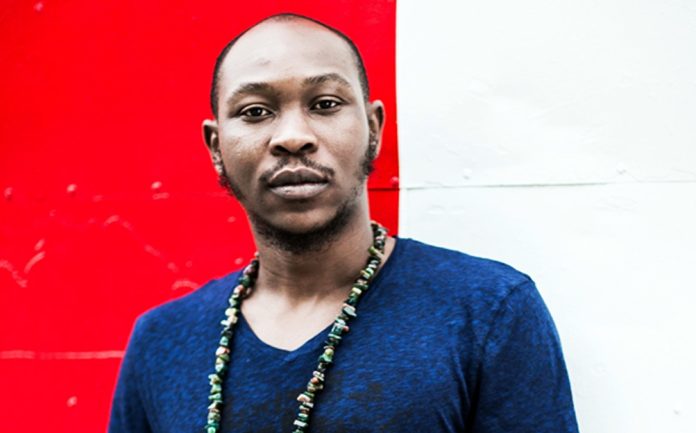
Maverick singer Seun Kuti has claimed that his father, Fela Anikulapo-Kuti, the late Afrobeat pioneer, also pioneered rap music.
Speaking in a recent episode of the Hits Don’t Lie podcast, Kuti claimed that Fela was the first person to rap, stressing that he did a little bit of rapping on his album ‘Authority Stealing.’
He explained that when Fela rapped on the album, they didn’t know the style would be called Rap.
“Fela was the first person to rap. He did a bit of rapping on the album ‘Authority Stealing.’ When he did it, we didn’t know it was going to be called ‘Rap’,” he said.
However, contrary to Seun Kuti’s claim that Fela was the pioneer of rap music, DJ Kool Herc, regarded as one of the foundational figures who created and shaped hip-hop, introduced the breakbeat in 1973, whereas Fela’s album ‘Authority Stealing’ was released in 1980.
Fela Anikulapo-Kuti is widely recognised for his creation of Afrobeat (blending funk, jazz, salsa, calypso, and West African rhythms) and his role as a political activist.
DJ Kool Herc, Afrika Bambaataa, and Grandmaster Flash are the trio credited for creating and shaping rap music.
Nigerian singer Tiwa Savage has shared an honest story about her early experience with motherhood and her son, Jamil.
Speaking in an interview with Korty EO, Tiwa said she did not bond with her son during the first one or two years after his birth. She admitted she had always wanted a girl.
“Honestly, I didn’t bond with my son for the first year or two. I always wanted a girl. They told me it was a boy, and I started crying,” she said.
Tiwa explained that those early days were very hard for her. She said her son cried a lot, and she also struggled with changes in her body after giving birth.
“So, when he came, he was always crying and my body didn’t snap back. I looked horrible,” she said.
She added that she even lost a work opportunity during that period.
“I was supposed to do a campaign with Pepsi at the time and they turned me away. And I just thought this boy has destroyed me,” Tiwa revealed.
However, she said things have changed with time, and her relationship with Jamil is now very strong.
“But now, he is my best friend,” she said.
Tiwa also shared how she is raising her son to be respectful and kind, especially toward women.
“I always tell him, your mum suffered oo, make sure you treat any girl like a queen,” she said.
She stressed the importance of teaching him good values.
“It is very important for me to raise him as a good man. He is going to make mistakes, he is not perfect. But at the core of him, I want him to be kind,” Tiwa added.
Shatta Wale has filed a lawsuit against Broadcaster and Reggae Dancehall Artiste, Blakk Rasta (Abubakar Ahmed) on January 19, 2026, popular Ghanaian Dancehall star.
The suit claims that a video posted by Blakk Rasta contained defamatory statements that damaged Shatta Wale’s reputation.
Here’s a breakdown of the lawsuit
The core complaint
Shatta Wale states that on December 15, 2025, Blakk Rasta posted a video on his “Blakk Empire Media” pages titled “SHATTA WALE, SELF CONFESSED KING OF FRAUD.” The video allegedly tarnished his reputation.
The alleged defamatory statements
In the video, Blakk Rasta is said to have directly called Shatta Wale “The King of Fraud,” a thief, and a fraudster. He also implied that by associating with known alleged fraudsters, Shatta Wale was complicit and even allowed stolen money to pass through his accounts.
The reach of the video
The plaintiff claims the video gained significant traction quickly, with over 150,000 views and 1,000+ comments on Facebook within 24 hours, and over 27,000 views on YouTube.
The Harm Claimed
Shatta Wale asserts the statements are false, malicious, and were deliberately calculated to scandalize, ridicule, and damage his hard-earned reputation as a top award-winning musician and brand ambassador.
What Shatta Wale is asking the court for
His claims include a massive GHS 100 million in damages, a court order to delete the video, an injunction to stop further defamatory posts, and a public retraction and apology published in major newspapers and on Blakk Rasta’s social media pages.
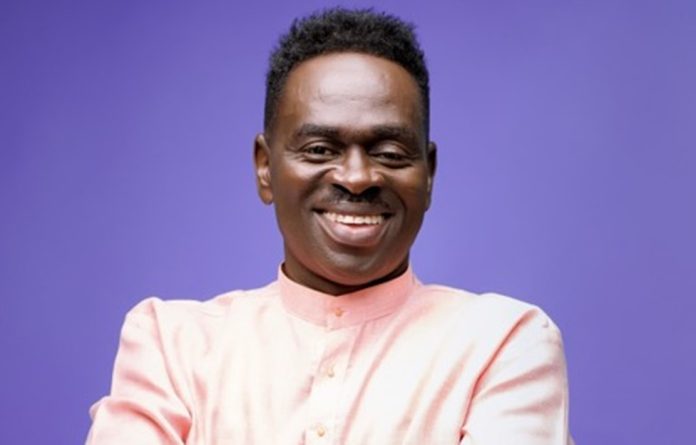
Legendary Ghanaian gospel musician and founder of the Asomafo gospel group, Yaw Sarpong, has died.
He passed away on 20th January 2026 in Kumasi at the age of 66.
The news of his passing was confirmed by Nana Poku Ashis, his manager, to Myjoyonline.com. Further details surrounding his death are yet to be officially disclosed.
His death comes barely a month after the passing of Maame Tiwa, a key pillar of Yaw Sarpong’s Asomafo music group, a loss that deeply affected the gospel music fraternity.
Yaw Sarpong had for some years been battling ill health, occasionally stepping back from public performances as he focused on treatment and recovery.
Widely regarded as one of the most influential figures in Ghana’s gospel music history, Yaw Sarpong rose to national prominence as the leader of Yaw Sarpong and Asomafo, a group that shaped the sound and structure of modern Akan gospel music.
The group became known for its strong lyrical content and disciplined musical style rooted in Christian doctrine.
Over the decades, Yaw Sarpong and Asomafo produced several iconic gospel songs, including Wo Haw Ne Hwan, Tie Obiaa, Aduro Yesu, and Awurade Kasa, many of which remain staples in churches across Ghana.
In 2025, Yaw Sarpong was honoured with the Lifetime Achievement award at the Telecel Ghana Music Awards.
Newmont says it has become aware of recent reports on the pollution of River Tano in the Tano North Municipality in the Ahafo Region where its Ahafo North mine is located. In a statement issued in Accra recently, the company said some of the reports have, wrongly and unfortunately, attributed the pollution of the river to the mine’s operational activities.
Following these misleading reports, the statement said Newmont was cooperating with relevant stakeholders to carry out field visits and investigations into the company’s mining activities, as well as environmental management practices. Investigations undertaken so far have included interviews, site visits, and review of documents.
One of the investigations, the statement continued, was jointly done by the Water Resources Commission (WRC) and Environmental Protection Agency (EPA).
“A separate field visit was undertaken by youth leaders and Assemblymen of the mine’s host communities, who have since publicly published their observations, essentially noting that they found no evidence of Newmont’s operations impacting the Tano River.
“Newmont wishes to state, without equivocation, that its operational activities do not pollute the Tano River. The company operates to the highest environmental and water management standards, often beyond what is legally mandated and expected. The company will continue to cooperate with investigative bodies on all investigations into the Tano River pollution, while maintaining its commitment to the promotion of responsible mining within the Tano North Municipality.”
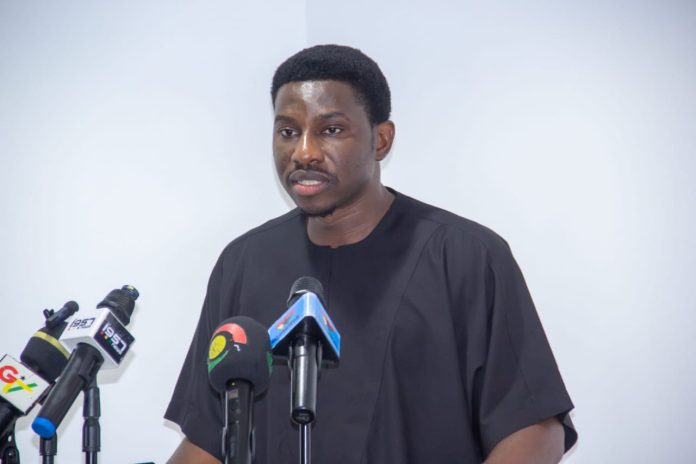
Steven Odarteifio , a concerned citizen who is leading the advocacy to change the name of the Kotoka International Airport
Steven Odarteifio, a concerned citizen, has reignited calls for Ghana to reconsider the name of its international airport, urging authorities to remove the name “Kotoka” from the nation’s main gateway to the world.
Addressing a press conference on Monday, January 19, 2026, at the Airport View Hotel in Accra, Mr. Odarteifio launched an advocacy campaign to rename the Kotoka International Airport (KIA), arguing that the current name does not reflect Ghana’s founding values or national conscience.
According to him, no country should name its principal international gateway after a figure chiefly associated with the overthrow of a democratically elected government.
He described an airport as more than an infrastructure facility, but rather “the nation’s handshake” and the first point of contact between Ghana and the world.
Mr. Odarteifio recalled that February 24, 2026, will mark 60 years since the overthrow of Osagyefo Dr. Kwame Nkrumah, Ghana’s first President and founder of the Republic.
He noted that Lt.-Gen. Emmanuel Kwasi Kotoka, one of the key figures in the 1966 coup, was killed at the Accra International Airport during a failed counter-coup in April 1967, after which the airport was renamed in his honour.
He questioned the appropriateness of maintaining the name, stating that Ghana’s gateway to the world ended up bearing the name of a coup-era figure rather than one that represents the country’s independence struggle and founding story.
“How can we, as a people, continue to honour the memory of overthrow at the very door of the Republic?” he asked.
Mr. Odarteifio stressed that millions of passengers pass through the airport each year, including an estimated 3.4 million in 2024 alone, many of whom are members of the Ghanaian diaspora drawn home by the country’s independence history and the legacy of Dr. Nkrumah.
He argued that repeatedly projecting the name “Kotoka International Airport” to travellers worldwide sends the wrong message about Ghana’s values and history.
He further noted that the statue of Lt.-Gen. Kotoka was removed from the airport’s forecourt in October 2000 and has not been reinstated under successive governments, suggesting that the airport’s name itself could also be reconsidered.
Comparing Ghana with other African countries, Mr. Odarteifio pointed out that many nations have named their major airports after founding leaders whose legacies unite their people, citing examples such as Jomo Kenyatta International Airport in Kenya, Julius Nyerere International Airport in Tanzania, and Nnamdi Azikiwe International Airport in Nigeria.
He proposed that Ghana’s international airport be renamed after Dr. Kwame Nkrumah, describing him as Africa’s most globally recognised independence symbol and the BBC’s Africa Personality of the Millennium.
As part of the advocacy, Mr. Odarteifio announced plans to submit a formal petition to Parliament, including the Speaker, leadership of the House, and the Ministers responsible for Transport and Foreign Affairs.
He also called on the Judiciary to provide constitutional clarity on ongoing legal actions, and appealed to traditional rulers, religious leaders and civil society groups to lend their moral voices to the cause.
He acknowledged the efforts of groups and individuals such as Democracy Hub, Madam Samia Nkrumah, Mr. Kwesi Pratt Jnr., and Mr. Kweku Sintim-Misa for bringing national attention to the issue.
Appealing directly to President John Dramani Mahama, Mr. Odarteifio urged him to consider renaming the airport as part of his legacy, saying the move would help settle what he described as a long-standing national contradiction.
“Let Ghana’s international gateway speak one clear sentence to the world – Kwame Nkrumah International Airport.”
Actor, director, satirist, talk show host, and author Kwaku Sintim-Misa aka “KSM” strongly believe the call was in the right direction.
Everyday eating habits could play a role in dementia risk later in life, new research suggests.
Scientists say this may be because the way the body processes food over time can influence brain health, even in people who do not have diabetes.
In one of the largest studies of its kind, researchers have linked sharp rises in blood sugar after meals to a higher risk of developing Alzheimer’s disease, the most common form of dementia.
Doctors have long known that chronically high blood sugar, type 2 diabetes and insulin resistance can damage the brain and increase dementia risk.
But the new findings suggest that repeated blood sugar ‘spikes’ after eating – where glucose levels surge and remain high – may also be harmful, even in people without diabetes.
The study, led by scientists at the University of Liverpool, analysed health and genetic data from more than 350,000 participants in the UK Biobank, a long-running study tracking the health of middle-aged and older adults.
Rather than measuring people’s diets directly, researchers examined genetic markers linked to how the body handles sugar – including blood glucose levels before eating, two hours after eating, and levels of insulin, the hormone that helps move sugar out of the bloodstream.
Together, these markers act as indicators of how efficiently the body processes food and controls blood sugar.
Participants were aged between 40 and 69 at recruitment, with an average age of 59.9, and were followed up using medical records.
Fifty-four per cent were female and 46 per cent male.
The researchers found that people who were genetically predisposed to higher blood sugar levels two hours after eating – a measure known as post-meal or postprandial glucose – were 69 per cent more likely to develop Alzheimer’s disease.
Importantly, the effect was not seen for fasting blood sugar, fasting insulin or insulin resistance, suggesting the risk may be specifically linked to how the body copes with sugar after meals.
‘This finding could help shape future prevention strategies, highlighting the importance of managing blood sugar not just overall, but specifically after meals,’ said study lead author Dr Andrew Mason.
Crucially, the researchers say the findings may be relevant well beyond people diagnosed with diabetes, as many individuals experience sharp rises in blood sugar after eating without being aware of it.
However, they stressed that the results should be interpreted with caution. When the team attempted to repeat the analysis using a separate international genetic dataset for Alzheimer’s disease, they were unable to replicate the finding.unveil a ‘roadmap’ to beat the disease
The study also found no evidence that post-meal blood sugar spikes were linked to differences in brain size, hippocampal volume or markers of small vessel disease on MRI scans – suggesting the increased risk may not operate through obvious structural brain damage.
The research used a technique known as Mendelian randomisation, which analyses naturally occurring genetic differences to help infer cause-and-effect relationships while reducing the influence of lifestyle or environmental factors such as diet, weight or exercise.
Dementia is estimated to claim around 76,000 lives a year in the UK, making it the country’s biggest killer – often due to complications such as pneumonia or difficulty swallowing.
Alzheimer’s disease accounts for the majority of cases and currently affects around 982,000 people in the UK, a figure projected to rise to 1.4 million by 2040.
Early symptoms typically include memory problems, difficulties with thinking and reasoning, and language impairment, which worsen over time.
When COVID-19 arrived in Ghana in early 2020, it came wrapped in fear and uncertainty. Streets emptied. Schools shut their doors. Hospitals became places people avoided unless absolutely necessary. Every cough raised suspicion, every fever felt dangerous. Families stayed indoors, waiting for normal life to return.
But for Charity Juliet Asamani and her family, COVID did not simply bring lockdowns and masks. It arrived bearing a cruel, almost ironic burden, one that would reshape their lives long after the pandemic faded from public consciousness.
Charity Juliet Asamani is the mother of Freda (not her real name), her nine-year-old daughter, a once extremely active child now living with Myasthenia Gravis, a rare autoimmune neuromuscular disease.
Freda was just three years old when the first signs appeared, during the height of the COVID lockdown, marking the beginning of a six-year journey through misdiagnosis, uncertainty and a health system unprepared for the rare.
When the Eye Would Not Open
It began quietly.
Freda had gone out to ride her bicycle. When she returned, Juliet noticed what looked like a small pimple near her left eye. By evening, the eyelid appeared damaged, and the lower lashes were missing. By the next day, the eye would not open at all.
Alarmed, Juliet rushed her daughter to a clinic. The response was unexpected.
“They asked me why I was only coming now,” she recalls. “I said the thing just happened. I don’t even know what is wrong.”
What followed was a maze of tests and referrals eye examinations, scans, and MRIs most of which came back normal. Yet Freda’s eye remained shut. More confusing still was the pattern Juliet began to notice: every morning, Freda’s eye would open normally. As the day progressed, it slowly drooped shut again.
That daily cycle, strength at rest, weakness with activity would later become the key to unlocking the diagnosis.
After several referrals, Freda was sent to see a Neurologist. There, a simple test changed everything. An ice pack was placed over her eye. When it was removed, the eyelid lifted.
The diagnosis was Myasthenia Gravis.
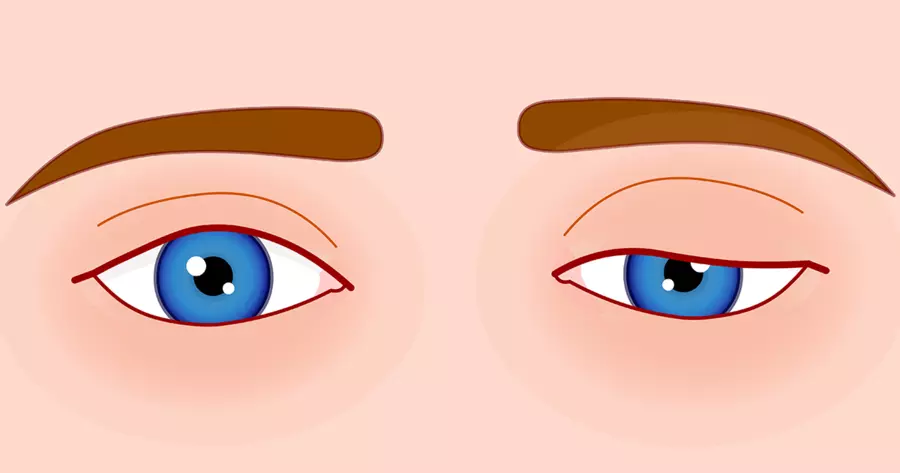
Dropping eyelid in Myasthenia Gravis (MG)
A Rare Name, an Uncertain Path
Before the diagnosis, some doctors suggested surgery to correct Freda’s drooping eyelid. Others hinted that her eye might eventually need to be removed. Juliet refused.
“I didn’t even sit down,” she says. “I left and went to another facility.”
Initially, the weakness appeared limited to one eye. Plans were even made for minor surgery. Then, two weeks later, the other eye began to droop.
Over time, the weakness spread from the eyes to the neck, and then to the limbs. Today, Freda struggles especially with her lower body. Walking for long distances exhausts her. The child Juliet describes as “very, very, very active” now lives within the limits set by fatigue.
Medication helps but only to a point.
“They told me it’s not something that can be cured. She will be on medication for life,” Juliet says.
The dosage has increased steadily since 2019. Yet the weakness continues to descend.
From the COVID lockdown to today, Juliet’s life has been defined by hospital visits: teaching hospital corridors, eye clinics, paediatric neurology units follow-ups, referrals and second opinions.
“Sometimes we were admitted and not even given medication,” she says. “They don’t really know which medicines to give her and which to avoid.”
Even with a diagnosis, uncertainty remains.
Freda takes medication four times a day, supplemented with other drugs and multivitamins. One bottle costs thousands of cedis and does not last long. Juliet must wake her at night, administer the first dose before school, send medication along, and give the final dose when Freda returns home.
“She’s getting weaker and weaker each day,” she admits. “I think it’s the medicine, but what choice do we have?”
Freda’s schooling has also been disrupted. Some days, she cannot attend at all. On others, she goes but struggles through exhaustion invisible to most.
Juliet has explored treatment options abroad, contacting doctors online and searching for help beyond Ghana’s borders. The responses often require tests, funds, or connections she does not have.
A System Unprepared for the Rare
Freda’s story reflects a broader national gap in the care of rare conditions.
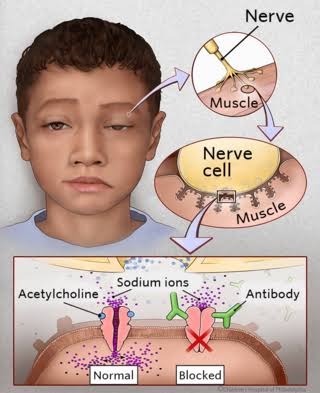
Myasthenia Gravis (MG) is a rare autoimmune neuromuscular disorder in which the immune system disrupts communication between nerves and muscles, leading to fluctuating muscle weakness.
Globally, an estimated one million people live with the condition, though experts say the true number is likely higher particularly in low- and middle-income countries where diagnosis is often delayed or missed.
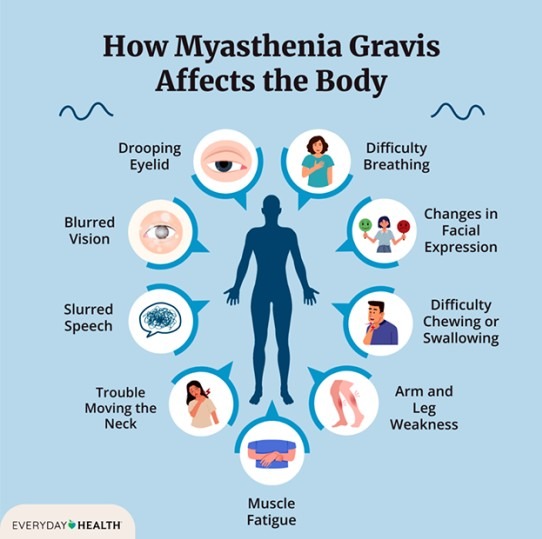
Common symptoms include drooping eyelids, blurred or double vision, difficulty chewing or swallowing, slurred speech, neck weakness, and fatigue that worsens with activity and improves with rest. In children, these signs are often mistaken for eye problems, infections, or developmental issues, delaying proper diagnosis.
This pattern explains why Freda’s eyelid would open in the morning and gradually droop as the day progressed. While MG is considered manageable with early diagnosis and consistent treatment, it is rarely suspected in children in Ghana, where specialized testing and long-term care options remain limited.
Ghana has no national rare disease policy, no centralized data system, limited genetic testing capacity, and few specialists trained to recognize rare conditions early especially in children. As a result, patients drift from facility to facility, accumulating misdiagnoses, financial strain, and emotional exhaustion.
Early diagnosis, critical for preventing complications and reducing long-term costs, is often delayed by years, leaving families to navigate a health system that was never designed with rarity in mind.
What Health Care Providers Say
Samuel Agyei Waife, a clinical psychologist and rare disease advocate, first met Freda and her family through a mental health referral not as part of her medical care. The family had been advised to seek psychological support as the emotional strain of prolonged uncertainty and repeated hospital visits became overwhelming.
Freda has Myasthenia Gravis (MG), a rare neuromuscular condition with only a few documented cases in Ghana. Diagnosing the condition, Mr Waife explained, is especially difficult.
“Unlike some rare diseases where you can run a genetic test and get a clear answer, this one is different. It requires largely clinical assessment and specialized biomarker tests, and most of these tests are very expensive,” he said.
For Freda’s family, this meant moving from one hospital to another, consulting different specialists and undergoing multiple tests without clear answers.
“They have seen different hospitals, different teams, and done many tests. They have a whole file of investigations, yet care is still not coordinated,” he said.
The uncertainty has affected Freda’s daily life.
“She is easily fatigued and weak, and the family is always afraid she might fall or hurt herself,” Mr Waife said, noting that her condition limits her ability to participate in normal social activities.
Care coordination, he added, has largely fallen on Freda’s mother, who is also grieving the recent loss of her husband. “The mother has to do everything navigate the system, talk to doctors, and manage the condition on her own,” he said.
According to Mr Waife, Freda’s experience reflects a wider systemic failure.
“Without a national rare disease policy, families like Freda’s are left on their own. We are not training experts, investing in diagnostics, or creating clear care pathways,” he said.
He argued that Ghana must prioritize awareness, early diagnosis, regional centres of care, and sustained research investment to prevent families from carrying such an overwhelming burden alone.
Rare Disease
What Experts Say
Dr Nicholas Ekow Thomford, Senior Lecturer at the University of Cape Coast and Head and Principal Investigator of the Pharmacogenomics and Genomic Medicine Group and Laboratory, says Ghana’s rare disease burden is far heavier than official attention suggests.
“There are a lot of rare diseases in Ghana, but there is very limited rare disease research in the country,” Dr Thomford explains. “Generally, anything rare is overlooked. And in a country with limited resources, there is added incentives to focus on diseases policymakers believe affect large numbers of people.”
Most rare diseases, he notes, occur in roughly one out of every 2,000 people. On paper, that low prevalence often pushes them out of policy conversations. In reality, when taken together, rare diseases affect thousands of families many of whom like Freda’s, spend years searching for answers.
Dr Thomford describes Ghana’s lack of a national rare disease policy as a critical failure point.
“The absence of a policy confirms the level of importance placed on rare diseases,” he says. “It makes research almost non-existent and more expensive, local diagnosis complicated or unavailable, and significantly lowers the odds for patient survival and good outcomes.”
For families, this policy vacuum translates into long diagnostic odysseys multiple referrals, inconclusive tests, and clinicians forced to rely on guesswork rather than clear diagnostic pathways. Freda’s early experience, where surgery was proposed before the underlying neurological cause was understood, reflects this systemic gap.
At the research and diagnostic level, Dr Thomford points to major deficiencies that fuel delayed or incorrect diagnoses, especially in children. These include limited capacity for functional genetic variant identification and poor access to orphan drugs medicines developed specifically for rare conditions.
“Most rare diseases have a genetic basis,” he explains. “Because they are rare, they require advanced methods to identify the causative functional genes. These methods demand funding, expertise, and sophisticated equipment which are limited in Ghana.”
Genetic testing and proper data collection, he adds, could dramatically shorten the diagnostic journey for patients like Freda.
“Phenotypic and genotype data help in the easy identification and management of rare disease symptoms that clinicians have already encountered,” he says. “But the biggest barriers remain funding, access to advanced equipment, and trained personnel.”
Despite these constraints, Dr Thomford believes progress is possible if rare diseases are deliberately brought into national health planning.
“If we engage researchers and clinicians to develop practical policies, we can improve clinical care and long-term outcomes for rare disease patients,” he says.
For Juliet, such changes feel distant but deeply necessary. Each hospital visit, each new prescription, and each school day Freda struggles through underscores the cost of delay not just in cedis, but in childhoods reshaped by fatigue and uncertainty.
Until rare diseases are recognized, studied, and planned for, many children will continue to be diagnosed in the dark, their lives shaped not only by biology, but by the absence of policy, preparedness, and timely care.