Home Blog Page 2241

Foreign powers rescue nationals while Sudanese must fend for themselves

0

Foreign powers have rescued embassy staff and nationals caught in Sudan’s deadly fighting, even as on the ground many Sudanese are stuck in deteriorating conditions.

At least 50 people were injured and an unknown number killed in shelling that rocked the capital Khartoum on Monday, the Preliminary Committee of Sudan Doctors’ Union said in a statement.

Meanwhile foreign governments led rescue efforts to evacuate civilians from the intense conflict. US Special Forces helped bring almost 100 people – mostly US embassy staff, as well as a small number of diplomatic professionals from other countries – to safety over the weekend, US officials said.

Many other nations are scrambling to do the same, with more than 1,000 European Union nationals evacuated so far.

Evacuations have been complicated by ongoing clashes. The two sides at the center of more than a week of fighting – Sudan’s army and a paramilitary group called the Rapid Support Forces (RSF) – blamed each other after a French evacuation convoy came under fire trying to leave Sudan, with one French national injured.

One staff member of the Egyptian embassy in Sudan was also shot and injured during an evacuation operation, Cairo’s foreign ministry said. Paris said later that it had closed the French embassy in Sudan until further notice.

Source: cnn

Israel arrests Jordanian MP for alleged gun-smuggling

0

A Jordanian MP has been arrested by Israel for allegedly trying to smuggle weapons into the occupied West Bank, Jordan’s foreign ministry says.

Imad al-Adwan was detained on Saturday night at the Allenby Bridge crossing, Jordan’s Ammon news agency reported.

Authorities said they found 12 machine-guns and 270 other types of firearms, according to unverified video on Israeli social media.

Israel has not commented, and local media reporting has been restricted.

A Jordanian foreign ministry spokesman said it was trying to resolve the case “as speedily as possible”.

Israeli media said the Shin Bet security agency was trying to establish who the weapons were destined for and whether the MP had done the same thing before.

Jordan and Israel officially established ties after signing a peace treaty in 1994, but their relationship has recently been strained over violence between Israeli security forces and Palestinians on the Haram al-Sharif/Temple Mount holy site in Jerusalem, of which Jordan is custodian.

More than half of Jordan’s population is estimated to be of Palestinian origin. Many of its citizens identify with the struggle of Palestinians in the West Bank and there have been mass demonstrations against Israel, especially at times of Israeli-Palestinian tensions.

Mr. Adwan, 35, is a member of the Jordanian parliament’s Palestine Committee.

A prominent Jordanian MP who is opposed to Jordan’s peace treaty with Israel, Khalil Atiya, said Israel’s arrest of Mr. Adwan “harm[ed] the dignity of Jordanians”.

Source: bbc.com

China disowns Ambassador’s remarks questioning Ukrainian independence

0
The Chinese and Russian Presidents

China has distanced itself from the remarks of one of its envoys who questioned the sovereignty of Ukraine and other former Soviet countries.

Paris ambassador Lu Shaye’s comments last week caused widespread outrage, leading on calls to Beijing to clarify.

On Monday, China’s foreign ministry said it respected the independence of all post-Soviet republics.

China is a major ally of Russia and has not condemned President Vladimir Putin’s invasion of Ukraine last year.

It sees itself as a major player in attempts to bring peace to Ukraine, but has become an increasingly important trading partner for Russia amid Western sanctions prompted by the invasion, and many in the West doubt its impartiality on the issue.

In an interview for the French LCI network last week, Ambassador Lu was asked China’s view of the status of Crimea which Russia annexed in 2014.

The interviewer argued that under international law the region was part of Ukraine.

Mr Lu responded by suggesting that the issue was not clear cut, and that countries such as Ukraine could not rely on international law to defend their sovereignty.

“Even these former Soviet countries don’t have an effective status under international law because there is no international agreement under international law to concretise their status as sovereign countries,” he said.

President Putin has frequently challenged Ukrainian independence. In a speech days before the start of Russia’s invasion last year, he denied Ukraine had any “real statehood” and said the country was an integral part of Russia’s history and culture.

Source: bbc.com

LIXIL EMENA joins support for Africa’s circular economy

0
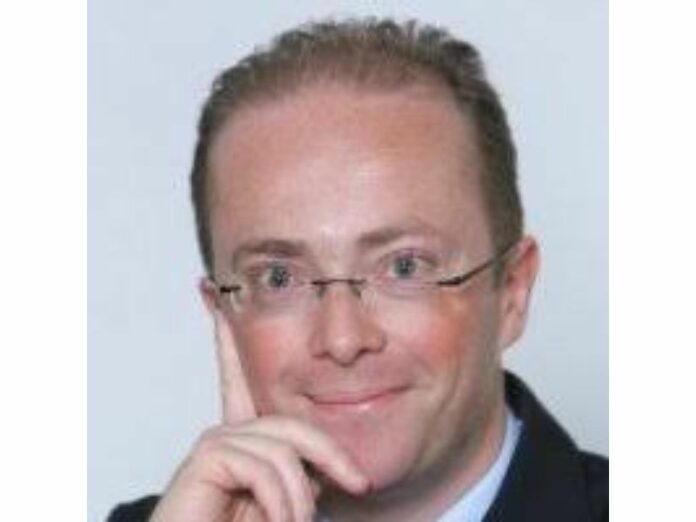
Gerhard Sturm

Gerhard Sturm, Leader of Commercial Development at LIXIL EMENA, pledges the company’s willingness to contribute greatly to Africa’s circular economy.

He says LIXIL EMENA, manufacturer of water and housing products, is complying with standards that governments all over the world have set to save water and solve other environmental challenges they are facing.

Mr. Sturm said the company is poised to support governments to find the right regulations in the future to save the environment, particularly water.

Speaking in an interview held via Zoom recently, he said the company had been keen on the topic saving water, due to the imminent threat of water shortages around the world from climate change.

He said with water scarcity now a global problem, the company had been proactive and has developed an eco-friendly technology to aid water saving, recycling, and improve water quality.

In the micro level, Mr. Sturm was much concerned about individual habits at home using water, saying showering save more water that bathtub.

Nevertheless, he said there is more water saving to be considered with showering, including reducing showering time and the using of low water flowing showers.

While the company is looking forward into the future to develop toilets that do not require water, he recommended toilets that use less water.

Mr. Sturm also urged water saving responsibility to be exercised in the kitchen.

10 epilepsy treatments – from lowest to highest risk

0
Patients with epilepsy have many treatment options, from lifestyle changes to brain surgery.

Epilepsy is a medical disorder in which seizures can occur anytime, anywhere. An epileptic seizure is an excessive, uncontrolled burst of electrical activity from nerve cells in the brain –  essentially an electrical storm. There are many types of seizures that cause symptoms ranging from lightning-fast muscle jerks lasting less than a second to full body convulsions lasting two or three minutes.

Epilepsy, if not well-controlled, can greatly worsen a person’s quality of life and can cause severe injury or death. And every person with epilepsy responds in a unique and often unpredictable way to treatment, so we need as many treatments as possible.

The medical community continually tests and approves new treatments. Here are 10 treatments, both basic and advanced, that I’ve tried to rank from least to most risk. However, almost all treatments involve some degree of risk. Discuss your options carefully with your neurologist to pick the best treatment for you.

Request an appointment to discuss your epilepsy treatment options. For information about epilepsy and seizures en español, visit our Epilepsia y Convulsiones page.

  1. Lifestyle changes and complementary or alternative treatments

This topic is too often neglected but can have a major, positive impact on seizure control. Though there is little evidence for the effectiveness of most complementary and alternative medications, healthy lifestyle changes can go a long way toward reducing the risk of having a seizure.

Your neurologist should address these questions with you before developing a treatment plan:

  • How is your sleep quality?
  • Do you have chronic anxiety, depression, or excessive stress?
  • Do you take other medications that may affect your epilepsy medication or directly increase the risk you will have a seizure?
  • Does your use of alcohol, caffeine, or herbal remedies affect your seizure control?

The complementary and alternative therapies below can be added to your treatment plan. Because there is not a lot of medical research on their effectiveness for epilepsy, it’s important to discuss each treatment with your neurologist:

  • Acupuncture
  • Aerobic exercise
  • Biofeedback (training to voluntarily control seizures)
  • Meditation
  • Yoga

I don’t hesitate to recommend aerobic exercise and meditation for all my patients — both usually are win-win treatments! It’s rare that doctors would recommend only lifestyle changes or complementary/alternative treatments for epilepsy; however, these might work sometimes.

I recently had a patient who, after experiencing a single seizure, was diagnosed with a genetic form of epilepsy. She was a student whose seizure occurred after several nights of staying up late studying and drinking alcohol excessively. It was clear that her risk of having a seizure was higher than normal. However, it was possible that in the setting of a healthier lifestyle this might not occur. After discussing options, she and her parents decided to delay taking medication and first try to make lifestyle changes, including getting more sleep and minimizing or avoiding alcohol.

There is not much evidence that herbal remedies help with epilepsy. But medical marijuana, which is number four on this list, proves that plants have chemicals that can stop epileptic seizures (see below). At this time, we know of no other natural herb that helps with seizures. In fact, some herbs, such as the Chinese herb ma huang, can trigger or worsen seizures. Ma huang is a natural ephedra, which is similar to a stimulant hormone in our bodies. Stimulants tend to worsen seizures, so doctors are hesitant to recommend any herbal remedies at this time.

  1. Diet

For many years, a special diet has been used to control certain types of epilepsy. One in particular – the ketogenic diet – gained public attention with the 1997 movie “First Do No Harm.” In this film, which is based on a true story, Meryl Streep plays the mother of a son whose epilepsy fails to respond to conventional treatments, including epilepsy surgery. She takes him to Johns Hopkins Medical Center, which pioneered the use of the ketogenic diet and demonstrated its effectiveness. Her son responded wonderfully to the diet and became seizure-free.

The ketogenic diet is strict. It severely limits carbohydrates and maximizes fats and proteins. This low-carbohydrate diet triggers ketosis, an alternate metabolic pathway in the body that somehow works against seizures. Variations in the amount of fats and proteins relative to the amount of carbohydrates are allowed. One such variation is the Modified Atkins Diet.

The ketogenic diet is challenging and is used mostly for children. A few studies have shown its effectiveness in adults, but, as one might expect, it’s difficult for most adults to maintain such a strict diet. Choosing this type of therapy requires support from experienced nurses, dietitians, and physicians who can help guide food and drink choices.

  1. FDA-approved medications

Medications that have been tested in rigorous scientific trials and gotten approval from the U.S. Food and Drug Administration (FDA) are the mainstay of epilepsy treatment. But before we start a medication, we have to make sure a person truly has epilepsy. Up to 10 percent of people have an epileptic seizure during their life. However, they do not necessarily have epilepsy. For example, a person might have a seizure due to taking a certain drug. That would be a one-time event and would not represent epilepsy. Epilepsy is a neurologic disorder that causes unexpected and recurrent epileptic seizures.

The diagnosis involves conducting a careful neurological history, a 30-minute brain wave study (electroencephalogram or EEG), and imaging of the brain (magnetic resonance imaging or MRI).

Sometimes we need a longer period to monitor the brain. For example, we sometimes request a 72-hour EEG which usually is performed at home. If the diagnosis is unclear, we’ll admit the patient to an epilepsy monitoring unit (EMU), where we use video and EEG to observe the patient’s seizures. Once we fully understand the patient’s type of epilepsy and are sure medication is required, we choose the right one out of about 23 possibilities.

The first medication might not be effective or might cause intolerable side effects. We usually will try a second medication by itself, but sometimes two or more are needed. Unfortunately, about 30 percent to 40 percent of patients do not respond to medications at all, and we must consider other therapies.

  1. Medical marijuana

Medical marijuana is a term that now refers to one of more than 80 chemical compounds found in the cannabis plant – cannabidiol oil or CBD oil. This treatment came to national attention in 2013 with the story of Charlotte, a child living with Dravet syndrome in Colorado. Dravet syndrome is a severe form of genetic epilepsy, and Charlotte was having many seizures every day. CBD oil helped effectively manage Charlotte’s seizures, which has led to formal clinical studies that have proved its effectiveness.

CBD oil lacks the compound tetrahydrocannabinol (THC), so it does not appear to cause any significant mood-altering effects (“getting high”), at least compared to smoking the marijuana leaves. As of May 2018, there have been two major, scientifically rigorous clinical studies that have shown that Epidiolex, a form of CBD oil pending FDA approval, is relatively safe and effective in Dravet Syndrome and the Lennox-Gastaut Syndrome. It has been approved by the scientific advisory committee of the FDA, but final approval is pending. At this time, CBD oil is expensive. We need more research to assess its efficacy for other types of epilepsy and its possible long-term effects.

  1. Medication trials

At any time, a patient may be invited to participate in a trial of an experimental medication. Since about 1993, this is how all medications have received FDA approval. Often, patients are invited to join a trial after they have failed a number of other FDA-approved medications.

The advantages of participating in a clinical trial include:

  • Access to new medication
  • Close support and follow-up with the epilepsy team
  • The opportunity to help medical researchers develop new treatments

The goal of medication clinical trials is to make sure the drugs are safe and effective. Clinical trials are experimental studies, so there is some risk involved with participating. However, clinical research teams follow extremely strict federal, state, and hospital guidelines to ensure that the risks are minimized.

  1. Extracranial neurostimulators

Neurostimulators deliver electrical stimulation to the brain. Some stimulate nerves that are not in the brain, which then transfer the electrical stimulation to the brain; we refer to these as extracranial stimulators.

The first and most common stimulation of this type is the vagus nerve stimulation (VNS), in which an electrode is wrapped around the vagus nerve on the left side of the neck and a computer battery is implanted under the skin below the collar bone. We start with the stimulator set to deliver a 30-second electrical impulse every five minutes. Each patient has a magnet that activates the device immediately and at a higher intensity if a seizure occurs. Newer versions of the VNS also can trigger a stimulus when the patient’s heartbeat goes too fast, which often happens with an epileptic seizure.

Another type of neurostimulation currently being investigated is external trigeminal nerve stimulation. This therapy stimulates a nerve on the face and does not require surgery.

  1. Immunotherapy

Occasionally, epilepsy is caused by the patient’s immune system attacking the brain. Autoimmune epilepsy is a relatively recently recognized cause of epilepsy that cannot be controlled with anti-seizure medications alone.

Typically, the patient produces antibodies that attack parts of the brain, and these antibodies can be identified with a blood test. Some patients have autoimmune epilepsy, but no antibody can be identified at this time.

Treatment options include:

  • High-dose steroids
  • Administering a collection of human antibodies through the veins
  • Plasma exchange to filter the blood of disease-causing antibodies
  • Other medications that suppress the overly active immune system
  1. Responsive neurostimulation (RNS®)

If epileptic seizures are coming from one specific region of the brain, and they cannot be stopped with medications or other therapies we have discussed, the patient can be a candidate for intracranial neurostimulation.

This first requires identifying exactly where the seizures are coming from – the seizure focus. Sometimes this can be done by recording the patient’s seizures with electrodes on the scalp using video-EEG. Often, however, we need to use intracranial electrodes to confidently determine the location of the seizure focus.

If the patient does not want surgery, if there is more than one seizure focus, or if it would be too risky to remove the seizure focus, the patient can choose intracranial automatic neurostimulation, a system developed by NeuroPace Inc.

The neurosurgeon inserts electrodes within one or more brain regions where seizures start. The electrodes detect the onset of a seizure and trigger an immediate electrical impulse in the seizure focus, which we hope will stop the seizure. It’s like fighting fire with fire. This is similar to automatic heart defibrillators for patients with potentially fatal heart arrhythmias. The main risks are scalp infections and bleeding when the electrodes are inserted.

  1. Deep brain stimulation (DBS)

DBS is similar to RNS®, but the electrodes are implanted in a deep brain region called the thalamus. It has been shown effective for focal seizures, which start consistently in one specific area of the brain. Unlike RNS, it stimulates on a regular basis rather than triggering only when a seizure starts. The stimulation is directly within the brain. Also unlike RNS, it is not necessary to localize where the seizure starts. As of May 2018, the FDA has approved DBS for patients with focal epilepsy.

  1. Brain surgery

Brain surgery to remove the seizure focus is the most effective method to completely stop seizures. First, we must find the seizure focus and make sure it can be safely removed. This always involves a stay in the epilepsy monitoring unit to record seizures with simultaneous video and EEG.

Sometimes the seizure focus cannot be determined with electrodes on the scalp, and we need to put electrodes directly within the brain. This is called intracranial EEG. The most common location in the brain for epilepsy surgery is the temporal lobe. About 60 percent to 80 percent of patients become seizure-free with this type of surgery.

A new technique is laser surgery, which involves destroying the seizure focus with heat rather than removing it. This technique is especially useful for seizures coming from deep structures in the brain and is much less invasive. Other types of surgeries include “disconnections,” in which the seizure focus is not removed but rather is prevented surgically from spreading to other areas of the brain.

The goal is to stop all seizures and to avoid any side effects that would affect the quality or safety of the patient’s life. The process sometimes can be a struggle, but we will never give up. By the time you read this, I hope there will be more treatments approved and in testing. Be sure to have a detailed discussion with your neurologist about an up-to-date treatment plan that works best for you.

Source: https://utswmed.org

Feature: ‘Vicious circle’: Femicides in Peru reveal ‘crisis’ of violence

0
Feature

Last month, 18-year-old Katherine Gómez finally decided to end her brief relationship with her boyfriend, Sergio Tarache. It was a Saturday evening, and despite having planned a night out with friends, she acquiesced to meet him one last time in a crowded plaza in central Lima.

The couple began to argue and Tarache abruptly left, according to witnesses. Moments later, surveillance footage revealed him buying gasoline at a nearby station. He returned, doused Gómez and set her aflame with a lighter, fleeing the scene as she burned alive.

Nearly six days passed before a superior court judge in Lima issued an arrest warrant. Tarache, 21, had already fled the country. Meanwhile, Gómez, suffering severe burns to her chest and face, died of respiratory failure in an induced coma.

Nine days after the attack, on March 27, an 11-year-old Indigenous girl was found on the cusp of death in the Amazon region of Ucayali. Two nails were lodged into her skull after her 25-year-old stepbrother attempted to rape her.

And two days after that, on March 29, a 32-year-old nurse was discovered naked and covered in blood after a night out with two male coworkers in the southern department of Puno.

She was rushed to the hospital where she was treated for head trauma and mutilated genitalia. But following an infection that necessitated a leg amputation, the mother of three died after 12 days in a coma. Her co-workers were subsequently arrested and await charges.

The brutality of these cases has shocked Peruvians in recent weeks, laying bare what many are calling a systemic “crisis” of gender-based violence.

In this country of 33 million, six out of 10 women have experienced some form of physical or sexual violence, and rates of femicide — broadly defined as the intentional, gender-motivated murder of women — are soaring.

Since January, there have been 51 reported femicides in Peru, a figure likely to outpace the 137 recorded last year, according to public officials.

This dark inventory does not account for disappearances. In 2022, there were 11,524 reports of missing women. Only 48 percent of them were found by authorities, according to Peru’s ombudsman.

Describing what many consider an “emergency” to Al Jazeera, government officials, women’s rights organisations and family members faulted entrenched misogyny, mistrust in the justice system and ultra-conservative legislation as contributing to the increasingly violent attacks against women.

“It’s a vicious circle,” said Diana Portal of the ombudsman’s office. “Cases continue to occur, and a negligent state response sends an unfortunate message that in Peru you can rape, disappear or kill a woman without consequence.”

Between January and February of this year, there were 21,194 reported cases of violence against women and girls. Sixteen percent were girls between the ages of 12 and 17, according to data from the Ministry of Women and Vulnerable Populations.

Underscoring the deep mistrust in Peru’s judicial system, a national poll revealed that less than 30 percent of women report incidents of violence to authorities, meaning the vast majority of cases go undocumented.

“It’s a system that fails to comply with due diligence and does not take reports seriously, which aggravates a situation of daily violence,” said Portal.

One week after her daughter’s death, Gómez’s mother, Cinthia Machare, clutched a banner with the teenager’s portrait as she marched through downtown Lima, protesting the state’s response to the wave of recent femicides.

“I’m living a nightmare. I enter her room and it’s empty,” said Machare. “There’s a silence in my house because she was the one who brought all the joy to our home.”

Following an international manhunt, Tarache was apprehended on April 11 in Bogota, Colombia, and is awaiting extradition. But critics said the procedural delays that allowed him time to flee reveal a crisis of impunity.

“It is clear that we have work to do in order to recover the confidence of the population in the justice system,” said Patricia Milagros, a representative for the Ministry of Women’s Aurora Program, which provides emergency aid to victims.

Approximately 245 national emergency centres — along with preventive psychological and legal services — offer assistance to victims of sexual violence, according to Milagros.

But gender-rights activists said a lack of state funding for such programmes has resulted in delayed aid to victims, who often abandon their cases. They also called for stronger prevention measures, harsher sentencing for aggressors and meaningful education reforms to address the violence.

However, in an interview with RPP Noticias, the director of the women’s ministry, Nancy Tolentino, suggested instead that “young women should choose wisely whom they go out with” to avoid such attacks.

While government representatives said her words were misinterpreted, Tolentino’s remarks have sparked accusations of victim blaming.

“These comments show that we live in a society in which violence is shared between aggressors and state institutions,” said Amire Ortiz, the director of Acción Por Igualdad, a national women’s rights nonprofit.

Ortiz and other gender-rights advocates are concerned that comments like Tolentino’s signal an ultra-conservative stance towards women, violence and reproductive health.

In December, Dina Boluarte became the first woman president in Peru’s 201-year history. Despite the milestone, legislation has advanced that could restrict access to therapeutic abortion, including in cases of rape, if signed into law.

Further policy, including a law created in 2022 while Boluarte served as vice president, places limits on gender-focused education in classrooms, allowing parents to veto textbooks and other class materials they deem inappropriate.

“[Boluarte] has demonstrated that just because a woman has risen to a position of political power does not guarantee she will work in favour of women,” said Ortiz.

Standing in front of the Ministry of Women’s headquarters recently, Magali Aguilar unfurled a banner revealing portraits of dozens of victims of femicide. In the centre was her daughter, Sheyla.

“She was 19 and ready to take on the world. Her dream was to become an obstetrician,” said Aguilar.

In 2018, Sheyla’s ex-boyfriend, Romario Aco, entered an open window in her bedroom and slit her throat.

Aco was given the minimum sentence of 15 years, in part because of his confession. Aguilar said her lawyer, appointed by the Ministry of Women, never showed up to the sentencing hearing.

“He’ll get out when he’s 34 with his whole life ahead of him. And my daughter? Nothing. I go to the cemetery and can’t hug my daughter,” said Aguilar.

In 2020, she formed an association called Mother’s Fighting for Justice, which serves as a support network for bereaved families and holds workshops to teach young women how to recognise and avoid abusive relationships.

“Through our pain, we’re rising up,” Aguilar said. “When we’re together, we cry when we need to, and then we dry our tears and keep fighting so that there isn’t another Sheyla. So that this story doesn’t keep repeating.”

Source: aljaazera.com

Vincent Kompany: Burnley boss wins Championship manager of season award

0
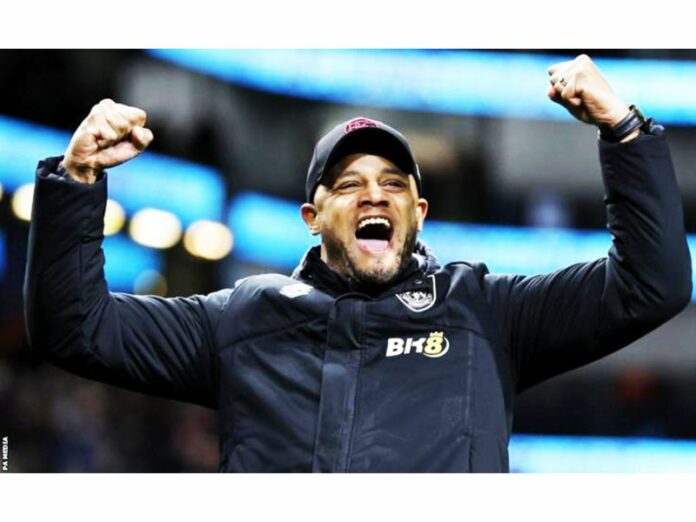
Vincent Kompany's Burnley side need one more win from their final three games to be sure of clinching the Championship title

Vincent Kompany has been been named Championship manager of the season after guiding Burnley to promotion to the Premier League.

The 37-year-old Belgian guided the Clarets to an immediate top-flight return in his first season in charge.

Middlesbrough’s Chuba Akpom won the Championship player of the season award after scoring a division-high 28 goals.

Bristol Rovers’ Aaron Collins won the League One award and Northampton’s Sam Hoskins the accolade for League Two.

Collins, with 16 goals and 11 assists the only player in the division to hit double figures in both categories, collected the award despite being in a Rovers side that are on course for a mid-table finish.

Meanwhile, Hoskins’ 21 goals for Northampton have been crucial in the Cobblers’ push for automatic promotion from the fourth tier.

In-demand Kompany honoured

Kompany’s work in transforming Burnley on their return to the Championship, in what is the former Manchester City captain’s first management job in England, has quickly made him a man in demand.

Chelsea have Kompany on their shortlist of prospective candidates to take the job full-time at Stamford Bridge, while he has also been linked with the vacancy at Tottenham.

He has been recognised as the Championship’s manager of the season with his side on the brink of clinching the title.

Credit: bbc.com

Manchester City vs. Arsenal: Three key battles to look out for in title showdown

0
Rodri and Bukayo Saka

A blockbuster showdown that could decide who goes on to lift the 2022-23 Premier League title takes place at the Etihad Stadium on Wednesday night, as reigning champions Manchester City play host to leaders Arsenal.

While the Citizens, who progressed to the FA Cup final last weekend, are vying to retain the top-flight title and keep their treble-winning hopes alive, the Gunners are focused solely on securing their first Premier League crown for nearly two decades.

Arsenal have been leading the way at the summit since August, but a recent wobble in form has seen them drop points in their last three matches, including last Friday’s chaotic 3-3 draw at home to basement club Southampton, which has allowed second-placed Man City, who have two games in hand, to close the gap at the top to five points.

City have prevailed in their previous two meetings with Arsenal this season, including a 3-1 league win at the Emirates Stadium in February, and they can move one step closer to knocking the North Londoners off their perch with another triumph in front of their own fans.

As managerial mastermind Pep Guardiola prepares to go toe-to-toe with his former apprentice Mikel Arteta on the touchline, Sports Mole takes an in-depth look at three key battles to look out for on the pitch in Wednesday’s clash at the Etihad.

Bukayo Saka vs. Nathan Ake or Aymeric Laporte

Nathan Ake has been one of Man City’s standout performers throughout this season and he has acquitted himself admirably on the left side of Guardiola’s backline, but with a hamstring injury potentially ruling him out of Wednesday’s clash, Aymeric Laporte could be the man tasked to suppress the qualities of Arsenal starboy Bukayo Saka.

Saka has been one of the key architects behind Arsenal’s title charge and is the only Premier League player to be in double figures for both goals and assists so far this season, recording 13 goals and 11 assists in 32 league matches, highlighting his threat as both a creator and finisher from the right flank.

The 21-year-old, who contributed to two goals in the 3-3 draw with Southampton, is set to be heavily involved again for the Gunners on Wednesday, and Laporte will need to be on top of his game if he is to shackle Arsenal’s sizzling No.7.

Laporte has not had regular first-team football this season, starting only seven times in the Premier League, but the Spaniard has been a reliable defender for Guardiola over the years and City have won their last five top-flight meetings with Arsenal when the 28-year-old has played, keeping four cleans sheets in the process.

Saka has attempted 4.63 take-ons per game in the Premier League this term, but he only has a 36% success rate, which bodes well for Laporte and co on Wednesday.

Rodri vs. Martin Odegaard

Elevating his game to new heights since taking the Arsenal captaincy, Martin Odegaard deserves to be in the conversation for Premier League Player of the Season having enjoyed a stellar campaign as the Gunners’ chief midfield conductor.

The Norwegian, who has contributed with 12 goals and eight assists in 31 league games, has linked up brilliantly with the likes of Saka, Gabriel Martinelli and Gabriel Jesus in the final third, but his influence is sure to be tested by Man City lynchpin Rodri, who has also enjoyed an impressive 2022-23 campaign.

Indeed, the Spaniard has shown his class both in and out of possession for the Citizens, completing more passes (2,346) and more passes into the final third (243) than any other Premier League player this season, while also boasting the second-most ball recoveries (264) in the division.

Along with displaying his artistic attributes in attack, Odegaard will have to put in his defensive duties to prevent Rodri, arguably the most dominant deep-lying playmaker in the top flight, from dictating play in City’s midfield, with a collective high press from Arsenal’s frontline expected as they attempt to foil Guardiola’s men from playing out from the back.

Erling Braut Haaland vs. Gabriel Magalhaes & Rob Holding

Keeping the Premier League’s top scorer Erling Braut Haaland quiet is a challenge that many defenders have struggled with throughout this season, and Arteta will hope that the centre-back pairing of Gabriel Magalhaes and Rob Holding can step up for the big occasion on Wednesday having seen his side’s defensive prowess weaken in recent weeks.

Rob Holding and Erling Braut Haaland

The absence of William Saliba has truly been felt by the Gunners, who have failed to keep a clean sheet in each of their last five games without the Frenchman, and they must quickly rediscover their solidity at the back if they are to have any chance of stopping goal machine Haaland.

Both Gabriel and Holding started in Arsenal’s 1-0 FA Cup defeat against City at the Etihad in January, and although Haaland was not on the scoresheet that day, Holding particularly struggled to deal with the presence of the Norwegian – coming out second best in the majority of his physical battles before being tactically withdrawn at half time on a yellow card.

Haaland has a significantly lower aerial duel win percentage (35%) compared with both Holding (95%) and Gabriel (75%), but that has not stopped the striker from excelling in the final third this term. City’s No.9 scored one of his 32 Premier League goals in the 3-1 victory at Arsenal earlier this year, and he enters Wednesday’s contest in electric form having found the net 15 times in his last eight appearances in all competitions, albeit drawing a blank against Sheffield United on Saturday.

The 22-year-old, who has scored 20 top-flight goals on home soil including four hat-tricks, will be motivated by the prospect of becoming the Premier League’s all-time record goalscorer in a single campaign, with just two goals required for him to equal the feat set by Alan Shearer and Andy Cole (34).

Credit: sportsmole.co.uk

Erik ten Hag confident of overcoming Manchester City in FA Cup final

0
Manchester United players

Manchester United head coach Erik ten Hag has said that January’s Manchester derby win over Manchester City is “proof” that his side can overcome the Citizens.

The Red Devils booked their spot in the FA Cup final on Sunday afternoon by beating Brighton & Hove Albion on penalties following a goalless draw in 120 minutes of football.

The 20-time English champions will take on Man City in the final, with Pep Guardiola‘s side beating Championship outfit Sheffield United in the first semi-final.

The English champions are chasing a treble this season and are unbeaten in all competitions since the start of February, but Ten Hag is confident that his team can overcome their rivals to make it a domestic cup double this term, having beaten them 2-1 in the Premier League at Old Trafford in January.

“We have proof that we can beat them but then we have to play the perfect game. That was the most perfect game we played this season [winning the derby in January] but we have to go again,” the Dutchman told reporters after the semi-final success over Brighton.

“We know that but, first of all, we have to focus on different games because we have to be in the top four, to get into the Champions League for next season.”

Ten Hag also praised his players for bouncing back from last week’s 3-0 defeat to Sevilla in the second leg of their Europa League quarter-final, which eliminated the Red Devils from the competition.

“It [criticism] was justified on Thursday night but, today, the lads deserve compliments and credit because they bounced back once again, they showed character,” he added.

“What we have to learn and improve, which must be our next step, is that if we have a setback in a game, we fight back in that same game, that we keep calm and fight back in that same game. We have to deal with setbacks and we can do it better but in between games, and it’s not the first time, we do it very well.

“It was a difficult game. I think it was a great battle for the fans, especially for the fans at home. It was a great final. In the end, the penalties were really good as well. It was so close and, of course, I am very happy with the performance of the team.

“They were so determined, so dominant to win this game and from the first moment, there was only one thing in mind. We have to win this game. So the willingness was really high.”

Next up for Man United is trip to Tottenham Hotspur in the Premier League on Thursday night, with the Red Devils looking to strengthen their grip on a top-four spot.

“The final is not that far away but there are some weeks in between and we have to develop and improve, go from game to game. Thursday night is another big game in London and then we gave to be ready for the next one,” Ten Hag added.

Man United are fourth in the Premier League table, six points clear of fifth-placed Spurs, who have played two games more than the Red Devils.

Credit: sportsmole.co.uk

Chelsea ‘closing in on Mauricio Pochettino appointment’

0
Mauricio Pochettino

Chelsea are reportedly increasingly likely to appoint Mauricio Pochettino as the club’s next head coach.

Upon sacking Graham Potter at the beginning of April, the Blues hierarchy made the decision to bring in former boss and club legend Frank Lampard on a caretaker basis.

Had Lampard led Chelsea to the Champions League final, the Englishman would have been in contention to remain at Stamford Bridge in the long term, but the 4-0 aggregate defeat to Real Madrid in the quarter-finals meant that any possibility of a permanent second stint was ruled out.

As a result, it appeared likely that either Julian Nagelsmann or Luis Enrique would eventually be handed the reins, yet both candidates were out of the race come last Friday.

At the same time, Pochettino became the clear favourite to return to the Premier League having previously managed fellow London club Tottenham Hotspur.

Although it has been widely reported that Burnley boss Vincent Kompany is also under consideration, Pochettino is said to have made a positive impression on Todd Boehly and fellow club officials.

According to The Guardian, there is now every expectation that the Argentine will be soon be confirmed as the new head coach.

While it is stated that discussions and negotiations are far from complete, it is suggested that an unforeseen change of heart from either party would prevent a deal from being finalised.

With Chelsea having just seven Premier League fixtures left and with little but Europa Conference League qualification to play for, an announcement may be made before the end of the season.

Pochettino has spent this season out of work having been relieved of his duties at Paris Saint-Germain last year, a consequence of their last-16 exit from the Champions League.

Nevertheless, the 51-year-old remains highly regarded in Europe, helped by his stint at Spurs where the club became Premier League title challengers and reached a Champions League final.

In recent days, it has also been claimed that a number of Chelsea players would support the appointment, arguably a key factor when it comes to Boehly and co making their final choice.

Should Pochettino arrive in West London, he will be tasked with overseeing a much-changed squad, a result of Chelsea needing to facilitate a wide array of sales to comply with FFP.

Credit: sportsmole.co.uk

The Ghanaian Chronicle