Home Blog Page 1965

Poultry farmers in W/R cry for GH¢989k compensation from gov’t

0
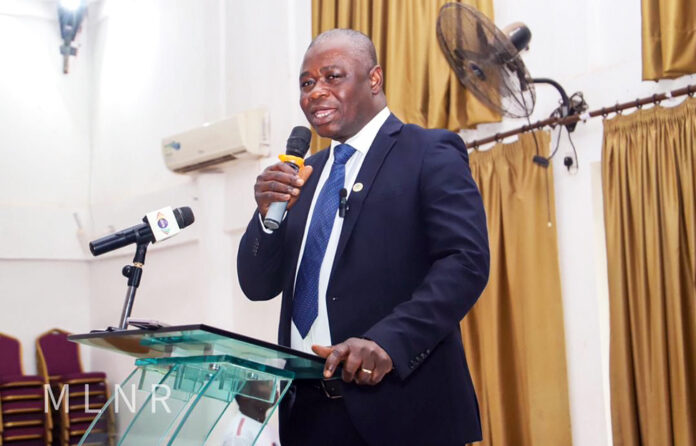
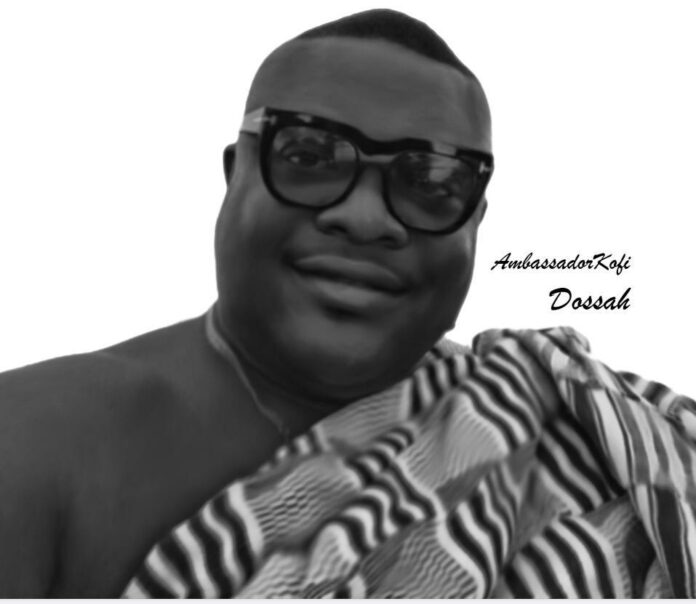
Ambassador Kofi Dossah, Chairman of Effiakwesimintsim Poultry Farmers Association

The Poultry Farmers Association in the Western Region has appealed to the government, through the Ministry of Food and Agriculture, to honour the payment of compensation arrears due poultry farmers who were at the receiving end of the outbreak of the Influenza disease, known as ‘Bird Flu’, in the country last year.

According to the Association, since the outbreak was a health risk issue, payment of compensation to the poultry farmers whose birds, eggs, and feeds were destroyed ought to have happened a long time ago.
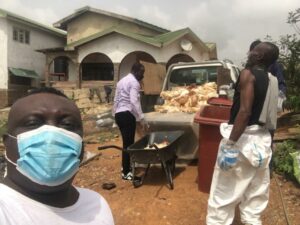
Veterinary officers carrying slaughtered infected birds away

It would be recalled that, 12 regions, including Western, Western North, Bono, Bono East, and Central, recorded the Influenza virus leading to the slaughtering of birds, destruction of eggs and feeds last year.

The slaughtering exercise, which was undertaken by the Emergency Response Team, under the Veterinary Services, was measures to help curtail the spread of the virus. Ghana announced the outbreak of the virus in 2021, and the Western Region alone saw the destruction of 16,728 birds from seven farms in 2022.

In the Western North, 21,049 birds from five farms were destroyed. In the case of the Central Region, 99, 744 birds from twenty-four farms were killed.

Following the non-payment of compensation to the poultry farmers, the Effia-Kwesimintsim Chairman of the Poultry Farmers Association, Ambassador Kofi Dossah, has sent a word of caution to the government to, as a matter of urgency, pay the compensation arrears.

Giving the background on how their birds were slaughtered, Ambassador Kofi Dossah told this reporter that following the outbreak of the virus, poultry farmers voluntarily took their birds, eggs and feeds for examination at the Veterinary office.

He explained that when the examination turned positive, the birds, feeds and eggs were destroyed. Ambassador Kofi Dossah told this reporter that he personally lost 1,286 crates of eggs and 2,756 birds due to the outbreak. Others, he said, lost more than 6,000 birds.

He explained to this reporter that as a measure to control the spread of the virus, the Emergency Response Team under the Veterinary Directorate of the Ministry of Food and Agriculture, took stock of the number of birds, feed and eggs due a poultry farmer that were destroyed.

But, to date, Ambassador Kofi Dossah told this reporter, non of the 2022 poultry farmers who were victims of the virus outbreak had received compensation from the government.

He said the government owed the poultry farmers in the region in excess of GH¢789, 565 as compensation for the birds, feeds and eggs destroyed in 2022.

Several letters written to the Ministry to remind the government of the compensation arrears, according to the Effia-Kwesimintsim Poultry Farmers Chairman, appears to have fallen on deaf ears, though he admitted that some farmers who were victims of the outbreak in 2021 had received their compensations.

Giving a background, he said the government at the time of the outbreak offered to pay GH¢80.00 for a bag of feed, though a bag at that time was selling at GH¢155.00.

Now a bag of feed, he told this reporter, was selling at GH¢400.00. “What it means is that you will have to sell six bags of feed at that time to buy GH¢400.00 bag of feed now.”

With the hide and seek attitude the government has adopted in paying the compensation, Ambassador Kofi Dossah warned that, it could spell doom for the country in the likely event of another outbreak of the Influenza.
Akufo-Addo prays for moderate ex-gratia to reflect on current economic realities

0
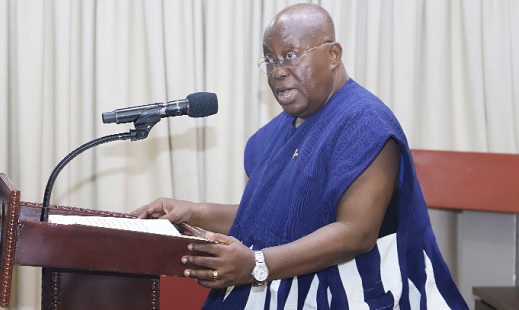
President Akufo-Addo addressing members of the emoluments committee

The President, Nana Addo Dankwa Akufo-Addo, has sworn in an emolument committee with a call on them to consider the current economic difficulties in deciding the benefits that would be paid to the Article 71 office holders, also known as ‘ex-gratia.’

According to the President, there is public discussion about the legitimacy of the remuneration of Article 71 office holders, thus the need for some recommendations from the committee to address that.

President Akufo-Addo was addressing the five-member emolument committee at the ceremony to swear them into office.

“I must indicate that in recent times, a lot of public discourse surrounding the remuneration of public officers has centered primary on those of Article 71 office holders and whether or not withstanding the constitutional imperatives, we are deserving of what is being paid to us in view of the challenges currently confronting out national economy,” President Akufo-Addo said.

“It might well be that your work should also focus on these concerns and make recommendations on how they should be addressed.

“The task ahead of you is a challenging one and it is my expectation and hope that you will be up to it and deliver your report expeditiously,” he added.

OTHER JURISDICTIONS

President Akufo-Addo was not happy with the situation where every president would have to establish emoluments committee and advocated for a change.

He cited the practice in America “where the principles are established and automatically adjusted according to certain objective criteria. This may well be an issue for further constitutional debate and decision.”

Meanwhile, he informed the committee that it was incumbent on them to examine the work of previous committees in the conduct of their work.

The previous committees were those led by Miranda Greenstreet, Mary Chinery-Hesse, Ishmael Yamson, Marian Ewurama Addy, Francisca Adu Boadoh and Yaa Ntiamoa-Baidu in the conduct of your work to be able to establish some consistencies.

TIMELY REPORT

In her response to the President, the chairperson of the committee, Dr. Janet Fofie, said the new committee will review all the previous work of their predecessors.

“The committee promises to examine all previous emoluments committee reports and any other documents related to the subject. As a retired Article 71 office holder myself, I am keenly aware of the significance of this committee.

“I am also aware of the sometimes, very heated debate in our national conversations over the years on this matter. It is my hope that the committee will get valuable insights, views, inputs and support from all stakeholders to enable us deliver a comprehensive and timely report to his excellency for consideration and approval,” Dr Janet Fofie said.

MEMBERS

Dr. Janet Fofie, the chairperson of the committee, is the immediate past chairperson of the Public Services Commission; Prof Gyan Baffour, former Minister for Planning, is the President’s nominee.

The rest of the members are; Madam Gloria Ofori Buodu, former member of the African Council of the National Peer Review Mechanism; Dr. Osei Akoto, an academic at ISSER and Mr. Ben Arthur, Head of the Fair Wages and Salaries Commission.

COMPOSITION

The composition of the Committee on Emoluments of Article 71 Office holders, done on the advice of the Council of State, is in accordance with Article 71(1) of the 1992 constitution.

The committee is to make recommendations to the President and to Parliament for their decisions on salaries and allowances payable and the facilities available to Article 71 office holders.

TERMS OF REFERENCE

The terms of reference of the committee are in two folds. The committee is to make recommendations on emoluments and other privileges for Article 71 office holders, as specified under the constitution. They are also to examine any relevant matter, which the committee deems appropriate to its work.

‘IGP tape’ has been edited –COP Mensah

0
COP George Alex Mensah (left) at the Committee sitting and IGP (right)

The Commissioner of Police, George Alex Mensah, has revealed that the leaked audio being probed by Parliament contains his voice, but has been edited.

According to him, he could identify some voices in the audio like his, but would not accept its authenticity, he told the Parliamentary Committee investigating the leaked audio recorded by former Northern Regional Chairman of the New Patriotic Party, Daniel Bugri Naabu.

When pressed by the chairman of the committee, Samuel Atta Akyea, if he was “imputing that someone has doctored your voice,” Commissioner Mensah answered in the affirmative, saying “exactly, Mr. Chairman.”

Commissioner George Alex Mensah,who appeared before the committee yesterday, indicated that many things were in the audio which he did not remember and certain discussions which were not in the audio recording as played.

“What I am saying is that this tape that was played to me today is an edited tape… The tape played today has so many things I don’t remember and there are certain things that were said that are not on the tape,” he added.

He further told the committee that Bugri Naabu, who confessed to recording the conversation for purposes of evidence “came here (to the committee) to lie.”

NO BAD BLOOD

Accompanied by legal counsel, the soon-to-retire Commissioner, who is also a lawyer, admitted to telling Bugri Naabu that the current Inspector General of Police, Dr. George Akuffo Dampare, was not managing the service well.

The police officer insisted that he could repeat that anywhere.However, he remarked that he had no personal issues with Dampare, the IGP.

“Honourable Chair, I will not deny that fact today, tomorrow, or the next day. I will make that statement again: the current Inspector General of Police is not managing the police service well.

“It’s something I’ll not run away from. I’ll say it everywhere and anywhere that I go and you can do your own investigations. Call police officers underground and find out from them,” he insisted.

He continued, “I don’t have any bad blood with him, but what I do is speak my mind, whether you like it or not. If you’re my boss and you do what I don’t like, I will tell you plain and simple. If you hate me for that, it is your problem.”

PRELIMINARY OBJECTION

The counsel for Commissioner George Alex Mensah had earlier raised some preliminary objections.

He was concerned about some statements purported to have been made in public spaces by some members of the committee -James Agalga and Peter LancheneToobu, which in his opinion were biased and prejudicial.

The plea was that those members be excluded from the committee before their client could be heard.

The vice chair of the committee, James Agalga, was reported to have said that the discussions contained in the leaked audio were treasonous, whilst Peter Torbu was also said to have invoked hellfire for the persons involved in the discussion.


However, James Agalga rebutted that he made those statements on the floor of the House when the issue was raised. Peter Torbu denied ever making such a statement.

The chairman of the committee, Atta Akyea, ruled that he could not decide on the membership of the committee as it was the sole prerogative of the Speaker.

However, he advised the counsel to provide documentary evidence to back the claims. The proceedings continued thereafter.

I DON’T KNOW HIM

Meanwhile, Superintendent Emmanuel Gyebi Asare, whose name was mentioned by Bugri Naabu at the committee sitting that he was to join him to meet the president, denied those assertions.

Superintendent Gyebi appeared shocked to have heard his name in the matter, when he had “never” set eyes on or had any communications whatsoever with Bugri Naabu.

“I don’t know him (Chief Bugri Naabu), I don’t have his number and I have never met him before,” he denied his involvement.

Bugri Naabu had told the committee that Superintendent George Asare had informed him that Gyebi would replace him to meet the president since he and Asare had traveled.

However, Gyebi told the committee that when he called Asare to ask about that claim by Bugri Naabu, Asare said it was not true.

The committee sitting continues today with Commissioner Alex Mensah, and Supt. Asare, but Gyebi was discharged yesterday.

Ato Forson: We insist, BoG boss must resign

0
Dr. Cassiel Ato Forson, Minority Leader in Parliament

The minority group in parliament led by Dr Cassiel Ato Forson has intensified their call on the governor of the Central Bank of Ghana, Dr Ernest Addison and his lieutenants to resign with more justifications.

Background

It would be recalled that on the 8th of August, 2023 the minority issued a 21-day ultimatum to the governor of the Central Bank of Ghana, Dr Ernest Addison and his lieutenants to vacate their posts, after they allegedly supervised the loss of GH₵60.8 billion.

The minority posited that the staggering loss of GH₵60.8 billion recorded by the Bank of Ghana was equivalent to $6 billion, which is twice the amount sought from the IMF in the country’s recent bailout.

According to them, governor Addison and his collaborators within the government have not just been clueless, but unresponsive, insensitive and reckless in all their dealings which has worsened the plights of Ghanaians.

Dr Ato Forson emphatically mentioned that the Central Bank of the state has been terribly desecrated by the governor, his deputies and the government to a point that the bank has become bankrupt.

Delivering an address at a public forum dubbed – “Occupy BoG Protest” at the University of Professional Studies yesterday, Dr Ato Forson reiterated the minority’s call for governor Addison and his deputies to resign.

Giving more justifications to back their call, Dr Forson indicated that the BoG’s governor and his deputies could not be exonerated from the current hardship that the government has subjected Ghanaians to.

“Their illegal and excessive printing of money caused the depletion of Ghana’s external reserves, which resulted in the unprecedented depreciation of the Cedi, the main cause of the hyper-inflation in 2022,” he said.

According to Dr Forson an estimated 850,000 people were reported by the World Bank to have been pushed further down the poverty line in 2022, due to inflation resulting from the BoG’s recklessness.

Using figures contained in government’s official documents, he asserted that government has admitted in Paragraph 2 of the MEFP sent to IMF that the illegal printing of money by the BoG caused the hyper-inflation of 54.1% in 2022.

This mess, he alleged, was strictly chaired by the head of the economic management, Dr Bawunia and recklessly supervised by Dr Addison and his lieutenants.

According to Dr Forson, the minority raised red flag about illegal printing of money, but the BoG, in connivance with the government, vehemently denied the minority’s claims.

“Thanks to the IMF, the government has backed down from its spirited denials and has admitted that indeed the Bank of Ghana printed money to finance its over-bloated government expenditures in 2022,” he stated.

“Indeed, paragraph 8 of the IMF Staff Report gives further detail that Ghana’s central bank, not only illegally but also excessively, printed over GHS45 billion, representing 7.2% of GDP in 2022 alone, and GHS35 billion in 2021,” he added.

The recklessness of the BoG and his deputies with an aid and abetment by “Mr. Strategist” have desecrated the once viable BoG and shamefully turned it to a crime scene.

Dr Ato Forson further alleged that latest report by the World Bank had illustrated how the Bank of Ghana and government had impoverished an additional 850,000 Ghanaians and pushed them into extreme poverty.

Under their watch, he said “our public debt increased to about GHS600 billion by end of 2022 from the GHS120 billion inherited an increase of about 400%”.

Default payment

For the first time in the country’s history, the minority indicated that Ghana defaulted in the repayment of both domestic and foreign debts as a result of the recklessness and mismanagement of the economic management team.

The mismanagement was part of the reasons international rating agencies downgraded Ghana’s credit worthiness to “D”, in other words “super-junky,” the minority posited.

“Today, Ghana’s financial sector has virtually collapsed, with all the 23 banks in the country recording massive impairment losses of over GHS18 billion in 2022,” he added.

Governor Addison turned BoG into a law unto itself

He also alleged that the BoG and the government have written off about GHS 48.4 billion of government debt, owed to the Bank of Ghana without parliamentary approval.

This, he said, contravened Section 96 of the Public Financial Management Act, 2016 (Act 921) which spells out the offences and penalties that must be applied.

They cannot, therefore, arrogate to themselves the power to unilaterally write off government debt without recourse to the Parliament of Ghana, in clear violation of section 53 of the Public Financial Management Act, 2016 (Act 921).

The Bank of Ghana he said, was legally regulated by law and therefore assured that the Minority Caucus would continue to ensure that they follow and operate within the law.

Why should Ghanaians be worried about the mess at the Bank of Ghana

The minority asked Ghanaians to be worried about the current situation of the BoG because ultimately the Ghanaian Tax-Payer would be required to recapitalise the Bank of Ghana.

“Let me also state that another cardinal sin of the Governor of the Central Bank and his deputies is their decision to write off government’s debt on the blind side of parliament,” he stressed

Why are we embarking on the #OccupyBoG protest march?

“Our protest march is to back our demand for the immediate resignation of the Governor of Bank of Ghana and his two deputies. They mismanaged the Bank of Ghana and illegally and excessively printed money between 2019 and 2022 in contravention of the Bank of Ghana Act, leading to a hyperinflation of 54.1%.

“This pushed an additional 850,000 Ghanaians from middle income into extreme poverty.Their reckless mismanagement of the Central Bank also resulted in a loss of GH₵60.8 billion, causing a negative equity of GH₵55.1 billion.

“They also illegally wrote off a whopping GH₵48 billion of Government’s indebtedness, as well as other acts of financial malfeasance by the Governor, his Deputies and Directors of the Bank of Ghana as contained in the 2022 Annual Report and Financial Statement of the Bank.

These are the reasons why we are going to embark on the #OccupyBoG protest march on 5th September, 2023”, he said.

Court tells OSP: Fa Aunty Ceci sika mano

0
Special Prosecutor and Cecilia Dapaah

The Office of the Special Prosecutor (OSP) has been ordered by the Accra High Court to release money seized from the residential properties of the former minister for Sanitation, Cecilia Dapaah, within seven days.

The court, presided over by Justice Edward Twum, ruled that the OSP misapplied its powers in the search conducted in the former minister’s Abelemkpe, Cantonments and Tesano residential properties.

According to the court, the OSP breached the conditions precedent, before seizing the former minister’s properties and that was even in paragraph 15 of the application.

Paragraph 15 of the application reads: “In pursuance of section 38 of Act 959, the deponent avers and confirms that the OSP is investigating the respondent for suspected corruption and corruption-related offences and that there are reasonable grounds to believe that the frozen properties are suspected tainted property and also that there are reasonable grounds to believe that a confiscation order shall be made under Act 959 in respect of the property.”

The court also ruled that the OSP failed to file the application within the seven days statutory requirement, therefore, the seizure order was filed out of time.

The OSP seized Madam Cecilia properties on July 24, and filed the application on August 8.

The Special Prosecutor realised cash of US$590,000 and GH¢2,730,000.00 at Cecilia Dapaah’s residences after the search.

The seizure of the former minister’s property was triggered by a criminal case involving cash of US$1 million, €300,000 and GH¢350,000.00 reported by The Chronicle to have been stolen from her home by two domestic workers.

The monies and personal effects of Madam Cecilia and her husband, Daniel Osei Kuffour, were allegedly stolen by 18-year-old Patience Botwe and 30-year-old Sarah Agyei between the months of July and October 2022.

Patient Botwe, first accused (A1) and Sarah Agyei (A2) are being tried together with six others for conspiracy, stealing and abetment at Accra Circuit.

The others are; Benjamin Sowa (A3), Malik Dauda (A4), Christiana Achab (A5), Job Pomary (A6), Yahaya Sumaila (A7) and Franklin Sarakpo (A8) at large.

They have pleaded not guilty to the charges and three of the accused persons – Sarah, Christina and Job Pomary have been granted bail.

Patience (hairdresser) and Sarah (unemployed) are facing one count of conspiracy to commit a crime, six counts of stealing US$800,000.00 and US$200,000.00 and €300,000.00 – all properties of the former minister.

Benjamin Sowa (Plumber) is charged with dishonestly receiving GH¢180,000.00 from his girlfriend Patience, although the money is a property of Cecilia Abena Dapaah.

Malik Dauda (unemployed) also dishonestly received GH¢100,000.00 from Sarah through Patience, his ex-girlfriend and another GH¢5,000.00 from the same channel.

Wife and husband, Christina (trader) and Job (mechanic) dishonestly received GH¢30,000.00 while Christiana, again with Yahaya, dishonestly received GH¢850,000.00.

GGSA educates journalists on earthquakes, seismic activities

0
Mr. Isaac Kuuwan Mwinbelle, addressing the journalists

A day’s capacity-building workshop about the mandate and activities of the Ghana Geological Survey Authority (GGSA) has been held for some selected media practitioners in the Northern sector.
On Thursday, 31 August, 2023 the GGSA held a sensitisation program for over forty journalists in the Northern Sector to educate them on earthquake and other seismic activities.
The Director-General of the Ghana Geological Survey Authority, Mr. Isaac Kuuwan Mwinbelle, gave detailed presentation that captured the history of the GGSA, its mandate, activities and policies that will enable it execute its mandate effectively.
Mr Isaac Kuuwan Mwinbelle also shed light on the role the media play in providing accurate information about earthquake and seismic activities in the country.
He explained that the GGSA is looking to partner media houses across the country to sensitise Ghanaians on the safety measures to deploy in the wake of earthquakes.

The journalists desmontrating what to do when earthquate strikes

While assuring the journalists of the openness of the GGSA to collaborating with them, Mr Mwinbelle charged the media to leverage on the relationship and help bridge the gap between the GGSA and the public.
“The mandate of the authority has been amongst others to conduct geological investigation, conduct seismic monitoring for the country and to advice government on issues of geo-science as well as being the national repository of all geological information”, he stated.
“We find it necessary to come to the Northern Sector to use the media in the region to help educate the public on the mandate of the GGSA and get them to know exactly what we are doing in terms of national development,” he added.
The Head of Seismology Unit of the GGSA, Mr. Nicholas Opoku, equipped the journalist with knowledge in earthquake disaster response.
He enacted a perfect demonstration of steps that one must take in the event of earthquakes and other natural disasters that fall within the jurisdiction of the GGSA.
The journalists acknowledged the efforts of the GGSA in seeking to form an alliance that will help spread the information about seismic occurrences in the country.
They promised to play their part by providing education to the public about earthquakes and the safety measures they can resort to in the event of earthquakes.

Old Students must partner government to support schools

0
Editorial

The 1973year group of the Business Science Administration graduates of the University of Ghana Business School (UGBS) according to a story on graphiconline have celebrated their 50th anniversary with a donation of library surveillance systems to the school.

The surveillance systems are to be used to enforce security at the K.E. Adjei Library on the main campus and the Tullow Ghana Limited Library at the Graduate Campus of the school. It was also meant to aid the school to easily identify culprits who steal books, laptops and other items from the libraries as well as help to solve various security issues that usually occur in the school.

The gesture, according to the group, who are aged between 70 and 80 years, is their widow’s mite to support their alma mater. At a short ceremony held at the office of the Dean of UGBS to unveil the already fixed CCTV cameras and officially hand over to the school, the group expressed satisfaction for adopting the idea to support their alma mater.

The Chronicle commends the old students for embarking on an initiative to give back to their alma mater. In this spirit of gratitude and the desire to foster positive change, giving back to one’s alma mater holds immense importance. It is a practice that not only pays homage to the past but also invests in the future.

The connection to one’s alma mater goes beyond the years spent within its walls. Educational institutions are dynamic centers of knowledge and innovation. Alumni contributions help bolster resources such as libraries, laboratories, research centers and technology, enhancing the learning experience for current and future students. The Chronicle holds the view that financial contributions from alumni play a pivotal role in sustaining and elevating academic programs, scholarships and extracurricular activities. These investments enable institutions to attract talented students and faculty, creating an environment of excellence.

In a world where education costs are rising, alumni giving can alleviate the burden on government. Alumni support is not just about financial contributions; it is about creating a culture of support and engagement. When we give back to our alma mater, we demonstrate our belief in its mission and vision. Our contributions serve as a vote of confidence, motivating faculty, staff, and current students to strive for excellence and achieve even greater heights.

As alumni of schools, we have the power to shape the trajectory of our alma maters, ensuring that they continue to provide exceptional education and opportunities for generations to come. So, let us join hands, give back, and make a lasting impact. Together, we can build a brighter future for our alma maters and the countless lives they touch.

The Chronicle congratulates the 1973year group of the Business Science Administration graduates of the University of Ghana Business School (UGBS) for their wonderful gesture and advise all old students to support their alma mater since government alone cannot do it all.

Africa needs more female leaders to drive equitable pandemic recovery efforts

1
Dr. Grace Ayensu-Danquah

The pandemic has revealed and amplified existing inequalities around the world. Amidst lockdowns and economic shocks, African women have been hit particularly hard.

According to the Brookings Institute, more than 70 percent of women across the region now face insecurity. From job losses to increases in unpaid labour, a rise in domestic violence, and disruptions to education, African women have shouldered great mental, physical, and economic stress over the last year.

But despite the pandemic’s outsized impact on African women, their voices are seldom included in recovery efforts, especially at the highest levels of leadership. If we hope to recover and reset to build more equitable societies, the voices of female leaders must be front and centre.

According to a recent survey by advocacy group Women Deliver and Paris-based research organisation Focus 2030, 7 of 10 workers on the frontline of the pandemic are female.

Yet, women are left out of many COVID-19 response and recovery plans. Across the world, women only account for a quarter of decision-makers on COVID-19 response panels. The situation in Africa isn’t much different.

For example, women constitute only a quarter of ministers of health across the region. In my home country, Ghana, I served as a member of the National Democratic Party’s COVID-19 Technical Response Committee.

Nevertheless, I could count the number of women involved in decision-making around pandemic response in either major party on two hands. This reality is not unique to Ghana; it is the status quo across the region. That oversight will cost Africa in the long term. Because the impact of the pandemic has been gendered, it is critical that the voices of all affected parties—especially women—be heard.

In early 2020, only 14 countries worldwide had cabinets where women held at least half of posts. Only one—Rwanda—was in Africa. By now, it is no secret that Africa women are rarely included in decision-making, policy and government circles. And when women are included, they often suffer severe harassment.

According to a 2016 study, four in five women parliamentarians have experienced psychological violence linked to their job, one in four physical violence and one in five sexual violence.

I know this firsthand: as a parliamentary candidate in Ghana’s recent elections, I experienced an avalanche of discrimination with bitter criticism of everything from my makeup to my medical qualifications, despite being a board-certified surgeon. This vitriol is not only a threat to women’s safety but a deterrent that dissuades qualified female candidates from running in local and national elections alike.

We have to address the roadblocks that discourage women from taking office because women in leadership are essential to help us build forward differently. For example, we have seen firsthand how countries that have most successfully navigated the pandemic have been female-led. During the Covid-19 crisis, the number of cases and deaths were systematically better in countries led by women.

In the United States, one study of U.S. governors found that states with female leaders had lower fatality rates. These findings are not unique to industrialised economies: in India, women-led councils have pushed for better access to clean water – critical for preventing the spread of the virus.

When we exclude or dissuade women from political office, societies lose. After all, research and anecdotal evidence suggest that where women are in leadership, governments are more likely to respond better to crises in ways that support socio-economic development.

Full and equitable participation of women in public life is essential to addressing structural inequality. My fellow countryman Kofi Annan once noted that “there is no tool for development more effective than the empowerment of women. No other policy is as likely to raise economic productivity or to reduce child and maternal mortality. No other policy is as sure to improve nutrition and promote health, including the prevention of HIV/AIDS. No other policy is as powerful in increasing the chances of education for the next generation.”

What he did not include in that statement is the reality that women are not only facilitators of peace but are also the backbone driving our development. It is not just because of altruism; it is often because women have experienced developmental challenge firsthand: the face of poverty in Africa is female. These lived experiences might explain why studies show that female politicians are more likely to prioritise health, education, and related indicators.

Gender equality is undoubtedly a regional and global imperative. The African Union calls for “a more inclusive society where all the citizens are actively involved in decision making in all aspects.” At the same time, the United Nations declares that all sustainable development goals hinge upon the achievement of gender equality. But as we navigate COVID-19 recovery, we need more attention to gender equality than ever before.

We have lost too much during this pandemic to let the carefully fought gains of recent decades disappear. To avoid regression, we must recognise that gender equality is critical to the ability of our societies and economies to recover and that diverse leadership is a crucial dimension of this journey. Instead of seeking to go “back to normal”, it is time to introduce a “Great Reset” by promoting governance models that amplify women’s voices and engage women as decision-makers.

Source: myjoyonline.com / Author: Dr. Grace Ayensu-Danquah

Best 5 Coy’s driver jailed 2yrs for plotting robbery of employer’s cash

0
Accra Circuit Court

The Ghana Police Service has secured the sentence of a herbalist based at Enyunmam, in the Central Region, as well as a driver of the Best 5 Company for masterminding, robbery and shooting one of its personnel.

Samuel Quansah, the herbalist and Stephen Acheampong, driver, were sentenced to 20 years imprisonment on each count of conspiracy to commit crime and robbery.

They were sentenced on Wednesday, this week, by an Accra Circuit Court, presided over by Isaac Addo, after pleading guilty.

The court was also told by prosecuting officer, Chief Inspector Jonas Lawer, that the police are also on a manhunt for one of the convicts’ accomplices, Emmanuel Etsiwa, also known as Champana.

Samuel, Stephen and Emmanuel acted together to rob the Best 5 Company of GH¢303,035.00 while the money was being transported at Tesano in Accra.

The court was also informed that the policeman, Chief Inspector Jonathan Amoadu Prince, was shot at his abdomen by Samuel Quansah and his father, Kwesi Quansah, while resisting arrest.

Various weapons and ammunition were retrieved from them.

Stephen Acheampong, the driver, was also the architect of the robbery which took place in a broad daylight.

Details of the case

C/Ins Lawer narrated to the court that the complainants, Ali Mousa Dagher and Dominic Essel are sales representative and driver of the Best 5 Company Limited respectively. He added that Samuel Quansah and Emmanuel Etsiwa, also known as Champana (at large), are residents of Enyanmaim in the Central Region whilst Stephen Acheampong lives in Accra.

The prosecutor said on August 15, 2023 the complainants, in the company of Stephen Acheampong, the convict, went to the police station at about 6:40pm that they had been robbed.

Per their statement, the robbery took place at about 3:34pm while returning from Ashaiman to the company office in their vehicle.

According to them, two armed robbers stopped the vehicle and robbed them of their money in a total sum of GH¢303,035.00 at gun point at Tesano.

The police, after carefully listening to their complaints, arrested Stephen for investigation.

During police preliminary investigations, Stephen Acheampong confessed his involvement in the robbery and mentioned Samuel Quansah and Emmanuel Etsiwa as his accomplices, but they live at Mankessim Enyanmaim in the central region.

On August 18, 2023 a police team of investigators were dispatched from the Accra Regional Police Intelligence Department and Mankessim District Police Command to Enyanmaim Township to trace and apprehend Stephen’s accomplices from their hideouts.

However, on reaching the town, Samuel Quansah had a hint of the police presence in the area and ran to a different place within the town to hide.

The police team, on the next day, at about 3:10am whilst still combing the area, managed to track him to his father’s newly built house located about three miles away from where he lives.

Samuel, on seeing the police, quickly ran to hide himself in his father’s room.

Chief Inspector Jonathan Amoadu Prince, who was part of the police team, shouted and introduced himself to the convict’s father as a peace officer.

Unfortunately, when the officer approached him at his doorway to explain why the team was there, the latter ran into the room and picked up a single barrel gun and shot the Chief Inspector in the abdomen.

Kwesi Quansah went back to his room to hide and together with his son fired a number of gun shots at the police through the window.

The intensity of the attack compelled the police to tactically beat a retreat, but later managed to overpower and arrest them from the room.

A spot search conducted in the room led to the retrieval of one single barrel gun, 11 AAA, spent cartridges, eight live AAA cartridges, one locally manufactured pistol, coumo bag containing part of the money robbed, totalling GHC195,191.00.

The team extended the search to Samuel’s hideout in uncompleted building and retrieved one more locally manufactured pistol under his bed.

The victim, C/Ins Jonathan Amoadu Prince sustained gunshot injuries and was rushed to Mercy Women Hospital at Mankessim for treatment, but was later referred to the Cape Coast Government Hospital for further treatment.

The court was told that the victim is currently in a critical health condition, receiving treatment on admission at the hospital.

During investigations, Samuel Quansah admitted to the offense and stated that it was Stephen Acheampong, a worker at the Best 5 Company, who masterminded the robbery.

Similarly, investigation reveals that Samuel Quansah does not have any permit to possess or use the exhibit pistol.

Samuel’s father, Kwesi Quansah, has been put before the District court for committal processes.

Meanwhile, efforts are being made to trace and apprehend the third accused who is on the run.

21st Century Education a tool for national development -DG OF GES

0
Dr Eric Nkansah speaking at the conference

The Ghana Education Service, Dr Eric Nkansah, has called on all stakeholders in the education sector to prioritise 21st-century education, since it is a tool for national development.
He explained that the government of Ghana had demonstrated its commitment by prioritising education as a catalyst for national development and also by transforming Ghana Education Service to equip the young ones with 21st Century Skills and competencies.
Dr Nkansah made the call in Ho, when he addressed the members of the Conference of Managers of Education Units (COMEU) at their 49th Annual Conference.
The annual conference brought the various stakeholders in the education sector together to discuss the latest developments in the sector and the way forward.
The Director General, therefore, urged other stakeholders to support the efforts of the government so that Ghana will be fully part of the 4th Industrial Revolution which is centered on Science, Technology, Engineering and Mathematics (STEM).
He stressed that for Ghana to participate fully in the 4th Industrial Revolution, the government was committed to equipping learners in our institutions with the requisite 21st-century skills required to participate fully in the 4th Industrial Revolution, hence the frantic effort in promoting Science, Technology, Engineering and Mathematics (STEM) education in the country.
Dr Nkansah further asserted that, the GES would continue to provide oversight responsibility at all levels of pre-tertiary education in the country; and monitor routine activities in line with increasing access, enhancing quality and improving management efficiency at all levels of our educational sector.
He pointed out that the GES would continue to engage various stakeholders to improve educational outcomes.
He called on the support of the COMEU to team up with the GES to transform the country’s pre-tertiary Education Service into a 21st-century Organisation.
The Director General indicated that it is through quality and relevant education that Ghanaian learners would be equipped with the knowledge, skills, and values necessary for individuals to thrive successfully in a globally competitive world.
Mrs Marian J.A Adzroe, National president of COMEU, appealed to the government and various religious bodies who have education units to resources the unit offices to make their work effective.
She called for collaboration and cooperation among the District Directors and the Regional managers.

By Felix Baidoo

The Ghanaian Chronicle