Home Blog Page 1414

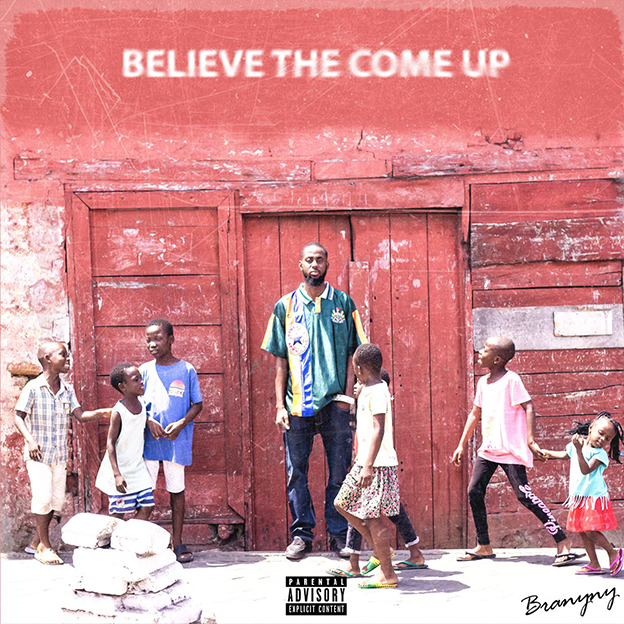
Brayny Releases First EP, ‘Believe The Come Up’ 

0

In an industry where overnight success stories often overshadow the long, arduous journeys of many artists, Loveland Adjetey Jnr, better known by his stage name Brayny, stands out with his authentic narrative. With the release of his first EP, “Believe The Come Up,” Brayny offers a profound glimpse into his personal journey, filled with highs, lows, and the unwavering pursuit of his dreams.

The launch of the EP “Believe The Come Up” was marked by a palpable sense of excitement and anticipation. Music enthusiasts, industry insiders, and fans gathered to witness Brayny’s debut major release, which promises to be a significant milestone in his burgeoning career.

“Believe The Come Up” is not just a collection of songs; it is a deeply reflective project that encapsulates Brayny’s experiences and growth as an artist. “Each song serves as a reflection of the trials and triumphs encountered along my path to success,” Brayny shared during the launch.

He candidly spoke about the period he took off from music to find himself and his unique sound. This hiatus, though challenging, became a pivotal moment of self-discovery and artistic evolution.

“I took a break off music for some time to find myself and my sound. During that period, I began to look back at the things I faced as a person on my journey as an artist,” he revealed. This introspection led to the creation of “Believe The Come Up,” an EP that not only tells his story but also aims to motivate others to chase their dreams and believe in their ability to change their situations.

The production of “Believe The Come Up” is a collaborative effort, featuring talented, young, and upcoming producers that Brayny personally knows and brought on board with the help of his team.

“The producers and collaborators of this project are some special, talented, young, and upcoming producers I know personally. Together, we’ve crafted a masterpiece,” Brayny said.

The executive producers, Jeffery Lawani and Samuel Boakye Okyere, along with the recording label SOLID WORLDWIDE, played a crucial role in bringing this project to life.

This collaborative spirit is evident in the EP’s diverse soundscape. The blend of hip-hop, R&B, and Afrobeat creates a unique auditory experience. The gritty and aggressive nature of the kicks in the beats represents the hip-hop roots, while the infusion of Afrobeat and R&B elements showcases the African essence of the project.

“The combination of hip-hop, R&B, and Afrobeat all play important roles in the creation of this mixtape,” Brayny explained. “The gritty and aggressive nature of the kicks in the beats represents the hip-hop nature. And the introduction of Afrobeat, R&B melodies, and other Afrobeat instruments is to portray the African nature of the project.”

At its core, “Believe The Come Up” is a testament to the power of perseverance and self-belief. Brayny’s poignant lyrics and infectious rhythms convey messages of resilience, self-discovery, and empowerment.

He hopes that his music will ignite a sense of hope and motivation in all who listen. “Through this mixtape, I hope to inspire my listeners to chase their dreams relentlessly and never lose sight of their potential,” he stated.

Looking ahead, Brayny is determined to continue making music and inspiring the youth. He expressed his unwavering passion for music and his desire to grow both as an artist and in his fan base.

“My future plans after the release of this tape are to keep doing more music, which is what I love. I aim to keep motivating the youth through my music and also grow as an artist and expand my fan base,” he said.

“Believe The Come Up” is available on all major streaming platforms, and it has already started to make waves in the music scene. The project is poised to leave an indelible mark on the world of music, thanks to its genre-defying nature and the profound personal journey it encapsulates.

NPP EXECS @ SABRONUM THREATEN ALUTA …over pollution of creek serving Community by illegal miners

0
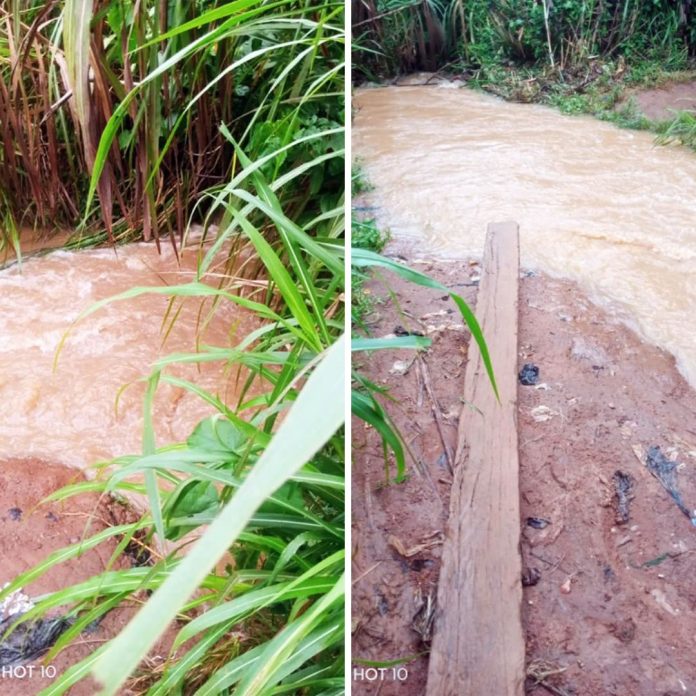
The current state of the creek serving the community

Polling Station Executives of the New Patriotic Party (NPP) in the Ahafo-Ano South East Community of Sabronum, in the Ashanti region, have threatened to suspend working for the party, ahead of the December General Elections.

The agitations of the Polling Station Executives stem from what they have described as wanton illegal mining activities going on in the district, particularly Sabronum, destroying their only source of drinking water – River Asuonfou, which takes its source from the Kwamisa forest reserve.

“We are using this opportunity to inform leadership at Constituency, Regional and National levels of the Party of our decision to stay away from all party activities at Sabronum. Together, we can make a difference and ensure a sustainable future for Sabronum”, the Polling station executives stated in a statement sighted by The Chronicle.

According to the party executives, they are expressing their frustration and opposition to the pollution of the only source of drinking water available to the community by galamseyers (illegal miners).

“The Polling station executives of Sabronum are deeply concerned about the ongoing illegal mining activities, also known as galamsey, that are destroying our precious water bodies”, they said.

The executives expressed worry over the presence of ‘machomen’, who are sabre-rattling the local farmers and making it difficult for them to go about their daily farming activities.

The statement pointed out that stakeholders in the community, including assembly members and the traditional council have made several reports to the assembly for help, but to no avail, a development which has seen people blaming the NPP for the mess being caused.

“In the just ended assembly elections, the opposition party (NDC) used the issue of galamsey against the NPP and it worked to perfection for them, as the NPP lost all the two seats to them.

“We demand immediate action from the party leadership to address this issue and put an end to these destructive practices. Our water resources are vital part of our community and must be protected for the well-being of current and future generations.

“We have few months left for the 2024 general elections, and these same rumours they used to outwit us have started again – making the party unattractive and unpopular in the community.

“We urge the authorities to take swift and decisive action to enforce laws against illegal mining and hold those responsible accountable for their actions.

“The continued disregard for environmental regulations cannot be tolerated any longer. We call on all members of our community to come together and support efforts to preserve our natural resources and combat the scourge of galamsey. Our voices must be heard and our actions must speak louder than words.

“If our effort to solve this problem proves futile, we may have no option than to engage the whole community to issue a press release and consequently suspend all our political and party activities at Sabronum and its surrounding communities with immediate effect”, the statement said.

In a follow up interview with the polling station chairman for Ahafo Ano South-East, Mr. Justice Justice Oppong Manu, he told this reporter that they have been to the office of the District Chief Executive (DCE) for the area, but the destruction is still going on.

“About five weeks ago, when the illegal miners arrived in the community with the equipment, we (Polling Station Executives), together with the traditional leaders, went to the DCE, where we expressed our displeasure and called for total halt to the intended galamsey, but the DCE has not been able to stop the illegal mining”, he alleged.

This issue, he noted, was reported to the Manhyia Palace, where the Golden Stool Occupant directed that since the DCE was the sole person representing government in the area, he should do whatever he can to stop the illegal mining operations, but this was never done.

“The DCE has no interest in doing that, but I cannot conclude on anything. We have done all what we can and it seems he is adamant and that is the only source of water and if leadership are not responding, we have no option than to suspend party operations in the constituency. We are sending signals to the region, national and the parliamentary candidate for our party,”  he told The Chronicle.


When contacted on phone, the DCE, Mr Thomas Owusu Ansah, acknowledged to this paper that indeed there was galamsey activities going on at Sabronum.

He, however, refused to accept accusation that he was responsible for the galamsey operations.

Mr Owusu Ansah, who was unhappy about the line of questions by this reporter, noted that he cannot disclose measures being taken about the issue to The Chronicle.

“I can choose not to disclose to you what we are doing about the situation, because it is a security issue. It is not compulsory.

“If you call somebody about galamsey, do not think that it is the DCE who is supposed to address the issue – Do I own a land. Do I? That is where the media is getting it wrong. Who do you think sold the land they are working on to them? Is it not someone who sold it to them?

He disclosed that the galamsey operations is not being done by any other person than the indigenes of Sabronum, emphasising that the polling station chairman, Justice Oppong Manu, is neck deep in the act.

“Are you listening to me, the Justice Oppong Manu that you spoke to is the committee chairman – he is the one who sat down with the galamseyers. He was part of those who sat down with the galamseyers and negotiated with them on what they can do to help the Sabronum community.

“What were they thinking of when they were discussing the terms and conditions of the galamsey operations? Did they think they were coming to mine in my room? Or they thought they were coming to mine in the assembly?

He also accused the chiefs of taking money for illegal mining to fester. When asked if the threat by the pooling station executives to shun party activities would not cause the NPP, DCE Owusu Ansah responded in the negative, arguing that Justice Oppong Manu alone cannot stop party activities at Sabronum

When this reporter contacted the Parliamentary Candidate for the area, Fredrick Acheampong, he denied receiving a protest letter from the community.

When The Chronicle asked him if it was true that illegal mining is rife at Sabronum, he could not answer, except to say that he has not received the letter making those allegations.

Local Gov’t Ministry introduces safety measures at 6 intersections in Accra

0
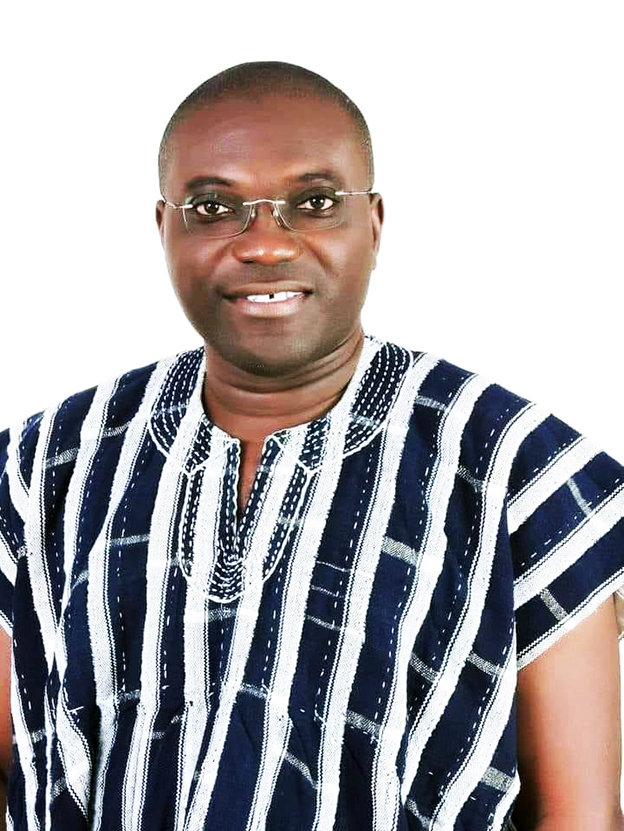
Martin Adjei Mensah Korsah - Minister for Local Government

The Ministry of Local Government, Decentralisation and Rural Development unveiled ambitious road safety improvement measures at six pivotal intersections within the Greater Accra Metropolitan Area (GAMA).

This announcement, made during the Urban Mobility Forum in Accra, marks a significant milestone in the culmination of the Ghana Urban Mobility and Accessibility Project (GUMAP), aimed at alleviating traffic congestion, reducing air pollution and enhancing infrastructure in Ghana’s bustling capital.

The six pivotal intersections the Minister unveiled include; Baba Yara Padmore Street Intersection (Tema), Otublohum Obibini Street Intersection (Accra), Ashongman Alafia Intersection (Ga East), Three Junction (Ga West), Mambo Junction (Ga Central) and Ogbojo New Market Junction (La Nkwantanang-Madina).

These intersection improvement measures, the Minister said is aimed at testing the applicability of some findings from the studies conducted as well as improving road safety for all road users.

The forum, themed “Prioritising Sustainable Urban Mobility and Accessibility in GAMA,” served as a platform to reflect on the successes of the GUMAP initiative and chart a course for future urban development strategies.

Mr Martin Adjei-Mensah Korsah, Minister for Local Government, delivered a keynote address to a diverse assembly of stakeholders including government officials, development partners, academia, and the private sector.

The Impact of Sustainable Urban Mobility

Addressing the audience, Mr Adjei-Mensah highlighted the profound impact of rapid urbanization on transportation infrastructure and services in GAMA.

“Our daily lives are increasingly defined by traffic congestion, environmental degradation, and inefficiencies in public transport,” he lamented, stressing the urgent need for coordinated efforts to mitigate these challenges.

He underscored that while the Ministry has spearheaded policy formulation and strategic planning and sustainable solutions require collaborative partnerships across sectors.

“The GUMAP has been instrumental in reshaping urban mobility strategies in Ghana,” noted Minister Adjei-Mensah Korsah.

Supported by a $6 million USD grant from the Swiss State Secretariat for Economic Affairs (SECO), the project has transcended traditional infrastructural approaches to incorporate capacity-building and institutional strengthening across six Metropolitan and Municipal Assemblies in GAMA.

Achievements of GUMAP

Reflecting on the project’s achievements, the Minister detailed a comprehensive array of studies and surveys that have underpinned policy formulation and infrastructure development.

These included household travel surveys, public transport mapping, and traffic management studies aimed at optimising multimodal accessibility.

He underscored the integration of road safety initiatives into District Medium-Term Development Plans (DMTDPs) as a pivotal achievement, emphasising the Ministry’s commitment to embedding urban mobility planning at the local governance level.

“The GUMAP has not only provided data-driven insights but also laid the groundwork for sustainable urban development,” remarked the Minister.

Despite the great achievements over the past 8 years, the Project, in the Minister’s view, has certainly not fixed all the urban mobility and accessibility challenges of GAMA, but the outputs (i.e. the Surveys and Studies) provide an important baseline for targeted investments.

He added that it also monitors mobility and accessibility performance, replicating similar interventions, carrying out further studies and designing the best possible projects to comprehensively address the most fundamental urban mobility challenges in GAMA.

“The data gathered during the project implementation period will form the basis for the establishment of an urban observatory for continuous data to guide urban mobility decision-making in GAMA” he said.

The Minister indicated that it is also envisaged that the Heads of Transport Departments of the beneficiary MMAs have built their capacity and their skills and knowledge upscaled to enable them to deliver their duties effectively and efficiently.

Collaborative Initiatives and Future Prospects

Looking towards the future, the Minister expressed optimism about replicating the successes of GUMAP in other metropolitan areas, including the upcoming Kumasi Urban Mobility and Accessibility Project (KUMAP).

He reiterated the Ministry’s commitment to achieving Sustainable Development Goal 11, focused on affordable and sustainable transport systems, through continued collaboration with SECO and other stakeholders.

“The Ministry envisions an integrated approach to urban governance,” declared Minister Adjei-Mensah Korsah, emphasizing principles of inclusivity, digitalisation and strategic partnerships.

He called upon stakeholders to actively contribute to transformative actions that prioritie urban mobility and accessibility across Ghana.

KON launches Hydro Fund to mitigate flood risks

0
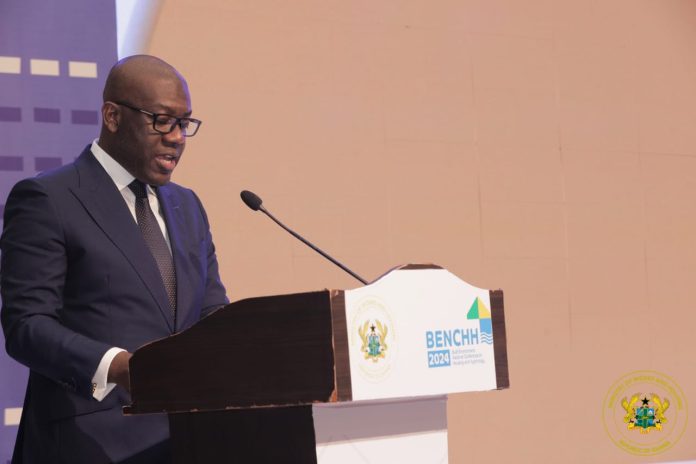
Minister for Works and Housing, Kojo Oppong Nkrumah

Ghana has taken a significant step towards addressing its perennial housing and flooding challenges with the opening of the Built Environment National Conference on Housing and Hydrology (BENCHH) 2024.

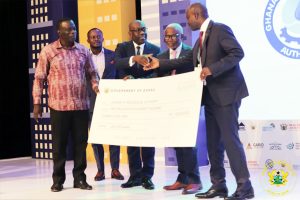
The three-day event, currently underway at the Labadi Beach Hotel in Accra, was formally opened by the Minister for Works and Housing, Kojo Oppong Nkrumah, who also launched the Ghana Hydrological Fund, a crucial initiative aimed at mitigating flood risks and improving water management across the nation.

KON receiving the first cheque for the fund

Addressing a diverse assembly of government officials, industry experts and development partners, Minister Oppong Nkrumah emphasised the critical need for sustainable funding to tackle Ghana’s flooding problems, effectively announcing a GHS 1.5 million in seed funding.

“Government, through the Ministry of Works and Housing, has prioritised an allocation of GHC1.5 million as seed money for the fund,” he announced, calling upon all stakeholders, including development partners to contribute towards the success of the fund, highlighting its role in expediting essential projects such as drainage construction and dredging.

The Minister underscored the severity of Ghana’s flooding problem, particularly during the rainy season, exacerbated by inadequate drainage infrastructure and the escalating impact of climate change.

He revealed that only 2% of drainage channels in the Greater Accra Region, requiring concrete lining, have been addressed, reflecting the urgent need for comprehensive action.

This, he said, the fund aims to provide a structured financial mechanism to expedite necessary projects like drainage construction and dredging help address the country’s flooding problems head-on.

Beyond flooding, Minister Oppong Nkrumah addressed Ghana’s housing deficit, currently standing at 1.8 million units. He acknowledged challenges in affordable housing programs due to funding limitations and project delays, exacerbated by unfinished projects from previous administrations.

The Minister advocated for robust public-private partnerships, offering incentives to private developers to undertake large-scale affordable housing projects.

During the three-day BENCHH 2024 conference, discussions will include regulatory reforms and the establishment of a Works Inspectorate Unit to ensure adherence to building and safety standards.

The Ministry aims to present comprehensive reports on government initiatives, achievements, and challenges, seeking input from stakeholders on innovative approaches.

Minister Oppong Nkrumah expressed confidence in the outcomes of BENCHH 2024, highlighting the potential of collaborative efforts to drive tangible progress in Ghana’s built environment sector.

He urged participants to actively engage in discussions and contribute their expertise towards crafting actionable strategies that address the nation’s housing and hydrology challenges comprehensively.

Feature: Remembering the callous murder of judges and an army officer …Jerry Rawlings Died With Hands Dripping Of Blood!

0
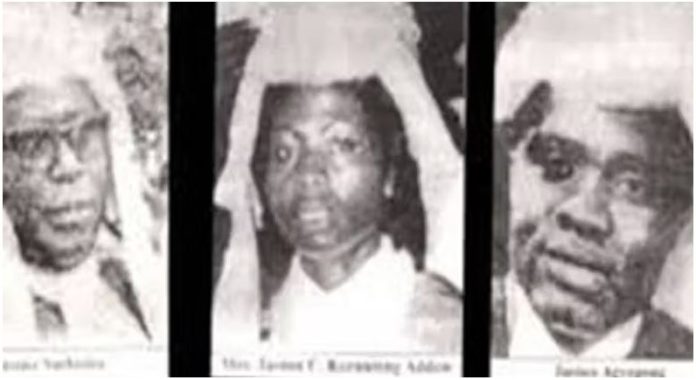
The three judges

“At my age and disposition,” said one British Comedian, “every year without a tombstone is a milestone.” With high blood pressure and an unacceptable sugar level plaguing the body and slowly driving me ‘nearer my God to thee,’ I am on my doctor’s orders  to take it easy, which explains why this column is not regular of late.Officially, I am long retired. But I am not certainly retarded; actively following the political campaign trail.

Sometime last week, I read to my amazement that Naana, the Professor, is claiming that the National Democratic Congress (NDC) initiated the concept of Free SHS. I am still living with the shock.

My instinct told me that the former Vice-Chancellor of the University of Cape Coast might have lost her script. I believe she was referring to the era when classrooms in Ghanawere without chalk.

At that point in time, the woman who is partnering the scandal-soaked ex-President JohnDramaniMahama, on the ticket of the party Jerry Rawlings founded, was once the Minister of Education in this beautiful country, formerly called the Gold Coast.

On Friday, I intend, my health permitting, to do justice to Mrs. Jane Naana Opoku Agyeman’s (un)scholarly pronouncement.

Today, though,it is about visiting the atrocities of the murder of three judges and an army officer to provide a lesson or two for young medical officer,Ms. Zenator Agyeman-Rawlings, who sits in the Legislative House as Member of Parliament for Osu-Klottey.

According to one elderly Ewe man, when loosely translated, Zenator means ‘darkness has stopped’. Apparently, the darkness late Jerry John Rawlings visited on this country through his coup d’etat of June 4, 1979 and December 31, 1981 has never stopped.

Rather, it has worsened with a political party claiming to operate on the basis of his heritage and a daughter claiming that one man’s legacy to the chiefs and people of Ghana could be traced to the blood-letting exploits of one ex-Head of State.

Ms. Zenator Agyeman-Rawlings said not too long ago that the National Health Insurance Scheme (NHIS), with which the regime of Gentle Giant John Agyekum Kufour stopped poor patients from being detained at medical centres in Ghana, was initiated and operated by her father. Lies, Lies, Lies!

If Zenator cares about the legacies of her father, she is encouraged to read this article carefully. Space would not allow me to recount all the atrocities.

In this article, I intend to restrict myself to the callous act of abduction and murder of three high court judges and an army officer on the curfew night of June 30, 1982.

On that very grey night, Mrs. Cecilia Koranteng-Addo, a young justice of the High Court and a nursing mother returned home from court, found something to eat, bathed and in her night gown, was breast feeding her baby girl when the door bell rang.

At that time of the night, with curfew subjecting all Ghanaians to confine themselves to bed or be within the confines of their premises, it was sacrilegious for anybody to visit.

Breast-feeding her baby daughter, the woman of the house asked the baby sitter to check who was at the door.

When the girl opened the gate, she was accosted by a young man in northern fugu, who attempted a wrysmile at her and asked her to ask the woman of the house to come down for an important message.

When the baby sitter brought the news, it did not sit well with the young judge and her husband Mr. Koranteng-Addow, the Director of Public Prosecution at the time.

Mrs. Cecilia Koranteng-Addo left the baby she was breast-feeding and went to the door to see what was really happening. As soon as she stepped outside the door, she was bundled into a waiting Fiat Camporee, which drove off at top speed.

Inside the vehicle were other captives- two other high court judges –Justice Poke Sarkodie and Justice Kwadwo Agyei Agyekum and Major Samuel Acquahrtd.

Thefour captives were driven at top speed and dastardly murdered at the Bundase military firing range in the Accra plains. The victims’ bodies were doused in petrol and set on fire.

Normally, June and July is the peak of the rainy season in Ghana. But 1982 was a different ball game altogether. Drought came with its attended famine, which devastated the land. Somehow, on the very night that the victims were set ablaze, rain fell heavily only in and around the site where the bodies were set ablaze, quenching the raging fire and exposing the atrocities for all to see.

A shepherd attending his sheep was the first to encounter the atrocities. He quickly reported the carnage to his chief, who alerted the police. When the information got to Accra, police and military officers were dispatched to verify and gather the bodies.

Before the official announcement of the crime, the state information outlet, the Ghana Broadcasting Corporation, had announced a government statement informing Ghanaians that judges were to be provided with security.

Why that kind of announcement, when judges already had security attached to their assignment, was a major puzzle.Then came the bombshell.

According to an official announcement from the office of the PNDC, enemies of the so-called revolution had abducted three judges and an army officer. When the bodies were found, the Provisional National Defence Council bulletin said, the bodies of the victims had been found at the Accra Plains. It deliberately avoided the mention of the Bundase Military Range. I hope you have already guessed why.

Following persistent pressure from the general public, the PNDC appointed former Chief Justice, Mr. Samuel Azu Crabbe, to investigate the abduction and murder.

The Special Investigation Board (SIB) appointed a top police crime officer, Chief Superintendent of Police Jacob Jebuni Yidana, who led the SIB to discover the identity of the five culprits.

They were led by Lance Corporal Samuel Amedeka, who was on guard duties at the Broadcasting House and Micheal Senya, both serving military officers, together with Johny Djandu and Tonny Tekper, who had been discharged from the army for various disciplinary reasons.

I know it is a taboo topic in a country where the truth is bitter, but I would not hesitate to add that there was a huge tribal dimension to the abduction and murder.

All the four victims were Akans, while all four perpetrators were Ewes. This is a fact universally acknowledged. The linkman was Amartey Kwei, a Ga and member of the PNDC. It was Amartey Kwei who took the murderers round during the day of June 30,1982 to show them where the victims lived.

One significant issue that was clearly on display and could not mask the hands of Jerry Rawlings is that all the murderers, with the exception of Amedeka, who was on guard duties at GBC, lived at the Boys Quarters of the junta head’s Ridge Residence at the time of the incident.

I hope nobody is going to throw any bunkum at me for telling the truth. It is highly unlikely for any rational human being to house a group of people without knowing what they were in the house for.

Unfortunately for Rawlings and his PNDC, the murderers sang like parrots.Under arrest, they told their investigators that they could not believe why they were under arrest for doing their duties to Jerry Rawlings and his PNDC, when their main role was to murder on behalf of their boss and his PNDC.

They owned up to the murder of Yeye Boy, a popular Jujuman in the Volta Region, who was murdered and his body openly displayed at the Ho Sports Stadium in the early days of the December 31 coup d’état.

It was one murder most foul. But the common denominator was that all the four judges were sitting and reversing wrong judgments handed to Ghanaians by Kangaroo courts,during the era of the Armed Forces Revolutionary Council misrule.

One of my greatest regrets as a Ghanaian is that men and women endowed with grey matter, still believe in the mayhem visited on Ghanaians, to the extent that they are prepared to lay down their lives for a party Jerry Rawlings signed into existence with his blood.

Hang on, dear reader. Do you know what was visited on Police Officer Yidina for exposing the real Mackoys behind the abduction and murder? He was confined to prison custody for no reason, until the eve of his death.

I dedicate this piece to the memory of late Yidinaand the daughter of late Mrs. Cecelia Koranteng Addo. May the Almighty look upon her well, wherever she may be.

If you ask me why I have problems with that registered political partyborn out of the atrocities of the PNDC, there is your answer. I hope and pray that one day, Zenator, especially, will acknowledge the truth.

I shall return!

Ebo Quansah in Accra

Sale of SSNIT Hotels: Forum calls for immediate termination of deal

0
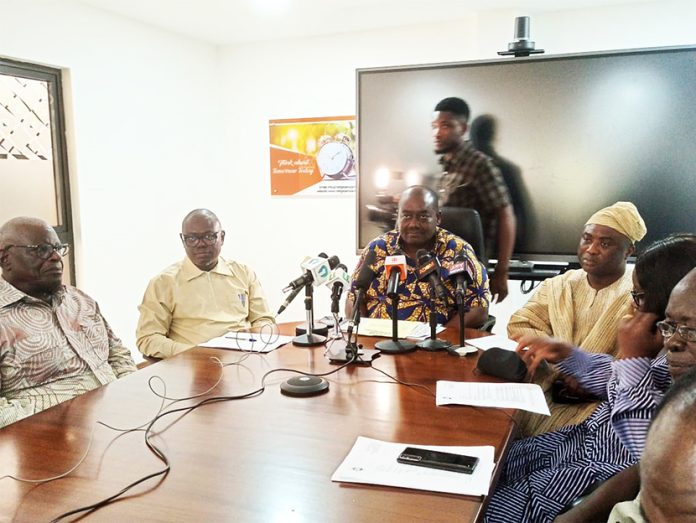
Mr Isaac Bampoe Addo sepaking to the press

The Forum for Public Sector Associations and Unions has called for the immediate termination of processes towards the sale of majority stakes of four hotels belonging to the Social Security and National Insurance Trust (SSNIT) to Rock City Hotel Limited.

The Forum said information it had gathered regarding the transaction suggested that Rock City hotel did not have the financial capacity to purchase and manage the said hotels outright.

At a press conference in Accra on Tuesday, the Group said a Report by SEM Capital, the financial advisors for the deal, suggested that the decision to sell 60 per cent stake of the SSNIT hotels to Rock City was not transparent.

Mr Isaac Bampoe Addo, Chairman of the Forum, said the Group would declare an industrial action if the government failed to terminate the transaction.

Concerns have been raised about the decision by SSNIT to select Rock City Hotel as the “strategic investor” to acquire 60 per cent stake in four of its hotels – Labadi Beach Hotel, La Palm Royal Beach Resort, Elmina Beach Resort and Busua Beach Resort.

The Forum proposed changes in the management of the affected hotels to make them profitable as against their sale, which they said may not be in the interest of workers contributing to SSNIT.

“Having studied the latest report by the Transaction Advisor and other related documents on the sale of 60 per cent shares of four SSNIT hotels, the Forum for Public Sector Associations and Unions is convinced that the whole arrangement is not in the interest of the Ghanaian worker,” Mr Addo said.

“The FORUM hereby reiterates that the deal and the processes leading to their sale should be terminated immediately to forestall any industrial action,” the Group added.

The National Pensions Regulatory Authority (NPRA) has ordered SSNIT to suspend the transaction, after a Board meeting on June 25, 2024.

In a statement, the Authority said the directive was in compliance with Section 67(2) of the National Pensions Act, and to allow for evaluation of the processes involved.

The Forum said it was not convinced by the directive by the NPRA as it did not imply that the transaction would be cancelled.

“They are saying suspension and we are calling for termination. The two are not the same. If they fail to terminate this deal, we are going to strike,” Mr Addo said.

By Edward Acquah

GNA

Akufo-Addo outlines agenda to accelerate SDG implementation

0
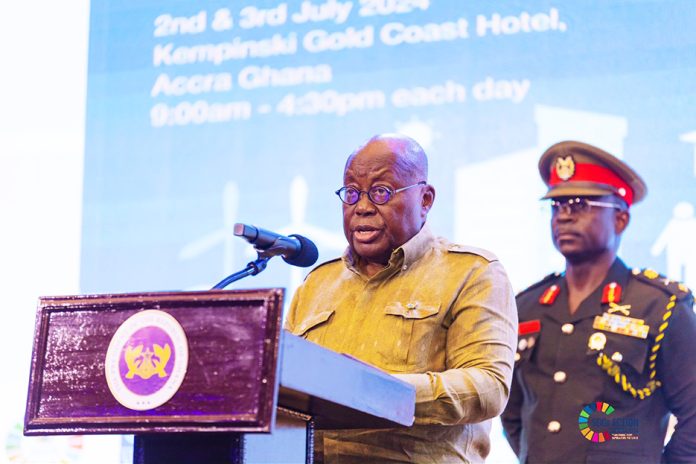
President Akufo-Addo addressing the summit yesterday

The President, Nana Addo Dankwa Akufo-Addo, has presented a four-point agenda to accelerate the implementation of the Sustainable Development Goals (SDGs). The four-point agenda included unlocking finances, public-private partnerships and building resilient infrastructure.

President Akufo-Addo outlined the agenda on Tuesday, July 2, 2024 at the opening ceremony of the SDGs Action Summit 2024, currently ongoing in Accra, on the theme: “From Mid-point to Success: Recommitting, Scaling up and Accelerating action on the SDGs.”

The President proposed that the implementation of the SDGs could be accelerated if there was a focus on unlocking financing.

According to the President, Africa is committed to the implementation of the SDGs, but the persistent financing gap was the bottleneck derailing the efforts.

He indicated that the continent required an additional $1.3 trillion annually to achieve the SDGs by 2030, citing estimates from the United Nations Economic Commission for Africa (UNECA).

The president recommended measures to address the challenges, including enhanced domestic resource mobilisation through improved tax collection, combating illicit financial flows and promoting transparency in public financial management.

He mentioned that another way to address the financing challenge was through public-private partnerships (PPPs). He explained that such PPPs would bridge the financing gap. The President also advocated creating an enabling environment through smart policies to attract private capital for critical infrastructure projects, healthcare, education and renewable energy initiatives.

HUMAN CAPITAL

On his second point of the four, President Akufo-Addo proposed prioritising human capital development in Africa. He emphasised Africa’s unique position, considering that 60% of its population was under the age of 25, adding that there was a need to invest strategically in the youth.

He cited increasing access to quality education, focusing on Science, Technology, Engineering and Mathematics (STEM).

According to the President, the significance of vocational training and skill development to equip the youth cannot be overemphasised, as they afford the practical skills needed in various sectors.

INNOVATION

The third point on the agenda that President Akufo-Addo mentioned was driving innovation in critical sectors of Africa’s economy.

Here, he highlighted the potential of financial integration across borders and renewable energy technologies to scale up and accelerate SDG action.

President Akufo-Addo envisioned a future where capital flows seamlessly across borders, businesses access broader markets and communities gain greater access to financial services, promoting inclusive and sustainable development.

RESILIENT INFRASTRUCTURE

On his last point, President Akufo-Addo proposes a focus on building resilient infrastructure to withstand global shocks and stresses.

Highlighting the vulnerabilities exposed by the COVID-19 pandemic and geopolitical tensions, President Akufo-Addo called for the development of reliable infrastructure to support diverse economic activities.

He also stressed the importance of providing smart insurance schemes for financial protection to vulnerable communities and businesses.

He said that, “together, we can build a sustainable and prosperous Africa that leaves no one behind” and called for collective efforts to achieve the transformative change needed to meet the SDGs by 2030.

In a welcome address, the Presidential Advisor on the SDGs, Dr. Eugene Owusu, highlighted the challenges facing the implementation of the SDGs, including the deficit in financing.

“All these challenges are reinforcing deprivation across the continent, exacerbating poverty, fueling instability, widening inequalities in countries and sharply contributing to the deterioration of our planet,” he said.

Editorial: Has Gov’t Lost The Fight Against Illegal Mining?

0
Editorial

Polling Station Executives of the New Patriotic Party (NPP) in the Ahafo-Ano South East community of Sabronum, in the Ashanti region, have according to a story we have published in our today’s edition, threatened to suspend working for the party, ahead of the December General Elections.

The agitations of the polling station executives stem from what they have described as wanton illegal mining activities going on in the district, particularly Sabronum, destroying their only source of drinking water – River Asuonfou, which takes its source from the Kwamisa Forest Reserve.

“We are using this opportunity to inform leadership at Constituency, Regional and National levels of our decision to stay away from all party activities at Sabronum. Together, we can make a difference and ensure a sustainable future for Sabronum”, they said in a statement.

According to the execs, they are expressing their frustration and opposition to the pollution of the only source of drinking water available to the community by galamseyers (illegal miners).

“The Polling station executives of Sabronum are deeply concerned about the ongoing illegal mining activities, also known as galamsey, that are destroying our precious water bodies”, they noted.

The decision to boycott party activities is an internal matter The Chronicle is not interested in getting involved. Our concern is the fundamental issue of illegal mining they have raised, which according to them is destroying their water bodies.

This is a community that does not properly have access to treated water and, in most of the cases, have to rely solely on the stream that had also served their forefathers.

But in the name of mining, a group of people have destroyed this water body and the residents now have no source of drinking water.

This is a serious matter that must not be taken lightly by the authorities concerned. Illegal mining and the accompanying destructive activities have been the pain in the neck of all Ghanaians.

The government in collaboration with the media took the giant steps to fight the menace, but despite setting up various taskforces, the problem still persists.

The situation has been exacerbated by the fact that this year being an election one, all the rules and regulations appear to have been relaxed.

We are no more hearing of soldiers or police invading illegal mining hubs and arresting the perpetrators.

This development has created the wrong impression in the minds of these illegal miners that they can do whatever they want to do because the security agencies are no more chasing them.

As we have always stated in this column, we, as a country, and the government in particular, seem to have underestimated the impact illegal mining is having on this country of ours.

Because those who are supposed to take the decisive actions are staying in Accra, Kumasi, Takoradi and other big towns and cities, where they enjoy treated water, they seem not to care a hoot about the suffering masses are going through in the rural areas.

Today, the people of Sabronum have mustered the courage to come out to tell their story, but there are thousands if not millions of rural dwellers who are also suffering at the hands of illegal miners except that their voices have not yet been heard.

Ghana is a developing country that does not have the resources to provide development projects at every nuke and cranny of this country.

In the case of water supply, most of the rural dwellers rely on these water bodies that are being destroyed through mining.

The big question is; What do we want the people to do when the state cannot provide all their needs?  This is the reason why we earlier stated that we, as a country, have not sat down to analyse the impact of illegal mining.

The fact that we are having elections later this year does not mean licenses have been given to individuals to destroy our environment without any restraint by the government.

The Chronicle is, therefore, appealing to President Akufo-Addo to put his feet down and address the illegal mining conundrum.

We shall surely return to this subject.


109 private universities operating in Ghana

0
The head of the Civil Service, Dr. Evans Aggrey-Darkoh,speaking at the function as the guest speaker.

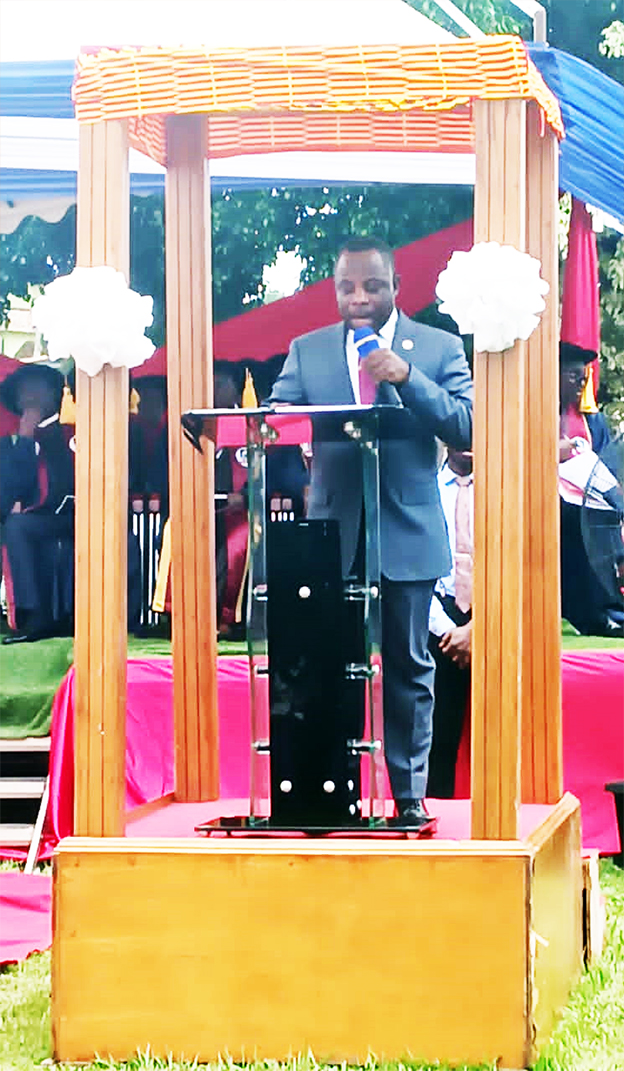
The Head of the Civil Service, Dr Evans Aggrey-Darkoh, has disclosed that Ghana has a total of 109 private universities that are complementing efforts by the government to provide higher quality tertiary education, which is the cornerstone for national development.

Quoting Ghana Tertiary Education Commission (GTEC), he said the number of students enrolled in public universities in Ghana in the 2022/23 academic year was 422,583 whilst the private ones enrolled was 69,629.

Dr.Aggrey-Darkoh disclosed this at the 9th graduation and matriculation ceremony of the Christ Apostolic University College (CAUC) in Kumasi, over the weekend.

The ceremony was under the theme:“Delivering the Public Good; Government, Private University Partnership in Tertiary Education”. About 243 students graduated with degrees, diplomas and certificates.

The upsurge in higher educational institutions, he told the function, indicated the significant role private universities are playing in bridging the tertiary education gap.

‘Tertiary Education is essential for National Development. It is a cornerstone of national development. It equips individuals with the knowledge and skills necessary to innovate, solve complex problems and drive economic growth. Indeed, education at the highest level equips individuals with the requisite tools to think.”

Touching on the theme of the event, Dr. Evans Aggrey-Darkoh underscored that the public and private universities have a common goal in developing the human capital base of the country.

“I must say, government and private universities share a common goal – to provide quality education as espoused in SDG four. Through partnerships, we can increase access to education, foster innovation and research, develop skilled workforce, enhance academic excellence and promote social mobility and stability”, he said.

He noted that the private universities had challenges and chief among them are access, enhancing educational quality, fostering innovation and research, creating employment opportunities, attracting investment, developing human capital, and promoting global competitiveness.

Earlier, the Chancellor of CAUC, Apostle Samuel Frimpong, implored the graduating students to be resilient. He also charged them to step out of their comfort zones and acquire new skills.

“Step out of your comfort zone, learn new skills, unlearn old ones, and relearn. These are necessary if you are to stand out in the workforce. Explore new fields like entrepreneurship and do not rely solely on the government for employment. God is always ready to bless every effort you put into creating your own work.”

Apostle Frimpong reminded the students that employers are on the lookout for soft skills in addition to their academic qualifications

He urged them to acquire skills such as creativity, good communication skills, problem solving and complex thinking abilities among others.

“As you enter the workforce, challenges will arise, but you must be determined to overcome them. Employers today look beyond what is written on paper. Often, you will be asked why you should be hired during job interviews.”

Chancellor Frimpong charged the graduating students to adopt the habit of learning since such practice was essential in the modern world.

The Silent Thief – Diabetic Retinopathy and Vision Loss

0
Opinion

As diabetes cases rise, the risk of diabetic retinopathy grows, making awareness and taking medical measures crucial for protecting vision and preventing blindness. Diabetes is a serious health condition that can lead to total blindness and other complications if not managed properly.

One of the most common complications is DIABETIC RETINOPATHY, which can damage your vision if preventive measures are not taken immediately. Don’t panic as with the right knowledge and care, you can prevent or delay vision loss. In this article, we will explain what diabetic retinopathy is, how it affects your eyes, and what you can do to protect your vision.

Diabetic Retinopathy (DR) is a complication of diabetes that affects the blood vessels in the retina, the light-sensitive tissue at the back of the eye causing them to become weak, leaky, or blocked. This can lead to vision loss or even blindness.
It is a leading cause of blindness worldwide not just in Ghana. Diabetic Retinopathy also known as “diabetic eye disease “ affects 80 percent of those who had/has stage 1 and 2 diabetes for years, that is 20 years and above.

Diabetic Retinopathy or diabetic eye disease are classified into four stages, each with increasing severity and potential vision loss. These stages are; Mild nonproliferative diabetic retinopathy. This is the earliest stage of diabetic retinopathy. It is characterized by tiny swellings or bulges in the blood vessels of the retina. These areas of swelling are known as microaneurysms (MA) which can only be detected by medical doctors.

That’s why it’s essential to have a regular eye checkup because people with undetected diabetic retinopathy are at risk of vision loss over time. Next is Moderate nonproliferative diabetic retinopathy, At this stage, tiny blood vessels in the retina start to swell. This blocks blood flow to the retina and prevents it from receiving proper nourishment.

Additionally, it is Severe nonproliferative diabetic retinopathy, At this stage, blockage of a larger number of blood vessels in the retina occurs. This causes a significant decrease in blood flow to the area. The lack of blood flow triggers a signal to the body to start growing new blood vessels in the retina.

Then finally, we have Proliferative diabetic retinopathy, At this advanced stage, new blood vessels continue to grow in the retina which are extremely thin and fragile. These blood vessels cause scar tissue to form inside the eye. This scar tissue can pull the retina away from the back of the eye, causing retinal detachment. A detached retina typically results in permanent blindness.

It’s essential to note that vision loss can occur at any stage, and prompt treatment is very important to prevent or delay progression. People with Diabetic retinopathy start to experience Blurry vision , Double vision , Floaters (dark spots or cobwebs) , Distorted vision (straight lines appear wavy) and Blind spots or missing areas of vision.

By managing your blood sugar levels and getting regular eye exams are vital for early detection and management. And should in case you do develop this condition, know that advanced treatments like laser surgery, VEGF( Vascular Endothelial Growth Factor )injections, and vitrectomy are available to help restore your vision.

In conclusion, People with diabetes can safeguard their vision and quality of life by understanding diabetic retinopathy and taking preventive steps. Also, Early detection and timely treatment are essential to prevent vision loss, so it’s crucial not to delay when signs are being noticed.

Fortunately, advances in treatment and management offer hope for individuals with diabetic retinopathy to maintain their vision and live a full life.
#DiabeticRetinopathyAwareness
#SaveyoursightSaveyourlife
Peterlyn Mensah16:14

Editor’s note: Views expressed in this article do not represent that of The Chronicle

The Ghanaian Chronicle