Home Blog Page 1258

Finland to return pandas to China early due to cost

0
Panda

A zoo in Finland is to return two giant pandas to China eight years early, saying it can no longer afford to look after them.

Lumi and Pyry were brought to Finland in 2018, after the two countries signed an agreement to protect the animals.

They were meant to stay in the Nordic country for 15 years but will be sent home in November – with Ähtäri Zoo blaming inflation and debt linked to the Covid pandemic as reasons for the panda’s eviction.

It said it had spent €1.5m (£1.2m) a year on the pandas upkeep, as well as more than €8m on their enclosure.

That annual cost included a preservation fee to China, the zoo’s chairman said.

Another factor in the decision to return the pandas was the Finnish government rejecting pleas for state funding last year.

It was hoped the bears would bring in visitors, but the zoo revealed last year that it was discussing their return.

Lumi and Pyry will soon go into a month-long quarantine before they are shipped back to China.

A spokesperson for Finland’s foreign ministry said the pandas’ return was a business decision that did not involve the government, and that it should not impact relations between Finland and China.

Finland’s Chinese embassy, meanwhile, told the Reuters news agency that while efforts had been made to try and help the zoo, a join decision was eventually made to send the animals back.

China sends pandas to foreign zoos to strengthen its trading ties, relationships and image abroad –termed ‘panda diplomacy’.

Credit: bbc.com

Murder of Paris student fuels anger at failed deportation

0
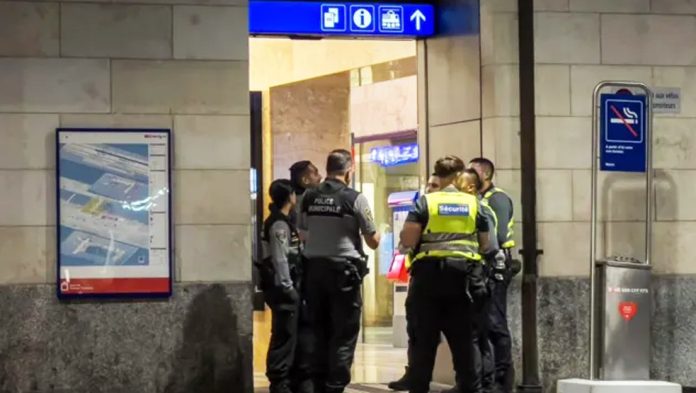
The suspected killer was arrested by police at Geneva train station

The murder of a 19 year-old female student in an exclusive neighbourhood of Paris is fuelling new calls from the French right for tougher action on immigration. The body of the young woman, named only as Philippine, was found on Saturday, half-buried in the Bois de Boulogne park on the western edge of the capital.

She had last been seen on Friday lunchtime a few hundred metres away, as she left the Paris-Dauphine university campus where she was studying economics. The suspected killer was traced to Geneva, where he was arrested on Tuesday and awaits deportation to France. He is a 22 year-old Moroccan man who was released from detention in France earlier this month after serving five years for raping a student in 2019.

Named by French media as Taha O, he was the subject of an expulsion order from France, which had not been carried out.

For France’s hardline new interior minister Bruno Retailleau, it is a first test after he took office last week promising that his top three priorities would be to “establish order, establish order and establish order.”

“It is up to us as public officials to … change our legal arsenal in order to protect the French,” he said on the X social media platform.

The far-right National Rally (RN) seized on the murder as more evidence of the laxity of the French judicial system.

“This migrant had no right to be here, but he was able to offend again in total impunity. Our justice is too lenient; our state is dysfunctional. It is time for the government to act,” said the RN’s president, Jordan Bardella.

With more than 120 members of parliament, the RN has leverage over the minority government of Prime Minister Michel Barnier because it can decide at any time to support a vote of no confidence and potentially bring it down.

Currently fewer than 10% of French expulsion orders are carried out, according to government figures.

Credit: bbc.com

Russia planning attacks on Ukrainian nuclear power plants, Zelensky warns

0
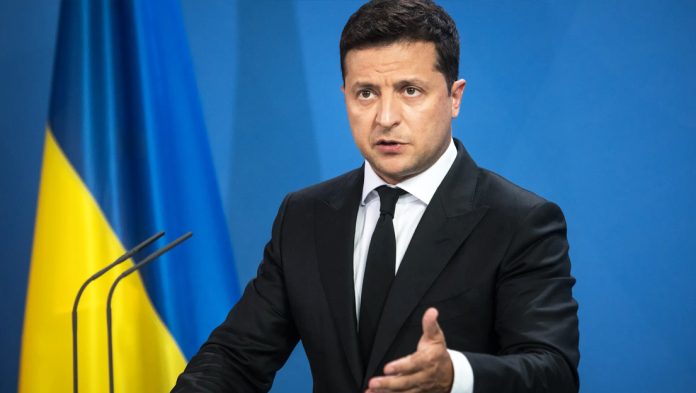
Ukrainian President Volodymyr Zelensky

Russia is planning to attack Ukrainian nuclear power plants, aiming to disconnect them from the energy grid, Ukrainian President Volodymyr Zelensky told the United Nations, warning such attacks risk “nuclear disaster”.

Zelensky told the UN General Assembly “radiation does not respect state borders.”


Since Russia “can’t defeat our people’s resistance on the battlefield,” Zelensky said Russian President Vladimir Putin is “looking for other ways to break the Ukrainian spirit.”

For a third winter, Russia is stepping up its strikes on Ukraine’s energy grid in a bid to leave Ukrainians in the “dark and cold,” Zelensky said.


Zelensky’s address to the UN came shortly before he is set to discuss his “victory plan” with United States President Joe Biden, which is expected to include Kyiv’s long-stated request to use long-range missiles to strike military targets inside Russia.


In his speech Zelensky recalled the “horrifying” moment in the first weeks of the war when Russian attacks on the Zaporizhzhia Nuclear Power Plant (ZNPP), the largest in Europe, stirred fears among Ukrainians of another Chernobyl-style disaster.


“No one could know how Russian strikes on the nuclear facility would end, and everyone in Ukraine was reminded of what Chernobyl means,” he said.

Credit: cnn.com

Hezbollah fires missile at Mossad HQ near Tel Aviv, but intercepted by Israeli air defence systems

0
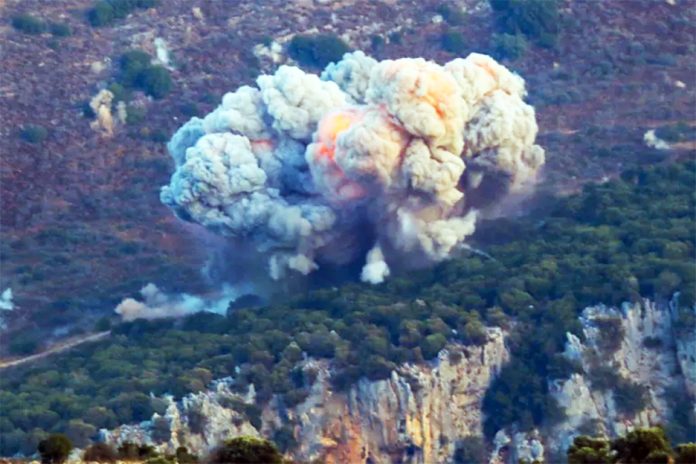
Hezbollah fires missile

Hezbollah has fired a ballistic missile targeting Mossad’s headquarters near Tel Aviv, the Lebanon-based group said.

Warning sirens sounded in Tel Aviv on Wednesday as a surface-to-surface missile was intercepted by Israeli air defence systems after it was detected crossing from Lebanon, the Israeli military said.

Hezbollah said that the building targeted was where the Israeli intelligence agency planned the recent attacks using pagers and other wireless devices. The launch came amid Israel’s bombardment of Lebanon, which has killed at least 500 people and forced tens of thousands to flee.

It is the first time that the Iran-backed armed group has claimed a ballistic missile strike since October when hostilities with Israel were triggered by the war on Gaza.

“The Islamic Resistance launched a ‘Qader 1’ ballistic missile at 6:30am (03:30 GMT) on Wednesday, 25-9-2024, targeting the Mossad headquarters in the outskirts of Tel Aviv,” Hezbollah said in a statement. “This headquarters is responsible for the assassination of leaders and the explosion of pagers and wireless devices.”

The group added that the strike was carried out in support of the people of Gaza and “in defence of Lebanon and its people”.

The Israeli military said it was the first time a projectile fired from Lebanon had reached central Israel.

There were no reports of damage or casualties in Israel and the military said there was no change to civil defence instructions for central Israel.

The Israeli Air Force said in a post on X that its planes had struck the launcher from which the missile was fired in the area of Nafakhiyeh in Lebanon.

Credit: aljazeera.com

Orleans-Lindsay adjudged Business Personality of the Year 2023

0
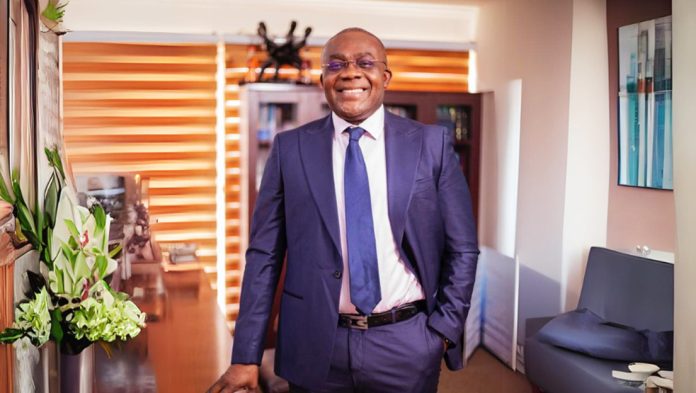
Dr James Orleans-Lindsay, the best Business Personality of the Year 2023

The Executive Chairman of JL Holdings Ghana, Dr James Orleans-Lindsay, has been adjudged the Business Personality of the Year 2023 at the 11th ‘Made in Ghana’ awards held in Accra.

The award was in recognition of Dr Orleans-Lindsay’s transformational and exceptional leadership qualities and strategic vision which have immensely impacted Ghana’s real estate industry over the past years.

His hard work has led to the transformation of the one-time Achimota dumpsite/quarry into one of the cleanest gated communities in Ghana.

The award was also in recognition of Dr Orleans-Lindsay’s commitment to providing social infrastructure, promoting culture to boost tourism and the empowerment of the youth to ease the challenges of unemployment in the Cape Coast Metropolis.

Dr Orleans-Lindsay ranks among Ghana’s most cherished business leaders, employing hundreds and engineered corporate accomplishments across construction, advertising, security, supplies and consultancy.

He is CEO of a dozen companies, most prominently, JL Properties, which is responsible for transforming the one-time Achimota dumpsite/quarry into the cleanest estate in the country.

The 2023 ‘Made in Ghana Awards’ is an initiative of the Entrepreneurs Foundation of Ghana, aimed at celebrating companies and individuals for demonstrating overall product and service quality, competitiveness and innovation, offering a point of difference from competitors.

In all, over 30 companies and individuals were recognised for their immense contribution to the Ghanaian economy.

The Founder of Entrepreneurs Foundation Ghana, Sam AtoGaisie said the key objective of the awards is a campaign to provide a platform for Ghanaian consumers to patronise Ghanaian-owned products and service industries and encourage Ghanaian service industries to make significant improvements in service quality, delivery and innovation to meet challenges of international standards.

Over 1,000 registered voters in Manhyia South declared void 

0
Lawyer Nana Agyei Baffour Awuah – Manhyia South PC, complainant

About 1,000 voters believed to be sympathisers of the National Democratic Congress (NDC) and said to have fraudulently registered during the voter transfer exercise in the Manhyia South constituency have been declared void.

The New Patriotic Party (NPP) Parliamentary candidate for the constituency, Nana Agyei Baffour Awuah objected to the registration following his suspicion that the voter transfers had been engineered by the NDC, with the aim of boosting the NDC’s chances in the Manhyia South Constituency in the 2024 elections.

The PC then mobilised polling station executives of the party (NPP) in the constituency and some residents of the constituency to ascertain the true identity of the purported voters on the transfer list, whether they were residents in the constituency or not, to complete the objection Form pursuant to Regulation 23 of C.I. 91.

Baffour Awuah later lodged a complaint with the Electoral Commission (EC) pursuant to Regulations 23 (2) (c ) and (d), 24 (2) (f) and 25 (1) of C.I. 91 to the effect that the over 1,000 voter transfers involved  persons who do not live in the Manhyia South constituency.

The EC subsequently referred the matter to the Magistrate Court at Prempeh Assembly Hall, Kumasi, for determination.

Last Friday, September 20, 2024 landlords of the properties where the over 1,000 registered voters were said to be living testified before the court and categorically denied the said persons as tenants in their properties.

Her Worship Deborah Gyaawa Donkor, the presiding Magistrate, over the objection to the 1,000 fraudulent voter transfers to the Manhyia South Constituency, therefore, upheld the claim by the complainant per the EC and declared the said transfers null and void.

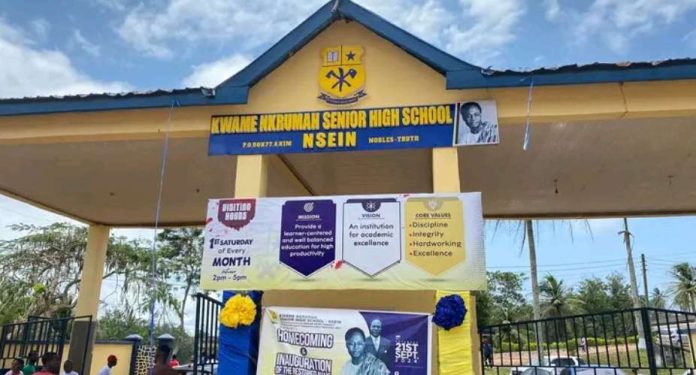
Kwame Nkrumah Senior High School, Nsein Restored

0
Kwame Nkrumah Senior High School, Nsein

The Nsein Senior High School in the Nzema-East Municipality has been restored to its former name, Kwame Nkrumah Senior High School, in honour of the first President of Ghana, Osagyefo Dr Kwame Nkrumah, who established the school.

The School, which was originally christened Osagyefo Dr Kwame Nkrumah Secondary School, and later changed to Axim Secondary School, before its current name, was established on January 19, 1960, with nine students.

The move followed the ratification of a Charter with the Nsein Old Students Association (NOSA) and the Paramount Chief of Nsein Traditional Area, AwulaeAgyevi Kwame and the government.

The inauguration, which coincided with the climax of the annual Kundum festival of Lower Town Axim and Nsein Traditional Area, was used to commemorate and glorify the 115th birthday celebrations of Osagyefo Dr Kwame Nkrumah, for his pioneering role in quality education delivery in the country.

Speaking on the theme: “Honouring Our National Heroes and Heroines: Inspiring Current and Future Generations to Carry Forward, Their Legacy”, a member of the Council of State, Professor Ato Essuman, asked people in the area to reflect on the vision, courage, selflessness, will and determination of Dr Kwame Nkrumah to succeed in whatever endeavour they pursue.

He said Ghana’s decision to honour Osagyefo Dr Kwame Nkrumah by observing his birthday as a national holiday was a laudable one, as we are reminded of the impact a single individual could have on the course of history.

Prof Essuman lauded the extraordinary contributions of Dr Nkrumah to society as “he displayed courage and selflessness in fighting for a cause greater than himself”.

The Paramount Chief of the Nsein Traditional Area, AwulaeAgyevi Kwame, said it had become necessary to change the name of the school to its original name, which was changed after the 1966 coup to glorify and honour Kwame Nkrumah.

He said the School is old and its existing infrastructure is overused and appealed to the government to turn her attention to the school.

AwulaeAgyevi Kwame also appealed to the government to expand the school on a one-mile land to make it Kwame Nkrumah University College of Agriculture.

The Principal of the School, Mr Isaac Sowah Kumah, expressed profound gratitude to the Nsein Old Students Association and the Paramount Chief of Nsein Traditional Area, for their role in helping to restore the name of the School.

He said, “the onus now lies on the School to work to justify the restored name”.

Mr Kumah used the occasion to appeal for more staff members in the Science, Mathematics, English and Visual Arts subjects to augment the staff strength.

He said the school was in dire need of computers for practical lessons, as the first batch of ICT students would be writing their first examination next year.

The Principal said with the completion of a-15-unit one storey building, the school would accommodate a population of 2,384 to run a single-track system.

Chairman of the Publicity Committee, Mr Joseph Martin, lauded the efforts of NOSA, led by Awulae Agyevi Kwame, to spearhead the move to have the name of the school changed to the original name.

He said NOSA was proud to honour Osagyefo Dr Kwame Nkrumah for his greater achievements in the education sector.

Member of Parliament (MP) for Evaloe-Adjomoro Gwira, Mr Kofi Arko NoKoe, used the occasion to appeal to the people to halt illegal mining activities, popularly called galamsey, as it continued to ravage the environment.

Former Member of Parliament for the area and NPP Parliamentary Candidate for the 2024 elections, Madam Catherine Afeku, stressed the need for peaceful elections devoid of any war, fight, or rivalry among political parties.

From P.K. Yankey, Nsein

GNA

Best Times to Drink Water

0
Water

When You Think You’re Hungry

You might really be thirsty. Most people don’t realize they’re actually thirsty when hunger seems to strike. The brain recognizes these triggers as the same. So before you hit the pantry, drink some water first. Then give it a few minutes to see if it satisfies the urge to eat.

When You Wake Up

First thing in the morning is one of the best times to hydrate. Your body has gone through a long fast. For a simple jump start, squirt half a lemon in your first glass of a.m. water for a bright boost of antioxidant phytonutrients, vitamin C, and potassium.

Whenever You Sweat

Anything that makes you sweat — a sauna or a hot tub, time outside on a hot, muggy day — will cause your body to lose fluid. Ditto with exercise. As your muscles warm up, your body perspires to cast off heat. You’ll need to cool down with lots of water.

Before, During, and After Exercise

You need lots of water to replace what you sweat out. How much? Before you work out or spend time outside, fill up your bottle with 16 to 20 ounces of H2O. Drink 6 to 12 ounces about every 10-15 minutes while you’re active. Afterward, drink up again — another 16 to 24 ounces.

When You’re Sick

Hydration is key to healing when you’re sick. Symptoms such as diarrhea, vomiting, and fever can cause extreme water loss. At the first sign of illness, drink lots of water, especially if you’re not hungry. Stay away from alcohol and caffeinated drinks. They’ll dry out your system even more.

When You’re on a Plane

Ever wonder why you get so parched and thirsty when you fly? It’s all about altitude. The higher the plane goes, the drier the cabin air becomes — and around half the air in your cabin flows in from outside. To combat the super-low humidity level, carry on an empty water bottle to fill up as needed during your flight.

When You Get a Massage

Your massage therapist will thank you if you drink water before you hit the table. Your muscles will be softer and more supple, which makes it easier for them to manipulate the tender tissue. This body work releases substances you should flush out afterward with plenty of water, too. This is extra important if you have a deep tissue or other heavy-duty massage.

Before Your Period

You can ease premenstrual discomfort and reduce bloating by drinking lots of water before your period, as well as during. One of the biggest causes of cramps or headaches is dehydration. A recent study of young women with dysmenorrhea — very painful menstruation — found that drinking more water shortened their cycles, eased pelvic pain, and lessened their need for pain relief.

When You Have a Headache

One of the top migraine triggers is dehydration. Some people report that even a slight dip in fluid intake can bring on an intense headache. It also can make you feel fuzzy, and in some cases even require medical treatment. Especially if you’re migraine-prone, keep a water bottle handy at all times and track your intake. If you feel a twinge coming on, a glass can save your day.

Before Eating a Meal

Drinking water before a meal — aka “preloading” — might help you lose weight. A small study tested people who drank 500 milliliters — that’s a little over 16 ounces — of tap or bottled water about 30 minutes before mealtimes and throughout the day as they wished. Over 12 weeks, the preloaders lost almost 3 pounds more than those who didn’t follow the protocol.

When You Want to Lose Weight

Water is more than a calorie-free way to help yourself feel full. It may also rev up your metabolism. In one study, 50 girls with extra weight drank about 2 cups of water half an hour before breakfast, lunch, and dinner with no other changes in their diet. After 8 weeks, they lost weight and lowered their body mass index and body composition scores. Water also speeds up lipolysis, your body’s process of burning fat for energy.

When You’re in a Midday Slump

It’s midafternoon and your energy has left the building. Don’t start a new pot of coffee, though. Instead, have a tall glass of water — maybe sparkling to add some pizzazz — with lemon or other flavoring to bump up your mood. Your hydration state directly affects your mood, memory, and visual perception, the British Journal of Nutrition reports.

How Much Water Is Best?

The U.S. National Academies of Sciences, Engineering, and Medicine say more fluid is better for average, healthy adults — 15.5 cups a day is ideal for men, while 11.5 cups a day from all food and drinks is enough for most women. But this includes hydration from food and all beverage sources. Your own needs depend on your health, how active you are, and the climate where you live. Check with your doctor on how much you need.

Credit: webmd.com

Editorial: Capping The Size Of Parliament Is A Good Call

0
Editorial

The promise contained in the 2024 manifesto of the New Patriotic Party (NPP) to cap the size of Ghana’s Parliament is a timely intervention that must be embraced by all Ghanaians.

As captured in the manifesto, the plan by the NPP and its presidential candidate, Dr. Mahamudu Bawumia, to amend the relevant laws to separate the creation of constituencies from districts, offers a sustainable way forward in cutting down public sector expenditure.

Currently, Ghana has 275 Members of Parliament and the number is likely to be increased to 276 next year, due to the addition of the Guan constituency in the Oti Region.

Article 47 of the 1992 constitution mandates the Electoral Commission (EC) to review the division of Ghana into constituencies at intervals of not less than seven years, or within twelve months after the publication of the enumeration figures, after the holding of a census of the population of Ghana, whichever is earlier, and may, as a result, alter the constituencies.

For us, the promise by the NPP to cap the size of Parliament is one of the standout aspects of the party’s 2024 manifesto. In our opinion, the creation of districts, municipalities and metropolitan assemblies should not automatically lead to the creation of more constituencies, though we concede that it’s a constitutional provision the EC has always been following.

The opinion of the framers of the constitution that larger constituencies should not be handled by one MP is not tenable. MPs are law makers and not development agents. The developments of the constituencies are in the hands of the respective assemblies, headed by a chief executive officer.

Unfortunately, to prove to their constituents that they are helping them, almost all the MPs have turned themselves into development agents. This is what is fueling the perception that one MP cannot handle a constituency considered to be big or densely populated.

A cap on the size of Parliament, we dare say, would not only save taxpayers money, but would also streamline governance. We believe that the decision by NPP to limit the size of Parliament is driven by the escalating cost associated with an expanded legislative body. Every new Member of Parliament means increased expenses, from salaries to administrative support, infrastructure and security, all of which must be borne by the state.

With Ghana’s economy facing its own set of challenges, there is the need to reduce the burden on the taxpayer in all sectors. Already, there have been calls for a bigger chamber than what we currently have, to be able to contain the demands of the work of Parliament. Could it then be assumed that if the size is not capped, years later, we may have to construct another bigger chamber?

Ghana, with a population of 35 million people, has 275 MPs whilst Nigeria, which has a larger population of approximately 223 million population has 496 members at both their Senate and House of Representatives.

South Africa also has a population of about 61 million with 490 MPs and the United States, with approximately 336 million populations has 535 members at its Senate and House of Representatives.

Other examples can be cited. This shows that the size of a country’s parliament does not necessarily correlate directly with its population.

We believe that the promise to cap the size of Parliament will move in tandem with the lean government Bawumia has promised. This is something we support and we will urge Ghanaians to also support it to enable us prioritise good governance, reduce waste and allocate public resources more effectively.

A cap on the size of Parliament will align with the broader principle of responsible and accountable governance. Ghanaians are increasingly demanding value for money in terms of the services the government provides.

By curbing the automatic expansion of the legislature, the NPP is acknowledging these calls and committing itself to better governance. They should thus fulfil this promise and the National Democratic Congress (NDC), which has also pledged to scrap the payment of ex-gratia, should also not disappoint the voters if given the nod.

We think that a smaller Parliament has the potential to be more responsive and attuned to the needs of the people. We must ensure that Parliament remains a body that serves us, not a growing financial burden.

We, however, hope that the pledge to cap the size of Parliament is not just a political promise, but the necessary step towards  a more sustainable and accountable governance.

Feature: The Case for a Forensic Audit of Ghana’s Voter Register: A Call for Transparency and Accountability

0
Feature

Introduction

The integrity of a nation’s electoral process is the bedrock of its democracy, ensuring that the will of the people is accurately reflected in election outcomes. Ghana, long celebrated for its stable democracy in a region often troubled by political instability, is now facing a pivotal moment.

Recent concerns raised by the National Democratic Congress (NDC) during the voter register exhibition- specifically, the detection of systemic control breaches leading to massive voter transfers between constituencies- have highlighted potential vulnerabilities in the Electoral Commission’s (EC) voter management system.

Despite the EC’s assertion that it has rectified these anomalies, the NDC’s call for a forensic audit is a crucial step to ensure transparency and accountability in the electoral process. This article makes a persuasive case for why such an audit is necessary, and why the EC’s claims of rectification alone are insufficient to restore public trust.

The Role of the Voters’ Register in Democratic Governance

A nation’s voter register is the foundation of its electoral process. It determines who has the right to vote and ensures that every eligible citizen has the opportunity to participate in choosing their leaders. The accuracy of the voter register is critical not only for the conduct of free and fair elections but also for the legitimacy of election results.

Any significant errors-such as the inclusion of ineligible voters, exclusion of legitimate voters, or unauthorized transfers of voters-can undermine the electoral process and raise questions about the fairness of the results.

In Ghana, the voter register has historically been a point of contention. The process of voter registration, verification, and exhibition has often been met with accusations of irregularities from political parties and civil society organizations. These concerns have made it imperative that the EC’s voter management system operates with the highest standards of accuracy, transparency, and accountability.

Nature of the Alleged Control Breaches

During the recent exhibition of the voter register, the NDC reported significant anomalies, most notably the transfer of voters from constituencies in the Northern Region, such as Tamale South and Sagnarigu, to constituencies in the Upper East Region, particularly Pusiga. These transfers raised concerns about unauthorized changes being made to the voter roll without the consent or knowledge of the affected individuals.

Additionally, the NDC highlighted the duplication of names and pictures of individuals on the register. These breaches suggest potential weaknesses in the EC’s control mechanisms, which may have allowed for manipulation or unauthorized access to the voter management system. If left unaddressed, such issues could severely undermine the credibility of the electoral process.

The Case for a Forensic Audit

In light of these allegations, a forensic audit of Ghana’s voter register is not just justified-it is essential. A forensic audit is a specialized investigation that goes beyond routine checks to uncover systemic vulnerabilities, assess compliance with established controls, and verify the authenticity of corrective actions. It is a tool of transparency that, when employed, assures all stakeholders that the electoral process is free from manipulation and error.

Independent Verification and Assurance

One of the core principles of auditing is the need for independent verification. When questions arise about the integrity of a system as crucial as the voter register, internal corrections are not enough to restore confidence. A forensic audit would allow for an impartial assessment of the EC’s voter management system, examining whether the alleged breaches were isolated incidents or indicative of deeper, systemic issues.

Forensic audits are commonly used in electoral processes worldwide to verify the integrity of voter management systems. For example, after the 2017 Kenyan general elections, a forensic audit of the Independent Electoral and Boundaries Commission’s (IEBC) systems uncovered significant vulnerabilities in the way voter data was managed. This audit not only identified areas for improvement but also restored public confidence in the electoral process.

In Ghana’s case, an independent forensic audit would provide objective evidence to either substantiate or refute the NDC’s claims, while offering a comprehensive assessment of the EC’s voter management system.

Addressing Systemic Weaknesses

The anomalies reported by the NDC suggest potential systemic control weaknesses within the EC’s voter management system. These weaknesses could stem from a variety of factors, including technical glitches, human error, or unauthorized access. A forensic audit would conduct a thorough investigation of the system architecture, data flows, and security protocols to identify the root causes of these anomalies.

Specifically, a forensic audit would seek to answer key questions:

Were there sufficient access controls in place to prevent unauthorized changes to the voter register?

Was there an adequate audit trail to detect and log changes made to voter records?

Were there any external threats to the integrity of the system, such as hacking or data breaches?

These questions are critical to ensuring the long-term integrity of the EC’s voter management system. Addressing systemic weaknesses now would not only resolve the current issues but also help prevent future vulnerabilities.

Building Public Trust

Public trust in the electoral process is paramount to the success of any democracy. When allegations of irregularities surface, the perception of fairness is just as important as the actual integrity of the system. Even if the EC has indeed corrected the detected anomalies, the lack of external validation leaves room for doubt in the minds of the electorate.

A forensic audit offers a transparent solution to this problem. By subjecting the voter register to independent scrutiny, the EC can demonstrate its commitment to transparency and accountability. This move would help rebuild public trust, reassure political stakeholders, and strengthen the legitimacy of future elections.

Addressing the EC’s Position

The EC’s dismissal of the call for a forensic audit is based on its claim that the detected anomalies have been rectified. While the EC’s willingness to address these issues is commendable, it does not negate the need for an external audit. There are several reasons why the EC’s position is insufficient to justify rejecting an audit.

Claims of Rectification are Unverifiable Without External Validation

The EC’s claim that the anomalies have been corrected is difficult to verify without external validation. The nature of the alleged breaches- unauthorized voter transfers, inclusion of ineligible voters—requires a level of scrutiny that can only be provided by an independent forensic audit. Relying solely on internal corrections without third-party oversight leaves room for doubt, particularly in a highly sensitive political environment.

Furthermore, internal audits or system corrections may overlook deeper, systemic issues that a forensic audit would uncover. External validation is essential to provide assurance to all stakeholders that the electoral process is secure and that the corrections were comprehensive.

The Need for Independent Scrutiny in Sensitive Political Processes

Independent audits are a standard best practice in sensitive political processes, especially when the credibility of an institution is in question. By resisting the call for an audit, the EC risks damaging its reputation and undermining public confidence in the electoral process. Independent scrutiny enhances the institution’s credibility by demonstrating a commitment to transparency and accountability.

International examples highlight the importance of independent audits in electoral management. Following the 2006 presidential elections in Mexico, for instance, a forensic audit was conducted to address allegations of voter fraud. This audit not only cleared doubts about the legitimacy of the election but also identified weaknesses in the system that were subsequently addressed, leading to a more secure electoral process.

Long-term Systemic Improvements

Correcting anomalies after they occur is reactive, not proactive. While the EC may have addressed the immediate issues raised by the NDC, a forensic audit would provide a broader opportunity to identify potential vulnerabilities and prevent future problems. The audit would examine the entire voter management system, including its security protocols, data management practices, and access controls, to ensure that it is resilient against future breaches.

By conducting a forensic audit, the EC can strengthen its voter management system, making it more robust and less susceptible to manipulation or error. This proactive approach would benefit not only the upcoming election but also future elections, ensuring that Ghana’s electoral process remains credible and secure.

The Forensic Audit Process and Methodology

A forensic audit is a comprehensive and specialized investigation that goes beyond the surface-level review typically associated with routine audits. In the context of Ghana’s voter register, the forensic audit process would involve several key steps:

System Review: The audit would begin with a thorough examination of the EC’s voter management system, including its architecture, data flows, and access controls.

Data Integrity Analysis: The audit would assess the integrity of the data within the voter register, checking for unauthorized changes, deletions, or additions. This would include reviewing audit trails and access logs to identify any potential security breaches.

Compliance Testing: The audit would evaluate whether the EC’s voter management practices comply with established electoral guidelines and international best practices. This step would ensure that the system operates according to the highest standards of transparency and accuracy.

Recommendations: Based on the findings, the audit would provide recommendations for improving the EC’s systems, addressing any identified vulnerabilities, and enhancing the security of the voter management process.

Benefits of a Forensic Audit for Ghana’s Electoral Process

The benefits of conducting a forensic audit of Ghana’s voter register extend beyond resolving the immediate concerns raised by the NDC. A forensic audit would provide long-term improvements to the electoral process, ensuring that the voter management system is secure, transparent, and reliable. The audit would also serve as a deterrent to future manipulation or breaches, as it would demonstrate that the EC is committed to the highest standards of accountability.

Furthermore, a forensic audit would enhance the credibility of the EC and the electoral process both at home and internationally. By subjecting its systems to independent scrutiny, the EC would signal its commitment to transparency, accountability, and good governance.

Conclusion

In conclusion, the call for a forensic audit of Ghana’s voter register is not just about addressing the specific anomalies detected by the NDC- it is about ensuring the long-term integrity of the electoral process. While the EC’s internal corrections are an important step, they are not enough to restore public trust or guarantee the security of the voter management system.

A forensic audit offers the independent verification needed to provide assurance to all stakeholders that the electoral process is free from manipulation and error. It is a critical tool for building public confidence, strengthening the EC’s credibility, and ensuring that Ghana’s democracy remains strong and secure.

The EC should embrace this opportunity to demonstrate its commitment to transparency and accountability. By conducting a forensic audit, the EC can show Ghanaians and the international community that it is dedicated to upholding the highest standards of electoral integrity, thus ensuring that the will of the people is accurately reflected in future elections.

By Mr. Mohammed Muhamin

(Internal Audit Practitioner)

The Ghanaian Chronicle