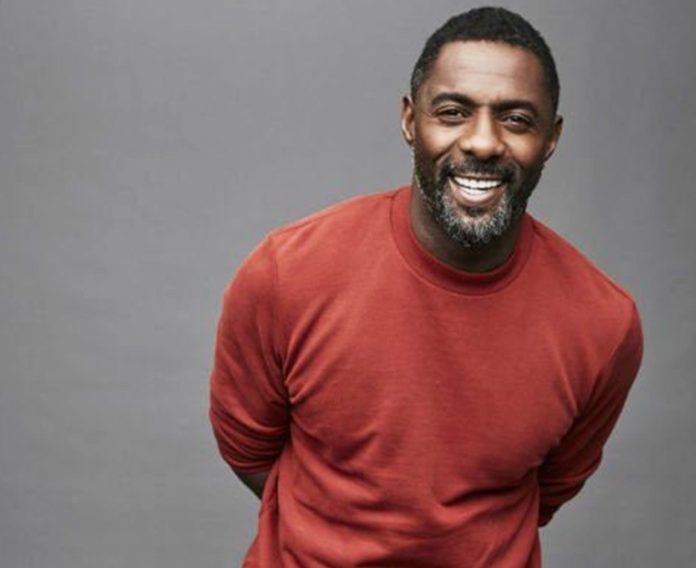
British Actor Idris Elba has revealed his plan to relocate to Africa within the next decade as part of his plans to support the continent’s movie industry.
The 52-year-old star of the hit series The Wire is behind nascent projects to build a film studio on the Tanzanian islands of Zanzibar as well as one in the Ghanaian capital, Accra.
Born in London, Elba, whose mother is from Ghana and father is from Sierra Leone, has a strong attachment to Africa.
He wants to leverage his star power to back its burgeoning film business as he says it is vital that Africans get to tell their own stories.
“I would certainly consider settling down here; not even consider, it’s going to happen,” he said in an interview on the sidelines of a cinema industry meeting in Accra.
“I think [I’ll move] in the next five, 10 years, God willing. I’m here to bolster the film industry – that is a 10-year process – I won’t be able to do that from overseas. I need to be in-country, on the continent” he told the BBC.
But in the spirit of Pan-Africanism, he will not commit to living in a specific place.
“I’m going to live in Accra, I’m going to live in Freetown [Sierra Leone’s capital], I’m going to live in Zanzibar. I’m going to try and go where they’re telling stories – that’s really important.”
One goal he does have is to make a film in his studio in Accra one day.
Elba, who played South African anti-apartheid leader Nelson Mandela in the 2013 biopic Long Walk to Freedom, believes that it is vital for Africans to be centre-stage in the entire film-making process. That is in front of the camera, behind the camera and also in financing, distribution, marketing and showing the final product.
He imagines that just as movie audiences around the world know the differences between the US cities of New York and Los Angeles without necessarily ever having visited them, they will one day have a more nuanced understanding of the continent.
“This sector is a soft power, not just across Ghana but across Africa.
“If you watch any film or anything that has got to do with Africa, all you’re going to see is trauma, how we were slaves, how we were colonised, how it’s just war and when you come to Africa, you will realise that it’s not true.
“So, it’s really important that we own those stories of our tradition, of our culture, of our languages, of the differences between one language and another. The world doesn’t know that.”
With Nigeria’s Nollywood producing hundreds of movies a year, films are arguably one of the country’s most successful exports. There is also a tradition, especially in parts of Francophone Africa, of making high-quality films.
Elba has previously recognised the talent in Africa’s film industry, but said the facilities were “lacking”.
A 2022 report from Unesco backed up the actor.
The UN’s cultural agency said that despite “significant growth in production”, the business of film-making across the continent was hindered by issues such as piracy, insubstantial training opportunities and a lack of official film institutions.
Elba believes with the right momentum and involvement of governments willing to create an enabling environment, a virtuous circle can be established.
“We have to invest in our story-telling because when you see me, you see a little version of yourself and that encourages us.”
Popular Actress Nadia Buari has added her voice to the East Legon accident saga which took the lives of two young girls.
On her activeInstagram account, Nadia Buari expressed her heartfelt condolences to the families of the two young girls who lost their lives in the devastating East Legon accident.
The screen goddess shared a wholehearted message, acknowledging the unimaginable pain and grief the affected families are enduring with such a loss.
She grieved about how a future had been lost and how difficult for the family to come to terms with the unfortunate incident, noting that it’s too painful to remember and too painful to forgive.
She wrote: “I can’t believe this happened to these beautiful little girls’ future has been cut off in such a painful manner that is so difficult to come to terms with.May God keep their innocent souls in perfect peace.My prayers are with the bereaved families. May the joy of the Lord strengthen you to enable you go through this difficult phase of your life.
THE LOST OF ANY CHILD ANYWHERE IS THE LOST OF A FUTURE EVERYWHERE.
Can a mother leave her children? Certainly not!But the painful thing here is that, as the mother cannot leave her children, in this regrettable condition, the children have left their mothers.As a mother, I can deeply relate with the mothers of these kids and what they may be going through by now.
It is too painful to remember and too painful to forgive.At this moment, all I wish to say is that,
I pray for grace to be sufficient for you in this condition.I pray for strength for the both families of the kids.I pray for healing of hurts for all involved in this painful tragedy.I pray for love and empathy for the victims, and sympathy for all who may need it.With a very heavy heart I say
PLEASE HAVE MY CONDOLENCES…GOD WILL TAKE CARE OF YOU!!!(sic).”
Ghanaian highlife and afrobeats artise, Kuami Eugene has responded to numerous accusations that he steals songs by sampling music from other musicians.
In an interview on Hitz FM, Kuami Eugene clarified misconceptions surrounding his creative process.
“I don’t ‘steal’ music,” Kuami Eugene asserted firmly, countering the persistent rumours surrounding his work.
He emphasized that as an artiste, he finds inspiration from different sources and often adds distinctive components to create his own sound.
“Every artiste takes influences from different places,” he explained, highlighting the collaborative nature of the music industry.
Referencing legendary figures like Michael Jackson and popular Nigerian artists such as Davido and Wizkid, Eugene made a case for the common practice of borrowing lines or melodies.
There’s nothing wrong with taking a line or two and modifying it to fit my style,” he stated confidently.
“It’s a part of how we create music, and it’s something that professional musicians do all the time.”
In spite of his justification for sampling songs, Kuami Eugene expressed his disapproval of the criticism he receives in comparison to other musicians.
“I feel like many artists can get away with it, but for me, it’s like every time I release a hit that includes a line reminiscent of another artist’s work, I’m criticized.
“It’s disheartening because I put a lot of effort into making my music original while drawing inspiration,” he lamented.
His comments highlighted the discussion regarding creativity and uniqueness in the music business.
He further reiterated that music is an evolving art form that thrives on inspiration and collaboration.
“At the end of the day, we’re all trying to create something beautiful that resonates with our audience,” he concluded.
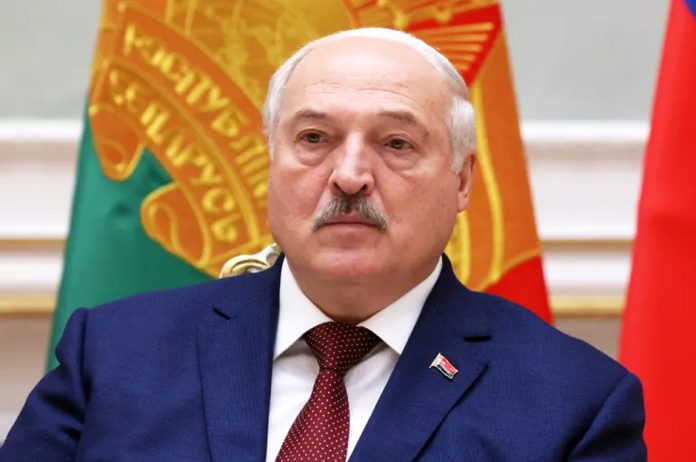
President Alexander Lukashenko will seek a seventh straight term
Belarus plans to hold a presidential vote, in which incumbent Alexander Lukashenko is likely to secure a seventh straight term, on January 26.
The Central Election Commission (CEC) announced the date in Minsk on Wednesday. Lukashenko, a staunch ally of Russia who has been accused of manipulating previous elections and stamping out political opposition, has tightened his grip on dissent since Moscow launched its invasion of neighbouring Ukraine in February 2022.
The CEC said in a statement on social media that parliament had approved the date of the vote. Lukashenko said earlier this year that he would seek re-election in 2025.
Democratic forces in Belarus, seeking to unseat Lukashenko since he first took power in 1994 following the collapse of the Soviet Union, have previously stated that they will seek non-recognition of the election by the international community.
As in previous votes, the last election in 2020 was marred by reports of widespread fraud. The CEC’s announcement of Lukashenko’s victory that year triggered weeks of mass protests that appeared to put Belarus on the edge of revolution.
However, Lukashenko managed to take a grip of the situation and a vicious crackdown followed, with many thousands arrested or fleeing.
A suspected drunk driver “almost struck” Vice-President Kamala Harris’s motorcade after driving the wrong way down a highway in Milwaukee on Monday.
When police stopped the suspect’s vehicle, officers found an open can of beer in his vehicle, according to the arrest report obtained by a local radio station.
After a field sobriety test, the unnamed 55-year-old driver was taken into custody for driving under the influence.
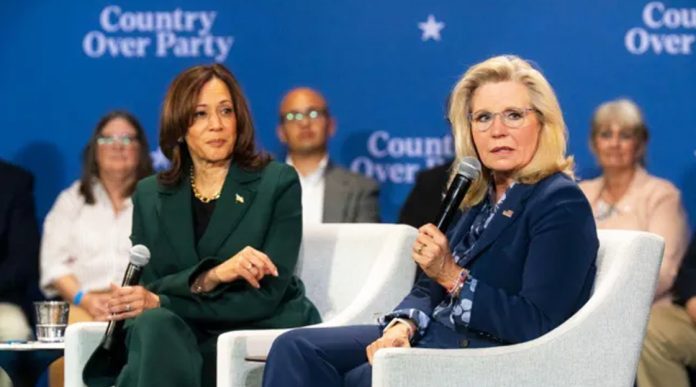
Harris, the Democratic presidential nominee, was in Wisconsin for a campaign event alongside former Republican lawmaker Liz Cheney in the town of Brookfield.
According to the Milwaukee County Sheriff’s office, the incident took place shortly before 20:30 local time (01:30 GMT) when officers saw a man in an SUV travelling westbound in the eastbound lane of Interstate 94.
The driver was stopped as he approached the vice-president’s motorcade.
According to an arrest report obtained by local news station WISN, when the man was told by a deputy he had “almost struck a vehicle in the VPOTUS’ motorcade, he was extremely surprised and had no recollection of entering the freeway”.
“He also stated he did not have any intention of harming Vice President Kamala Harris or anybody related to her campaign.”
According to the report, the man failed several field sobriety tests.
No injuries were reported in the incident.
In a statement, a US Secret Service spokesperson said that the agency is “aware of the incident involving a motorist traveling in the opposite direction on the highway while the Vice-President was in her motorcade”.
“We are grateful to the Milwaukee County Sheriff’s Office for its response which allowed them to stop the motorist and take the driver into custody for DUI,” the statement added.
Civilians fled several central neighbourhoods of Tyre
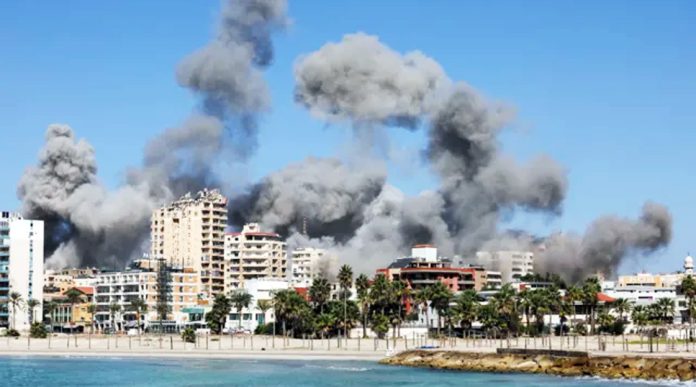
Israel has carried out at least four air strikes on the historic Lebanese port city of Tyre, hours after expanding its evacuation orders to cover several central neighbourhoods, Lebanon’s state news agency says.
Videos showed huge clouds of black smoke rising from a seafront area that is only a few hundred metres from a Unesco World Heritage-listed Roman ruins. There were no immediate reports of any casualties.
The Israeli military earlier warned civilians to leave, saying it was going to act “forcefully” against the armed group Hezbollah there.
Tens of thousands of residents had already fled the city in recent weeks in response to Israel’s intense air campaign and ground invasion.
But before the strikes began a spokesman for a disaster management unit said about 14,000 people were still living in the city, including those displaced from elsewhere in the south.
“You could say that the entire city of Tyre is being evacuated,” Bilal Kashmar told AFP news agency, adding that many people were heading towards the suburbs.
Overnight, Lebanese media reported that Israeli aircraft carried out multiple strikes on the southern suburbs of the capital Beirut, southern Lebanon and the Bekaa Valley – all areas where Hezbollah has a strong presence.
The Israeli military said the strikes in Beirut targeted weapons storage and manufacturing facilities, as well as command centres belonging to Hezbollah.
The military also said it had killed the Hezbollah sector commanders for the southern areas of Jibchit, Jouaiya, and Qana in air strikes over the past several days, and that its troops had killed about 70 Hezbollah fighters during operations inside southern Lebanon to dismantle the group’s infrastructure and weapons caches.
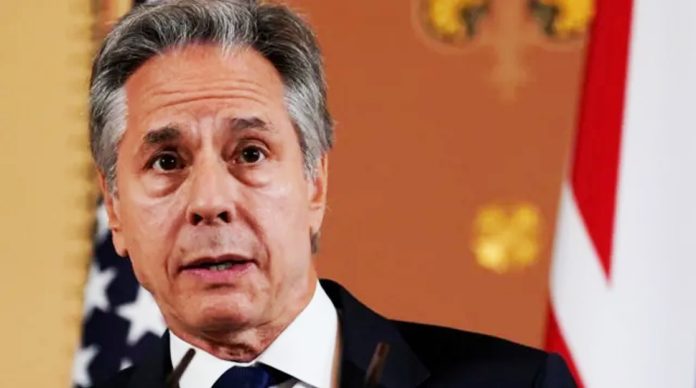
Antony Blinken has told Israeli leaders that “much more needs to be done” to get humanitarian aid to civilians in besieged northern Gaza, raising possible consequences in US law if action isn’t taken, a senior Biden administration official says.
On Tuesday, the US secretary of state met Israeli Prime Minister Benjamin Netanyahu, Defence Minister Yoav Gallant, Strategic Affairs Minister Ron Dermer and senior military officials in a series of meetings in Jerusalem and Tel Aviv.
The meetings are part of a regional tour that Washington sees as a chance to revive diplomacy after Israel’s killing of Hamas leader Yahya Sinwar in Gaza last week.
The account of Blinken’s face-to-face message to the Israelis comes despite mounting criticism that the US has failed to stem the rate at which civilians have been killed in Gaza because it has been unwilling to use its supplying of weapons to Israel as leverage.
Washington has consistently rejected the criticism.
The official said Blinken also pressed the Israeli leadership over reports that its military has been implementing a so-called “generals’ plan” in northern Gaza – a tactic described as using mass forced displacement of civilians and a surrender-or-starve tactic against all who remain. The official said the Israelis told them the tactic was “absolutely not” their policy, to which the Americans responded that their Israeli counterparts then needed to make this clearer publicly.
Israel has said its offensive in northern Gaza is to rout a Hamas resurgence.
Blinken’s apparent warning on humanitarian aid followed his letter last week, co-signed by US Defence Secretary Lloyd Austin, which gave the Israeli government 30 days to surge aid into the northern Gaza Strip or risk having some military assistance cut off.
Nail fungus and nail psoriasis are two conditions that affect the nails. They have similar symptoms, and you can have both fungus and psoriasis at the same time, but they are different and have separate treatments.
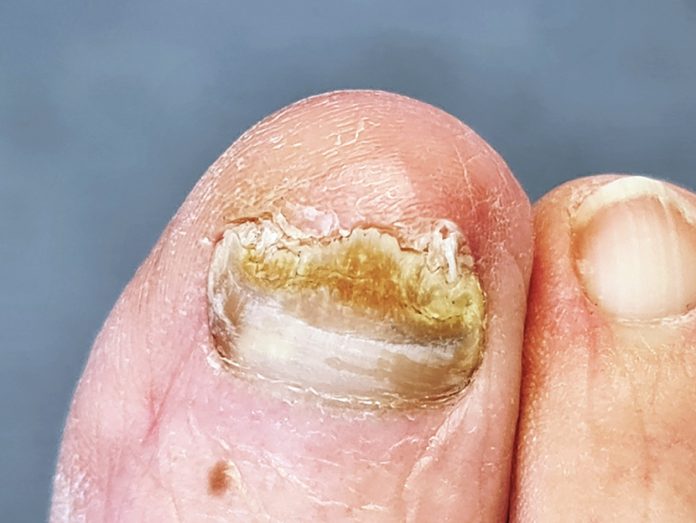
Nail fungus is an infection that happens when fungi get under your nail. The fungus turns nails thick, discolored, and brittle. Onychomycosis is another name for nail fungus.
Nail psoriasis is an autoimmune disease in which skin cells multiply too quickly. Like nail fungus, psoriasis causes discolored, pitted nails. Most people with nail psoriasis also have scaly skin rashes, and they sometimes have joint pain called psoriatic arthritis.
Both fungus and psoriasis can affect the nails on your fingers and toes. But nail psoriasis is more likely to be on just the fingernails, and fungus is more likely to affect the toenails.
You can’t catch nail psoriasis from someone else or spread it to other people. Nail fungus is contagious – it can spread from one person to another.
Nail Fungus vs. Psoriasis Causes
Fungi cause nail fungus. This group of tiny organisms includes mold, yeast, and mildew. A type of mold called a dermatophyte causes the most common fungal nail infection, tinea unguium.
You can pick up fungus if you walk barefoot in places where other people walk, like swimming pool decks and locker rooms. Fungi can also grow in wet shoes. Once these organisms are on your feet or hands, they can get under your nail and multiply. Athlete’s foot is a fungal infection that sometimes spreads from the foot to the toenails.
Psoriasis is an autoimmune condition. Your immune system overreacts and causes inflammation in your skin that speeds up the production of new skin cells. The extra cells build up on your skin and form scaly patches. Psoriasis inflammation can also affect the nails, causing symptoms like pitting, thickness, and color changes. About half of people with psoriasis have nail psoriasis, and up to 90% will have nail problems at some point in their lives.
Nail fungus and nail psoriasis can look similar, and they sometimes overlap. Having psoriasis makes you more likely to get a fungal nail infection. That’s because psoriasis damages the nails and makes it easier for fungi to get underneath them. Some of the medicines that treat psoriasis weaken your immune system and lower your body’s defenses against fungi and other germs.
Nail Fungus vs. Psoriasis Symptoms
Both nail fungus and nail psoriasis change the color and texture of your nails. Nails with fungus may be:
Thick
Cracked or crumbling
Yellow, white, or brown
Misshapen
Lifted up from the nail bed (the skin under the nail)
Painful
Smelly
Nails with psoriasis may be:
Dented or pitted
Covered in grooves called Beau’s lines or brown spots called oil spots
Thin and crumbling
White, yellow, red, pink, or brown
Separated from the nail bed (you can see the skin underneath)
The color changes might look different on dark skin, especially in people who have psoriasis. Instead of looking red, the psoriasis rash may be purple or brown with silver flakes.
Nail Fungus vs. Nail Psoriasis Diagnosis
A primary care doctor, dermatologist (skin doctor), or podiatrist (foot doctor) can diagnose these nail problems. The doctor will examine your nails for symptoms like nail pitting, discoloration, crumbling, and separation from the nail bed. They mayask about your medical history, including whether you’ve had symptoms of psoriasis or psoriatic arthritis.
The doctor might clip off a small piece of the nail or take a scraping of material from under your nail. Then a lab will look at the sample under a microscope to see if you have an infection. They might also let the sample grow in a special dish to find out what type of fungus caused the infection.
Dr Sena Agbodjah, Vice President, Academic Affairs, Academic City University College
Susanna Otoo, Faculty Assistant, Department of Communication Arts, Academic City University College
Background
The Heads of Schools, Teachers & Counselors Workshop is an annual educational workshop hosted by Academic City University College. It aims to bring together high-school educational leaders and practitioners to share insights, best practices, and strategies for enhancing the educational experience and outcomes for high school students.
The workshop features speakers, interactive sessions, networking opportunities to foster collaboration and innovation in our educational community as well as practical tools and resources to support school management, counselling, and teaching practices.
An interactive session with some Heads of Senior High Schools discussed what Quality Assurance in high schools should look like. As the world of education rapidly evolves, it is imperative for an interrogation of what goes into quality assurance to provide some matrix that schools can engage in arriving at their quality assurance policies and processes from a multi stakeholder perspective.
This is important because these stakeholders play a pivotal role in shaping the success of educational institutions as well as challenging them to improve and adapt to local and continental changes.
Stakeholder Expectations
A key aspect of quality assurance during the discussion was the need to identify and understand stakeholders, as this is considered the first step in the adopted enquiry process. The Heads listed some persons/ institutions/ bodies they considered to be their MVS – Most Valued Stakeholders.
The list included the school leadership, teaching and non-teaching staff, students, alumni, parents and guardians, regulatory bodies like the National Council of Curriculum and Assessment (NaCCA), National Teaching Council (NTC), National Schools Inspectorate Authority (NASIA), West African Education Council (WAEC), Ministry of Education, Ghana Education Service, British Council, local community chiefs, religious units and churches, donors and sponsors both individuals and non-governmental organizations, local assemblies like the district, municipal, metropolitan assembly, and School Management Committees.
Additionally, it was established that each stakeholder or stakeholder group has a unique set of expectations that must be met to ensure the schools’ success. For instance, parents and guardians are primarily concerned with the welfare of their children. They expect quality teaching, academic excellence, moral and ethical upbringing, a safe school environment, and effective policies.
They also look for progress in their children’s education and positive moral changes. Alumni/ old student associations expect the school to continue its culture and traditions, improve its visibility, maintain and possibly enhance academic performance and discipline, among other interests. They also want to see well-rounded graduates and effective management with which they can maintain good relations with.
Teachers, they mentioned, expect to be well-compensated and equipped with the necessary tools and training to perform their duties effectively. They also value positive engagement with students and support from the school’s administration. Students, a key stakeholder group, seek academic success, a safe learning environment, and an education that promotes their holistic development, including extracurricular activities and moral guidance.
The local community also expects the school to deliver quality education that leads to high academic performance, employment opportunities, and responsible citizens who contribute positively to the community.
Regulatory bodies like the West African Examination Council, Ministry of Education, and the Ghana Education Service, amongst others, expect schools to produce globally competent graduates, reduce illiteracy, and ensure inclusive education accessible to all.
They also expect the promotion of unity and adherence to educational standards and industry requirements. Religious units expect the school to integrate their beliefs, practices, and moral values into the curriculum. Identifying and meeting these unique expectations of the stakeholders will undoubtedly promote quality assurance within an educational institution.
What is key, if for the institution to create avenues and channels of communications that allow these stakeholder groups to engage, be intentional about how they will address these expectations, and put in place structures, being aware of their constraints and limitations, to deliver on these quality requirements.
Assuring Quality
Subsequently, the group discussed some activities that schools could undertake to meet the varied expectations of all stakeholders with the aim of assuring quality. Some of the significant strategies that came up were: recruiting highly qualified teachers and ensuring they are well motivated through competitive salaries, benefits, and professional development opportunities; implementing effective disciplinary practices to promote student learning and personal growth; continuous investment in infrastructure like classrooms, libraries, and sports facilities; effectively communicating and engaging with all stakeholders, including parents, community leaders.
Additionally, the group mentioned that, providing continuous in-house training to enhance professional development among teachers as well as keeping them updated with the latest educational practices and technologies, conducting regular formative and summative assessments help monitor student progress and identify areas for improvement, ensuring regular supervision and monitoring of teaching practices was essential.
On the student front, it was recognised that, the school leadership/ management team offering comprehensive guidance and counseling services to support students’ academic, career, and personal development, promoting equitable resource distribution ensure equal opportunities for success, and encouraging student participation in extracurricular activities like sports, games, school clubs and societies as a means to develop their teamwork, leadership, and all-around skills, would ensure holistic student development.
Engaging regulatory bodies responsible for the curriculum being run and ensuring the institution is delivering as required based on their standards was identified as one of the key factors in assuring quality.
It was unanimously agreed that gatherings such as these, which gave them the platform to learn from each other, learn how constraints and limitations are being managed, learning how resource shortages are being navigated, and being able to bring members of their time together to network and build collaborations was an essential part of this process.
Moving Forward
It is worth noting that quality assurance in schools is a continuous process that involves meeting the various expectations of all stakeholders. By understanding who these stakeholders are and what they expect, schools can implement targeted strategies that ensure educational excellence and the holistic development of students to #MakeTheirMark in the local and global arena, becoming glo-cal leaders for the future as we together work towards the development of #FutureReadyLeaders for Africa and the world.
The Ghana Journalists Association (GJA) has condemned the attack on award-winning journalist Erastus Asare Donkor and his crew at Asumenya, in the Amansie South District in the Ashanti Region, while covering wanton destruction of the environment recently.
In a statement issued by GJA, it disclosed that armed thugs protecting a mining site at a village belonging to Edelmetallum Mining Resources Limited grabbed the Multimedia Group Limited team in the line of work, seized their equipment and subjected them to brute assault.
GJA accused the thugs of manhandling the multimedia crew, leaving them in a horrible state of health, after which they reported the issue to Manso Edubia Police Station.
“The armed thugs wielding pump action guns took the multimedia crew to a secluded forest at a village nearby, where they assaulted and abandoned them in severe bodily harm, including swollen eyes and a ringing effect in the ear.”
The multimedia crew subsequently reported the incident at the Manso Edubia Police Station, where they were given medical forms with which they sought medical treatment at the Agroyesum Hospital.
While commending the police for arresting three of the suspects involved in the act, the GJA urged the police to arrest the others as well.
“We particularly commend the Inspector-General of Police (IGP) for showing interest in the case and urge the police to arrest the others and prosecute them immediately,” the GJA said.
The GJA charged the police to demonstrate, in all circumstances, that they are in control of internal security, including the protection of the environment.
It called on the Environmental Protection Agency (EPA) and the Minerals Commission (MC) to suspend the permit and licence of Edelmetallum Mining Resources Limited to allow for investigations into the operation of the mining company, particularly the adverse impact of the mining operations on the environment.