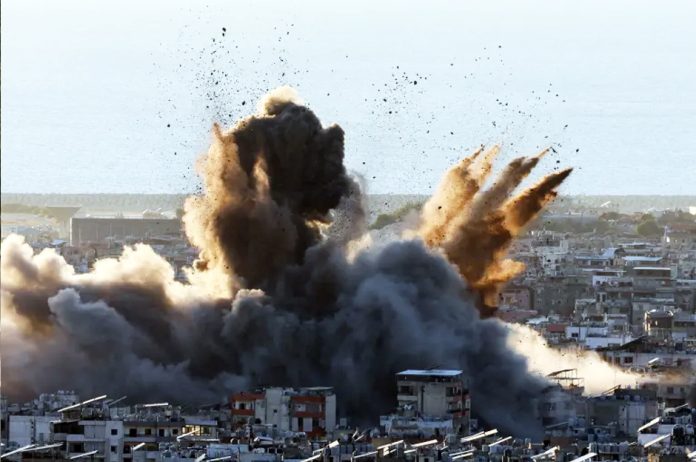
Smoke billows up over Beirut's southern suburbs after an Israeli attack
Israel has launched several air attacks on Beirut’s southern suburbs after the Lebanese armed group Hezbollah fired volleys of rockets at northern Israel with one drone targeting Israeli Prime Minister Benjamin Netanyahu‘s holiday home.
Netanyahu’s spokesman said one of three drones launched from Lebanon hit Netanyahu’s residence in the town of Caesarea on Saturday, adding that he was not in the vicinity and there were no casualties.
The two other drones were intercepted, the Israeli military said, adding that more than 100 rockets were fired at northern Israel from Lebanon, killing one person and injuring at least 13.
“The proxies of Iran who today tried to assassinate me and my wife made a bitter mistake,” Netanyahu said.
Iran-aligned Hezbollah has been trading fire with Israel since October last year. The attacks on Saturday came a day after the group announced a new phase in the fighting.
Hezbollah did not claim responsibility for the Caesarea drone attack but said it carried out several rocket attacks on northern and central Israel.
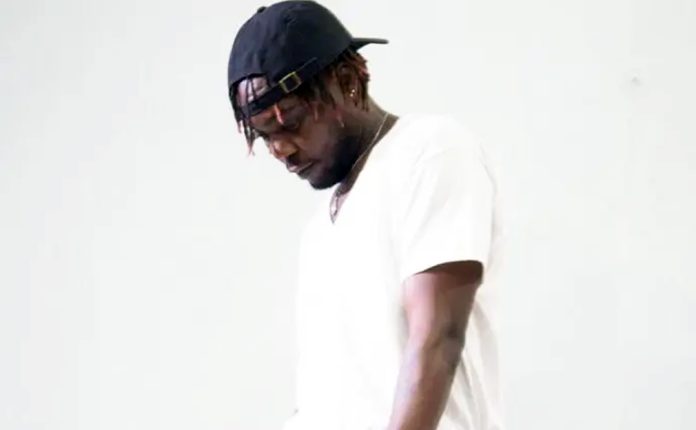
Afrobeat and reggae artiste Luther Mac Larnyoh, popularly known as Luta Gh, has released of their latest single, ‘Somebody’, a captivating song that explores the universal quest for love.
‘Somebody’ resonates deeply with anyone who has ever longed for connection. Luta Gh’s soulful voice invites listeners into a journey of vulnerability, capturing the essence of longing and the hope of finding that special someone.
The single is produced by Jaemally, known for his works with top artists in the genre, and features an arrangement that highlights Luta Gh’s emotional delivery.
‘Somebody’ is not just another love song; it’s an anthem for those who dare to dream of finding love in a world that often feels disconnected. The lyrics encourage listeners to embrace their feelings, as they navigate the highs and lows of love’s pursuit.
About Luta Gh
Luta Gh born Luther Mac Larnyoh is a Ghanaian singer, songwriter, and performer, who identifies with afro-beats and reggae.
Born in the Greater Accra region of Ghana he began making music in his early school days and realised his talents and abilities as a lyricist and a songwriter with the versatile skill of jumping on any genre of music.
He studied at Pope John’s Secondary School where he obtained his High School Certificate and later continued his tertiary education at Ghana Telecom to earn a Bachelors degree in Info Tech.
Luta Gh is Known for his soothing vocals and melodic output and has many popular and trendy songs such as Slow Down, Ekiki Me, Scary, Bounce and a lot more.
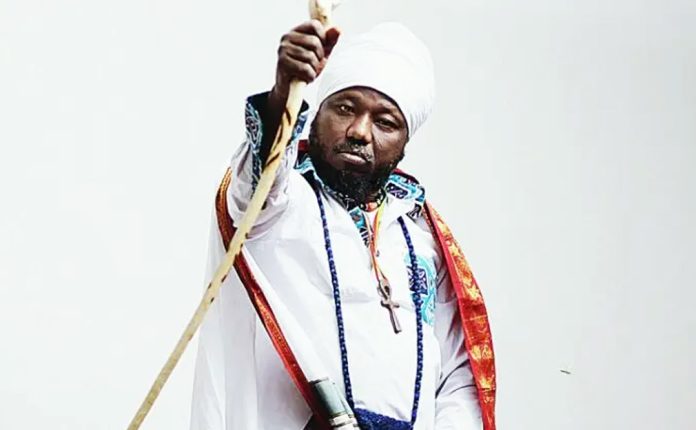
Reggae musician and radio presenter Blakk Rasta has revealed that Stonebwoy’s hit song ‘Jejereje’ has lost popularity just one week after its release.
This statement follows an interview he had on Joy Prime TV with Roselyn Felli, where he expressed his view that artistes today prioritise trends over creating impactful music, using Stonebwoy’s ‘Jejereje’ as an example.
“With no disrespect, love, I mean Stonebwoy is my brother, I love him. He knows I love him. ‘Jejereje’ came out. We were all banging to it. I was in Nkroful when it came out. I said ‘wow’, this is a great song. I loved the song. After one week, ‘Jejereje’ has gone to sleep,” he remarked.
Blakk Rasta also referenced reggae legend Lucky Dube as a standard. According to the dub poet, the late Lucky Dube prioritised the message in his music and the impact it would have on people over following trends, yet his songs still became hits.
“I remember Lucky Dube once said he never went into the studio to make hits. He went into the studio to speak into the microphone and if the songs come out and they become hits because people resonate with the message, then it’s a different thing.”
Blakk Rasta is best known for his song “Barack Obama,” sung in honour of the first African-American U.S. President. He was then honoured at a special dinner with President Obama on July 11, 2010.
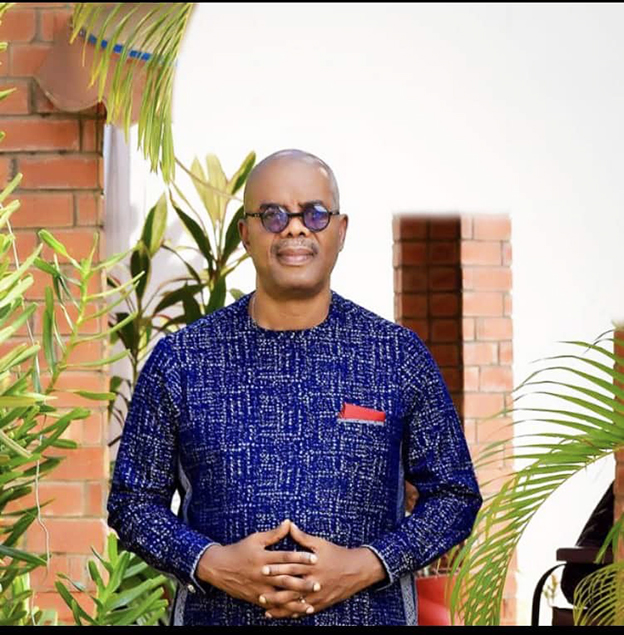
Rev. Dr. Edgar Collingwood-Williams Found and President of ELITE MENTORING PROGRAM
The Elite Mentoring Program (EMP) is gearing up to host a dynamic Youth Mentorship Conference, themed “BE BOLD,” on November 2nd, 2024, at the ALX Conference Room in East Legon, Accra.
This event aims to inspire and equip young professionals, university students, recent graduates, and aspiring entrepreneurs with the knowledge, skills, and networks necessary to excel in their chosen fields.
Organized as part of EMP’s broader efforts to empower the next generation of leaders, the Youth Mentorship Conference will focus on providing practical insights through mentorship, workshops, and panel discussions.
The conference will bring together a diverse range of industry experts from business, entrepreneurship, technology, and the creative arts, ensuring that participants receive well-rounded guidance on building successful careers. The theme, “BE BOLD,” encourages young people to embrace innovative thinking, leadership, and confidence as they navigate their professional journeys.
The program is packed with impactful sessions, including the Creative Arts Panel, Business and Entrepreneurship Panel, and a Career and Professional Technology Panel, designed to provide participants with a comprehensive understanding of their respective fields.
The event will also feature an awards session, recognizing exceptional young leaders, innovators, and individuals driving social impact. Categories include the “Young Leader of the Year,” “Innovator of the Year,” “Social Impact Award,” “Rising Star Award,” and the prestigious “Lifetime Achievement Award.”
Beyond the core discussions, the conference will offer networking opportunities, allowing attendees to connect with industry leaders and fellow participants. The program will also include an art gallery and fundraiser, reinforcing the intersection between creativity and social good.
EMP has a track record of success, having impacted over 4,000 young people through previous initiatives. This year’s conference aims to continue that legacy, contributing to sustainable development by aligning with the United Nations Sustainable Development Goals (SDGs), particularly in the areas of social inclusion and peacebuilding.
By empowering young people with the necessary tools and knowledge, EMP hopes to foster a generation of leaders who can innovate solutions to societal challenges.
The conference is open to all eligible young individuals, with scholarships available for underprivileged youth.
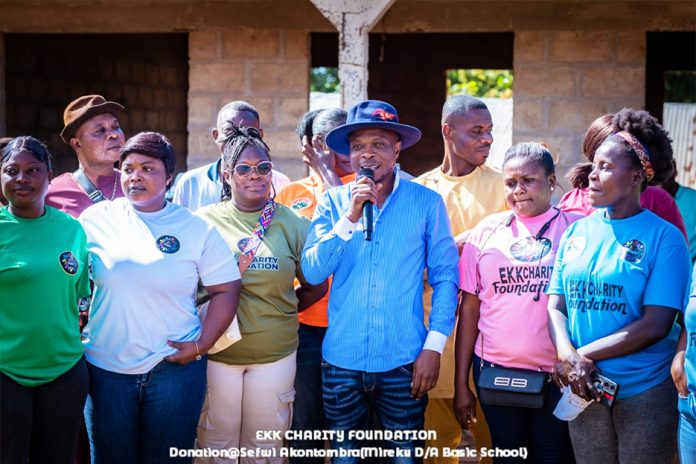
The Chief Executive Officer of EKK Foundation, Mr. Evans Kofi Kwafo, has appealed to philanthropists and charitable organisations to complement efforts by the government in addressing the educational needs of deprived/vulnerable communities.
Mr. Kwafo stressed the need for Ghanaians to support the provision of quality learning and teaching in remote areas.
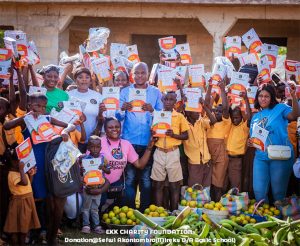
Beneficiaries display their goodies
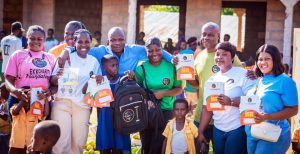
The occasion was when the CEO donated 50 bags of cement in aid of a six-unit classroom block, 1,500 exercise books, school bags, shoes, desks for teachers and other teaching materials to local schools at Mirekukrom in the Nsawora District in the Western North Region.
Mr. Kwafo expressed grave concern over the persistent challenges faced by schools in rural and remote areas where school children are left behind, cut off from opportunities because of poor roads, inadequate infrastructure and a lack of qualified teachers.
He noted that despite government efforts, many schools in deprived areas are faced with inadequate resources.
Mr. Kwafo emphasised the need for affluent individuals and organisations to step up and complement government initiatives to ensure equitable access to quality education.
Foundation members interact with the pupils
“We cannot expect the government to do it all,” he said, and stressed that “Private sector involvement is crucial to ensure improved living standards across Ghana in line with Sustainable Development Goal 4 (SDG 4), which seeks to ensure that all boys and girls complete free, equitable, and quality primary and secondary education by 2030.
The Odikro of Mirekukrom, Nana Kwadwo Tetteh, expressed appreciation to the EKK Foundation for the timely support.
Nana Tetteh also called on the government and other development partners to assist in infrastructural development in schools.
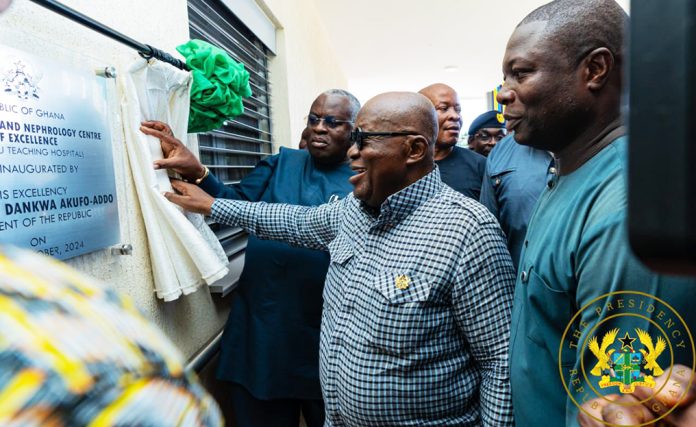
President Akufo-Addo officially commissioning the centre at Korle Bu
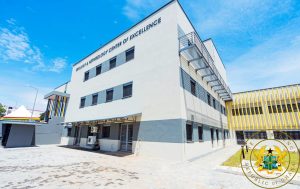
President Akufo-Addo has inaugurated a state-of-the-art Urology and Nephrology Centre of Excellence at Korle-Bu Teaching Hospital, marking a major step forward in Ghana’s healthcare system.
The new Centre is set to provide critical care for patients suffering from Nrological and Nephrological conditions, offering advanced treatments that were previously unavailable in the country.
The facility is expected to reduce the need for patients to travel abroad for specialiSed care, while also positioning Ghana as a hub for medical tourism in the West African sub-region.
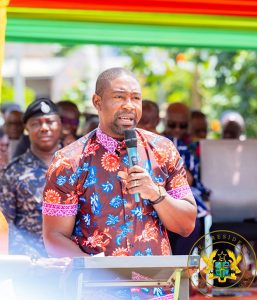
Dr Okoh Boye – health minister speaking at the ceremony
The Urology and Nephrology Centre of Excellence, constructed at a cost of €38 million was made possible through a credit facility provided by Raiffeisen Bank International AG of Austria, with insurance cover from OeKB Group.
The facility boasts cutting-edge technology and a wide range of services aimed at addressing the growing burden of kidney diseases and urological disorders in the country.
President Akufo-Addo described the commissioning of the Centre as a “considerable milestone” in Ghana’s healthcare journey, one that exemplifies the government’s unwavering commitment to improving healthcare infrastructure.
“This modern facility will provide advanced treatments for patients with chronic and acute kidney failures, as well as other urological conditions.
“The Centre is also positioned to offer life-saving services such as kidney transplants—helping to fulfill our national objective of achieving Universal Health Coverage (UHC),” the President said during his speech.
The Urology and Nephrology Centre of Excellence is fully equipped to deliver comprehensive healthcare services. It includes a 30-suite dialysis station for patients with kidney disorders, a 70-bed unit for genito-urinary patients, an outpatient department and comprehensive diagnostic and treatment services.
The facility also has inpatient care services, administrative and management offices, public amenities and staff facilities.
In addition, it features medical and non-medical support services, a research facility and a three-year post-construction maintenance and training program to ensure the facility’s smooth operation in the years ahead.
With such state-of-the-art capabilities, the Centre will be able to serve not only Ghanaians but also patients from neighboring countries. This opens the door for medical tourism, which President Akufo-Addo emphasised as a potential revenue generator for the facility.
“The Centre will put Ghana on the map for medical tourism, providing services to patients from neighbouring countries and beyond. This will generate additional revenue for the facility, ensuring sustainability and continued expansion of services,” he said.
President Akufo-Addo’s government has long prioritised healthcare development as part of its broader goal of achieving Universal Health Coverage (UHC) for all Ghanaians.
The commissioning of the Urology and Nephrology Centre of Excellence is just one example of the many initiatives aimed at improving access to quality healthcare across the country.
During his speech, the President pointed to the significant strides his administration has made in healthcare infrastructure, citing the successful commissioning of the Bolgatanga Regional Hospital in August 2024 as a recent example.
By the close of 2024, the government expects to complete several additional healthcare projects, including the construction of 11 district hospitals and one polyclinic in the Ashanti, Eastern, Greater Accra and Ahafo Regions.
These projects are part of the government’s flagship “Agenda 111” initiative, which aims to build district hospitals in every district without one, as well as fully functional regional hospitals in each regional capital, particularly in the newly created regions.
President Akufo-Addo highlighted the progress of Agenda 111, noting that eight district hospitals are nearly completed, while the overall progress of the project stands at 69% as of September 2024. He expressed confidence that several of the facilities currently at over 90% completion would be finished before the end of the year.
“These projects represent the fulfillment of our commitment to achieving Universal Health Coverage and ensuring the delivery of more efficient healthcare services across the country,” the President remarked.
“Our healthcare infrastructure stands as one of the greatest legacies of my administration.”
In addition to expanding healthcare infrastructure, the Akufo-Addo government has focused on addressing the uneven distribution of healthcare workers, particularly in rural and underserved areas.
The new urology centre at Korle Bu
President Akufo-Addo urged the Ministry of Health to expedite the completion of a draft incentive package that would help ensure healthcare staff are placed where they are most needed. This effort is part of the government’s broader strategy to make healthcare services more equitable across the country.
“We remain steadfast in addressing the uneven distribution of healthcare workers,” the President said. “I urge the Ministry of Health to expedite the completion of the draft incentive package for government consideration, ensuring that healthcare staff are placed where they are most needed.”
As part of the government’s focus on sustainable healthcare infrastructure, President Akufo-Addo stressed the importance of maintaining the Urology and Nephrology Centre to ensure its longevity.
He called on the management of Korle-Bu Teaching Hospital to adopt a robust preventive maintenance strategy to keep the facility in optimal condition. The President also emphasized the role of community involvement in holding healthcare managers accountable for the proper utilization of the facility.
“It is critical that we implement a well-thought-out maintenance plan,” President Akufo-Addo said.
“I call on the management of the Urology and Nephrology Centre of Excellence to adopt a robust preventive maintenance strategy to ensure the longevity and effectiveness of this facility.”
The President extended his gratitude to all who contributed to the project’s success, including the financiers, contractors, consultants, and healthcare professionals. He also acknowledged the dedication of international partners and stakeholders, including Messrs Vamed Engineering and their Ghanaian technical consultants, who delivered exceptional work.
As Ghana continues to make strides in healthcare development, the inauguration of the Urology and Nephrology Centre of Excellence represents a significant achievement in the country’s pursuit of Universal Health Coverage. With this new facility, Ghanaians and patients from neighboring countries alike can now access world-class care for kidney and urological conditions.
“The President’s focus on sustainability, healthcare worker distribution, and ongoing infrastructure projects like Agenda 111 demonstrates the government’s long-term commitment to building a healthcare system that serves all Ghanaians.
In conclusion, President Akufo-Addo reaffirmed his administration’s dedication to delivering on its healthcare promises.
“Our progress in healthcare infrastructure is a proud legacy of this administration,” he said.
“We will continue to work towards ensuring that every Ghanaian has access to the quality healthcare they deserve.”
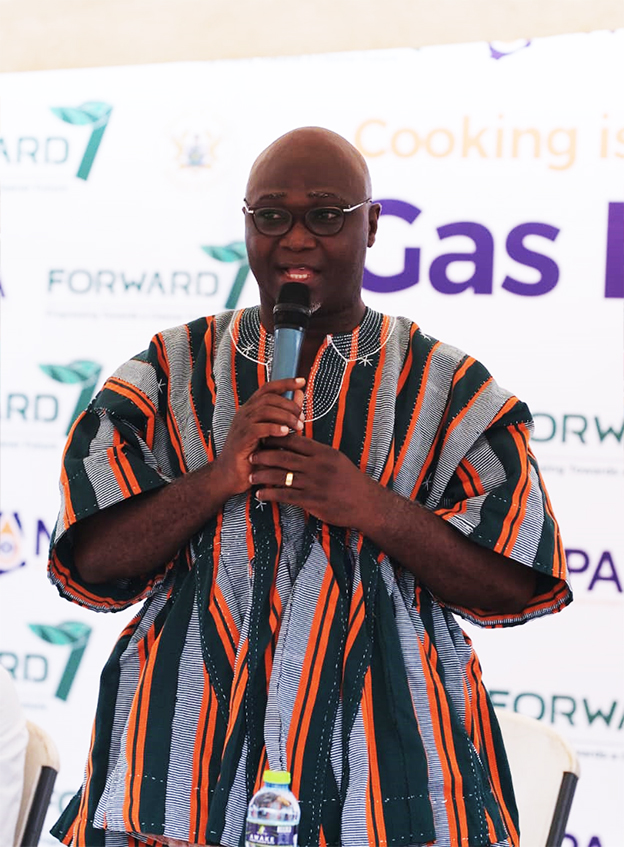
Reverend Father Selom Mireku speaking at the NPA forum
The National Petroleum Authority (NPA), in collaboration with the Oil Sustainability Program (OSP), under the Kingdom of Saudi Arabia’s Ministry of Energy and Digicraft Advertising, has launched a week-long Liquefied Petroleum Gas (LPG) awareness and sensitisation campaign in the Volta Region.
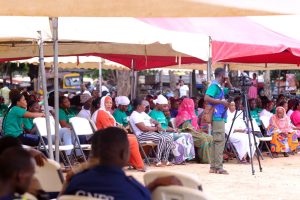
some of the people who attended the NPA sensitisation forum
This initiative aims to educate the public on the health and environmental benefits of using LPG for cooking, targeting key stakeholders such as community leaders, market queens, municipal and district chief executives (MCEs and DCEs) and consumers through market engagements, town hall meetings and community durbars.
At a community durbar at Kpando, Reverend Father Selom Mireku, Chairman of the Local Council of Churches and Priest at Saint Patrick’s Anglican Church, urged Ghanaians to advocate for cleaner cooking alternatives.
He highlighted the severe health risks posed by the continued use of firewood and charcoal in homes, stressing that switching to LPG was not just a convenience, but a necessity to safeguard lives.
Quoting alarming statistics from the World Health Organisation (WHO), Reverend Mireku noted that smoke from firewood and charcoal is responsible for over four million deaths globally each year.
Despite these dangers, many households in developing countries, including Ghana, still rely on these traditional fuels. He explained that women and children, who spend most of their time in kitchens, are particularly vulnerable to the harmful pollutants released by firewood smoke.
Mrs. Eunice Budu Nyarko, Head of Consumer Services at NPA speaking at one of the fora
“These pollutants are linked to deadly health conditions such as respiratory diseases, heart problems, eye damage and even premature death,” he said, adding that indoor air pollution caused by traditional cooking methods has become a leading cause of preventable illness in low-income households.
“The health effects are staggering,” Reverend Mireku said, adding “But for many, the shift to safer energy sources remains a challenge due to a lack of education.”
He commended the NPA and its collaborators for their efforts in promoting LPG as a cleaner and more environmentally sustainable option.
He pledged to use his platform to educate his congregation and advocate for the transition from firewood and charcoal to LPG to ensure the safety and health of Ghanaians.
The Volta Region tour aims to inspire a shift in mindset and practices across the country. Reverend Mireku’s call for all citizens to become advocates for change underscores the collective responsibility in combating indoor air pollution.
By adopting LPG and reducing the reliance on traditional fuels, families can protect their health and safeguard the environment.
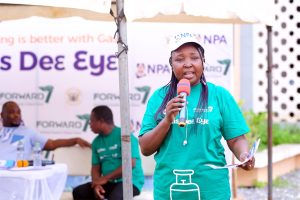
Leading the campaign was Mrs. Eunice Budu Nyarko, Head of Consumer Services at the NPA, who emphasised the importance of public education on LPG safety.
She urged consumers to take safety precautions, including regular inspection of gas hoses for cracks and using only approved hoses for gas usage.
Mrs. Nyarko also advised on the importance of checking rubber seals (washers) on the valve and connecting hoses, stressing the need for professional help for repairs.
“Do not allow children to go near wood fuel fires and coal pots while cooking,” Mrs. Nyarko cautioned, adding that consumers should avoid using mobile phones while cooking to prevent accidents.
Mr. Johnson Gbagbo Junior, Supervisor of Gas at the NPA, further educated participants on LPG safety guidelines.
The campaign not only highlights the health benefits of LPG, but also emphasizes its environmental advantages. Unlike firewood, which contributes to deforestation and air pollution, LPG burns cleanly, reducing both health risks and environmental damage.
Geoffrey Badassu, the MCE for Kpando, urged the NPA to continue its educational efforts in rural areas and intensify public sensitisation on LPG safety.
Meanwhile, during a town hall meeting at Aflao, Edmund Adzakwadzo, the Ketu South Health Officer, emphasised the health risks that smoke poses to women and children, encouraging the public to embrace the NPA’s education and sensitisation campaign.
As the campaign moves forward, the hope is that more Ghanaians will adopt cleaner, safer cooking practices, ultimately protecting their health and the environment.
Kwadwo Yeboah, a 60-year-old businessman, has been arraigned before the Circuit Court in Accra on charges of defrauding multiple individuals by falsely promising to secure them German visas.
Kwadwo Yeboah pleaded not guilty to several counts of defrauding by false pretence under Section 131(1) of the Criminal Offences Act, 1960 (Act 29).
Judge Basilia Adjei-Tawiah granted the accused bail of GH¢200,000 with two sureties. One of the sureties must be justified, while the other must be a salaried worker earning at least GH¢2,500 per month.
Prosecutor C/Inspector Ofori Appiah stated that Kwadwo Yeboah defrauded his victims from 2022 to 2023, falsely claiming he could assist them to obtain German visas. The victims, including an immigration officer, a teacherand a dressmaker lost amounts totalling GH¢100,000, US$2,000 and €6,300.
Kwadwo Yeboah allegedly charged his victims fees ranging from GH¢4,500 to US$6,000 and promising them visas to travel to Germany. When he failed to deliver, he went into hiding until he was eventually arrested. To date, he has refunded GH¢35,000 to some of the victims.
Bernard A. Otabil, Director of Communication - BoG
The Bank of Ghana (BoG) has organised a two-day training workshop on financial reporting for journalists in the Ashanti Region.
The workshop, held in Kumasi from October16 to19, 2024 forms part of BoG’s efforts to ensure that the media accurately interpret and report on economic issues, monetary policy decisions and their implications accurately
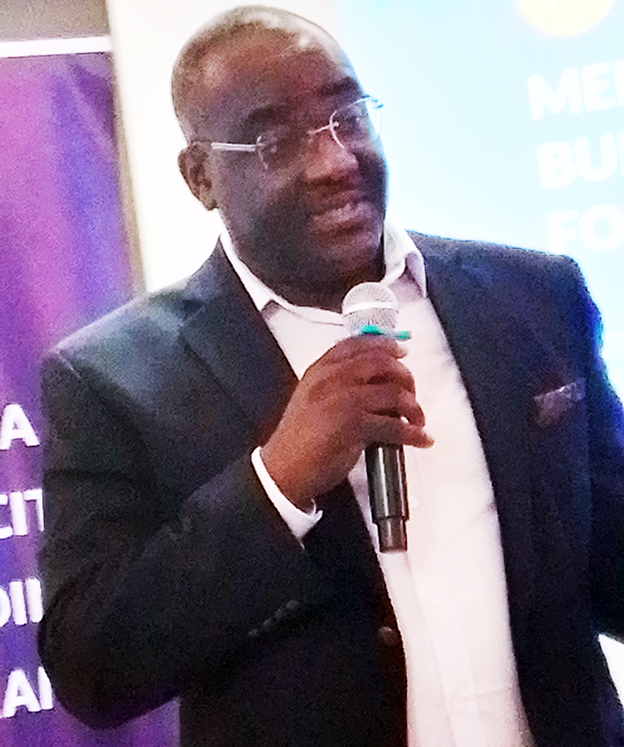
Mr Bernard A. Otabil, the Director Communications at BoG, in his opening remarks explained that the event, aimed to raise media understanding of the banking sector and enlighten their understanding on ethical reporting, understanding financial journalism and society with the three main focuses on practical journalism, media accountability, media and society.
He disclosed that theBoG is committed to enhancing accuracy, honesty, integrity, public interest, objectivity and accountability.
The topics discussed at the workshop included; Monetary Policy in Ghana, Understanding Inflation Dynamics, Developments in Foreign Exchange Market, Macro-economic Analysis and Significance of Macro-economic Indicators
The topics interpreted were the Monetary Policy Committee (MPC) Data Pack/ Engagement on Practical Financial Reporting exercises and the Concept of Next of Kin.
Mr. Bernard A. Otabil stressed that the crucial role of the media in supporting BoG’s efforts in creating understanding among the citizenry cannot be overemphasised, hence its commitment to partnering with the media for effective education.
According to him, the effectiveness of BoG would definitely improve when the public are well educated to understand its operations and advised the media practitioners to use their freedom responsibly.
He said the media has the power to influence the society both positively and negatively and urged them to use their power positively in creating peace, unity and growth for the betterment of citizens.
Mr. Otabil commended the media for their continuous support and assured BoG’s commitment to a good working relationship with the media to help educate the public.
Mr. Kingsley E. Hope, the Ashanti Regional Chairman of the Ghana Journalists Association (GJA) expressed gratitude to the leadership of BoG for the capacity training.
He entreated the media to take key interest in understanding economic issues and the interpretation of monetary policy decisions in order to better educate the general public.
He described the two-day workshop as laudable, informative and an eye-opener.
He expressed the view that the leadership of BoG continue to offer training on financial reporting to the media in order to avoid misreporting and misinformation.
Nigeria has received 846,000 doses of a groundbreaking malaria vaccine from development partners to reduce the country’s high incidence of the disease, especially among children and other vulnerable groups.
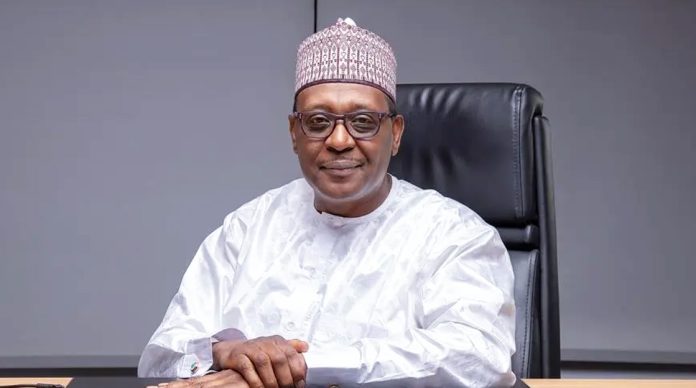
Muhammad Pate, Coordinating Minister of Health and Social Welfare, announced during the event on Thursday in Abuja that the vaccines were expected to play a pivotal role in lowering malaria-related deaths.
The News Agency of Nigeria (NAN) reports that large clinical trials in Africa proved vaccine, RTS,S/AS01 (Mosquirix) as effective in reducing contracting malaria cases and mortality among young children.
Malaria affects 97 per cent of Nigeria’s population. Its transmission occurs year-round in southern regions and lasts up to three months in the northern regions.
The primary malaria vectors are Anopheles coluzzii and Anopheles gambiae, with Anopheles funestus playing a secondary role in some areas.
The vaccines come as Nigeria intensifies efforts to reduce malaria-related deaths under the National Malaria Strategic Plan (NMSP) 2021–2025.
Mr Pate, a professor, said the vaccine would significantly boost the country’s ongoing malaria elimination efforts.
“Our target is to prioritise regions most affected by malaria, particularly in rural areas where access to healthcare is limited,” he said.
He also said the vaccine rollout would begin in high-burden regions before expanding nationwide.
According to him, global health partners, including WHO, UNICEF, and Gavi, are providing technical and financial support to ensure the successful implementation of the vaccine.
“USAID and other partners are pushing for rapid scale-up beyond the initial two states, aiming for a nationwide rollout to cover all regions of the country”, he said.