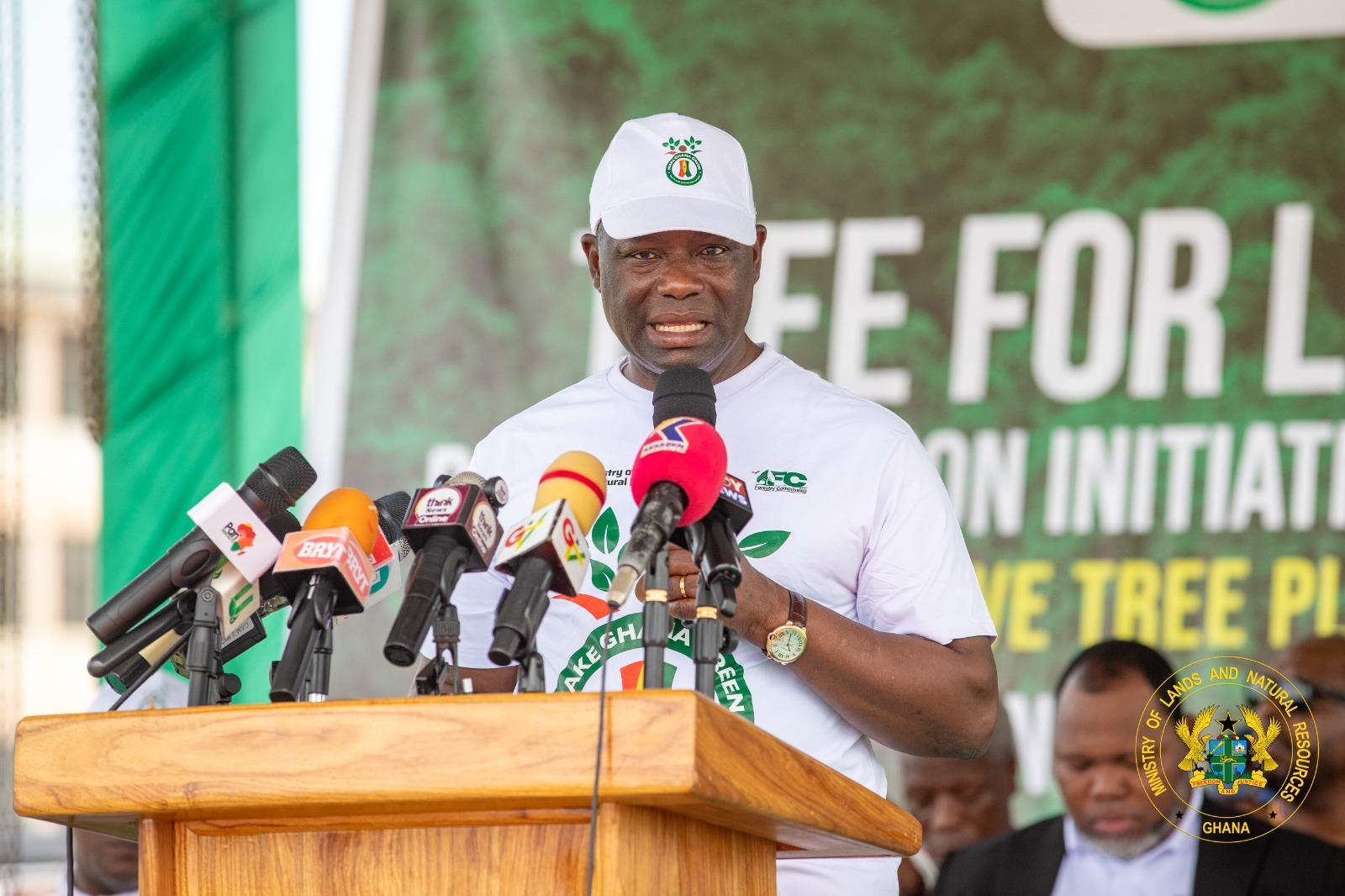
The Government has set a target of planting 30 million tree seedlings across the country in 2026 as part of efforts to combat climate change, restore degraded landscapes and reverse the loss of Ghana’s forest cover.
The new target was announced at the launch of the 2026 edition of the Tree for Life Reforestation Initiative, following the planting of more than 31 million trees nationwide last year.
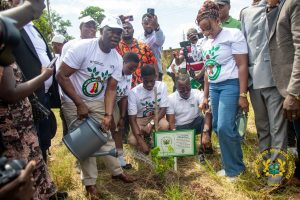
Buah planting a tree
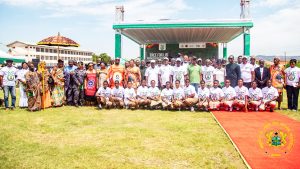
Speaking at the event, which coincided with the celebration of World Environment Day at the West Africa Senior High School in Accra, the Minister for Lands and Natural Resources and Acting Minister for Environment, Science and Technology, Emmanuel Armah-Kofi Buah, warned that Ghana is already experiencing the effects of climate change.
According to him, rising temperatures, erratic rainfall patterns, floods, droughts, coastal erosion and declining forest cover pose significant threats to livelihoods, agriculture and economic development.
“Climate change is no longer a future threat but a present reality that requires immediate and collective action,” he stressed. The Minister said forests remain central to Ghana’s environmental and economic well-being, noting that they support agriculture, protect water resources, create jobs and enhance climate resilience.
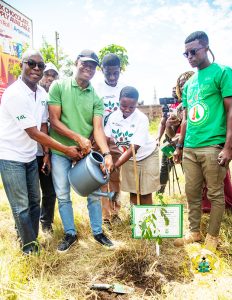
Mr. Buah disclosed that more than 31 million trees were planted under the maiden edition of the Tree for Life Initiative in 2025 through the collaborative efforts of government institutions, schools, traditional authorities, civil society organisations, development partners and the private sector.
He, however, cautioned that the success of the programme should not be judged solely by the number of seedlings planted. “The true measure of success is not the number of seedlings planted but the number of trees that survive and mature,” he said, urging Ghanaians to nurture and protect planted trees.
The Chief Executive Officer of the Forestry Commission, Hugh Brown, described forests as a critical economic resource, indicating that nearly one-fifth of Ghana’s population depends directly or indirectly on forest resources for their livelihoods.
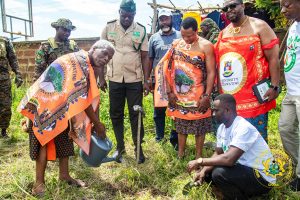
He revealed that restoration activities under the 2025 programme covered more than 23,600 hectares of degraded landscapes and called for greater public support in tackling deforestation, illegal mining and forest degradation.
Meanwhile, the Environmental Protection Authority (EPA) has pledged to intensify enforcement against environmental offences, including illegal mining and pollution.
Representing the EPA Chief Executive Officer, Prof. Nana Ama Brown Klutse, Deputy CEO Dr. Jacob Paarechuga Anankware reiterated the government’s planned ban on Styrofoam and polystyrene takeaway packaging from January 1, 2027, as part of measures to address plastic pollution.
The United Nations Development Programme (UNDP), which reaffirmed its support for Ghana’s environmental restoration efforts, noted that the country is pursuing an ambitious target of restoring two million hectares of degraded landscapes by 2030.
The Tree for Life Reforestation Initiative was launched by President John Dramani Mahama at Nkawie in the Ashanti Region in 2025 as a flagship programme aimed at restoring degraded lands, increasing forest cover and strengthening Ghana’s response to climate change.
For more news, join The Chronicle Newspaper channel on WhatsApp: https://whatsapp.com/channel/0029VbBSs55E50UqNPvSOm2z