The Minority Caucus in Parliament has thrown its support behind the Presbyterian Church of Ghana’s nationwide anti-galamsey campaign, describing the initiative as a timely intervention in the country’s battle against illegal mining and urging the government to adopt a more institutionalised approach to combating the menace.
In a statement issued on Wednesday, June 17, 2026 the Minority on Parliament’s Select Committee on Lands and Natural Resources welcomed the Church’s decision to launch a nationwide campaign, including a proposed “Red Sunday” observance aimed at mobilising public support against illegal mining.
The Minority commended the Presbyterian Church for adding its voice to growing national concerns over environmental degradation caused by galamsey, noting that the involvement of one of Ghana’s most respected religious institutions reflects the deep anxiety among citizens over the destruction of rivers, forests and farmlands.
According to the Caucus, the church’s intervention demonstrates the urgency of the situation and reinforces calls for a united national response to what it described as a worsening environmental crisis.
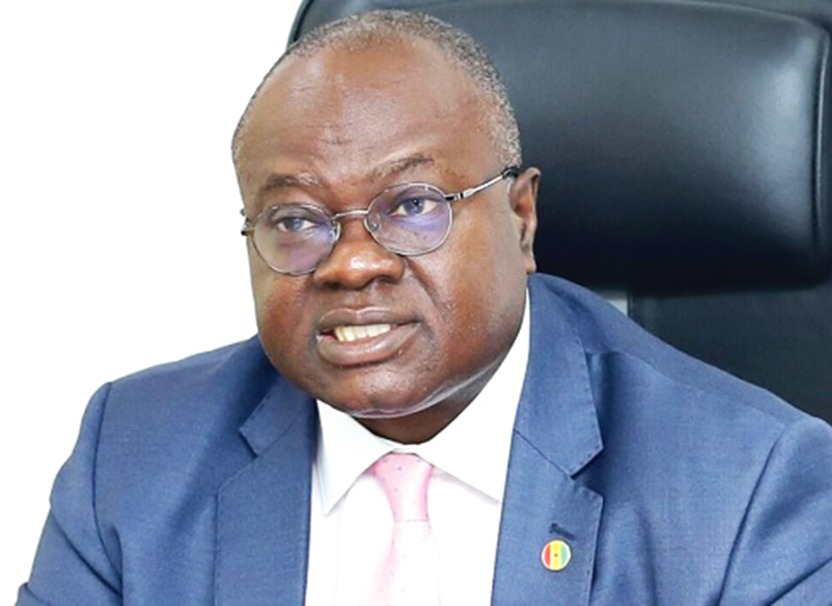
The statement, signed by the Ranking Member of the Parliamentary Committee on Lands and Natural Resources, Kwaku Ampratwum-Sarpong, also took aim at the Mahama administration, arguing that despite campaigning on strong promises to end illegal mining through its Reset Agenda, the problem continues to persist.
The Minority contended that less than two years into the government’s tenure, galamsey remains widespread and, by several accounts, has become even more destructive. The opposition, therefore, urged authorities to intensify efforts to address the issue and protect the country’s natural resources.
However, the Caucus cautioned against politicising the fight against illegal mining, insisting that partisan competition has often undermined efforts to effectively tackle the challenge.
“The fight against galamsey must not be reduced to partisan point-scoring,” the statement stressed, arguing that illegal mining should be treated as national governance and law enforcement issue rather than a political contest between competing parties.
The Minority further claimed that the galamsey enterprise has, at various times, been enabled, protected or sustained by politically exposed persons and influential actors, regardless of political affiliation.
This reality, it said, underscores the need for stronger institutions and enforcement mechanisms insulated from political interference.
Calling for broader stakeholder involvement, the Caucus appealed to faith-based organisations, traditional authorities, civil society groups, the media and ordinary citizens to join the campaign against illegal mining.
It said the growing participation of religious organisations demonstrates a renewed sense of national commitment and could help sustain public pressure for action.
Beyond public advocacy, the Minority argued that Ghana needs a more durable institutional framework to confront illegal mining.
While acknowledging previous anti-galamsey initiatives such as Operation Vanguard and GalamStop, as well as the current National Anti-Illegal Mining Operations Secretariat (NAIMOS), the Caucus maintained that changing the names of interventions alone would not solve the problem.
Instead, it proposed that NAIMOS be formally established through a Legislative Instrument (L.I.) that clearly defines its mandate, powers, operational structure and accountability mechanisms.
According to the Minority, giving NAIMOS a firm legal foundation would help shield anti-galamsey operations from political influence, ensure continuity across different administrations and strengthen public confidence in the country’s efforts to combat illegal mining.
The Caucus said a legally backed and independent anti-galamsey framework would provide Ghana with a credible and permanent response to a challenge that has plagued successive governments.
The statement comes amid renewed national debate over illegal mining and growing calls from environmental groups, religious bodies and traditional leaders for stronger action to halt the destruction of water bodies and forest reserves across the country.