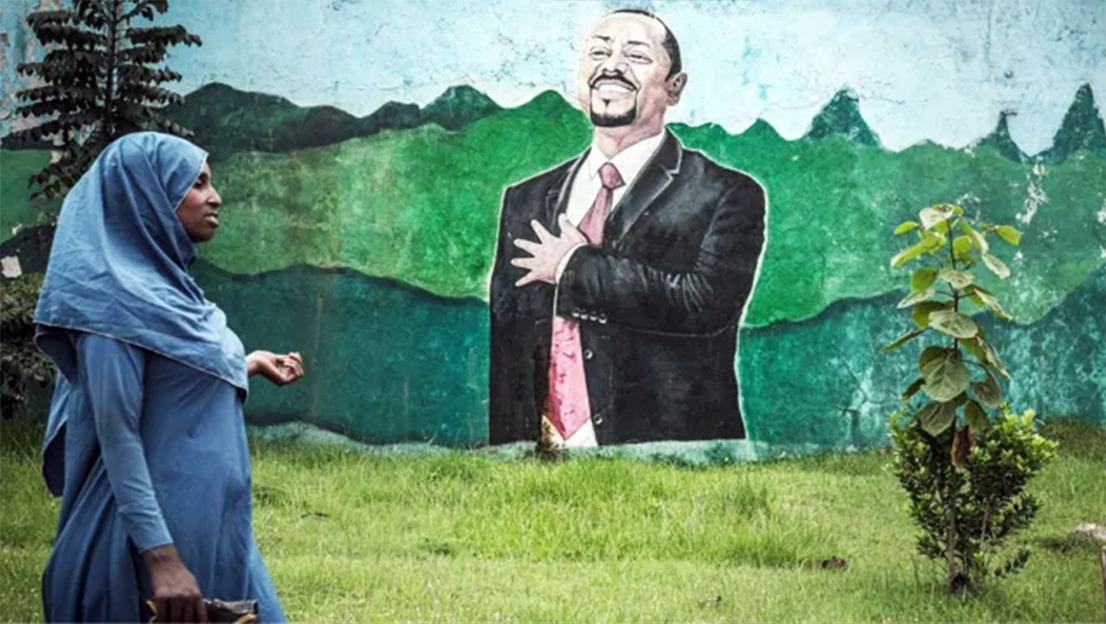
Ethiopia’s general election takes place on Monday as conflict rages in parts of the country, meaning many people will not be able to vote.
In fact, the whole northern region of Tigray, which has been trying to recover from a brutal civil war that ended in 2022, has been totally excluded from the poll.
It is the seventh election since the downfall of the military regime in 1991 – an upheaval that led to Eritrea’s secession two years later – and it takes place as Ethiopia’s relations with its northern neighbour are once again dangerously fraught.
The media is tightly regulated and many organisations, including the BBC, have not been given press accreditation.
Prime Minister Abiy Ahmed – although he is not directly elected. Voters elect representatives to the 547-member parliament and the party that secures at least 274 seats earns the right to form the next government to lead the country for the next five years.
Abiy, 49, came to power in 2018 following widespread anti-government protests against the Ethiopian People’s Revolutionary Democratic Front (EPRDF), a coalition – dominated by politicians from Tigray – that had ruled since 1991.
He went on to dissolve the EPRDF, of which he was a part, and replace it with his Prosperity Party, a more centralised and less federal form of governing.
Prof Merera Gurdina, a veteran opposition politician and member of the Oromo Federalist Congress, alleges the upcoming election is the least competitive in Ethiopia’s recent history.
Credit: bbc.com