Routine Physical Exam
Some people see their doctor every year for a physical to make sure everything is OK. There’s debate about whether you need to go that often. In the end, it depends on your:
- Age
- General health
- Risk factors for certain problems
Your doctor will ask you about your health and lifestyle. They’ll listen to your heart and lungs and probably get your weight and vital signs.
Height and Weight
Whether you go for a regular physical or some other checkup, your doctor probably will get your height and weight. They need it to measure your BMI (body mass index). Keeping your BMI in a healthy range helps protect you from things like heart disease, type 2 diabetes, and some forms of cancer. Your BMI is based on a formula of height and weight. If you’re not in the healthy range, your doctor will suggest ways to help get you there.
Blood Pressure
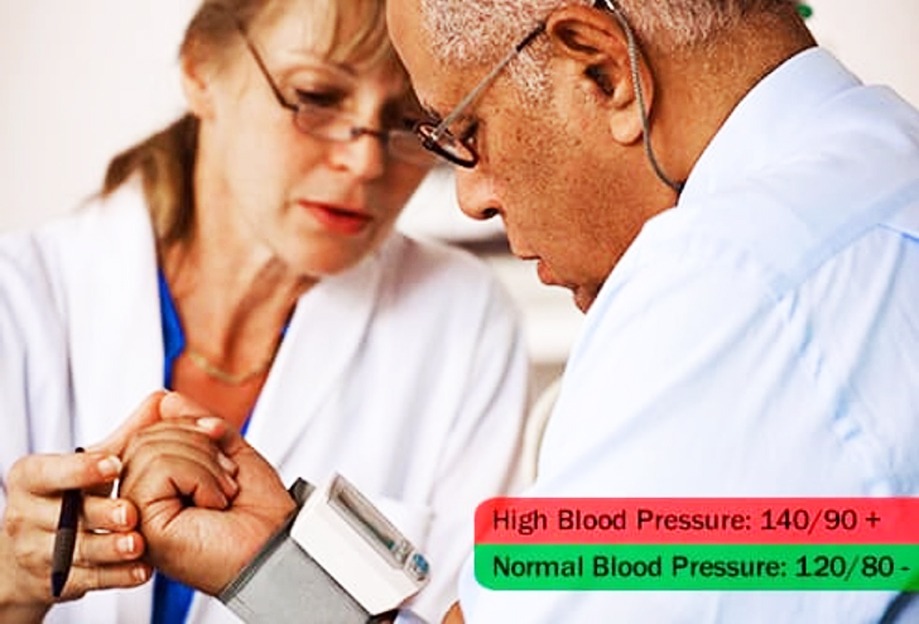
It’s a measure of the pressure of your blood against your arteries. If it’s too high, your chances of heart disease and stroke go up. Normal blood pressure is less than 120 over 80. Doctors define high blood pressure, or hypertension, as 130 over 80 or higher. You should get your blood pressure checked at least every 2 years starting at age 18. If it’s high, you may have to take it more often. Ask your doctor how often you should have yours taken.
Blood Sugar Test
This is a way to check for diabetes or prediabetes. It’s a simple test that measures the level of sugar (also called glucose) in your blood. You should start routine testing once you reach age 45. Your doctor may suggest having it done sooner if you:
- Are overweight
- Have high cholesterol or high blood pressure
- Have had gestational diabetes
Cholesterol
This is a type of fat in your blood. High cholesterol can lead to heart disease and stroke. You should get your cholesterol checked every 4-6 years if you’re older than 20. Your doctor will likely recommend that you get it checked more often if you’re an older adult, male, overweight, or you have:
- A family history of heart disease or high cholesterol
- Diabetes
- A personal history of high cholesterol
Colorectal Cancer Screening
Tests look for cancer in the colon or rectum by checking for blood there or for tissue growths called polyps. If you don’t have a high risk for cancer, start to get these tests when you turn 45.
Fecal immunochemical test (FIT) should happen yearly. A sigmoidoscopy, where your doctor checks part of your colon, should happen every 5 years. You should have a colonoscopy, where the doctor looks at your entire colon, every 3-10 years depending on what is found during your exam.
Skin Check
It’s a good idea to check for any changes in moles, freckles, and other marks on your skin. Experts say you should do a skin self-exam once a month. When skin cancers are found early and treated, they’re almost always curable. If you or someone in your family has had skin cancer, it is smart to have your skin looked over regularly by a doctor.
Mammogram
This X-ray test looks for changes in your breasts. Experts disagree on how often you need this test and when you should start. Talk to your doctor about it once you turn 40. They may tell you to wait until you’re 50, or they may have you get your first one right away. Once you start, some experts have you get one every year. Others say every 2 years. Talk to your doctor about what’s best for you.
Prostate Exam
Experts differ on how often you should have this test that checks the prostate gland for signs of cancer. Most men will want to start talking with their doctor about it around age 50. African American men and men with a family history of prostate cancer may want to start the talk between 40 and 45 years old. Most often, the test is a blood test called a PSA test. You may get a rectal exam instead. Your doctor will let you know what’s best for you.
Dental Checkup
Hopefully you brush and floss every day. But it’s smart to also see a dentist regularly so they can look for cavities, gum disease, and other problems in your mouth. You may need to go once or twice a year. It depends on your oral health and what you need to do to keep your mouth and smile looking and feeling good.
Cancer Screening
Tests look for cancer in the colon or rectum by checking for blood there or for tissue growths called polyps. If you don’t have a high risk for cancer, start to get these tests when you turn 45.
Fecal immunochemical test (FIT) should happen yearly. A sigmoidoscopy, where your doctor checks part of your colon, should happen every 5 years. You should have a colonoscopy, where the doctor looks at your entire colon, every 3-10 years depending on what is found during your exam.
Credit: webmd