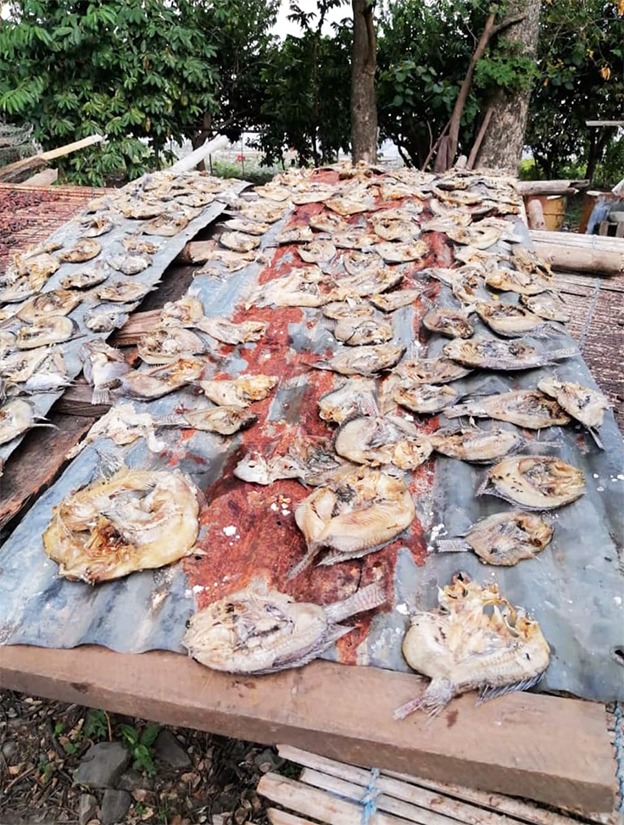
It is now evident that the Fish stock, particularly the much patronised Tilapia (Apatre) species from Lake Bosomtwe might be unwholesome for human consumption for unknown reasons.
An epidemic from contamination seems imminent if steps are not taken to check the inflow of foreign matter, including chemicals from mining activities into the Lake, the only Meteorite Lake in Ghana, covering an area of about 52 km2.
Lake Bosomtwe, the third UNESCO Biosphere Reserve in Ghana, has reportedly reduced in size, following human activities including illegal mining.
The Lake faces contamination from illegal mining (cyanide, mercury), sewage, agro-chemicals (fertilizers, pesticides), refuse dumping and deforestation, leading to high levels of arsenic, ammonia, bacteria, nitrates/phosphates, and heavy metals that wash into rivers feeding the Lake making the water unsafe for drinking and the fish stock.
Lake Bosomtwe is primarily known for its fish stock, with dominant assorted Tilapia species which are experiencing drastic decline lately.
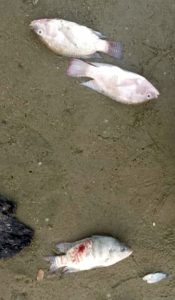
However, besides the threats of extinction of the fish stock from overfishing and habitat loss, reports from the Bosomtwe enclave currently indicate that floating of lifeless fishes is now a common sight in the Lake on daily basis an indication of contamination intensifying the threats to the ecosystem and the 22 surrounding communities.
Sale of fishes (both fresh and fried) is a source of livelihood for the residents who trade them in the nearby communities and in the Kumasi metropolis.
As a result of the current situation, local fish mongers are treating and preserving the said fishes for sale in the markets for public consumption posing a health hazard.
The residents of the communities along the Lake, including Abono, Ankaase, Duase, Dompah, Esaase, Apaw and Banso, who are yet to come to terms with the situation, attribute the unhealthy development to illegal mining activities which flow into the Lake along the countless valleys.
They pointed to intensified mining activities at Adumasa near Asamang in the Bosome-Freho portion of the Lake, as well as Konkoma and Beposo.
The Residents are demanding action against illegal miners and polluters and have called for water quality testing.
They appealed to the Traditional authorities, District Assemblies and health authorities to take steps to prevent a health hazard in the area to protect lives and public health.
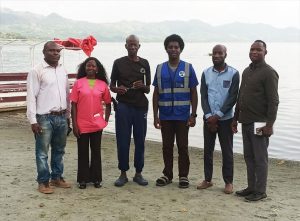
Following concerns raised by Assembly members in the area, a team of medical officials, environmentalists and officers from the Bosomtwe District Assembly has visited Abono, the gateway to the Lake on a fact finding mission. No report has been made public yet.
Meanwhile, A Rocha Ghana, an environmental and conservation-oriented non governmental organisation that engages in scientific research, environmental education and community-based conservation projects in 20 communities across six regions in Ghana, has visited communities at the Lake to assess the situation. It is yet to issue a report on its findings.