Cholesterol in animal-based foods and ingredients, also called dietary cholesterol, used to get a bad rap. Experts singled it out as being risky for heart health. But today science shows that dietary cholesterol can be part of an overall-healthy diet for many people, especially if you limit foods that are high in saturated fat.
We spoke with Shannon Stockero, a registered dietitian, about how big an effect dietary cholesterol tends to have on levels of cholesterol in your blood.
Q: What is the biggest faulty idea you hear about cholesterol and diet? And what do you wish more people understood?
Stockero: The biggest misconception I hear is that foods high in cholesterol automatically raise blood cholesterol levels. While dietary cholesterol can affect cholesterol levels in some people, it generally has a much smaller impact than many people think.
What I wish more people understood is that our bodies naturally produce cholesterol because it plays essential roles in cell structure, hormone production, and digestion. For most people, factors like saturated fat intake, overall dietary patterns, physical activity, genetics, and other lifestyle habits have a much greater influence on blood cholesterol levels than foods high in cholesterol alone.
Q: When it comes to lowering cholesterol, what dietary changes have the biggest impact? And what changes tend to be overrated?
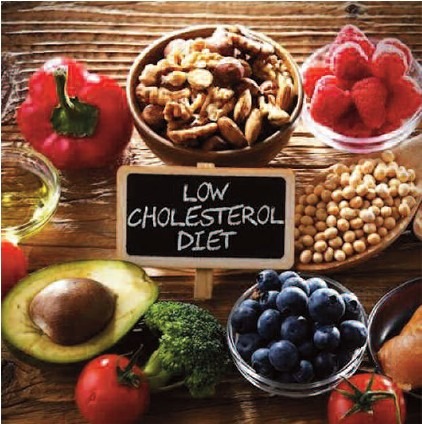
Stockero: One of the most effective dietary changes is replacing saturated fats with unsaturated fats. Saturated fats are commonly found in foods like fatty cuts of meat, butter, and full-fat dairy products. Unsaturated fats are found in foods such as olive oil, avocados, nuts, seeds, and fatty fish. Getting more fiber — especially soluble fiber from foods like oats, beans, lentils, apples, and barley — can also have a meaningful impact on lowering LDL cholesterol.
What tends to be overrated is the idea that all fat is bad. Many people still think they need to follow a very low-fat diet to improve cholesterol levels. But healthy fats are important for nutrient absorption, feeling full (satiety), and overall heart health. The goal isn’t to avoid fat, it’s to choose the right kinds of fat.
Q: How do saturated fats, trans fats, and unsaturated fats affect blood cholesterol levels differently?
Stockero: Saturated fats tend to raise LDL cholesterol (also known as “bad” cholesterol) levels, which is why most heart health guidelines recommend limiting them. Trans fats are the most concerning because they raise LDL cholesterol while lowering HDL (“good”) cholesterol. Fortunately, artificial trans fats have largely been removed from the food supply, though small amounts may still be found in some processed foods.
Unsaturated fats, including monounsaturated and polyunsaturated fats, can help improve cholesterol levels when they replace saturated fats in the diet. These fats are found in foods like olive oil, nuts, seeds, avocados, and fatty fish.
Q: Which food swaps do you recommend most often?
Stockero: As a chef-dietitian, I always think about what changes will improve nutrition while still keeping food enjoyable. Fat contributes flavor, texture, and satisfaction, so swaps need to work in real life. One of my favorite swaps is combining plant proteins with animal proteins. For example, when making tacos, try using half ground beef and half black beans. You still get the flavor and texture people love while increasing fiber and reducing saturated fat.
Here are some other simple swaps: Cook with olive or avocado oil instead of butter or lard. Choose salmon or trout more often than higher-fat processed meats. Use hummus, avocado, or nut butter in place of some creamy spreads.
Q: What role does fiber play in helping manage blood cholesterol levels?
Stockero: Fiber plays a major role in cholesterol management, especially soluble fiber. Soluble fiber acts a bit like a sponge in the digestive tract. It binds to cholesterol-containing compounds and helps remove them from the body rather than allowing them to be reabsorbed. Over time, this can help lower LDL cholesterol levels. Fiber-rich foods such as whole grains, beans, lentils, fruits, vegetables, nuts, and seeds also tend to be more filling, which can support overall heart health and weight management.
Q: What are the top three pieces of advice you’d give to a person who has high cholesterol or is trying to avoid getting it?
Stockero: First, focus on fiber. Most people aren’t getting enough. Aim to include fiber-rich foods throughout the day, such as beans, lentils, whole grains, fruits, vegetables, nuts, and seeds. Fiber is one of the most powerful nutrition tools for supporting healthy cholesterol levels.
Second, swap fats, don’t cut them out of your diet. Rather than trying to avoid all fats, focus on replacing saturated fats with unsaturated fats. Choose foods like olive oil, nuts, seeds, avocados, and fatty fish more often. And be mindful of portions of foods high in saturated fat.
Finally, try to move more, and make it a priority. Regular physical activity can help improve cholesterol levels and overall heart and blood vessel health. The best exercise is the one you’ll do consistently, whether that’s walking, strength training, cycling, swimming, or a combination of activities you enjoy.
Credit: webmd