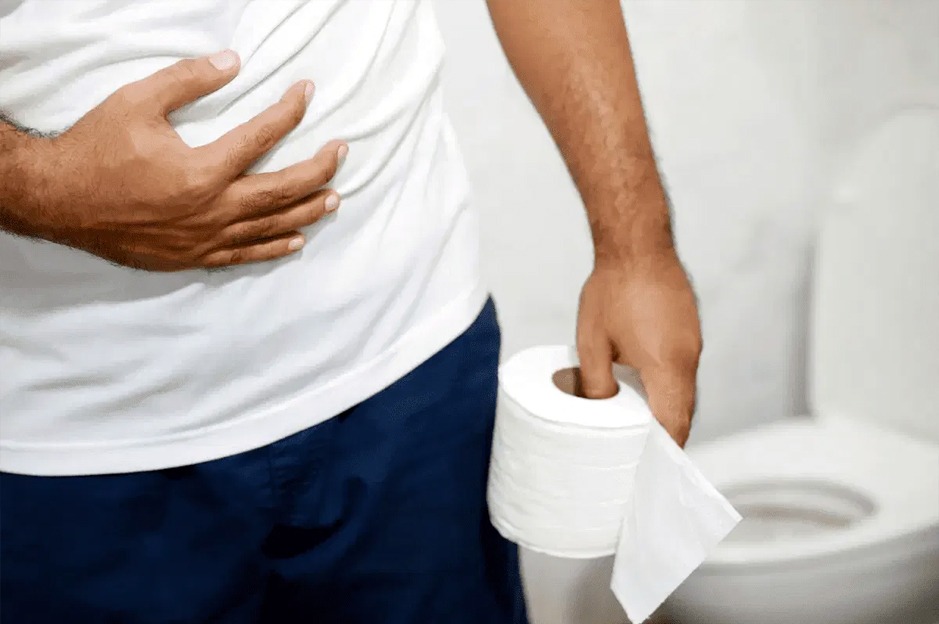
What Is Diarrhea
When you have diarrhea, your bowel movements (or stools) are loose and watery. It’s common and usually not serious.
Many people get diarrhea a few times a year. It normally lasts 2 to 3 days. Some people get it more often. That could be because they have irritable bowel syndrome (IBS) or other conditions.
Types of Diarrhea
There are different types of diarrhea, including:
Acute diarrhea
This most common type lasts a couple of days at the most and usually gets better without treatment.
Persistent diarrhea
This kind lasts for a couple of weeks up to a month.
Chronic diarrhea
This type of diarrhea lasts longer than a month or appears and disappears over time. It could be a sign of a serious health condition that needs your doctor’s attention.
What Causes Diarrhea?
Usually, diarrhea happens because of a virus that gets into your gut. Some people call it “intestinal flu” or “stomach flu.”
Other causes include:
- Allergies to certain foods
- Diseases of the intestines (such as Crohn’s disease or ulcerative colitis)
- Eating foods that upset the digestive system
- Infection by bacteria (the cause of most types of food poisoning) or other organisms like parasites
- Laxative abuse or a reaction to medications like antibiotics and certain cancer drugs
- Running (Some people get “runner’s diarrhea” for reasons that aren’t clear.)
- Some cancers
- Surgery on your digestive system
- Trouble absorbing certain nutrients, also called “malabsorption”
- Overactive thyroid (hyperthyroidism)
Diarrhea may also follow constipation, especially for people who have IBS.
Diarrhea Symptoms
You may have:
- Bloating in your belly
- Thin or loose stools
- Watery stools
- An urgent feeling that you need to have a bowel movement
- Nausea and throwing up
- Leaking stool, and you can’t control your bowels (incontinence)
When to See a Doctor for Diarrhea
Call your doctor right away if you have:
- Blood in your diarrhea or black, tarry stools
- A fever that is high (above 101 F) or that lasts more than 24 hours
- Diarrhea lasting longer than 2 days
- Nausea or throwing up that prevents you from drinking liquids to replace lost fluids
- Severe pain in your belly (especially the right lower quadrant) or rear end
- Diarrhea after coming back from a foreign country
These can be warning signs of things like:
- Infection
- Inflammatory bowel disease
- Pancreatitis
- Colon cancer
Diarrhea Diagnosis
Your doctor will ask about your medical history, what medications you take, and what you’ve eaten or had to drink recently. They will give you a physical exam to look for signs of dehydration or belly pain.
Certain tests can help pinpoint the cause of your diarrhea, including:
- Blood tests to look for specific diseases or disorders
- A colonoscopy, in rare cases, in which your doctor looks inside your colon with a thin, flexible tube that holds a tiny camera and light. They can also use this device to take a small sample of tissue. Or your doctor might need to do only a sigmoidoscopy, which looks at just the lower colon.
- Stool tests to look for bacteria or parasites
- An endoscopy to check your stomach and intestines to make sure there aren’t any growths or problems like ulcers that could be causing your diarrhea
- Imaging tests that can show if there’s anything wrong with how your organs are shaped or formed
- Fasting tests, which can reveal if you have trouble digesting specific foods (food intolerance) or if certain foods trigger an immune response (food allergy)
- A hydrogen breath test, which can find out if you’re intolerant to lactose or fructose and if you have too much bacteria in your gut
How to Stop Diarrhea
If your case is mild, you may not need to take anything. Adults can take an over-the-counter medicine such as bismuth subsalicylate or loperamide, available as liquids or tablets. Your doctor could also suggest:
- Antibiotics or anti-parasitic drugs get rid of germs that cause infection
- Medicine to treat a health condition that causes diarrhea, such as inflammatory bowel disease (IBD) or irritable bowel syndrome (IBS)
- A probiotic, which fights diarrhea by introducing good bacteria to your gut
Diarrhea Home Remedies
Home remedies and lifestyle changes can also help you to get rid of diarrhea.
Drink plenty of fluid
You also need to stay hydrated. You should drink at least six 8-ounce glasses of fluids each day. Choose electrolyte replacement drinks or soda without caffeine. Chicken broth (without the fat), tea with honey, and sports drinks are also good choices. Instead of drinking liquids with your meals, drink liquids between meals. Sip small amounts of fluids often.
Avoid caffeine and alcohol
Caffeine, which is found in coffee, soda, certain teas, and chocolate, can make diarrhea worse. Alcohol can make you dehydrated.
Avoid gas-causing foods
This includes beans, cabbage, Brussels sprouts, beer, and fizzy drinks. It’s also best to avoid dairy while you have diarrhea since the condition can briefly make you lactose intolerant.
Credit: webmd