Avocado
Avocados are rich in fat-soluble vitamin E and healthy monounsaturated fats. Vitamin E protects against oxidative damage caused by too many free radicals, sun-related aging, and the loss of collagen – the skin’s natural plumper. It also lowers inflammation. Healthy fats help maintain your skin’s pH and moisture levels, keeping it supple. They also protect your skin barrier from dryness, which can make lines and wrinkles look more obvious. Your body needs some dietary fat to process fat-soluble vitamins like E. Avocados give you both in one tasty package. Try them in fresh guacamole!
Salmon
Salmon offers a bounty of healthy polyunsaturated fats, notably omega-3 fatty acids. Omega-3s can benefit skin in many ways, like protecting against sun damage and inflammation and keeping skin plump and supple. They can even help repair damaged skin, especially damage caused from dehydration. Not getting enough fatty acids can lead to dryness and flaking. It’s also important to have the right balance of omega-3s (more of them) and omega-6s (less of them). Most omega-6s in the diet come from processed foods high in vegetable oils, a good place to cut back.
Berries
Berries are rich in antioxidants, nutrients that fight off the oxidative stress from the free radicals that can lead to skin aging, dryness, and dullness. This is thanks to a potent combo of vitamin C and phyto- or plant-based nutrients, including flavonoids called anthocyanins (the source of their deep colors) and carotenoids. Strawberries get particularly high marks for promoting skin health, followed closely by red raspberries, black raspberries, blueberries, and blackberries.
well.
Leafy Greens
Dark green leafy vegetables are powerhouses of vitamins C and K. Think kale, spinach, Swiss chard, and lettuces like arugula and romaine. They also have carotenoids, which are antioxidants that can stop damage from free radicals. Kale is particularly rich in carotenoids and vitamin C. Eating it on a regular basis may boost collagen and elastin levels for more supple skin. Because carotenoids as well as vitamin K need to be eaten with some fat for better absorption, pair greens with healthy olive oil, either as a dressing or when cooking them.
Nuts, Seeds, and Legumes
Eating a wide variety of foods from these groups is skin smart. Vitamin E supports the epidermis and dermis for firmer skin. Mono– and polyunsaturated fatty acids lower the risk of aging from sun exposure (photoaging). Other benefits include a more even skin tone, fewer wrinkles, and more elastic skin. Where to begin? Research found that one or two ounces of almonds every day decreased wrinkles and improved skin tone in middle-aged and older women. Chia and flax seeds and walnuts all have alpha-linolenic acid (ALA) – the only plant-based omega-3 fatty acid.
Tomatoes
Tomatoes are rich in lycopene, one of the top carotenoids that protect skin. Lycopene is also found in some other red fruits and vegetables, including pink grapefruit, pomegranates, red bell peppers, and figs. It lessens oxidative damage, inflammation, and redness from sun exposure and boosts collagen for smoother skin. Cooked tomatoes have higher lycopene levels than raw. Studies using tomato paste as the lycopene source found that eating 40 to 55 grams (about 1.5 to 2 ounces) a day brought noticeable skin benefits. It would take about 2.5 cups of raw tomatoes to get similar results.
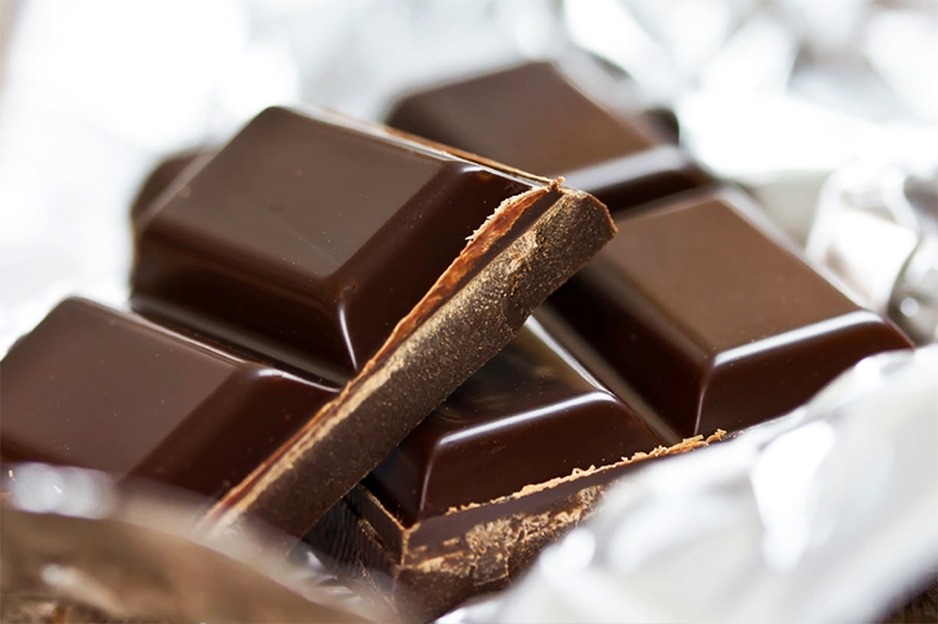
Dark Chocolate and Cocoa
Dark chocolate with 70% or higher cacao has many known benefits. But unsweetened cocoa is even more impressive when it comes to protecting against skin aging. It has one of the highest concentrations of antioxidants called flavanols. One study found that a daily high-quality cocoa drink can make skin more elastic and lessen roughness and wrinkle depth. Plus, drinking hot cocoa boosts blood flow in the dermis, which benefits skin health. Make your own instead of packaged mixes, which are high in sugar and low in quality cocoa. Raw cocoa powder has the most flavanols, followed by natural cocoa powder rather than Dutch-processed.
Watermelon
Watermelon is another fruit high in lycopene that helps reduce oxidative damage to the skin. It’s also a good source of vitamin C, which boosts collagen and elastin, protects against sun damage, and keeps skin hydrated. While some skin care products include vitamin C, eating vitamin C-rich foods is better than relying only on topicals. The vitamin loses its potency when processed. Another advantage of watermelon is its water content. It’s a great way to reach the daily goal of the 8 or more cups needed for moist skin.
Green Tea
Like cocoa, green tea is a great source of flavanols. A review of studies on tea flavanols, including the catechin known as EGCG, found they protect against damage from ultraviolet (UV) rays. Drinking about 4 cups a day helped combat red and rough skin and the loss of moisture and elasticity. Drinking green tea is also great for hydration.
Credit: webmd