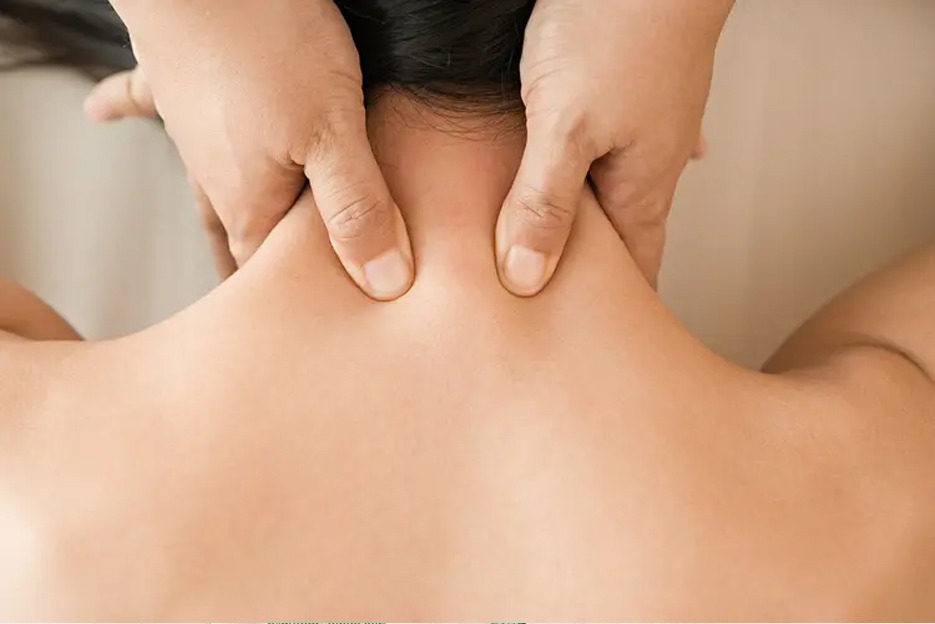
Massage therapy is a form of manual therapy that involves moving soft tissues in the body to reduce stress, ease muscle tension, and promote relaxation and overall well-being. It is a hands-on technique performed by trained massage therapists.
Massage has been practiced for thousands of years. Today, if you need a massage, you can choose from about 80 massage therapy styles with a wide variety of pressures, movements, and techniques. These all involve pressing, rubbing, or manipulating muscles and other soft tissues with hands and fingers. Sometimes, even forearms, elbows, or feet are used.
Types of Massage Therapy
Swedish massage
The most common type of massage is Swedish massage therapy. It involves soft, long, kneading strokes, as well as light, rhythmic, tapping strokes, on the topmost layers of muscles. This is also combined with the movement of joints. By relieving muscle tension, Swedish therapy can be both relaxing and energizing. And it may even help after an injury.
Deep tissue massage
Deep tissue massage is best for giving attention to certain painful, stiff “trouble spots” in your body. The massage therapist uses slow, deliberate strokes that focus pressure on layers of muscles, tendons, or other tissues deep under your skin. Though less rhythmic than other types of massage, deep tissue massage may be therapeutic, relieving chronic patterns of tension and helping with muscle injuries, such as back sprains.
Sports massage
Developed to help with muscle systems used for a particular sport, sports massage uses a variety of approaches to help athletes in training—before, during, or after sports events. You might use it to promote flexibility and help prevent injuries. It may also help relieve muscle strains and speed up healing after a sports injury.
Chair massage
Have you ever gone to a county fair, music festival, or conference and envied other people getting chair massages? Or have you ever passed by the chair massage section in an airport? Or maybe you’re lucky enough to work at a company that offers 15- to 20-minute massages as a regular benefit. Chair massages are done while you’re seated fully clothed in a portable, specially designed chair. They usually involve a massage of your neck, shoulders, back, arms, and hands.
Shiatsu massage
In Japanese, shiatsu means “finger pressure.” For shiatsu massage, the therapist uses varied, rhythmic pressure on certain precise points of the body. These points are called acupressure points, and they are believed to be important for the flow of the body’s vital energy, called chi. Proponents say shiatsu massage can help relieve blockages at these acupressure points.
Thai massage
During a Thai massage, the therapist uses their body to move the client into a variety of positions. This type of massage includes compression of muscles, mobilization of joints, and acupressure.
Lymphatic drainage massage
A lymphatic drainage massage is a gentle massage of your tissues designed to help increase the circulation of lymph fluids in your body. Lymph is a protein-rich fluid that moves throughout your body in lymph vessels. It scoops up things like bacteria, viruses, and waste and carries them to your lymph nodes. Your lymph nodes then filter the fluid to get the impurities out of your body. The massage is usually done with light pressure with gentle, long strokes along the skin to increase the movement of lymph through your system.
Hot stone massage
For this kind of massage, the therapist places warmed stones on certain areas of the body, such as acupressure points. The stones may be used as massage tools or temporarily left in place. Used along with other massage techniques, hot stones can be quite soothing and relaxing as they transmit heat deep into the body.
Pregnancy massage
During pregnancy, your body goes through major changes. Pregnancy massage can help with these changes by reducing stress, decreasing arm and leg swelling, and relieving muscle and joint pain. Massage may be particularly helpful during a time when medication and other medical options may be more limited. Using specially designed massage pillows, the massage therapist will help you get into a comfortable position for this type of massage.
Cranial sacral massage
This practice is mostly used to treat headaches, migraines, neck and back pain, stress-related disorders, temporomandibular joint (TMJ) dysfunction, and certain neurological conditions. During a cranial sacral massage session, a trained therapist uses light touch and subtle movements to assess and address any imbalances or restrictions in the craniosacral system. The craniosacral system includes the membranes and cerebrospinal fluid that surround and protect the brain and spinal cord.
Trigger point massage
During a trigger point massage session, a trained therapist applies pressure directly to the identified trigger points to help release tension and get rid of pain. The pressure can vary in intensity, and the therapist may use their fingers, knuckles, elbows, or other tools to target the specific areas effectively. The trigger point massage aims to encourage the release of the contracted muscle fibers, improve blood flow to the affected area, and promote relaxation of the muscles.
Credit: webmd