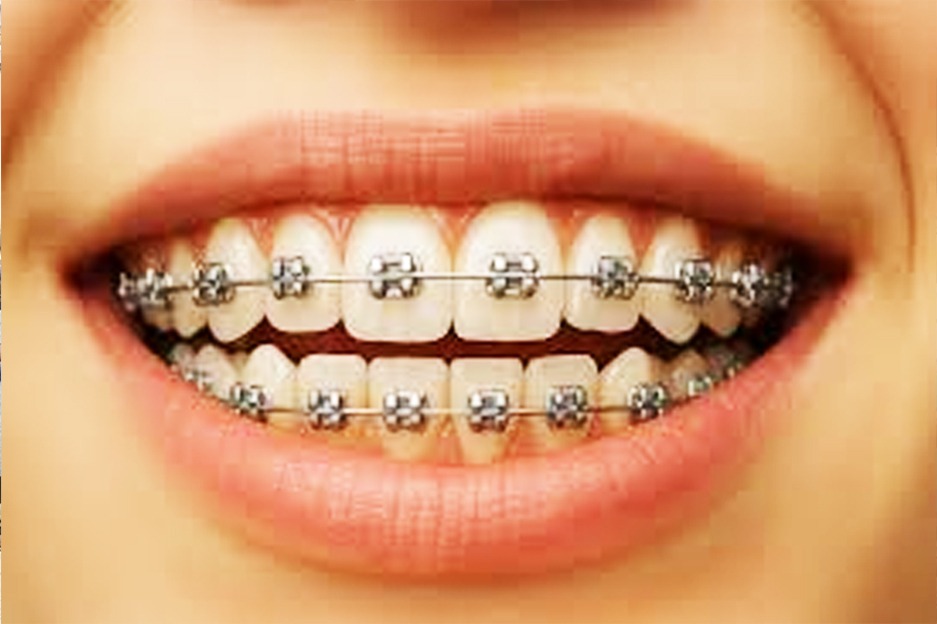
Braces are dental tools, sometimes called appliances, that help correct problems with your teeth, like crowding, crooked teeth, or teeth that are not aligned. Many people get braces when they’re teenagers, but adults get them too. As you wear them, braces slowly straighten and align your teeth until your bite is corrected.
Getting braces
Some general dentists work with braces, but most likely, your treatment with braces will be overseen by an orthodontist, a type of dentist who specializes in straightening teeth, correcting bites that aren’t aligned, and addressing jaw problems. An orthodontist has 2 to 3 years of advanced orthodontic education and training beyond dental school.
The dentist or orthodontist you choose will ask questions about your health, do a clinical exam, take a digital scan of your teeth, take photos of your face and teeth, and order X-rays of your mouth and head. They’ll come up with a treatment plan based on this information.
Types of Braces
Braces are the most popular way to straighten teeth and correct misaligned bites in children. They don’t only come in the shiny metal form of years past. Many more options are now available.
Your dentist or orthodontist will prescribe braces based on your needs and your preferences. Your braces may consist of bands, wires, and other fixed or removable corrective tools, or appliances. No one method works for everyone.
Metal/traditional braces
Traditional braces are made of metal. They include brackets that are attached to the front of your teeth or bands that fit around each tooth, as well as flexible wires, or archwires, that hold the brackets or bands together. Some braces also include rubber bands or metal ties that link the brackets to the wire. These bands create pressure to help straighten and align your teeth. Your orthodontist may have you wear a device called headgear at night. It provides added pressure to help straighten your teeth.
Ceramic braces. Also called clear braces, these work just like metal braces, but their color matches your teeth. That makes them less noticeable (but not invisible). They’re not as durable as metal braces, which makes them easier to break, but they provide just as much correction.
Lingual braces
The brackets on these braces attach to the backs of your teeth, facing your tongue. That keeps them out of sight as they do their job.
Self-litigating braces
Made from either metal or ceramic, these braces cause less friction because they have clips built into the brackets to hold the wire. Self-litigating braces usually allow you more time between appointments. Easier to clean and harder to spot, they may require less time than other braces to correct your teeth.
Mini braces
These are about 30% smaller than traditional braces, but they are made of stronger stainless steel. They’re less noticeable, easier to keep clean, and work just as well as larger braces.
Braces vs. Invisalign
Invisalign is the brand name of a popular alternative to braces called clear aligners. While both braces and clear aligners help straighten your teeth, they have significant differences.
Clear aligners are plastic models of your teeth. When you wear them, they apply mild pressure that gradually repositions your teeth. Tooth-colored attachments can help hold your aligners in place if necessary. Unlike braces, which remain fixed to your teeth at all times, clear aligners like Invisalign can be removed easily. In fact, you will take them out to eat as well as to brush and floss. It’s recommended that you wear them at least 22 hours per day. Clear aligners are much less noticeable than traditional braces. One potential drawback compared to braces: You can lose or damage your clear aligners when you remove them. You also have to avoid drinking acidic and/or sugary drinks, like sodas and sports drinks, while wearing clear aligners. If such liquids get in your aligners, they can stain your teeth and cause tooth decay.
How Do Braces Work?
Braces put pressure on your teeth over a period of time to slowly move them in a specific direction. This pressure slowly moves your teeth into a better alignment. The bone under them changes shape, too.
Braces are made up of many parts, including:
Brackets
Brackets are small squares that fit on the front or back of each tooth, depending on the type of braces you and your orthodontist select. The dentist attaches them with a special bonding agent or with orthodontic bands. Brackets act like handles, holding the archwires that move your teeth. Your brackets will be made of stainless steel or tooth-colored ceramic or plastic.
How Long Will I Have to Wear Braces?
Expect to wear your braces for about 2 years, but keep in mind that this varies from person to person. You could have yours for less than a year or up to 3 years. The time it takes for your braces to fix your problem depends on a few things, including:
- How severe your problem is
- The amount of space in your jaw
- Your overall oral health
- How closely you follow your orthodontist’s instructions
Credit: webmd