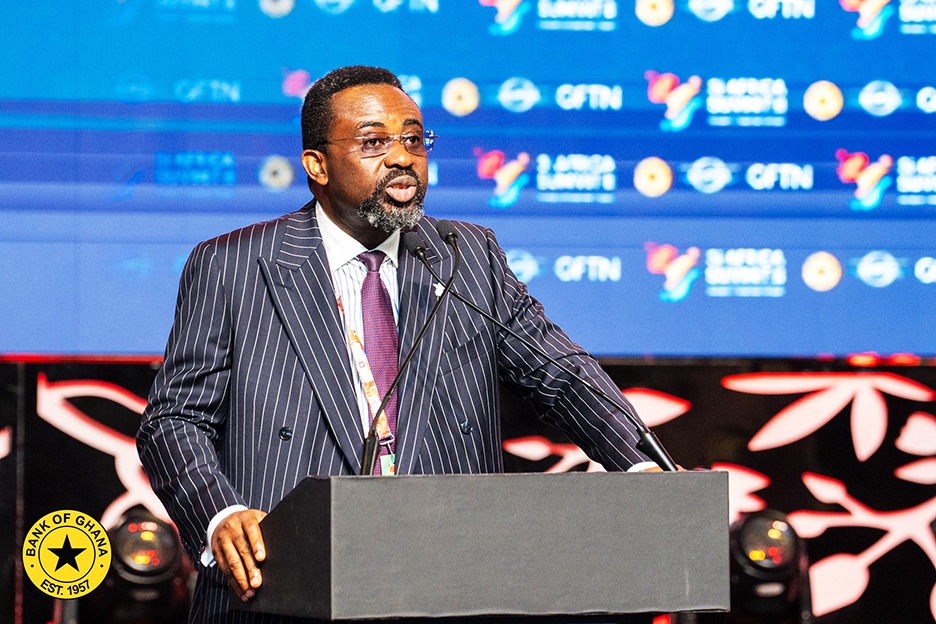
The Governor of the Bank of Ghana, Dr Johnson Asiama, has called for a decisive shift in Africa’s digital finance agenda, urging stakeholders to move beyond financial access to delivering real economic value.
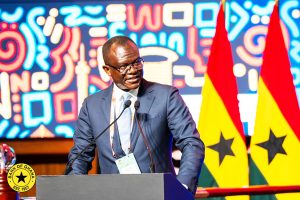
Speaking at the opening of the 2026 3i Africa Summit in Accra on Wednesday, May 6, 2026, he stressed that while the continent has made significant gains in expanding access to digital financial services, the next phase must focus on impact.

“We must move from access to value,” he declared, noting that the future of digital finance will be driven by solutions such as digital credit, embedded finance, supply chain finance and cross-border services.
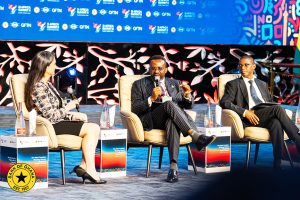
The three-day summit, running from May 6 to 8, has brought together policymakers, central bank governors, fintech leaders and investors to explore how innovation, investment and collaboration can drive Africa’s financial transformation.

Citing data from the World Bank, Dr. Asiama said about 49 per cent of adults in sub-Saharan Africa now have access to digital financial accounts, describing it as strong progress that must now translate into meaningful outcomes for businesses and households.

“The next phase will not be defined by payments alone,” he added, emphasising the need to build more sophisticated financial systems that serve women, small businesses, young people and the informal sector.

He also highlighted the importance of regulation, noting that it must both protect the financial system and enable innovation to thrive.
“Regulation and growth are not opposing forces. They must reinforce each other,” he said.
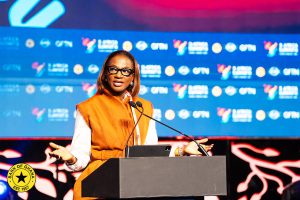
Complementing this position, the Chief Executive of the Ghana Interbank Payment and Settlement Systems, Clara B. Arthur, underscored the role of partnerships and infrastructure in driving Ghana’s digital finance success story.
She said Ghana’s progress has been built on strong collaboration between regulators, financial institutions and fintech firms, resulting in seamless interoperability across payment platforms.
Using an example from Makola Market, she noted that a trader’s simple expectation to receive mobile money instantly, regardless of the sender’s platform, reflects the success of an integrated financial ecosystem.
“That expectation is the result of interoperability… It represents trust, access and progress,” she said.

Madam Arthur revealed that GhIPSS is migrating Ghana’s payment systems to the ISO 20022 global messaging standard to enhance efficiency and support cross-border transactions, while also positioning to collaborate with virtual asset service providers under emerging regulations.

She further stressed the need for deeper continental integration, noting that the future of digital finance in Africa lies in connecting payment systems across borders.
Both speakers emphasised that collaboration among regulators, industry players and governments will be critical in shaping Africa’s financial future.