The United States and Ghana have reaffirmed their commitment to strengthening scientific cooperation and promoting mercury-free mining technologies to address mercury pollution associated with illegal small-scale mining.
The two countries have identified scientific research, improved environmental monitoring, stronger regulatory enforcement and sustainable mining technologies as critical interventions to protect Ghana’s freshwater resources, which have come under increasing threat from illegal small-scale mining, popularly known as galamsey.
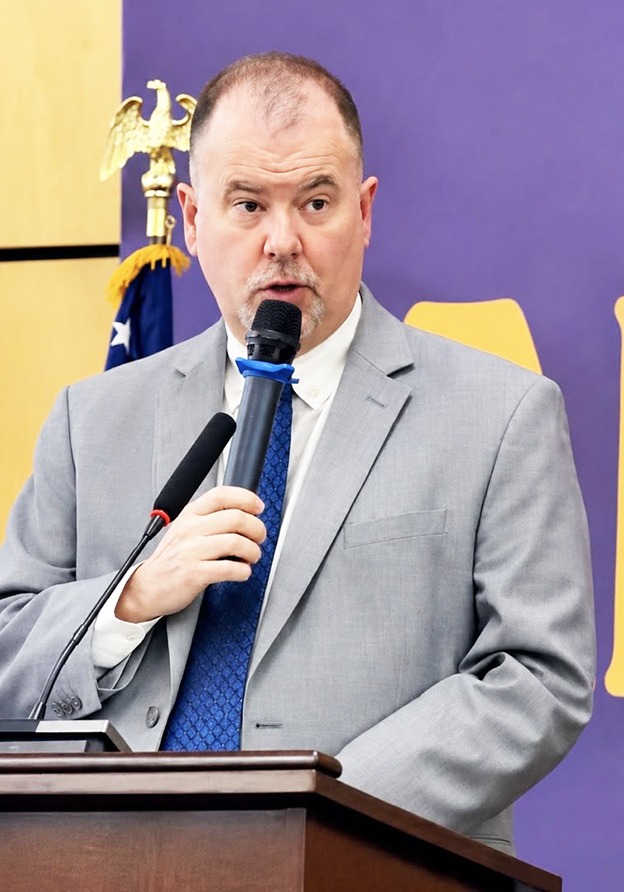
The commitment was highlighted at the Ambassador’s Water Experts Programme (AWEP) Symposium, organised by the US Embassy in Ghana under the theme, “Addressing Mercury Pollution: Collaborative Solutions for Sustainable Mining in Ghana.”
The symposium brought together scientists, policymakers, students, mining advocates and other stakeholders to discuss mercury pollution from illegal mining. US scientists presented findings from a 2024 Geological Survey assessment of mercury contamination in the Pra and Ankobra river basins in the Western Region, examining water, fish, sediments and agricultural products to establish the extent and potential environmental and human exposure pathways.
Speaking at the event, the Chargé d’Affaires of the US Embassy, Mr Rolf Olson, described mercury contamination from illegal gold mining as one of Ghana’s most pressing environmental and public health challenges.
He said illegal mining threatened major water bodies, including the Pra and Ankobra rivers, as well as drinking water supplies, agricultural production and the health of communities dependent on them.
Mr Olson cited reports of severe contamination of the Birim River, which he said had affected the operations of a water treatment plant because of mercury levels reportedly far beyond its treatment capacity.
He stressed that tackling the problem required scientific expertise, transparency, effective enforcement, community engagement and international cooperation.
US support
Mr Olson said the United States was committed to supporting Ghana’s efforts to combat illegal mining, including addressing foreign financial interests and actors involved in the practice.
He explained that the AWEP, supported by the US Department of the Interior, was designed to strengthen the technical capacity of partner countries through scientific expertise, laboratory technology and environmental monitoring tools.
He said American experts from the US Geological Survey and the US Environmental Protection Agency were participating in the symposium to share technical knowledge and experiences in addressing mercury contamination.
Mr Olson also highlighted the potential of mercury-free mining technologies, some of which were already being deployed in Ghana and other parts of Africa.
He urged the media to sustain public education on the devastating effects of illegal mining, saying responsible reporting was essential to building public and political support for environmental interventions.
60% of freshwater sources degraded
For her part, Ms Sarah Cobb, Acting Director of the Office of Conservation and Water at the US Department of State’s Bureau of Oceans and International Environmental and Scientific Affairs(OES), in a video recorded address , said illegal mining posed a serious threat to Ghana’s water resources.
She cited estimates by Ghana’s Water Resources Commission indicating that approximately 60 per cent of the country’s freshwater sources faced significant degradation.
Ms Cobb explained that mercury used in gold extraction could enter rivers and sediments, accumulate in fish and eventually find its way into agricultural products and drinking water.She warned that mercury contamination had serious implications for public health, food security and economic development.
She also referenced the Minerals Commission’s command centre, equipped with drones and other technology, as part of efforts to improve mining compliance.
Ms Cobb said American laboratories, analytical standards and mercury-free gold processing technologies could support Ghana’s efforts to strengthen environmental monitoring and promote responsible mining.
Ghana calls for research-driven solutions
The Minister of Environment, Science and Technology, Dr Zanetor Agyeman-Rawlings, in a speech read on her behalf said Ghana needed an integrated approach combining scientific research, technological innovation, effective governance, community participation and international cooperation to tackle mercury pollution.
She said the indiscriminate use of mercury in artisanal and small-scale gold mining threatened water resources, ecosystems, public health and community livelihoods.
She noted that Ghana, as a party to the Minamata Convention on Mercury, remained committed to reducing and, where feasible, eliminating mercury use in artisanal and small-scale gold mining.
Zanetor called for greater investment in mercury-free gold extraction technologies, stronger environmental monitoring, improved regulatory compliance and sustainable alternative livelihoods for mining-dependent communities.
For more news, join The Chronicle Newspaper channel on WhatsApp: https://whatsapp.com/channel/0029VbBSs55E50UqNPvSOm2z