Your Skin
Like an onion, your skin has layers. When it comes to infections, usually the deeper it is, the worse it can be. The first layer (epidermis) makes cells and gives you color. The second (dermis) makes oils to protect the skin and sweat to cool you. Its nerve endings help you feel heat, cold, and pain. The third layer (subcutaneous fat) attaches skin to muscles and bones, and helps control your temperature.
How Does Your Skin Get Infected?
A cut in your skin — from an injury or surgery, for example — makes it easier for germs to get in, and that can lead to infection. Viruses, bacteria, and fungi can all cause them. Bacteria are living organisms that are all around you. Many are harmless or even good for you, but some can cause problems. Viruses are tiny particles that can only grow inside other living cells. Fungi are living organisms that feed off other living things.
How Are Skin Infections Treated?
Ones caused by bacteria usually can be cured with antibiotics, though some bacteria have become resistant to the drugs and are harder to kill. Medication or prescription creams can stop most fungal infections, and there are several ways to treat viruses. Your doctor may recommend antiviral medicines, or they might need to remove skin growths. In other cases, your symptoms may go away on their own.
Boils and Carbuncles
A boil is a sore that starts as a red, tender bump, gets more painful as it fills with pus, and finally bursts. It happens when bacteria infect one or more hair follicles, often getting in through a cut or insect bite. A carbuncle is a cluster of boils under your skin. A warm washcloth on the area is usually enough to ease pain and help boils drain, but if it’s large, your doctor may make a small cut to let the fluid out.
Chickenpox
This virus affects your whole body and is mainly known for its itchy rash. Most of the time, it goes away within a week. It’s very contagious, so if you have it, stay home and rest until it’s gone. Once you’ve had chickenpox, you won’t get it again, but you may have an outbreak of shingles later in life — a painful, itchy rash. Vaccines can make you less likely to get chickenpox and shingles, or make you less sick if you do get one of them.
Athlete’s Foot
The same types of fungi that cause ringworm can cause this, too. It often shows up on the bottom of your feet and between your toes, where it’s dark and moist. It can make them itchy, dry, and cracked, and can sometimes cause bleeding. Many locker room floors are covered in it, so use rubber flip-flops at the gym — and clean them often. Keep your feet clean and dry to keep it from coming back.
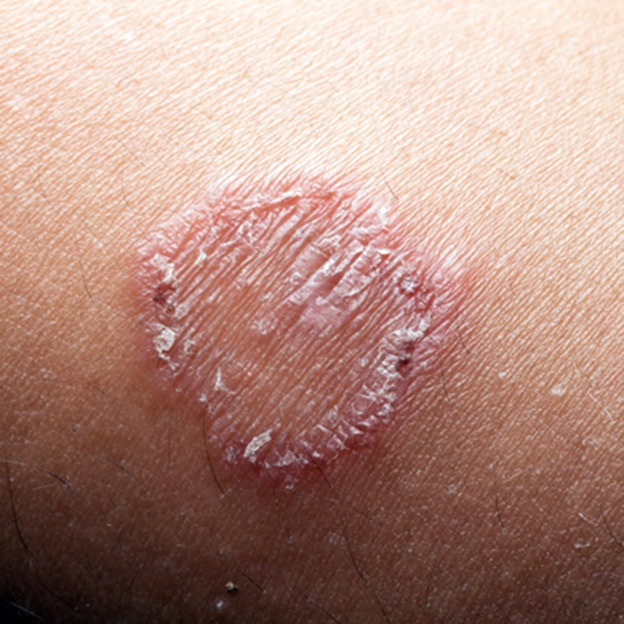
Ringworm
This fungal infection causes red, itchy, ring-shaped rashes on the top layer of your skin. It can show up anywhere on your body, and it’s very contagious. Many types of fungi can cause it, and they’re all around you. They can live on your skin as well as on floors, countertops, clothing, towels, and bedsheets. A number of antifungal creams, sprays, and pills can get rid of the infection, but it sometimes comes back in problem areas.
Cellulitis
This is a serious bacterial skin infection that happens most often on your lower leg, but it can be anywhere on your skin. The area may get swollen, hot, and tender. It can be very serious if it’s in deeper tissue and gets in your bloodstream. If you have red streaks on your skin, fever, chills, and aches, see your doctor right away. In serious cases, you’ll need IV antibiotics — a needle in your hand or arm that puts medicine into a vein.
Impetigo
This is a bacterial infection that’s common in preschool and school-age children. It can cause blisters and sores on the face, neck, hands, or diaper area. It often happens after the skin has been irritated by another problem like a cut, scrape, or rash. It can be cleared up with antibiotics (in ointment, pill, or liquid form).
Folliculitis
This happens when follicles — tiny pouches of skin that hold the roots of your hair — get inflamed and cause red, itchy, burning skin, tenderness, and pain. It’s usually brought on by bacteria, but fungi and viruses can cause it, too. Folliculitis often goes away on its own, but if it doesn’t, your doctor may give you an antibiotic or antifungal cream.
Cold Sores
The type 1 herpes virus causes these on your lips or mouth, and they can be painful and embarrassing. Most people get the virus as children from contact with people who have it. The virus stays in your body, and sores may break out when you’re sick, anxious, or overtired. They usually go away on their own, but prescription drugs can help control outbreaks.
Credit: webmd