What Is a Peanut Allergy?
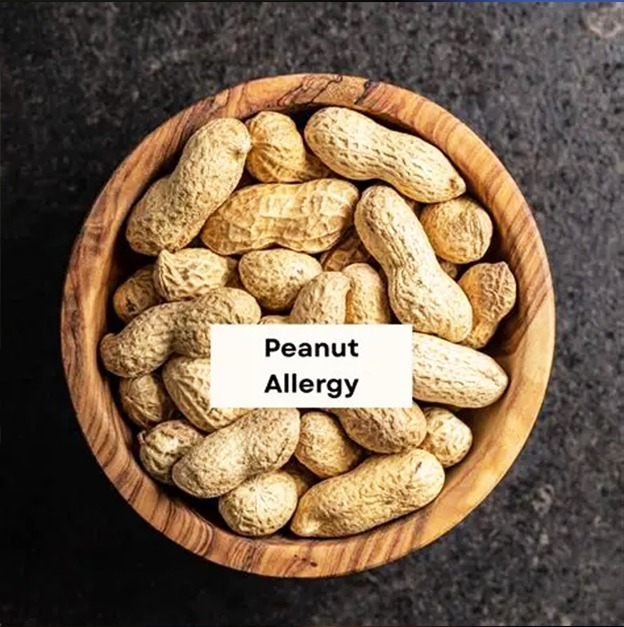
You have a peanut allergy when your body’s immune system overreacts to peanuts. Normally, your immune system helps protect you from germs and other harmful substances. But if you have a peanut allergy, your body responds to the proteins in peanuts as though they’re dangerous. Your immune system works hard to fight them off, which triggers an allergic reaction.
A peanut isn’t actually a nut. It’s a legume and belongs to the same family as peas and lentils. A peanut allergy is different than a tree nut allergy. Still, up to 40% of people who are allergic to peanuts are also allergic to tree nuts such as almonds, cashews, and walnuts.
Peanuts are often hard to avoid. They can sneak their way into recipes or packaged food items. But even a trace of peanuts can be harmful. That’s why people with peanut allergies need to be extra careful about what they eat.
More than 6 million Americans are allergic to peanuts. Roughly 1 in every 50 kids has a peanut allergy, making it the most common type of food allergy in children. Some grow out of it, but others have a peanut allergy for their whole lives. It’s the third most common food allergy among adults.
It’s not clear why, but reported cases of peanut allergy have increased in recent years. A 2017 study found the number of children with peanut allergies had increased by 21% since 2010.
Peanut Allergy Causes
When you eat or inhale peanuts, your immune system makes antibodies called immunoglobulin E (IgE). These antibodies travel to cells that release chemicals called histamines. The histamines trigger the allergy symptoms you notice.
Doctors don’t know exactly why some people have immune responses to peanuts and others don’t. Some things that can increase your risk of peanut allergies are:
Your age. Peanut allergies are more common in toddlers and babies. As you grow, so does your digestive system. That’s why older people are less prone to peanut allergy reactions.
Other allergies. If you’re allergic to other foods, you’re more likely to also have a peanut allergy. People with other types of allergies, like hay fever, also have a higher risk.
Family history. You may be more likely to have a peanut allergy if someone in your family has one.
Eczema. Eczema is a condition that causes dry and itchy skin. It can raise your risk for peanut allergies.
Prior peanut allergies. Some people outgrow peanut allergies, but they could come back when you’re an adult if you had them as a kid.
Peanut Allergy Symptoms
Most often, you’ll notice signs of a reaction within 2 hours of eating peanuts. Your symptoms may be different each time. They can range from mild to life-threatening.
Some common symptoms of peanut allergies are:
- Wheezing or trouble breathing
- Coughing
- Tightness in your throat
- Itching or tingling in your mouth or throat
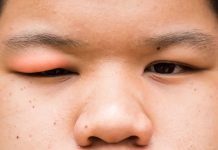
- Itchy, watery, or swollen eyes
- Runny nose
- Digestive problems, like belly pain, vomiting, nausea, or diarrhea
- Hives, red spots, or swelling on your skin
- Anxiety
Peanut allergy and anaphylaxis symptoms
Sometimes, peanut allergies trigger a very serious reaction called anaphylaxis. This can happen even if you’ve had only mild reactions before.
Some signs of anaphylaxis are:
- Your airways close up.
- You notice swelling in your lips, tongue, or throat.
- Your blood pressure drops to dangerous levels.
- Your pulse is extremely fast.
- You feel dizzy or pass out.
Anaphylaxis is a medical emergency. You’ll need immediate treatment and a visit to the emergency room. If you or someone you’re with has symptoms of anaphylaxis, use an epinephrine auto-injector pen right away and call 911.
Peanut Allergy Diagnosis
To diagnose a peanut allergy, your doctor will first ask about your symptoms and medical history. Then, they may suggest a physical exam along with:
- A food and symptoms diary. You may track what you eat, your symptoms, and the medicines you take.
- A skin test. This can be used to diagnose a peanut allergy and rule out other types of allergies. A tiny amount of peanut extract is placed on the skin of your arm or back. Then, a doctor or nurse pricks your skin with a needle. If you’re allergic, a reaction will show up as a raised bump or rash.
- A blood test. A blood test looks for IgE antibodies in your blood, which are a sign of an allergic reaction.
- An oral food challenge. You’ll eat very small amounts of peanuts while in your doctor’s office, with medication on hand to treat you in case of a reaction. The amount of peanuts you eat will increase over time so the doctor can watch your response.
Living With a Peanut Allergy
It’s important to avoid peanuts as much as possible when you have a peanut allergy.
Living with a peanut allergy means staying away from peanuts, which can be tricky.
For one thing, you’ll need to get good at reading food labels. U.S. law requires all packaged foods sold in this country to say whether they contain peanuts.
Credit: webmd