Home Blog Page 936

2025 Eta’am Basket Project inaugurated in Kumasi

0
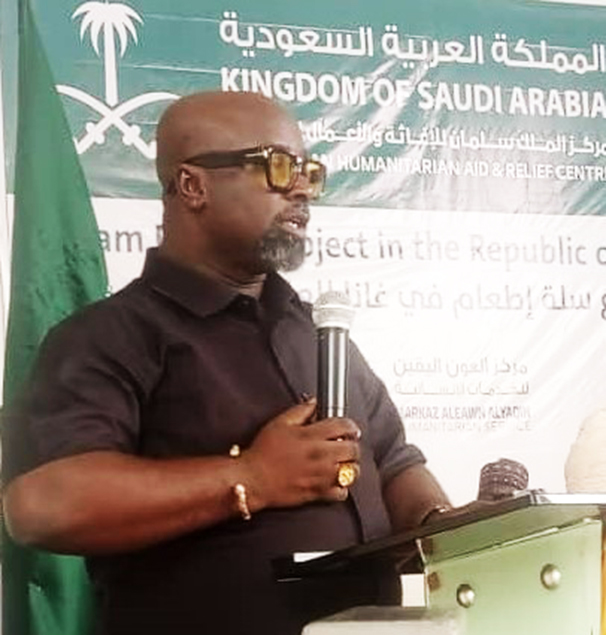
Hon. Kwasi Ofori Agyemang, aka King Zuba

The King Salman Humanitarian Aid and Relief Center (KS Relief), in partnership with Markaz Aleawn Alyaqin Humanitarian Service (MAAHS), has launched the 2025 Eta’am Basket Project at the Prempeh Assembly Hall in Kumasi.

KS Relief is an organisation with a mission to manage and coordinate international relief efforts, with initiatives that extend beyond food security such as water, sanitation, hygiene, education and many more.

Ismail Mohammed Kamil speaking at the event

Markaz Aleawn Alyaqin, which translates to “Centre for Unflinching Aid and Humanitarian Service” is a Ghanaian Non-Governmental Organisation that provides financial assistance to the poor, orphans and prisoners, as well as to provide distinguished humanitarian services, eliminate illiteracy and improve the quality of life of the needy.

The Eta’am Basket Project is an annual project that was initiated by KS Relief in March, 2022 at its headquarters in Riyadh, Kingdom of Saudi Arabia (KSA) with the objective to improve the living conditions of needy Muslim groups in several countries, during the holy month of Ramadan.

This year 5,000 baskets worth USD366,000 would be distributed across the nation; Ashanti region (3,000), Greater Accra region (1,000) and Northern Sector (1,000).

Each basket contains essential supplies comprising 25kg of Rice, 25kg of Maize, 4kg of Beans, 2 litres of Vegetable Oil, 1kg of Salt, 2kg of Tomato Paste and Maggi Seasoning.

The Chairman of the event, Kwasi Ofori Agyemang, popularly known as King Zuba, a former Chief Executive of Obuasi Municipal Assembly disclosed that the Kingdom of Saudi Arabia (KSA) and Ghana have enjoyed a long-lasting friendly relationship that hinges on development and hope the relation will be strengthened for the mutual benefit of the two nations.

King Zuba thanked the KSA for their humanitarian service during the holy month of Ramadan, envisaging a much enduring relationship, so that Ghana can tap into whatever expertise that exists in KSA and vice versa.

A beneficiary receiving her basket

The Guest Speaker, H.E. Mr. Sultan Abdulrahman Al Dakhel, Ambassador of KSA to Ghana, disclosed that he is honoured to participate in this year’s launch and further thanked the humanitarian institutions under the leadership of the Custodian of the Two Holy Mosques, King Salman bin Abdulaziz Al Saud and His Highness the Crown Prince Mohammed bin Salman, and H.E. John Dramani Mahama as well as all stakeholders.

The Ambassador extended congratulations and blessings to all Muslims as the holy month of Ramadan approaches.

Mr. Ismail Mohammed Kamil, Executive Director, MAAHS disclosed that since the inception of the “project”, beneficiaries have testified that the “basket” has been of help to them, noting that items in a “basket” can sustain at least six people.

According to the Executive Director, the motive of the project is to help the less privileged in the community, to enable them without “difficulty” during the month of Ramadan, noting that criteria for the selection of beneficiaries are orphans, single mothers, the aged as well as people with disabilities.

Mr. Kamil also disclosed that over the last years, his outfit (MAAHS) has drilled 56 Solar Boreholes across the country; two at Aboabo, one at Moshe Zongo, three at Ejura, one at Tebeso and one at Duase in the Ashanti Region, with most of them in the Northern Region, two of which are located at Yendi, eight at Tamale and four at Wa, among others.

Mr. Ismail Mohammed Kamil thanked KS Relief and stakeholders, Volunteers as well as beneficiaries for commitment for making this year’s launch possible.

From Oswald Pius Freiku, Kumasi
My new album will be unexpected, says Rihanna

0
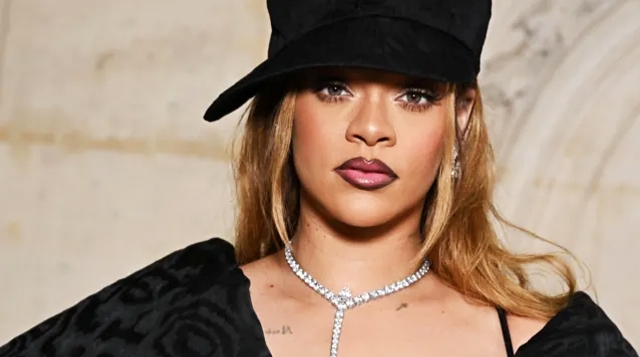
Singer Rihanna

Singer Rihanna has said her new album will be unexpected and she feels “really optimistic” about it in a rare interview.

“I know it’s not going to be anything that anybody expects,” she told Harper’s Bazaar.

“And it’s not going to be commercial or radio digestible. It’s going to be where my artistry deserves to be right now.”

The 37-year-old has kept fans waiting for years for her new album. Her eighth studio album, Anti, was released in 2016.

There have been plenty of rumours about what direction the long-awaited record will take, including talk of it being a reggae album.

But Rihanna, whose real name is Robyn Fenty, was quick to dispel those.

“Way off! There’s no genre now. That’s why I waited. Every time, I was just like, ‘No, it’s not me. It’s not right,” she said.

“This much time away from music needs to count for the next thing everyone hears. It has to count,” she added.

“I cannot put up anything mediocre. After waiting eight years, you might as well just wait some more.”

While not revealing any more, she told the magazine that she was “feeling really optimistic.

“I feel like I’ve finally cracked it, girl!,” she said.

The multi-Grammy Award winner, who began her career in 2003, is best known for songs such as Umbrella, Shut Up And Drive and What’s My Name?

Despite stepping away from music in recent years, she has been keeping busy with her make-up and skincare brands.

In the interview, she said she was focusing on living in the moment.

She also shared her thoughts on growing older, using an expletitive to describe the process, while saying “it’s also a blessing”.

“My legacy is right now. That’s all I have the most control over. My legacy is what I do with my time at this moment”.

Rihanna has two young sons, RZA and Riot, with her longtime partner, rapper A$AP Rocky.

Credit: bbc.com

College Park, GA to Host Black History Festival 2025

0
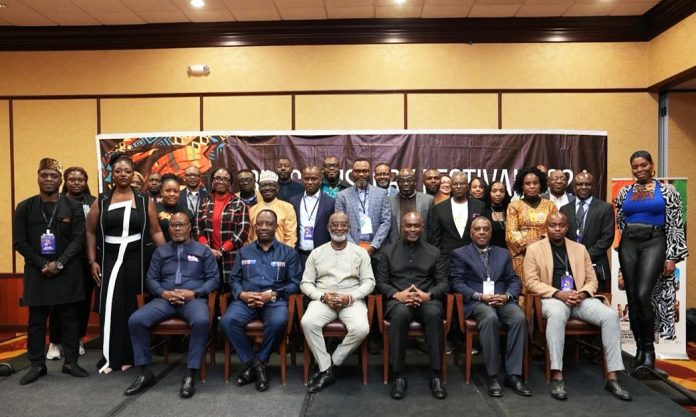
A group photograph

The City of College Park, Georgia, has officially been selected as the host city for the highly anticipated Black History Festival 2025.

The event, organised in partnership with BIDEC INC, a US and Africa-based organization – will take place from Thursday, March 27 to Saturday March 29, 2025 in the heart of the Global City of Georgia.

In a press release issued by city officials, College Park authorities expressed their excitement over the festival, which is expected to draw influential figures from around the world.

Among the high-level personalities confirmed to attend are H.E. John Dramani Mahama, President of the Republic of Ghana; Hon. Don Mitchel, Prime Minister of Grenada; and H.E. Hilda Suka Mafudze, African Union Permanent Representative to the USA and the Americas.

Other notable guests include Dr. Jules Dadicus, Director General of the Organisation of Eastern Caribbean States; Dr. Olivier Kamanzi, Chairman of the Africa Global Chamber of Commerce and business leaders such as Bozoma Saint John, CEO and Chief Editor of the Caribbean in Transit.

“This festival is not only a celebration of Black history and African heritage but also a platform for fostering strategic economic partnerships between the US, Africa, and the Caribbean,” said a spokesperson for the College Park City Council.

The event will feature a series of high-profile activities, including a Welcoming Network Cocktail session, a Black History Summit, a Black History Expo, and an Investment Dialogue aimed at exploring opportunities in sectors such as agribusiness, technology, tourism, and real estate.

The festival is part of a broader vision to leverage College Park’s strategic location—just minutes from Hartsfield-Jackson Atlanta International Airport, one of the busiest airports in the world—to drive economic growth and enhance international relations.

In addition to celebrating the rich legacy of Black culture, the city plans to use the event as a catalyst for forging long-term partnerships that could extend into initiatives for the 2026 FIFA World Cup, scheduled to be hosted across the USA, Mexico, and Canada.

Officials noted that a series of visits and fact-finding missions conducted between December 2024 and early 2025 demonstrated the city’s readiness to not only host the festival in 2025 but also in 2026. “This event represents a transformative opportunity to build sustainable economic and cultural bridges,” a city representative remarked.

With its impressive lineup of distinguished guests and a robust program of cultural and economic activities, the Black History Festival 2025 is set to become a landmark event that celebrates the heritage of the African Diaspora while creating a platform for international dialogue and investment.

Nigerians are claiming highlife because Ghanaians don’t cherish it –Ben Brainy

0
Ghanaian musician Ben Brainy

Ghanaian musician Ben Brainy has sparked a conversation about Ghana’s music industry following his recent appearance on Bryt TV.

Addressing a growing concern, Ben Brainy pointed out that Ghanaians do not hold on to their cultural and musical heritage long enough, which has allowed Nigerians to dominate and claim ownership of Highlife music.

Highlife music, one of Ghana’s most treasured music genres, has played a crucial role in shaping African music. With pioneers like the Kumasi Trio, E.K. Nyame, E.T. Mensah, Nana Ampadu, King Bruce, Onyina, Agya Koo Nimo and others, highlife has long been a symbol of Ghanaian identity.

However, Ben Brainy believes that Ghana has not done enough to preserve and promote the genre.

According to the HomeTown Records signee, Ghanaian musicians often abandon their traditional sounds in pursuit of newer trends, leaving a gap that Nigerian artists have strategically filled. By fusing Highlife with Afrobeat, Nigerians have managed to rebrand and commercialize the genre, gaining international recognition while Ghana struggles to maintain its influence.

“We don’t hold onto our own for long. We started highlife, but now it’s the Nigerians who are making it big with it. We leave what we have and chase other things,” Ben Brainy lamented during the interview with El Baby.

He urged Ghanaian musicians and industry players to be more intentional about preserving and promoting Ghana’s musical identity, rather than allowing foreign influences to overshadow it. He emphasized that if Ghanaians want to maintain ownership of Highlife, they must invest in the genre, push it globally, and take pride in their cultural heritage.

Credit: myjoyonline.com

Kofi Job Foundation Donates Life-Saving Equipment to Tafo Government Hospital

0
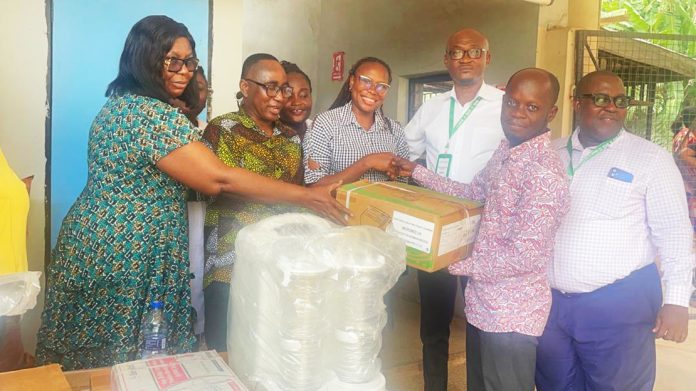
Kofi Job Foundation presenting the gadgets to the Tafo Government Hospital.

The Kofi Job Foundation, a Non-Governmental Organisation (NGO), has donated four pieces of equipment to the Tafo Government Hospital in the Ashanti region.
The foundation has provided four critical health equipment valued at almost GH¢100,000 cedis. The gadgets will significantly aid in the treatment of childhood diseases.

Some of the items on display.

The donated equipment includes Phototherapy machine, Vein finder, two C-PAP machines and four Suction machines.
Presenting the items to the hospital, Dr. Esther Gyebi, Chief Executive Officer of the Kofi Job Foundation, stated that their goal is to facilitate the treatment of childhood diseases.

She assured that the foundation will continue to provide support to individuals and facilities in dire need.
Dr. Grace Naado, head of the Paediatric Department at the hospital, expressed heartfelt gratitude to the foundation.

Elated about the Phototherapy machine, Dr. Naado stated that the hospital previously lacked this essential equipment, which made the treatment of childhood jaundice a challenge.
She emphasised that the availability of this equipment means that approximately 300 children who previously had no access to them will now receive quality treatment.
She expressed appreciation to the foundation for their support, highlighting that it will have a significant impact on the hospital’s operations.

W/R minister urges military to rededicate themselves to Galamsey fight

0
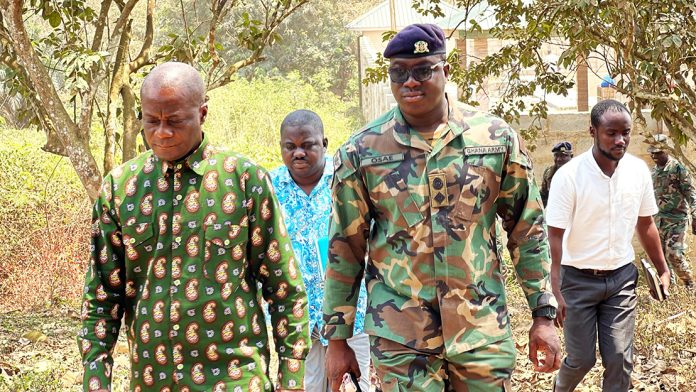
Regional Minister Joe Nelson (left) together with the 2BN Military commander

The Western Regional Minister, Joseph Nelson, has appealed to officers of the 2nd Infantry Battalion of the Ghana Armed Forces (GAF) to rededicate themselves to the fight against illegal mining activities in the country, particularly in the Western region.

The environment, he indicated, was seriously under siege as a result of illegal mining, popularly known as ‘Galamsey’, to the extent that illegal miners could take over roads, forest cover and water bodies to destroy them without recourse to the very survival of Ghanaians.

This, he noted, was unacceptable.
“Regardless of who is involved in this enterprise, ours is to do something about it so that our lives will be better,” Minister Joe Nelson told the military.
The minister went on to indicate that, “To think that our very survival as a people is under threat, we have to act.”

Addressing the soldiers at a short ceremony organised by the 2BN Command to brief him about their presence, operations and challenges, the minister reiterated his call to the men in uniform to rededicate themselves to this course, without fear or favour.

He said the entire nation was at risk of losing the country to a few greedy elements milking the country through destruction and devastation of the environment to enrich themselves quickly adding, “All of us are at risk. As a lead institution, I call on you to rededicate yourselves to this course. Let us wage the war together and deal with the challenges of illegal mining,” he said.

Regional Minister Nelson, who is also the Chairman of the Regional Security Council (REGSEC), however, admonished that officers who would be deployed to the battle-field to fight the illegal mining activities and must endeavor to live above reproach and avoid being influenced by monetary considerations.
“If you are called to duty, apply discipline. Don’t allow your love for money to sway you. Discipline will be much needed here.

“Instead of thinking about monetary considerations, you should rather think about Ghana and Ghanaians love for the state, and love for your own lives,” he remarked.
Ghanaians, he indicated, were looking up to the military to decisively wage the war against illegal mining and win the war.

“We will be relying on you and your command,” Joseph Nelson emphasised.
Explaining the dangers associated with the illegal mining menace, the minister noted, “In their quest to make money, they are putting the lives of the rest of us at risk,” reminding the officers of the struggle, for instance, the Ghana Water Company had to go through in processing water, which should be a wake-up call for all Ghanaians.

Minister Nelson told the officers that his commitment to fighting the menace as a minister was high and the same was expected from the 2BN unit.
As Public Servants, the minister said Ghanaians expected them to perform to the expectation of all Ghanaians in the fight.

“We are here for service. I am here for service. You are here for service,” adding, “The reward for good service, if I may emphasise, is great. As you serve in this office, you are indirectly serving humanity because it is service to mankind.”

Aside from that, he noted, “If we are able to do that, this country will be better for it.”

2 Nigerians in Court for allegedly kidnapping 80-year-old American woman

0
Court hammer

A Circuit Court in Accra is currently hearing a case involving an 80-year-old American woman, Diana Christine Nelson, who was allegedly lured to Ghana and kidnapped by a group of Nigerian nationals.

The accused, identified as Emmanuel Adedoyin Adebayor, Esther Ogbonna and Dennis Poromo (who remains at large), face multiple charges including conspiracy, kidnapping, abetment and stealing.

At the court hearing last Friday, Adebayor and Ogbonna pleaded not guilty to the charges and were granted bail of GH¢500,000.00 each, with two sureties. One of the sureties must be a member of the Nigerian community in Ghana, while the other must be a Ghanaian citizen.

As part of their bail conditions, the accused were ordered to deposit their travel documents at the court registry and report to the police twice a month.

The case has been adjourned to March 5, 2025.

The prosecution, led by Chief Inspector Daniel Danku on behalf of Superintendent Augustine Yirinkyi told the court that the case was initiated following a complaint from FBI officers at the U.S. Embassy in Accra.

Alleged Kidnapping Scheme

According to the prosecution, the victim, Diana Christine Nelson arrived in Ghana on November 22, 2024 after being lured by one of the accused, Emmanuel Adebayor, who posed as Mark Hammond, a well-known U.S. actor.

She was picked up from Kotoka International Airport by Esther Ogbonna, who took her to an apartment at East Legon Hills, before later moving her to Tema Community 11.

Investigations revealed that during her captivity, the accused seized Nelson’s four mobile phones and bank cards, warning her not to disclose any information.

Adebayor and Poromo allegedly withdrew US$15,821.70 from her bank accounts and also demanded a US$150,000 ransom from her family in the U.S. via Snapchat.

Rescue and Arrest

Police, acting on intelligence, located Nelson at a hotel in Larteh Akwapim on December 8, 2024. On December 11, 2024 Adebayor was arrested while attempting to withdraw money from Nelson’s account using her debit card.

He later led authorities to Tema Community 11, Zone 2, where Diana Christine Nelson was being held captive. She was found weak and traumatised and was immediately taken to the hospital for medical attention.

Further police investigations revealed that Nelson’s stolen bank cards, Bru phone, Samsung Galaxy A15 and iPhone 15 had been sold at Kwame Nkrumah Circle.

However, the authorities managed to recover GH¢7,000.00 in cash, as well as GH¢4,000.00 from ATM withdrawals. Nelson’s iPhone 12 has yet to be retrieved.

Lumere Group International CEO charged with defrauding Businessman of GH¢6.48m

0
Court

The Chief Executive Officer of Lumere Group International, Giselle Dede Aklobesse, has been charged with defrauding businessman Amadu Zurikie of GH¢6,480,000.00.

Giselle Aklobesse was absent when the case was called on February 17, 2025 at the Dansoman Circuit Court, presided over by Her Honour Halimah El-Alawa Abdul-Baasit.

Due to her failure to honour the court summons, the judge adjourned the hearing to March 5. The court will, however, issue a bench warrant if she fails to appear again without a valid reason.

Allegations

According to court documents, Giselle Aklobesse, 45, allegedly obtained $400,000 from Amadu Zurikie under false pretences.

The businessman, a resident of Weija, in Accra, claims Giselle Aklobesse promised to exchange the amount at its cedi equivalent of GH¢6,480,000.00.

The alleged transaction took place on January 16, 2025 at Giselle Aklobesse’s office in Westland, Accra.

She reportedly assured Zurikie that the cedi amount would be delivered within two hours. However, after waiting for over five hours, Giselle Aklobesse requested an additional 15 minutes, but still failed to provide the promised funds.

Realising he had been defrauded, Zurikie demanded the return of his $400,000 but Giselle Aklobesse instead requested two more days to raise the money.

Suspecting foul play, Zurikie reported the matter to the Accra Regional CID, leading to Aklobesse’s arrest.

During police investigations, Aklobesse admitted to collecting the money and claimed she had used it for business transactions that had been delayed. She has since refunded $200,000 while investigations into the matter continue.

Legal Implications

Giselle Aklobesse has been charged with ‘Defrauding by False Pretences’ under Section 131(1) of the Criminal Offences Act, 1960 (Act 29). If found guilty she could face severe penalties, including a custodial sentence.

With her absence in court on February 17, 2025 legal experts suggest that failing to appear on March 5 could lead to a bench warrant for her immediate arrest.

Editorial: Let’s Not Gamble With The Future Of Our Youth

0
Editorial

The Minister for the Interior, Muntaka Mohammed Mubarak, has urged the Gaming Commission of Ghana to implement strict measures to prevent underage gambling, according to myjoyonline report.

The Minister for the Interior said the need to safeguard the future of the youth has become necessary because instead of being in school, they end up at gambling centres.

“The underage participation in gaming is something I want you to take very seriously. We cannot gamble with the future of our youth. So I want to urge you that as part of your work please make sure that we put in measures that will prevent underage individuals from participating in gaming,” the minister further admonished.

The minister further emphasised that the Commission, which was established under the Gaming Act of 2006 (Act 721), played a crucial role in licensing, monitoring and supervising gaming operators to ensure compliance with the law.

He said that as gaming and betting evolve, it is essential to review the current regulatory framework to address emerging trends and challenges.

First of all, this is a very important issue that the minister has raised and we fully support him.

Gambling, particularly sports betting, has become a pervasive issue among Ghanaian youth, with far-reaching social, economic and psychological consequences.

While gaming and betting companies contribute to the economy through taxation and Corporate Social Responsibility (CSR) initiatives, their rapid expansion has also led to growing concerns about addiction, financial ruin and the erosion of the country’s social fabric.

Many young people in the country are lured into gambling by the promise of easy money, the thrill of winning and peer influence. The normalisation of betting, fueled by aggressive advertising and technological accessibility has made it difficult to curb the rising addiction.

For many young people, gambling is not just a recreational activity but an escape from economic hardship. However, this escape often turns into a financial trap, with some students reportedly using their school fees to fund their betting habits.

A study on child gambling in Ghana found that boys were particularly at risk, with participation rates higher among those aged 14–17 years. The easy availability of betting platforms, both physical and online, has made it difficult to enforce age restrictions.

Gambling has severe economic repercussions at both the individual and national levels. Excessive betting diverts money meant for necessities such as food, education and healthcare, leading to financial instability. Cases of employees embezzling funds to fuel their gambling addiction are on the rise.

Despite the existence of the Gaming Act of 2006 (Act 721), regulatory enforcement remains weak. Illegal gambling platforms continue to operate, evading taxes and exposing users to fraud. The rapid expansion of the betting industry has outpaced regulatory efforts, making it crucial for the government to implement stricter policies.

Beyond economic losses, gambling addiction has severe social consequences. Many families have reported cases of young people developing strained relationships with their parents and siblings due to gambling-related disputes.

The financial losses associated with gambling often lead to stress, depression and, in some cases, substance abuse. The psychological toll on young people can be devastating, affecting their ability to focus on their studies or maintain stable employment.

It is time for the government and betting companies, as a whole, to work together to strike a balance between economic benefits and social responsibility of gambling. If immediate measures are not taken to regulate gambling effectively, we risk losing an entire generation to addiction, financial instability and lost educational opportunities.

The time to act is now. The country cannot afford to gamble with the future of our youth.

Re-Naming Our National Icon From KIA to What International?

0
Opinion

In 1969, the Accra International Airport was renamed Kotoka International Airport, after General E.K. Kotoka was murdered on the airport grounds on April 17, 1967, by Lt. Sam Yeboah, in a failed coup attempt to topple the ruling National Liberation Council (NLC), of which Kotoka was one of the leaders.

The NLC struck on February 24, 1966 and overthrew Nkrumah and his CPP regime in the first successful coup in the country which was led by two Anlos (Ewes), Lt. Col E. K. Kotoka, from Alakple and Police Chief J.W.K. Harlley from Anyako and an Asante, Major A.A. Afrifa, from Asante Mampong.

Days after the coup, the country was thrown into a carnival with jubilation everywhere, as Ghanaians endorsed it as Godsent with freedom blowing all over the country. Even CPP government appointees openly condemned Nkrumah saying he deceived them. And with political prisoners released, the celebration reached its peak. Chiefs who were destooled by the government of Nkrumah triumphantly came back, while the politically enstooled ones fled, leaving their sandals behind.

But why the 1966 coup?

The country’s first constitution, the 1957 Constitution, guaranteed the rights of people, including the right to vote, the right to property and the rights for minorities. Then came the 1960 Republican Constitution which made turned Ghana into a republican state. The presidency was term-bound. In 1961 there was presidential election between Kwame Nkrumah (CPP) and J.B. Danquah (UP), which Nkrumah won with over 89% of valid votes cast.

By obviously adopting gross manipulations, Nkrumah was able to win 99% of valid votes cast in a constitutional referendum, on January 31, 1964 to establish a one-party state in Ghana.

He dissolved Parliament on May 25, 1965 and in the legislative election on June 9, 1965 with only CPP parliamentary candidates contesting, the party won all 198 seats. On June 10, 1965, Nkrumah was elected by the House as president for life. Ghanaians no longer had the right to change governments and Nkrumah became the Law, whatever he said was Law.

Meanwhile life was not going on smoothly in Ghana. Draconian law like the Preventive Detention Act (PDA) 1958, granted the president the power to arrest and detain individuals without trial if their actions were deemed harmful to the state; the False Report Act (1959), made it illegal to utter what was perceived to be false statement affecting the reputation of the country and government and the Chiefs (Recognition) Bill (1959), ensured that no enstoolment or destoolment could be effective unless it was formally recognised by the government, were among laws that abused the rights of the people, including our traditional authorities.

Ghanaians under Nkrumah suffered oppressions. The British colonialists were much better. Family life was destroyed with the Young Pioneers Movement, whose members who were children, whowould report their parents to the authorities for merely complaining about economic hardships and have them jailed.

Shortage of essential commodities worsened economic conditions. Cost of living shot up to dizzy heights and Ghanaians lived worse than during the colonial days. Hon. P.K.K. Quaidoo of the CPP, had this, in his book, “The Experience of Politics (A Manual for Ghanaians and African Politicians),” “Under the Slave Trade, Africans were enslaved on foreign soil. Under colonialism they are enslaved in Africa itself. Under the two systems, the perpetrators were foreigners and the victims were Africans. Under independence, the victims are Africans and the perpetrators were Africans themselves.”

Ghanaians were the victims, here. The Gold Coasters were under bondage of colonialism and prayed for independence which would bring freedom. When it finally came, it turned out to be worse than the days under the British. The British never decided who should be our traditional leaders, and never took away our rights, by jailing us without trial. They never turn our children against us and thus kept the family unit intact. The coming of self-rule under our own, came with the return of slavery, with all our rights taken.

This is what should be called a disgrace and not the coup of February 1966.

Nkrumah became the law and changed the Constitution to install himself, president-for-life. With Ghana in a one-party state the only way Ghanaians could change government was through a coup. And the 1966 coup did just that.

To date the Nkrumaists have hated Kotoka so much so, that they want his name removed from the international airport in Accra. Rawlings was petitioned to do this in the early days of the PNDC but he indicated that Kotoka was to be left alone, because he was a hero, who brought us democracy.

After thirty-six years of socialist rules in Ghana, the current NDC government is being petitioned to change the name of our airport in Accra. With Rawlings dead, the call has become stronger than ever.

Kotoka, Afrifa and Harlley, restored democracy and they must be honoured for that.

If Kotoka’s name must be removed, then the new name should have a Ga-Dangbe hero’s name in it. If Anlos will lose their revered name on that national icon, then an indigene’s name should be on it.

Kotoka, according to Rawlings, was a national hero and he must be respected and acknowledged as such.

Hon. Daniel Dugan

The views expressed in this article are the author’s own and do not necessarily reflect The Chronicle’s stance.


The Ghanaian Chronicle