Charles Kofi Ogbeh speaking to the crowd after his confirmation
Mr Charles Kofi Ogbeh, who contested the Adansi Fomena parliamentary seat on the ticket of the National Democratic Congress (NDC) in the 2024 general election was on Tuesday, this week, confirmed as the District Chief Executive for the Adansi North District of Ashanti region. He polled 22 out of the 23 votes cast.
In his acceptance speech, he pledged to team up with the assembly members, chiefs and relevant stakeholders to bring improvement to the lives of the people in the district.
He stated further that he would prioritise education, health and sanitation issues and called for the support of the entire citizens of Adansi North District to enable him achieve his vision.
Meanwhile, NDC Youth of Adansi Asokwa in the Ashanti region have pleaded with President John Dramani Mahama to nominate Mr Kenneth Boakye Acheampong, popularly known as Akyikin, for the position of DCE for the district.
The call comes after the failure of Mr. Albert Dakora to secure two thirds of the votes to qualify for the position.
He obtained 18 out of the 39 votes cast. At a press conference held at Adansi Asokwa to articulate their concerns, the Spokesperson for the group, Isaac Addai Boadi, who is also the Adansi Asokwa D/A JHS 1 Branch Youth Organiser, noted that Mr. Kenneth Boakye Acheampong, who contested as Parliamentary Candidate for the party in 2020 was highly qualified for the position.
“Akyikin is highly qualified for the position of DCE and we should not make a mistake to bypass him for any other person,” Addai Boadi stated.
He pointed out that Mr. Acheampong has served the party in various capacities and reputed for the construction of the party’s magnificent office at Adansi Asokwa.
The spokesperson further said information filtering in indicates that the President might nominate Albert Dakora the second time and appealed to him not to go for Dakora again, but rather bring on board Kenneth Boakye Acheampong.
Isaac Addai Boadi also called on the Adansi Asokwa MP, Godwin Animli Dorgbadzi Dorani to stop any moves to prevail on the President to nominate Albert Dakora for the second time for the DCE post for Adansi Asokwa.
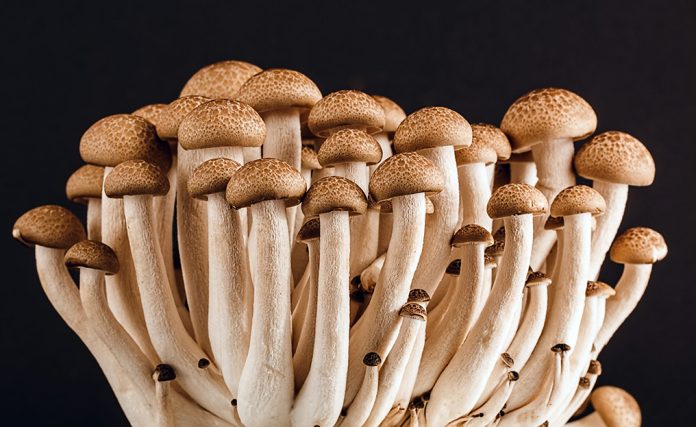
Mushrooms are a fungus, but that hasn’t deterred most Americans from adding them to meals. According to the U.S. Department of Agriculture, the average American eats approximately three pounds of mushrooms a year. And now there’s even more reason to work mushrooms into your diet.
Mushrooms bring a savory flavor to meals without adding much fat, calories or sodium. But the health benefits don’t stop there. Researchers continue to uncover how mushrooms can ward off chronic disease and improve your everyday health. Read on to discover seven ways that mushrooms can benefit your health:
Decrease the risk of cancer
A review(Link is external) of 17 cancer studies from 1966 to 2020 shows that eating just 18 grams of mushrooms (equal to about a 1/8-cup or two medium mushrooms) a day may lower your risk of cancer by as much as 45%. Mushrooms are a powerful source of ergothioneine, an amino acid and antioxidant that prevents or slows cellular damage.
Some mushroom varieties (such as shiitake, oyster, maitake and king oyster) have higher amounts of ergothioneine. But researchers found that incorporating any variety of mushrooms into your daily diet will lower your risk of cancer.
Lower sodium intake
Sodium and high blood pressure often go hand in hand. Sodium causes the body to retain excess fluid, which can increase blood pressure. To decrease your sodium intake, consider adding mushrooms to your meals.
Mushrooms are naturally low in sodium – an entire cup of white button mushrooms has just five milligrams of sodium. They offer savory flavor that reduces the need for added salt to keep your blood pressure low. A study(Link is external) from the Culinary Institute of American and UC Davis shows that swapping half of the meat for mushrooms in a traditional ground beef recipe can maintain flavor while reducing sodium intake by 25%.
Promote lower cholesterol
Mushrooms make an excellent substitute for red meat while minimizing calories, fat and cholesterol. Research shows that shiitake mushrooms, in particular, help to keep cholesterol levels low. They contain compounds that inhibit the production of cholesterol, block cholesterol from being absorbed and lower the overall amount of cholesterol in your blood.
Protect brain health
Researchers continue to study the effects of eating mushrooms on mild cognitive impairment (MCI). MCI causes memory and language difficulties and is often a precursor to Alzheimer’s disease.
In a study(Link is external) in Singapore, participants who ate more than two cups of mushrooms a week had a 50% lower risk of developing MCI. Even those who ate only one cup saw some benefit. The mushrooms eaten by participants included golden, oyster, shiitake and white button mushrooms.
Provide a source of vitamin D
Vitamin D helps your body absorb calcium to maintain and build strong bones. Many people rely on supplements or sunshine to get vitamin D, but if you’re looking to get this nutrient through your diet, mushrooms may be the answer. They are the only type of produce that is a source of vitamin D.
Like humans, certain mushrooms exposed to UV light or sunlight can increase their vitamin D amounts. White button, portabella and cremini mushrooms provide the most vitamin D after exposure to UV light or sunlight. To get the recommended daily amount, slice three mushrooms (or one portabella), expose them to sunlight for at least 15 minutes and enjoy. Eating a little more than one cup of maitake mushrooms achieves the same goal without the need for sun exposure.
Stimulate a healthier gut
The microbiome in your gut is home to organisms and bacteria that play a large role in your health and mood. One way to keep your gut healthy is to stimulate the growth of healthy bacteria in that space with the use of prebiotics, such as mushrooms.
Research shows that mushroom polysaccharides, their most abundant carbohydrate, stimulate the growth of healthy bacteria. While many foods break down with stomach acid, the polysaccharides found in mushrooms pass through the stomach unchanged and can reach the colon to encourage bacteria growth there.
Support a healthy immune system
Mushrooms contain macronutrients that support a healthy immune system. According to the Mushroom Council, your immune system will benefit from mushrooms whose nutrients include:
Selenium,which helps your body make antioxidant enzymes to prevent cell damage. Choose cremini or portabella mushrooms for the most benefit.
Vitamin D,which assists with cell growth, boosts immune function and reduces inflammation. Maitake mushrooms offer an easy way to add vitamin D to your diet.
Vitamin B6,which helps your body form red blood cells, proteins and DNA. Shiitake mushrooms are the best choice for vitamin B6.
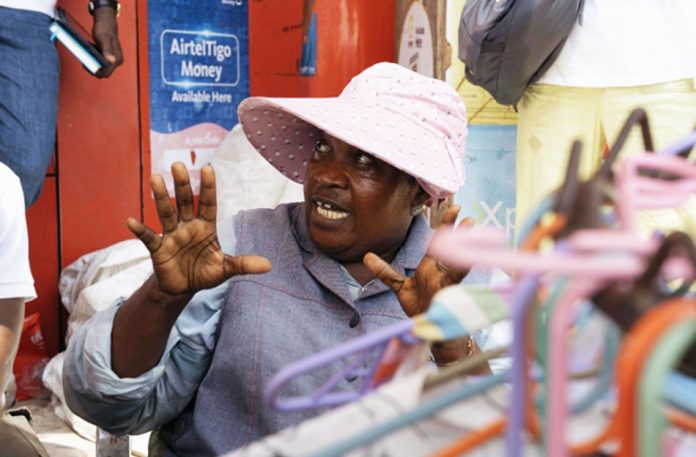
Auntie Fausty, 54, endures 32°C temperatures as a trader
Scorching sun, no shade, and temperatures soaring to 32 degrees Celsius—the relentless heat takes its toll on Auntie Fausty, a hardworking woman in her mid-50s, who ekes out a living selling bags in Accra, Ghana’s capital city, at the brimming Makola Market. As she sits in a worn plastic chair, her eyes scan the crowded market, searching for customers.
But the heat is suffocating, draining the life from her very pores. Auntie Fausty wipes the sweat from her brow with a tattered rug, her face a map of deep lines and creases. And yet, despite the oppressive heat, she remains steadfast, her beautifully arranged bags a testament to her unyielding spirit.
“After the harmattan season in January, the heat becomes intense, lasting till the rains arrive in May or June,” Auntie Fausty shares, her voice laced with resilience and resolve. She describes her typical day: “I face harsh conditions from morning till 3 pm, sweating profusely and drinking plenty of water to cope, all while worrying about making ends meet.”
Women bear the heat
Just a short walk away at Tema Station market, Ama Serwaa meticulously arranges her collection of local spices beneath the fragile sanctuary of a faded umbrella. Like Auntie Fausty, she battles not only the economic pressures of urban survival but also the physical assault of rising temperatures.
“The afternoon sun feels like punishment,” Ama confides, her voice dropping to a whisper as though the heat might overhear and grow stronger. “The headaches come like clockwork—throbbing, blinding pain that only painkillers can touch. Sometimes, all I can do is close my eyes and rest, even as customers walk by.”
As both women speak, others move through the market carrying heavy loads balanced precariously on their heads. The scene presents a stark visual metaphor—Ghana’s women literally bearing the weight of economic necessity while simultaneously enduring the crushing burden of climate change’s thermal consequences.
Their reality stands in sharp contrast to those who spend days in air-conditioned offices. For these market women, there is no escape button, no thermostat to adjust when the heat becomes unbearable. Their workplace is exposed to the elements, their bodies the front line in a climate.
The female body under fire
The impact of extreme heat on women isn’t merely about discomfort—it’s physiological, economic, and deeply personal. According to Kathy Baughman McLeod, Chief Executive Officer of Climate Resilience for All, biology itself places women at greater risk.
Traders seek refuge from Accra’s scorching sun, wearing their hats
“Ecologically, women’s bodies respond differently to heat stress,” Madam McLeod explains, leaning forward with urgency. “It’s not just perception—their cardiovascular systems, skin structure, and hormonal fluctuations create unique vulnerabilities that science is only beginning to properly document.”
The consequences extend far beyond temporary discomfort. McLeod’s voice grows solemn as she shares observations from partner communities in South Asia: “We’ve documented daily skin rashes, chronic dizziness, debilitating headaches—and most devastating of all, miscarriages directly attributable to extreme heat exposure. Last May alone, six women from our community partners died from heat-related causes while working outdoors.”
Dr. Caryn Agyeman Prempeh, Health Director at La Dade Kotopon Municipal Assembly, adds medical context to these lived experiences. “Heat stress triggers cortisol release in women’s bodies, creating hormonal imbalances that manifest as visible skin conditions like acne and eczema, but also as invisible threats to reproductive health.”
Her fingers trace invisible patterns in the air as she explains the cascade of physiological responses. “When a woman experiences prolonged heat exposure day after day, her entire endocrine system can be affected. The body perpetually believes it’s under attack.”
Fertility amidst flames
The consequences of heat on fertility are particularly devastating for women, as rising temperatures disrupt the intricate physiological processes that regulate reproduction.
Research reveals that rising temperatures interfere with the hypothalamus—the brain’s regulator of reproductive function. In heat stress on reproductive function and fertility in mammals (2011), studies show that under heat stress, the hypothalamus falters, disrupting the release of gonadotropin-releasing hormone (GnRH). This results in erratic hormonal signals throughout the body. Luteinizing hormone (LH) and follicle-stimulating hormone (FSH), both crucial for egg maturation, fail to function properly, leaving ovarian follicles stranded and unable to develop. The system that should enable life is left out of sync, and ovulation is brought to a halt.
For pregnant women, the dangers are even more dire. Elevated body temperatures don’t just affect the mother—they place the unborn child in jeopardy. Heat stress transforms the womb, once a sanctuary, into a hostile environment. Miscarriages, stillbirths, and severe birth defects are far more likely when heat overwhelms the body’s natural processes. The future, once filled with the potential of new life, is suddenly erased, as heat robs it before it even has a chance to form.
In Zimbabwe’s Kusile rural district, where climate change and inadequate healthcare intersect, pregnant women face an existential threat. This nightmare is a devastating reality for far too many.MeckSibanda, Executive Director of the Christian Youth Volunteers Association Trust, bears witness to this crisis: “Rural women embark on perilous journeys to access basic healthcare, including maternity care. This isn’t just an inconvenience; it’s a matter of life and death.
Men are not exempt from the impact of heat, though their struggle is less visible. The effect of heat stress on expression of main reproductive hormone in Hypothalamic-Pituitary-Gonadal Axis of Wenchang Chicks (2022) highlights how temperature increases disrupt the reproductive system.In men, heat affects the testes, the organs responsible for sperm production. Excessive heat can impair the function of the cells within the testes, leading to reduced sperm production and compromised sperm quality. Sperm counts may drop, and DNA integrity can be affected. However, these changes are often reversible once temperatures return to normal.
Both men and women face the wrath of heat, but women bear the heaviest burden. The damage to female fertility can be irreversible, robbing them of the chance to conceive. While male fertility may recover, women’s reproductive systems are often left permanently altered. In the fight against a warming world, heat is not just a physical stress—it is a thief of life, stealing futures and leaving bodies in its wake.
Northern heat, northern pain
Travel northward to Bolgatanga in Ghana’s Upper East Region, and the temperature climbs even higher. Presently, where the mercury regularly touches 40 degrees Celsius, another deadly consequence of extreme heat emerges from the parched landscape.
Cerebrospinal meningitis (CSM) cases surge during peak heat periods, turning temperature into a matter of life and death. The northern regions have recorded thousands of cases over recent years, with fatality rates that send shudders through local health systems.
Here too, women bear additional burdens. As primary caregivers, they tend to the sick while continuing domestic responsibilities. They walk farther for increasingly scarce water. They maintain households while their own health deteriorates under the double assault of heat and duty.
“We are the nurses when clinics are too far away,” says Adisa Adams, a mother of three from a village outside Bolgatanga. “We are the ones who must remain strong when others fall ill. But who cares for us when the heat makes us weak?”
Science behind the sweat
Ghana’s rising temperatures are no accident or natural fluctuation. Research conducted by Felix Ankomah Asante from the University of Ghana’s Institute of Statistical, Social, and Economic Research and Franklin Amuakwa-Mensah from Sweden’s University of Agricultural Sciences paints a disturbing trajectory.
Their 2014 paper, “Climate Change and Variability in Ghana: Stocktaking,” documents how greenhouse gas emissions from fuel consumption, deforestation, and agricultural practices have accelerated since 1990, pushing Ghana toward a climate tipping point despite its relatively small global emissions footprint.
By 2020, all of Ghana’s ecological zones had surpassed 2.0 degrees Celsius warming—a threshold once considered a distant future concern. Projections for 2050 and 2080 suggest continued temperature increases that threaten to remake the country’s environmental and social landscape.
The consequences ripple through every sector. Agriculture yields decline as crops wither under intensifying heat. Hydropower generation falters as rainfall patterns shift. Public health crises multiply with increased incidence of malaria and cholera. And at every point of impact, women—especially those with limited economic resources—absorb the harshest effects.
A more recent study by Edmund I. Yamba (2025) delivers even more sobering news: heatwaves across Ghana are becoming more frequent, longer in duration, and more intense in their peak temperatures. The northern regions, particularly the Sudan Savannah zone, experience the most severe conditions—yet receive the least attention in climate adaptation planning.
Ghana’s temperature has already passed the 2°C warming mark, with even higher increases projected by 2050
The gendered cost of climate
Extreme heat doesn’t affect all Ghanaians equally. Women—especially those who work outdoors, care for families, or live in poverty—are disproportionately exposed and less protected. Their labor is invisible, their suffering normalized.
“We must view heat stress as a gendered health crisis,” insists Dr. AgyemanPrempeh. “The public sees women in markets but rarely thinks about what that exposure does to their organs, their fertility, or their future.”
Beyond markets, women working as farmers, cleaners, food vendors, and teachers are increasingly reporting chronic fatigue, heatstroke, and productivity loss. Yet policies remain gender-neutral—blind to the fact that equal isn’t always equitable.
Despite these challenges, women across Ghana demonstrate remarkable adaptability. The World Health Organization recommends simple preventive measures: staying hydrated, avoiding strenuous activity during peak heat hours, wearing appropriate clothing, and seeking shade whenever possible.
At nature’s mercy
Pushing for change in a burning landscape
Professor Christopher Gordon, former director of the Institute for Environment and Sanitation Studies at the University of Ghana, identifies the vicious cycle trapping Ghana in escalating heat.
“We’re cutting down forests while cocoa yields decline,” he says, frustration evident in his furrowed brow. “Farmers, desperate for income, sell land to illegal gold miners. The result? More deforestation, polluted water bodies, and temperatures that climb even higher.”
His analysis reveals the interconnectedness of environmental degradation and climate consequences. Deforestation reduces natural cooling, accelerates soil erosion, and diminishes water retention—all factors that intensify heat impacts, particularly in rural communities where women are central to agricultural production.
For the first time, Ghana has appointed a dedicated Minister of State for Climate Change and Sustainability—Hon. Baba IssifuSeidu. This institutional recognition of climate challenges offersnew hope for policy interventions that might specifically address heat’s gendered impacts. Minister Seidu’s engagement with University of Ghana academics signals a promising shift toward evidence-based climate policy. For this approach to succeed, it must recognize and address the specific vulnerabilities of women while amplifying their essential role in climate adaptation and mitigation strategies.
Cooling communities through collaboration
Innovation emerges from necessity. Across Ghana, women are not merely victims of climate change but pioneers of climate solutions.
The national tree-planting initiative represents one scalable approach to heat mitigation. Millions of trees planted annually provide essential shade, cool surrounding air through evapotranspiration, and help reduce urban heat island effects that make cities particularly dangerous during extreme heat events.
More targeted interventions show particular promise. The Heat Adaptation Benefits for Vulnerable Groups in Africa (HABVIA) project has implemented a roof-painting initiative in communities including Ga-Mashie in Accra and Nkwantakesein Kumasi. The program applies specialized reflective paint to approximately 30 homes in each location, significantly reducing interior temperatures.
“Before the white roof, my children couldn’t sleep at night because of the heat,” explains MaamleSackey, a participant in Ga-Mashie. “Now our home stays cooler, and we rest better. My headaches have lessened too.”
Doreen LarkaileyLartey, a researcher with the University of Ghana Centre for Climate Change and Sustainability Studies, believes in women’s capacity to cool their environments through small-scale interventions.
“Urban women have extraordinary power to transform microclimates,” Ms. Lartey says, enthusiasm brightening her face. “Home gardens, reduced energy consumption, and water conservation—these seemingly small actions multiply when communities embrace them collectively.”
Her vision is both practical and inspirational: thousands of small gardens transforming Ghana’s urban heat profile while improving food security and enhancing biodiversity. “Women already hold ecological knowledge,” she insists. “They simply need resources and recognition to deploy it effectively.”
As rising temperatures scorch the West African nation of Ghana, the heat is on to act. Women, often the most vulnerable to the climate crisis, bear the brunt of droughts, floods, and storms. To shield them and future generations from the worst impacts of climate change, Ghana must adopt policies that prioritize their needs and perspectives. Integrating climate change mitigation, public health protection, and social equity will forge a resilient, equitable, and thriving future. The time for collective action is now—Ghana’s women, and its very future, depend on it.
Afia Agyapomaa Ofosu is a science journalist specializing in the gendered impacts of climate change across West Africa. This report was supported by the African Women in Media (AWiM) with support from the Fojo Media Institute.
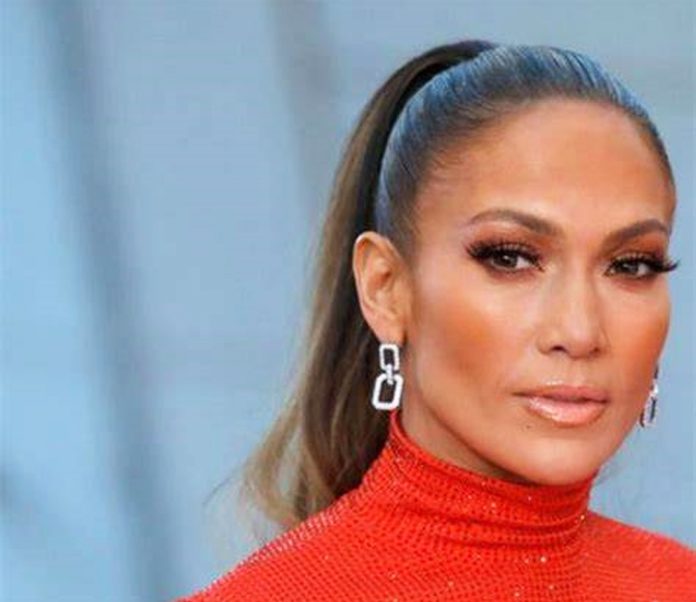
Jennifer Lopez is being sued for posting photos of herself at a Hollywood party, with the photographer and a paparazzi agency saying she failed to get permission to use them.
The singer and actress shared pictures on social media of herself arriving at the Amazon MGM Studios and Vanity Fair Party in Los Angeles the night before this year’s Golden Globes in January.
Photographer Edwin Blanco and Backgrid, the agency he was working for, have each filed lawsuits saying they own the copyright to two photos.
The pictures were used “to promote Ms Lopez’s public appearances, boost user engagement, increase shareability, and lend credibility to her branded content”, they argue.
Backgrid and Mr Blanco are seeking up to $150,000 (£112,000) damages each per photo.
The pictures showed the star in a white dress and a white faux fur coat outside the party at Chateau Marmont.
She posted them on Instagram and X with the caption “GG Weekend Glamour”, and they were then shared by numerous fan and fashion pages.
“Ms Lopez’s unauthorised use of the Images is commercial in nature, intended for the purpose of self-promotion,” the lawsuits said.
“For example, Ms Lopez used the Images to spotlight the designer of her clothing and jewellery, leveraging the publicity from the event to promote her fashion affiliations and brand partnerships.”
Any person who is in a photo doesn’t own the copyright to the picture – that usually belongs to the photographer or the company they work for, and they can decide who can use it and how much they must pay.
The legal documents say Backgrid and Mr Blanco contacted Lopez’s representatives after she posted them and agreed a deal and payment, but that she has not yet signed the agreement.
Actress and media personality Andrea Owusu, widely known as Efia Odo, has disclosed a significant change in her dating preferences, stating that she no longer considers non-Christian men as potential partners.
During a recent live interaction with fans on TikTok, Efia Odo made it clear that her renewed Christian faith now shapes her lifestyle and relationship choices. “Non-Christian men are red flags for me,” she said, firmly stating her stance. This comes after the actress publicly announced her decision to recommit her life to Christianity in 2023.
Her spiritual reawakening has had a profound impact on her behaviour and personal values. In the live session, the host of Rants, Bants and Confessions rejected several fan requests, including one asking her to twerk. Efia Odo instead rebuked the fan and attempted to pray for them, hoping to “deliver them from lust.” She also turned down a fan who asked her out on a date, despite him claiming to be a longtime admirer.
Efia Odo first shared news of her spiritual journey in June 2023 via a post on X (formerly Twitter). In a heartfelt message, she admitted to having lost her way and feeling empty before returning to her Christian roots.
“I was born in a Christian home. I worshipped Jesus all my life. Yes, at one point I wanted to find God on my own and ran away from the church. I felt empty when I stopped worshipping Christ. Now I’m back in Christ and no one can tell me otherwise. If you think I’m brainwashed, then let me be. I don’t need to be saved,”
Before her spiritual transformation, Efia Odo was often in the spotlight for content that contrasted sharply with her new Christian identity. She openly celebrated sexuality through her music, social media posts, and photos, and many fans regarded her as a sex symbol.
Cristiano Ronaldo Jr. is ready to shine at the international level, as the 14 years old striker shined with Portugal U15 at an official competition.
The California native recently made his debut for the nation his father was born in – the legendary Cristiano Ronaldo -, participating in the Vlatko Markovic international tournament being held in Croatia.
The young soccer player could represent up to five countries if given the chance in the future as a footballer (Portugal, Spain, England, Cape Verde, and the United States). But it looks like he’s going to try to make a name for himself with the Portuguese squad.
After receiving his maiden call-up for Portugal last week, Ronaldo Jr. didn’t start for his team until the final game of the tournament. Wearing the No. 7 on his back – the same number as his legendary father -, the teenager showed some flashness of greatness as he scored a beautiful goal in the 13th minute.
Cristiano’s oldest son took the opportunity to celebrate like his dad, too, as he performed a great “Siuuu” that got fans and teammates excited.
Pep Guardiola has threatened to quit as manager of Manchester City if the club does not reduce the size of his squad this summer, saying leaving so many players out is “impossible for my soul”.
A number of Man City’s senior players were not included in the matchday squad for Tuesday’s 3-1 win against Bournemouth and Guardiola says he is unhappy at leaving so many players out.
Abdukodir Khusanov, Savinho, James McAtee, Claudio Echeverri and Rico Lewis all missed out on Tuesday’s 20-man matchday squad as City moved to third in the Premier League and within a point of Champions League qualification.
But, despite this showing the depth Guardiola has at his disposal, the Spaniard wants to work with a smaller squad next season.
He said: “I said to the club I don’t want that [a bigger squad]. I don’t want to leave five or six players in the freezer. I don’t want that. I will quit. Make a shorter squad, I will stay.
“It’s impossible for my soul to [tell] my players in the tribune [stands] that they cannot play.”
Guardiola says it is difficult to continually leave players out of City’s matchday squad.
“As a manager I cannot train 24 players and every time I select I have to have four, five, six stay in Manchester at home because they cannot play. This is not going to happen. I said to the club, I don’t want that.”
City spent more than £200m on four players in January, with Khusanov, Omar Marmoush, Nico Gonzalez and Vitor Reis arriving at the Etihad Stadium while Echeverri, a 2024 signing from River Plate, also joined following a loan spell back at the Argentine club.
Kevin de Bruyne is the only player confirmed to be leaving City this summer, while the future of midfielder Jack Grealish, who last started a Premier League match on 2 April, is also in doubt.
Real Madrid and England midfielder Jude Bellingham is expected to miss at least the first six weeks of next season when he has shoulder surgery after the Club World Cup.
The 21-year-old has struggled with a persistent shoulder problem since 2023 and Real have scheduled the operation for when the tournament in the United States is over.
The former Birmingham City midfielder has worn strapping on his shoulder when playing for England and for his club, having initially missed two games for both Madrid and England at the end of 2023 after injuring his shoulder against Rayo Vallecano.
The expanded 32-team Club World Cup takes place in the United States between 15 June and 13 July.
Bellingham is expected to miss the whole of preseason and at least the first six weeks of the new campaign, which would also mean being absent for England’s World Cup qualifiers against Andorra and Serbia in September.
On Friday, England boss Thomas Tuchel will name his England squad for June’s qualifier against Andorra and friendly against Senegal, with questions remaining about whether or not players due to play in the Club World Cup will be selected.
Bellingham starred in his first season in Spain after signing for £115m from Borussia Dortmund.
He helped Madrid to the La Liga title and Champions League, scoring 23 goals in 43 appearances.
This season, though, he has scored just 14 in 52, with Madrid losing the title to Barcelona and being knocked out of Europe in the quarter-finals by Arsenal.
Jamie Vardy has packed up and left Leicester seemingly for the last time after playing his final ever game for the club.
The former England forward started his 500th match for the Foxes in their win over Ipswich Town at the weekend, also scoring his 200th goal having cemented his status as a club legend.
His wife, Rebekah Vardy, joined him on the field at the King Power alongside his family as he carried out a lap of honour to say goodbye to the fans after their final home game of the season.
Vardy won’t play a part in the Foxes’ last game of the campaign – away at Bournemouth on Sunday – after it was confirmed his swansong would be against Ipswich.
And it appeared that the 38-year-old has been moving out early, as he was snapped carrying some of his things out of club headquarters on Wednesday.
Vardy was seen walking alone, wearing a black tracksuit and cap as he left the club’s Seagrave base – potentially for good.
Asked whether he wanted to stay among the elite, Vardy said: ‘Yeah, 100 per cent. But again, football’s a crazy world. So you never know what’s going to happen. I’m always excited for what comes next.
‘I’ve always said I’ll keep going until my legs literally tell me, no, you need to stop, we’re done. And my legs are fine,’ he told Sky Sports.
He has been linked with the likes of Wrexham, but has made his desire to stay in the Premier League known. There is no clear idea on who his next club will be.
First, though, he will enjoy some time off with his family, including wife Rebekah, as she threw him a surprise party celebrating his final appearance for Leicester.
Celebrated gospel musician and television host, Empress Gifty Oppong Adorye, also known as Empress Gifty, has filed a GH¢20 million (200bn old cedis) law suit against controversial evangelist and social media personality, Patricia Aseidua, popularly known as Agradaa (Thunder) and Evangelist Mama Pat.
The suit, filed at the High Court in Accra on Tuesday, May 20, 2025 at approximately 2:54 p.m. by Empress Gifty’s legal representative, Sam Kyere Esq. of Ossei Aiddoh Akpokavie Kyere & Co, seeks four main reliefs.
Chief among them is a claim for GH¢20 million in damages for defamatory statements allegedly made by Agradaa, during a series of live broadcasts on social media platforms including Facebook, TikTok and YouTube.
According to court documents, Empress Gifty is also requesting a perpetual injunction to restrain the defendant and her associates from making further defamatory remarks.
She additionally seeks an order directing Agradaa to take down all existing videos and audio recordings containing the offending statements and a reimbursement for legal costs, including Attorney fees.
Empress Gifty, who is the host of UTV’s widely watched United Showbiz and U-Cook Show, asserts in her suit that she is an internationally acclaimed gospel musician, most recently winning Best Traditional Gospel Song at the 2025 Telecel Ghana Music Awards.
She is also a brand ambassador for several companies, including Dede Classic, Dede Homes and Kejeron Fabrics. Married to politician Mr. Hopeson Adorye, she is also a mother of four.
The defendant, Patricia Aseidua, is a former fetish priestess-turned evangelist and head of the Heavens Way Church at Weija, Accra. Agradaa is a well-known media figure with a substantial social media following.
Empress Gifty alleges that the defamatory remarks stemmed from a long-standing tension involving Agradaa and her husband.
On May 13, 2025 Agradaa reportedly launched a scathing verbal attack during a livestream, targeting Mr. Hopeson Adorye and subsequently making slanderous and demeaning remarks about the Plaintiff in Twi, which, when translated to English, allegedly impugned her character and reputation.
The Plaintiff states that some of slanderous remarks in the suit has affected her hard won reputation, stating “…the widespread effect of the Defendant’s words on the Plaintiff is that she has become the subject of discussion on media outlets locally and internationally, and has affected her children who are taunted and ridiculed by their mates in school.”
Some of comments allegedly run about the Plaintiff by the defendant in Twi, a local language, are “wo tuutuuni yere no mpo wo bu no,wo yere ɔdwamanfoɔno mpo wo bu no,nkraman newo yere da tafri wo yere twe mu di sika bre wo.”
English translation
“You even respect your promiscuous wife, you respect even that wife of yours who is a prostitute, your wife flirts with dogs, dogs lick your wife’s vagina, which is how she makes money to cater for you. You left your cheap prostitute wife that has sexual intercourse with pastors to attack me. I’m not a toy like your wife, I have not repositioned my nose like your wife, do not extend the foolish things you do to her to me. Your wife’s vagina has become a common eating bowl for some pastors.”
Thus, the Plaintiff is a zoophile, who flirts with dogs to earn her money to cater for her husband.
Empress Gifty is in dire need of the court’s intervention because the words were calculated to disparage Plaintiff’s standing in the music and the showbiz industries in particular and in the public view at large.
The plaintiff contends that the words used were “unprintable,” intended to degrade and tarnish her image in the eyes of the Ghanaian public and her fans.
Agradaa has eight days to respond either personally or through legal counsel. Failure to do so could result in a default judgment in favour of Empress Gifty.