Home Blog Page 690

Heat Exhaustion: Causes, Symptoms & Prevention

0

Heat exhaustion is an illness that can happen when your body gets too hot and can’t cool itself. It’s a response to losing too much water and salt, usually because of too much sweating. It can happen when you work or exercise outside on a hot, humid day or spend too much time in a very hot environment, such as a home or factory without air conditioning during a heat wave.

Heat exhaustion is one of three major heat-related illnesses. The other two are heat cramps, which are less serious, and heat stroke, which is the most serious.

Because these conditions can progress from one to another, they are sometimes described as the three stages of heat illness.

Heat Exhaustion vs. Heat Stroke

Heat exhaustion and heat stroke are different conditions, but they are related. If you have symptoms of heat exhaustion and don’t take quick steps to cool your body down, you can develop heat stroke.

Heat stroke is a very serious, potentially deadly condition that, unlike heat exhaustion, can permanently damage your brain and other vital organs. When you see symptoms of heat stroke, it’s an emergency and you should call 911.

Some symptoms that could point to heat stroke, rather than heat exhaustion, include:

  • Body temperature at or above 104 F.
  • Confusion, agitation, or aggression
  • Hallucinations
  • Slurred speech
  • Fainting
  • Not being able to sweat

Is sunstroke the same thing as a heat stroke?

Yes, sunstroke is a name some people use for heat stroke.

Heat Exhaustion Symptoms

Heat exhaustion symptoms may start rapidly or come on slowly, with signs of milder heat illness showing up first. You might get a red heat rash or painful heat cramps, often in your arms and legs.

Once heat exhaustion sets in, symptoms can include:

  • A body temperature over 100 F (though it’s possible to have heat exhaustion with a normal temperature)
  • Dizziness or faintness
  • Cool, moist skin with goosebumps
  • Blurred vision
  • Fatigue
  • Headache
  • Nausea and vomiting
  • Heavy sweating
  • Rapid heartbeat
  • Rapid shallow breathing
  • Swollen ankles, feet, or hands (heat edema)
  • A drop in blood pressure when you stand

Symptoms of heat exhaustion in babies

Babies and young children are at especially high risk of heat illnesses, such as heat exhaustion and heat stroke. That’s because they sweat less, making it harder for them to cool off.  But they might not be able to tell you how they are feeling. And they may show no clear early signs, other than seeming fussy and unwell.

But signs of heat exhaustion in a baby might include:

  • Paler skin than usual — which might be most noticeable on the palms of hands, nails, eyes, gums, or tongue
  • Cooler than usual skin
  • Increased thirst and other signs of dehydration, such as peeing or crying less
  • A rise in body temperature

What Causes Heat Exhaustion?

Usually, you can count on your sweat to act as your body’s air conditioner: As your sweat dries, it carries heat away from your skin. But when the air is hot and moist, sweat is slower to evaporate and your body struggles to stay cool, especially when you’re active. The more you sweat, the more you deplete your body’s fluids and essential minerals (electrolytes), such as sodium and potassium. Those losses of water and minerals cause the main symptoms of heat exhaustion.

Heat exhaustion is strongly related to the heat index, which is a measurement of how hot you feel when the effects of relative humidity and air temperature are combined.

The risk of heat-related illness dramatically increases when the heat index climbs to 90 degrees or more. So it’s important, especially during heat waves, to pay attention to the reported heat index and remember that the heat index is even higher when you are in full sunshine.

Treatment for Heat Exhaustion

If you have symptoms of heat exhaustion, it’s essential to immediately get out of the heat and rest, ideally in an air-conditioned room. If you can’t get inside, try to find the nearest cool and shady place.

  • Drink water or sports drinks (avoid caffeine and alcohol) — taking small sips rather than big guzzles over about an hour
  • Remove any tight or unnecessary clothing
  • Take a cool shower, bath, or sponge bath
  • Apply other cooling measures such as fans or ice towels

If you don’t feel better within an hour, seek medical help, because untreated heat exhaustion can progress to heat stroke. If your temperature rises or your symptoms get worse, don’t wait — call 911 or go to an emergency room.

If you are showing signs of heat stroke, you may be put in an ice bath or cooling blanket or, if those aren’t available, misted with cool water. You might also get medication to help you stop shivering.

How long does it take to recover from heat exhaustion?

Heat exhaustion usually goes away with rest and fluids. You should feel better within an hour.

Still, you’ll probably be more sensitive to high temperatures during the following week. So, it’s best to avoid hot weather and heavy exercise until your doctor tells you that it’s safe to resume your normal activities.

Credit: webmd

Feature: The case for Ghana’s new energy sector levy

0
Fuel

On 3rd June 2025, Parliament passed the Energy Sector Levy (Amendment) Bill, introducing a GHS1 increase in the levy on petroleum products. The objective is to raise an additional GHS5.7 billion to support the energy sector—specifically to reduce the country’s growing energy debt and ensure a stable power supply.

According to Finance Minister Dr. Cassiel Ato Forson, Ghana’s energy sector debt currently stands at $3.1 billion, and approximately $3.7 billion is required to clear all arrears. Although the decision to impose a new levy may seem unpopular, it is in fact both justified and timely, given Ghana’s economic conditions and the structural challenges facing the sector.

Ghana’s energy sector debt is not a new problem. It has accumulated over the years due to a mix of policy missteps, poor financial management, and external shocks. For long periods, electricity tariffs were set below cost-recovery levels, leading to persistent revenue shortfalls. The Electricity Company of Ghana (ECG), Volta River Authority (VRA), and other state institutions have struggled to cover operational costs, let alone meet obligations to independent power producers (IPPs).

The problem worsened in the aftermath of the 2012–2016 power crisis. In a bid to address the energy shortfall, the government entered into long-term contracts with several IPPs. Many of these agreements included “take-or-pay” clauses, which require ECG to pay for power capacity whether or not it is utilized. While this helped to restore power supply in the short term, it created long-term financial burdens that persist today.

Other structural weaknesses further deepened the sector’s debt profile. These include high transmission and distribution losses, non-payment by public institutions, weak revenue collection, and the volatility of the Ghana cedi. Since most of Ghana’s power sector contracts are denominated in U.S. dollars, any depreciation of the cedi significantly increases the cost of servicing energy-related obligations.

In recent years, the government has taken steps to address the crisis. The Energy Sector Recovery Programme (ESRP) was introduced to improve efficiency, transparency, and financial viability. The Cash Waterfall Mechanism was also rolled out to ensure fair and transparent distribution of revenues across the sector. Despite these reforms, the financial hole remains deep—and progress has been constrained by the lack of sufficient revenue to clear legacy debts.

It is within this context that the new energy levy must be understood. It is not an arbitrary tax; it is a strategic policy tool designed to tackle a systemic crisis. More importantly, the timing is right. In the past month, the Ghana cedi has appreciated significantly, by over 30% against the U.S. dollar. This has already led to a reduction in fuel prices and provided some relief to consumers. Introducing the levy now, when fuel prices are relatively low, allows for a smoother adjustment with less direct impact on the public.

Moreover, a stronger cedi means the government can get more value out of every cedi collected through the levy when repaying dollar-denominated debts. It also helps prevent future energy crises. IPPs have already signaled frustration over delayed payments. Without intervention, some may reduce power supply or pull out altogether—threatening the reliability of Ghana’s power system and damaging investor confidence in the sector.

Beyond the technical rationale, there is also a broader issue of equity and sustainability. Ghana cannot continue to rely on external financing and emergency bailouts to fix its energy problems. These debts eventually fall back on the taxpayer, either through budget reallocations, cuts in social spending, or inflationary pressures. By introducing a modest GHS1 levy, the government is asking citizens to contribute to a solution—a small sacrifice today to avoid a bigger crisis tomorrow.

Understandably, many Ghanaians are frustrated by the rising cost of living and weary of new levies. But this energy levy is not being introduced in a vacuum. It comes at a time when global oil prices are stable, the cedi is strong, and the space exists to take corrective action. It is a bold but necessary step—one that reflects fiscal responsibility, policy foresight, and a commitment to long-term energy security.

In conclusion, while no new tax is ever welcomed with open arms, the Energy Sector Levy (Amendment) Bill, 2025 is a measured and justified response to a longstanding structural crisis. It reflects the reality that Ghana’s energy future cannot be built on debt and arrears. Rather, it must be financed through a shared national commitment to sustainability and reform. The time to act is now—while we still have the room to do so.

By Prof. Fred Dzanku, ISSER

Source: myjoyonline.com

Feature: New Fuel Levy in Ghana: A solution to energy woes or a blow to citizens?

0
Fuel

The government of Ghana, through the Ministry of Finance, has introduced the Energy Sector Levies (Amendment) Bill, proposing a 1 cedi levy on every litre of petroleum product sold in the country. This bold fiscal intervention is aimed at stabilising Ghana’s ailing energy sector, with the funds expected to offset power sector debts, support infrastructure maintenance, and ensure continuous electricity supply.

However, the announcement has sparked heated national conversation. Citizens, economists, and energy experts are weighing the bill’s potential benefits against the immediate impact on household budgets and the already-burdened cost of living. Can this policy deliver the relief it promises, or will it deepen existing economic struggles?

What the Government Hopes to Achieve

Ghana’s energy sector is reeling from decades of underfunding, inefficiencies, and mounting debts, particularly to independent power producers (IPPs) and fuel suppliers. Power outages have become a recurring menace, hurting small businesses and undermining investor confidence.

The Finance Minister maintains that the new levy will generate dedicated revenue to address these systemic financial gaps and avoid further deterioration of electricity supply reliability. According to him, ‘stabilising the energy sector is critical to economic growth, job creation, and industrial expansion.’

Possible Gains from the Levy

  1. A Lifeline for the Power Sector

The levy could inject much-needed funds into clearing legacy debts, enhancing the financial health of utility providers, and facilitating uninterrupted power generation and distribution.

  1. Sustainable Energy Investment

Over time, the revenue could be channelled into renewable energy development and critical grid upgrades, positioning Ghana as a leader in West Africa’s energy transition.

  1. Economic Productivity

A more reliable electricity supply could stimulate local manufacturing and reduce the cost of doing business, especially for SMEs affected by frequent blackouts and the high cost of generator use.

But at What Cost to Citizens?

  1. Fuel Price Hikes & Inflation

An additional 1 cedi per litre will almost certainly push up fuel prices. This increase will ripple across sectors — transport, agriculture, and commerce — raising the cost of goods and services.

  1. Hardship for the Poor and Working Class

Fuel levies are inherently regressive. Lower-income households, who spend a larger portion of their earnings on transport and food, will feel the pinch more acutely than affluent citizens.

  1. Trust Deficit from Past Levies

Public scepticism is high, given past energy-related levies such as the Energy Debt Recovery Levy, Price Stabilisation and Recovery Levy, and the Public Lighting Levy — all introduced under the Energy Sector Levies Act, 2015 (Act 899). These levies were designed to address sector inefficiencies, clear debts, and stabilise energy prices. However, reports of mismanagement and lack of transparency have eroded public trust.

  1. Lack of Transparency and Oversight

Critics fear the new revenue stream could be mismanaged or diverted from its intended purpose, as has occurred in the past due to weak institutional oversight and political interference.

Policy Recommendations for Balance

If implemented, the following measures can improve public buy-in and ensure the policy’s long-term success:

Phase Out Obsolete Levies: The government should review and rationalise older levies to reduce the cumulative tax burden on fuel products.

Ring-Fence the Funds: The new levy should be placed in a special account with public disclosure on disbursement and impact metrics.

Protect the Poor: Introduce targeted interventions, such as transport subsidies for low-income earners, to cushion the economic blow.

Set a Time Limit: The levy should include a sunset clause with periodic performance reviews and a clear end goal.

Final Thoughts

The Energy Sector Levy Amendment Bill represents a high-stakes balancing act for Ghana’s government. On the one hand, stabilising the power sector is indispensable for economic resilience and long-term growth. On the other hand, the levy’s regressive nature and timing, amid high inflation and job insecurity, could deepen public discontent.

Ultimately, the success of this policy will hinge on transparency, accountability, and the political will to use the proceeds solely for their intended purpose. Ghana’s energy future must not come at the expense of today’s vulnerable citizens.

About the Author:

Isaac Kwegyir Essel is an energy policy analyst with an MSc in Oil and Gas Accounting from Robert Gordon University (Scotland). He is a member of the Energy Institute (UK) and Engineers Australia. He writes on energy transition, geopolitics and community development.

By Isaac Kwegyir Essel 

Source: myjoyonline.com

Swedru All Blacks’ Rudolf Mensah lands big nomination at Ghana Football Awards

0
Rudolf Mensah

Ghana Premier League (GPL) bound Swedru All Blacks will be represented in a grand way with All Blacks forward Rudolf Mensah getting nominated in the Ghana Football Awards categories.

The 24 year old has been nominated for the Home-Based Player of the Year in the 2024-2025 season after a breakthrough season for the former Golden Kick player.

Mensah scored 27 goals in 30 league games for All Blacks and powered the team’s return to the GPL after a 16 year hiatus.

The All Blacks lead striker scored a hat-trick in a 4-3 loss to PAC Academy to close out the season and win the Access Bank Division One top scorer prize.

Mensah, who has courted a ton of interest from Ghana Premier League teams according to reports reaching Citi Sports, is the only Division One player to make the cut for the prestigious award.

Berekum Chelsea’s Stephen Amankona, Nations FC’s Razak Simpson and Faisal Charwetey and Samuel Kumi of Bibiani Gold Stars have also been nominated for the award.

Credit: citisportsonline.com

Jordan Ayew reflects on his Leicester City future amid relegation

0
Jordan Ayew

Black Stars captain Jordan Ayew is adopting a cautious approach to his future at Leicester City following the club’s relegation from the English Premier League.

Ayew, who joined the Foxes from Crystal Palace in August 2024 on a two-year contract worth around £5 million, endured a challenging debut season under Dutch manager Ruud van Nistelrooy.

Despite individual flashes of brilliance, Leicester managed just six wins all season, sealing their second top-flight relegation in three years.

Besides their drop to the second tier – their second relegation in three seasons – Leicester City set a new English top-flight record by going nine consecutive home matches without scoring, breaking Manchester City’s previous record of eight from the 2006/07 Premier League season.

With a year left on his contract, Ayew is weighing his options. “Staying is an option and leaving is also an option,” he added. “But I’m happy there. I just want to play football and enjoy myself – that’s what makes me happy.”

Speculation has been growing that the former Olympique Marseille and Aston Villa forward may part ways with the East Midlands club in pursuit of top-flight football, even though he still has a year left on his contract.

When asked about the truth behind the rumours, Ayew claims that he is in no rush to make a decision about his future.

“I have one more year on my contract. I need to go on holiday now and see what’s going to happen. I just want to play football and enjoy myself because that is what makes me happy.”

Credit: 3news.com

Basake Holy Stars demand points after abandoned clash with Nations

0
Basake Holy Stars

Basake Holy Stars have formally written to the Ghana Football Association (GFA), requesting to be awarded three points and three goals following the abandonment of their Ghana Premier League clash with Nations FC.

The penultimate fixture of the league season descended into controversy when Nations FC walked off the pitch. According to the GFA, the matter is under investigation.

Holy Stars were leading by a lone goal, scored from the penalty spot, and had been awarded a second penalty when tempers flared. A scuffle ensued on the pitch, prompting security personnel to step in, after which Nations FC exited the match.

Later on Sunday, Nations FC issued a strongly worded statement alleging maltreatment. The club claimed their chairman, Dr Kwame Kyei, was assaulted, fans were intimidated, officiating was substandard, and security was inadequate.

The club has since threatened to withdraw from the league, with Dr Kyei publicly expressing regret over his investment in Ghana football. The incident adds to an already difficult season marred by controversy, including the earlier stabbing of Kotoko supporter Nana Pooley, which led to a temporary suspension of the league.

Nations FC, who are chasing their first-ever Premier League crown, would have boosted their chances with a win. However, their decision to abandon the match makes it more likely that the points could be awarded to Holy Stars, or a replay could be ordered.

Nations FC and second-placed Bibiani Gold Stars are currently level on points heading into the final matchday. The GFA is expected to deliver a verdict on the incident in the coming days.

Credit: ghanasoccernet.com

Hearts to appoint Maxwell Konadu as new Head Coach

0
Maxwell Konadu

Ghanaian giants Hearts of Oak have reached an agreement in principle to appoint Maxwell Konadu as their new Head Coach, GHANAsoccernet.com can exclusively report.

The former Asante Kotoko and Black Stars assistant coach is expected to take over from Aboubakar Ouattara, who will transition into the role of Technical Director.

The Phobians are currently finalising the details of the agreement with Konadu, who has been out of a job since parting ways with South African outfit Black Leopards. His return to the Ghanaian top flight marks a major move by Hearts as they look to restore their lost glory and reassert themselves as a dominant force in Ghanaian football.

Konadu, 52, is no stranger to the Ghana Premier League, having recently guided Nsoatreman FC to an impressive MTN FA Cup triumph before making a short-lived move to South Africa. His vast coaching résumé includes spells as head coach of Ghana’s U-23 side and multiple stints as assistant coach for the senior national team, the Black Stars. Over the years, he has worked under a host of renowned tacticians including Milovan Rajevac, Avram Grant, Kwesi Appiah, Otto Addo, and Chris Hughton.

If the deal is finalized, Konadu will face an uphill task. While Ouattara has led Hearts to a respectable fifth place in the current Ghana Premier League campaign, the club is in a transitional phase. A number of key players are expected to leave at the end of the season, necessitating a major squad overhaul. Konadu will be expected not only to steady the ship but also to rebuild a competitive side capable of challenging for titles.

Hearts of Oak have not won the league since their 2021 triumph and are determined to return to the summit of Ghanaian football. The club’s decision to elevate Ouattara to a strategic technical role while bringing in an experienced and high-profile coach in Konadu signals a renewed ambition.

As one of the most respected coaches in Ghana, Konadu’s imminent appointment is likely to galvanize the fanbase and bring renewed optimism to the club. With a rich blend of domestic and international experience, Hearts will be hoping that his leadership can spark a new era of success at the club.

Credit: ghanasoccernet.com

Men ‘hid in toilet for 27 hours’ to watch Champions League final for free

0
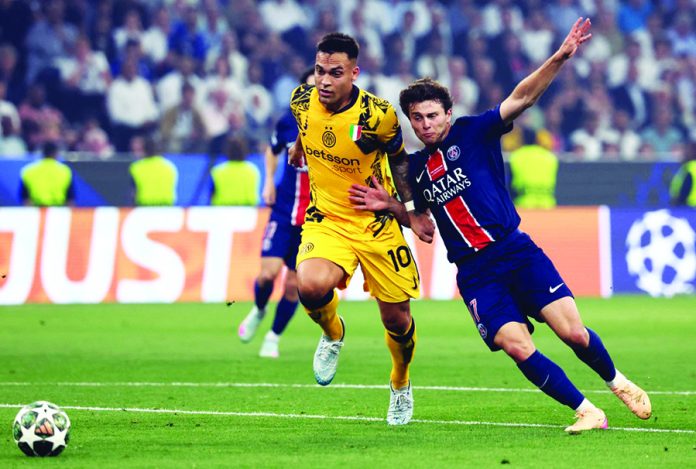
PSG won over Inter Milan in the Champions League final

Two Belgian men have claimed they hid in a toilet at Munich’s Allianz Arena for 27 hours in order to watch last weekend’s Champions League final for free.

Neal Remmerie and Senne Haverbeke told Belgian broadcaster VRT News they managed to get into the ground the day before the match then emerged to watch Paris St-Germain’s 5-0 win over Inter Milan.

The pair uploaded a video, external on the social media platform TikTok which showed them sticking a homemade ‘out of order’ sign on two toilet cubicle doors before they waited in silence for more than a day as stadium staff used the facility.

“We had a backpack with snacks and we played around on our phones to kill time,” Remmerie said.

“The lights were on all the time and the sitting position was uncomfortable, so sleeping was almost impossible. That made it physically and mentally difficult.”

As soon as the duo heard fans using the toilets on matchday they emerged from the hiding place and made it past another ticket check before taking a seat in a stand.

“We looked carefully at which security guard was paying the least attention. While on the phone and with food in our hands, we just walked on, and suddenly we were inside,” Remmerie added.

“PSG won 5-0 and we were also in the supporters’ section of the winning team. It was the most beautiful football match we have ever seen.”

Credit: bbc.com

Bryan Mbeumo close to sealing £250,000-a-week move to Man United

0
Bryan Mbeumo

Bryan Mbeumo is reportedly hoping to earn £250,000-a-week if he moves to Manchester United this summer.

Mbeumo, 25, has shone at Brentford since joining the club in 2019 and he enjoyed his most productive season yet in 2024-25.

The right-sided forward scored 20 Premier League goals and added eight assists as the Bees finished 10th in the top flight.

Mail Sport reported on Monday how United are set to open official talks with the Bees over the 25-year-old after Mbeumo indicated his desire to move to Old Trafford.

Newcastle UnitedTottenham and Arsenal had all made contact over the 25-year old, who is valued at more than £60million but he told United he wants to join them and be part of Ruben Amorim‘s rebuild this summer.

And, according to The Times, Mbeumo currently earns around £50,0000-a-week but he is keen for a five-fold increase on his salary if the move does get completed.

Mail Sport understands that the £250,000-a-week figure was quoted to the clubs who were interested in Mbeumo, although it is unclear whether United will reach that figure.

United are keen to offload exiled stars Marcus Rashford and Jadon Sancho this summer, two of their highest earners who are both on around £300,000-a-week.

If they are successful in doing so, that would free up significant space in the wage bill, yet if Mbeumo’s demands were met, it would make him one of United’s highest earners.

Mbeumo has one year left on his Brentford deal, although the club do have an option to extend it by an extra 12 months.

Credit: dailymail.co.uk

Man City agree deal to sign AC Milan’s Reijnders

0
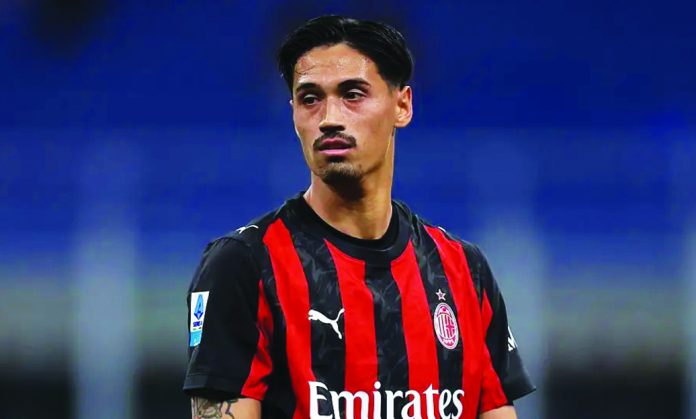
Tijjani Reijnders joined AC Milan in 2023 from AZ Alkmaar

Manchester City have agreed a 55m euros (£46.3m) deal with AC Milan for Netherlands midfielder Tijjani Reijnders.

The 26-year-old will sign a five-year contract at Etihad Stadium after agreeing personal terms with City.

The deal, which is subject to a medical, includes additional payments if certain clauses are met.

City hope to complete a deal for Reijnders in time for the Club World Cup, which kicks off on 14 June.

His arrival will strengthen an area of the pitch that has been weakened by injury to Mateo Kovacic, who has been ruled out of the 32-team tournament in the United States after undergoing Achilles surgery.

Midfielder Kevin de Bruyne is also expected not to be involved in the tournament, with a move to Serie A champions Napoli looking increasingly likely.

Capped 22 times for the Netherlands, Reijnders is the type of balanced midfielder that City lacked last season.

The Dutchman scored 15 goals in 54 matches across all competitions for Milan last term, helping him to be named Serie A’s midfielder of the season.

His performances came against the backdrop of Milan’s dismal campaign as the Rossoneri finished eighth and missed out on European qualification.

It was the best goalscoring season of Reijnders’ career, with the 26-year-old hitting double digits for the first time.

Credit: bbc.com

The Ghanaian Chronicle