Home Blog Page 671

Two men face court over robbery charges

0
Court

A trader from Osu, Accra, Jeffery Gennel, appeared before the Accra Circuit Court day on multiple charges relating to a robbery syndicate operating in the Greater Accra Region. Gennel, aged 20, is facing three counts, including conspiracy to commit robbery and robbery itself, under Ghana’s Criminal and Other Offences Act, 1960 (Act 29).

Gennel pleaded not guilty to all charges. However, the court, citing Section 96(5)(d) of Act 30, denied bail and ordered that the accused be remanded into police custody.

The judge emphasised that investigations must be expedited and concluded before the next hearing, scheduled for July 28, 2025. The prosecution alleges that in 2020, Gennel conspired with another individual identified only as Hamza a.k.a. “Dem Dead”, who is currently at large, to carry out a series of robberies in the Teshie-Nungua area.

According to court documents, Gennel and Hamza allegedly acted with a common criminal purpose to engage in robbery activities in 2020.

The duo is accused of robbing victims of an iPhone XR valued at GHS 2,500 and a Tecno smartphone worth GHS 1,500, all within the jurisdiction of the Greater Accra Region. The fugitive Hamza, repeats the robbery offense related to the same stolen items.

Briefs presented in court revealed that Gennel was arrested at his Osu hideout on July 5, 2025 during an intelligence-led police operation.

Preliminary investigations tied him to a broader robbery ring operating in Teshie and surrounding areas.

During questioning, the accused allegedly admitted to participating in three robbery incidents between 2019 and 2020 with Hamza, using a G5 Power motorbike.

Efforts to apprehend Hamza are ongoing, as police consider him a key player in the syndicate. The case has been adjourned to July 28, 2025 as police continue their investigations.

Competition Law as a Catalyst for Ghana’s 24-Hour Economy and Export Ambitions

0
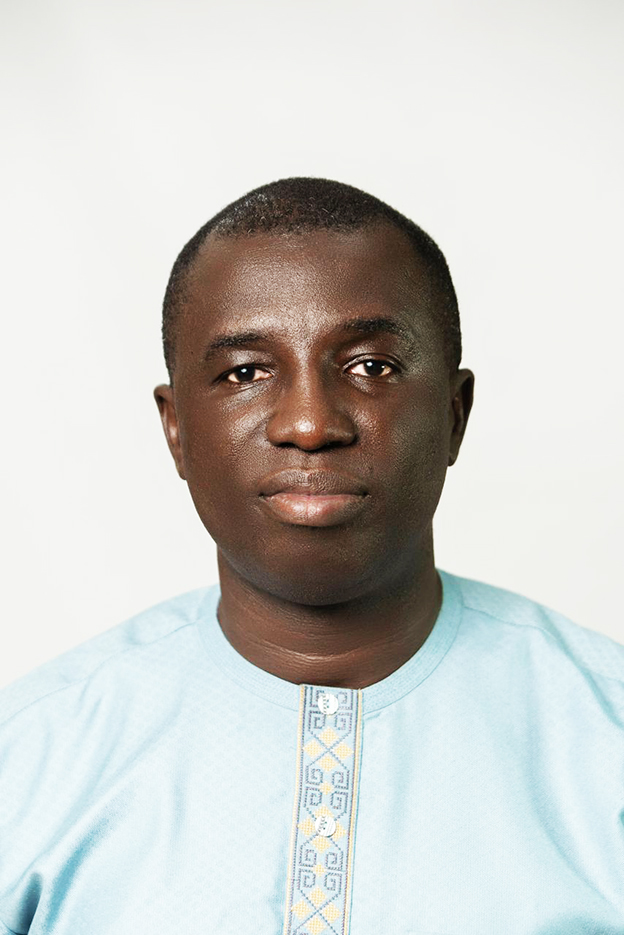
Appiah Adomako Kusi

“Competition policy is not a luxury or a regulatory nicety. It is an essential underpinning of the market economy. Developing countries need it as much as, or even more than, rich countries, because the risks of market abuses, cronyism, and corruption are even higher.”-Prof Jeffrey Sachs

About two weeks ago, His Excellency the President launched the government’s flagship policy, the24-Hour Economy and Accelerated Export Development Policy. If well implemented, it could become a watershed moment for Ghana’s economy.  With eight interconnected pillars, namely agriculture, manufacturing, infrastructure, logistics, finance, human capital, civic engagement, and cultural identity, this policy presents a novel framework for industrial transformation.

Competition (antitrust) policy and law are central to every industrial transformation. Without this, even the best-designed industrial and export policies risk being captured by vested interests, stifled by monopolies, or rendered ineffective by unregulated market power.

What is Competition Law?

Competition law, sometimes referred to as antitrust law, refers to a set of rules that govern how businesses compete in a market. It prevents anti-competitive conduct that harms consumers, inhibits innovation, or blocks new entrants from competing fairly. This includes cartels, price fixing, abuse of dominance, bid rigging, and collusive tendering.

Competition law ensures that firms compete on merit rather than through manipulation, exclusivity arrangements, or the exercise of market power. It empowers the competition regulator the authority to investigate, penalise, and remedy market conduct that distorts competition. Ghana has had a draft competition bill since 2007.

What is Competition Law Against?

Competition law does not punish size or success. It is not against firms becoming dominant through efficiency or innovation. It prohibits specific practices such as agreements between competitors to fix prices, share markets, or limit output or an abuse of a dominant position, such as predatory pricing or refusing access to essential facilities. It also makes sure that mergers and acquisitions do not substantially lessen competition or create market concentration. Additionally, competition law prohibits exclusive contracts or loyalty rebates that shut out or forecloses rivals.  These practices can distort markets, entrench monopolies or oligopolies, and block smaller players or innovators from succeeding and lead to market inefficiency.

Why Competition Law Matters for 24H+ and Export Development

The 24H+ policy is about transforming Ghana’s economic DNA. It focuses on revitalising agriculture, scaling manufacturing, building infrastructure, expanding exports, and unlocking the productivity of the Ghanaian workforce. But without a level playing field, the benefits of these investments may be captured by a few entrenched interests, defeating the purpose of inclusive transformation.

For example, the MAKE24 industrialisation strategy aims to raise manufacturing’s share of GDP from 12 percent to 20 percent by 2028. This will involve clustering firms in Wumbei Industrial Parks and linking them to raw materials and logistics networks. But what happens if large players in the parks collude on prices, shut out competitors, or use their market dominance to exploit suppliers? Without competition law, these risks cannot be addressed.

Additionally, GROW24 aims to strengthen agriculture through the development of agroecological parks (Agbleduwo), improved irrigation, cold chains, and cooperatives. But if powerful buyers or intermediaries engage in unfair pricing or buyer cartels, smallholder farmers will not benefit from the value chains. Competition law protects these producers by ensuring buyers compete fairly and prices reflect market dynamics, not collusion.

The Benefits of Competition to Job Creation, Exports, and Competitiveness

Open markets spur innovation and productivity. When firms compete fairly, they are pushed to become more efficient, invest in better technology, and expand operations to gain market share. This leads to higher employment. According to the 24H+ policy, Ghana could create up to 1.7 million jobs by 2028 and exceeding 5.2 million jobs by 2034. But these jobs will not materialise if the market environment discourages entry and innovation. Competition law attracts foreign direct investment (FDI). The data worldwide shows.

On export development, Ghana wants to transition from exporting raw materials to exporting processed goods like cocoa butter, garments, pharmaceuticals, and agro-processed foods. This requires competitive supply chains, fair access to infrastructure, and efficient input markets. A robust competition regime would ensure access, reduce costs, and enable scale. It also builds investor confidence, since foreign firms entering the market need assurances that the rules are fair and the market is open.

Finally, at its core, 24H+ is about making Ghana competitive, regionally and globally. This includes reducing costs, improving quality, and scaling up production. Competition law enhances this by removing artificial barriers, improving resource allocation, and promoting efficiency. A competitive domestic economy is the foundation of a competitive export economy. The countries Ghana seeks to compete with—Kenya, South Africa, Zambia, Egypt, Gambia, India, Botswana and Vietnan have functional competition laws that guard against anti-competitive conduct.


Where Ghana Stands Today

Ghana began work on its national competition policy and law nearly two decades ago. However, the process stalled for the better part of the last eight years. Encouragingly, both the 2024 NDC Manifesto and the 2025 Budget Statement (Paragraph 553) state that “the Trade Ministry will also undertake a comprehensive review of the Made-in-Ghana Products Policy, advocate for the passage of the Consumer Protection and Competition and Business Regulatory Reforms Commission Bill.”

International organisation such as UNCTAD, ECOWAS, and the African Union have called on member states to adopt functional competition regimes. Article 12 (3)of the AfCFTA Protocol on Competition mandates “State Parties without competition law and enforcement bodies shall enact competition laws and establish competition enforcement bodies upon entry into force of this Protocol or their accession to the AfCFTA Agreement.”  Ghana cannot be an effective player in the single African market without aligning with these standards.

In conclusion, Ghana needs a functional competition policy and law. The issue of price fixing by some cartels that have persistently refused to pass on the gains from the cedi’s appreciation against the USD to consumers can be cured by competition law.

NB: The writer is a lawyer and a competition economist, and a consumer protection expert. He is the West Africa Regional Director of CUTS International. He can be contacted via email: apa@cuts.org or www.cuts-accra.orgor 0302-254-5652.

By Appiah Kusi Adomako, Esq

The views expressed in this article are the author’s own and do not necessarily reflect The Chronicle’s stance.

Editorial: Installation Of Solar-Powered Streetlights A Step In The Right Direction

0
Editorial

The Ministry of Energy and Green Transition has commenced the installation of 23,500 solar-powered streetlights across the country, as part of efforts to reduce the burden on the national electricity grid. Energy Minister, John Jinapor, announced the initiative at a press briefing held on Wednesday, July 16, 2025.

He said the project, which will cover a total stretch of 700 kilometres, is part of a broader plan to enhance energy efficiency and reduce the reliance on grid power for public lighting. “Streetlights alone consume between 200 and 300 megawatts during peak hours,” MrJinapor stated. “By moving these onto solar systems, we can reduce the national load and improve electricity availability for homes and businesses.”

Currently, most public streetlights are connected to the national grid and operate during peak evening hours, adding pressure to an already overstretched power generation and transmission system. Ghana is still recovering from a power shortfall of 720 megawatts reported at the end of 2024.

The Chronicle is glad about the Ministry’s decision to roll out 23,500 solar-powered streetlights nationwide, which is one of the most practical and forward-thinking interventions Ghana has seen in recent energy policy.

Currently, there are lots of malfunctioning streetlight all over the country, especially in the Country’s capital. Street lighting is essential for public safety, economic activity and civic life, particularly during the night. Yet, anyone living in the country knows the reality that when the national grid goes down, the entire country descends into darkness.

When things like this happen, it creates fertile ground for crime and road accidents. With most streetlights tied directly to the national grid, their functionality is directly linked to the health of our energy infrastructure. The 720-megawatt shortfall recorded at the end of 2024 made this painfully clear.

That is why this solar streetlight project spanning 700 kilometresis not just a clever solution but a necessary one. Solar-powered lights operate independent of the national grid. This means that even during peak load periods or power cuts, streets can remain lit. The implications for safety, mobility and national productivity are enormous.

Moreover, the numbers tell their own compelling story. According to Energy Minister John Jinapor, streetlights alone consume between 200 to 300 megawatts during peak hours. That is roughly the same power consumption as an entire city. Transitioning these lights to solar energy will help free up capacity on the national grid, allowing more homes and businesses to enjoy uninterrupted supply. It is, therefore, a strategic energy management reform.

Ghana lies almost entirely within the tropical zone and enjoys average daily sunshine hours ranging between 5 and 7 hours throughout the year. According to the Ghana Energy Commission, the country receives solar radiation ideal for solar energy harvesting. Yet, solar still accounts for less than 2% of the country’s total electricity generation mix. In that context, this solar streetlight initiative is not just timely, it is long overdue.

Beyond easing pressure on the grid, this programme aligns seamlessly with Ghana’s Green Transition Agenda. If executed properly, it will help lower the country’s carbon footprint, reduce dependency on fossil fuels and demonstrate our commitment to international climate obligations such as the Paris Agreement and the Sustainable Development Goals (SDGs). It will also lower public lighting costs for the government in the long run, making room for more investments in healthcare, education and job creation.

The success of this project hinges on transparency, maintenance and local community involvement. Too often in Ghana, public infrastructure projects begin with great fanfare only to be abandoned due to lack of oversight or corruption. Already, many communities live among thousands of dysfunctional streetlights installed just a few years ago.

This solar project must not suffer the same fate. Authorities must build a maintenance culture around it training local technicians, establishing accountability systems and setting up anti-theft mechanisms.

Ghana has the sun. Now it has the vision. Let this be the beginning of a new era in our national energy story one driven not by emergency generators, but by sunlight, foresight, and responsible public policy.

Akosombo Dam spillage: Gov’t to disburse compensation after completion of validation

0
Samuel Ablakwa speaking with a section of the media at Aveyime in his constituency

The validation of persons affected by the September-November 2023 Akosombo Dam spillage has been completed, and disbursement of funds is set to begin in the coming days to compensate individuals who lost their properties and livelihoods, Samuel Okudzeto Ablakwa has told a section of the media in his constituency, North Tongu.
The Member of Parliament and Minister for Foreign Affairs explained that the payment of compensation was a key promise made to the people of North Tongu, and this, he said President Mahama is committed to fulfilling.

Meanwhile, the phase two of a ‘Safe Alternative Housing’ unit at Battor where about 12,000 residents were displaced by the September-November 2023 Akosombo Dam spillage is housing about three hundred victims of the catastrophe.

Touching on the terrible state of the roads in his constituency, the Minister for Foreign Affairs said the area is set to see major road infrastructure developments under the government’s ‘Big Push’ agenda.

“The reconstruction of some of the terrible roads in the constituency will bring a significant relief to motorists and residents,” Mr Ablakwa explained.

Keta residents express mixed reaction on scrapping of fuel allowance

0
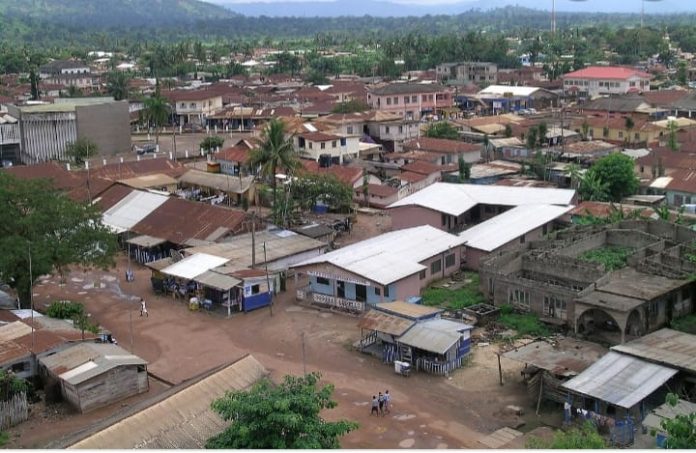
Keta Township

The decision by President John Dramani Mahama to scrap the fuel allowance for all government appointees has sparked a mixed reaction from the public in the Keta municipality of the Volta Region.

While some have welcomed the move as a necessary measure to cut down on government expenditure, others have expressed concern about the impact it would have on the livelihoods of those who may be affected.

The scrapping of the fuel allowance was seen by others who believed it was part of a broader plan of austerity measures introduced by the government to reduce expenditure and channel public funds into major priority areas for development.

Mr. Seth Amesa, a native of Tortoekope, a suburb of Keta, in an interview with Ghana News Agency, said the move by government to scrap fuel allowances was seen as a way to demonstrate how committed President Mahama was to fiscal responsibilities and to set an example for other countries in African to follow.

He said President Mahama and his government has emphasised that leadership must also bear its part of the sacrifices and called on others in various sectors of government to comply as part of the agenda for the progress and success of the country.

“I know it’s not everyone who is pleased with the decision the government is taking, especially considering the challenges it will bring to others,” he said.

Mr. Julius Dogbeda, another resident, said many appointees may express concern about the impact the move would have on their livelihoods, particularly those who rely heavily on the fuel allowance to carry out their duties and argue that the allowance was necessary to enable them to perform their functions effectively.

“The government must be very clear on how much they will generate from the initiative and how the revenue generated will be used for all to understand.”

Meanwhile, the public at Keta has continue to expressed a mixed reaction to the decision, with some supporting the move and called for it to be backed by legislative law by Parliament as necessary measure to be observed by subsequent government appointees while others argued and believed that it would have a negative impact on the economy and the people.

Some residents described the scrapping as a move to mitigate public tension about the economy as 1 per cent of fuel levy was about to commenced which be characterised with many challenges on drivers and other commuters that could lead to increase in transport fares.

Other information GNA gathered revealed that the scrapping of the fuel allowance was not the only austerity measure introduced by the government, but others have also included the appointment of fewer Ministers and Presidential Office staff, as well as the stopping of satellite TV subscriptions for offices at the Presidency and other government facilities.

It was also gathered that the economic impact of the decision was still unclear as well as the alternative measures for appointees, while some experts GNA engaged also believed that it could have a positive effect on the economy in the long run with the hope for the government to create a more stable economic environment for all.

Some said that the future implications of the decision were still uncertain but was believed that the scrapping would have a significant impact on the economy and the people of Ghana as well as monitor the effects of the decisions and adjust when necessary.

Some expressed worry, impugning that the cut-back may be an avenue to engender corruptible tendencies.

From Evans Worlanyo Ameamu, Keta

GNA

Laws must be accessible, clear and reliable –Speaker Bagbin

0
Bernard Ahiafor - 1st Deputy Speaker.  Photo by Anna LivMyklebust

Speaker of Parliament, Rt. Hon. Alban Kingsford Sumana Bagbin, has underscored the importance of making Ghana’s laws easily accessible to all citizens, stating that democracy thrives only when everyone can freely access and understand the law.

In a speech read on his behalf by First Deputy Speaker, Bernard Ahiafor, at the opening ceremony of a two-day workshop on “Sustainable Public Access to Law for Ghana,” in Accra, on 16th July, 2025 Speaker Bagbin emphasised that no Ghanaian, whether a student, trader or farmer should face barriers in accessing legal information.

“The law should never feel out of reach or difficult to navigate. It must be accessible, clear, and reliable. Whether it’s a small business owner in Tamale understanding tax obligations or a farmer in the Volta Region seeking clarity on land laws, everyone deserves easy access,” he said.

1st Deputy Speaker, Bernard Afiafor in a picture with Found of Ghalii, Osei Bonus Dmoah.  Photo by Anna LivMyklebust

The workshop, organised by Ghana Legal Information Institute (GHALII) and sponsored by the German Development Cooperation (GIZ) for stakeholders in Ghana’s legal and justice sectors, aims to chart a path toward the development of an authoritative national digital portal for law.

Speaker Bagbin noted that access to law is not just a matter of governance, but one of fairness and opportunity.“When individuals understand their rights and responsibilities whether about marriage, work, or access to services they can make informed decisions and defend themselves when necessary. This is especially vital for vulnerable or marginalized groups,” he added.

The Speaker hailed the workshop as timely, highlighting Parliament’s own digital strides, such as e-petitions and digitization of historic legislative documents. However, he stressed that a broader, collective effort is needed to achieve true accessibility.

“Parliament itself has embraced digital transformation from e-petition that connects citizens directly with legislators to the digitalization of our historic hands making it possible for every Ghanaian to explore how past parliaments have shaped our nation. However, Parliament cannot and should not act alone,” he said.

Founder of the GHALII and former Member of Parliament (MP), Osei Bonsu Amoah, emphasised the urgent need for every Ghanaian to have free and easy access to legal information, calling it a cornerstone for justice, democracy, and national development.

Members in attendance for the Sustainable Public Access to Law for Ghana workshop.  Photo by Anna LivMyklebust

In an interview with the media, the former MP revealed that even Supreme Court Justices in Ghana have, at times, struggled to access newly passed laws highlighting a national gap in legal information dissemination.

“It is said that ignorance of the law is no excuse, but if the average person doesn’t have access to the law, is it fair to call them ignorant?” he asked.

He noted that GHALI, established a decade ago with support from Africa LII and GIZ, aims to bridge this gap by making Ghanaian laws, judgments, and legal resources freely available online. He stressed that universal legal access promotes business, governance, and rule of law.

In a keynote address by Mariya Badeva, lead of the AfricanLII project at the University of Cape,  called for legal systems across Africa to make laws not only accessible but understandable to all citizens, especially vulnerable groups and entrepreneurs.

Madam Badeva emphasised that digitalization is central to the project’s mission to expand access to justice. “Accessibility promotes quality, control, and accountability not just in court decisions but in legislation itself,” she said.

She revealed that the GIZ-supported regional project, active in Ghana, Côte d’Ivoire, Senegal and Tanzania, focuses on improving justice access for women, youth, persons with disabilities, and prisoners. The initiative also targets small and medium enterprises, particularly women-led cross-border traders who face legal barriers.

She stressed the importance of harmonizing legal access across Francophone and Anglophone Africa, stating that “understanding the law should not be limited by legal jargon or geography.”

With a third project phase on the horizon, Madam Badeva called for deeper cooperation among Parliament, the judiciary, and citizens. “Ghana is more than Accra. Law must reach every citizen from number one to 35 million,” she noted.

Over the two days, stakeholders are expected to agree on a unified governance framework, outline practical workflows for law publication, and develop a sustainable funding model.

Ablakwa inaugurates 20th KG classroom block in North Tongu

0
Some learners enjoying the facilities at the playground

Samuel Okudzeto Ablakwa, the Member of Parliament (MP) for North Tongu, has inaugurated a standard, fully-furnished kindergarten block at Aveyime in his Constituency, bringing the total number of KG projects spearheaded by the MP in recent years to 20.

The project, according to Mr Ablakwa, forms part of the GH¢1 million spent this year on his education improvement initiative in the North Tongu District.

Ablakwa and some teaching staff and opinion leaders tour parts of the facilities

The Aveyime D/A Methodist KG/Primary, established in 1910, is one of the oldest basic schools in North Tongu and despite its long history, the school has operated only a six-unit classroom block for years.

Both the primary and kindergarten classes have been housed in a single makeshift structure, consequently making teaching and learning very challenging.

The current enrolment of the school stands at 467, creating overcrowding in some classrooms, and to create a conducive environment for young learners at the kindergarten level, the MP, who is also the Minister for Foreign Affairs constructed and furnished the new kindergarten block for the Aveyime D/A Methodist KG/Primary School.

The new facility has a 100-capacity classroom with teachers’ offices, a kitchen, washrooms, a storeroom, water reservoirs (poly tanks) and a playground.

Samuel Okudzeto Ablakwa underscored the need to achieving full integration to boosting education in the area, promising further of his unabated support and investment in the development of education in the district, considering the immense benefits of an educated society.

He mentioned some ongoing projects and educational support programmes in the district, including scholarships worth GH¢145,000.00 awarded to tertiary students.

The Head teacher of the school, Essau Gafleku, after lauding the MP for his kindness, appealed for the provision of computers to support the teaching and learning of ICT.

The District Chief Executive, Victoria Doe, said the new educational facility would improve teaching and learning at the basic level.

Nigeria Hits OPEC 1.5mb/d Oil Production Quota

0
Crude oil

Nigeria’s crude oil production soared a little above 1.5 million barrels per day in June, hitting the required quota by the Organization of the Petroleum Exporting Countries (OPEC).

Data sourced from OPEC’s latest Monthly Market Oil Report (MOMR) for June noted that the country’s oil production hit 1.505mb/d in June 2025 from 1.453mb/d recorded in May 2025.

However, the output was still below the targeted 2.06mbpd projected in the 2025 budget.

According to OPEC’s data, this is the first time the country’s production output would meet the 1.5mb/d cuts quota in years.

Nigeria’s output had hovered at 1.1mb/d in 2023, 1.3mb/d in 2024, and then 1.4mb/d since January 2025.

The Group Chief Executive Officer of the Nigerian National Petroleum Company Limited, Bayo Ojulari, recently said Nigeria was ramping up production with a medium-term goal to hit 2.06 million barrels per day by 2027.

He expressed optimism that oil output would rise to 1.9mbpd in December this year.

“We have started growing. In March, we were producing about 1.56 million barrels per day, and we’re now at 1.63 million, including condensates. By the end of the year, we are hoping to clock 1.9 million barrels daily,” he said.

Ojulari said Nigeria had recorded a 100 per cent availability on major crude oil pipelines in the country.

He noted that for the first time in a long while, the nation enjoyed 100 per cent crude oil pipeline availability throughout June.

According to him, the feat, which was possible through the industry-wide security interventions led by the NNPC, aided the increase in oil production.

Credit: channelstv

Why I didn’t attend Buhari’s burial –Peter Obi

0
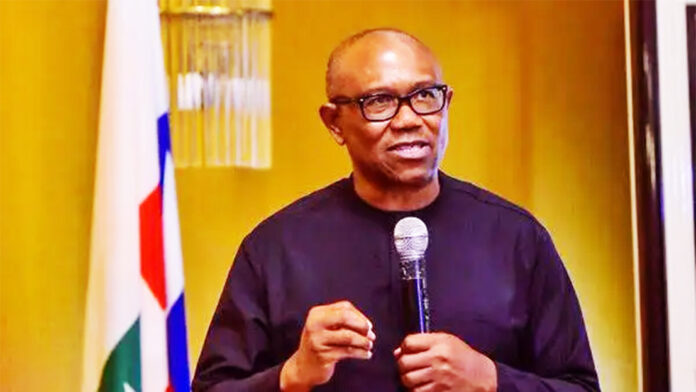
Mr Peter Obi

Peter Obi, the presidential candidate of the Labour Party, LP, in the 2023 general elections, has explained why he was absent at the burial of ex-President Muhammadu Buhari on Tuesday.

Obi was one of the conspicuous absentees at the ceremony which took place in Daura, Katsina State.

The Ex-Anambra governor has been criticized for not being at the event.

However, he has explained that he could not get a flight to Katsina.

Obi was able to make it to Daura on Wednesday, where he commiserated with the family of the late former President.

“It was difficult to come yesterday (Tuesday) because there was no flight,” Obi told Arise TV.

“Even if there was a flight, you couldn’t land in Katsina Airport. It was all closed, because there was a lot of dignitaries.

“Mourning continues until tomorrow. So, whoever comes today and tomorrow, is still part of the mourning.”

Credit: dailypost.ng

Atiku resigns from PDP, says decision ‘heartbreaking’

0
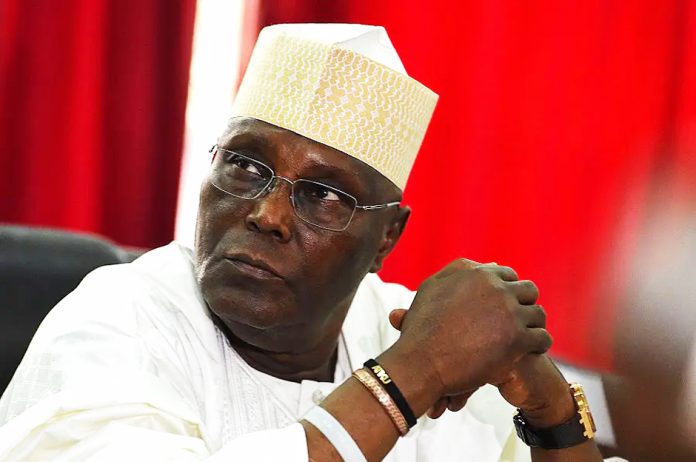
Former Vice President Atiku Abubakar

Former Vice President Atiku Abubakar has resigned from the Peoples Democratic Party, PDP.

Atiku predicated his resignation on the “trajectory” the party has taken. He is currently a key member of the opposition coalition.

Atiku’s resignation letter was dated July 14, 2025 and addressed to the PDP Chairman of his Ward, Jada Local Government Area of Adamawa State.

The letter he signed reads: “I am writing to formally resign my membership from the People’s Democratic Party (PDP) with immediate effect.

“I would like to take this opportunity to express my profound gratitude for the opportunities I have been given by the Party.

“Serving two full terms as Vice President of Nigeria and being a Presidential candidate twice has been one of the most significant chapters of my life.

“However, I find it necessary to part ways due to the current trajectory the Party has taken, which I believe diverges from the foundational principles we stood for.

“It is with a heavy heart that I resign, recognizing the irreconcilable differences that have emerged.

“I wish the Party and its leadership all the best in the future. Thank you once again for the opportunities and support.

“As a founding father of this esteemed Party, it is indeed heartbreaking for me to make this decision.”

Credit: dailypost.ng

The Ghanaian Chronicle