Home Blog Page 64

Feature: No-Bed Syndrome Part (8): Fixing flow now with what we already have

0
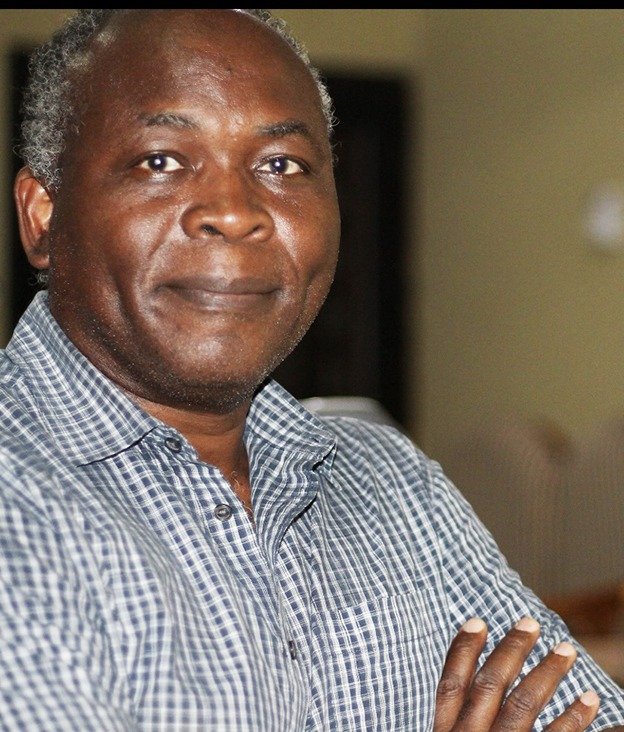
Dr. George Oduro, the writer

When the latest episode of “No-Bed Syndrome” took place two months ago, I asked a colleague practical questions about what had happened that night. No ready answers were forthcoming.

That silence, together with prior experience of how emergency departments function, pointed to something larger than a single bad shift. It suggested a system under strain, where repeated warnings may have gone unheard and staff, worn down by unresolved pressure, acted in exasperation.

However, these articles do not dwell on blame. Their purpose is to identify what can be changed now.

Different hospitals have different hierarchies of problems. Some are constrained mainly by a patient flow crisis caused by weak bed management, unclear admission ownership, delayed discharge, poor coordination, excessive emergency department boarding, or lack of receiving capacity on the wards. In many settings, this can be improved relatively quickly, and at modest cost, through disciplined reforms in leadership, authority, bed review, discharge practice, and escalation.

In some places, however, hospitals are dealing with two crises at once. The first is flow failure. Patients are delayed because movement is poorly organised. Responsibility is blurred. Discharge is late. Duplication occurs.

Escalation is weak. Wards cannot receive patients promptly. The emergency department boards admitted patients for too long. The second is service failure. Essential parts of acute care are unreliable or absent. CT and X-ray fail. Laboratory support is incomplete. Blood is unavailable. Emergency drugs are not reliably at hand. Lifts do not work. Oxygen and monitoring are inadequate. Transport depends on informal payments. These are system-breaking faults.

This distinction matters. Flow reform is necessary, but it is not sufficient where the minimum acute care floor has already failed. The reforms proposed here are the most feasible immediate changes, not the total answer. They are first repairs, not full reconstruction. They improve movement, reduce delay, and restore order. But they do not substitute for essential acute care infrastructure.

When too many essential links in the chain are broken at once, staff stop working within a system and begin compensating for its absence. In some hospitals, staff are not merely managing workload. They are bridging repeated service failures by personal effort, informal workarounds, and physical endurance. That is why exasperation becomes collective.

The starting point is leadership. Congestion in the emergency department is not an emergency department problem. It is a hospital problem. As long as it is treated as a local inconvenience, it will persist. Once it is recognised as a hospital-wide event, it begins to attract the authority and coordination it requires.

That recognition must be made visible deliberately. A short executive-level bed review each morning should bring the hospital into focus. Real time bed state reporting across wards, critical care areas, short stay units, and discharge spaces allows leaders to see how many beds are safe, usable, occupied, or likely to become available.

A simple daily checklist can keep that discipline real. How many patients are boarding. What is the longest wait. Which wards are near capacity. Who is ready for discharge. Which beds are unusable. Have escalation thresholds been reached. Which delays are preventable.

Visibility alone is not enough. Someone must have authority to act on what is seen. Bed flow improves when a designated individual or team is empowered each day to intervene across services, escalate delays, and require response.

That authority should be explicit, backed by the hospital CEO, and embedded in the formal management structure. It should include the authority to determine when there are truly no beds available, a judgement that should not rest with individual wards or with the emergency department. Without that clarity, “no beds” becomes a local statement of pressure rather than a true statement of hospital capacity.

If clinical teams are on call through the night, patient flow must also be managed through the night. There should be a named duty operations or bed flow lead with authority to allocate beds, escalate pressure, and call on senior support when thresholds are breached.

Clear, time-bound ownership at the point of admission is equally important. Once a patient is accepted from the emergency department, responsibility should transfer clearly and within a defined period.

Criteria for admission should also be clarified across specialties. When thresholds are vague, each referral becomes a negotiation. That slows movement and keeps patients in the wrong place for longer than necessary.

Duplication must also be reduced. When a patient has already been assessed by a senior emergency physician, the receiving team’s review should focus on confirmation and next steps, not on repeating the whole process.

In selected cases, where diagnosis is clear, admission is necessary, and a suitable bed is available, direct admission to the ward should be possible without repeat bedside assessment in the emergency department.

This approach works best where admission thresholds are agreed, teams trust one another, and escalation is clear when uncertainty arises. Early consultant or senior resident review also shortens time to disposition and improves admission and discharge decisions.

Discharge is the other side of the same problem. Emergency departments fill not only because patients arrive, but because patients elsewhere do not leave in time. Early-day discharge is one of the fastest and cheapest ways to improve capacity.

If ward beds only become available late in the afternoon, the emergency department absorbs avoidable pressure for hours. Discharge planning should begin at admission. When discharge is organised rather than improvised, beds open when they are most needed.

Small barriers must also be taken seriously. A patient may be medically ready to leave but remain because payment is incomplete, transport is unavailable, pharmacy is delayed, or documentation is unfinished.

These are not clinical problems, but they occupy clinical space. Weekend fragility deserves clearer recognition as well. Many hospitals run on an unstated weekday assumption. Diagnostics, pharmacy access, transport coordination, maintenance response, blood availability, and administrative problem-solving all weaken outside weekday daytime hours. Yet emergency demand does not respect office hours.

A hospital that functions reasonably from Monday to Friday but unravels on weekend nights does not yet have a reliable emergency system.

Simple structural adjustments can also help. A discharge or step-down area can allow patients who no longer need inpatient care to leave the ward safely while transport, paperwork, medication, or family arrangements are completed. That frees inpatient beds earlier in the day and increases effective capacity without building a new ward. Short stay Clinical Decision Units must also be protected. When they are converted into routine inpatient wards, the emergency department loses a critical buffer. That loss reduces flexibility, weakens short stay pathways, and increases pressure across the hospital.

Structured escalation provides the next line of defence. Overcrowding rarely arrives all at once. It builds gradually. A predefined escalation protocol sets clear thresholds for action. When boarding exceeds agreed limits or occupancy becomes unsafe, coordinated measures begin.

Senior review is prioritised. Discharge is accelerated. Surge capacity is considered. If necessary, planned admissions or procedures may need to be postponed temporarily to protect emergency capacity. Escalation only works if it is clear in advance who can trigger it, what actions follow, and who must respond.

Protecting emergency department function must remain a core principle. The emergency department is designed to stabilise, resuscitate, diagnose, and decide. It is not meant to become a prolonged holding area for admitted patients or a substitute for inpatient critical care. Yet where intensive care and high dependency beds are unavailable, it can become exactly that. Patients may even be mechanically ventilated there for days.

This should not be accepted as normal. When critically ill boarded patients occupy resuscitation and monitored spaces, flexibility disappears and risk rises. The resuscitation area becomes a holding space rather than a treatment space. Of all the reforms discussed here, intensive care and high dependency capacity are the areas in which urgent capital investment is most clearly warranted.

Even when beds exist, they must be usable. Transfer is often delayed because the receiving ward is not ready. Oxygen may be unavailable. Monitoring equipment may be lacking. Some patients require beds with side rails or other basic safety features. Staffing may be inadequate.

A bed that cannot safely receive the patient is not a functional bed. This is one of the clearest places where flow failure and service failure meet. Weak ward readiness makes movement impossible. Poor movement makes the emergency department unsafe.

Regional coordination is the final practical layer. For now, this may be most applicable in Accra, where several public hospitals function within the same metropolitan emergency system. Without shared visibility, ambulances and families move in partial darkness. Even a simple citywide view of capacity, updated regularly and linked to ambulance decision making, can improve movement and reduce avoidable delay.

In time, the same model could be adapted elsewhere, particularly if private hospitals are brought into emergency capacity coordination.

These operational reforms matter, but they are not magic. No bed meeting, checklist, or escalation protocol can by itself rescue a hospital whose CT scanner is down, whose critical blood tests are unavailable, whose blood bank is empty, whose emergency medicines are not immediately accessible, whose patient transport depends on cash at the point of need, or whose lift cannot move a patient safely.

Flow discipline improves movement. It does not replace essential diagnostics, blood, medicines, transport, working lifts, or critical care capacity. Where those foundations are failing, they must be restored alongside flow reform.

These reforms are varied, but their logic is simple. They require hospitals to treat patient flow as a whole-hospital responsibility, to make capacity visible every day, and to give someone the authority to act on what those numbers show.

They require clearer ownership at admission, less duplication of assessment, earlier senior decision making, better discharge discipline, timely escalation, and better coordination within hospitals and across the city.

Some hospitals may already have versions of these processes in place. That should be acknowledged. But the real question is not whether a process exists on paper. It is whether it is active, authorised, measured, and effective. A bed meeting that does not lead to action is only a discussion.

A bed manager without authority is only a messenger. An escalation protocol that is not triggered when thresholds are breached is only a document.

Consistent and disciplined application of these cost-neutral or low-cost changes should produce measurable improvement within about six months. Boarding times should shorten. Beds should open earlier in the day. Delays should become more predictable and manageable.

The emergency department should regain some of the capacity it needs to do the work for which it exists.

If you work within the health system, which of these changes could begin tomorrow in your own hospital? Which are already in place, and which merely exist on paper? If you are a member of the public, would you notice the difference if movement improved and waiting shortened?

In the next article we look forward. What would success look like within twelve months. Which indicators should shift. How would patients and staff experience the difference.

The solutions are within reach. The question is whether we are prepared to act.


By Dr. George Oduro, FRCS, FRCEM (UK), FGCS
Consultant in Emergency Medicine


For more news, join The Chronicle Newspaper channel on WhatsApp: https://whatsapp.com/channel/0029VbBSs55E50UqNPvSOm2z

Sukparu Launches Teachers’ Awards, Scholarships In Sissala West

0
Mohammed Adams Sukparu addressing the gathering

The Member of Parliament for Sissala West in the Upper West Region and Deputy Minister for Communication, Digital Technology and Innovation, Mohammed Adams Sukparu, has launched the first-ever teachers’ award scheme in the constituency to honour hardworking and dedicated educators.

The Sissala West MP enjoying the local dance

The initiative, dubbed the Sukparu Best Teacher and Scholarship Awards, rewarded more than 20 outstanding teachers, including retired and serving education officers, with prizes such as cash rewards, citations, 40-inch LED televisions, table-top refrigerators, laptops and motorbikes.

Additionally, 365 brilliant but needy students, both fresh and continuing, received scholarship packages worth over GH¢500,000 to pursue various tertiary programmes.

Addressing teachers, students, traditional leaders, government appointees, party executives and other stakeholders, Mr. Sukparu underscored the transformative power of education and the vital role teachers play in shaping the future of the district.

One of the teachers receiving his prize from the MP

He reflected on his personal journey, attributing his success to teachers who believed in him and supported his growth. According to him, education opened doors that would otherwise have remained closed, adding that the awards scheme was inspired by his own experience of the impact committed teachers can have on a child’s life.

“This programme exists because I know what a good teacher can do for a child, and I refuse to take it for granted,” he stated. Mr. Sukparu highlighted the persistent shortage of teachers in the district, noting that many posted teachers fail to remain because of difficult working conditions and lack of recognition.

Mr Sukparu welcoming the people to the ceremony

He said the awards scheme was a deliberate intervention to appreciate teachers’ sacrifices and motivate them to stay and serve.

The Deputy Minister also assured the public that the selection of awardees was transparent and merit-based. He explained that an independent committee made up of representatives from the District Education Directorate, head teachers, assembly members and retired educators handled the process.

Congratulating the award winners, he urged them to continue striving for excellence, while encouraging those who were not selected to remain committed to duty. Mr. Sukparu reaffirmed his commitment to making education a priority in Sissala West and pledged to work closely with the Ghana Education Service and other stakeholders to improve teacher retention and student support.

Another teacher receiving his prize

The Upper West Regional Director of Education, Madam Alice Ellen Abeere-Inga, challenged teachers to remain committed regardless of prevailing constraints. She recalled periods when classes were held under trees, yet quality outcomes were achieved because of teachers’ dedication.

She urged teachers to uphold professionalism and integrity, especially during examinations, warning against malpractice, which she said threatens the credibility of Ghana’s education system. According to her, any teacher found culpable would face severe sanctions, including dismissal.

Madam Abeere-Inga also advised students to stay focused on their education and avoid the lure of quick money. She cited the increasing involvement of some youth in illegal mining and other informal activities at the expense of schooling.

“Concentrate on your education now, and you will have the opportunity to make the money you desire in the future,” she advised. Meanwhile, the Overall Best Teacher for 2026, Adamu Balubuo Yussif of Wasai D/A Basic School, dedicated the award to his students, colleagues and family.

He described teaching as a calling that goes beyond classroom instruction and often requires personal sacrifice to support students. “Teaching is about seeing potential in a child who has lost hope and doing everything possible to bring it to life,” he said.

He commended the MP for recognising teachers, saying such gestures reinforce the importance of education in community development.

From Musah Umar Farouq, Gwollu


The award scheme is expected to become an annual platform to reward excellence, motivate teachers and strengthen education delivery in Sissala West.

Ghana’s Moment at the African Union: Beyond Symbolism, Toward Substance

0
OPINION

Africa does not lack vision. What it lacks is execution. The disparity between aspiration and execution characterises the African Union (AU) at now. The AU has for decades advocated for a comprehensive agenda that includes economic integration, financial independence, and a more powerful influence in global affairs. The framework is outlined in Agenda 2063.

The African Continental Free Trade Area (AfCFTA) is expected to establish a single market worth $3.4 trillion. However, implementation continues to be inconsistent. Intra-African trade is still less than a fifth of the continent’s total, and less than a third of flagship Agenda 2063 projects are on track. These figures are significantly lower than those observed in Europe or Asia. The issue facing Africa is not conceptual but rather institutional.

Ghana will occupy a prominent leadership position as First Vice-Chair of the AU following the February 2026 summit in Addis Ababa. The opportunity is significant and so is the risk of irrelevance. With an uncommon level of credibility, Ghana enters this moment. It combines a reputation for economic pragmatism with diplomatic reach and democratic continuity.

Ghana has been a prominent figure in recent global discussions regarding slavery and reparation justice, and its impact extends beyond the continent. However, Ghana’s credibility is only beneficial when it is implemented. The evaluation is whether Ghana can leverage its position to transition the AU from consensus-building to performance.

Financing the organization is prime priority. The AU’s autonomy and agenda-setting are both restricted by its substantial dependence on external partners, which is a structural constraint. A solution has been reached for an extended period: a 0.2% levy on eligible imports to finance the Union. However, compliance is the problem, not design. Ghana should advocate for the complete implementation of the agreement among a core group of member states, in addition to transparency and incentives. Declarations will not result in financial independence. It will necessitate enforcement.

The realisation of the AfCFTA is the second priority. The economic potential of the agreement is well-established. By 2035, the World Bank anticipates that it could alleviate acute poverty for 30 million individuals and boost exports by over 80%. However, the limitations are operational.

Trade costs continue to increase throughout the continent because of persistent non-tariff barriers, fragmented customs systems, and border delays. Ghana can advocate for tangible progress in the digitalisation of critical trade routes and a continent-wide scorecard that monitors tariff cuts, customs efficiency, and the removal of barriers. Treaties alone will not be sufficient to achieve integration. It will be contingent upon accountability, data, and logistics.

In general, the AU must rectify its institutional accountability deficit. Frameworks are frequently endorsed by member states, but their implementation is often inadequate. Performance has been frequently replaced by consensus. A transition is necessary from commitments to outcomes. The objective is not to assign blame, but rather to create incentives for effective delivery.

Ghana’s responsibility goes beyond internal change. Africa remains fragmented in the global economy. The continent has 17% of the world’s population but only 3% of trade and receives little climate finance. Debt, trade, and climate negotiations are mostly done at the national level, reducing continental leverage. A concerted approach is needed. Ghana can promote African unity in debt restructuring, notably within the G20, and AfCFTA-external trade agreement alignment.

A less obvious but equally crucial need is intellectual infrastructure. African policymaking lacks independent platforms to test ideas before implementation. Low debate and little iteration hamper policy development, making it difficult to adjust to changing circumstances and stakeholder feedback. The Nyansa Institute for Strategic Dialogue (NISD) – an independent think tank dedicated to Africa’s hardest strategic questions, where policy makers, scholars, business leaders and citizens can pressure test ideas – addresses this gap.

Ghana has the platform, credibility and the moment. The question is whether it uses them to perform leadership or practice it. History does not remember who chaired the room. It remembers who changed the conversation.

The Nyansa Institute for Strategic Dialogue

How to Manage and Prevent Digestive Problems

0

From embarrassing gas to uncomfortable heartburn, everyone has digestive problems from time to time. The good news is there are some simple solutions for many of your troubles. Learn about what causes your discomfort, how to prevent and manage digestive problems, what questions to ask your pharmacist, and when to see a doctor.

The Digestive System

It may seem like digestion only happens in your stomach, but it’s a long process that involves many organs. Together they form the digestive tract.

Digestion begins in your mouth, where saliva starts to break down food when you chew. When you swallow, your chewed food moves to your esophagus, a tube that connects your throat to your stomach. Muscles in the esophagus push the food down to a valve at the bottom of your esophagus, which opens to let food into the stomach.

Your stomach breaks food down using stomach acids. Then the food moves into the small intestine. There, digestive juices from several organs, like your pancreas and gallbladder, break down the food more, and nutrients are absorbed. What’s left goes through your large intestine. The large intestine absorbs water. The waste then moves out of your body through the rectum and anus.

Digestive problems can happen anywhere along the way.

Gas and Bloating

Bloating and passing gas can be uncomfortable and embarrassing. Here’s what you need to know.

What is gas?

Gas is a normal part of healthy digestion. Air that is in your digestive tract is either released through your mouth as a burp or through your anus as gas. You typically pass gas 13 to 21 times a day.

What causes gas?

Gas is created when you swallow air, such as when you eat and drink. But it’s also a byproduct of the breakdown of food. Some foods cause more gas than others. You may also be more sensitive to particular foods and may have more gas when you eat them.

Taking some medications can also cause gas.

Which foods cause gas?

You’ve probably noticed you feel gassy after eating certain foods. Cut back on the common culprits:

  • Apples
  • Asparagus
  • Beans
  • Broccoli
  • Brussels sprouts
  • Cabbage
  • Cauliflower
  • Milk and dairy products
  • Mushrooms
  • Onions
  • Peaches
  • Pears
  • Prunes
  • Wheat

What causes bloating?

When gas builds up in your stomach and intestines, you may have bloating – swelling in your belly and a feeling of fullness. It may happen to you more often if you have:

  • A stomach infection
  • Irritable bowel syndrome (IBS). This digestive condition causes stomach pain, cramping, and diarrhea or constipation.
  • Celiac disease. When people with this condition eat gluten, their bodies produce antibodies that attack the intestinal lining.
  • Hormonal changes that happen around women’s periods
  • Constipation

While bloating is usually just uncomfortable, it can sometimes cause pain in your belly or sides.

How can I reduce gas and bloating?

Diet and lifestyle changes can make a big difference:

  • Cut back on fatty foods.
  • Avoid fizzy drinks.
  • Eat and drink slowly.
  • Quit smoking.
  • Don’t chew gum.
  • Exercise more.
  • Avoid foods that cause gas.
  • Avoid sweeteners that cause gas such as fructose and sorbitol. They are often found in candies, chewing gum, energy bars, and low-carb foods.

Heartburn

Heartburn, sometimes called acid indigestion, is a painful, burning feeling in the middle of your chest or the upper part of your stomach. The pain, which can also spread to your neck, jaw, or arms, can last just a few minutes or stick with you for hours.

What causes heartburn?

There’s a muscle at the entrance of your stomach, called the lower esophageal sphincter (LES), that acts like a gate: It opens to let food move from your esophagus to your stomach, and it shuts to stop food and acid from coming back out.

When the LES opens too often or isn’t tight enough, stomach acid can rise up into the esophagus and cause the burning feeling.

What triggers heartburn?

Triggers vary from person to person, but you may be more likely to get heartburn when you:

  • Overeat
  • Eat spicy, fatty, acidic, or greasy foods
  • Consume caffeine or alcohol
  • Smoke
  • Lie down shortly after you eat
  • Are under stress

Who gets heartburn?

Some people have a higher risk of heartburn, including those who are:

  • Smokers
  • Overweight
  • Pregnant
  • Have a hiatal hernia, where the stomach bulges up into the chest through an opening in the diaphragm

How should I change my diet to avoid heartburn?

You might have noticed that your heartburn gets worse when you eat or drink certain things. Here are a few that can trigger heartburn:

  • Alcohol
  • Chocolate
  • Coffee
  • Fatty or fried foods
  • Greasy foods
  • Onions
  • Oranges, lemons, and other citrus fruits and juices
  • Vinegar, hot sauces, and salad dressings
  • Peppermint
  • Sodas and other bubbly drinks
  • Spicy foods
  • Tomatoes and tomato sauce

Credit: webmd

Hezbollah deploys a potent new weapon designed to evade Israeli detection

0
Hezbollah

The explosive-laden quadcopter skimmed above the rooftops of southern Lebanon, navigating with precision between bombed-out buildings and along dirt roads. The drone gave its operator a clear first-person picture of its target: an Israeli tank with soldiers standing nearby.

At the top of the picture, in white letters, were two words. The quadcopter is a fiber-optic drone, experts say, a weapon Hezbollah has increasingly used with deadly accuracy. The drones are difficult to stop and even harder to detect, giving their operators a high-resolution view of the target without emitting any signal that could be jammed.

The drones are “immune to communication jamming, and in the absence of an electronic signature, it is also impossible to discover the location from which they were launched,” wrote Yehoshua Kalisky, a senior researcher at Israel’s Institute for National Security Studies.

In a sleekly produced Hezbollah video from Sunday, the quadcopter drone, weighing no more than a few kilograms, hits its target as the Israeli soldiers appear to be completely unaware of its approach. According to the Israel Defense Forces (IDF), the attack killed 19-year-old Sgt. Idan Fooks and injured several others. Hezbollah then launched more drones at a rescue helicopter that arrived at the scene to evacuate the wounded troops.

Credit: cnn.com

European leaders converge on Armenia as Russia looks on

0
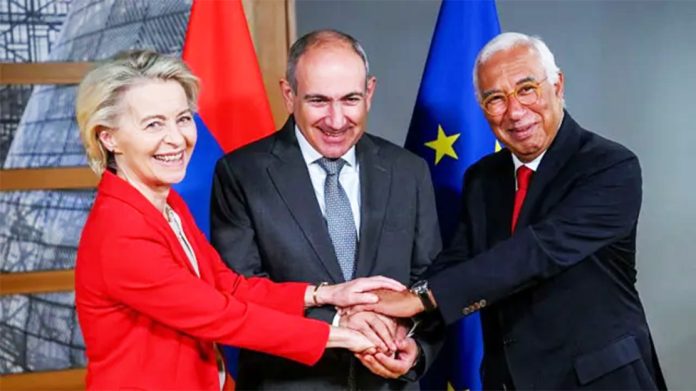
Armenia's Prime Minister Nikol Pashinyan (C) pictured with the leaders of the European Commission and European Council

European leaders are descending on Armenia for two unprecedented summits in a country long considered Russia’s closest ally in the South Caucasus.

The symbolism for this country of fewer than three million people is hard to overstate; Armenia is a member of Russian President Vladimir Putin’s Eurasian Economic Union, and Moscow hosts a military base on Armenian soil.

On Monday, more than 30 European leaders and Canada’s prime minister will take part in a European Political Community (EPC) summit in the capital Yerevan.

Tuesday will then see the first ever bilateral EU-Armenia summit, attended by European Commission President Ursula von der Leyen and European Council President António Costa.

Armenia is heavily dependent on Russia for energy resources. It buys Russian gas at a preferential rate – which Putin made a point of spelling out when Prime Minister Nikol Pashinyan visited Moscow on 1 April.

Russia sells gas to Armenia for $177.50 (£130.30) per 1,000 cubic metres, he noted, while in Europe it costs $600 (£440.40).

“The difference is large, it is significant,” the Russian president said.

How did a country this embedded in Russia’s orbit end up hosting most of Europe’s leaders? The turning point was Armenia’s 2023 war with its neighbour Azerbaijan.

When Azerbaijan launched a lightning military operation to complete its takeover of Nagorno-Karabakh – expelling more than 100,000 ethnic Armenians – Russia, which had peacekeepers on the ground, stood aside.

Earlier Azerbaijani incursions into Armenian territory had also gone unanswered by the Russia-led Collective Security Treaty Organisation.

Credit: bbc.com

Iran prepares for war as Hormuz tensions with US escalate

0
Strait of Hormuz

Iranian media say a United States warship trying to transit the Strait of Hormuz has been hit with two missiles after ignoring warnings.

The unnamed warship had to withdraw from near the Iranian port of Jask on Monday and “flee”, according to the Fars News Agency, which is affiliated with the Islamic Revolutionary Guard Corps (IRGC).

The US military, in a social media statement, denied that one of its vessels had been struck.

The report by Fars came hours after the head of Iran’s joint military command warned US forces they would be attacked if they entered the Strait of Hormuz.

Major General Ali Abdollahi said in a statement that armed forces under his command will “maintain and manage security of the Strait of Hormuz with all strength” in response to US President Donald Trump’s announcement on Sunday that the US would “guide” vessels stranded by the US-Israeli war on Iran through the key waterway.

The latest tensions come as Iranian authorities mobilise supporters to prepare for a potentially lengthy conflict as they continue to exchange proposals with the US amid efforts to end the war that began on February 28 through negotiations.

The Iranian Ministry of Foreign Affairs on Monday confirmed that Tehran was reviewing the latest text from Washington relayed through Pakistan but urged a more “realistic” approach from Trump.

Authorities in Tehran will speak about “nothing except for the full end to the war at this stage”, ministry spokesman Esmaeil Baghaei told reporters.

Nearly one month after a ceasefire delivered a suspension in large-scale fighting, Iranian authorities are trying to reconstitute their missile and drone capabilities in case the war restarts, including by digging up bombed entrances to underground bases housing munitions and equipment.

Credit: aljazeera.com

Ukrainian drone hits upmarket Moscow high-rise ahead of Victory Day celebrations

0
Ukrainian drone hits Moscow

A Ukrainian drone hit an upmarket residential high-rise in Moscow in the early hours of Monday, resulting in no casualties but causing visible damage to the façade of the building.

It was the third night in a row that the Russian capital came under attack from drones, days before Russia holds a scaled-back 9 May parade to mark the Soviet Union’s victory over Nazi Germany.

An unverified video circulating on social media showed firemen entering a heavily damaged flat covered in dust and rubble and with blown-out windows, while another showed drone debris strewn across the street below.

Two other drones were intercepted, Mayor Sergei Sobyanin said. Vnukovo and Domodedovo international airports suspended operations overnight.

A total of 117 were intercepted over several Russian regions between Sunday and Monday, the Russian defence ministry said. Sixty alone were aimed at the region of St Petersburg in what the regional governor Aleksandr Drodzhenko said had been a “massive” attack.

The residential building that was hit is located in an upscale neighbourhood in south-west Moscow, less than 10km (six miles) from the Kremlin and Red Square, where Saturday’s parade will be held.

Ukrainian drones have attacked Moscow several times since Russia launched its invasion of Ukraine in February 2022.

Drone alerts regularly shut down airports on the outskirts of the capital and disrupt aerial traffic, but much of the capital is protected by the Pantsir-S surface-to-air missile system and successful strikes so close to the centre are relatively rare.

Betraying a sense of nervousness ahead of the 9 May celebrations, the Kremlin last week announced that due to a “terrorist threat” from Ukraine it would scale back the yearly grand military parade on Red Square. For the first time since 2008, no armoured vehicles or missile systems will feature.

Credit: bbc.com

Kenya’s leader backtracks after comments mocking Nigerian English

0
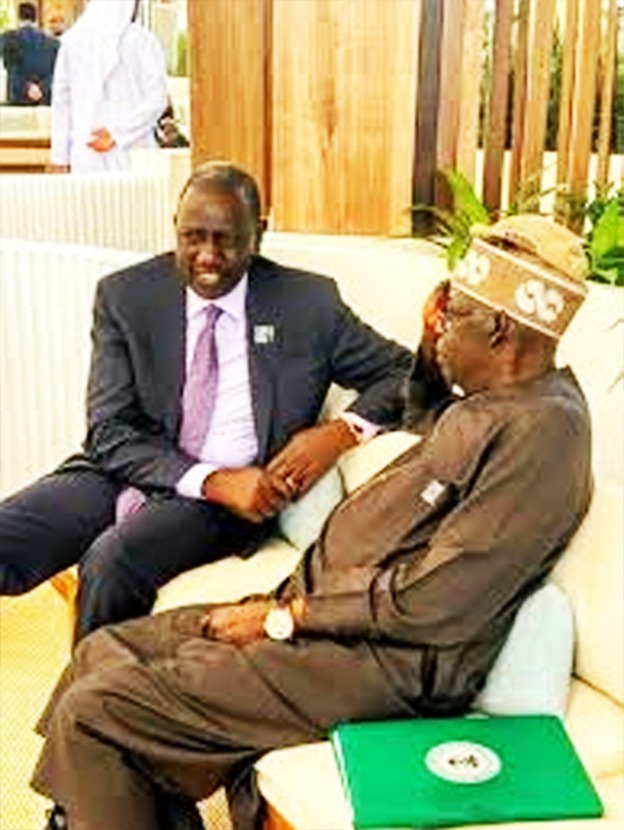
Kenya President William Ruto and President Tinubu

Kenya’s President William Ruto has been forced to respond to the backlash over his recent remarks suggesting Nigerian-accented English was incomprehensible.

His clarification came at a mining conference in the Kenyan capital, Nairobi, attended by Nigeria’s Minerals Minister Henry Dele Alake, who told the gathering: “President Ruto, the people of Nigeria have mandated me to inform and assure you that Nigerians speak good English.”

To much laughter, Ruto took to the stage to explain his comments to Kenyans living in Italy last week were intended to be private and had been “taken out of context”.

“The fact is that I was talking about how we in Africa speak very good English, all of us,” he said.

“In fact, in some countries like Nigeria, if you do not speak excellent English like the one we speak in Kenya, you may need a translator to understand the excellent English of Nigeria. So that was the comparison. But somebody misrepresented the facts.”

President Ruto reminded the audience at the mining development conference that Nigerians were his in-laws – one of his daughters, June, is married to a Nigerian.

“I want to send my regards to my brothers and sisters in Nigeria… my in-laws.”

He told Alake to pass on his greetings his Nigerian counterpart Bola Tinubu: “Tell President Tinubu that I said, ‘Hi’. And tell him I said that in good English… so that there will be no consequences.”

Following an explanation about how he felt he had been mispresented, the president ended by saying: “It is as well that we can have this conversation – my in-laws I hope there will be no consequences for whatever was done,” he said.

The good-natured banter was in sharp contrast to barrage of criticism President Ruto has faced online.

Last week, he had boasted about how Kenya’s education system was producing some of the best human capital in the world, with strong English proficiency.

“We speak some of the best English in the world, that is true. If you listen to a Nigerian speaking, you don’t know what they are saying. You need a translator even when they are speaking English.”

The condemnation that followed was widespread – fuelling an online cyber rivalry between the two nations.

Kenya and Nigeria are both former British colonies and share English as an official language but have distinct spoken varieties with different phonetic structures.

Credit: bbc.com

New alliances shakes up Nigerian political landscape

0
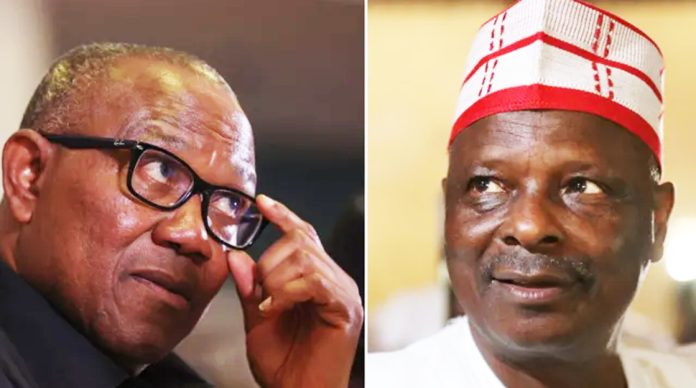
Peter Obi and Rabiu Kwankwaso

Two of Nigeria’s most prominent opposition figures have announced they have switched parties in a dramatic political realignment ahead of next year’s presidential election.

Peter Obi and Rabiu Kwankwaso, who finished third and fourth respectively in the 2023 presidential race, have both joined the Nigeria Democratic Congress (NDC), raising the prospect of a joint ticket to challenge President Bola Tinubu.

They were previously in the African Democratic Congress (ADC), along with former Vice-President Atiku Abubakar, who came second in the last election.

While this could be seen as a fragmentation of the opposition, supporters of Obi and Kwankwaso say it will give their alliance greater focus.

Both men are former governors and command significant grassroots followings.

Obi is hugely popular among young voters across the south, while Kwankwaso wields considerable influence in the north.

The move comes just nine months after Obi, Kwankwaso and Abubakar joined the ADC but that alliance quickly became mired in legal battles over party leadership – something Obi blamed on the government.

“The same Nigerian state and its agents that created unnecessary crises and hostility within the Labour Party that forced me to leave now appear to be finding their way into the ADC,” Obi said on Sunday.

He was the Labour Party candidate in the 2023 election.

Allies of President Tinubu have denied that they have been trying to sabotage opposition parties.

Obi, 64, and Kwankwaso, 69, were formally received at the NDC’s national headquarters in Abuja by the party’s national leader, Senator Seriake Dickson, on Sunday.

Speaking afterwards, both men called for national unity, greater opportunities for young people, and an end to the infighting that has plagued Nigeria’s opposition.

However, their decision risks upsetting allies within the coalition built around the ADC, which had been positioning itself as the main vehicle for opposition unity.

Some figures within the bloc have privately expressed a sense of betrayal, raising fresh doubts about whether Nigeria’s fragmented opposition can sustain a coordinated challenge against President Tinubu, 74.

In a statement, the Nigerian presidency played down the significance of the defections, suggesting they reflected “the normal fluidity of democratic politics” rather than any fundamental shift.

A presidential spokesperson said the government remained focused on governance.

“Political alliances will come and go,” the spokesperson said. “But our priority is delivering economic reforms, improving security and ensuring stability for all Nigerians.”

Credit: bbc.com

The Ghanaian Chronicle