Home Blog Page 537

Israel confirms signing Gaza ceasefire deal with Hamas

0
Israel signs Gaza ceasefire deal

Israel’s government has confirmed signing the final draft of an agreement on phase one of a ceasefire deal with Hamas aimed at ending the Israeli war on Gaza, which has killed more than 67,000 Palestinians in two years.

Israeli government spokesperson Shosh Bedrosian told reporters on Thursday the signing took place earlier that morning in Egypt’s Sharm el-Sheikh, following three days of intensive negotiations in the city.

The agreement – covering the first phase of United States President Donald Trump’s 20-point plan to end the war – calls for the release of the remaining Israeli captives in Gaza, 20 of whom are believed to be alive, within 72 hours, in exchange for Palestinian prisoners. It also requires Israel to pull back its troops to “an agreed-upon line”, according to Trump.

The Israeli spokesperson said the ceasefire would go into effect within 24 hours of when Israel’s cabinet votes to ratify the agreement this evening.

The spokesperson said that after the 24-hour period ends, the 72-hour window for the Israeli captives’ release would begin.

The spokesperson also stressed that Israel does not plan to release Palestinian leader Marwan Barghouti as part of the exchange, a position sure to cause anger among Palestinians, and claimed Israel would still control more than half of Gaza after moving its forces back as required under the deal.

Credit: aljazeera.com

Ghana set sights on Comoros as 2026 FIFA World Cup qualification beckons

0
Alexander Djiku

The Black Stars of will be aiming to seal qualification for the 2026 FIFA World Cup when they face Comoros in their final Group I qualifier on Sunday, October 12, at the Accra Sports Stadium.

The four-time African champions head into the decisive encounter in high spirits after their emphatic 5–0 victory over the Central African Republic (CAR) in Meknès, Morocco, a result that has placed them firmly on the brink of another historic World Cup appearance.

With 22 points from their qualifying campaign so far, Ghana need just a draw to confirm their place at the tournament, which will be jointly hosted by the United States, Canada, and Mexico in 2026.

Under the guidance of head coach Otto Addo, the Black Stars have rediscovered their attacking verve and defensive solidity. The team’s commanding performance against CAR, with goals from Mohammed Salisu, Thomas Partey, Alexander Djiku, Jordan Ayew and Kamaldeen Sulemana, showcased a perfect blend of experience, youthful flair and tactical cohesion.

Sunday’s clash promises to be a memorable occasion, with thousands of passionate Ghanaian fans expected to fill the Accra Sports Stadium in anticipation of witnessing their team take the final step toward a fifth World Cup appearance.

The atmosphere in the capital is already building to fever pitch, as supporters prepare to rally behind the Black Stars in what could be a defining night in Ghana’s football history.

Credit: ghanasoccernet.com

Are Your Blood Sugars Out of Control? Signs to Look For

0

You Don’t Check Your Blood Sugar

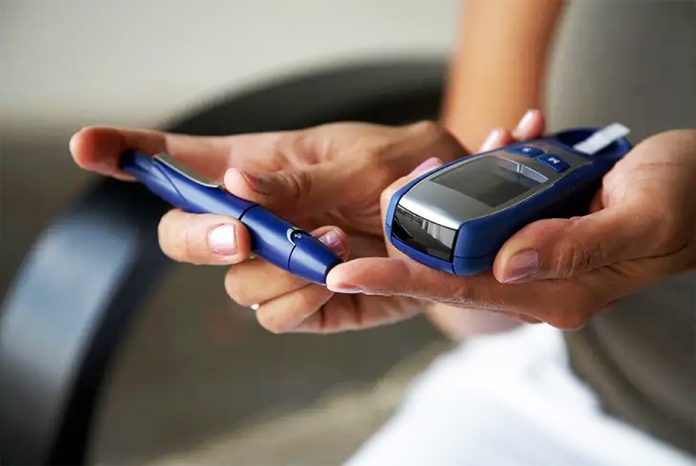
People with type 2 diabetes can often keep their blood sugar levels under control with diet, exercise, and medicine. But unless you check your blood sugar level with a meter on the schedule your doctor recommends, you won’t have the most accurate results. Any person with diabetes can benefit from checking their blood sugar. And when you track your results in a log, your doctor can tell how well you’re responding to your treatment plan over time.

You’re Thirsty, and You Have to Go

Thirst and frequent urination are two classic diabetes signs caused by too much sugar in your blood. As your kidneys work harder to filter out the sugar, they also pull more fluids from your tissues, which is why you have to go to the bathroom more often than usual. Thirst is your body’s way of telling you it needs to replenish the liquids it’s losing. If you don’t drink more fluids, you can dehydrate.

You’re Wiped Out

Fatigue is another signal that your blood sugar isn’t under control. When sugar is staying in your bloodstream instead of being diverted to your body’s cells, your muscles don’t get enough fuel to use for energy. You might feel only a little tired, or your fatigue might be so bad that you need a nap. Sometimes people with diabetes feel especially tired after eating a big meal.

You Feel Dizzy

Feeling dizzy or shaky can be a sign of low blood sugar or hypoglycemia. Because your brain needs glucose to function, a drop in blood sugar can be dangerous — even life-threatening — if you don’t address it. A glass of fruit juice can bring up your blood sugar in the short term. But if you have been feeling shaky or dizzy, talk to your doctor. You may need to adjust your medications or diet.

Your Hands and Feet Swell

If you have high blood pressure as well as diabetes, the two conditions can damage the kidneys’ ability to filter wastes and fluid over time. As water builds up in your body, your hands and feet may swell — a warning sign that you may have kidney disease. You can preserve the kidney function you have by taking your diabetes and blood pressure medicines as prescribed. Diet changes may help. Work with a nutritionist to keep your blood sugar under control.

You Have Numbness or Tingling

Nerve damage (called peripheral neuropathy) can be another sign of chronically elevated blood sugars. It results in numbness or tingling in your hands and feet, or inability to feel pain or temperature changes. See your podiatrist for regular foot exams. People with neuropathy may not realize they have been injured from a cut or that a wound is becoming infected. Or they may be oversensitive to pain. They might experience severe and constant pain from otherwise painless stimulation.

You Have Stomach Trouble

Diabetes also damages the nerve that helps your stomach empty and move food smoothly through your digestive tract. When your stomach can’t empty quickly enough, a condition called gastroparesis, you may deal with unpleasant abdominal problems like nausea, vomiting, bloating, heartburn, or feelings of fullness right after you start to eat or a long time afterwards. Gastroparesis also can make it harder to control your diabetes.

You’re Losing Weight

Losing unwanted pounds is always a good idea to manage type 2 diabetes. But if you’re losing weight quickly, without trying, or without doing anything different, it may be a sign that your blood sugar is too high. When your glucose is high, it gets flushed out of the body in urine, taking the calories and fluids you consume with it.

You Have Recurring Infections

Frequent or recurring infections are sometimes a sign of high blood sugar. You might experience gum disease, urinary tract infections, bacterial or fungal infections of the skin, or, if you’re a woman, yeast infections. Other infections might include pneumonia and respiratory infections, kidney and gallbladder infections, and severe bacterial middle ear and fungal sinus infections.

Cuts and Bruises Won’t Heal

If your blood sugar isn’t well controlled, you might find that cuts and bruises are slow to heal. Tending to injuries, however small, is important because it reduces the risk of infections in people with diabetes. Infections themselves can also worsen blood sugars, which makes it even harder for your immune system to fight off the infection.

When to Call Your Doctor

Any new or unusual symptoms are worth making a call to your doctor. Call if you feel dizzy or your blood sugar drops or if you have severe symptoms like uncontrolled vomiting, numbness or tingling, or blurred or double vision. Also call if you’re having trouble controlling your blood pressure with your current treatment.

Credit: webmd

Wa Murders: Police Grab Human Beast … He Removed Victims’ Lungs, Heart, Tongue, Roasted And Chewed Them

0
Sheriff Abdulai, suspect

Police on Monday made a major breakthrough by arresting the serial killer responsible for the murder of fifteen persons in the Wa municipality, between 2021 and 2025.

Sheriff Abdulai, 30, aka Sani Mohammed, aka Critos, an ex-convict and a cobbler, together with an accomplice were apprehended, following the murder of yet another watchman, 55-year old Issah Yahaya on Sunday September 21, 2025 at Wa-Dobile.

Information reaching The Chronicle from a deep-throat source at the Police Headquarters revealed that, during interrogation, suspect Abdulai allegedly confessed to the crimes.

He went on to state that after killing his victims, who were mainly watchmen and mentally derailed persons, he removed some vital organs – heart, tongue and lungs, which he roasted at the scene and consumed.

According to the source, at about 18:30hrs, on that fateful Sunday, the body of Yahaya was found in a motor mechanic’s shop at Dobile, near the Wa New Market.

IGP Christian Tetteh Yohuno

The unfailing source continued that, the Inspector General of Police (IGP), Mr Christian Tetteh Yohuno, personally despatched a team of crack detectives drawn from the Police Anti-Armed Robbery Unit and the Police Intelligence Directorate (PID) to Wa, to assist the local Police Command to unravel the mystery surrounding the serial murders.

The source went on that, after nearly a fortnight in pitched tents, their combined efforts yielded fruition.

On Friday, October 3, 2025 as a result of intense Police collaboration with partners, suspect Mahamuda Lamin, 25 was arrested over deceased Yahaya’s stolen mobile phone.

During interrogation, he mentioned Sheriff Abdulai, whose place of abode he could not name as the one who reportedly stole the phone.

Unrelenting to accomplish the mission, the police elicited the support of some opinion leaders and on Monday October 6, 2025 suspect Abdula was arrested.

During the ‘golden hour’ of the interrogation, suspect Abdulai freely mentioned four murder cases at Kpaguri, Loho, Kambale, Mangu area between Kaleo and Loh that he committed in 2021.

He also mentioned eleven more of these murders with similar modus operandi he committed in 2022 and named the locations as Kulpong-Yeyiri road, around High Ranking School on the Napogbakole Extension, Goripie near Bulenga, TI Ahmadiya School, Kpaguri near Chokor Sawmill around Nakore Petrosol, Napogbakole Extension around VRA Quarters among others.

In most of these cases, the victims were either strangled to death or suffered head injuries after being hit in the head with concrete blocks.

ACP Francis Yiribarie, the Upper West Regional Police Commander has meanwhile commended the public for their cooperation and the timely flow of information that aided the breakthrough. Addressing the media in Wa, the Commander also praised the Inspector-General of Police, Mr. Christian Tetteh Yohuno, for his leadership and directives that guided the investigative team.

“I wish to assure residents that the Police remain resolute in our commitment to rid our society of criminal elements and ensure justice for families affected by these crimes,” the Regional Commander emphasised.

Detectives are also working hard to see if the Wa incidents have any link to that of Ashaiman.

It would be recalled that, on September 15, 2019, residents of the sprawling city of Ashaiman woke up to the shocking news of the murders of three persons in the same vicinity one night.

They were Ibrahim Bagada Sumaila, 70, a watchman with Apsonic Motors, Kobina, 70, another watchman for Kasapreko Warehouse all near Ashaiman Secondary School.

All the three have their throats slit with tongues removed. Investigators noted that at all the scenes, fires were set and therefore it came as no surprise when the self-proclaimed killer, Sheriff Abdulai, confessed having roasted their organs, which he consumed.

By John Bediako, with additional files from Musah Umar Farouq, Wa


For more news, join The Chronicle Newspaper channel on WhatsApp: https://whatsapp.com/channel/0029VbBSs55E50UqNPvSOm2z

President Appoints Musah Ahmed as Judicial Secretary

0
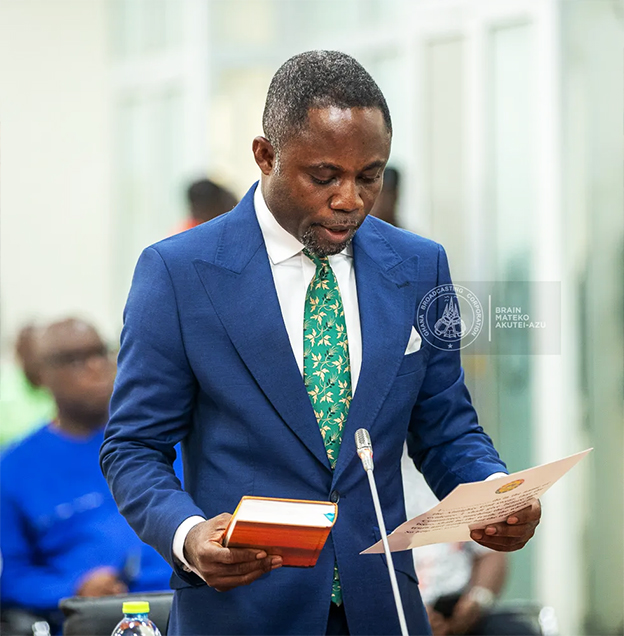
Mr. Musah Ahmed

His Excellency the President has, acting on the advice of the Judicial Council and in accordance with Article 148 of the 1992 Constitution, approved the appointment of Mr. Musah Ahmed as the new Judicial Secretary to the Judicial Service of Ghana, with immediate effect.

Mr. Ahmed was sworn in on Tuesday, October 8, 2025, by the Acting Chief Justice, His Lordship Justice Paul Baffoe-Bonnie, at a brief ceremony in Accra. He succeeds Deputy Judicial Secretary, Dr. Cyracus B. Bapuuroh, who had been serving in an acting capacity since April 2025.

The appointment makes Mr. Ahmed the 17th Judicial Secretary since the First Republic.

With over 25 years of legal experience, he brings a wealth of expertise to the position. Before his appointment, Mr. Ahmed was the Chief Executive Officer of Ahmed Legal Consult, where he specialized in Maritime Law, Commercial Law, Constitutional Law, Land Law, and International Law.

His practice has included advisory roles for diplomatic missions such as the Embassies of the Kingdom of Saudi Arabia and the State of Kuwait, as well as corporate and traditional institutions.

A founding member of the Legal Resource Centre, Mr. Ahmed has contributed significantly to access-to-justice initiatives and institutional development.

He has also served as Vice-Chairman of the Hajj Board and has authored works on cybersecurity, parliamentary immunity, and natural resource governance. Among his professional recognitions is the B.J. da Rocha Prize for excellence in legal studies.

Mr. Ahmed holds an LL.M in National Security Law from the University of Ghana (2023), an LL.B with Honours from the same institution (1997), and a Qualifying Certificate from the Ghana School of Law (1999), where he was adjudged Best Student in Advocacy and Legal Ethics.

He is an active member of the Ghana Bar Association, the American Bar Association, and the National Bar Association (Washington, D.C.).

The Judicial Service expressed confidence that Mr. Ahmed’s integrity, excellence, and service-oriented values will guide him in his new role, strengthening the administration of justice and the institutional efficiency of the judiciary.


For more news, join The Chronicle Newspaper channel on WhatsApp: https://whatsapp.com/channel/0029VbBSs55E50UqNPvSOm2z

Cocoa Smuggling: COCOBOD Promises Juicy Reward For Informants

0
Cocoa smuggling

The Ghana Cocoa Board (COCOBOD) has stepped up its campaign against the smuggling of cocoa beans across the country’s borders, with the introduction of a new incentive scheme that promises to reward informants and anti-smuggling agents with one-third of the value of any confiscated cocoa.

The initiative, which forms part of COCOBOD’s renewed anti-smuggling strategy, aims to sustain public participation in protecting Ghana’s cocoa economy from illicit trade networks that continue to undermine national revenue and the livelihoods of cocoa farmers.

According to a statement issued by COCOBOD, individuals who provide credible information leading to the arrest of smugglers will receive one-third (1/3) of the assessed value of the seized cocoa as their reward.

The Board says the reviewed reward scheme is designed to ensure the long-term sustainability of its anti-smuggling drive.

“Cocoa smuggling deprives the nation of vital revenue and denies value chain actors the full benefits of their hard work,” COCOBOD said, adding that community collaboration remains crucial to safeguarding Ghana’s premium cocoa brand.

The statement further encouraged residents, especially those in border and hotspot areas, to support the national effort by providing timely information to the Special Anti-Smuggling Task Force through the hotline 0308-040-107.

COCOBOD assured that all reports would be treated with strict confidentiality and that rewards would be paid promptly without bureaucratic delays.

The Board reaffirmed its commitment to protecting the cocoa sector for the benefit of farmers, the national economy, and future generations, emphasising that collective vigilance remains the most effective weapon against smuggling syndicates operating along Ghana’s borders.


For more news, join The Chronicle Newspaper channel on WhatsApp: https://whatsapp.com/channel/0029VbBSs55E50UqNPvSOm2z

Ghana’s Digital Health Backbone Collapsing Over Ministry Negligence

0
Mr Kwabena Mintah Akandoh, Minister for Health

For nearly a decade, Ghana’s healthcare system has quietly relied on a digital lifeline, the Lightwave Health Information Management System (LHIMS).

Developed and operated by the Ghanaian company Lightwave Healthcare Solutions Ltd., the platform helped hospitals transition from paper folders to seamless electronic record systems. Doctors could instantly access patient histories and health data flowed efficiently across regions.

Today, that progress is on the brink of collapse.

A System on Life Support

According to reliable sources, the LHIMS platform which has digitized more than 26 million patient encounters is “hanging by a thread.”

They accuse the Ministry of Health (MoH) of neglecting the system and failing to fund or renew its contract.

Sources revealed that Lightwave has kept Ghana’s digital health system running for nine months without a single cedi from the Ministry.

The company’s previous contract expired in late 2024 and despite submitting an extension request it has yet to receive a response.

In the meantime, Lightwave has continued to provide 24-hour technical support, update servers, maintain data links and troubleshoot outages, all without government backing.

“This situation has become untenable,” one source said. Facing rising operational costs and official silence, the company has begun scaling back services and reallocating staff a decision made out of necessity, not choice.

Signs of Strain in the System

A visit to major health facilities in the Eastern Region and Greater Accra revealed growing frustration among medical officers.“We sometimes can’t log in for hours and have to return to paper records,” a nurse at a district hospital confessed.

Hospital IT teams have also reported fewer remote updates from Lightwave’s command centre due to downsized maintenance operations.

“The problem isn’t with the software,” another insider emphasised. “It’s with the Ministry’s failure to fund and renew the contract. This is a governance failure, not a technical one.”

A Failed Meeting and a Travel Hold

In mid-2025, Lightwave’s CEO was invited to Ghana for a high-level meeting with the Minister of Health to resolve the funding crisis and finalise a new agreement.

However, the meeting reportedly ended without any resolution.

Soon after, a temporary travel hold was allegedly placed on the CEO’s passport a move described by insiders as “unsettling and intimidating.”

Although the restriction was later lifted, the incident deepened mistrust and strained relations between the Ministry and the company.

Bureaucracy and Blame-Shifting

Sources claim that some Ministry officials have begun compiling selective performance data to portray Lightwave as non-performing.

Insiders at Lightwave describe this as a “smear campaign” meant to justify government inaction.

“We’ve provided integration logs, uptime reports, maintenance records the data doesn’t lie,” a project manager said.

“What’s collapsing isn’t LHIMS. It’s institutional accountability,” he added.

Independent health analysts agree, warning that Ghana’s e-health ecosystem depends on consistent financial and policy support.

Without it, the digital backbone connecting hospitals, insurance systems, and patient identities could collapse erasing a decade of progress.

Despite the impasse, Lightwave Engineers continue to sustain the system often at personal and corporate sacrifice.

In one instance, the company replaced fire-damaged hardware at Korle-Bu Teaching Hospital data centre without reimbursement, simply “because lives depend on the system,” a source said.

What’s at Stake

If LHIMS fails, hospitals could revert to paper-based systems, jeopardizing patient safety and continuity of care.

“We’re not just talking about a digital tool,” said an analyst at the Centre for Health Informatics. We’re talking about the nerve center of Ghana’s healthcare system. If LHIMS goes down, the entire e-health chain goes down with it,” the source added.

Ironically, as policymakers tout “digital transformation,” the infrastructure enabling it is being starved of funding.

Experts say the LHIMS crisis reflects a broader pattern of neglect toward local innovation celebrated at launch, abandoned in silence.

For now, LHIMS remains online sustained by a shrinking team of Ghanaian engineers working beyond their limits. But the warning is clear.

“Good faith can’t fund servers or pay salaries,” one insider cautioned.

“If nothing changes, Ghana’s digital health revolution won’t end with a crash. It’ll end with a quiet blackout.”


For more news, join The Chronicle Newspaper channel on WhatsApp: https://whatsapp.com/channel/0029VbBSs55E50UqNPvSOm2z
Bryan starts campaign tour in Greater Accra

0
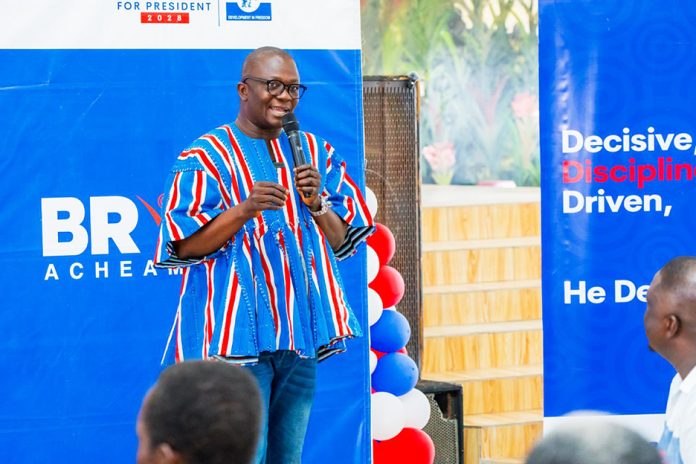
Dr. Bryan Acheampong

The Greater Accra leg of Dr. Bryan Acheampong’s nationwide constituency tour began with overwhelming energy and grassroots enthusiasm, as delegates and party executives in many constituencies reaffirm their belief in his leadership and vision for NPP.

At his first stop in Bortianor-Ngleshie Amanfro, the Constituency Chairman captured the mood perfectly, telling Dr. Acheampong, “Your brand in my constituency keeps growing on a daily basis.” The comment drew an applause from delegates who described his message as one that speaks directly to the heart of the grassroots.

Dr. Bryan Acheampong interacting with delegates

At Obom-Domeabra, Amasaman and Trobu, the reception was equally electrifying.

“Delegates openly pledged their support, noting that Bryan’s message of empowerment, unity, and practical leadership represents the kind of renewal the NPP urgently needs to reconnect with its base and rebuild public trust ahead of the 2028 elections.”

Throughout the day, Bryan emphasized that power must work for the people, a message that has become the defining theme of his campaign.

He spoke passionately about rebuilding the NPP from the ground up, ensuring that every constituency has a voice, and that leadership at all levels feels supported and valued.

Party members described his approach as both humble and strategic, blending his track record of delivery with a deep understanding of the party’s internal dynamics.

“Bryan is not just talking about change, he’s proving it,” one delegate at Amasaman said.

For them, Bryan Acheampong represents not only a credible contender for the NPP’s flagbearer position but a symbol of leadership that listens, delivers, and unites.

GNA

CUTS Pushes for a Culture Change in Public Sector Service Delivery

0
Mr. Appiah Kusi Adomako, West Africa Director of CUTS International, Accra

As the world marks Customer Service Week, a leading research and public policy think tank, CUTS International, Accra, is calling on the Government and all public institutions to retool and reset their approach to customer service delivery to meet the evolving needs of citizens and businesses. The organization observes that, while private sector entities have made significant strides in improving client relations, many public sector agencies continue to lag far behind, undermining public trust and national productivity.

According to a recent survey on customer service delivery in Ghana, the public sector performed the worst in customer service compared to the private. The report noted that long response times, lack of feedback mechanisms, and bureaucratic red tape continue to frustrate citizens and investors alike. This situation, CUTS notes, not only erodes confidence in public institutions but also hampers the government’s own digital transformation and service delivery goals.

Speaking on the occasion, Mr. Appiah Kusi Adomako, West Africa Director of CUTS International Accra, said, “Customer service is not only about smiles and greetings, it is about responsiveness, efficiency, and accountability. Every citizen and business that engages a government agency is a customer, and they deserve the same level of respect and service quality expected from the private sector.”

He added that while Ghana has made notable investments in public sector reforms and digital initiatives, these have not translated into improved customer experience.

“Telephone lines listed on most MMDAs’ websites are out of order, and if you manage to get your call through the functional ones, no one will answer your call. Some agencies do not accept electronic filing. Now it appears the only place where electronic filing works is the payment of taxes to the Ghana Revenue Authority (GRA). This defeats the purpose of digitization and reflects weak institutional discipline,” he said.

Mr. Adomako lamented several systemic issues that continue to undermine customer service within Ghana’s public sector. He noted that many public agencies demonstrate poor responsiveness to electronic communication, often failing to reply to emails or online submissions despite the legal mandate under the Electronic Transactions Act.

In addition, there remains an overreliance on paper-based processes, as most public offices still insist on hardcopy submissions and in-person follow-ups, which runs contrary to the government’s own digitalization agenda. He observed that although nearly every public institution has a customer service charter that sets out service standards and timelines, these commitments are rarely adhered to or monitored.

Another troubling practice, he said, is the informal handling of official correspondence, where public officers frequently request that citizens send documents to their personal email accounts such as Gmail, Yahoo, or Outlook, a practice that compromises professionalism and data security. He highlighted the lack of public engagement channels for citizens to report issues such as faulty traffic lights, broken streetlights, or unsafe public infrastructure, resulting in a culture of neglect and weakened accountability.

Mr. Adomako noted that these deficiencies collectively send a wrong message to the public and development partners. “When citizens or investors cannot get timely responses from public agencies, they lose confidence in government institutions. This directly affects service uptake, tax compliance, and investment decisions. Good governance begins with good service delivery,” he stressed.

The Need for a Public Sector Service Reset

CUTS International Accra is urging government ministries, departments, and agencies to embark on what it calls a Public Sector Service Reset: a deliberate reorientation of attitudes, systems, and accountability frameworks around customer service excellence. This reset, according to CUTS, should focus on three key areas: capacity building, technology adoption and integration, and accountability and feedback loops.

Citizens as Customers, Not Subjects and Spectators

CUTS emphasizes that public service delivery is a contract between the state and its citizens. Citizens are not subjects to be managed but customers whose taxes fund government operations. Hence, responsiveness to citizens’ needs and feedback is both a duty and a right.

“Customer service is at the heart of democratic governance. When people cannot get answers, when complaints go unanswered, when institutions hide behind bureaucracy, trust in government weakens. Rebuilding that trust begins with listening and responding,” said Mr. Adomako.

CUTS International is calling on His Excellency the President to provide policy leadership and enforce accountability across ministries, departments, and agencies to ensure that service delivery is prioritized as part of the performance evaluation of Chief Directors and Heads of Agencies.

A Renewed Commitment

As the world celebrates Customer Service Week, CUTS International calls on every public servant to reflect on the role they play in shaping citizens’ perceptions of government. Every unanswered email, every ignored complaint, and every unnecessary delay has a human cost: lost time, lost trust, and lost opportunities.

“Ghana’s aspiration to build an efficient, accountable, and citizen-responsive public sector cannot be achieved without a cultural shift in how we treat our citizens. Let’s take advantage of the government’s reset agenda to retool, retrain, and reset the public service to put the citizen first,” Mr. Adomako added.


For more news, join The Chronicle Newspaper channel on WhatsApp: https://whatsapp.com/channel/0029VbBSs55E50UqNPvSOm2z

Health Minister Calls for Greater Investment and Innovation in Specialist Nursing and Midwifery

0
Hon. Kwabena Mintah Akandoh, Health Minister

The Minister for Health, Kwabena Mintah Akandoh, has called for increased investment, collaboration, and innovation in specialist nursing and midwifery practice to strengthen Ghana’s healthcare system and improve health outcomes across the country.

Speaking at the 10th Annual General Meeting and 5th Scientific Conference of the Ghana College of Nurses and Midwives (GCNM) held at the Pentecost Convention Centre at Gomoa Fetteh, the Minister emphasised that investment in advanced nursing and midwifery training was essential for the country’s health security and sustainable development.

The conference, themed “Enhancing Specialist Nursing and Midwifery Practice: A Call for Investment, Collaboration and Innovation,” brought together stakeholders from government, academia, and the health professions to deliberate on advancing specialist care in Ghana.

The Minister for Health commended the College for its contributions to professional education, research, and standards development in nursing and midwifery, describing it as a “community of professionals who uphold the highest ideals of care, service and scientific excellence.”

He stressed that the increasing burden of non-communicable diseases, complex maternal and neonatal cases and the need for advanced emergency and critical care services demanded a strong cadre of highly trained specialists.

“Investment in specialist nursing and midwifery practice is not an expenditure – it is a long-term investment in Ghana’s health security and national development,” he said.

He said government would continue to support advanced education and postgraduate training in key specialist areas such as critical care, anaesthesia, mental health, and neonatal intensive care, while ensuring fair remuneration and structured career progression to retain skilled professionals.

He also called for stronger partnerships between regulatory bodies, academic institutions, and service providers to close the gap between theory and practice, as well as deeper collaboration with international institutions to harmonise standards and share best practices.

On innovation, The Minister for Health urged the integration of simulation-based learning, telemedicine and digital health systems into nursing education and service delivery, adding that policy and leadership approaches must also evolve to make healthcare more accessible, especially in underserved areas.

While commending nurses and midwives for their leadership in community-based care and research, the Minister expressed concern about instances of poor communication and unprofessional conduct that have dented public trust in some quarters.

“Our specialist nurses and midwives must rise to the occasion. With your advanced training and ethical grounding, you must serve as role models, champions of excellence, compassion and integrity,” he charged.

The Minister highlighted two key government initiatives, the Free Primary Health Care Policy and Mahama Cares: The Ghana Medical Care Trust Fund, as frameworks to empower nurses and midwives at the forefront of healthcare delivery.

He said the Free Primary Health Care Policy aims to make essential health services accessible to all Ghanaians without financial barriers, while the Mahama Cares initiative targets the financing and management of chronic diseases such as cancer, stroke, cardiovascular and kidney conditions.

As part of the MahamaCare Initiative, he announced plans to establish Centres of Excellence in major teaching hospitals for specialist nurse training in oncology, cardiovascular, renal and rehabilitative care.

The Ministry will also work with the GCNM and universities to create Specialist Training Tracks aligned with national service needs.

“These efforts,” he said, “ensure that MahamaCare does not only treat disease—it builds capacity, transforms service quality, and empowers Ghanaian nurses and midwives to lead in specialised care delivery.”

He noted that all these interventions are anchored within the Nursing and Midwifery Strategic Plan (2024–2028) and aligned with national health policies focused on competence, accountability, and continuous improvement.

The Dean of the School of Nursing and Midwifery at the University of Ghana, Professor Adelaide Maria Ansah Ofei, on her called for stronger investment, collaboration, and innovation to advance specialist nursing and midwifery practice in Ghana.

Delivering the keynote address she said nurses and midwives remain the backbone of Ghana’s health system and must be adequately empowered to sustain quality healthcare delivery.

Prof. Ofei noted that despite constituting over 70 percent of Ghana’s health workforce, nurses and midwives continue to face inadequate investment, recognition, and support.

She warned that the country’s health goals, including Universal Health Coverage and the Sustainable Development Goals, cannot be achieved without strengthening specialist practice.

“Our numbers are too few, our distribution unequal, and our working conditions under-resourced,” she noted, urging policymakers to prioritise retention and equitable distribution of health professionals.

Prof. Ofei underscored that investment in specialist nursing and midwifery should be seen as a “multiplier of health gains,” capable of saving lives, reducing preventable deaths, and curbing the migration of skilled professionals.

She emphasised the need for more scholarships, modern facilities, and fair remuneration to motivate specialists.

Citing the Africa Health Workforce Investment Charter launched in Namibia, she reminded stakeholders that health is a “human-intensive service” requiring a skilled and motivated workforce.


For more news, join The Chronicle Newspaper channel on WhatsApp: https://whatsapp.com/channel/0029VbBSs55E50UqNPvSOm2z

The Ghanaian Chronicle