Home Blog Page 515

IFIS Digests Economy: Mahama’s ‘Big Push’ Under Threat… As Capital Expenditure Fell Short By GH¢10.95bn From The Programmed GH¢18.06bn

0
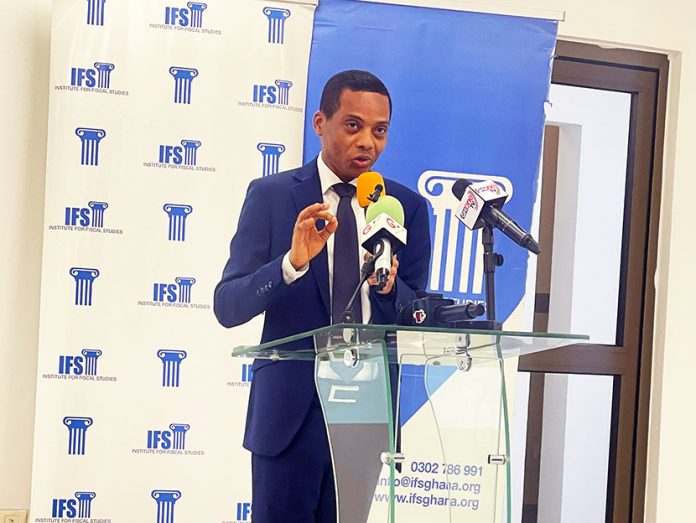
Mr. Leslie Dwight Mensah, Senior Research fellow at the Institute for Fiscal Studies

The Institute for Fiscal Studies (IFS) says the government’s much-touted ‘Big Push’ infrastructure agenda has been rendered inconsequential, due to severe fiscal challenges that derailed capital spending in the first half of 2025.


Presenting the Think Tank’s assessment of the 2025 Mid-Year Fiscal Policy Review in Accra on Wednesday, August 20, 2025 Senior Research Fellow, Mr Leslie Dwight Mensah, revealed that while Ghana’s macroeconomic environment showed signs of recovery, underlying fiscal realities painted a more troubling picture.

“Contrary to the Minister’s cheerful remarks on revenue performance, revenue collection did not meet expectations in the first half of the year,” the IFS observed, pointing to a shortfall of GH₵3.24 billion. 


Domestic revenue underperformed by GH₵2.90 billion (2.9% below target) while foreign grants fell short by GH₵338.72 million (31.7% below target).

The IFS noted that government’s fiscal deficit appeared much lower than projected not because of deliberate discipline, but largely because of “difficult fiscal conditions” that forced massive under spending. 

Actual expenditure fell short by as much as GH₵21.17 billion on a cash basis, leading to sharp cuts in critical areas.


Most strikingly, capital expenditure was slashed by over 60 percent. “Capital expenditure fell short by as much as GH₵10.95 billion from the programmed GH₵18.06 billion to a mere GH₵7.11 billion,” the IFS stressed. 

This, it added, meant the government’s ambitious Big Push infrastructure agenda had effectively collapsed even before implementation could take off.

The think tank also raised red flags about arrears payments which were 36.2 percent below target.


Instead of the planned GH₵7.50 billion, only GH₵4.78 billion was paid, deepening liquidity challenges for contractors and worsening non-performing loans in the banking system.

The funding crisis even affected flagship programmes.

The Ghana Gold Board (GoldBod), which had been allocated GH₵4.55 billion as seed money, received no disbursement at all.


“Even its flagship policy initiative was not spared,” the IFS said.

On the revenue side, the revised 2025 budget projected an additional GH₵2.87 billion, mainly from a new GH₵1 petroleum levy under ESLA. 

However, the IFS dismissed the revised projections as unrealistic, warning that “the revised revenue projection does not account for the shortfalls in the first half of the year and consequently looks unlikely to be achieved.”


According to IFS, the government maintained ambitious targets for oil, import duties, and non-tax revenues despite recording significant shortfalls earlier in the year.

“To achieve the revised revenue target, the government must close the gap and simultaneously meet its original second-half target, which will be very difficult to achieve,” the report cautioned.


The IFS further criticised the government for neglecting to harness Ghana’s extractive sector for meaningful revenue generation.

Despite President John Mahama’s call in April for Africa to take advantage of its natural resources, the fiscal review failed to outline a clear strategy.

“Without repositioning the country for effective revenue mobilization from the extractive sector, Ghana will not see the light of genuine development,” the IFS warned, citing Botswana and Gulf States as examples of countries that used their resources to drive transformational growth.


Another concern raised was the partial reporting of support to the National Investment Bank (NIB). Government announced a GH₵2.45 billion recapitalisation package, but only GH₵450 million was captured in the fiscal accounts, leaving out GH₵1.5 billion in bonds and GH₵500 million in government shares. The IFS stressed that this omission understated the fiscal deficit and contradicted commitment-based reporting standards.


Going forward, the IFS recommended a fundamental reset of revenue mobilization, urging government to abandon the concession regime in the extractive sector in favour of production sharing agreements or active state participation. 

It also advised against an early return to the international bond market, warning of a potential relapse into another debt crisis.


“The difficult revenue and financing conditions underscore the urgency for drastic reforms in revenue mobilization.

“Without this, Ghana risks being trapped in limited growth, underfunded infrastructure and recurring debt crises,” the IFS concluded.
Government Engages Consultant To Solve Kumasi Flooding Problems –Minister

0
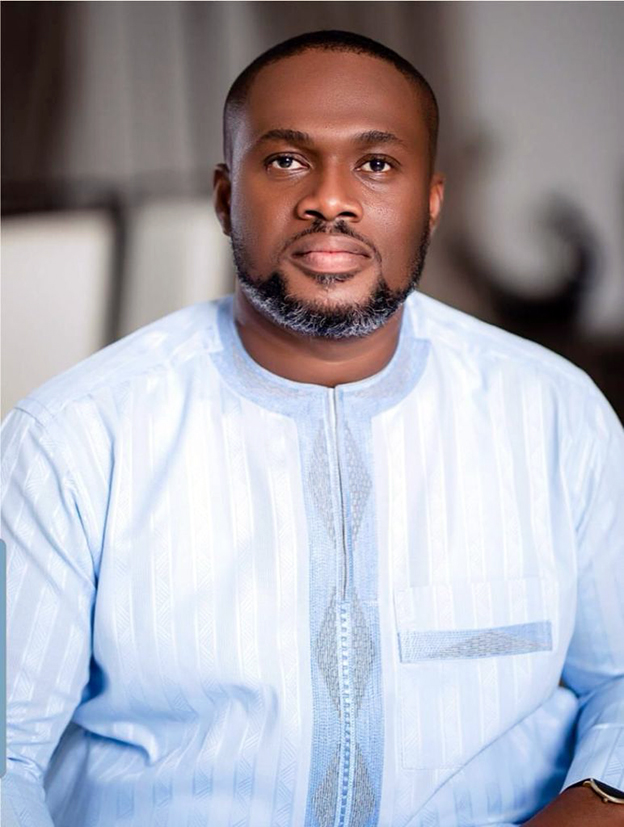
Mr Kenneth Gilbert Adjei, Minister for Works, Housing and Water Resources

Mr Kenneth Gilbert Adjei, the Minister for Works, Housing and Water Resources says the Mahama government has taken decisive action to tackle the perennial flooding challenges in Kumasi.

Speaking at a stakeholder validation workshop with the Ashanti Regional Coordinating Council and top officials of selected Metropolitan and Municipal Assemblies within the Greater Kumasi Metropolitan Area, the Minister revealed that the move forms part of President John Dramani Mahama’s reset agenda to improve urban resilience and safeguard livelihoods.

“In line with President Mahama’s reset agenda, we are taking decisive steps to provide long-term solutions to flooding in Kumasi,” Mr Kenneth Gilbert Adjei said

According to him, his ministry had already engaged two international consultancy firms – Deltares from the Netherlands – and INES from Spainto conduct technical studies that will inform the design of a comprehensive flood mitigation project for Kumasi and its surrounding areas.

Deltares will undertake a basin-wide study of the Wiwi, Sisa and Aboabo river basins, which are the main catchment areas, contributing to flooding in the metropolis.

The study will focus on identifying the root causes of flooding and proposing early-stage solutions as a first step toward long-term interventions.

INES, on the other hand, will conduct an in-depth flood vulnerability assessment in Asewase and Aboabo, two communities highly prone to both flooding and poverty.

This assessment will recommend targeted mitigation measures to protect residents and reduce flood disasters in the beneficiary communities.

The Minister explained that the findings from both studies will be used to develop the Kumasi Resilient Project, a major initiative aimed at safeguarding the city from recurring flood disasters.

A Senior Urban Development Specialist at the World Bank and Task Team Leader for the Greater Accra Resilient and Integrated Development (GARID) Project, Mr. Santiago Ezequiel Arias, pledged the Bank’s support for the initiative.

He indicated that the World Bank was committed to partnering with the Government of Ghana to ensure effective flood control measures not only in Kumasi, but across the country.

Earlier in the day, the delegation from the Ministry of Works and Housing paid a courtesy call on the Ashanti Regional Minister, Dr. Frank Amoakohene.

The Minister commended President Mahama for making flood control in the Ashanti Region a top priority and assured the government of the unwavering support of Kumasi residents to guarantee the successful implementation of the project.

Participants at the workshop welcomed the initiative and expressed optimism that the planned studies and subsequent interventions would significantly reduce the city’s vulnerability to flooding.


Africa Deserves Good Governance –Akufo-Addo

0
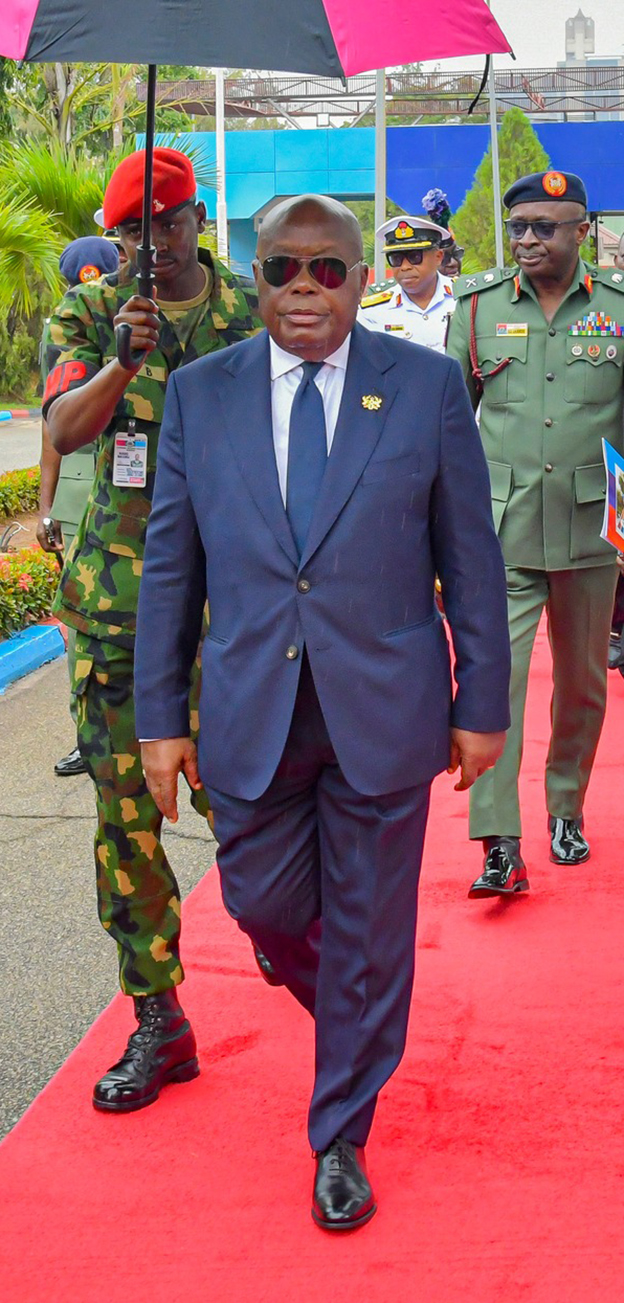
Ex-Prez Akufo-Addo

Former President Nana Addo Dankwa Akufo-Addo, has called for a renewed commitment to good governance across Africa, emphasising that the continent’s future depends on strong institutions, accountable leadership and bold reforms.

Addressing the graduating class of Course 33 at the National Defence College of Nigeria, in Abuja, on Monday, the former Ghanaian leader underscored the urgency of strengthening governance systems to meet the needs of African citizens.

“Africa’s future will not be built by chance. It will be built by strong institutions and bold leadership,” Akufo-Addo declared in a keynote speech that was both a critique of current governance challenges and a passionate call to action.

Nana Akufo-Addo thanked the Nigerian President, Bola Ahmed Tinubu and the Commandant of the College, Rear Admiral James Ohimai Okuson for the invitation, calling it a symbol of the enduring partnership between Ghana and Nigeria — two nations he described as torchbearers of democracy in West Africa and the African Union.

Reflecting on over 60 years of African independence, Akufo-Addo lamented that despite some progress, the continent continues to suffer from weak institutions, corruption, political instability, and poor public services.

“Our people crave and deserve good governance,” he stated, quoting the late Ghanaian diplomat and former UN Secretary-General, Kofi Annan, who once said: “Good governance is perhaps the single most important factor in eradicating poverty and promoting development.”

Nana Akufo-Addo indicated the significant gains made in countries like Ghana, Nigeria, Rwanda, Botswana, Morocco and Kenya, noting institutional reforms, democratic consolidation, and improved transparency mechanisms.

Ghana, he said, stands as a model of democratic transition, having experienced peaceful power alternations through free and fair elections.

However, he warned that recent setbacks across the Sahel, Sudan and parts of North Africa, as reported in the 2024 Mo Ibrahim Index of African Governance, should serve as a sobering reminder of how fragile progress can be.

The former president stressed that governance failures are not abstract issues, but daily realities for millions of Africans.

“When institutions are broken, systems are broken and when systems are broken, countries must wake up,” he said.

He cited low adult literacy rates, a failing healthcare sector, and the alarming emigration of over 65,000 African-trained health professionals to other countries as evidence of a systemic governance crisis.

Executive Overreach and Judicial Weakness Undermine Democracy

Nana Akufo-Addo decried executive overreach in many African states, where leaders manipulate constitutions and restrict civil society, undermining democratic norms.

“Some leaders change constitutions to stay in office, intimidate opposition, censor the media, and restrict civic space — all of which erode public trust in democratic institutions,” he said.

He further criticised weak legislatures and compromised judiciaries, citing political interference, underfunding and low public confidence in courts across much of the continent.

Despite constitutional guarantees of judicial independence, he noted that over 60% of African nations still score poorly in this area, according to governance indexes.

The Way Forward: African-Led Reform

Calling for an African-led path to reform, Akufo-Addo advocated for measures including genuine separation of powers and independent oversight institutions, adoption of modern technology to combat corruption, and civic education to instil democratic values.

The other suggestions are strengthened regional cooperation through the AU and ECOWAS and domestic revenue mobilization and reduced donor dependency

He urged the use of digital tools like blockchain and open contracting platforms to increase efficiency and transparency, and called for citizen-led watchdogs and empowered audit agencies to hold leaders accountable.

Turning to the new graduates, Nana Akufo-Addo offered a stirring call to duty: “You are not just soldiers; you are guardians of peace, defenders of the constitution and symbols of integrity.

“The world will test you, the political order may entice you, but serve with courage, humility and let your example inspire those who follow.”

The former president reaffirmed his belief that Africa’s destiny lies in the hands of Africans themselves.

“This is more than reform; it is a shift toward self-defined, all-encompassing governance”, he noted.

IGP vows tough measures against any election offender in Akwatia

0
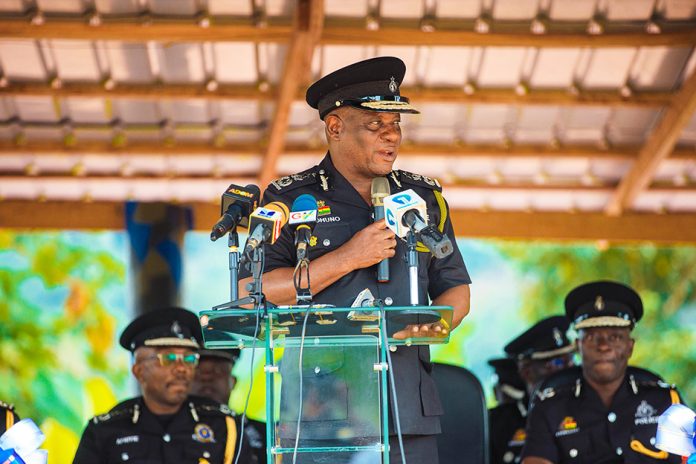
Inspector General of Police (IGP), Christian Tetteh Yohuno

The Inspector General of Police (IGP), Christian Tetteh Yohuno, has issued a stern warning to individuals planning to cause violence or disrupt the upcoming Akwatia by-election, scheduled for September 2, 2025.

He emphasised that the Ghana Police Service will respond decisively to any acts of lawlessness.

As part of security preparations, more than 5,000 police personnel are being deployed to Akwatia.

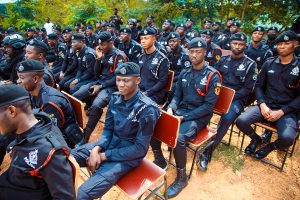
This includes 600 specially trained officers who recently completed a five-day intensive training program at the High-Risk Operations Training Centre (HROT-C) in the Eastern Region.

These officers underwent rigorous training in tactical operations such as repelling, precision shooting, handcuffing, vehicle search and seizure, crowd control and human rights protocols. The remaining personnel are currently undergoing training in public order management.

The IGP, together with the Police Management Board (POMAB), oversaw the closing ceremony of the training, which featured a comprehensive simulation exercise designed to assess the preparedness of the force.

Mr Yohuno stated that while the 600 specially trained officers will be armed on the ground, the police’s ultimate goal is to ensure a peaceful and successful election.

“We are very confident in our preparations and aim for this to be one of the most peaceful elections in our history,” he said.

He issued a clear message to potential troublemakers: “If you come quietly to vote, we will welcome you. But if you come to disrupt the process or carry arms, we will meet you with equal force.

“We are ready. If you climb a mountain to enter Akwatia, we will climb that same mountain to arrest you.”

The IGP urged all stakeholders, including political parties, supporters, and the general public, to adhere to electoral guidelines and cooperate fully with security personnel.

He commended the officers for their dedication and assuring the public that the police are fully prepared to protect the integrity of the election.

Simulation Exercise Demonstrates Readiness

During the simulation, plainclothes officers portrayed civilians queuing peacefully to vote. Drones were used to monitor activities from the air, ensuring real-time surveillance and rapid response capabilities.

The drill escalated when a simulated attack occurred: a group of heavily built men attempted to snatch ballot boxes.

Officers swiftly responded by forming a linear extended formation to neutralize the threat, successfully arresting the suspects and transporting them in a police Black Maria.

The exercise also featured a live-fire precision shooting demonstration, where officers targeted balloons and bottles to exhibit their ability to neutralize threats with minimal collateral damage. This task was completed in under 30 seconds by 10 officers operating in pairs.

Cleansing Academic Degrees And Titles Landscape: Painful Exercise By GTEC

0
Professor Christopher Ameyaw Akumfi

In recent times, the Ghana Tertiary Education Commission has had to revoke academic degrees and titles carried by some individuals. It is very imperative to carefully scrutinize the Curriculum Vitae (CV) of such individuals by bodies that chance on them and advise the bearers accordingly. The trouble is that private consultations do not resolve the issues. Hence, the intervention by GTEC.

Let’s look at Doctorate degrees and Professorship titles. Universities the world over, offer Honorary Doctorate degrees(Honorary Causae). This is done in recognition of the individual’s contribution to the development in various fields of endeavour identified by a search party and approved by the institution. This is the perogative of the institution as set out in its statutes.

An individual may have one, two or three degrees and ascribes to himself/herself, the title, Dr. Dr. Dr. Whether one, two or three doctorate degrees, this leads to enormous confusion. The society is filled with numerous honorary degree holders, and it is impossible to make a distinction between the two (earned Doctorate and Honorary Doctorate).

These days, it is not easy to identify the source of the honorary degree. Do not get me wrong. You may decide to call yourself a doctor, but you should present your sources of award when requested.

The Ethiopian Ministry of Education recently banned the use of honorary doctorate titles. My candid opinion is that academic institutions should devise more ingenious ways of honouring individuals who would normally be awarded honorary degrees. Institutions could name structures, lectures, prizes, etc. after them; These landmarks and ceremonies remain in perpetuity.

There is one danger in carrying the title in a family of young ones who have aspirations to go into academia. These youngsters will one day ask the source of your PhD title and would obtain a cascading tale without concrete answers. I commend our past Heads of State for avoiding the use of Honorary Doctorate titles. Let’s emulate them.

The other area of concern is Professorial titles. Years ago, the distinction between Associate Professor and a Professor was not latent. The Associate Professor always aspired to reach the pinnacle. But here we are, both titles are merged as equals in public. It is not surprising that magicians, radio presenters (one of whom is my son), herbalists etc etc, relish the use of the title. Again, in CV’s, close scrutiny is necessary to ascertain the authenticity of titles and degrees as properly earned or otherwise.

More importantly, in order not to confuse the use of these titles, individuals may advise themselves to avoid their use if they have not acquired them properly. They may also have to ask themselves if the enhancement they seek in their public image is really necessary at all.. In some jurisdictions, academic titles are not used by politicians. The preferred title, HONOURABLE, is a very special title.

By Professor Christopher Ameyaw-Akumfi

Autor: Professor Christopher Ameyaw-Akumfi, Forner Minister of Education, Republic of Ghana.

Editor’s note: Views expressed in this article do not represent that of The Chronicle

Editorial: Let Akwatia By-Election Be Safe, As We Learn From Mistakes Of Ablekuma North

0
Editorial

The Inspector-General of Police (IGP), Christian Tetteh Yohuno, has confirmed that eight people have been arrested in connection with violent incidents recorded during the Ablekuma North by-election. Speaking at a meeting with the Ghana Journalists Association (GJA), the IGP said the suspects are being processed and will soon face court. He assured that justice would be served and emphasised the need for professionalism in election security.

IGP Yohuno also addressed the assault on a journalist during the election, clarifying that the officer involved was interdicted, not transferred, contrary to circulating rumours. Investigations have been completed and disciplinary action is expected soon. According to the IGP, the Police Professional Standards Bureau has submitted its report, paving the way for sanctions.

These developments are encouraging to The Chronicle, but they must not end at mere arrests or promises of disciplinary action.

The Ablekuma North by-election was marred by violence, an unfortunate trend that is creeping into the fabric of Ghana’s democratic process. The confirmation that eight suspects have been arrested in connection with the disturbances is commendable. It shows that the police are determined to hold perpetrators of violence accountable.

However, as we have always said, these arrests are only the first step without prosecutions. The Chronicle urges the Police to follow up swiftly and decisively with prosecution to its logical conclusion. Anything short of this risks emboldening those who thrive on political thuggery.

The lessons of the past should serve as a reminder that deterrence comes not from press statements or assurances, but from concrete legal action. Political violence undermines the credibility of elections and erodes public confidence in the democratic process. To prevent history from repeating itself, the police must be proactive, not reactive in the upcoming Akwatia by-election.

In a story carried on page two of today’s edition of The Chronicle, the Inspector General of Police (IGP) Christian Tetteh Yohuno has issued a stern warning to individuals planning to cause violence or disrupt the upcoming Akwatia by-election, scheduled for September 2, 2025. He emphasised that the Ghana Police Service will respond decisively to any acts of lawlessness.

As part of security preparations, more than 5,000 police personnel are being deployed to Akwatia. This includes 600 specially trained officers who recently completed a five-day intensive training program at the High-Risk Operations Training Centre (HROT-C) in the Eastern Region.

IGP Yohuno stated that while the 600 specially trained officers will be armed on the ground, the police’s ultimate goal is to ensure a peaceful and successful election.  “We are very confident in our preparations and aim for this to be one of the most peaceful elections in our history,” he said. The Chronicle is happy for the assurances coming from IGP Christian Tetteh Yohuno and we hope they would not remain as mere promises.

This means deploying intelligence-led strategies before election day, monitoring hotspots and swiftly neutralising groups known for disrupting polls. Security agencies must also resist political pressure and uphold their professional duty to protect voters, journalists and electoral officers alike.

Going forward, election-related violence should not be treated as an inevitable occurrence. It is preventable if the police remain vigilant, impartial and proactive. Citizens must also demand accountability from political parties whose supporters resort to violence in the name of politics.

Ghana’s democracy is bigger than any party or candidate. As the nation prepares for future elections, we must insist on zero tolerance for political violence. The police have taken a good first step by making arrests and initiating disciplinary processes.

The challenge now is to follow through with firm prosecutions and sustained vigilance. Only then can we assure citizens that elections will be determined by ballots, not bullets.


Dunkwahene wants contractors sanctioned for shoddy work 

0
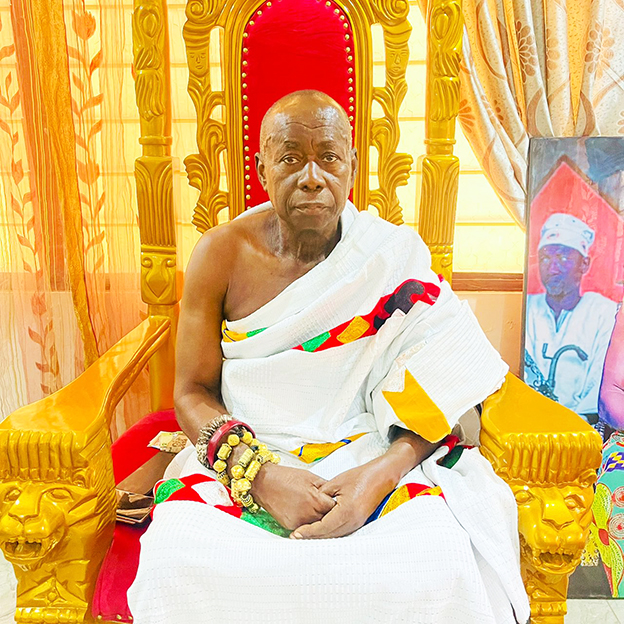
Okofrobour Obeng Nuako III, Dunkwahene (1)

Okofrobour Obeng Nuako III, the chief of Dunkwa-On-Offin has advised the government to prioritise road networks across the country. This, he said, would improve upon the socio-economic development of the nation.

The Dunkwahene observed that in spite the abundance of resources the nation’s road network is “very bad”, hence the need for the government to prioritise the reconstruction of the road network, which is currently in a deplorable state.

He emphasised the need for the government to sanction Contractors who do shoddy work on road contracts awarded them, citing the Dunkwa-Obuasi road, which the chief claimed has deteriorated in no time.

Giving the admonition during the observation of Akwasidae last Sunday, the chief noted that Ghana was endowed with abundant resources for the construction industry.

He said once the roads are fixed, road crashes would be brought to the barest minimum if not eliminated to preserve precious lives.

The Dunkwa chief has, therefore, urged contractors to be patriotic enough to complement efforts by the government to improve the infrastructural facilities by bringing their expertise on board in its developmental agenda and help make Ghana a better place for the citizenry.

Nana Obeng Nuako III also urged the government to see to the completion of all projects initiated by the previous administration to avoid waste of state resources.

Meanwhile, Nana Obeng Nuako, on behalf of the Dunkwa Sub-Traditional Council, expressed his dismay over the spate of disasters citing the recent tragic military helicopter crash, which claimed eight lives at Adansi Sikaman, near Akrofuom, road accident on Kumasi-Accra road (claiming 15 lives), and at Bechem in which two lives were lost, as well as several others across the country in a brief spell of time.

The Dunkwahene, called for intercessory prayers for the country by churches and religious bodies to prevent reoccurrence of the tragedies.

As part of the Akwasidae festivity, Nananom observed a minute’s silence for the departed souls in the August 6, 2025 air crash.

From Oswald Pius Freiku, Dunkwa-On-Offin

Stanbic Bank commiserates with Asanteman  – donates 500k to support children Fund

0
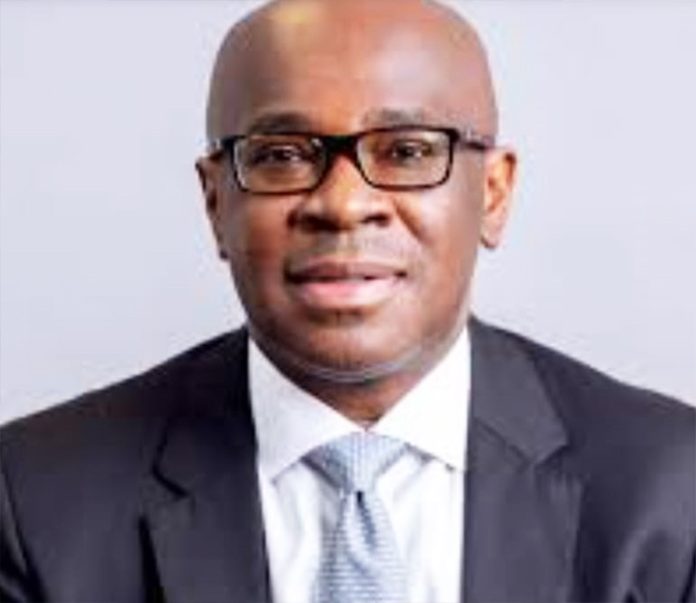
Kwamina Asomaning - MD Stanbic Bank Ghana

The Board of Directors and Management of Stanbic Bank Ghana paid a condolence visit to Otumfuo Osei Tutu II, Asantehene, at the Manhyia Palace on August 19, 2025, following the passing of Nana Konadu Yiadom III, Asantehemaa.

The delegation also made donations in support of the one-week observation of the late Queen on Thursday August 21, 2025.

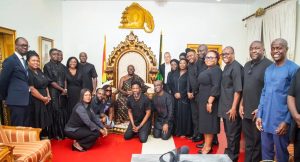
The Stanbic delegation to Manhyia Palace poses with Otumfuo

The group included Esi Tawia Addo-Ashong, Board Chair, Kwamina Asomaning, Chief Executive and Mawuko Afadzinu, Head of Brand and Marketing.

The Asantehemaa, Nana Ama Konadu Yiadom III, the 14th Queen mother of the Ashanti Kingdom passed away on August 7, 2025 after an eight year reign from February 16, 2017.

Dignitaries from all walks of life are expected to join the Asantehene, Otumfuo Osei Tutu II and Asanteman to mourn the late Asantehemaa and sister.

In another development, Stanbic Bank Ghana has earned the credit of contributing an initial amount of GHc500,000 seed donation  to the August 6, 2025 Tragedy Children Support Fund.

The President, John Dramani Mahama, has acknowledged Stanbic Bank’s contribution and expressed the government’s gratitude for the gesture.

Dr Valerie Sawyer, the Senior Presidential Adviser on Government Affairs and Coordinator of the Fund, yesterday announced per a Public Notice that a total of GHc2,315,000 has so far been received, since the Fund was established on Friday August 15, 2025 to support the welfare of the children of the victims of the August 6 Helicopter crash at Adansi Sikaman, near Akrofuom in the Ashanti region.

The presidency has also acknowledged the contributions of Procus GH Limited, GB Foods Ghana, Sunda FM Manufacturing Ltd., Sage Distribution Ltd., Quantum Oil Terminals, Quantum LPG Lohistics Ltd., Newgas Cylinder Ltd and Quantum Terminals PLC.

Dr. Sawyer directed that subsequent donations to the fund could be channelled through available local and dollar accounts at the Stanbic Bank Ghana. The Coordinator of the Fund indicated that the list of donors will be made public on weekly basis.

Ghana’s SMEs face higher, more volatile borrowing costs…

0
Bank of Ghana

An analysis of the Annualized Percentage Rates (APRs) for June 2025 has revealed a significant disparity in loan costs, with households often receiving more favourable rates than Small and Medium Enterprises (SMEs).

The data, compiled by the Bank of Ghana, indicates that while households have access to lower APRs, SMEs face a wider and often higher range of borrowing costs, raising questions about the financial environment for business growth in the country.

​According to the report, the APR reflects the true cost of a loan, including the Ghana Reference Rate (GRR), bank-specific risk premiums, and other charges.

For a three-year loan, the lowest APR for a household was 21.43% from Republic Bank (Ghana) PLC.

In stark contrast, the most favourable rate for an SME loan of the same tenor was higher, at 28.63%, also from Republic Bank (Ghana) PLC.

This pattern continues with five-year loans, where the lowest household APR stands at 20.70% (Republic Bank), while the best rate for an SME is 23.37% (Bank of Africa).

​The data for one-year loans show a more complex picture. While the lowest APR for an SME from Absa Bank Ghana Limited was a highly competitive 17.03%, this appears to be an outlier.

The overall range for SMEs is significantly wider and more volatile.

The highest APR for a one-year SME loan was 45.13% from Consolidated Bank Ghana Limited, whereas the highest APR for a household loan was 42.24% from Prudential Bank Limited.

​The discrepancy in rates is particularly pronounced when considering that many banks do not offer longer-term loans to SMEs.

The report shows numerous instances where “No loan with a tenor of three years was granted” or “No loan with a tenor of five years was granted” for SMEs.

This lack of access to long-term financing can hinder SMEs from making crucial long-term investments and strategic plans.

​This trend highlights a potential systemic challenge, where banks may perceive SMEs as a higher credit risk compared to individual households.

While banks’ APRs are indicative and the actual rate depends on a borrower’s specific circumstances, the reported data suggests a broader pattern that could be stifling the growth of Ghana’s SME sector, a key driver of the economy.

GNA


Prez Tinubu Removes 5% Telecoms Tax -NCC

0
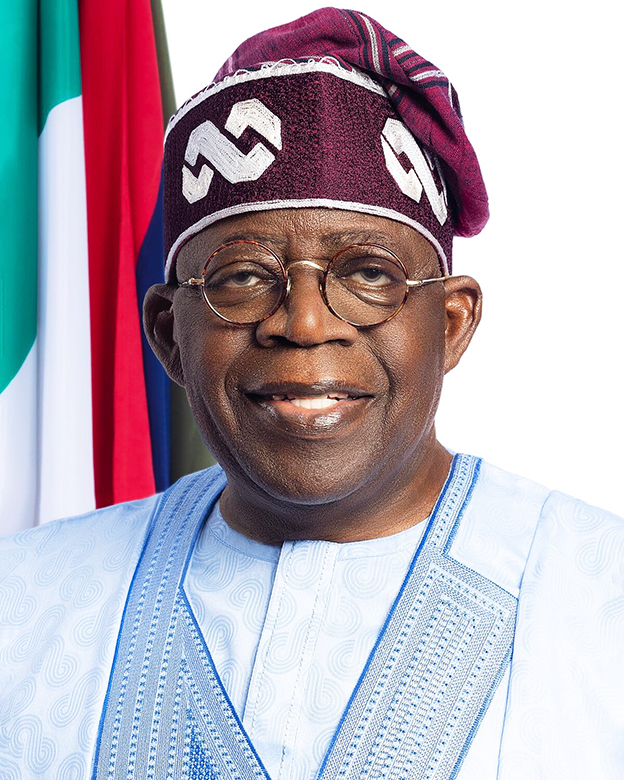
President Bola Tinubu

President Bola Tinubu has permanently abolished the controversial 5% excise duty on telecommunications services, a move aimed at easing financial pressures on consumers and businesses in Nigeria’s digital economy.

The announcement was made by the Executive Vice-Chairman of the Nigerian Communications Commission (NCC), Aminu Maida, during a media briefing in Abuja on Tuesday.

Maida confirmed that the excise levy—initially suspended in 2023—has now been officially removed under revised national tax laws.

“The 5% excise duty is no longer in effect,” Maida stated. “Initially, it was only suspended, but the President has now completely removed it. I was present when the issue was raised, and he firmly said, ‘No, we cannot place this burden on Nigerians.’ I was very pleased to see that this directive was upheld in the new legislation.”

The duty, which applied to mobile voice and data services, had sparked significant backlash from both industry stakeholders and consumer advocacy groups, who argued it would increase the cost of digital access and threaten the viability of telecom operators already grappling with high operational costs.

President Tinubu first suspended the tax in July 2023 as part of a broader fiscal policy overhaul aimed at mitigating the impact of multiple tax burdens on businesses and households. The suspension came through a series of executive orders signed shortly after he assumed office.

Credit: channelstv.com

The Ghanaian Chronicle