Home Blog Page 508

Mr Eazi to release new single ‘Casanova’

0
Mr Eazi

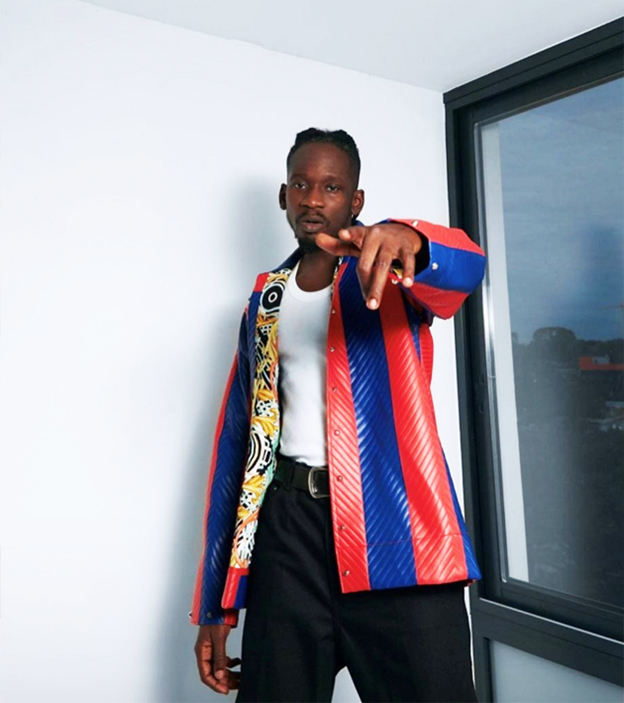
Grammy-winning afropop star Mr Eazi returns with “Casanova,” the new single from his forthcoming Maison Rouge EP, set for release this September via emPawa Africa.

“Casanova,” which was produced by Ghana’s TMXO and Nigerian super producer Kel-P, is a playful yet emotionally revealing track about love, temptation, and self-awareness. Inspired by real conversations and moments of vulnerability, the song explores the tension between loyalty and attraction, honesty and misunderstanding. It’s a confession, both cheeky and sincere, about being drawn to women but wanting to hold onto the one he truly loves.

“Casanova is me being honest in the most unfiltered way,” MrEazi says. “I’m saying, ‘Yes, I love women, but my heart is with you.’ It’s about the reality of relationships and how we navigate our flaws, temptations, and the little things that can make or break love.”

The track is supported by an artful music video shot in Spain by director Ademola Falomo (Tems, Davido, Joeboy). Packing a movie’s worth of plot and intrigue into its 2 ½ minute run time, the “Casanova” visual follows the travails of a cab driver who finds himself in the crosshairs of a jealous wife after she catches him with another woman without knowing the full details behind their rendezvous. Blending humor, flirtation, and a hint of suspense with colorful urban backdrops, intimate close-ups, and a lighthearted storyline, the visuals bring the song’s cheeky and romantic spirit to life.

“‘Casanova is a playful record but it’s also about that moment when someone catches you off guard” says MrEazi, who previously tapped Falomo to direct his “Patek” (2022) and “E Be Mad” (2021) videos. “I wanted the video to feel like a little movie with twists, laughs, and energy. Barcelona gave us the perfect mix of romance and chaos, and Demola captured that perfectly.”

“Casanova,” along with the rest of Eazi’s forthcoming Maison Rouge EP, was recorded in Cotonou, Benin, at the titular Hotel Maison Rouge, which became a creative oasis for MrEazi while working on his 2023 album slash art project, The Evil Genius.

“Casanova” follows the July release of “Corny,” a mellow, emotionally honest love song which showcases MrEazi’s signature blend of vulnerability and melody, and “Attention,” Eazi’s contribution to this summer’s blockbuster F1 movie soundtrack.

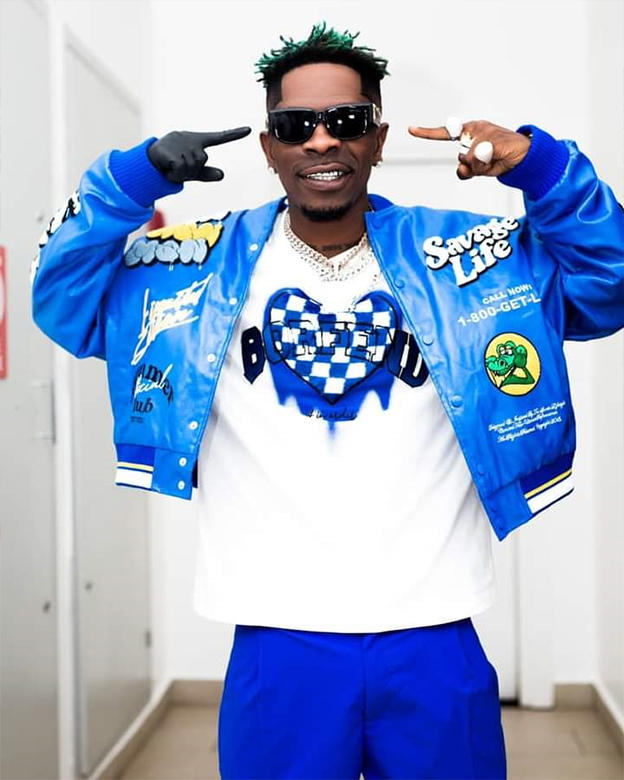
Shatta Wale reserves the right not to disclose the vehicle’s seller to EOCO –Lawyer

0
Shatta Wale

Private legal practitioner Austin Kwabena Brako-Powers says dancehall artiste Shatta Wale cannot be compelled to disclose to the Economic and Organised Crime Office (EOCO) the identity of the individual from whom he purchased the controversial Lamborghini Urus.

According to him, the musician has the constitutional right to remain silent during interrogation and cannot be forced to provide information that may potentially incriminate him.

Shatta Wale has the right not to incriminate himself, and this privilege can be invoked in both civil and criminal proceedings,” Mr. Brako-Powers explained in an interview with Alfred Ocansey on 3FM on Thursday, August 21, 2025.

The lawyer, who is also a development communications expert, was reacting to EOCO’s detention of Charles Nii Armah Mensah, popularly known as Shatta Wale, in connection with the 2019 Lamborghini Urus.

The luxury vehicle, reportedly bought for $150,000, is suspected of being linked to a $4 million financial crime involving Ghanaian national Nana Kwabena Amuah, who is currently serving a custodial sentence in the United States. EOCO suspects that proceeds from the crime may have funded the car’s acquisition.

Following his arrest, Shatta Wale was granted bail of GH₵10 million with two sureties, later revised to GH₵5 million after legal representations. He has since secured his release, though his prolonged detention earlier sparked protests from supporters who argued he was being held beyond the constitutionally mandated 48-hour period.

Commenting on that development, Mr. Brako-Powers described the continued detention as unconstitutional. He stressed that law enforcement agencies are required by law to either release a suspect or present them before a court within 48 hours.

The law is clear that 48 hours is 48 hours and not a minute or second beyond. This attitude of law enforcement agencies does not ensure certainty of the law’s application,” he cautioned.

He further urged lawyers representing suspects to take legal action against security agencies that violate this constitutional safeguard. Mr. Brako-Powers also called on the government to ensure that state institutions, particularly anti-graft and security agencies, respect the fundamental rights of suspects in custody.

He emphasized that due process is critical in the fight against crime, adding that protecting constitutional rights is equally essential to maintaining public confidence in Ghana’s justice system.

Credit: 3news.com

France summons US ambassador over anti-Semitism allegations

0
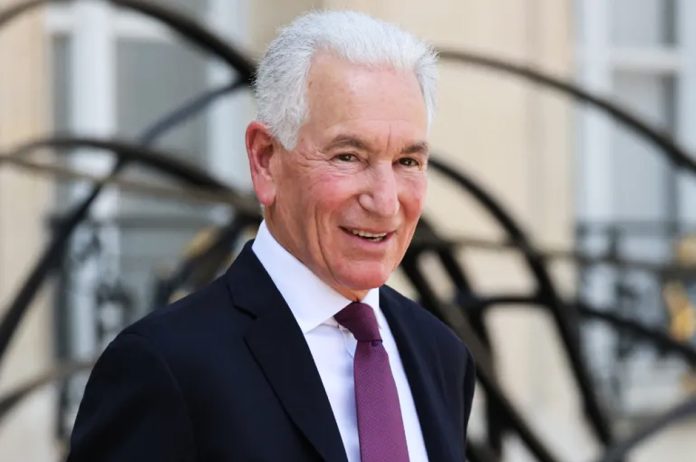
Charles Kushner, the US ambassador to France and Monaco

France has summoned the US ambassador, Charles Kushner, after he wrote a letter to President Emmanuel Macron alleging that Paris had failed to do enough to stem anti-Semitic violence, a French Ministry of Foreign Affairs spokesperson says.

Kushner published the open letter in The Wall Street Journal on Sunday, in which he focused on France’s criticism of Israel – which has been accused by leading rights groups of carrying out a genocide in Gaza – and its plans to recognise a Palestinian state.

“Public statements haranguing Israel and gestures toward recognition of a Palestinian state embolden extremists, fuel violence, and endanger Jewish life in France,” he wrote. “In today’s world, anti-Zionism is anti-Semitism – plain and simple.”

Paris was quick to respond to the ambassador.

“France firmly refutes these latest allegations,” a Foreign Ministry statement said on Sunday. “The allegations from the ambassador are unacceptable.”

France is “fully committed” to fighting anti-Semitism, the ministry added.

The Foreign Ministry’s statement also said that Kushner’s comments went “against international law, and in particular the duty not to interfere in internal matters of states” by diplomatic personnel.

“Furthermore, they do not live up to the quality of the transatlantic relationship between France and the United States and the trust that should result between allies,” it added.

The US State Department later replied, saying it stands by the comments made by Kushner.

“Ambassador Kushner is our US government representative in France and is doing a great job advancing our national interests in that role,” US State Department spokesperson Tommy Pigott said in a statement.

Credit: aljazeera.com

Man mistakenly deported to El-Savador set to be removed from US again

0
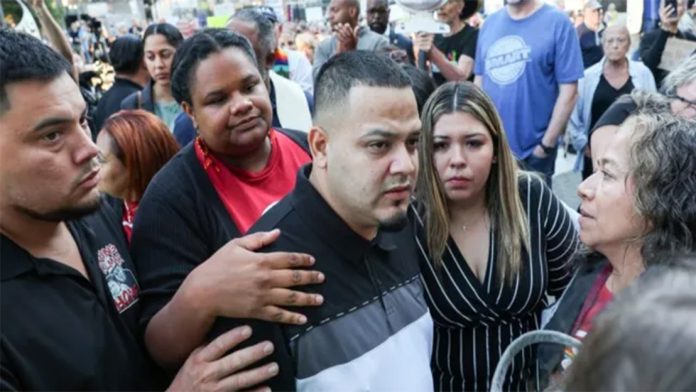
Abrego Garcia arrives at ICE field office, surrounded by supporters

Kilmar Abrego Garcia has been taken into custody after arriving at a US Immigration and Customs Enforcement (ICE) office in Baltimore. In a statement, Secretary of Homeland Security Kristi Noem confirmed his arrest and said that ICE “are processing him for deportation”.

He was mistakenly deported to a notorious prison in El Salvador in March, and then brought back to face criminal charges.

US authorities have informed him he may be deported to Uganda, following his refusal to accept a plea deal, his lawyers say.

His legal team accuses the US of trying to “coerce” him to plead guilty by threatening to re-deport him “halfway across the world”.

“The only reason that they’ve chosen to take him into detention is to punish him, to punish him for exercising his constitutional rights,” one of his attorneys, Simon Sandoval-Moshenberg, told reporters outside the ICE office.

He said that Mr Abrego Garcia had filed a new federal lawsuit in Maryland challenging his current detention and potential deportation “to Uganda or any other country” until he has a trial.

A subsequent court order barred the government from removing Mr Abrego Garcia from the continental United States or altering his legal status until 16:00 Wednesday, unless a judge extends the order.

The new lawsuit has been assigned to US District Judge Paula Xinis, the same jurist who oversaw the initial lawsuit over Mr Abrego Garcia’s mistaken deportation to El Salvador.

They have said their client declined an offer to plead guilty to human smuggling charges in exchange for deportation to Costa Rica. He was asked to check in on Monday at the field office in Baltimore. Credit: bbc.com

Trump’s post created tense White House welcome for South Korean leader

0
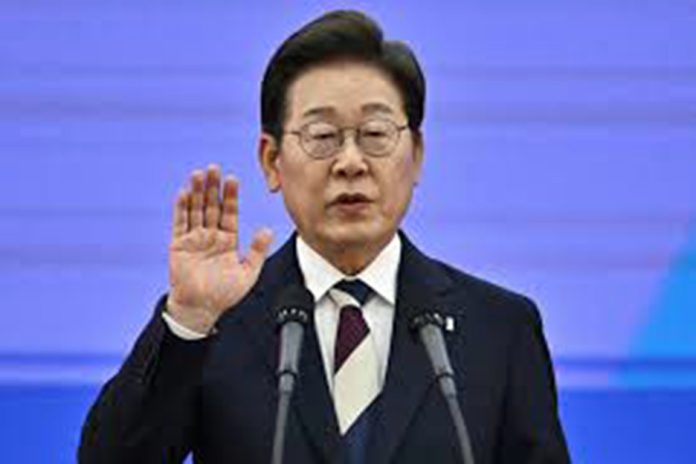
South Korea President Lee Jae-myung

South Korea’s President Lee Jae-myung visited the White House yesterday for his major foreign trip since assuming the presidency in June. He came to Washington directly from Tokyo, where he met his Japanese counterpart for talks.

Trade and defence are set to be on the agenda of the three-day working visit.

But ahead of his visit, US President Donald Trump posted on social media about recent political events in South Korea – suggesting he is unhappy with the prosecution of Lee’s predecessor. This set the stage for a potentially tense meeting.

Former president Yoon Suk Yeol was impeached after his short-lived martial law declaration last December.

“WHAT IS GOING ON IN SOUTH KOREA?” Trump wrote on Truth Social this morning. “Seems like a Purge or Revolution. We can’t have that and do business there. I am seeing the new President today at the White House.”

Former president Yoon, his wife, as well as several of his ministers are awaiting trial in detention for launching a failed martial law attempt in December last year.

Yoon’s supporters have been lobbying the Maga circle, hoping to enlist Trump’s help to save the disgraced leader.

From Yoon’s party lawmakers meeting Maga politicians, to his every-day supporters donning Maga hats and chanting slogans at their rallies, there has been an earnest attempt at reaching Trump’s ears.

Some here in Seoul has been anxious about whether Yoon’s supporters will succeed in their mission. This is a dream come true for Yoon and a nightmare for Lee.

Credit: bbc.com

Israel must take hostage deal, its military chief reportedly says

0
Eyal Zamir reportedly called on the Israeli prime minister to accept the new hostage deal

Israel’s Defense Forces (IDF) chief of staff has said there is a “deal on the table” for the remaining hostages in Gaza, according to Israeli media.

Lt Gen Eyal Zamir reportedly said the Israeli military had brought about the conditions for a deal, and it is now in Prime Minister Benjamin “Netanyahu’s hands,” Channel 13 News reports.

On Tuesday, Israel’s security cabinet is expected to discuss the latest proposal advanced by regional mediators, which Hamas accepted a week ago.

It follows mass demonstrations in Israel earlier this month as hundreds of thousands of people gathered in Tel Aviv, calling for an end to the Gaza war and a deal to secure the release of hostages held by Hamas.

The Hostages and Missing Families Forum said Zamir had voiced “what most Israelis were demanding,” including a deal to bring home all 50 remaining hostages, 20 of whom are believed to be alive, and an end to the war.

The group is planning another day of mass protest on Tuesday.

The most recent proposal, from mediators in Egypt and Qatar is said to be based on a framework put forward by US envoy Steve Witkoff in June.

It would see Hamas free around half of the hostages in two rounds during an initial 60-day truce. There would also be negotiations on a permanent ceasefire.

Netanyahu’s office previously said that Israel would only accept a deal if “all the hostages are released in one go”.

Credit: bbc.com

10 Tips to Beat Insomnia

0
Insomnia

Insomnia is a common sleep disorder that makes it hard to fall asleep, stay asleep, or get quality sleep, leading to daytime tiredness, irritability and impaired concentration.

If you are suffering from insomnia, there are many steps you can take to change behaviors and lifestyle to help you get to sleep. Here are some tips for beating insomnia.

  1. Wake up at the same time each day. It is tempting to sleep late on weekends, especially if you have had poor sleep during the week. However, if you suffer from insomnia you should get up at the same time every day in order to train your body to wake at a consistent time.
  2. Eliminate alcohol and stimulants like nicotine and caffeine. The effects of caffeine can last for several hours, perhaps up to 24 hours, so the chances of it affecting sleep are significant. Caffeine may not only cause difficulty initiating sleep, but may also cause frequent awakenings. Alcohol may have a sedative effect for the first few hours following consumption, but it can then lead to frequent arousals and a non-restful night’s sleep. If you are on medications that act as stimulants, such as decongestants or asthma inhalers, ask your doctor when they should best be taken to help minimize any effect on sleep.
  3. Limit naps. While napping seems like a proper way to catch up on missed sleep, it is not always so. It is important to establish and maintain a regular sleep pattern and train oneself to associate sleep with cues like darkness and a consistent bedtime. Napping can affect the quality of nighttime sleep.
  4. Exercise regularly. Regular exercise can improve sleep quality and duration. However, exercising immediately before bedtime can have a stimulant effect on the body and should be avoided. Try to finish exercising at least three hours before you plan to retire for the night.
  5. Limit activities in bed. The bed is for sleeping and having sex and that’s it. If you suffer from insomnia, do not balance the checkbook, study, or make phone calls, for example, while in bed or even in the bedroom, and avoid watching television or listening to the radio. All these activities can increase alertness and make it difficult to fall asleep.
  6. Do not eat or drink right before going to bed. Eating a late dinner or snacking before going to bed can activate the digestive system and keep you up. If you suffer from gastroesophageal reflux (GERD) or heartburn, it is even more important to avoid eating and drinking right before bed since this can make your symptoms worse. In addition, drinking a lot of fluids prior to bed can overwhelm the bladder, requiring frequent visits to the bathroom that disturb your sleep.
  7. Make your sleeping environment comfortable. Temperature, lighting, and noise should be controlled to make the bedroom conducive to falling (and staying) asleep. Your bed should feel comfortable and if you have a pet that sleeps in the room with you, consider having the pet sleep somewhere else if it tends to make noise in the night.
  8. Get all your worrying over with before you go to bed. If you find you lay in bed thinking about tomorrow, consider setting aside a period of time — perhaps after dinner — to review the day and to make plans for the next day. The goal is to avoid doing these things while trying to fall asleep. It is also useful to make a list of, say, work-related tasks for the next day before leaving work. That, at least, eliminates one set of concerns.
  9. Reduce stress. There are a number of relaxation therapies and stress reduction methods you may want to try to relax the mind and the body before going to bed. Examples include progressive muscle relaxation (perhaps with audio tapes), deep breathing techniques, imagery, meditation, and biofeedback.
  10. Consider participating in cognitive therapy. Cognitive therapy helps some people with insomnia identify and correct inappropriate thoughts and beliefs that may contribute to insomnia. In addition, cognitive therapy can give you the proper information about sleep norms, age-related sleep changes, and help set reasonable sleep goals, among other things.

Credit: webmd

Feature: Ghana Needs a Surgical Approach to Minimum Investment Capital Requirement

0
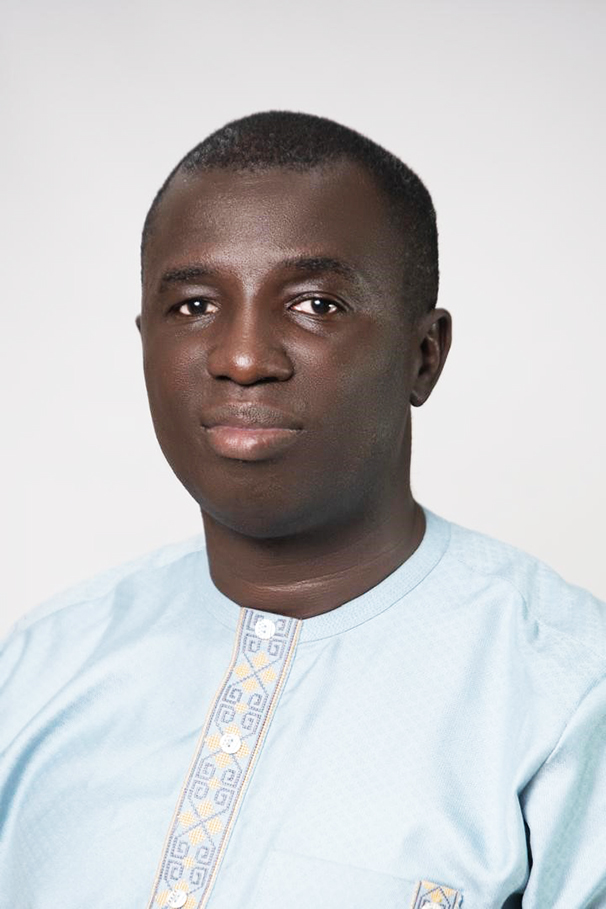
Appiah Kusi Adomako, Esq

Last week in Tokyo, during the TICAD 2025 Conference, His Excellency the President announced that Ghana is about to abolish the minimum capital requirement for foreign investors who want to enter our market. The proposed changes will be reflected in the new GIPC Act, which is expected to be passed into law before the end of the year. The announcement has already sparked debate across the policy, business, and investment community, with GUTA and AGI expressing some reservations.

Under the GIPC Act of 2013, foreign investors face a tiered structure of minimum capital: USD 200,000 for joint ventures with Ghanaians, USD 500,000 for wholly foreign-owned enterprises, and USD 1 million for trading companies. These thresholds were intended to protect certain sectors from being dominated by foreign capital and to ensure that local entrepreneurs could still compete. At the same time, these thresholds have long been criticized as disincentives to investment, especially when compared with other African countries, many of which have abolished capital requirements altogether.

CUTS-GIPC-WEF Study in 2019

At CUTS International Accra, we examined this very question in a 2019 study on Sustainable for Ghana: Policies and Measures for Consideration, supported by the World Economic Forum and in partnership with the GIPC. That study recommended that Ghana consider reducing and differentiating the minimum capital requirement for foreign-owned firms.

The evidence showed that high entry barriers, particularly the USD 1 million threshold for retail trading, limited Ghana’s attractiveness compared with countries that impose no such restrictions. We also observed that technology firms, which are typically asset-light, were being discouraged from entry by requirements designed for more capital-intensive industries.

It is against this background that the President’s proposal to remove the minimum capital thresholds entirely must be examined. While the intention to attract more foreign direct investment (FDI) is laudable, a wholesale removal of these requirements risks unintended consequences. Ghana has become something of a city on a hill in West Africa, attracting the attention of global investors. Without a carefully designed framework, we risk dislodging indigenous businesses from sectors where they have traditionally been active, particularly retail trade and services.

There is a policy rationale for maintaining some form of capital requirement in selected sectors. The challenge is how to do so in a way that strikes a balance between promoting FDI, protecting domestic enterprise, and advancing the broader national interest. This is where a sector-by-sector approach becomes critical.

Instead of applying a blanket rule across the economy, we should identify the sectors where domestic investors have sufficient capital and capacity, and where protection is warranted. In these areas, minimum capital requirements can continue to serve as a shield for indigenous businesses. Conversely, in sectors where Ghana lacks adequate domestic capital or technical know-how, requirements should be relaxed or abolished to encourage foreign entry.

Best Practice: Vietnam, Rwanda and South Africa

International best practices offer valuable lessons here. Vietnam, for instance, tailors its minimum investment rules to specific sectors, requiring a higher bar for hospitals but far less for lighter industries like software development. This targeted strategy has helped Hanoi attract FDI while nurturing local health and tech ecosystems.

Rwanda, often hailed as Africa’s investment darling, abolished general minimum capital requirements years ago but maintains safeguards in strategic areas like mining and tourism to prevent over-dependence on outsiders. In South Africa, differentiated thresholds protect small businesses in retail while welcoming big foreign players in mining and finance.

The OECD and UNCTAD investment frameworks similarly advise against arbitrary high barriers to entry, urging instead that rules be proportional, transparent, and aligned to legitimate policy objectives. Ghana retains the full policy space to decide how best to regulate foreign entry under ECOWAS and the AfCFTA rules.

Evidence and Rule-Based Approach

What we need is an evidence-based calibration of our investment regime. A landscape study should map which sectors require protection and which ones should be opened up. For example, in high-innovation, low-capital industries like fintech, IT services, and start-ups, insisting on USD 500,000 before entry makes little economic sense. On the other hand, in trading activities where local entrepreneurs are active but vulnerable, it may still be prudent to maintain a threshold to prevent displacement.

The broader issue is not only about how much foreign capital Ghana can attract but also about how well Ghanaian businesses are supported to grow, scale, and eventually invest abroad. If our local firms succeed in establishing themselves regionally or globally, they will repatriate profits home, strengthening the cedi and contributing to long-term economic resilience. This is why, alongside reforming capital thresholds, the government must put equal effort into grooming local champions who can compete effectively. Nigeria succeeded in raising Dangote. South Africa has also succeeded in creating Shoprite, GAMES, and the majority of the companies in our malls.

FDI undeniably creates jobs, transfers technology, and increases output. But Ghana should not become a market where only foreign capital drives every form of investment. A healthy economy requires balance, where both foreign and domestic enterprises contribute to growth. By adopting a surgical, sector-by-sector approach to minimum capital requirements, Ghana can achieve that balance. Such an approach ensures that foreign investors are welcomed in areas where they bring clear added value, while indigenous businesses retain space to flourish in sectors where they have comparative strength.

Conclusion

As the new draft GIPC bill makes its way to Parliament, the debate should therefore move beyond a simple binary of “abolish or retain.” Instead, we should ask which sectors need what form of protection, what evidence supports such distinctions, and how the rules can be designed to promote sustainable and inclusive development. That would reflect the best of both worlds: openness to foreign investment and commitment to nurturing domestic enterprise.

Appiah Kusi Adomako, Esq

NB: The writer is a lawyer and a competition economist, and a consumer protection advocate. He is the West Africa Regional Director of CUTS International. He can be contacted via email: apa@cuts.org or www.cuts-accra.orgor 0302-254-5652.

Saka set to miss up to four weeks through injury

0
Bukayo Saka

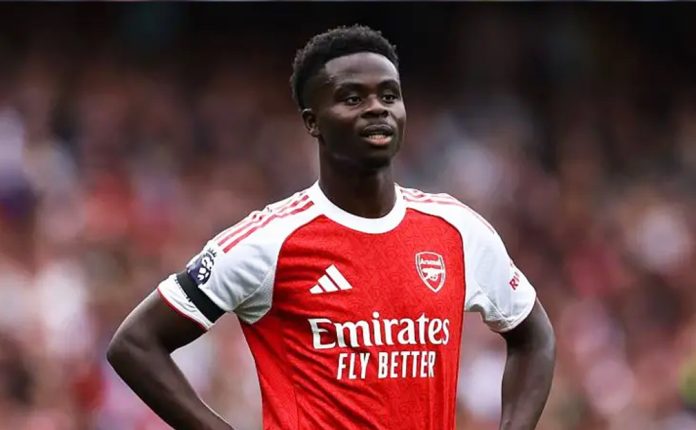
Bukayo Saka is set to miss Arsenal’s game at Liverpool on Sunday as well as England’s World Cup qualifiers against Andorra and Serbia next month.

The 23-year-old went off with a hamstring injury in Saturday’s home win against Leeds United and it is estimated the forward will be unavailable for up to four weeks.

Arsenal captain Martin Odegaard is doubtful for the match at Anfield as a result of a shoulder injury suffered in the victory against Leeds.

Odegaard looked in pain as he was replaced in the first half of the 5-0 win and the former Real Madrid attacking midfielder is understood to have left Emirates Stadium with his shoulder in a sling.

The Norway playmaker has not yet been ruled out of the game against the Premier League champions and there is optimism at Arsenal that neither the 26-year-old or Saka will be long-term casualties.

There is particular relief regarding Saka, who missed three months of last season with a hamstring injury.

Arsenal have a much deeper pool of attacking talent this season though, having signed Viktor Gyokeres, Noni Madueke and Eberechi Eze this summer.

Gunners manager Mikel Arteta also has Gabriel Martinelli, Leandro Trossard, Ethan Nwaneri and Max Dowman to mitigate the absences of Saka and Odegaard.

Credit: bbc.com

Defending champions Senegal face 2-time winners Morocco

0
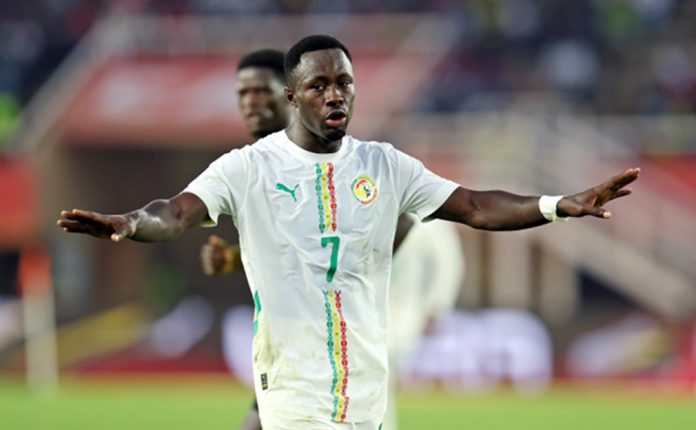
Libasse Gueye, Senegal

Defending champions Senegal will face two-time winners Morocco while surprise package Sudan take on Madagascar as the African Nations Championship (CHAN) enters its semi-final stage.

The last four line-up was confirmed after a dramatic quarter-final weekend in East Africa that saw all three co-hosts — Kenya, Tanzania and Uganda — eliminated despite passionate home backing.

The tournament, being staged across Kenya, Tanzania and Uganda, now has a distinctly heavyweight feel with two past champions still in contention alongside two of the competition’s most compelling underdog stories.

Senegal underlined their title credentials with a 1-0 victory over Uganda in Kampala.

In front of more than 35,000 fans at the Mandela National Stadium, the Lions of Teranga were pushed to the limit by a spirited Cranes side but struck decisively through Oumar Ba in the 62nd minute.

Uganda, who had qualified for the knockout stage of CHAN for the first time in their history, enjoyed more possession and created more chances but could not find the finishing touch.

Senegal’s defensive organisation once again proved decisive, with Seyni Ndiaye commanding the back line and goalkeeper Marc Diouf producing vital interventions late on.

That victory set up a semi-final against Morocco, who edged co-hosts Tanzania 1-0 in Dar es Salaam.

Oussama Lamlaoui scored the only goal of the game midway through the second half, tucking in his fourth of the tournament from a clever assist by Youssef Belammari.

The Atlas Lions absorbed heavy pressure in front of a packed 41,000-strong Benjamin Mkapa Stadium but showed composure and tactical discipline to hold firm.

Despite missing key defenders Bouchaib El Arsi, Marouane El Ouedni and Abdelhak Assal, coach Tarik Sektioui’s men extended their remarkable knockout-stage record, having now won seven consecutive CHAN elimination matches since 2014.

It means Kampala will host a meeting of two of the competition’s true heavyweights: holders Senegal against Morocco, champions in 2018 and 2020.

Credit: cafonline.com

The Ghanaian Chronicle