Home Blog Page 46

Auditor-General Uncovers GH¢583m Irregularities In African Games Expenditure

0

A damning audit into the financial administration of the 13th African Games has uncovered widespread procurement breaches, inflated contract sums, weak supervision systems and financial irregularities amounting to more than GH¢583 million, exposing what the Auditor-General describes as deep structural failures in public financial management.

The findings, contained in a special audit report commissioned following directives by President John Dramani Mahama, paint a troubling picture of systemic governance breakdowns surrounding the planning, execution and administration of the continental sporting event hosted by Ghana.

The report, signed by the Auditor-General, Johnson Akuamoah-Asiedu, concluded that the total quantified financial exposure arising from irregularities stood at GH¢583,008,680.92.

Beyond the direct financial exposure, the audit further identified procurement and administrative irregularities involving commitments exceeding GH¢2.7 billion, much of which was linked to controversial single-source contracting arrangements.

According to the extracts of the report sighted by The Chronicle, the audit uncovered what it described as “pervasive financial, procurement, contract management, governance and supervision failures” across virtually all stages of the African Games project implementation.


The report cited recurring patterns of overpricing, unjustified cost escalations, inflated benchmarking practices, unsupported lump-sum pricing structures and payments made outside the mandatory Government Integrated Financial Management Information System (GIFMIS).

Auditors also found that several contract sums were approved without itemised schedules, price reasonableness assessments, competitive procurement processes or proper reconciliation of quantities delivered.

“In some instances, payments were effected for undelivered goods, unrelated activities, or without supporting documentation,” the report stated.

Infrastructure Defects Exposed

At the infrastructure level, the audit revealed significant construction defects, poor workmanship, weak supervision and the use of non-conforming materials in some projects linked to the Games.

The report further highlighted irregular variation settlements and major project rescoping exercises which, according to auditors, consumed substantial public resources without corresponding value for money.

Particular attention was drawn to the controversial “May Action Plan” variation associated with the Borteyman Sports Complex project.

According to the audit, the variation alone resulted in a 23.8 percent erosion in contract value, while additional claims, extensions and revised scopes across several projects significantly increased Ghana’s fiscal exposure.

The findings suggest that oversight failures extended beyond financial administration into technical supervision and contract execution.

“Structural Deficiencies” In State Systems

The Auditor-General’s report warned that the irregularities were not isolated incidents, but reflected entrenched institutional weaknesses within Ghana’s public sector control systems.

“Collectively, the audit demonstrates wasteful expenditure stemming from systemic breakdowns in governance, internal controls, procurement compliance, contract administration, financial stewardship, and supervision oversight,” the report noted.

It added that the “magnitude, recurrence and cross-cutting nature” of the breaches pointed to structural deficiencies in institutional control environments rather than mere administrative lapses.

The report concluded that the cumulative effect of the irregularities had resulted in substantial erosion of value-for-money, weakened accountability systems and significant fiscal exposure to the State.

Calls For Structural Reform

In its general recommendations, the audit urged government to treat the findings as a trigger for broad institutional reforms within public procurement and financial management systems.

The Auditor-General recommended that recovery processes for irregular expenditures should proceed alongside measures aimed at strengthening procurement integrity, enforcing fiscal discipline and safeguarding public funds in future national projects.

“Given the magnitude of the quantified exposure and the breadth of systemic deficiencies identified, this audit recommends that Government treat these findings as a catalyst for structural reform,” the report stated.

The findings are expected to intensify public debate over accountability, public procurement compliance and financial stewardship in the execution of major state-funded projects.

The 13th African Games, which Ghana hosted amid significant public expenditure on sports infrastructure and logistics, had initially been promoted as an opportunity to boost sports development, tourism and national prestige.

However, the audit findings now raise serious questions about cost controls, project governance and the long-term value derived from the investments made with taxpayer resources.


For more news, join The Chronicle Newspaper channel on WhatsApp: https://whatsapp.com/channel/0029VbBSs55E50UqNPvSOm2z

 

Ghanaians Ready To Embrace Locally Manufactured Vaccines – NVI Survey Reveals

0
Dr Sodzi Sodzi-Tettey speaking at the workshop

A nationwide vaccine perception survey conducted by the National Vaccine Institute has revealed that a strong majority of Ghanaians continue to trust vaccines and are prepared to support Ghana’s ambitious local vaccine manufacturing agenda expected to commence in 2027.

The findings, released in Accra yesterday under the authority of the Chief Executive Officer of the NVI, Dr. Sodzi Sodzi-Tettey, challenge the long-held assumption that vaccine hesitancy is widespread in Ghana following the COVID-19 pandemic.

According to the survey, about 89.7 percent of respondents expressed confidence in vaccines, while 94.2 percent indicated that ensuring vaccine availability was a collective national responsibility. Significantly, 71.3 percent said they would willingly accept vaccines manufactured in Ghana once local production begins.

The study, described as one of the most comprehensive national assessments of vaccine attitudes in Ghana, analysed 13,905 valid responses collected across all 16 regions and 55 districts.

The research examined public confidence in vaccines, misinformation trends, barriers to acceptance of locally produced vaccines and the broader social psychology surrounding vaccine uptake in Ghana.

The findings come at a critical time as Ghana intensifies efforts to establish domestic vaccine production capacity as part of a broader pharmaceutical industrialisation and health security strategy.

Trust In Science And Health Institutions

One of the strongest findings of the survey was the exceptionally high level of public trust in healthcare professionals and national regulatory institutions.

According to the report, 87.8 percent of respondents expressed confidence in doctors and nurses administering vaccines, while many also indicated trust in the Ghana Health Service and the Food and Drugs Authority.

Public health experts say this institutional trust could become one of Ghana’s most strategic assets as the country transitions from vaccine import dependence toward local biopharmaceutical manufacturing.

The survey suggests that healthcare workers may become central actors in combating misinformation and promoting acceptance of locally manufactured vaccines.

Awareness Gap Raises Concern

Despite the strong confidence in vaccines, the survey exposed what the NVI described as a “critical awareness deficit” regarding Ghana’s vaccine manufacturing plans.

Only 14.3 percent of respondents were aware that Ghana is preparing to manufacture vaccines locally ahead of the planned 2027 rollout.

The findings suggest that although public confidence in vaccination science remains high, awareness of the industrial and scientific infrastructure behind Ghana’s vaccine self-sufficiency agenda remains limited.

This gap, according to analysts, could create vulnerabilities for misinformation campaigns if public education efforts fail to keep pace with the country’s pharmaceutical transition.

The survey also uncovered notable geographical differences in vaccine acceptance.

Urbanised regions such as Greater Accra Region, Ashanti Region and Central Region recorded comparatively lower vaccine acceptance levels despite higher exposure to information and digital media.

In contrast, rural communities in northern Ghana and the Oti Region demonstrated stronger trust and acceptance of vaccines.

Health communication researchers have increasingly linked such patterns globally to the influence of online misinformation ecosystems, political distrust and social media-driven conspiracy narratives often concentrated in urban settings.

Cold Chain Concerns And Cost Barriers

While respondents expressed pride in the prospect of Ghana-made vaccines, the survey identified operational concerns that could affect uptake.

Key concerns included vaccine cost, long travel distances to vaccination centres and fears surrounding vaccine storage and transportation systems.

The report specifically highlighted weaknesses in cold chain systems — the temperature-controlled infrastructure required to safely transport and store vaccines — particularly in rural communities.

Public health experts warn that even scientifically effective vaccines can lose potency when exposed to temperature instability, making cold chain reliability a critical component of national immunisation systems.

The NVI said the findings reinforce the need to strengthen vaccine logistics infrastructure, storage systems and transparent handling protocols in order to maintain public confidence.

National Campaign Planned Ahead Of 2027 Rollout

In response to the findings, the NVI announced plans to launch a nationwide vaccine awareness and acceptance campaign aimed at educating the public on locally manufactured vaccines and countering misinformation.

The campaign is expected to involve government agencies, healthcare professionals, civil society groups, development partners, traditional leaders, the private sector and the media.

According to Dr. Sodzi-Tettey, Ghana possesses a “strong foundation of vaccine confidence,” but success would depend on closing the awareness gap surrounding locally manufactured vaccines.

He stressed the need for targeted policy interventions, strategic science communication and measures to address regional disparities and misinformation.

The NVI boss also acknowledged the support of the World Health Organization, GHS and FDA in advancing Ghana’s vaccine preparedness agenda.

Strategic Shift Toward Vaccine Sovereignty

The survey findings carry broader implications beyond public health.

Ghana’s vaccine manufacturing agenda forms part of a continental push under the Partnerships for African Vaccine Manufacturing initiative, which seeks to ensure that Africa locally produces at least 60 percent of its vaccines by 2040.

The initiative gained urgency following the COVID-19 pandemic, during which African countries struggled to secure timely access to vaccines amid global supply chain inequalities.

Analysts say Ghana’s planned entry into vaccine manufacturing could position the country as a regional biotechnology and pharmaceutical hub while strengthening national resilience against future pandemics and emerging infectious diseases.

For Ghana, the transition represents not only a public health intervention, but also a scientific, industrial and geopolitical milestone tied to economic resilience, pharmaceutical innovation and national sovereignty.

The survey concludes that with sustained public education, institutional transparency and strong stakeholder collaboration, Ghana could emerge as one of Africa’s leading examples of vaccine confidence and local pharmaceutical innovation.


For more news, join The Chronicle Newspaper channel on WhatsApp: https://whatsapp.com/channel/0029VbBSs55E50UqNPvSOm2z
BoG Suspends MTN MoMo’s Proposed 0.75% Wallet-to-Bank Transfer Fee

0
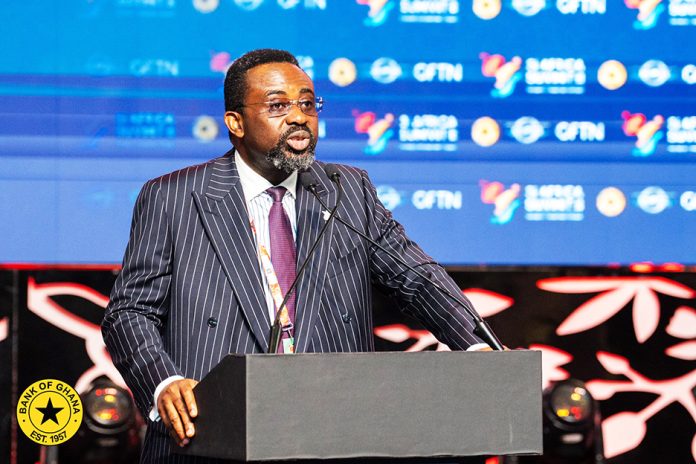
Governor of the Bank of Ghana, Johnson Pandit Asiama

The Bank of Ghana has directed Mobile Money Fintech Limited (MMFL) to suspend the implementation of its proposed 0.75 per cent fee on direct wallet-to-bank transfers pending further consultations.

The directive follows widespread public reaction to messages sent to customers of MTN Ghana announcing that transfers from MoMo wallets to bank accounts would attract a 0.75 per cent charge per transaction, capped at GH¢5, effective June 1, 2026.

In a press release issued on May 26, 2026, the Bank of Ghana stated that the proposed fee, which was scheduled to take effect next month, has been put on hold to allow for further engagement on the matter.

“The Bank of Ghana informs the public that Mobile Money Fintech Limited (MMFL) has been directed to pause the implementation of its proposed 0.75 percent fee on direct wallet-to-bank transfers,” the statement said.

According to the central bank, the decision underscores its commitment to ensuring fairness in the mobile financial services ecosystem while protecting consumers and supporting their financial wellbeing.

The proposed charge had triggered discussions among mobile money users, many of whom expressed concern over the potential additional cost burden on digital financial transactions.

MTN customers had received text messages indicating that the fee would apply to transfers from MoMo wallets to bank accounts from June 1, 2026.

The Bank of Ghana, however, says consultations will continue before any decision is taken regarding the implementation of such charges.


For more news, join The Chronicle Newspaper channel on WhatsApp: https://whatsapp.com/channel/0029VbBSs55E50UqNPvSOm2z
World Bank Pushes for Operationalisation of US$10.15 Million Weija Pediatric Hospital

0
World Bank

The World Bank has urged the Government of Ghana to expedite the operationalisation and opening of the Weija Pediatric Hospital, a 120-bed health facility constructed under the Bank-supported COVID-19 Emergency Preparedness and Response Project.

In a statement, the World Bank said the Government constructed and equipped the facility at a cost of US$10.15 million under the project identified as P173788.

According to the statement, the project officially closed on December 16, 2025, after a six-month extension was granted to enable the completion of critical activities which had been delayed due to the non-release of International Development Association (IDA) spending by government.

However, the Bank noted that several outstanding works remained incomplete at the time of project closure, including the installation of some equipment at the Weija Pediatric Hospital and the implementation of selected safety measures required under the Bank’s Environmental and Social Framework for health facilities.

The statement explained that although the project has closed, government may still utilise undisbursed IDA funds under the project to settle outstanding obligations for IDA-eligible activities until June 16, 2026.

It stressed, however, that government would be responsible for financing from its own resources any remaining environmental and social safeguard obligations as well as expenditures deemed ineligible for IDA financing.

“To fully operationalize the hospital, the Government will need to complete these necessary actions and assign staff to the facility,” the statement said.

The World Bank further reaffirmed its commitment to engaging with government to ensure the facility becomes operational and accessible to the public as soon as possible.

The Weija Pediatric Hospital is expected to enhance specialized healthcare delivery for children and strengthen Ghana’s healthcare infrastructure following lessons from the COVID-19 pandemic.

Go After Galamsey Financiers … AU Envoys Charge Mahama

0
The AU forum

The Africa Union’s Ghana’s Ambassadors have expressed grave fear that in the next five decades water will become a luxury in Ghana and Africa for that matter, if those bankrolling illegal mining are not chased and arrested by the state.

With water becoming a privilege for a few but a luxury for the majority, the dignitaries lamented the lack of strong political will by governments to ensure that aquatic bodies are heavily protected from devastations by human activities.

They were speaking at this year’s African Day celebration and Leadership Summit 2026 at the Kofi Annan International Peacekeeping Training Center (KAIPTC) at Teshie, a suburb of Accra, yesterday.

The Day, organised by the Pan Africa Union Agenda 2063 Diplomatic Mission, in collaboration with International Association of World Peace Advocates, was marked on the theme: ‘Assuring sustainable water, technology, peace and security for agenda 2063’.

Not discounting the adverse consequences of climate change, which is also contributing to the poor access to safe, clean and reliable water, the dignitaries held a strong view that wealthy politicians and business tycoons who clandestinely sponsor illegal miners cannot go unmentioned.

Referencing data for 2025/2026 by the World Health Organisation, which says over four million people in sub-Saharan Africa lack access to potable drinking water, while over seven million lack access to proper sanitation, the Ambassadors said governments must not see sustainably clean water supply as a charity to their people.

The Speakers at the summit were Ambassador Samuel Ben Owusu, a UN Eminent Peace Ambassador and Climate Change Advocate, Professor Laud Mensah from the Local Government Ministry, Professor Wazi Apoh, a full Professor of Archaeology, Anthropology and Heritage Studies, Ambassador Victor Anang, Special Emissary Political Affairs in Africa and representative of the National Chief Imam.

They collectively observed that should governments take ages to decisively tackle the imbalance, which is a threat to peace and security, they feared that Ghana and Africa would shamefully be spending a huge percentage of their annual budgets to be importing potable water for both domestic and industrial use.

To begin with safeguarding all aquatic bodies, the dignitaries urged governments to chase the bankrollers of illegal miners.

Again, they encouraged governments and leadership to continuously engage the youth in the fight as the latter stand ready to support their leadership who are ready to demonstrate commitment to helping change their lives by providing them with their basic needs.

Ghana’s fight against illegal mining, the Speakers maintained, must be intensified and unabated to safeguard the sustainable lives Africa needs to keep the continent blue and green.


For more news, join The Chronicle Newspaper channel on WhatsApp: https://whatsapp.com/channel/0029VbBSs55E50UqNPvSOm2z

Q8 Mining Ventures Not Involved In Illegal Mining – MGT

0
A Mining site

Management of Q8 Mining Ventures has dismissed allegations suggesting the company is involved in illegal mining, popularly known as galamsey, describing the claims circulating on social media and within sections of the National Democratic Congress (NDC) as false and misleading.

The company assured residents in communities within its operational areas in the Eastern Region that all its mining activities are lawful and carried out in accordance with Ghana’s mining regulations under the supervision of relevant state institutions, including the Minerals Commission.

Speaking to journalists yesterday, the Operations Director of Q8 Mining Ventures stated that the company possesses all the necessary licenses and permits required to undertake exploration and mining activities legally in the country.

He stressed that the company remains committed to responsible and sustainable mining practices that protect the environment while also improving the livelihoods of people in host communities.

According to management, Q8 Mining Ventures has invested significantly in land reclamation projects, water protection measures and community development initiatives aimed at ensuring environmentally responsible operations.

The company further noted that, unlike illegal miners who often leave behind degraded lands and polluted water bodies, it employs modern mining methods designed to minimise environmental damage.

Some community leaders within the company’s operational areas also defended Q8 Mining Ventures against claims of engaging in galamsey activities.

According to them, the company has maintained a transparent relationship with traditional authorities and residents through regular stakeholder engagements and corporate social responsibility programmes.

A spokesperson for the local youth association, Baaba Sani, stated that the company had created employment opportunities for many young people in the area, thereby reducing the tendency for residents to engage in illegal mining activities.

She added that the firm has also supported educational and healthcare projects in nearby communities.


For more news, join The Chronicle Newspaper channel on WhatsApp: https://whatsapp.com/channel/0029VbBSs55E50UqNPvSOm2z

Editorial: Does President Mahama Speak Gonja?

0
President John Dramani Mahama

Over the weekend, President John Dramani Mahama took his “Resetting Ghana” thank-you tour to the Savannah Region, his home region, where he used the occasion to outline his government’s achievements and the challenges confronting the nation.

The event, attended by traditional authorities, opinion leaders and residents, also provided an opportunity for the people to present their pressing concerns to the government. Addressing the gathering, President Mahama stated that Ghana’s economy had recorded significant recovery under his administration, moving from the 11th to the 8th position in Africa within a little over a year.

According to him, inflation was easing, the exchange rate had stabilised, foreign reserves had improved and the country’s Gross Domestic Product (GDP) had expanded considerably. He disclosed that Ghana’s economy, which stood at about $80 billion when his administration assumed office, had now grown to approximately $114 billion.

The President further revealed that the country’s foreign reserves had risen to $13.9 billion, enough to cover 5.7 months of imports, while government was targeting a reserve level capable of supporting up to 15 months of imports to cushion Ghana against future external shocks.

Beyond the economic figures, however, President Mahama raised an issue of profound national importance, the persistent developmental imbalance between northern and southern Ghana. He lamented that poverty and underdevelopment in the northern sector continue to fuel rural-urban migration, placing enormous pressure on infrastructure and social services in the more economically-endowed parts of the country.

The President was right in drawing attention to this dangerous socio-economic trend. For decades, governments have spoken about balanced national development, yet the disparities remain glaring. As opportunities continue to concentrate in the south, thousands migrate from deprived communities in search of jobs and better living conditions, thereby overstretching housing, healthcare, roads and schools in urban centres.

The Chronicle believes this national conversation is timely and necessary. Ghana cannot achieve sustainable development if vast sections of the country continue to feel excluded from national progress.

However, while commending the President for raising these critical issues in his home region, The Chronicle was disappointed that the address was delivered almost entirely in English, instead of Gonja, the dominant local language of the area.

Language is more than a means of communication; it is a repository of culture, identity and historical memory and President Mahama is hundred percent aware of this. In many parts of Ghana today, children can barely speak their mother tongues fluently. This growing detachment from indigenous languages poses a serious threat to our cultural heritage.

Historically, Ghanaian leaders have often embraced local languages when addressing their own people. Former Presidents Jerry John Rawlings, John Agyekum Kufuor, Prof Evans Atta Mills and Nana Addo Dankwa Akufo-Addo frequently connected with communities through their mother tongues, reinforcing cultural pride and identity.

President Mahama himself has consistently projected African identity through his attire and cultural symbolism on international platforms. That is why many expected him to seize the Savannah platform to celebrate the Gonja language before his own people. Yes, we admit that English is our official language, but since the president was addressing largely Gonja speaking people, he could have explained some of his policies in the local language for better understanding.

President Mahama is not a Hausa, but because he is fluent in the language, he in most of the cases, speak this language, especially when addressing the zongo community. Unfortunately, anytime he is addressing his own people, he prefers using English to Gonja. President Rawlings became arguably the most popular politician in our recently history because he tried, in most of the cases, to communicate with the local people using the language they speak.

In so doing, he was ‘butchering’ some of the words, but the people liked it because he was promoting the local languages.  President Mahama is a Gonja and could have seized the opportunity to promote the language of his own people by using the big platform that was giving to him, but that never happened.

At a time when the Ghana Library Authority has expressed concern over the gradual extinction of Ghanaian languages, national leadership must consciously promote indigenous languages. Government’s decision to encourage the use of mother tongue instruction at the lower basic level is commendable, but such policies become more powerful when reinforced by visible national examples.

As the renowned Kenyan writer NgũgĩwaThiong’o once observed: “If you know all the languages of the world, but you don’t know your mother tongue, that’s enslavement. If you know your mother tongue and all the languages of the world, that’s empowerment.”

President Mahama must lead that cultural renaissance by example.


For more news, join The Chronicle Newspaper channel on WhatsApp: https://whatsapp.com/channel/0029VbBSs55E50UqNPvSOm2z

Court adjourns GPRTU chairman, Hamisu Ibrahim case to June 1

0
Chairman Sumaila Boakye addressing the media

The Asokwa District Court Two in Kumasi has adjourned to June 1, 2026 the case in which Hamisu Ibrahim, 55, a transport operator and member of the GPRTU, is accused of abetment of crime and threatening to harm the Ashanti Regional Chairman of the GPRTU of TUC.

The court, presided over by Her Honour, Vida Achiaa Yeboah, adjourned the matter due to the absence of the accused person in court. The adjournment was at the instance of Counsel for the accused, Henry Asante Esq.

The prosecution, led by ASP Stephen Ofori said the complainant, Sumaila Boakye Mohammed, Ashanti Regional Chairman of the GPRTU of TUC Ghana, reported the matter to the Regional CID Headquarters in Kumasi, over alleged threats linked to an ongoing civil case.

Police investigations revealed that there have been several litigations between the complainant and some members of the GPRTU in the Ashanti Region, including the accused person, with some of the cases currently pending before the High Courts in Kumasi.

The prosecution alleged that on March 27, 2026 the complainant spotted four men in the company of the accused person at the court premises during proceedings involving the accused.

It indicated that on April 1, 2026 one Mubarak Suleman allegedly informed the complainant that he and three others had been hired by the accused person to harass, intimidate and threaten him to abandon the civil case against the accused. The matter was subsequently reported to the police, leading to the arrest of the accused person.

In his cautioned statement made in the presence of an independent witness, Hamisu Ibrahim reportedly admitted hiring the four men, but explained that they were only engaged to provide surety for a member of the GPRTU, according to the prosecution officer.

The prosecution also disclosed that the accused and his surety were given advance notice on Friday, May 15, 2026 of the court date (Monday, May 18, 2026) and was assured of the accused’s presence in court on the said date, but the accused failed to appear in court on the adjourned date.

ASP Ofori said efforts to reach the accused because his phone had been switched while that of his surety went through unanswered, which acts were described as efforts by the accused to evade justice and prayed the court to issue a bench warrant to arrest him.

The Counsel for the accused, Henry Asante Esq., however, indicated that there was no evidence before the court indicating the communication between the prosecution and the accused, as well as the surety on Friday, May 15, 2026.

Submitting a medical report, counsel explained that the accused was taken ill on Sunday, May 17, 2026 and was admitted at the Boakye Danquah Memorial Hospital and was discharged in the morning of Monday, May 18, 2026 making it impossible to attend court.

The medical excuse indicated that the accused was not “fit” to undertake any activities, such as appearing before the court, for two weeks. He said the accused was supposed to go for a review on May 29, 2026 and prayed the court for a short adjournment.

After hearing the submissions of both sides, Her Honour indicated that since the court had not sighted any “core record” of the communication between the prosecution and the accused, as well the surety, the court will thread cautiously and adjourned the case to June 1, 2026 stressing that the prosecution should ensure presence of the accused in court on the said date.

From Oswald P. Freiku, Kumasi


For more news, join The Chronicle Newspaper channel on WhatsApp: https://whatsapp.com/channel/0029VbBSs55E50UqNPvSOm2z

IGP’s Special Operations Team Arrests 74 in Upper East Anti-Crime Crackdown

0
The suspects

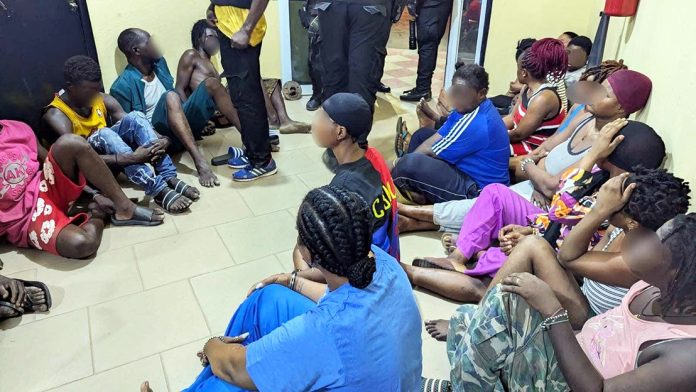
The Inspector-General of Police’s Special Operations Team has arrested 74 suspects in a series of intelligence-led operations targeting narcotics trafficking and other criminal activities in the Upper East Region.

The operations, conducted in Paga and the Navrongo Municipalities, between May 20 and May 22, 2026 led to the retrieval of assorted foreign cigarettes, suspected narcotic substances and motorbikes believed to have been used in criminal activities.

According to the Police, the first operation was carried out on May 20 within the Ghana-Burkina Faso border buffer zone at Paga. The swoop resulted in the arrest of 40 suspects made up of 28 males and 12 females. The suspects comprised 23 Ghanaians, eight Nigerians, six Burkinabés, one Malian and one Togolese national.

Police said exhibits retrieved during the operation included parcels and sacks of suspected narcotic substances as well as five motorbikes suspected to have been used for the distribution of the substances.

In a second operation on May 22, 2026 the Special Operations Team stormed identified criminal hotspots within the Navrongo Municipality, including the Condemned Road Corridor, the “After Six” Spot and the “Lighter Inn” Spot.

That operation led to the arrest of 34 suspects, comprising 32 males and two females. Police also retrieved 11 motorbikes, quantities of suspected narcotic substances and assorted foreign cigarettes during the raid.

The suspects were subsequently arraigned before a High Court on the same day, presided over by His Lordship Justice Ernest Pascal Gemadzie.

Sixteen of the suspects were remanded into Police custody and are expected to reappear before the court on June 4, 2026, while the remaining 22 suspects are currently being profiled for further action.

Police said all the suspects remain in custody assisting investigations as efforts continue to identify and apprehend other individuals linked to criminal activities in the affected areas.


For more news, join The Chronicle Newspaper channel on WhatsApp: https://whatsapp.com/channel/0029VbBSs55E50UqNPvSOm2z
Gold Fields Foundation Targets Emergency Care, Maternal Health In New Investments

0
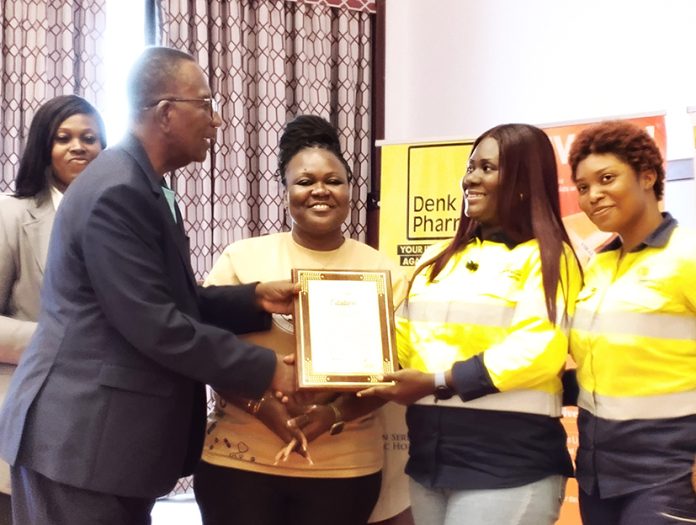
Ayisha Muhammed Aubyn (2nd right) receiving a citation on behalf of GFGF

The Gold Fields Ghana Foundation (GFGF) has announced major new investments in healthcare infrastructure, medical equipment and preventive healthcare programmes as part of efforts to strengthen healthcare delivery in mining communities within the Western Region.

The announcement was made during the Annual General Meeting of the Society of Family Physicians of Ghana (SOFPOG), where the foundation emerged as one of the notable sponsors of the event. An award was presented to the Foundation by SOFPOG for its investment in healthcare delivery and infrastructure.

A presentation delivered by Ayisha Muhammed Aubyn, a Senior Officer at the Foundation highlighted the Foundation’s expanding role in Ghana’s health sector and drew admiration from medical practitioners attending the conference.

Among the key projects announced was the construction of a modern Accident and Emergency Centre at the Apinto Government Hospital. The Foundation also plans to undertake a full renovation of the hospital’s Out-Patient Department (OPD) and provide critical medical equipment to improve emergency healthcare delivery and patient care.

“We are going to fully renovate the OPD department and supply everything needed for efficient service delivery,” Mrs. Aubyn told participants during the presentation. According to her, the interventions form part of broader efforts by the Foundation to improve healthcare access and quality in beneficiary communities.

She explained that the Foundation works closely with Municipal Health Directorates, the Ministry of Health and the Ghana Health Service in implementing its healthcare interventions.

The Foundation is also pursuing plans to establish a long-term medical equipment hub in the Western Region to support health facilities with essential consumables and equipment.

Mrs. Aubyn disclosed that through partnerships with Project Care, an international organization, the Foundation secured three containers of medical equipment and consumables last year, with five additional containers expected this year.

The supplies are expected to support hospitals and clinics struggling with equipment shortages and inadequate logistics. The presentation also highlighted the Foundation’s investments in maternal and adolescent healthcare programmes.

According to the Senior Foundation Officer, the Foundation collaborates with healthcare organizations to improve maternal healthcare services while also implementing adolescent health education programmes in public basic schools across its operational communities.

Under the adolescent health programme, peer educators are trained regularly and tasked to educate fellow students on healthy lifestyles and preventive healthcare practices with support from the Ghana Health Service and the Ghana Education Service.

The Foundation has additionally invested in maternity blocks, staff accommodation facilities and renovations of healthcare infrastructure to improve working conditions for health professionals and service delivery for patients.

Mrs. Aubyn stressed the importance of sustainability in healthcare interventions, urging beneficiary institutions to maintain facilities and equipment provided to them.

“We donate and provide, but facilities must also maintain them so the projects remain sustainable,” she said.

Established to drive sustainable community development in mining communities, the Gold Fields Ghana Foundation has invested more than GH¢109 million in sectors including health, education, water and sanitation. Out of the total investment, over GH¢5.5 million has been directed into healthcare interventions.

The Foundation also undertakes medical outreach programmes, free health screening exercises and health insurance support for vulnerable residents in its catchment communities.

Medical practitioners at the AGM commended the Foundation for its growing contribution to healthcare delivery and preventive healthcare initiatives, especially at a time many health facilities continue to face infrastructure and equipment challenges.

The presentation further underscored the importance of partnerships between the private sector and healthcare institutions in improving healthcare outcomes across the country.


For more news, join The Chronicle Newspaper channel on WhatsApp: https://whatsapp.com/channel/0029VbBSs55E50UqNPvSOm2z
The Ghanaian Chronicle