Home Blog Page 361

We will treat every applicant with dignity- Muntaka

0
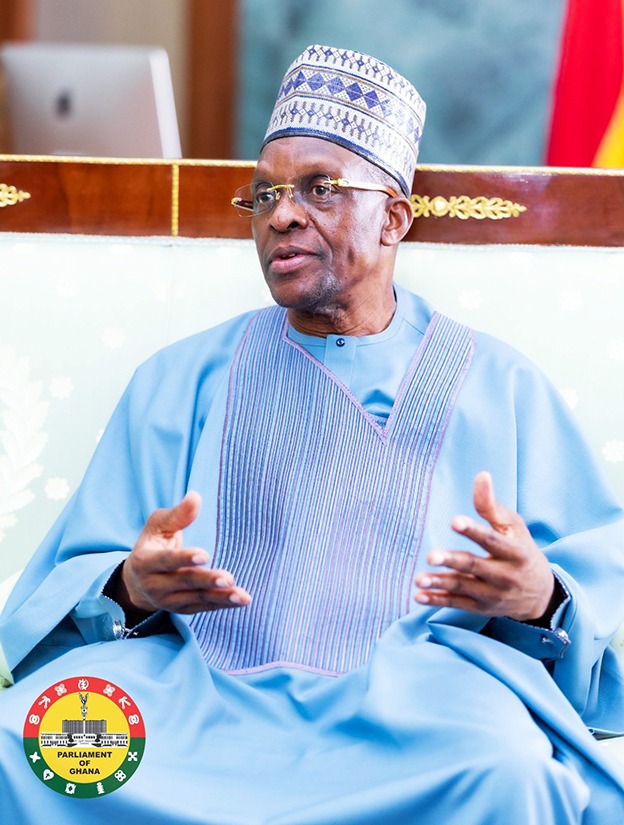
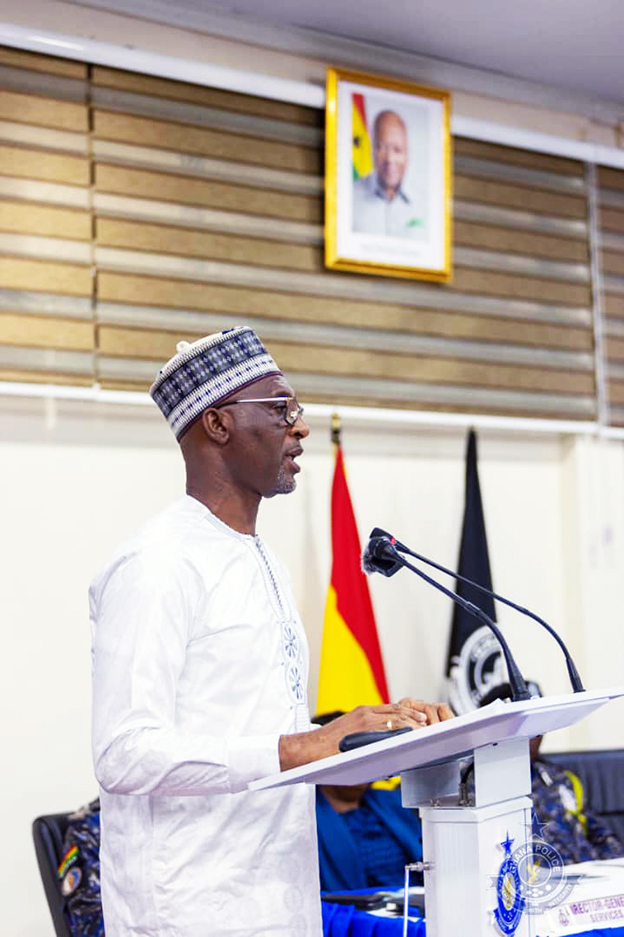
Alhaji Muntaka Mubarack addressing the regional commanders

In the wake of the tragic recruitment stampede at the El‑Wak Sports Stadium that claimed six lives and injured dozens, Minister for the Interior Muntaka Mohammed-Mubarak has laid out a detailed plan of action aimed at restoring public confidence and ensuring safer, fairer future enlistment exercises.

Speaking at a press briefing on Friday, November 14, the Minister began by emphasising the government’s commitment to transparency, accountability, fairness and dignity for all applicants.

“We will ensure that all applicants are treated with dignity and respect. And that the process is conducted in a fair and impartial manner,” he said.
The Minister urged eligible young Ghanaians to view the enlistment drive as an opportunity. “Young people… this is an opportunity to serve your country and make a difference in the lives of others,” he said, as he called for talented, dedicated and patriotic individuals to apply.

Addressing key process reforms, the Minister confirmed that:
• No service (such as the Ghana Prison Service, Ghana Immigration Service or Ghana National Fire Service) will run a heavy screening session alone without adequate logistics.
• Amenities will be improved: canopies, chairs, drinking water and shaded waiting areas will be provided so applicants are not “standing in the scorching sun”.
• Medical screenings, including drug tests, will form part of the process to weed out unfit candidates and protect standards.
On the question of annual or year-round recruitment, the Minister clarified government’s position: despite calls to open portals year-round to reduce congestion and back-logs, he said the logistics, training, capacity and established post limits render continuous recruitment impractical. It is “not a season 35”, he quipped.

Instead, the number of recruits must align with actual approved posts, medical and physical fitness outcomes.

The Minister also reaffirmed the government’s broader extract: that the recruitment portal will clearly publish criteria, and applicants must choose the correct category (professional, craftsman, etc.) before applying to avoid disqualification.

In a brief Q&A, questions were raised on compensation for victims of the stampede, and the Minister acknowledged the matter is being “looked into” but gave no definite commitment in the briefing.
In concluding remarks, the Minister vowed that “this process will go on very seamlessly”, and that in a month’s time the government expects to “report about the numbers and all those things” with no reason for regret.

IGP: Police Searching for Ailing Officer After Family Removed Him from Hospital

0
IGP Mr Christian Tetteh Yohuno

The Inspector-General of Police (IGP), Christian Tetteh Yohuno, has disclosed that the Ghana Police Service is making urgent efforts to locate a police officer who claims in a viral video that he has been abandoned by the Service after accident.

Speaking in an exclusive interview with selected journalists, the IGP described the situation as unfortunate, stating that the Police Administration had not neglected the officer, contrary to his claims.

According to IGP Yohuno, the officer was initially receiving treatment at the Komfo Anokye Teaching Hospital (KATH) after surviving a serious road traffic accident at Asante Mampong, which left him with an ulcerated foot. He was later transferred to the Police Hospital in Accra to continue treatment.

However, the IGP revealed that the officer’s family opted to discontinue his orthodox medical care and sought alternative treatment elsewhere—decisions which, he said, worsened the officer’s condition.

“His claims are not factual. He was receiving full medical attention at Komfo Anokye and later at the Police Hospital,” Yohuno explained. “Regrettably, the family chose other means of treatment, including spiritual care, which delayed the recommended medical procedures.”

He noted that police medical professionals had recommended a course of treatment, including a food and medication programme, aimed at stabilising the officer and preventing further deterioration.

Doctors also warned that undue delays in the recommended procedure—believed to be an amputation below the knee—could lead to a more severe outcome.

“The family rejected the medical advice and insisted on taking him elsewhere. At a point, we even struggled to get his contact number,” the IGP said. “Now his condition appears to have worsened, and the family is signalling that they may want him to return for proper medical treatment.”

The Police Administration, he added, is currently trying to trace the officer’s exact location so that arrangements can be made to bring him back to the hospital if he and his family agree.

“Medical treatment is the only real solution at this stage,” Yohuno stressed. “No one denied him care. He was receiving the necessary treatment until he was taken away without our knowledge. We only became aware of his removal after the video surfaced.”

The IGP said efforts are underway to engage both the officer and his family with the hope of ensuring he receives the urgent medical care he needs.

Dunkwahene, Denkyirahene In Standoff …Over Funeral Regulations

0
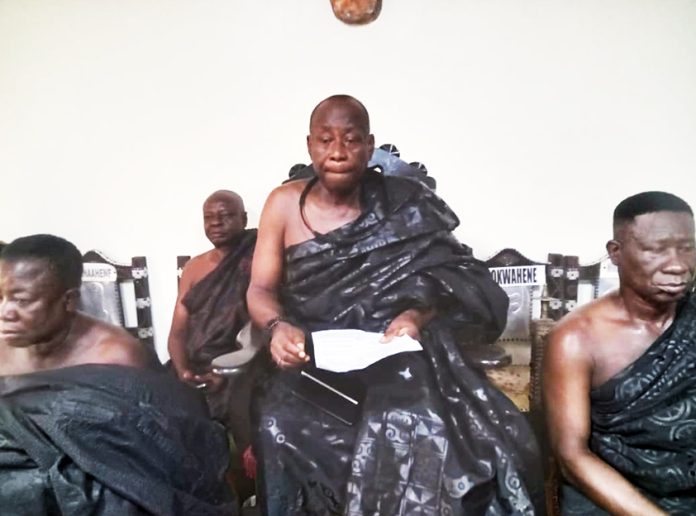
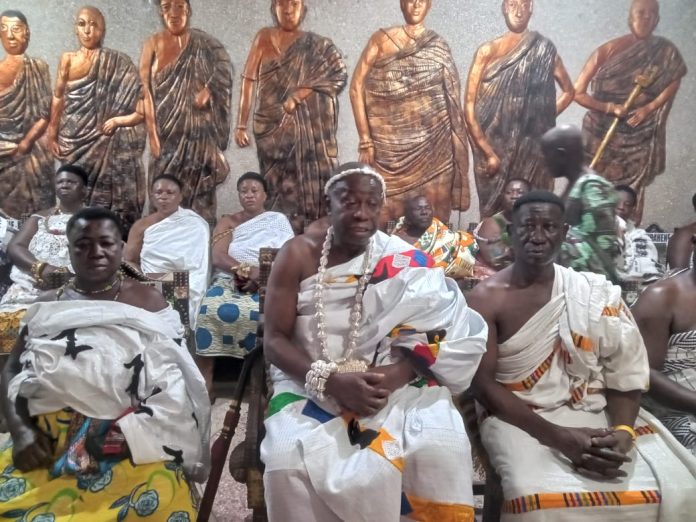
Okofrobour Obeng Nuako III addressing the press conference

Dunkwahene, Okofrobour Obeng Nuako III and the newly installed Denkyirahene, Odeefuo Boa Amponsem IV, seem to be in a standoff over funeral rules and regulations in Dunkwa.

The Dunkwa Divisional Council has, in collaboration with members of the Municipal Security Council, local Pastors and other community stakeholders, instituted guidelines, rules and regulations for the observance of one week and final funeral rites in the community.

Per the arrangement, bereaved families and organisers of such events, particularly for Dunkwa community and not the entire Denkyira State, are not to go beyond 10 am in the case of One Week Observation, while mass funerals are to be organised on monthly basis.

The Dunkwahene flanked by Dunkwa Council of Stool elders at the presser

This decisive stance underscored the authority of local leadership in Dunkwa, highlighting the ongoing effort to balance tradition, community welfare and governance, while preventing unnecessary social and financial burdens on residents.

The concept is also aimed at reducing escalating funeral costs and easing the burden on out-of-town sympathisers who frequently travel long distances on weekly basis to commiserate with bereaved families.

The arrangement is said to have been accepted and worked successfully for some time, until recently, when the Denkyira Traditional Council, presided over by Odeefuo Boa Amponsem V, Denkyirahene, reportedly suggested otherwise and purportedly nullified the instituted Dunkwa funeral arrangements.

The Dunkwa chief and Dunkwa Divisional Council has expressed dismay following the position of the Denkyira Traditional Council, which seems to contradict the Denkyirahene’s maiden address in Dunkwa last week, during which he pledged to unify all Denkyiras under a spirit of collaboration and mutual respect.

Addressing a news conference at Dunkwa on Tuesday, this week, Nana Obeng Nuako, Dunkwahene stated clearly that the town’s funeral rules and regulations are not negotiable and cautioned residents and stakeholders in Dunkwa that the funeral rules and regulations are still in force.

Nana Obeng Nuako emphasised his constitutional authority as the custodian of Dunkwa Stool Lands stressing that the enactment of rules and regulations within his jurisdiction is both lawful and necessary for the orderly management of the town.

“The funeral rules and regulations remain in full force. Any individual or family who flouts   them will not be permitted to conduct funerals in Dunkwa.

“They may either approach the Denkyira Traditional Council for burial arrangements or take the deceased to their hometown,” the Dunkwahene stated.

He further urged all caretaker chiefs (Adikrofo) in Dunkwa to ensure strict compliance of the funeral arrangements within their communities, warning that those who violate them would be sanctioned.

The Dunkwahene further directed that under no circumstances is any person or organization permitted to collect money from residents of Dunkwa without his prior knowledge and consent, except for government-imposed levies by the Upper Denhyira East Municipal Assembly.

Nana Obeng Nuako stressed that all decisions taken by his Council of Elders (Dunkwa Divisional Council) are specifically meant for the development and governance of Dunkwa Township, and should not be construed to apply to the broader Denkyira State.

The Dunkwahene has accordingly notified the Municipal Chief Executive of the Upper Denkyira East Municipal Assembly, the Divisional Police Commander and the Municipal Health Director of the Traditional Council’s entrenched position of the Dunkwa funeral arrangements.

The new Dekyirahene, known in private life as Oscar Mensah Kessie, swore the oath of allegiance to the chiefs and people of Denkyira, as the new Dekyirahene on October 20, 2025.

He succeeds Odeefuo Boa Amponsem III, who passed on in 2015.

From Oswald R. Freiku, Dunkwa-on-Offin


For more news, join The Chronicle Newspaper channel on WhatsApp: https://whatsapp.com/channel/0029VbBSs55E50UqNPvSOm2z

Mahama To Build 2nd ‘Akosombo Dam’

0
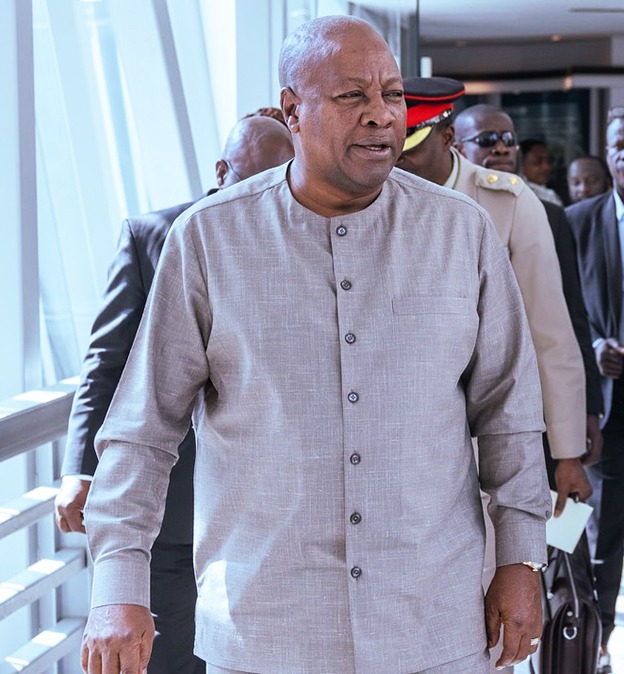
President John Dramani Mahama

Beginning in 2026, the Government of Ghana will commence the construction of a 1,200-megawatt (MW) state-owned thermal power plant to offtake the additional 150 million standard cubic feet of gas per day from the Offshore Cape Three Points (OCTP) partners and the Ghana Gas Processing Plant 2 (GPP 2).

Upon completion, the project will be bigger than Akosombo Dam, which installed capacity is 1,020 MW.

The project, announced in the 2026 Budget and Economic Policy Statement, presented to Parliament by the Minister for Finance, Dr. Cassiel Ato Forson, on Thursday, November 2, 2025 is a central pillar of the government’s “Gas-to-Power Transformation Strategy” aimed at delivering reliable, affordable and cleaner energy for Ghana’s industrial and economic growth.

Dr. Ato Forson said the project would “support the provision of reliable and affordable power and secure Ghana’s energy future.”

The plant, which will be wholly owned by the state, will be powered by locally produced natural gas part of government’s long-term plan to reduce reliance on imported fuel and expensive light crude oil.

The initiative, part of Ghana’s shift to a more sustainable and self-reliant energy system, is expected to cut power generation costs by up to 75 per cent, while aligning with national climate goals.

Gas output from Ghana’s key oil fields is rising, with the Jubilee and TEN partners currently producing about 130 million standard cubic feet daily.

The OCTP partners will add another 150 million standard cubic feet per day, which the GPP 2 facility will process for power generation.

Reviving the Oil and Gas Sector

Ghana’s crude oil production has declined sharply in recent years from 71.4 million barrels in 2019 to an estimated 36 million barrels in 2025. To reverse this trend, President John Dramani Mahama’s administration has secured over US$3.5 billion in new investment commitments to revitalise the upstream petroleum sector.

The government has reached a US$2 billion framework agreement with Jubilee and TEN field operators to drill 20 new wells, and signed a US$1.5 billion memorandum of intent with the OCTP partners to expand production.

Global energy giant Shell has also shown interest in Ghana’s upstream sector, while the Ghana National Petroleum Corporation (GNPC) is expected to begin oil drilling in the offshore Voltain Basin in October 2026.

The Finance Minister said a new regulatory and fiscal framework is being developed to make Ghana’s petroleum regime “more competitive, transparent and stable.”

Expanding Electricity Access

Alongside the new power plant, government will launch the Rural Electricity Acceleration and Urban Intensification Initiative in 2026 to achieve universal access to electricity.

The programme will begin in the Volta, Oti, Savannah and Central Regions before expanding nationwide by 2029.

Through a turnkey model, unserved communities will be connected to the grid while off-grid solar systems will power remote areas.

The Minister said the initiative is a key part of the 24-Hour Economy Agenda, ensuring that “no Ghanaian is left without power.”

Government will also conduct feasibility studies for mini-hydro electric projects on the Red Volta and other river systems to diversify the power mix.

“These reforms from reviving the upstream oil and gas sector to building a national power plant and reforming the ECG will secure affordable and reliable energy for individuals and businesses,” Dr. Ato Forson noted.

Anchoring Growth on Fiscal Discipline

Beyond the energy sector, the 2026 Budget places strong emphasis on fiscal discipline, macroeconomic stability, and sustainable growth. The Minister announced that Ghana’s economy is projected to grow by 4.8 per cent in 2026, with non-oil GDP expected to expand by 4.9 per cent, driven by renewed investment in infrastructure, agriculture, and manufacturing.

Inflation is targeted to remain within eight per cent, while the fiscal deficit is projected at 2.2 per cent of GDP, consistent with the government’s commitment to maintain a primary surplus of 1.5 per cent.

Dr.Forson reported that Ghana’s public debt had dropped sharply from GH¢726.7 billion (61.8% of GDP) in 2024 to GH¢630.2 billion (45% of GDP) by October 2025, the lowest in a decade.

“For the first time in over ten years, Ghana has recorded a negative rate of debt accumulation,” he told Parliament, adding that all major international rating agencies—Fitch, Moody’s, and S&P had upgraded Ghana’s sovereign ratings, citing improved fiscal management and policy credibility.

Key Financial and Tax Reforms

In a major policy shift, the Finance Minister announced the abolition of the COVID-19 Health Recovery Levy, effective 2026.  The levy’s removal, he said, will “put GH¢3.7 billion back into the pockets of individuals and businesses.”

The government also unveiled a comprehensive Value Added Tax (VAT) reform package to make the system fairer and simpler. The measures include: Reduction of the effective VAT rate from 21.9 per cent to 20 per cent; Abolition of VAT on mineral exploration and reconnaissance activities; Raising the VAT registration threshold from GH¢200,000 to GH¢750,000; and

Extension of the VAT zero-rating on locally manufactured textiles to 2028.The Minister explained that these reforms would reduce the cost of doing business by about 5 per cent and return nearly GH¢6 billion in savings to the private sector in 2026.

He also announced the establishment of a Value for Money Office (VfMO) to oversee all major public projects and ensure prudent spending.

The office will certify contracts, enforce cost benchmarks, and coordinate with the Auditor-General and Public Procurement Authority to curb waste. “This reform will save up to GH¢3 billion a year and rebuild public trust,” Dr. Ato Forson said.

Turning Stability into Prosperity

To sustain growth, government plans to invest GH¢57.5 billion in capital expenditure in 2026, its highest in years, with GH¢30 billion earmarked for road infrastructure under the Big Push Programme.

The Accra–Kumasi Expressway and the Adawso–Ekye Amanfrom Bridge are among the flagship projects expected to boost national connectivity and industrial growth.

The Minister said Ghana’s recovery has been “hard-won but real,” describing the 2026 Budget as a bridge from stability to transformation.

“We are not just keeping the lights on. We are lighting the path to industrial transformation, job creation, and inclusive prosperity,” he said.

CJ Approval: How Bagbin Halted Minority ‘Delay Tactics’

0
Speaker of Parliament, Alban Kingsford Sumana Bagbin

The experienced Speaker of Parliament, Alban Sumana Kingsford Bagbin, yesterday truncated the tactful moves by the Minority to frustrate the pre-approval of the nomination of Justice Baffoe-Bonnie as the next Chief Justice.

The minority had already made known they would not support the nomination. However, the majority was not perturbed, due to their large numbers, which met all legal requirements for making decisions in Parliament.

Unyielding, the minority showed signs of its preparedness to activate all the standing orders that could delay and frustrate the majority side in the approval, especially as it was on a day the government wanted to present its budget.

Following the debate on Thursday, November 13, 2025 on the Appointments Committee’s report on the vetting of the CJ nominee, the Speaker put the question for a voice vote, which result the minority challenged.

Under Order 151 (3), the minority first deployed the strategy of calling for a head count, which the Speaker granted, despite objections from the majority.

“At the end of the count, the Ayes [had] 163, the No [had] 69,” Bagbin announced. It would be noted that both side of the political divide were not fully present.

Whereas the ‘super’ majority only marshalled 163, a fall of 26, the ‘mighty’ minority dealt with 69, a deficit of 18.

Leading the plan, the First Deputy Minority Chief Whip, Habib Iddrisu, who had earlier been successful with his call for a head count, now called for a division, arguing that he did not believe in the result.

NOT SUCCESSFUL

At this point, Speaker Bagbin asked for his reason for challenging the result. The member claimed that some ministers who were not MPs were “inside” the chamber during the headcount, which is against the orders.

Speaker Bagbin did not rule out right, but called one of the two ministers to verify or deny the claim, which the Ashanti Regional Minister, Dr Frank Amoakohene, who had attended the proceedings with the Minister for Works and Housing, denied. He told the House that both of them were outside the chamber during the headcount.

Having heard from the minister, Speaker Bagbin ruled by saying, “Honourable Members, it is my view that the division has been unnecessarily claimed.”

The standing orders leave the discretion to the Speaker to determine whether a call for division had been unnecessarily claimed, which discretion the Speaker exercised.

“The motion has accordingly been adopted. This Honourable House has accordingly approved the nomination of Justice Paul Baffoe-Bonnie as Chief Justice of the Republic, in accordance with Article 114, Clause 1 of the 1992 Constitution,” he added.

ARGUMENTS

A cursory observation of the debate and subsequent proceedings on the report of the Appointments Committee on the vetting, last Monday, depicted all sides deploying their arsenals.

Three days after his vetting, the Committee recommended in its report to the House the approval by majority decision. The minority had earlier indicated they would vote en bloc to reject the nomination of the CJ nominee.

The minority wanted the Hansard to capture this record insisting that they were rejecting the nominee based on principle and the fight for judicial independence, but were not permitted, because they kept referring to the legal battles initiated by CJ Torkornoo.

The Speaker told the House that cases filed by CJ Torkornoo were not before the House and urged all debates to be within the report of the appointments committee.

He had cause to direct that debates on the subject he had already ruled on and his ruling not challenged be expunged from the records of Parliament.

The minority, in their debate, referred to the seven separate legal proceedings filed by the embattled former Chief Justice, Gertrude Araba Esaaba Torkornoo, as well as the delay by the Attorney General to file its processes, as it had sought leave of the court for additional time.

The argument of the minority was that it is possible the court may look in the direction of the plaintiff and grant her relief; thus, there is a need to allow all processes to be exhausted before appointing a new CJ.

The minority argued that there was no need “rushing” to appoint a new CJ in the midst of the litigation, as the President had already appointed an acting CJ.

The majority, on the other hand, argued that Parliament could not be estopped from performing its constitutional duty by reason of a proceeding by a different arm of government.

They argued that, should the court rule in favour of the plaintiff, the sitting CJ would have no choice than to obey the decision of the court.

The MP for Effutu, who is the leader, Alexander Afenyo-Markin, the MP for Asante-Akim Central, Kwame Anyimadu-Antwi and the MP for Mampong Akuapem, Samuel Awuku, debated for the minority.

Majority Leader and MP for Bawku Central, Mahama Ayariga; MP for Bolgatanga East and Attorney General Dr Dominic Akurintinga Ayine; the MP for Asawase and Minister for the Interior, Mubarak Mohammed Muntaka also debated for the majority.


For more news, join The Chronicle Newspaper channel on WhatsApp: https://whatsapp.com/channel/0029VbBSs55E50UqNPvSOm2z

Tano North MP Condemns Mass Arrests in Hwidiem

0
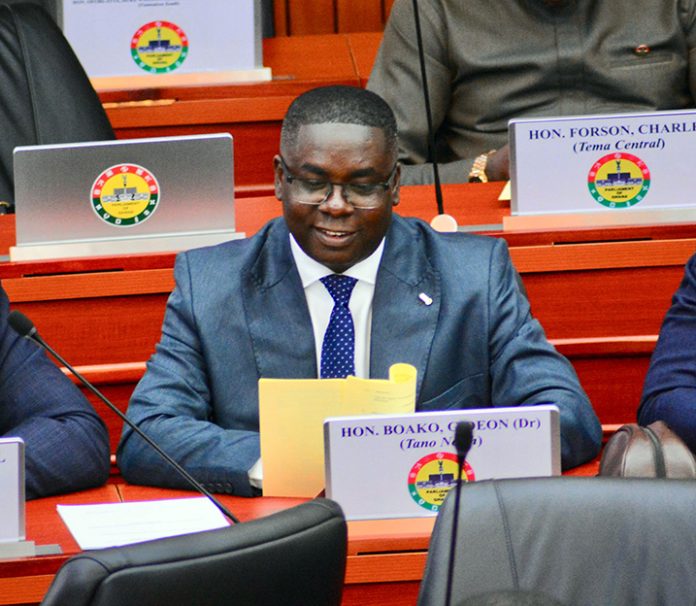
MP for Tano North, Dr. Gideon Boako

Member of Parliament for Tano North, Dr. Gideon Boako, has strongly condemned what he described as “blanket arrests” and “unlawful repatriation” of several residents of the Ahafo Region by security forces, following a violent attack on officials of the National Anti-Illegal Mining Operations Secretariat (NAIMOS) and the Environmental Protection Agency (EPA).

In a statement issued on Wednesday, Dr. Boako said while he fully supports the enforcement of laws and condemns any attacks on state officials performing their lawful duties, the military-led swoop that resulted in mass arrests in the Hwidiem area was excessive and undermines the rights of innocent citizens.

“The principle of natural justice dictates that persons must be treated as innocent until proven guilty. The operation that led to mass arrest without discernible, proper investigation is unacceptable. It risks punishing the innocent alongside the culpable, thereby undermining public trust and creating unnecessary fear and tension within the community,” he stated.

The arrests followed an alleged assault on officials of NAIMOS and the EPA, who were reportedly on an anti-illegal mining (galamsey) operation in parts of the Ahafo Region. In response, security personnel conducted a large-scale swoop in the area, detaining scores of residents, many of whom were later transported to Kumasi in the Ashanti Region for interrogation.

The Member of Parliament for Tano North described the repatriation of the detainees to Kumasi as “deeply troubling,” arguing that it poses severe challenges to the rights and welfare of the affected individuals.

“This action places undue hardship on the arrested citizens and their families, making access to legal representation and basic family support unnecessarily difficult,” the MP said. “Justice must not only be done but must be seen to be done locally.”

He further called for strict adherence to legal and procedural requirements regarding the place of detention, urging that all arrested persons be returned to police facilities within the Ahafo Region, to ensure fairness and transparency.

The Tano North MP also demanded an immediate end to what he called the “blanket arrest approach,” insisting that each case be treated on its individual merit.

“Every individual arrested must be subjected to a thorough, transparent and prompt investigation to establish their individual culpability, if any,” Dr. Gideon Boako said.

“The focus should be on diligently identifying and prosecuting the true perpetrators of the attack, not on subjecting the entire community to collective punishment.”

Dr. Gideon Boako, who also serves as an economic advisor and is widely regarded for his moderation on national issues, emphasised that the rule of law must guide all security operations, even in cases involving serious offenses such as illegal mining or attacks on public officials.

He urged the people of Hwidiem to remain calm and cooperate fully with ongoing investigations, warning against any form of retaliation or violence.


For more news, join The Chronicle Newspaper channel on WhatsApp: https://whatsapp.com/channel/0029VbBSs55E50UqNPvSOm2z

Editorial: Introduction Of Community Service Sentences Is Welcome News

0
Editorial

The Chronicle welcomes the call by Chief Justice Nominee, Justice Paul Baffoe-Bonnie, for the reintroduction of community service sentences, a parole system and the revival of the “Justice for All” programme as part of broader judicial reforms aimed at decongesting Ghana’s prisons.

His proposal is not only timely, but also reflects a deep understanding of one of the most pressing challenges within Ghana’s criminal justice system.

The “Justice for All” initiative, first launched in 2007, was designed to ensure that the rights of remand prisoners were protected and that justice was not delayed indefinitely.

By expediting the hearing of remand cases, the programme sought to address prolonged and often unjustified detentions that have long plagued the system.

Justice Baffoe-Bonnie’s pledge to “reignite and revamp” the programme, therefore, signals a commitment to a fairer and more humane justice delivery process.

The Chronicle shares the concerns expressed by Justice Baffoe-Bonnie and indeed by many Ghanaians about the worsening conditions in the country’s correctional facilities. Reports from the Ghana Prisons Service paint a disturbing picture. Nsawam Prison, built to accommodate 851 inmates, now holds approximately 3,562 people.

Similarly, the Kumasi Central Prison, designed for 416 inmates, currently houses about 1,727. Other regional prisons face similar overcrowding, resulting in dire living conditions that undermine the very purpose of rehabilitation.

We agree with Justice Baffoe-Bonnie that the indiscriminate remand of suspects has been a major contributor to this crisis. Many individuals spend years in custody, awaiting trial for minor offenses, while the slow pace of adjudication and inadequate legal representation further compound the problem. This situation calls for urgent reforms in sentencing and bail practices to ensure that justice serves not only the state but also the individual’s fundamental rights.

The Chronicle strongly supports the introduction of community service sentences and a well-structured parole system as part of these reforms. Community service offers a practical alternative for minor offenders, allowing them to give back to society while avoiding the dehumanising experience of imprisonment. Likewise, a parole system that rewards good behavior can motivate inmates toward genuine reform and ease the burden on the country’s overcrowded prisons.

Beyond these measures, we urge our judges to reconsider the current trend of imposing lengthy prison terms, particularly for non-violent offenses. Sentences should serve as opportunities for correction and reintegration, not as instruments of perpetual punishment. Rehabilitation should be the ultimate goal of any justice system that seeks to uphold human dignity and societal harmony.

The Chronicle believes that the time has come for Ghana to adopt a modern, compassionate approach to justice one that recognizes that imprisonment alone does not guarantee reform. Many former convicts, when given the opportunity, have successfully reintegrated into society and become productive citizens. We must, therefore, create more room for restorative justice, where offenders can make amends and rebuild their lives.

Justice Baffoe-Bonnie’s proposals present an opportunity for meaningful change. By combining judicial reform with a renewed sense of humanity, Ghana can transform its justice system into one that truly serves its people. The revival of the “Justice for All” programme, together with the introduction of alternative sentencing and parole systems, represents a bold and necessary step toward that vision.

The Chronicle fully endorses these initiatives and calls on all stakeholders the Judiciary, Parliament, the Ghana Prisons Service and civil society to lend their full support. Justice must not only be done but must also be seen to be fair, swift and compassionate.

Military Recruitment: Two Charged for Defrauding Public Servant of GH¢600,000 

0
A court gavel

The Circuit Court 8 in Accra, presided over by His Honour Jojo Amoah Hagan, has granted bail to two persons accused of defrauding a public servant of GH¢600,000 under the guise of facilitating recruitment into the Ghana Armed Forces.

The accused, Adjoa Owusuaa Stella, a 31-year-old trader and Marshall Ahorlu, alias Simon Doe Kludzi, a 75-year-old Pensioner, have been charged with conspiracy to commit crime and defrauding by false pretences, contrary to Sections 23(1) and 131(1) of the Criminal Offences Act, 1960 (Act 29).

Their pleas were not taken when they appeared before the court. A1, Adjoa Owusuaa, pleaded with the court for leniency, saying she is a mother, while A2, Ahorlu, urged the court to consider his advanced age, noting that he would soon turn 76 years.

The court granted each of them bail in the sum of GH¢300,000 with two sureties, one of which must be justified.

The case has been adjourned to December 15, 2025.

According to the prosecution, the complainant, Amakye Adjei Aikins, a Public Servant residing at Juaso in the Ashanti Region, reported that A1, who is his niece, called him sometime in 2023, claiming she had become a military officer working at the enlistment office in Burma Camp.

She allegedly told the complainant that she served as Secretary to A2, a supposed senior military officer and that there was an ongoing recruitment exercise in which they could assist interested applicants at a fee.

The complainant, who initially declined, later expressed interest on behalf of his nephews. Subsequently, a person claiming to be the said senior officer contacted him and confirmed the offer.

To reinforce the deception, A1 is said to have sent the complainant a photograph of herself, dressed in military uniform.

Believing the representations to be genuine, the complainant mobilised 120 individuals, including his friends and collectively paid GH¢600,000 into A1’s mobile money account.

However, after receiving the money, both accused persons allegedly failed to honour their promises or refund the funds.

Several attempts by the complainant to recover the money proved futile, leading to a police report and subsequent arrests.

Investigations revealed that A1 admitted to receiving the money and claimed to have handed it over to A2 through cash payments and mobile money transfers.

A2, however, denied knowing A1 or receiving any such funds. Both accused have been arraigned before the court while investigations continue.


For more news, join The Chronicle Newspaper channel on WhatsApp: https://whatsapp.com/channel/0029VbBSs55E50UqNPvSOm2z

Dunkwahene advises drivers to prioritise passenger safety

0
Okofrobour Obeng Nuako III Dunkwahene and Queen mother observe Akwasidae

Okofrobour Obeng Nuako III, Chief of Dunkwa-On-Offin in the Upper Denkyira East Municipality of the Central Region, has urged drivers to prioritise passenger safety and strictly follow traffic regulations as the Harmattan season begins.

Speaking at the 8thAkwasidae celebration at the Obeng Nuako Ahenfie in Dunkwa-on-Offin last Sunday, the chief noted that the harmattan comes with increasing risk of road accident in the mornings, due to heavy dust and low visibility.

He called on motorists to drive cautiously, maintain safe speeds and ensure that their vehicles are roadworthy to handle the dry and dusty conditions.

“Drivers must understand that the safety of their passengers is a sacred responsibility. Reckless driving during harmattan is a danger we cannot afford,” he stated.

The Dunkwahene also appealed to transport unions to intensify public education on road safety, particularly for commercial vehicles. He emphasised the importance of using headlights, keeping safe distances, and avoiding fatigue behind the wheel.

He called on the government through the Ministry of Roads and Transport to consider the rehabilitation of major routes such as Dunkwa–Obuasi, Dunkwa–Ayanfuri, and Dunkwa–Twifo Praso roads to protect lives and enhance local economic activities.

He warned that bad roads not only increase road crashes, but also expose travellers to highway robberies.

From Oswald P. Freiku, Dunkwa

Former GIIF CEO Rejects Claims Sky Train Project Was Rushed Through Board

0
Court

The former Chief Executive Officer of the Ghana Infrastructure Investment Fund (GIIF), Solomon Asamoah, has denied allegations that the Accra Sky Train Project was hastily introduced and approved by the GIIF Board without adequate deliberation.

Testifying through his counsel, Victoria Barth, before the Criminal Division of the High Court, presided over by Justice Audrey Kocuvie-Tay, Mr. Asamoah maintained that the Sky Train project featured prominently in the Fund’s board discussions and was “mentioned not less than eight times” in official minutes.

The denial came during cross-examination of Yaw Odame-Darkwa, the first prosecution witness and a former GIIF board member, on Wednesday.

Mr. Asamoah, the first accused person in the ongoing criminal trial, contended that the project was first presented to the board on September 5, 2018, and subsequently discussed at several other meetings.

According to him, “it cannot be correct for the witness to state that the Sky Train concept was only introduced at one of our board meetings,” adding that official records show multiple deliberations on the subject.

During the proceedings, the defence meticulously walked Mr. Odame-Darkwa through a series of questions to establish standard board procedures — including how meeting notices, agendas, and board documents were circulated via email by the board secretary or legal head.

The witness confirmed that meetings were properly convened, minutes were duly adopted, and all correspondence related to board and sub-committee meetings were routinely shared through official email channels.

The defence then tendered into evidence several minutes of GIIF board meetings — all signed by the board chairman and secretaries — from September 2018 through December 2020, which contained references to the Sky Train project.

These included meetings held on: September 5, 2018, October 24, 2018, June 25, 2019, November 19, 2019, January 8, 2020, April 28, 2020, September 25, 2020 and December 22, 2020

Mr. Odame-Darkwa admitted that he was shown these same board minutes during investigations by the National Intelligence Bureau (NIB), and confirmed his signatures on statements he provided to investigators in March 2025 regarding the $2 million payment made in connection with the Sky Train transaction.

The defence argued that these minutes prove the project underwent repeated discussions and that Mr. Asamoah acted within the board’s approval framework.

However, under questioning from the prosecution, the witness maintained that while the minutes mention the Sky Train project, they do not necessarily reflect what transpired during the meetings, insisting that certain procedural steps were not properly followed before the disbursement of funds.

Prosecutors alleged that the Sky Train investment did not meet GIIF’s due diligence and approval standards.

The witness emphasized that no formal presentations were made to the Investment Committee and that the project did not pass the “Know Your Customer” and risk assessment stages required for such foreign transactions. The court subsequently adjourned proceedings to November 19, 2025, at 10 a.m. for continuation.

The following is the cross examination of the prosecution witness

Q. How many years did you spend on Wenchi Rural Bank Board?
A. From 2010 to 2020.
Q. How many years did you serve on the Farmers Trust Company?
A. It is my own private company am I still serving on the board, but I don’t recollect the exact date of registration.

Q. How many years did you spend on the board of Apex Bank?
A. 7 years.
Q. So you are very familiar with how board meetings are scheduled, are you not?
A. Yes.

Q. The board of GIIF met at least once every quarter, is that correct?
A. Yes.
Q. Sometimes the board had emergency meetings between the quarterly meetings, is that not so?
A. Yes.

Q. Before every board meeting notices were circulated with the agenda, the date and the venue and time of the upcoming meeting, is that correct?
A. Yes
Q. During your term on the board, notices of meetings were usually circulated by email, is that correct?

A. Yes, my Lady.
Q. And the notices were circulated by either acting board secretary, Kofi Boakye or the head of legal and company secretary, Ms. Harriet Aban, is that correct?
A. Yes my Lady.
Q. The document that would be considered in respect of the agenda for the board meetings were also circulated by email, is that correct?

A. Yes.
Q. And these board pacts or documents were circulated via email by the first accused, is that correct?
A. Not always.

Q. who else would send the board pacts?
A. When Kofi Boakye was acting secretary, he would sometimes send the board pacts and when Harriet Aban also took over she also sometimes sent them.
Q. In the same way notices of board sub-committee meetings were also circulated by email?

A. Yes.
Q. I’m the case of the notices of the board sub-committee meetings they were sometimes circulated by the secretaries to those committees. Is that correct?
A. Yes my Lady.

Q. Your copies of the notices of board and board sub-committee meetings were sent to either one of these two email addresses: yawodame74@gmail.com or godsoown@yahoo.com, is that correct?

A. Yes my Lady
Q. It is also correct that from time to time, you acknowledged receipt of the notices of board and board sub-committee meetings that were sent to you by email. Is that correct?
A. Yes my Lady
Q. In the same manner minutes or board meetings about board sub- committee meetings were circulated to board members by email. Is that correct?

A. Yes my Lady
Q. This minutes were usually adopted at subsequent board meetings or board sub-committee meetings respectively, after necessary corrections were done. Is that correct?
A. Yes my Lady.

Q. It is after the adoption of such minute that the secretary (Kofi Boakye or Harriet Aban) will then sign the adopted minute with the board chairman, the second accused herein. Is that not so?
A. Yes my Lady.
Q. On 11th March, 2025, you were invited to the National Intelligence Bureau, is that correct?

A. Yes.
Q. Prior to this invitation nobody had contacted you about any unlawful activity of the GIIF board during your term in the board. Is that correct?
A. Yes my Lady.
Q. On 11th March, 2025 you gave a written statement to the NIB regarding the payment of $2 million in respect of the Sky Train transaction, is that correct?

A. Yes my Lady.
Q. Please confirm that the document you have in your hand is that statement in your handwriting.
A. Yes

Q. The statement bears your signature in the bottom right corner of the last word you write, is that correct?
A. Yes my Lady.

Counsel. My Lady respectfully we wish to tender this statement through the witness.

Court: Tendered without any objection.

Q. You gave a second statement to the NIB on 12 March, 2025. Is that correct?
A. Yes my Lady.
Q. Take a look at this document and confirm that it is your second written statement to the NIB win your handwriting and with your signature.
A. Yes my Lady.

Counsel: I wish to tender the document as an investigation caution statement given by the witness on 12 March, 2025.

Court: Exhibit admitted without objection.

Q. Again on 23rd May, 2025 you gave another statement to the NIB. Did you not?
A. That is so.
Q. Do you see your handwriting on the document from name, residential address, postal address and occupation?
A. Yes.
Q. But the rest of the documents is in a different hand writing, is it not so?
A. Yes.

Q. So, did you make that statement or not?
A. I don’t see my signature on it so I cannot speak to it.
Q. So, despite your handwriting appearing on the document, are you saying that you do not wish for this court to rely on that document as a statement you gave?
A. My lady I don’t have that power.

Q. The document in your handwriting has been presented as part of documents that the prosecution obtained from the lead investigator of the Sky Train transaction and which document the prosecution intends to rely on as evidence in this suit. This documents is ascribed to you and I simply need you to confirm whether you made it or not. If you do not remember you may say so.

A. I do not remember.
Q. Have a look at exhibit 1 and read it to the court.
A. I am Yaw Odame-Darkwa. I was a board member from 2017 to 2020. I have been asked about my knowledge about the Sky Train Project. I only found about the payment of the 2 million in the Auditor General ‘s report. The payment should have been sent for board approval. The minute referred to is not a true reflection of what happened in the Sky train matter. At all time I acted in the best interest of Ghana and would never grant approval without due diligence.

Q. You will agree with me from your own reading of exhibit 1 that there were some grammatical errors.
A. Yes.
Q. You must have been nervous when you were making this statement.
A. Yes.

Q. You referred in line 11 to 14 in exhibit 1 “the minute referred to at the instant of the meeting is not a true reflection of what in the Sky train matter at all times.” Which minutes were you referring to?

A. I remember I wrote this statement after we had gone through some level of interrogation at the NIB then in the course of the interrogation counsel for first accused brought out one of our minutes arguing that it shows that we had given fist accuser approval in the Sky train project and also to disburse $2 million towards the project.

That is what I was speaking to that the minute that he was trying to refer to as approval and payment for the project was not a true reflection of what happened at that particular meeting he was referring to.

Q. It is not correct that counsel for the first accused was present on 11th March, 2025 when you were interrogated at NIB when you made the statement in exhibit 1.
A. When I said counsel for first accused, I don’t mean the current counsel. What happened was that he showed us some board minute to refresh our memory of things that happened in the matter and one of the minutes sought to create the impression that the board actually approved the transaction and disbursement of funds.

My Lady, I said so because we had a process and from all indications this transaction did not meet the level at which the board will give approval for the disbursement of funds.

First of all, when the project comes to GIIF, it goes to management and management will decide whether or not to refer such project to the investment committee. When the project comes to the investment committee the first thing is the invite the people behind the project to make a presentation of how they want to do the project.

Seriously, this is the only project I can say I don’t know any of directors. They did not make any presentation to the investment committee. So my Lady if I say the CEO did not have approval it means the basic steps to even get the board to approve have not been followed.
Secondly, my Lady, basic know your customer care was not done.

Thirdly, the board would not have allowed for the money to be transferred outside the jurisdiction if we had been informed before disbursement and I can give you one transaction, which is the cardinal resources, Nambini. The CEO sought the approval of the board to invest in that project to invest in… he wanted us to invest in the Australian stock market.

We agreed to do the project, but we changed the structure of investing outside because we know that as soon as money went outside the country, it was difficult to trace such money. So the board had a clear directive when it came to disbursing money out of the jurisdiction. Even though they approved the project and disbursement, we made sure the money stayed here.
That is why I’m very sure that we did not approve investment in the Sky train project out of Ghana and that we would have enhanced the know your customer requirement…

Q. You have just informed this court that “they showed us some board minutes”. When you said “they” you meant the investigating officers and not the first accused former counsel.
A. It is very possible.

Q. The minutes that were shown to you were minutes of the board of GIIF during your tenure as a board member, which referred to the Sky train project. Is that not so?
A. If you have it, let me see.
Q. Very well, I will show you some board minutes of the meetings of the GIIF board, which the prosecution intends to rely on and which refer to the Sky train project.

First is dated 5th September 2018. Minutes of an emergency meeting of the GIIF signed by the board chairman and Kofi Boakye. Please confirm if this was one of the minutes shown you at NIB.
A. Yes.

I wish to tender the minute through the witness who is listed as attendee on the minute.

Q. Minutes of GIIF board meeting held on 24 October 2018, signed by the board chairman and Kofi Boakye, then acting secretary. Please confirm if this minute was shown to you at NIB.

A. Yes.
Q. Next I will show you the minutes of the board of GIIF dated 25 June, 2019, signed by the chairman and Harriet Aba, company secretary. Please confirm if this was also shown to you at the NIB.

A. Yes.
Q. I’m now showing you minutes of the GIIF board meeting held 19 November 2019 and signed by the board chairman and company secretary, Harriet Aban. Please confirm if this was shown to you at the NIB.

A. Yes
Q. Minutes of the GIIF board held 8th January, 2020 and signed by the board chairman and Harriet Aban.
A. Yes.

Q: Take a look at the GIIF board meetings on April 28, 2020 signed by Chairman and Secretary. Confirm if these minutes were shown to you?
A: Yes
Q: Take a look at GIIF board minutes of 25th September, 2020 signed by board Chairman and company secretary and confirm if they were shown to you at the NIB?

A: Yes
Q: Take a look at GIIF board meeting minutes on 22nd December, 2020, signed by board chairman and secretary and please confirm whether it was shown to you?
A: Yes
Q. You will agree with me that I have shown you at least eight board minutes, which refer to the Sky Train project, would you not?

A. Yes.
Q. So it cannot be correct when you say in paragraph 11 of your witness statement filed on 23rd June, 2025 that the Sky train concept was only introduced at one of our board meetings.
A. No. My Lady, the minutes that you showed me also have other projects also being repeated.

Counsel: This is a witness who said the minutes do not reflect what transpired in the Sky train project. He was shown these minutes at the NIB. Let’s not forget the fact that the life of a man hangs in the balance. If he needs time to refresh his memory, we can adjourn.

Case adjourned to November 19 at 10am.


For more news, join The Chronicle Newspaper channel on WhatsApp: https://whatsapp.com/channel/0029VbBSs55E50UqNPvSOm2z

The Ghanaian Chronicle