Home Blog Page 329

Widow demands compensation over alleged gov’t encroachment on land

0
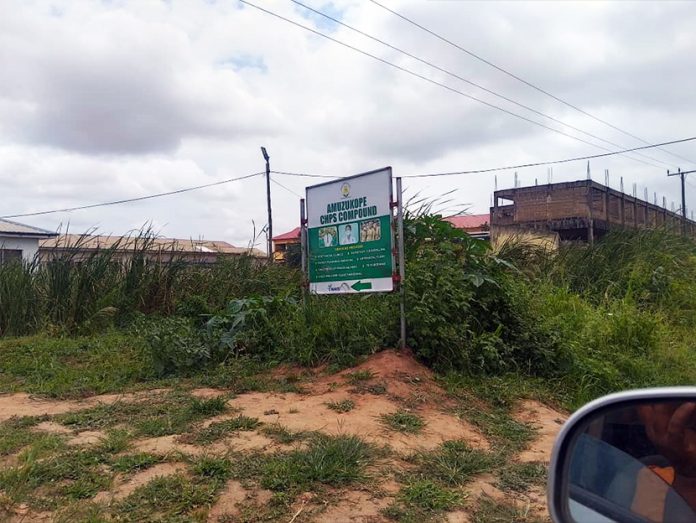
The disputed land

A widow in her late 60s, Rebecca Ayikaikor Tagoe, is appealing to the government to compensate her for what she describes as the unlawful takeover of her land for public projects at Ngleshie-Amanfro in the Ga South Municipality.

According to Madam Tagoe, portions of her eight plots of land at Amuzukope, Ngleshie-Amanfro have been used for the construction of a community school, public toilet and a CHPS compound without proper compensation or formal engagement with her.

She said despite several petitions to authorities, her plea has not been addressed, leaving her distressed and financially strained.

“I believe there is law in this country and no one is above the law,” Madam Tagoe stated, insisting that her right to fair compensation must be respected.

Madam Tagoe alleges she has petitioned the Ga South Municipal Assembly (GSMA) several times, since 2020, without success. She said she has also reported the matter to the police and other state agencies.

Among the offices she petitioned include the Ngleshie Amanfro Police, Weija Tollbooth Police Station and the Divisional Command.

In December 2021, she escalated the matter to the Inspector-General of Police, the Greater Accra Regional Police Command and the Chief Director of the Regional Coordinating Council.

Her most recent petition, dated May 31, 2023 was addressed to the Director-General of the CID, with copies to the Auditor-General, the Minister for Special Development Initiatives (MSDI), the Minister of Health and the Minister of Education.

She claims investigations are ongoing, but some individuals invited to assist, including persons she identified as Mr. Mensah, Isaac Mensah and Rachel Nortey have allegedly failed to honour police and assembly invitations.

Madam Tagoe insists she is not opposed to public development on the land but wants due process followed and compensation paid.

She also argues that the development has encouraged trespassers to encroach further on her property.

She further indicated willingness to resolve the issue amicably, especially because clients who purchased parcels of the land from her prior to the encroachment are awaiting clarity and settlement.

“I would be pleased for an amicable settlement with the authorities,” she noted, adding that she only seeks fairness and the right to reclaim or be compensated for her land.

Awaiting Government Response

Attempts to get official comment from the Ga South Municipal Assembly were unsuccessful at the time of filing this report.

Madam Tagoe says she hopes government will intervene to “thoroughly investigate” the matter and ensure justice is served.

She maintains that proper documentation exists to prove ownership of the land and is urging authorities to uphold the rule of law.


For more news, join The Chronicle Newspaper channel on WhatsApp: https://whatsapp.com/channel/0029VbBSs55E50UqNPvSOm2z
Ghana Gas Unveils Bold Infrastructure Plans to Boost National Energy Security

0
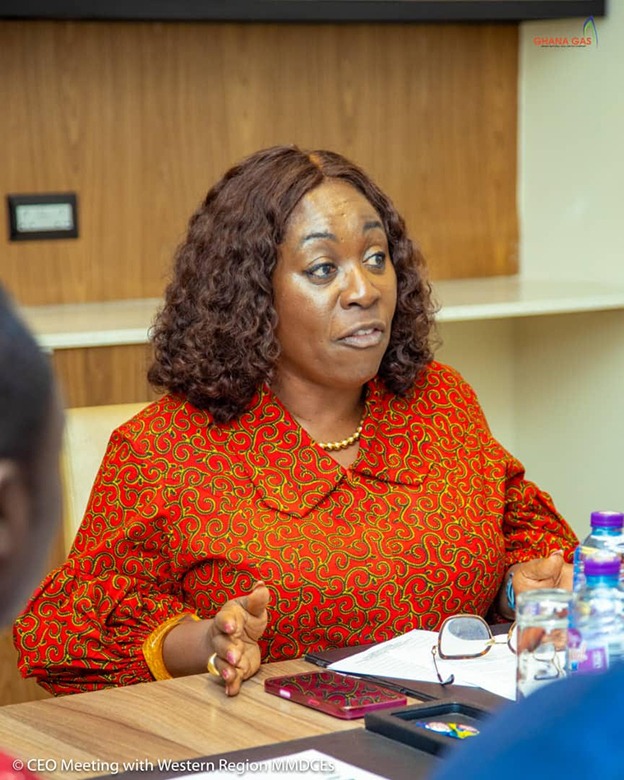
CEO of Ghana Gas, Judith Ajoba Blay

Ghana National Gas Company (Ghana Gas) has announced a series of strategic infrastructure projects aimed at strengthening the country’s gas evacuation and processing capacity, as part of efforts to sustain national energy security and drive industrial growth.

In a speech read on her behalf at the 2025 Local Content Conference organized by the Petroleum Commission in Takoradi recently, the Chief Executive Officer (CEO), Judith Ajoba Blay reaffirmed the company’s commitment to advancing Ghana’s energy agenda through innovation, collaboration and indigenous participation.

According to her, Ghana Gas remains a critical midstream player in the petroleum value chain, ensuring the continuous production and supply of raw gas that sustains crude oil production and powers key industries.

“Beyond the existing Western Corridor Gas Infrastructure, Ghana Gas has mapped out several strategic projects, including the Takoradi–Tema Pipeline, Gas Processing Plant (Train II) and the Mainline Compressor Project,” he disclosed.

These projects, he said, are designed to enhance gas evacuation capacity, improve operational reliability, and guarantee consistent gas supply for both domestic and industrial use.

However, the company noted that the success of these projects depends largely on a steady supply of raw gas from the upstream producers.

The Deputy CEO, therefore, urged government, regulators and investors to collaborate closely to ensure long-term feedstock security for Ghana’s gas infrastructure.

Touching on local participation, he highlighted Ghana Gas as a model for indigenisation in the oil and gas sector.

“Ghana Gas is 100 percent operated by indigenous professionals — every single employee of our company is a Ghanaian,” she said, adding that local contractors are now executing complex engineering and technical tasks that were once the preserve of foreign firms.

She described this development as a testament to Ghana’s growing capacity and confidence in managing its own energy assets.

The CEO further stressed that empowering local content must go beyond regulatory compliance, calling it a “strategic pathway” toward national development, job creation and technology transfer.

“When effectively implemented, local content ensures that the true value of our natural resources remains within our borders,” she noted and commended the Petroleum Commission for its leadership and consistency in championing local content over the past decade.

She urged all industry players to support its efforts to make local participation a tangible, measurable reality.

“Together, we can ignite a new era for Ghana’s energy future, one powered by innovation, strengthened by partnership, and sustained by the ingenuity of our own people,” he concluded. 


For more news, join The Chronicle Newspaper channel on WhatsApp: https://whatsapp.com/channel/0029VbBSs55E50UqNPvSOm2z
GH¢685.8m Agenda 111 Projects Suspended Pending Validation

0
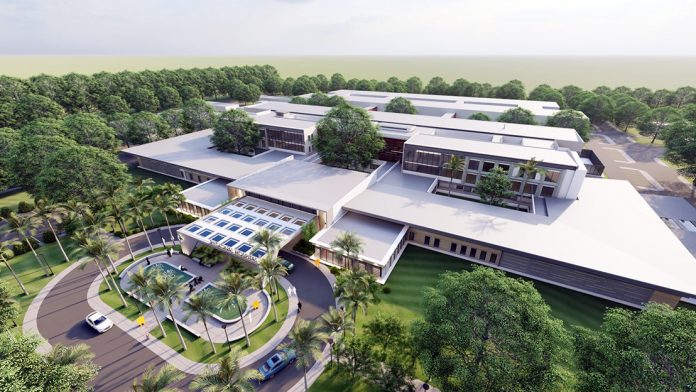
Drawings for Agenda 111 Regional Hospitals

At least 175 health infrastructure projects under the erstwhile government’s ambitious Agenda 111initiative have been suspended pending validation, following an audit of outstanding financial commitments by the Auditor-General’s Department.

The projects, collectively valued at GH¢685,850,934.20 are currently on hold as government reviews the legitimacy of the claims submitted for payment.

The revelation is contained in a report published by the Auditor-General, in collaboration with PricewaterhouseCoopers (PwC) and Ernst & Young (EY), after an extensive audit of financial commitments and claims from various Ministries, Departments and Agencies (MDAs) as of December 31, 2024.

The Auditor-General, Johnson Akuamoah Asiedu, explained that the audit was part of efforts to sanitise the public financial system and prevent illegitimate payments.

According to him, the Finance Ministry had submitted a list of commitments, claims and Bank Transfer Advices (BTAs) to be verified before any funds are disbursed.

“This exercise is to ascertain the legitimacy of the claims and BTAs before committing to pay them,” the Auditor-General stated in the preamble to the report.

He added that contractors, suppliers and implementing agencies were all engaged in the validation process, which began in May 2025 and ended in October 2025.

The suspended projects span nearly every region of the country and include district and regional hospitals, psychiatric facilities and specialised medical centres – core components of the government’s flagship ‘Agenda 111’ health infrastructure programme aimed at improving access to quality healthcare across Ghana.

Some of the high-value projects under review include: The construction of a regional psychiatric hospital in Kumasi by Kodrill Resources Ltd at GH¢13.2 million.

The supply and installation of medical gas systems by Lifecare Technology and Rikair Company Ltd, valued at GH¢31.5 million and GH¢35.1 million respectively.

District hospital projects in Ningo-Prampram, Kwahu Afram Plains, Wa East, and Atwima Mponua, each valued between GH¢5 million and GH¢10 million.

In the Western Region, CRCEG Ghana Ltd’s GH¢7.4 million claim for the construction of the Mpohor District Hospital remains unvalidated, while in the Ashanti Region, multiple contractors such as Antgya Ghana Ltd, Okwahou Logistics & Construction Ltd, and Reliance Logistics & Construction Ltd have pending claims for hospitals in Nyinahin, Trede and Atwima Mponua.

Similarly, in the Volta Region, EON Engineering Solutions Ltd and Top International Ltd are seeking payments exceeding GH¢15 million combined for projects in South Dayi and Ho West districts.

According to the report, all pending claims must be justified by November 7, 2025, after which any unverified commitments will be permanently expunged from the government’s arrears and commitments register.

This means affected contractors risk forfeiting payment if documentation and physical verification do not support their claims.

The report emphasizes that the validation exercise is a transparency and accountability measure designed to prevent wrongful payments and ensure that public funds are spent responsibly.

“This publication grants you the opportunity to contest or query the details published by submitting justifications, including all relevant documentation, through the implementing Ministries, Departments, and Agencies to the Ghana Audit Service for final validation,” the Auditor-General’s notice stated.

The Agenda 111 initiative, launched in 2021, aimed to construct 101 district hospitals, seven regional hospitals, two psychiatric hospitals and the redevelopment of the Accra Psychiatric Hospital, among others.

While the programme was heralded as a transformational step toward equitable healthcare delivery, delays and funding concerns have persistently dogged its progress.

Public reaction to the suspension of the 175 projects has been one of growing concern, particularly among communities expecting new hospitals.

Some stakeholders fear the indefinite freeze could exacerbate healthcare access inequalities, especially in rural and underserved districts.

A civil society budget analyst, who spoke to The Chronicle on condition of anonymity, said the report reinforces calls for stricter procurement oversight and project monitoring.

“When hundreds of millions of cedis worth of health projects are suspended over validation issues, it shows weak coordination and poor transparency in public infrastructure management,” the analyst said, adding “we must ensure these projects don’t become abandoned sites.”

The Public Accounts Committee (PAC) of Parliament is expected to scrutinise the report, inviting the Ministry of Health and Ministry of Finance to provide clarifications on the suspended Agenda 111 payments.

Meanwhile, contractors affected by the pending validation have been urged to provide all necessary documentation to facilitate speedy resolution and continuation of the projects.

If validated, the GH¢685.8 million could represent a major release for Ghana’s health infrastructure, but until then, the fate of the 175 projects and the communities that desperately need them remains uncertain.


For more news, join The Chronicle Newspaper channel on WhatsApp: https://whatsapp.com/channel/0029VbBSs55E50UqNPvSOm2z
Transforming Urban Ghana: Evidence-Based Solutions For Sustainable, Clean, And Resilient Cities

0
The City of Accra

Mr. Speaker,

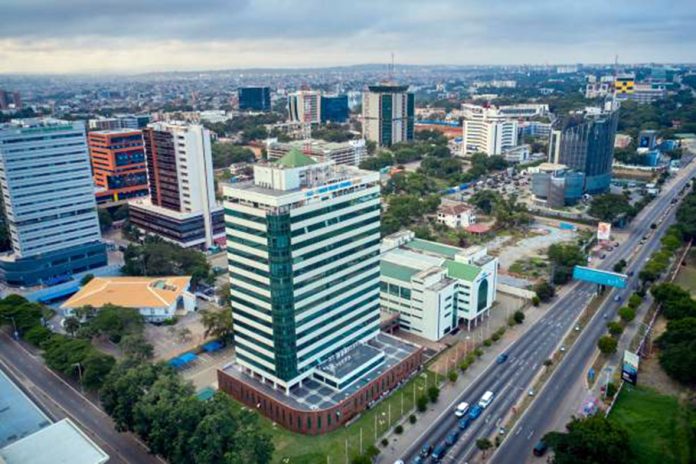
  1. There comes a defining moment in the life of every nation when progress can no longer be measured by the grandeur of its skylines or the length of its highways, but by the harmony it achieves between humanity and nature. Ghana stands today at that crossroads. Our cities — once symbols of vitality and promise — are straining under the weight of their own success. The streets of Accra, Kumasi, Takoradi, and Tamale throb with energy and ambition, yet beneath this vitality lies a deepening crisis of congestion, pollution, and urban neglect.
  2. Across the world, cities have become the beating hearts of national economies — magnets of opportunity, innovation, and growth. Ghana is no exception. From Accra to Kumasi, Tamale to Takoradi, our cities are expanding at a pace that outstrips our ability to manage their environmental, social, and infrastructural demands.

    Ho

Mr. Speaker,

  1. According to the Ghana Statistical Service (2021), over 56.7% of Ghanaians now live in urban areas, up from 50.9% in 2010. By 2030, that number is projected to surpass 60%, placing immense pressure on land, water, air, and housing. While cities contribute over 70% of Ghana’s GDP, they also generate more than 12,000 tonnes of solid waste daily, of which only about 70% is collected and even less is properly treated. The World Bank (2020) estimates that poor sanitation, pollution, and waste mismanagement together cost Ghana nearly 3% of GDP annually—a staggering economic loss that directly undermines public health, productivity, and tourism.

Mr. Speaker,

  1. Urban air quality, particularly in Accra, has reached critical levels. The Environmental Protection Agency (EPA, 2023) attributes about 40% of Accra’s PM2.5 air pollution to road transport emissions. This makes respiratory diseases among the top five causes of outpatient visits in the Greater Accra Region. As Ghana’s urban population swells, unregulated vehicular emissions, congested markets, unmanaged waste, and disappearing green spaces are eroding the liveability of our cities.
Sunyani
  1. If this trajectory continues unchecked, by 2040, Accra could host more than 7 million people, living amid worsening traffic congestion, frequent flooding, rising temperatures, and declining air quality. The cost to the national economy — and to the wellbeing of future generations — will be incalculable.

Learning from Global Examples: Pathways to Urban Renewal

Mr. Speaker,

  1. Ghana is not alone in facing these challenges. Many nations have walked similar paths and charted transformative blueprints that now serve as beacons of possibility. Kigali, Rwanda stands as a leading African example. Once plagued by disorganized growth, Kigali implemented a strict urban master plan (2020/2050) anchored in sanitation enforcement, efficient waste collection, and green public spaces. Today, Kigali is recognized as one of Africa’s cleanest and most orderly capitals, attracting tourism and sustainable investment. Its success lies in political will, community participation, and citywide enforcement — three ingredients Ghana can replicate within its Metropolitan and Municipal Assemblies.


Mr. Speaker,

  1. In Singapore, Asia’s urban miracle rests on meticulous planning and integration of green design into the urban fabric. Its “City in Nature” strategy under the Green Plan 2030 has increased urban greenery, expanded public transport electrification, and promoted “15-minute neighbourhoods” where residents can live, work, and relax within walking distance. Ghanaian cities, particularly Accra and Kumasi, can adapt this approach by legislating mandatory green quotas in new developments, incentivizing rooftop gardens, and linking urban planning with public health and climate action.

Mr. Speaker,

  1. Copenhagen, Denmark offers Europe’s most enduring model of sustainable urban mobility. By investing in protected cycling lanes and pedestrian-friendly infrastructure, the city has made cycling account for over 35% of all daily trips. Air pollution levels have dropped dramatically, and public satisfaction with urban life remains among the highest in the world. For Ghana, this translates into the urgent need to create non-motorized transport corridors and Bus Rapid Transit (BRT) systems to reduce congestion, improve health, and cut carbon emissions.

Contextualizing Ghana’s Path Forward

Mr. Speaker

  1. The solutions to Ghana’s urban crisis are within reach — practical, measurable, and achievable with coordinated policy leadership and public accountability. First and foremost, greening our cities must become a cornerstone of national urban policy. Metropolitan Assemblies can increase tree canopy cover by 10–15% within the next decade and reserve at least 12% of new development areas for green and open spaces. Pocket parks and river buffer zones can transform flood-prone areas into ecological assets that also serve as public recreation spaces.
Bolgatanga
  1. Secondly, Ghana must transition toward clean and inclusive urban transport. This requires modernizing tro-tro fleets, piloting electric buses on major corridors like Kasoa–Accra and Adum–Sofoline, and expanding pedestrian and cycling infrastructure. Cleaner mobility will directly reduce air pollution, improve productivity, and align Ghana’s transport sector with its Nationally Determined Contributions (NDCs) under the Paris Agreement.

Mr. Speaker,

  1. Furthermore, we must decongest public spaces such as markets and lorry terminals through structured spatial planning. Establishing multi-level market complexes, reorganizing trading zones, and scheduling delivery hours can ease congestion while protecting livelihoods. Modern terminals at the city peripheries, supported by feeder buses, can further declutter the urban core.
  2. Moreover, urban health and settlement planning must place people at the centre. Integrating sanitation, clinics, and schools within walking distance — the “15-minute city” model — can reduce inequality and health risks.


  1. Finally, proper waste management is indispensable. Ghana should move from collection-only systems to a circular waste economy—with recycling cooperatives, material recovery facilities, and composting plants that create green jobs while safeguarding the environment. Achieving a 50% diversion from landfill by 2030 is both feasible and economically smart.

A Call to Leadership and Vision

Mr. Speaker,

  1. The future of Ghana’s cities will not be determined by chance, but by the courage of our choices. If we build without foresight, we will inherit congestion, pollution, and decay. But if we build with purpose — guided by ecological wisdom, justice, and innovation — we will create cities that breathe, move, and heal.


  1. Let us therefore chart a bold national agenda for Green, Healthy, and Inclusive Cities — one that harmonizes economic ambition with environmental stewardship and transforms Ghana’s urban spaces into symbols of resilience and pride. Like Kigali, Singapore, and Copenhagen, our success will depend not on the size of our budgets, but on the strength of our vision and the discipline of our governance. Ghana stands ready for this transformation. The time to green our cities — and secure the wellbeing of generations to come — is now.

Mr. Speaker,

  1. The destiny of our cities is the destiny of our nation. The choices we make today will echo far beyond this generation. We can continue to build without conscience — piling concrete upon concrete — or we can build with wisdom, crafting cities that reflect the balance between progress and preservation, ambition and accountability.


  1. History teaches us that cities are not merely physical spaces; they are moral statements about who we are and what we value. Kigali has shown that discipline and civic pride can transform a city once burdened by its past into a beacon of order and cleanliness. Singapore demonstrates that foresight and integrated planning can turn a small island into one of the world’s most liveable urban landscapes. Copenhagen reminds us that sustainability and modernity can coexist, that clean air and economic vitality are not opposites but partners.

Mr. Speaker

  1. Ghana too can chart this path — if we green our streets, reform our transport, manage our waste wisely, and plan our settlements with human dignity at their core. Let this House and this generation be remembered as those who refused to accept decay as destiny. Let us be remembered as the stewards who planted trees of foresight, built corridors of equity, and designed cities of hope. For in the final measure, the true greatness of a nation is not found in its monuments of steel, but in the livability of its cities and the sustainability of its soul.

By Hon. Annoh-Dompreh Frank, Minority Chief Whip

Ashanti Coordinating Council promises to reclaim degraded lands and forest reserves

0
Isham Alhassan, Ashanti Regional Political Coordinator

The Ashanti Regional Coordinating Council (ARCC) has reaffirmed its commitment to partnering with the government to reclaim all degraded lands and forest reserves in the region. Mr. Isham Yaw Alhasaan, the Ashanti Regional Political Coordinator in charge of Governance at an orientation programme explained that the initiative was part of President John Dramani Mahama’s resetting agenda, aimed at ensuring that all farmlands, forest reserves, and water bodies are reclaimed for use.

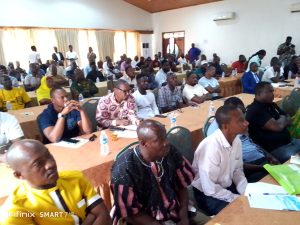
The Small Scale Miners at the Orientation Exercise in Kumasi

He said the ARCC, in collaboration with the Minerals Development Fund, Environmental Protection Agency (EPA), National Disaster Management Organisation (NADMO) and National Security would train over 200 prospective applicants to commence the reclamation exercise.

He indicated that the ARCC has selected individuals who were previously engaged in small-scale mining to participate in the reclamation exercise, citing their technical know-how and logistics as essential for the project’s success.

The ARCC will work with the Lands Minister to obtain entry permits to reclaim all degraded forest reserves.

The Coordinator emphasised that the government was not against mining, but against irresponsible mining that destroyed farmlands and water bodies stressing that the law would not discriminate against individuals who flouted mining laws, regardless of their political affiliation or status in society.

Mr. Isham Alhasaan noted that the ARCC initiative to reclaim degraded lands and forest reserves was a step towards promoting sustainable development and environmental protection in the region.

Mr. Anthony Osei Kwame, a miner and participant at the orientation programme commended the government for the laudable initiative to reclaim all degraded lands and Forest Reserves in the region and all Small Scale Mining areas for environmental sustainability.

He expressed their readiness to work effectively with the government to realise their goal of getting the degraded lands and Forest Reserves back.


For more news, join The Chronicle Newspaper channel on WhatsApp: https://whatsapp.com/channel/0029VbBSs55E50UqNPvSOm2z
Varsity don identifies major setbacks threatening NPP’s future

0
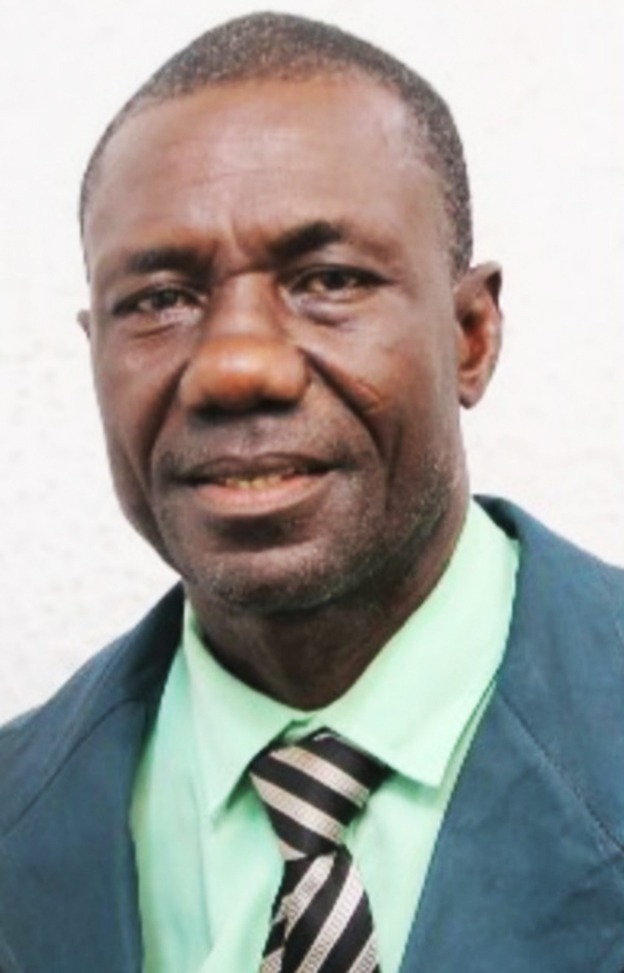
Frederick Appiah-Kusi, Socio-economic analyst and Researcher

Mr. Frederick Appiah-Kusi, Senior lecturer of the Dr. Hilla Limann Technical University has identified three critical challenges that seem to threaten the future and unity of the New Patriotic Party (NPP) from its defeat in the 2024 general elections.

The lecturer, author, researcher in economic, educational, political and development policies said the setbacks confronting the party are not about who becomes its next flagbearer, but rather its failure to rebuild and strengthen internal structures, understand the reasons for its electoral loss and defend its achievements in government.

The socio-economic analyst noted that the NPP’s inability to elect leaders across all levels, from the constituency to the national level, has significantly weakened the party’s organisational base.

“The challenge within the NPP is not the matter of candidate or who becomes the flagbearer, but the failure to rebrand the party. The structure of the NPP is still weak because leadership elections have not been held across all levels,” he emphasised.

In a telephone interview with The Chronicle, Mr. Appia-Kusi, also criticised the party’s apparent failure to identify and address the causes of its electoral defeat in the 2024 Elections stressing that the NPP has not fully appreciated the implications of the loss or developed a clear roadmap to regain public trust.

“The real cause of the defeat was that Ghanaians lost confidence in the party. The NPP could not convince the electorate that it deserved another mandate,” he observed.

Touching on the party’s inability to defend its stewardship in government, the advocate of NPP agenda and researcher said the prosecution of several former NPP government appointees has further damaged the party’s image.

He warned that these legal cases are being used as a yardstick against the NPP’s credibility and will continue to erode public confidence if not properly managed.

“The prosecution of some former appointees is seriously affecting the party’s progress. These developments have created an impression of mistrust, making it difficult for the NPP to defend its record while in government,” he stated.

Mr. Appiah-Kusi, who is the Founder of Development Policy and Research Advocacy, Ghana (DEPRAG) and Action for Human Settlement, Education and Development (AHSED) suggested that for the NPP to regain its political strength and restore public confidence, it must first rebuild its internal structures, openly assess the causes of its electoral defeat and take decisive steps to rebrand the party’s image ahead of future elections.


For more news, join The Chronicle Newspaper channel on WhatsApp: https://whatsapp.com/channel/0029VbBSs55E50UqNPvSOm2z
Juaben MCE appeals to IGP to re-demarcate police jurisdiction to combat robberies

0
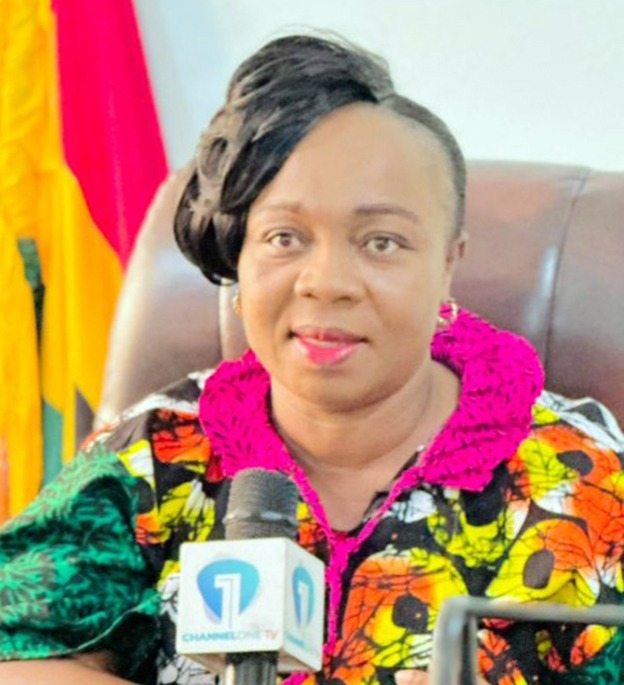
Mrs. Ohenewaa Ansu, MCE for Juaben

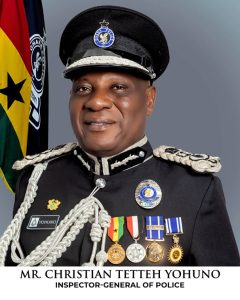
Mrs. Eunice Ohenewaa Ansu, the Municipal Chief Executive for Juaben, has appealed to the President and the Inspector General of Police to re-demarcate the police jurisdiction for the Nobewam-Bomfa to Achiase stretch from Konongo Police Command to Juaben Police Command.

IGP Christian Tetteh Yohuno

According to her, the area has been plagued by armed robberies, instilling fear in residents, particularly commuters and market women who ply the route.

The MCE disclosed that the stretch currently falls under the Konongo Police Jurisdiction, making it difficult for the Juaben Police Command to effectively respond to crime incidents.

She stated that her outfit is often not informed of crime cases in the area, hindering their ability to respond and provide support.

The MCE emphasised that the re-demarcation was crucial to effectively combat the rising robberies and ensuring the safety of residents.

She reiterated the challenges of relying on the Konongo police for situational and crime incidents in the area.

The MCE’s appeal comes after a recent armed robbery incident at Adumasa, where she donated an undisclosed amount to cover the hospital bills of the victims.

Mrs. Ohenewaa Ansu expressed the need for effective policing and security measures to combat the rising robberies in the area and said the re-demarcation of police jurisdiction could be a crucial step in ensuring the safety and security of residents.

The Assembly Member for the Achiase Electoral Area revealed that similar robbery incidents had occurred in the area, resulting in loss of life and property.


For more news, join The Chronicle Newspaper channel on WhatsApp: https://whatsapp.com/channel/0029VbBSs55E50UqNPvSOm2z
Michael Jackson is highest paid dead celebrity with $105 Million

0
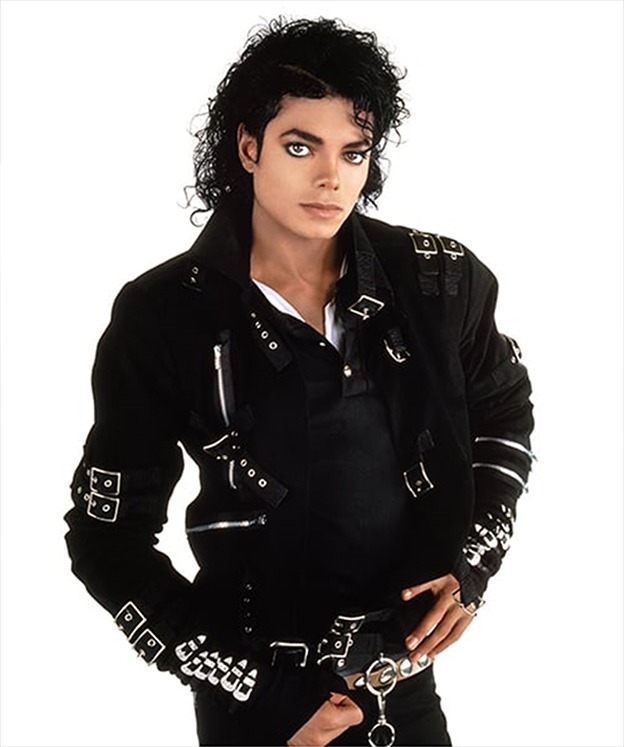
Michael Jackson

Michael Jackson has been named Forbes’ highest-paid dead celebrity for 2025, the King of Pop bringing in an estimated $105 million in pre-tax earnings over the last year.

The figure keeps Jackson well ahead of other posthumous earnings leaders and reflects a steady flow of income from the estate’s music, live show franchises, licensing deals and catalog sales.

Much of the recent boost traces back to a high-profile 2024 transaction in which the estate sold a 50 percent stake in Jackson’s master recordings and publishing to Sony Music for roughly $600 million, a deal that reshaped the way the catalogue will generate revenue going forward.

Forbes and reporting partners note that Jackson’s estate has now pulled in roughly $3.5 billion since his death in 2009, making him by far the most lucrative posthumous music brand on the planet.

The estate’s income streams include the long-running Las Vegas residency and touring productions inspired by his work, as well as Broadway and international stage shows that continue to draw audiences.

Industry watchers say the combination of catalog monetisation, high-profile licensing and live entertainment partnerships explains why dead celebrities now regularly top money lists.

In Jackson’s case the estate’s careful commercial strategy and big-ticket transactions have created a gap between him and other deceased stars that is hard to bridge.

As one estate attorney told Forbes, “When it comes to estate earnings, it’s MJ, then an enormous canyon, then everybody else.”

The Forbes roster for 2025 shows many musicians filling the top slots, underlining how valuable recorded music and associated intellectual property remain for legacy acts.

That trend also highlights broader shifts in the music business, where catalog ownership and strategic licensing have become central to long-term value for both living and deceased artists.

Whether measured in box office receipts, streaming royalties or blockbuster catalog deals, Michael Jackson’s financial afterlife is a reminder that the commercial life of music can far outlast an artist’s time on stage.

For the industry, the headline number is a case study in how estates, labels and partners are turning legacy into lasting revenue.

Burna Boy opens up about his struggles with religion

0
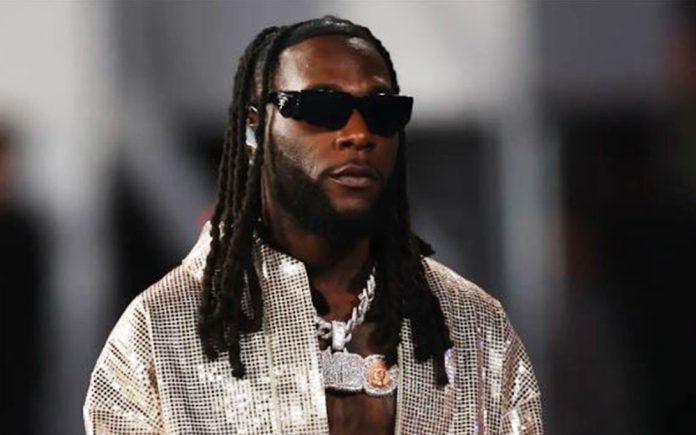
Burna Boy

Grammy-winning Nigerian singer, Damini Ogulu, aka Burna Boy, has opened up about his struggled with religion, revealing that, he has explored the two major religions in the world.

He revealed that he is still unfulfilled despite converting from Christianity to Islam in pursuit of enlightenment.

In a recent interview with streamer Playboymax, Burna Boy explained that the more he researches religious books with the aim of finding meanings, the more confused he becomes.

“Growing up, I was a Christian, and then I converted to Islam. It’s like I’ve studied it all, but I’m still out here trying to find out what is really going on, you know? The more I research, the more confused I get,” he said.

Burna Boy added that his spiritual exploration is still on, as well as his search for personal truth.

Samini warns doubters to stay ‘Far Away’

0
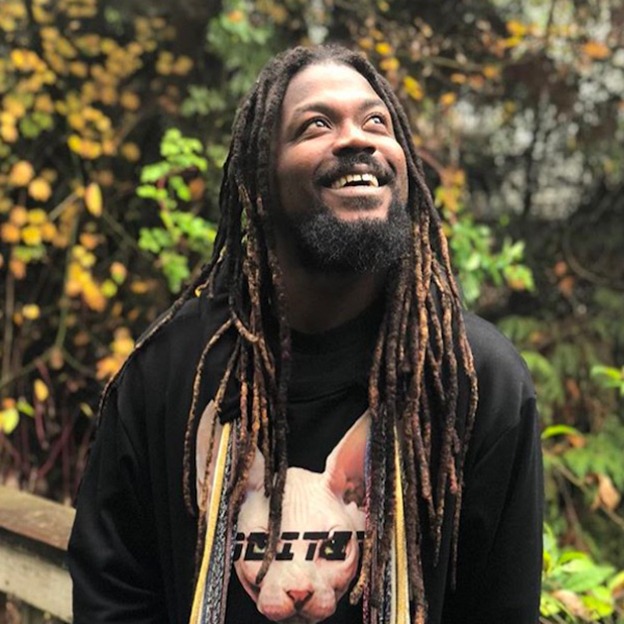
Samini

Music icon Samini has announced the release of a new single titled “Far Away,” a hard-hitting, street-conscious track that arrives as a prelude to his upcoming album ORIGIN8A.

The record draws on his trademark mix of reggae, dancehall and afrobeats to deliver a message about survival, focus and emotional self-preservation.

“Far Away” is addressed to the resilient hustler, the dreamer determined to rise above envy, bad energy and toxic influences.

The song combines urgent lyrics with Samini’s seasoned delivery to emphasize the importance of protecting one’s peace while pursuing success.

Samini explains: “It’s about recognizing the energy around you. When you’re pushing forward in life, not everyone clapping for you means well. Far Away is my reminder to keep moving, keep winning, and stay grounded no matter who tries to pull you back.”

The single will be released exclusively on Audiomack on November 6, as a lead-in to ORIGIN8A, a project billed to showcase Samini’s growth and artistic maturity.

With “Far Away,” Samini positions himself once again as a voice of truth and empowerment in African music, offering both a rallying cry and a cautionary anthem for listeners.

Credit: myjoyonline.com

The Ghanaian Chronicle