Home Blog Page 2716

Eddie Murphy’s daughter Bria marries fiancé Michael Xavier in romantic Beverly Hills ceremony.

0
Bria Murphy Wedding .Eddie Murphy daughter

Eddie Murphy‘s eldest daughter Bria Murphy, whom the actor shares with ex-wife Nicole, married her actor fiancé Michael Xavier on Saturday in Beverly Hills, PEOPLE has exclusively learned.

The happy couple wed in a private afternoon ceremony before 250 close friends and family. Bria, a 32-year-old artist and actress, and Xavier, 36, were celebrated by a wedding party that included her father, who escorted her down the aisle, and her mother Nicole.

The bridal gown was designed by Netta BenShabu, while the groom wore a Knot Standard tuxedo, styled by Dion Lattimore. In one snap the newlyweds pose with the bride’s parents and in another Bria sits on her husband Xavier’s lap.

The bride is Eddie Murphy’s oldest daughter who appeared with her mother on the reality show Hollywood Exes in 2014.

Bria shared engagement photos on Instagram in December, writing in the caption, “My heart, my best friend, my forever. I love you, always.” In another upload, she wrote, “I can’t wait to marry you.”

At the same time, Xavier wrote on his own page, “Forever my love.”

Source: myjoyonline.com

‘No serious man will go for a woman because of looks’ ; Charlotte Oduro

0
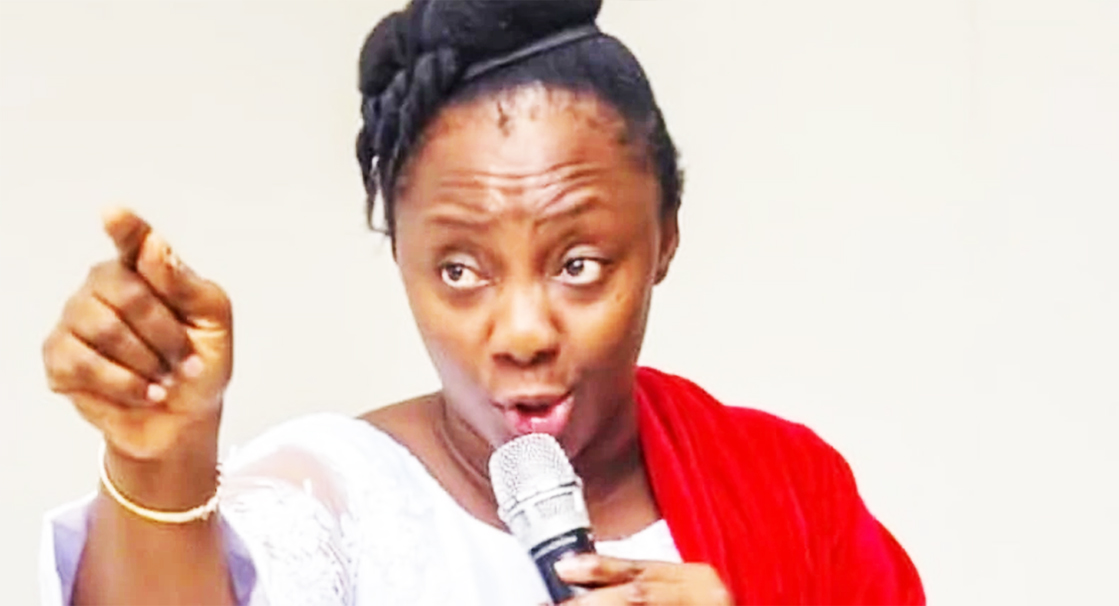
Counselor Charlotte Oduro

Founder of Real Woman in Me, Charlotte Oduro, says men who choose to settle down with women mainly because of their physical appearance are not serious about achieving anything worthwhile.

According to her, men who are wise choose to go out with women who can assist them develop their lives and become successful in their endeavours.

She pointed out in an interview on Okay FM that beauty is temporary, but a man that has an intelligent woman by his side has a better chance of succeeding. This is because, according to her, such women work hard and not merely in a relationship because of what they can get.

“No serious man would go in for a woman because of looks. Butts and looks lose their attractiveness with time. However, an intelligent woman when married would always contribute to the success of their husbands.”

The self-acclaimed counsellor also commented on the trending issue about claims by some women that their partners force them to go into surgery to “enhance” their bodies. Charlotte Oduro stated that those men should know that their wives will face health consequences.

“Men should desist from forcing women to go in for Brazilian Butt Lift because they want their women to have big buttocks. These things affect the health of women, and some even die through the process.

“Any man who wants a lady with a big butt should go for that right away but not to change natural women to suit their preference,” she added.

Source: pulsegh.com

Stop telenovelas in Twi, it can never happen in India; Mike Ocquaye

0
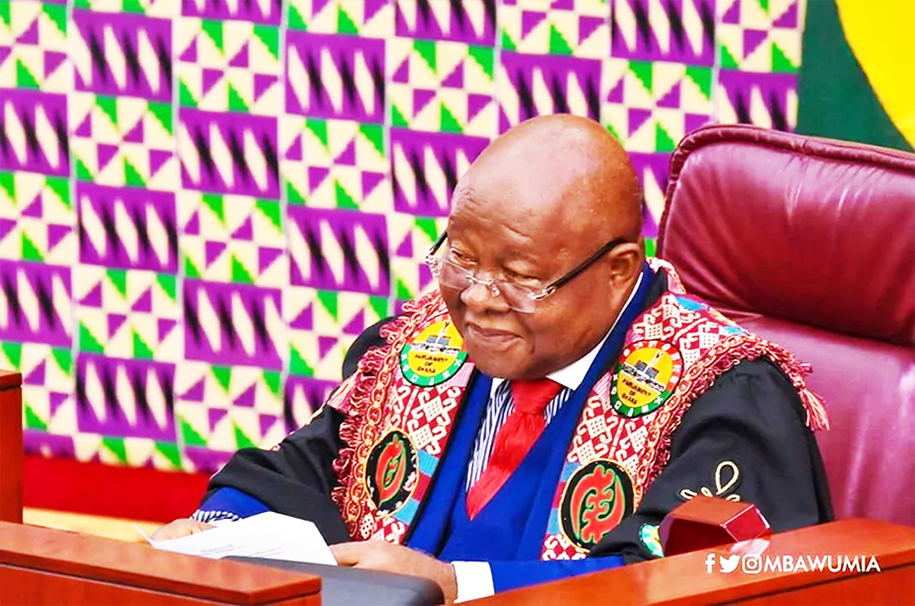
Prof. Mike Ocquaye

The former Speaker of Ghana’s Parliament, Prof Aaron Mike Oquaye, has described the proliferation of foreign television programmes in the country as very worrying.

He revealed that the telenovelas in the local language make him sick and condemned the practice.

Speaking at the University of Ghana, Legon, during the inaugural memorial lecture of Okyenhene Ba D. Jones Akwasi Amoako Atta Ofori-Atta, Ocquaye called on the Ghanaian film industry to come up with stories that promote the country’s culture in order to aid development.

He said “I beg our actors and scriptwriters to come out with Ghanaian films… I get sick anytime I hear Twi words or Ga words pushed through some European or Asian lips.”

“The practise should be slopped if we should develop as a people… these are the things that unmake a nation.

It can never happen in Malaysia. It can never happen in India. It can never happen in any of the Asian countries,” he added.

Source: pulsegh.com

Sri Lanka President Gotabaya Rajapaksa confirms resignation, PM’s office says

0
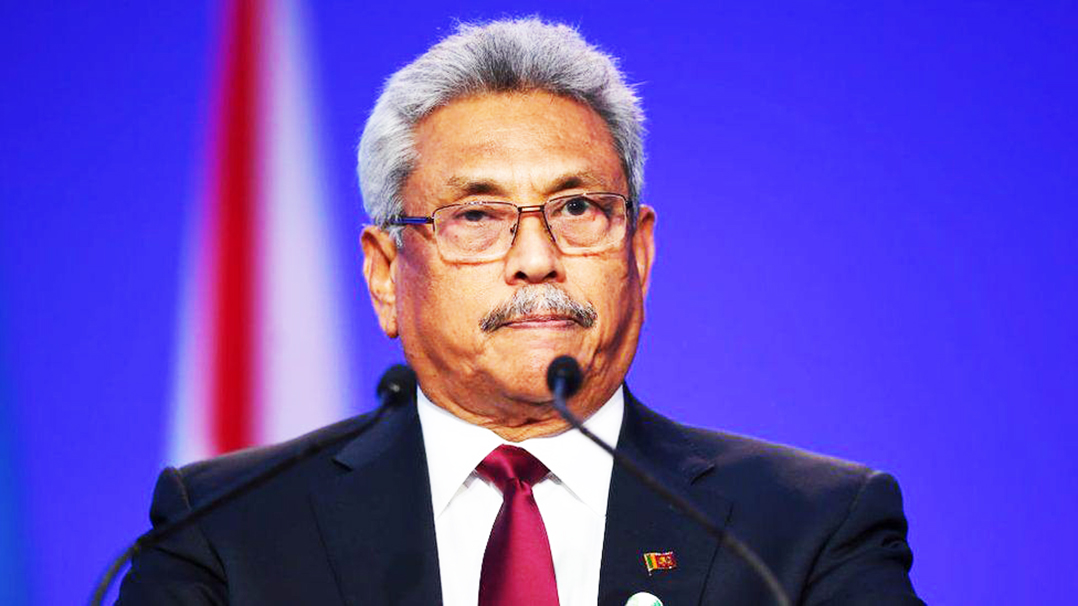
Mr Rajapaksa's location is currently undisclosed

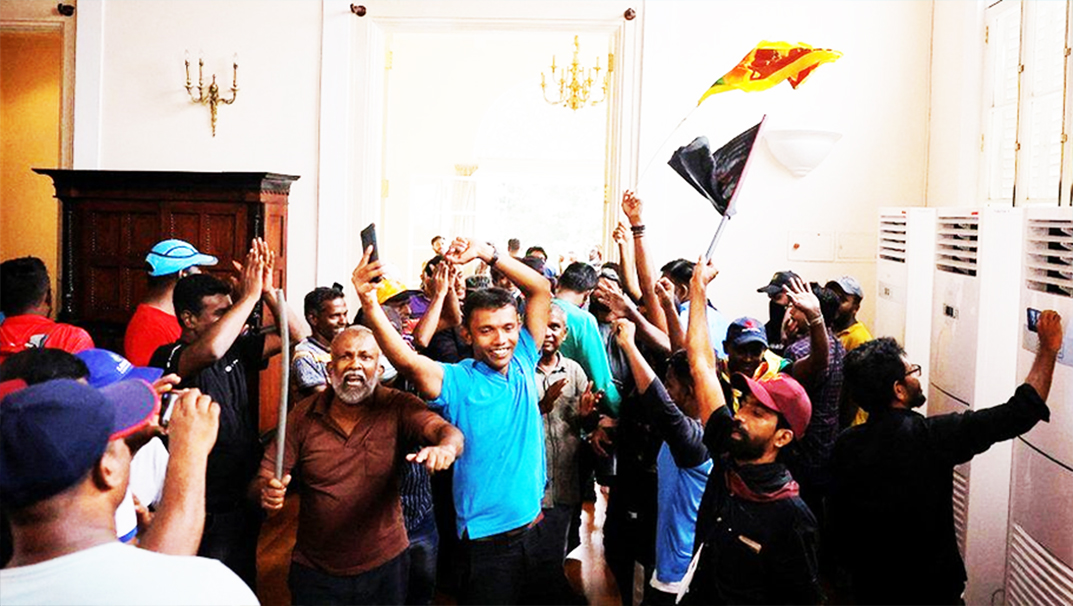
Sri Lankan President Gotabaya Rajapaksa has confirmed he will resign, the prime minister’s office has said, after tens of thousands of protesters stormed the official residences of both men.

Sri Lanka is in deep financial crisis and the crowds say they won’t leave until both men quit their posts.

The parliament Speaker had earlier said the president would resign on 13 July.

Mr Rajapaksa, whose whereabouts are unknown, has not spoken publicly since his residence was stormed on Saturday.

The president has been blamed for the country’s economic mismanagement, which has caused dire shortages of food, fuel and medicine for months. His resignation was first announced by the parliament Speaker on Saturday, but many Sri Lankans responded with scepticism to the idea that he would relinquish power.

On Monday, Prime Minister Ranil Wickremesinghe’s office said in a statement it had been informed by Mr Rajapaksa that he would step down on Wednesday.

But under Sri Lanka’s constitution, his resignation can only formally be accepted when he resigns by letter to the Speaker – which has yet to happen.

Prime Minister Wickremesinghe had earlier also said he would step down from his position. His house was set on fire during Saturday’s unrest.

At the president’s office in Colombo a huge queue stretches to the end of the road as thousands of people wait to see how their rulers have been operating.

Men, women, children are all going to inside to have a look.

The president’s residence is one of the symbols of power in this country and one of the most protected buildings.

These people believe that they have won – that people power has triumphed in ousting the president and prime minister from power.

But those things haven’t happened yet – even though the president has indicated that he will step down on Wednesday. Unless he resigns formally, it is going to be a long, drawn-out battle.

Source: bbc.com

Sri Lanka: Relief and anxiety as limited fuel supplies resume

0
Throngs of protesters stormed President Gotabaya's official residence on Saturday

Limited fuel and gas supplies have resumed in parts of Sri Lanka after a weekend of tumultuous anti-government protests over the economic crisis.

Long queues formed at filling stations and community centres across the capital, Colombo, on Monday, thronged by thousands of weary residents.

Fresh supplies came as a relief for a city on edge after months of shortages of fuel, food and other basics.

The financial crisis is the worst the country has seen since independence.

Rampant inflation has made prices soar and the country’s foreign currency reserves have all but run out, leaving it struggling to import food, fuel and medicine.

Anger and frustration boiled over at the weekend. Tens of thousands of protesters stormed President Gotabaya Rajapaksa’s official residence in Colombo on Saturday, after months of protests over his handling of the economy.

Crowds also burned down the private residence of Prime Minister Ranil Wickremesinghe. Neither man was in the buildings when they were stormed.

In the Slave Island district of Colombo on Monday, hundreds of people waited for tokens they could redeem for cooking gas. An endless line of empty blue gas cylinders wrapped around several tree-lined blocks of apartments. Those at the start of the queue had been waiting for hours.

Perched on her gas cylinder, P Selvi Kalachelvi fished out a plastic bag of rotis or flour pancakes from her handbag. It was the only thing she was eating that day.

“I’ve gone six months without cooking gas now. I once waited for four days for kerosene and I still didn’t get anything,” she told the BBC. “Everyone is suffering, what can we do?”

Cooking gas has been scarce for months, while many petrol stations had halted sales to ordinary people two weeks ago to conserve fuel for essential vehicles, bringing much of the country to a standstill.

Many of those waiting in line were women, desperate to get kerosene to cook their families’ meals after months of relying on chopped wood to light their fires, which they found expensive and impractical.

Coupled with the soaring prices of food – some residents said the cost of chicken and beef had quadrupled since the start of the crisis – it’s led most people to cut back on meals, eating only twice a day and cooking flour and vegetable dishes. Meat and fish have not been on the menu for months.

Media caption,

Watch: Protesters swim in the Sri Lankan president’s pool on Saturday

There was a stir in the crowd when police officers arrived and announced they only had enough tokens for about 1,000 families. Dozens of anxious residents trailed a policeman as he made his way down the row of cylinders, counting them one by one.

He reached the end of the line – there were enough tokens for everyone. Relief flashed across the faces of the crowd.

Across town at a Lanka IOC petrol station, soldiers and police officers directed traffic and monitored the crowds.

Quarrels occasionally broke out as drivers jostled and waited in a slow-moving queue. Petrol station attendants filled their tanks while clutching thick wads of cash, as drivers forked out large sums for the fuel.queues for fuel – like this one in Colombo – have angered Sri Lankans and made normal life impossible

One tuk-tuk driver told the BBC he had started queueing three days ago, taking turns with his family members to keep watch over their vehicle.

Gayan Kalanda said he had to pay 2,500 Sri Lankan rupees ($6.90; £5.80) – nearly half a day’s earnings – just for five litres of petrol. It was the seventh time he’d had to wait for days for petrol and he was exhausted.

“We just don’t feel secure in this country. We’re hungry too… we just don’t have a proper life in Sri Lanka,” he said.

Further back in the queue was Kanishka De Silva, a banker who had taken time off work to get fuel. On his car’s dashboard was a slip of paper he had left overnight, with his phone number written on it along with the plea: “Please call if petrol comes.”

“It’s been getting worse and worse,” he said, pointing at the queue. “Here we have doctors, bankers, but also tuk-tuk drivers. It’s been a common battle, that’s why the protests have been so strong.

“I work nearby, so it’s fine. But lots of people live on the outskirts and it’s been hard to come to work. People have been cycling or walking for hours to come in.

“And those whose livelihoods depend on having petrol, they are the ones suffering.”

Source: bbc.com

Ukraine investigates, attacks those who collaborate with Russia

0
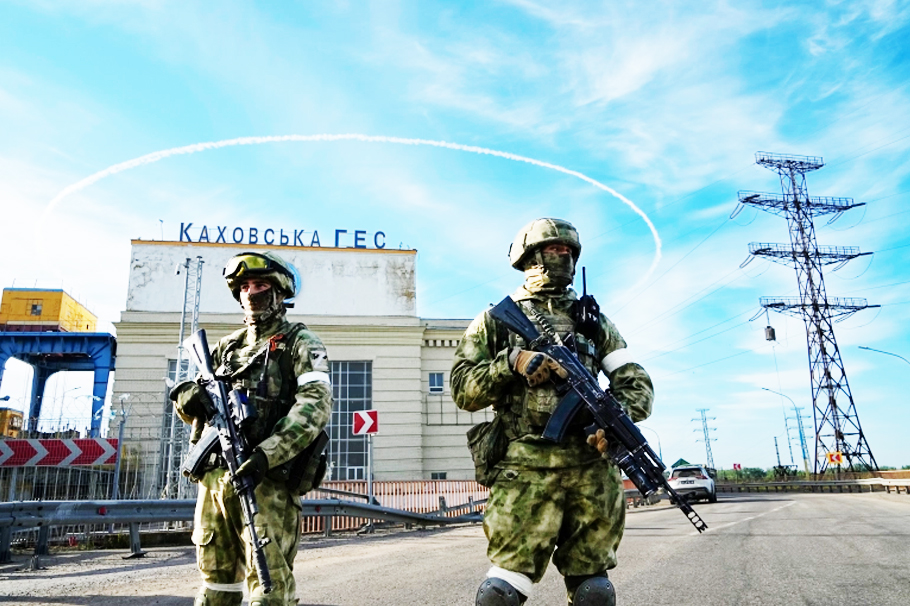
Russian troops guard an entrance to the Kakhovka Hydroelectric Station, a power plant on the Dnieper river in Kherson region, southern Ukraine

Volodymyr Saldo claimed that in 2016, he was handcuffed to a metal bed for 59 days in the Dominican Republic, almost 10,000 kilometres (6,200 miles) away from home.

He alleged that the kidnapper, Igor Pashchenko, his former business partner from the southern Ukrainian city of Kherson, electrocuted him so he would read certain phrases into a dictaphone.

Saldo claimed Pashchenko used those phrases to demand a hefty ransom from his family – and to edit together an audio recording of Saldo’s “confession” to collaborating with Russia.

When Saldo, a construction tycoon and Kherson’s former mayor, was released and returned home, he maintained that he had never worked for Russians.

“I have interesting plans about Kherson and its future,” he told the Interfax news agency in March 2017.

A year later, Pashchenko was killed contract-style, with two shots to the head in Kherson; his relatives alleged that Saldo ordered the murder.

Source: aljazeera.com

Global population to hit 8 billion, but growth slows: UN

0
India is set to overtake China as the world's most populous country in 2023

The global population is expected to reach eight billion on November 15, the United Nations has forecast, with India set to overtake China as the world’s most populous country next year.

The UN noted on Monday it had taken hundreds of thousands of years for the world population to reach one billion and only 200 years to grow sevenfold. In 2011, it stood at seven billion.

While the forecast by the UN’s Department of Economic and Social Affairs said the world’s population is growing at its slowest pace since 1950, it said the effect of the previous rapid growth would be felt for years to come.

“[The] dramatic growth has been driven largely by increasing numbers of people surviving to reproductive age, and has been accompanied by major changes in fertility rates, increasing urbanization and accelerating migration,” the UN said. “These trends will have far-reaching implications for generations to come.

The report forecast the global population to reach 8.5 billion in 2030 and 9.7 billion in 2050, peaking at about 10.4 billion people in the 2080s before steadying at that level until 2100.

The UN said while the growth in population was indicative of advances in health and economic development, it also underlined the need for effective policies to tackle some of the world’s most pressing issues.

“Progress is not universal, throwing inequality into razor-sharp relief,” it said. “The same concerns and challenges raised 11 years ago remain or have worsened: Climate change, violence, discrimination.”

More than half the rise forecast in the world’s population in the coming decades will be concentrated in just eight countries, according to the report.

It said they are the Democratic Republic of the Congo, Egypt, Ethiopia, India, Nigeria, Pakistan, the Philippines and Tanzania.

Source: aljazeera.com

Trypanosomiasis, human African (sleeping sickness)

0
Patient with sleeping sickness

 Human African trypanosomiasis, also known as sleeping sickness, is a vector-borne parasitic disease. It is caused by infection with protozoan parasites belonging to the genus Trypanosoma. They are transmitted to humans by tsetse fly ( Glossina genus) bites which have acquired their infection from human beings or from animals harboring human pathogenic parasites.

Tsetse flies are found just in sub-Saharan Africa though only certain species transmit the disease. For reasons that are so far unexplained, in many regions where tsetse flies are found, sleeping sickness is not. Rural populations living in regions where transmission occurs and which depend on agriculture, fishing, animal husbandry or hunting are the most exposed to the tsetse fly and therefore to the disease. The disease develops in areas ranging from a single village to an entire region. Within an infected area, the intensity of the disease can vary from one village to the next.

Infection and symptoms

The disease is mostly transmitted through the bite of an infected tsetse fly but there are other ways in which people are infected:

  • Mother-to-child infection: the trypanosome can cross the placenta and infect the fetus.
  • Mechanical transmission through other blood-sucking insects is possible, however, it is difficult to assess its epidemiological impact.
  • Accidental infections have occurred in laboratories due to pricks with contaminated needles.
  • Transmission of the parasite through sexual contact has been reported.

In the first stage, the trypanosomes multiply in subcutaneous tissues, blood and lymph. This is also called haemo-lymphatic stage, which entails bouts of fever, headaches, enlarged lymph nodes, joint pains and itching

In the second stage the parasites cross the blood-brain barrier to infect the central nervous system. This is known as the neurological or meningo-encephalic stage. In general this is when more obvious signs and symptoms of the disease appear: changes of behaviour, confusion, sensory disturbances and poor coordination. Disturbance of the sleep cycle, which gives the disease its name, is an important feature. Without treatment, sleeping sickness is considered fatal although cases of healthy carriers have been reported.

Disease management: diagnosis

Disease management is made in 3 steps:

  • Screening for potential infection. This involves using serological tests (only available for T. b.gambiense) and checking for clinical signs – especially swollen cervical lymph nodes.
  • Diagnosing by establishing whether the parasite is present in body fluids.
  • Staging to determine the state of disease progression. This entails clinical examination and in some cases analysis of the cerebrospinal fluid obtained by lumbar puncture.

Diagnosis must be made as early as possible to avoid progressing to the neurological stage in order to elude complicated and risky treatment procedures

The long, relatively asymptomatic first stage of T. b. gambiense sleeping sickness is one of the reasons why an exhaustive, active screening of the population at risk is recommended, to identify patients at an early stage and reduce transmission by removing their status of reservoir. Exhaustive screening requires a major investment in human and material resources. In Africa such resources are often scarce, particularly in remote areas where the disease is mostly found. As a result, some infected individuals may die before they can ever be diagnosed and treated.

Treatment

The type of treatment depends on the form of the disease and the disease stage. The earlier the disease is identified, the better the prospect of a cure. The assessment of treatment outcome requires follow up of the patient up to 24 months and entails clinical assessment and laboratory exams of body fluids including in some cases, cerebrospinal fluid obtained by lumbar puncture, as parasites may remain viable for long periods and reproduce the disease months after treatment.

Treatment success in the second stage depends on drugs that cross the blood-brain barrier to reach the parasite.

New treatment guidelines for gambiense human African trypanosmiasis were issued by WHO in 2019. In total six different drugs are used for the treatment of sleeping sickness. These drugs are donated to WHO by manufacturers and distributed free of charge to disease endemic countries.

Drugs used in the treatment of first stage:

  • Pentamidine: discovered in 1940, used for the treatment of the first stage of T. b. gambiense sleeping sickness. Despite non-negligible undesirable effects, it is in general well tolerated by patients.
  • Suramin: discovered in 1920, used for the treatment of the first stage of T. b. rhodesiense. It provokes certain undesirable effects, including nephrotoxicity and allergic reactions.

Drugs used in the treatment of second stage:

  • Melarsoprol: discovered in 1949, it is used for the treatment of both gambiense and rhodesiense infections. It is derived from arsenic and has many undesirable side effects, the most dramatic of which is reactive encephalopathy (encephalopathic syndrome) which can be fatal (3% to 10%). It is currently recommended as first-line treatment for the rhodesiense form, but rarely used in the gambiense form.
  • Eflornithine: much less toxic than melarsoprol, registered in 1990 is only effective against T.b. gambiense. It is generally used in combination with nifurtimox (as part of the Nifurtimox-eflornithine combination therapy, NECT) but can be used also as monotherapy. The regimen is complex and cumbersome to apply.
  • Nifurtimox: The Nifurtimox-eflornithine combination therapy, NECT, was introduced in 2009. It simplifies the use of eflornithine by reducing the duration of treatment and the number of IV perfusions, but unfortunately it has not been studied for T.b. rhodesiense. Nifurtimox is registered for the treatment of American trypanosomiasis but not for human African trypanosomiasis. Both drugs are provided free of charge by WHO to endemic countries with a kit containing all the material needed for its administration.

Drugs used in the treatment of both stages:

Fexinidazole is an oral treatment for gambiense human African trypanosomiasis It was included in 2019 in the WHO Essential medicines list and WHO human African Trypanosomiasis treatment guidelines. This molecule is indicated as first line for first stage and non-severe second stage. It should be administered for 10 days within 30 minutes after a solid meal and under supervision of trained medical staff. Currently a clinical trial for its use in rhodesiense HAT is ongoing.

Source: who.int.com

Feature: IMF and our Internally Motivated Faults

0
Feature

The International Monetary Fund (IMF) and the International Bank for Reconstruction and Development (IBRD) or World Bank, are the world’s major banks. The following are the major differences between IMF and the World Bank:

The IMF is a controller of the world’s monetary system. The World Bank is a global financial institution; the IMF focuses on bringing economic stability, whereas the World Bank laid emphasis on economic growth of the developing nations and the IMF is a unitary organization while the World Bank is bilateral organisation.

The IMF came into existence to provide advice and assistance. Conversely, the World Bank is created to facilitate lending; the major objective of the IMF is to deal with matters related to the financial sector and macroeconomics and on the other hand, the purpose of the World Bank is to reduce poverty and to promote economic development.

The IMF and World Bank are the two Bretton Woods Institution formed in 1944. There are many things in common, in these two international organizations. Both of them supports the international monetary and economic system. Almost all the countries of the world are the members of these two organizations.

Even though these two important financial institutions were set up to help out developing nations, they have become points of last resort, because of the draconian measures the IMF will use to help structure financial problems of countries and the peanuts the World Bank will give as loans to help such countries back up on their feet.

For example, when a country approaches the IMF for assistance, it is most likely be told to put a halt on public sector employment, withdraw subsidies on agriculture, put a stop to social interventions like health insurance, free education among others. Now after this the country is set to go to the IBRD for loans to use it to whip up its economy. And here, if that country needs at least $ 3 billion to do good work and get good results, the World Bank will only give a tenth, that is $ 300 million.

The truth of the matter is that the West and other developed countries will never want developing countries to get to their level and so they will do everything possible to make sure that we remain down there. While they keep advancing and get richer and richer, using our minerals and natural resources, which they buy cheaply, to create wealth for themselves, we wallow in poverty.

Who is to blame for this? Among ourselves we go on to treat our poor peasant farmers the same. We buy their produce below the production cost and this ends up making the producer to subsidize the consumer. For example, wholesale price of tomatoes at farm gate which is at GH¢ 300.00 will be sold threefold in the markets at GH¢ 900.00. We do it to our own, and the White man does same to us.

So, who is to blame for our predicament? Casting my thoughts as far back to 2000 BC, there was once a very powerful Black African, empire, the Nubian empire called Kush which ruled Egypt in the 25th Dynasty. Then to the Land of Punt, somewhere in East Africa around 1500 BC. There was Carthage which was Rome’s bitterest rival and located in modern day Tunisia; and the Aksum kingdom which was located somewhere around Eritrea and was a very powerful nation with naval power unrivalled by any other, at that time. Then comes the Mali Empire, which had the first university in the world, Sankore Timbuktu University, where students from Europe came down to study. Mali was synonymous with Mansa Musa, the emperor and richest man to date, worth over $400 billion in gold alone at that time. Then there was the Songhai Empire also a once powerful nation with vigorous trade policies and a sophisticated bureaucratic system. The modern-day legal system evolved from the Songhai empire.

There are a lot more, like the Great Zimbabwe, the Benin empire, the Ghana Empire and others. However, the one kingdom which has made Ghana proud, is the Asante kingdom, which had running battles against the British, winning some and losing some, until it finally succumbed to the White in 1900 AD and was ruled indirectly from the Gold Coast, with the Asantehene as the “prime minister.” This went on till March 1957 when Asanteman became integral part of Ghana.

At the time when Europe was in its dark ages, Africa, Black Africa, was a place where great empires flourished with some becoming world super powers.

So, what actually went wrong and the tables turned since late August, 1619, when about thirty enslaved Africans landed at Point Comfort, today’s Fort Monroe in Hampton, Virginia, aboard the English ship, White Lion, for the Trans-Atlantic Slave Trade to begin?

Today the descendants of powerful nations, in fact world super powers, militarily, in commence, in education and in administration, have been reduced to third class citizens in the world, third class, because we are classified as third world nations.

I believe what happened to us, is some Internally Motivated Faults (IMF) we always readily and willingly inflict on ourselves and worse of all even though these faults are not helping us, we take pride in motivating them in our ways of life.

We allowed the West to come down here to take over our minerals and natural resources and giving us about 5% of the exploits and we sit down clapping that we made a good deal. Kaiser, after agreeing to construct the Akosombo Dam, not for free by the way, decided to establish an aluminium smelter factory in Ghana. The company made us agree to allow them pay only a third of the commercial rate for electricity and on top, it was not going to use bauxite found in Ghana, but import the ore from another African country. And we smiled gratefully to them.

They lured us into signing a binding agreement to import over $300 million worth of chicken annually, about 180,000 MT or five million chickens each week. And come to think of it, we were having a booming poultry industry which if allowed to progress, Ghana would have been a net exporter of chicken. Well, Rawlings told Ghanaians not to patronise chicken produced in Ghana and went ahead and signed us into that WTO binding agreement. Today, we produce only 14.5% of our national requirement or 58,000 MT of the annual demand of 400,000 MT.

We import over $390 million worth of riceannually, into this country, when at one time we exported rice to neighbouring African countries. And we import, $151 million worth of sugar, annually. Meanwhile we once produced sugar in this country. And we import over $200 million worth of wheat, annually into the country.

In all we spend over $ 1 billion annually to import things we could produce in this country. In the case of wheat, we can produce better substitutes which are more nutritious and healthier, like sorghum, millet, maize and cassava.

In the case of chicken, Ghana can start poultry breeding in this country and one fine gentleman, Dr. Okli, who is a specialist in that field, is waiting for support. The chickens that we import are in fact descendants of the local fowls we have here, which run around the place. They are what is called the pedigree stock, from which broilers and layers are bred through a long tedious process, spanning four years, from the pure pedigree stock to great grandparents, to grandparents, to parents and finally to commercial stock. It can be done in Ghana because the pedigree stocks are natives of the tropics, the local fowls, which we have in abundance here.

Covid -19 was a wake-up call to Black Africa that we need to look around what God put in our lands and use them for food and medicine. God so love us that He made sure Africa was not affected by the virus the way some Western countries were. And yet we never showed appreciation, by using what He has given us to cure and to prevent the pandemic. We chased after Western medicine for cure, at a cost.

Then Russia invaded Ukraine and we have started starving becauseUkraine with a land size of 600,000 square kilometres, exports $2.9 billion worth of agricultural products to Africa, a land size of over 30 million square kilometers.The bulk of them is wheat, which makes up 48%; then maize, yes, maize which makes up 31%, with the rest including sunflower oil, barley and soybeans. Now with the war going on, we are starved of food we could easily produce in Africa.Why should it be so?

Unless, we wake up and accept that we can never catch up with the rest of world if we continue to depend on the West and developing nations; we shall always internally motivate faults (IMF) that will continue to drag us down.

And to think that one day we were actually masters of the world, super powers and developed nations; to think that it was our own who were enslaved to build up the Americas, Europe and the Middle East, doing the jobs for free, except for a bowl or two of meal a day, and a dungeon to sleep for a room; to think that it is our natural and mineral resources that enriched these developed countries, while we remain poorer and poorer and to think that we allowed ourselves to have our minds controlled by the rich nations, should make us soberly reflect on our future and the future of our generations yet unborn, and resolve to come out of this, using our own minds, resources and start developing from there.

It will surely take a long time to get ourselves back to the top and even longer to become the richest and most powerful in the world again, like the days of the kingdoms and empires mentioned above. But it will be worth it if we start something.

And certainly, we will likely be going to the IMF, there is nothing wrong with doing so, after all we have been to IMF seventeen times, NLC (4); SMC II (1); PNDC (6); NDC regimes (5); NPP, JAK (1), and including NPP (NADAA) once. But next time when we do, let us have a strong bargaining power to enter into at least, a sixty-forty agreement in our favour, rather than going along with our own internally motivated faults to face the IMF, as losers, begging for left-over crumbs from the plates of well fed dogs kept in a rich White man’s home.

Hon. Daniel Dugan.

Mesut Ozil’s contract at Fenerbahce ‘is TERMINATED’ after almost four months of being frozen out of the first team

0
Mesut Ozil

Mesut Ozil’s contract at Fenerbahce has been ripped up after he was frozen out of the first-team, according to reports, leaving him as a free agent this summer.

Former Arsenal midfielder Ozil had not featured for the Turkish Super Lig side since March 20 after he was excluded from the squad following a row over his fitness.

That bust-up came with interim head coach Ismail Kartal, and there has been no way back in for him under new manager Jorge Jesus, who has left him out his squad.

NTVSpor have claimed that Ozil has not been ‘pardoned’ after his troubles from the previous campaign, with the superstar to miss out on their pre-season sessions.

The same outlet has added that his departure is by mutual agreement, however.

Ozil played 36 matches for Fenerbahce, scoring nine goals and assisting three.

The 33-year-old had left Arsenal in January 2021 to make the switch to Turkey, but his spell fell flat and resulted in him training alone after being exiled.

Earlier this summer, Ozil insisted he was keen to still ‘contribute’ to the club despite the uncertainty lingering over his future. He also unfollowed them on social media.

Boss Jesus said the creative spark would not play for his side again, and the revelation today that he has walked away will come as no surprise to supporters.

‘He had his time, his space,’ Jesus said in a press conference. ‘He has a beautiful history in Turkey, no one can take it away from him.

Credit: dailymail.co.uk

The Ghanaian Chronicle