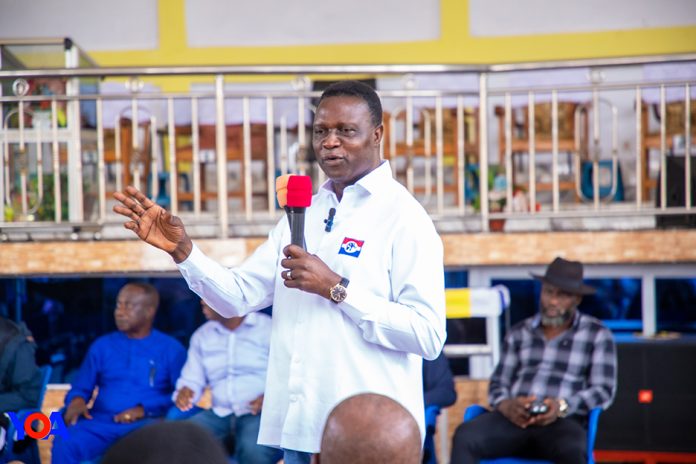
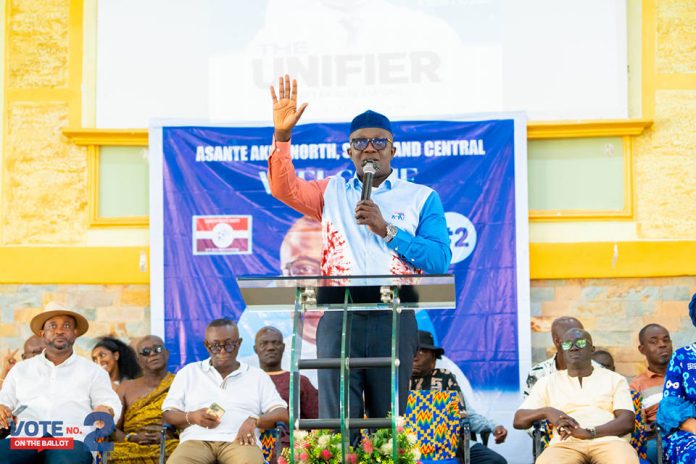
Ing. Kwabena Agyei Agyepong, NPP flagbearer hopeful, engages delegates during a campaign tour as his 2026 bid gains momentum.
Engineer Kwabena Agyei Agyepong, a flagbearer hopeful of the New Patriotic Party (NPP), has strongly criticised the use of money to influence internal party elections, describing the practice as “offensive” and unacceptable.
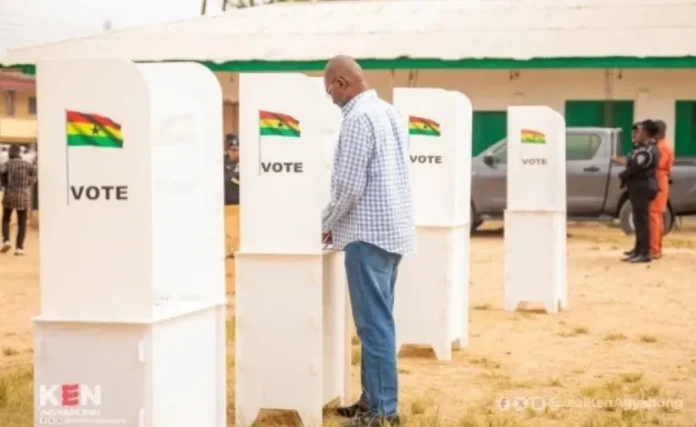
Speaking to journalists after casting his ballot at the NPP headquarters at Asylum Down in Accra, Ing. Agyepong said he does not give money to delegates, stressing that such conduct undermines the essence of democracy.
“I don’t do that. I think it’s offensive for people to do that,” he said. “In any case, if you go and pay someone GH¢1,000 and another GH¢1,500, they still each have only one vote.”
He explained that the only form of support he offered delegates was transportation assistance to enable him meet them during the campaign period.
Quizzed on whether he had publicly spoken against the monetisation of democracy, Ing. Agyepong—who previously served as Press Secretary to former President John Agyekum Kufuor—said he had consistently condemned the practice.
“I have spoken against it several times—several times,” he stated.
A total of 211,849 delegates are voting in the NPP presidential primary, which is being conducted simultaneously at 333 polling centres nationwide to determine who leads the party into the upcoming general elections.
Five aspirants are contesting the party’s top position: former Vice President and 2024 presidential candidate Dr. Mahamudu Bawumia; former Assin Central Member of Parliament Kennedy Agyapong; former Minister of Education Dr. Yaw Osei Adutwum; former Minister of Food and Agriculture Dr. Bryan Acheampong; and former General Secretary of the party Kwabena Agyepong.
On the acrimonious nature of the campaign, Ing. Agyepong expressed concern about the conduct of some of his fellow aspirants, noting that certain red lines were crossed during the contest.
He said he deliberately ran a calm and issue-based campaign, avoiding personal attacks and “dirty politics,” adding that this would make it easier for him to unite the party after the results are declared.
“When the results are declared, it would be easy for me to rally everyone together because I haven’t said anything vitriolic about anyone,” he said. “But we all know that in some cases, lines have been crossed. Let’s be honest.”
He stressed that with five candidates contesting, only one could emerge victorious, and therefore urged aspirants to conduct themselves with civility and restraint.
“At the end of the day, five cannot go into one,” he said. “People must be decorous and careful about what they say about others, because you never know who will win.”
Ing. Agyepong further emphasised the need for unity after the primaries to make the party attractive to Ghanaians and win political power for national development.
“When we win, we must be able to represent our party well and earn the respect and confidence of the Ghanaian people,” he said. “If you have lambasted your colleagues with unprintable words, how do you then sell the party to the people?”
He maintained that politics should not be about noise-making, sharing money, or distributing freebies, insisting that he ran the “cleanest and most issue-based campaign” among the aspirants.
“I am the only one who organised a policy day to outline my six-point plan for Ghana,” he noted, adding that the country needs serious, public-minded leaders to steer its affairs.
“That is what Ghana needs—not money politics,” he concluded.
Dr. Yaw Osei Adutwum, a flagbearer hopeful of the New Patriotic Party (NPP), has cast his ballot at St. George’s Catholic School in Bosomtwe Constituency, expressing confidence that delegates will vote in his favour.
Speaking to journalists after voting, Dr. Adutwum referenced the late Sir John’s oft-quoted admonition to “fear delegates,” but said he remained optimistic due to his long years of service to the people of Bosomtwe.
“Even though Sir John cautioned us to fear delegates, I cannot relate to that in my case,” he said. “These delegates are my own people. I have served them well, and I believe they will reciprocate by supporting my aspiration to move up.”
He expressed hope that delegates would acknowledge his service to the constituency and back his bid to become the party’s flagbearer.
Brimming with confidence, Dr. Adutwum also expressed satisfaction with the conduct of the polls, describing the process as peaceful and well organised.
He further described the occasion as historic, noting that Bosomtwe was making history as it was the first time an indigene of the area had contested to become President of Ghana.
“This is a historic moment for us, and I am excited that this day has finally come,” he said. “Growing up, if someone had told me that I would one day contest at this level within the New Patriotic Party, I would not have believed it. But today, here I am.”
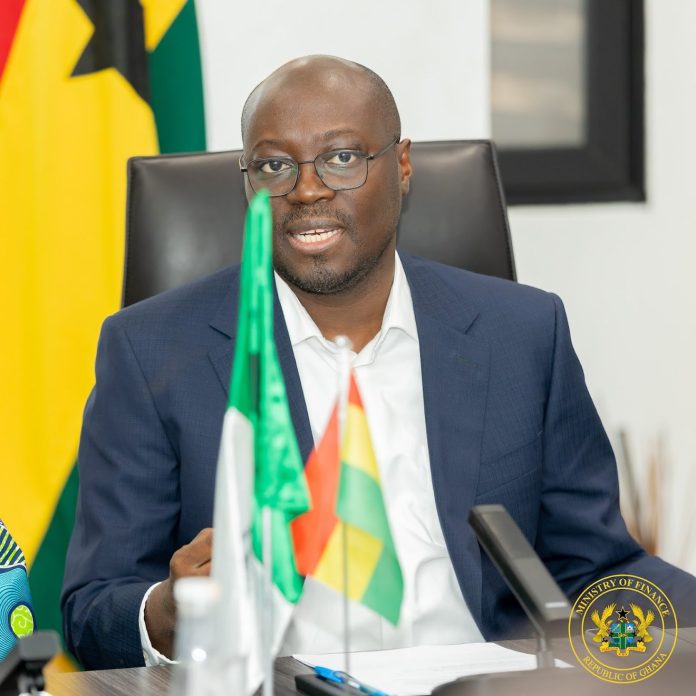
Ghana has secured a US$12.83 million grant from the African Development Bank (AfDB) to finance feasibility studies for a number of priority infrastructure and agro-industrial projects under the government’s flagship Big Push programme, Finance Minister Dr. Cassiel Ato Forson has announced.
Dr. Forson disclosed in a post on his official X (formerly Twitter) page on Tuesday that he had signed the grant agreement earlier in the day, describing it as a critical step toward accelerating the preparation of key national projects for construction.
According to him, the grant will fund detailed feasibility studies, including full engineering designs, cost estimates, and environmental and social impact assessments, to ensure the projects are fully developed and construction-ready.
“The aim is to complete these studies early enough to allow construction to begin soon,” the Finance Minister said.
The projects to benefit from the AfDB-supported studies include a proposed interchange at the 37 Military Hospital in Accra, a location widely regarded as one of the capital’s most congested traffic corridors.
In addition, feasibility work will be undertaken for the redevelopment of four major markets—Agbogbloshie Market in Accra, Techiman Market in the Bono East Region, Sekondi Market in the Western Region, and Mankessim Market in the Central Region. These markets serve as important commercial hubs for trade, food distribution, and informal sector employment.
The grant will also support preparatory studies for Special Agro-Industrial Processing Zones (SAPZs) to be established in Afram Plains, Nsawam, and Builsa. The SAPZ initiative is intended to boost agro-processing, reduce post-harvest losses, create jobs, and add value to agricultural produce in strategic farming belts across the country.
Dr. Forson expressed appreciation to the African Development Bank for its continued partnership with Ghana, singling out the Bank’s Country Manager, Ms. Eyerusalem Fasika, for her role in supporting the initiative.
“I am grateful to the African Development Bank and its Country Manager, Eyerusalem Fasika, for their strong partnership and continued support,” he stated.
The Big Push programme forms a central pillar of the government’s infrastructure development agenda, aimed at stimulating economic growth through large-scale public investment in transport, markets, and industrial infrastructure. Officials argue that completing comprehensive feasibility and impact studies upfront will reduce project delays, improve value for money, and enhance investor confidence.
The AfDB-backed grant is expected to strengthen Ghana’s project preparation capacity and fast-track the transition from planning to implementation, as the government seeks to kick-start construction activity and drive job creation across multiple sectors of the economy.
Presidential hopeful and former Assin Central MP, Kennedy Ohene Agyapong, on Saturday, January 31, 2026, cast his ballot in the New Patriotic Party’s (NPP) presidential primary at the Assin Central constituency in the Central Region.
Mr. Agyapong is one of five contenders vying for the party’s presidential nomination. The others are former Vice-President Dr. Mahamudu Bawumia; former Minister of Food and Agriculture, Dr. Bryan Acheampong; former Minister of Education, Dr. Yaw Osei Adutwum; and former NPP General Secretary, Mr. Kwabena Agyei Agyepong.
The NPP presidential primary will produce an outright winner only if a candidate secures more than 50 per cent of the valid votes cast. Where no candidate meets this requirement, the party’s constitution provides for a run-off between the two leading contenders within 14 days.
A total of 211,849 delegates are expected to participate in the nationwide exercise. Voting is being conducted without biometric verification, with party officials instead using two voter registers at each polling centre to verify eligible delegates. Proxy voting is not permitted.
Polling is taking place at 333 centres across 276 constituencies nationwide, including a designated polling station at the party’s national headquarters in Accra. Voting commenced at 7:00 a.m. and is scheduled to end at 2:00 p.m.
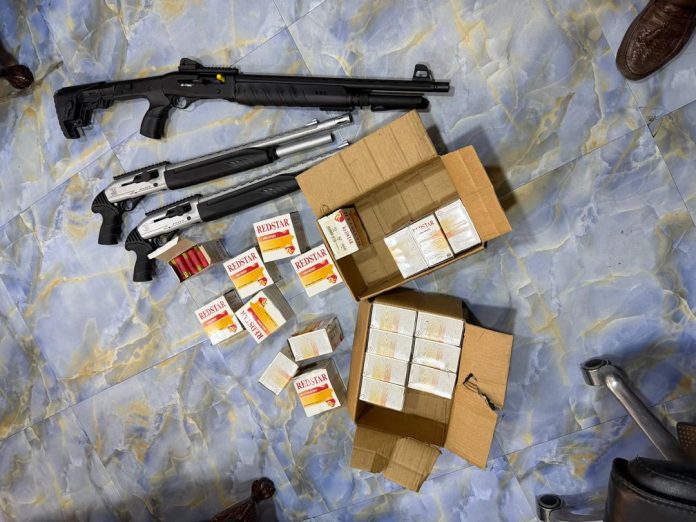
A cache of firearms and ammunition en route to Kpandai, impounded by the police.
The Ghana Police Service has intercepted a cache of firearms and ammunition allegedly being smuggled to Kpandai, following renewed directives by the Inspector-General of Police (IGP), Christian Tetteh Yohuno, to crack down on criminal activities and illegal arms trafficking.
On January 27, 2026, at about 3:30 p.m., police received intelligence indicating that an unidentified person was transporting arms and ammunition on a blue Royal motorcycle to Kpandai.
Acting swiftly on the tip-off, a surveillance team was deployed and tracked the motorcycle as it moved from the Obetsebi Lamptey Interchange towards the Agbogbloshie Bus Terminal.
Police said the suspect, upon realising he was being trailed, abandoned several parcels wrapped in black nylon bags and fled the scene on the motorcycle.
Firearms seized by the police on display.
A search conducted on the abandoned packages led to the recovery of one A-Tac semi-automatic shotgun, two Jojef semi-automatic shotguns, and two boxes of cartridges containing a total of 500 BB cartridges.
Despite a coordinated pursuit and search operation in the area, the suspect managed to escape.
Police say investigations are ongoing to identify and arrest the motorcycle rider and any accomplices involved in the attempted arms smuggling.
The Police Service reiterated its commitment to enforcing the IGP’s directive to deny criminals access to firearms and ammunition, and urged the public to continue providing timely information to support ongoing security operations.
An emblem of the Office of the Special Prosecutor (OSP).
The High Court has adjourned proceedings in The Republic v. Kenneth Ofori-Atta and Nine Others to 26 February 2026 to enable service of the summons on two accused persons who are currently fugitives in the United States of America.
The court, in granting the OSP’s application for summons to issue on 11 December 2025, took into consideration the multiple jurisdictional paths the summons would proceed along the lines of the extradition process and fixed the return date on 26 February 2026.
Service of summons outside the jurisdiction for persons undergoing extradition proceedings, follows procedures similar to those applicable to extradition requests. Once prosecutors obtain court approval to serve summons abroad, the documents must pass through the Attorney-General’s Department and the Ministry of Foreign Affairs before being transmitted to the United States Department of Justice, which then reviews the request and effects service on the individual where located.
Prosecutors informed the Court that the Special Prosecutor has already forwarded the summons to the Attorney-General, who has transmitted them to the Ministry of Foreign Affairs, and that the process is currently underway.
At the last sitting on 29 January 2026, the Chief Executive Officer of SML announced a change in legal representation for himself and the company, adding Professor Kwame Gyan to his legal team.
Meanwhile, lawyers for the eight accused persons present in court, including the corporate entity, applied for a variation of their bail conditions.
They sought permission for their clients to report to the Office of the Special Prosecutor (OSP) once a month, instead of the current weekly reporting requirement. The application was opposed by the prosecution, and the trial judge agreed, refusing the request and maintaining the existing bail terms.
The OSP also indicated that it was preparing further disclosures for the accused persons. Although some disclosures have already been filed, prosecutors noted that they had not been served on the accused as of the last hearing.
The case is scheduled to continue on 26 February 2026.
President John Dramani Mahama has renewed his government’s resolve to decisively confront illegal mining, declaring that the fight against galamsey will continue “without fear or favour.”
He made the declaration at the Ghana Military Academy Graduation Parade 2026, where 267 cadet officers were commissioned into the Ghana Armed Forces.
The President said illegal mining has caused extensive damage to Ghana’s rivers, forests and farmlands, prompting the establishment of the National Anti-Illegal Mining Operations Sector at NAIMOS, supported by strict enforcement, public education, alternative livelihoods, technology and institutional coordination.
According to him, forests and river bodies have been declared security zones, permanent military bases established, and offenders arrested and prosecuted.
President Mahama noted that major river bodies, including the Pra, Ankobra and Ofin, are gradually recovering, but stressed that success in the fight against galamsey depends on national unity, describing environmental protection as a moral, civic and generational duty.
He urged the newly commissioned officers to see themselves not only as combat-ready soldiers, but as guardians of peace, justice and national unity, calling for courage, humility and professionalism in the discharge of their duties.
President John Dramani Mahama, dressed in Air Force ceremonial uniform, receives a salute upon his arrival at the Ghana Military Academy Graduation Parade 2026.
President John Dramani Mahama has stressed that safeguarding Ghana’s peace and stability must be a shared national responsibility, and not the exclusive duty of the Armed Forces and security agencies.
President Mahama observed that the evolving global and sub-regional security landscape—marked by violent extremism, terrorism, transnational crime and asymmetric warfare—demands a comprehensive and coordinated national response beyond the barracks.
Commending the graduating cadets, the President said the crisp drills, coordinated movements and prompt execution of commands displayed at the parade were a testament to the high standards of leadership and instruction at the Academy.
He praised the Military High Command, the Commandant and the entire training staff for their dedication and sacrifice in transforming civilians into officers ready to serve the Republic, noting that they had upheld the Academy’s noble motto of service, devotion and sacrifice.
He made the pronouncement during the Ghana Military Academy Graduation Parade 2026, where 267 cadet officers were commissioned into the Ghana Armed Forces.
He said security must be viewed as a collective national duty, requiring the active involvement of citizens, communities, traditional authorities, civil society and government. Speaking at the Cadet Officers Mess, and clad in the Air Force ceremonial garb, President Mahama urged all Ghanaians to remain vigilant and security conscious in safeguarding the nation’s peace.
President Mahama acknowledged that commissioning officers in a period of limited resources posed challenges, but assured that government remained committed to maintaining a capable and resilient Armed Forces to confront contemporary security threats, particularly those along Ghana’s northern borders.
Reflecting on Ghana’s long-standing contribution to international peace, he recalled that the country first participated in a United Nations peacekeeping mission in the Republic of Congo in 1960 and has since remained steadfast in its commitment to global peace and security.
He noted that Ghana is currently among the leading troop-contributing countries to United Nations peacekeeping missions, with men and women serving with distinction in 15 missions worldwide under the UN, African Union and ECOWAS—from Lebanon to South Sudan, and from Abyei to Somalia.
President Mahama assured that transparency, fairness and merit would continue to guide the selection of personnel for peace support operations, ensuring that only the most qualified officers represent Ghana abroad.
He further highlighted Ghana’s leadership in gender inclusion in peacekeeping, pointing out that female participation in formed units and staff positions exceeds United Nations targets—an indication of the Armed Forces’ commitment to equity and operational excellence.
The President added that exposure to conflict environments has strengthened the Ghana Armed Forces’ deep respect for constitutional rule and democratic governance, reinforcing their role as a pillar of national stability.
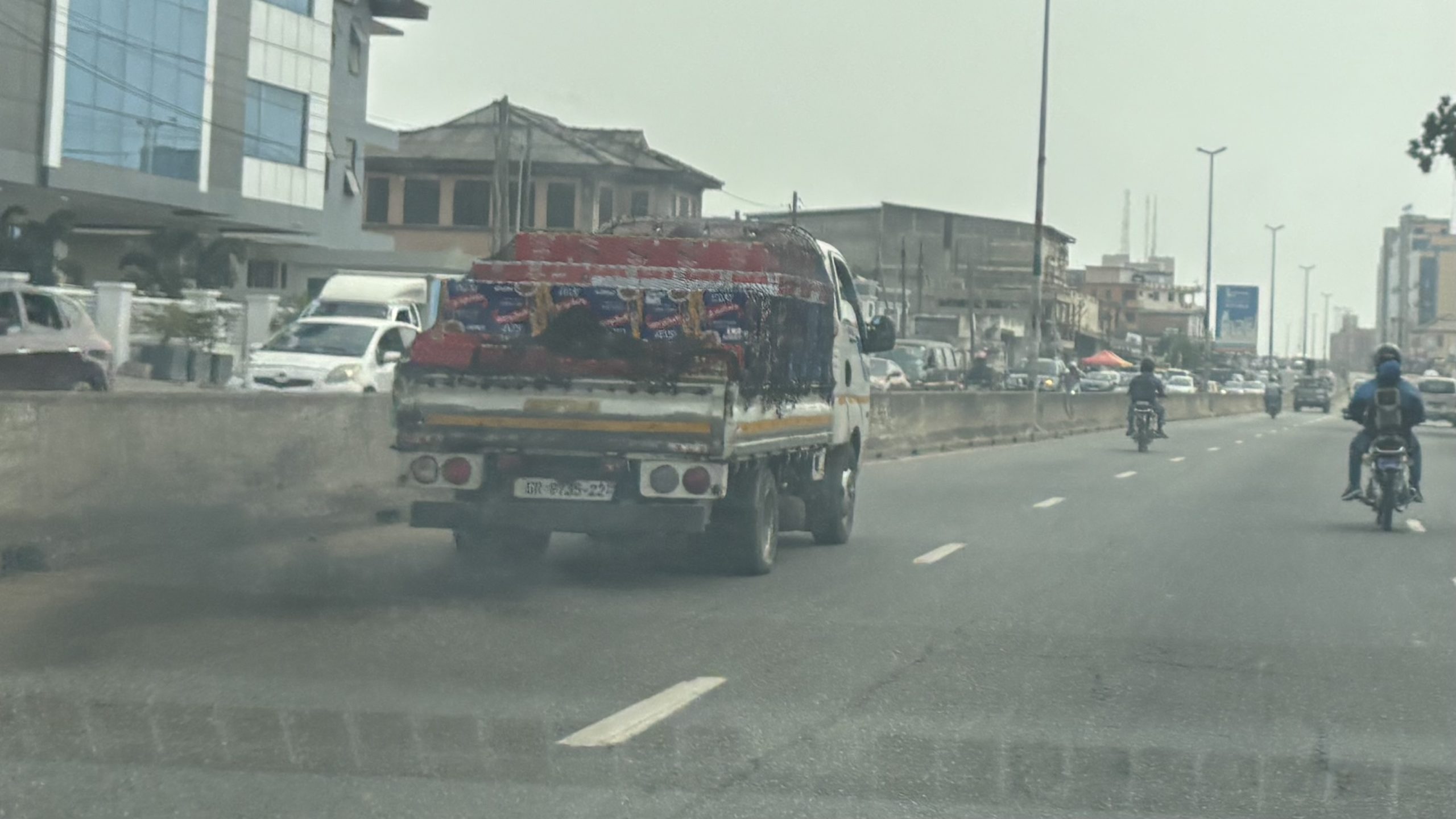
TEMA, Accra —Before dawn, Christabel Addo, would lift the shutters of her provision shop in Community 8. By 6 a.m., the narrow roadside wasalready choked with trotros belching dark smoke, taxis idling impatiently, and heavy-duty trucks grinding past on their way to the nearby industrial area.
“Once the traffic starts, the air changes,” says the 46-year-old former Junior High School teacher. “You smell fuel, smoke, everything.”
Exhaust fumes billow from a delivery truck on the left as it moves along Circle Road.
For nearly six years, Christabel worked from this spot, breathing in exhaust fumes as she arranged bread, canned foods and toiletries on wooden shelves. Then one afternoon, while serving customers, she suddenly felt short of breath. Dizziness forced her to sit. Within hours, she wasrushed to Korle Bu Teaching Hospital in Accra where doctors diagnose her with hypertensive heart disease.
“I thought it was just tiredness from standing all day,” she says. “Little did I know it was something this serious.”
Christabel’s experience is not an isolated one. Across Ghana’s rapidly growing cities, doctors say, air pollution is emerging as a silent but significant contributor to heart disease, increasingly affecting adults in their most productive years.Beyond coughing and breathing difficulties, polluted air is now linked to hypertension, heart attacks, strokes and premature death at a rate that public health experts say demands urgent attention.
A hidden threat
Christabel does not smoke. She has no known family history of heart disease. During her admission, doctors explained that while her condition is linked to recognised risk factors including high blood pressure, obesity, poor diet, physical inactivity and smoking,it has also been linked to prolonged exposure to polluted air.
“They told me that apart from the usual causes, the smoke I was breathing every day by theroadside could also have affected my heart,” she says. “That was when everything startedmaking sense.”
After weeks of treatment and being placed on medication, her condition stabilised. Doctorsadvised her to reduce prolonged exposure to traffic fumes as much as possible.
For women like Christabel who work along congested roads, polluted air has become an unavoidable occupational hazard.According to data from the National Cardiothoracic Centre at the Korle Bu Teaching Hospital, about 10,000 cases of heart-related diseases were recorded in 2024 alone.
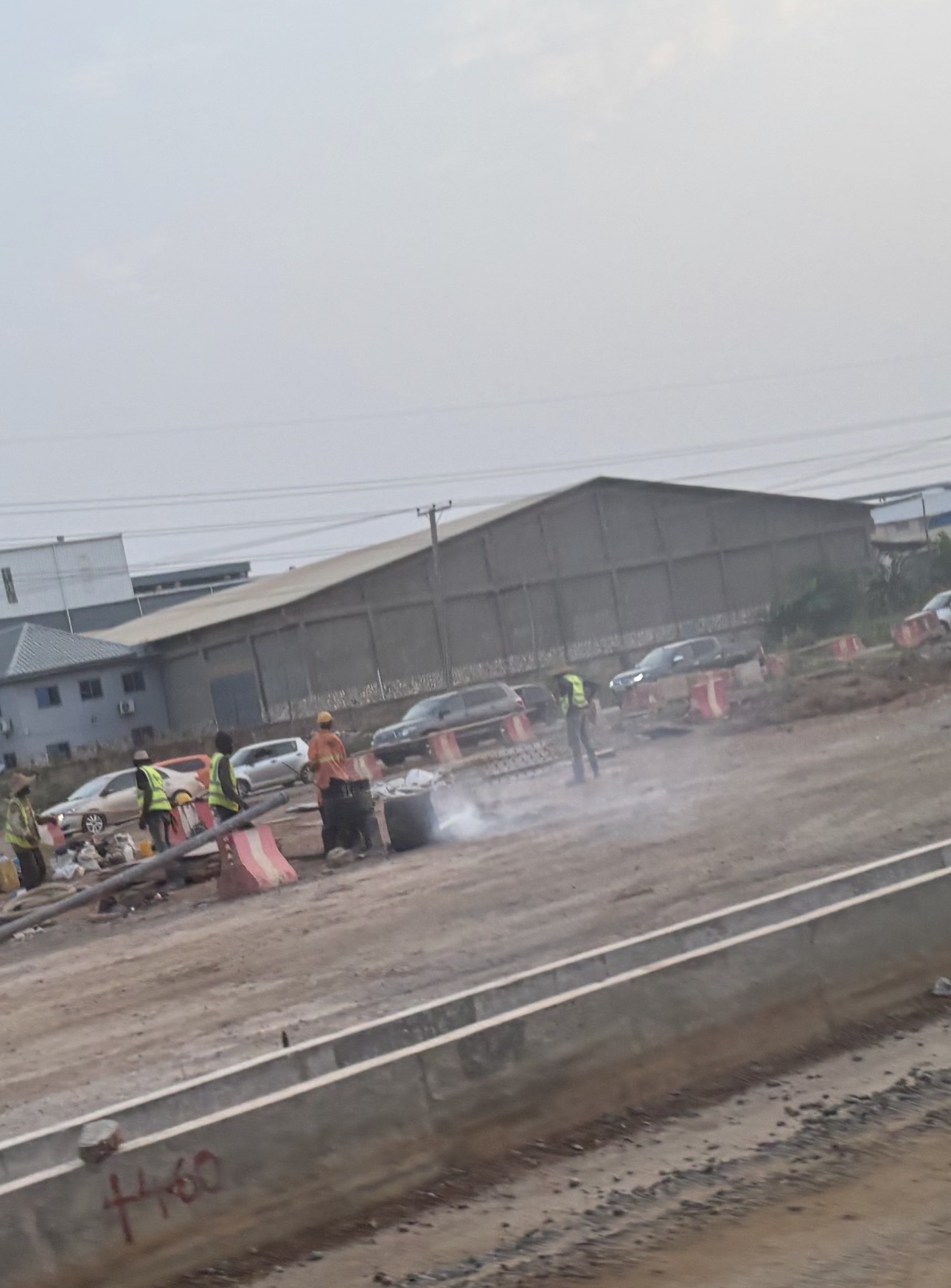
Road workers burn materials in the middle of the busy Tema Motorway stretch, sending smoke into traffic
Daily exposure to vehicle emissions, generator fumes, open waste burning and industrial activity has become routine in many urban communities, often without any form of protection. For traders, transport operators and residents living near busy roads, polluted air is not a temporary inconvenience but a constant presence.
The State of Global Air 2025 report foundthat in West Africa, including Ghana, more than one in three heart disease deaths are attributable to air pollution. Cardiovascular diseases including heart attacks and strokes account for about 70 percent of all air pollution–related deaths, making heart disease the single largest health impact of polluted air.
Additional evidence from the World Health Organization shows that average PM2.5 levels – the smallest and most dangerous air pollutants – in Ghana’s major cities are four to six times higher than recommended safe limits.
WHO cardiovascular studies indicate that reducing air pollution to guideline levels could prevent a significant proportion of heart disease deaths annually, particularly among people exposed over many years.
“When someone spends years working in an environment with constant vehicle fumes and industrial emissions, the heart is placed under continuous stress,” says Dr Richard Bright Danyoh, a paediatrician at the Korle Bu Teaching Hospital. “PM2.5 is so fine that it travels deep into the lungs.Once the lungs are affected, oxygen delivery to the body is compromised, and the heart is essentially starved of oxygen.”
Over time, that strain can lead to hypertension and other forms of cardiovascular disease. Some particles, he adds, can directly damage blood vessels, further increasing the risk.Air pollution, Dr Danyoh warns, is an invisible threat that quietly damages the heart long before symptoms become obvious.
Children Are More Vulnerable and Cases Are Growing
For children, the effects of polluted air often begin earlier and progress quietly.
Dr Danyoh recounts the case of a child brought to the teaching hospital with severe respiratory distress requiring intensive care. She was small for age and had been exposed to indoor air pollution.
“The damage usually starts in the lungs,” Dr Dunyo says. “Polluted air weakens natural defencesand sets off a chain reaction that can eventually affect the heart.”
Such cases, he says, are becoming more common, particularly among children exposed to smoke from indoor cooking and heavy outdoor pollution.
During treatment, doctors discovered the child also had sickle cell disease, a genetic condition more common in Africans, that made her vulnerable to infections.
“While children with certain inherited diseases are already at risk, polluted air often pushes already fragile systems over the edge,” Dr Danyoh says.
Children are exposed daily to smoke from charcoal and firewood used in poorly ventilated kitchens, both before birth and after delivery. Childrenare especially vulnerable because they spend more time close to the ground, where concentrations of harmful particles are often higher.Their smaller organs also mean they are exposed to pollutants at a higher concentration.
Long standing lung complications can lead to heart diseases as Danyoh warns that long-term exposure can force the heart to work harder due to limited oxygen supply, increasing the risk of future complications.
In cities like Accra, exposure is often constant rather than occasional.
“Pollution comes from traffic and industry, but also from inside homes,”said ProfessorReginald Quansah,an environmental epidemiologist. “Smoke from cooking doesn’t stay indoors. It escapes into the surrounding air, meaning people are exposed both at home and on the streets.”
This continuous exposure helps explain why heart disease is increasingly affecting younger, working-age adults who do not smoke or have obvious lifestyle risks, he says.People who work close to busy roads, in markets or in poorly ventilated spaces face some of the highest risks, though he stressesthat there is no safe level of exposure to polluted air.
Experts say protecting heart health will require cleaner cooking fuels, better transport systems, improved city planning and stronger enforcement of air-quality regulations.
A growing public health crisis
Air pollution has moved beyond being an environmental issue to become a major public health threat in Ghana according to doctors.
“Air pollution is no longer just about the environment; it is a major public health issue because of its direct and long-term effects on the human body,” says DrBenson Owusu, a public health expert and lecturer at the School of Nursing and Midwifery at Central University.
Pollution-related heart disease, he notes, is already affecting Ghana’s workforce and economy.
“People living with cardiovascular complications are more likely to miss work, experience reduced productivity or retire early due to ill health,” he says.
At the same time, the healthcare system faces increasing pressure from hospital admissions, long-term treatment and emergency care, diverting limited resources from other essential services.
Low-income and high-traffic communitiesare especially vulnerable. Many are located near busy roads, industrial zones and congested urban centres with consistently poor air quality. Limited access to healthcare, healthy living conditions and information about pollution risks further reduces residents’ ability to prevent or manage disease.
Existing health conditions, poor nutrition and occupational exposure often compound the risk.
Without a stronger preventive approach, the health system will continue to bear the cost of diseases that could have been avoided, Dr Owusu warns.
Despite growing evidence, experts say Ghana’s public health response remains limited and largely reactive. While environmental regulations exist, specific strategies linking air pollution to cardiovascular disease are weak. Public awareness is low, air-quality monitoring is inconsistent and enforcement of emissions standards remains inadequate.
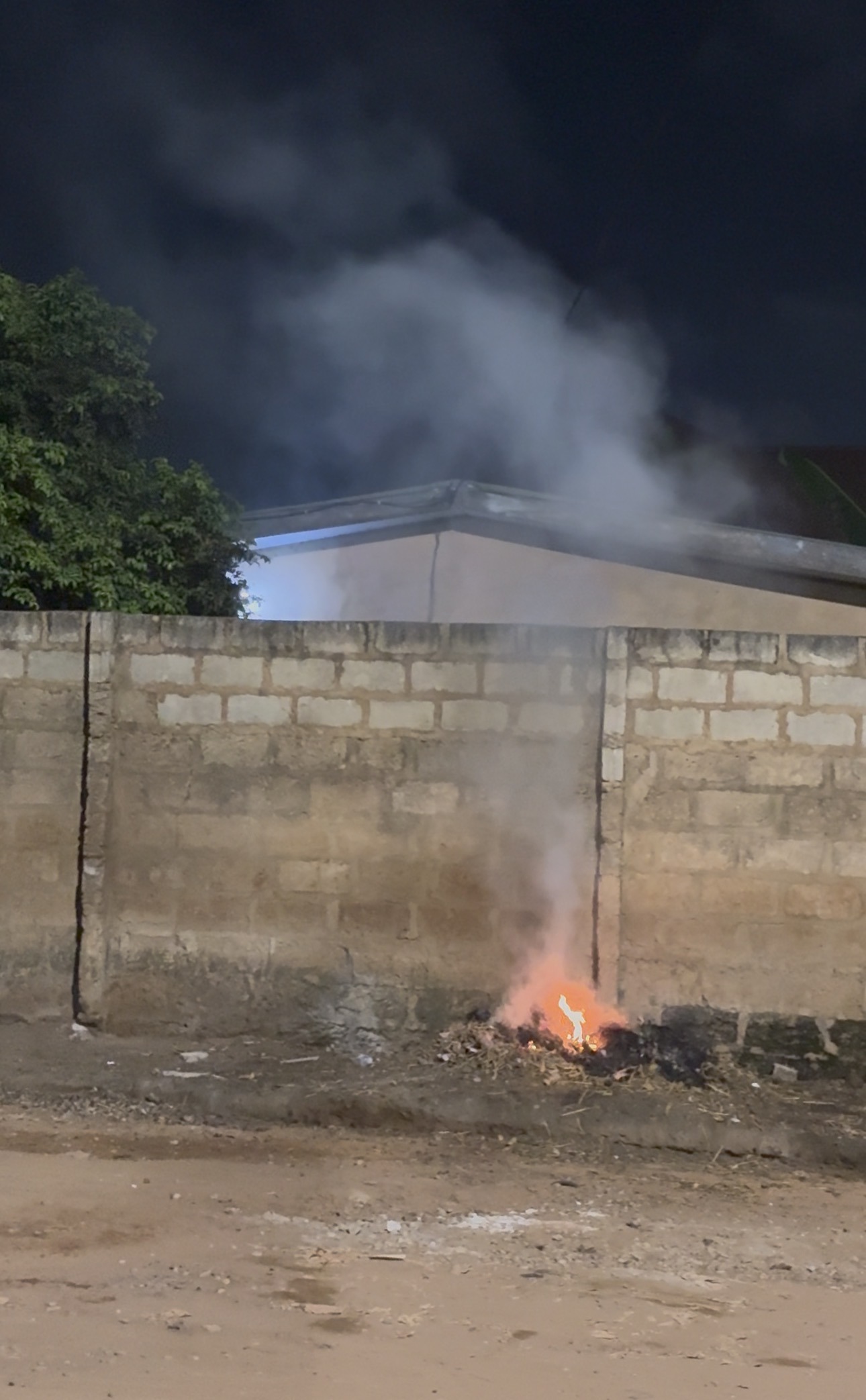
Open burning of waste beside a wall fills the air with smoke, posing health risks to nearby residents.
To protect those most at risk, Dr Owusu calls for immediate public health interventions alongside longer-term solutions. These include public education on pollution risks, reducing exposure during peak pollution periods, improved traffic management, routine heart disease screening in high-exposure communities and stricter enforcement of vehicle and industrial emissions standards.
Public health experts say people are not completely helpless, even when they cannot avoid polluted environments altogether. Small steps such as limiting the amount of time spent directly in heavy traffic fumes where possible, taking breaks away from the roadside, improving ventilation at home and reducing indoor smoke from charcoal or firewood can help lower exposure.
For now, Christabel has stayed away from the shop, even though it is her main source of income. Closing it, even temporarily, means losing the daily sales she depends on to support herself.
But she admits the uncertainty weighs on her. “I can’t say I’m done with the shop forever,” she says. “That is how I survive. I’m just trying to get better and figure out what to do next.”
This story was collaboration with New Narratives. Funding was provided by the Clean Air Fund. The donor had no say in the story’s content.
The flagbearer aspirant of the New Patriotic Party (NPP), Dr Bryan Acheampong, has called for unity ahead of tomorrow’s party primary and the 2028 general elections.
He has also called on party leadership to urgently address the issues that led to voter apathy, internal divisions and social media insults during the 2024 general elections. This, according to him, would help the party regain power in 2028.
Dr Bryan Acheampong
Addressing a news conference in Accra yesterday, ahead of the NPP presidential primary tomorrow, Dr Bryan Acheampong, who is also the Member of Parliament for Abetifi in the Eastern region, reminded delegates that the 61% to 37% split in the last primary was not just a result, but a warning.
The former Minister for Agriculture in the Akufo-Addo government noted that over two million voters stayed home during the 2024 general elections.
This, according to him, affected the party’s parliamentary numbers, which dropped drastically from 137 to 87.
He attributed the unfortunate development largely to disunity and should never be repeated. “Two camps one family, but still apart. Can we march into 2028 like this? The answer is no,” he said and called for urgent reconciliation to bridge the divides.
Dr Acheampong who also served once as minister of state at the Ministry of National Security has positioned himself as that leader, pledging to unite the party, resource its structures, and restore discipline. He promised to heal the wounds of 2023 and ensure that every member of the NPP feels part of one family marching toward victory.
His message was clear: unity is not optional, it is the foundation of success.
Dr Acheampong’s appeal to delegates was both emotional and strategic, presenting himself as the unifying force who can rescue Ghana from the NDC in 2028.