Home Blog Page 18

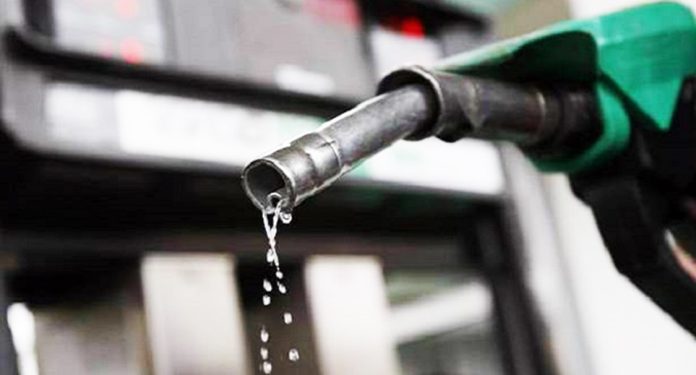
Govt defends petrol price, says cost in Nigeria is 50% below global average

0
Fuel pump

The Federal Government has credited the economic reforms of President Bola Tinubu’s administration for the cost of petrol in the country, saying the price for the essential commodity is 50 per cent lower than the global average.

According to the Executive Chairman of the Nigeria Revenue Service (NRS), Zacch Adedeji, who spoke on Tuesday, Nigeria enjoys a lower cost of petrol in comparison with other countries.

“People complain that the pump price is expensive, but as a data-driven student of economics, I brought the facts,” Adedeji told a gathering during the commissioning of the NRS headquarters in Abuja.

“The price of petrol in Nigeria is approximately $0.88 per litre. In the United States, it is $1.70 (22% higher); in India, it is 25% higher; and in South Africa, it is 35% higher. Globally, our prices are 50% lower because you allowed local refineries to work.”

On his inauguration, Tinubu ended the payment of subsidy on petrol, a move that pushed the cost of the product from below N200 to almost N1,000 per litre.
Since the Middle East war a few months ago, however, prices have soared to above N1,200 per litre, depending on the location.

Adedeji, however, assured that with the Dangote Refinery fully on stream, Nigeria’s energy security is guaranteed.

“Mr President, if those difficult decisions hadn’t been made, petrol supply security would be non-existent,” he said.

“We would be facing massive queues, and fuel would be both expensive and unavailable. Today, supply is stable because it is easier to wait for deliveries from Lekki [Dangote Refinery] than to wait for imports from Europe.”

Credit: channelstv.com

Sachet water prices rise in Tema, despite calls to suspend increases

0
Sachet water

Some sachet water retailers in Tema have increased the price of a single sachet from GH¢0.50 to GH¢0.70 despite recent calls by authorities to suspend price hikes.

The increment follows a pricing recommendation by the National Association of Sachet and Packaged Water Producers, although the Ministry of Trade, Agribusiness and Industry has engaged producers to halt a nationwide increase.

Some retailers, however, have already begun adjusting prices to protect their profit margins.

Madam Bernice Agyeman, a sachet water seller in Tema, told the Ghana News Agency (GNA) that the price of a bag of sachet water had increased from GH¢10.00 to GH¢12.00.

Madam Sewaa Mensah, a wholesaler, attributed the increase to rising production costs, particularly the cost of raw materials such as polymers.

She said the adjustment was in line with recommendations by NASPAWAP.

Madam Eliman Ameyo, another wholesaler, said she was yet to increase her prices, adding that she would wait for a final directive from NASPAWAP before making any changes.

Some consumers who spoke to the GNA expressed concern about the rising cost of sachet water, noting that it would affect household budgets.

They said sachet water remains a primary source of drinking water for many Ghanaians, and frequent price increases could have implications for public health.

GNA

Otumfuo’s power and authority can stop Galamsey outright in Asanteman -St. Sark

0
Apostle Kofi Nkansah-Sarkodie, Head Pastor of the Open Arms Ministry

The Head Pastor of the Open Arms Ministry, Apostle Kofi Nkansah-Sarkodie says he strongly believes that Otumfuo Osei Tutu II, the Asantehene, is capable of using his power and authority to stop illegal mining, also known as galamsey, especially in all mining areas under his kingdom.

He said His Royal Majesty wields enormous influence over all his subjects under the Asante Kingdom, which is arguably the worst affected by illegal mining activities.

Addressing a news conference at the headquarters of his church at North Suntreso in Kumasi, Saint Sark, as the Man of God is popularly called, said Otumfuo Osei Tutu II is one of the most revered Kings in the world and should use his Royal authority and the respect he commands over the world to halt the galamsey menace in the country.

Saint Sark noted the Asantehene is on record to have said some time ago that any traditional ruler in his jurisdiction who was found to be involved in galamsey would be destooled outright and argued that it was high time Otumfuo strictly applied those rules.

He said it was no enviable record that Ashanti region is in the lead with regards to the galamsey issues and the King should, therefore, exercise his authority over his chiefs to end the disgraceful canker now.

From Thomas Agbenyegah Adzey, Kumasi 


For more news, join The Chronicle Newspaper channel on WhatsApp: https://whatsapp.com/channel/0029VbBSs55E50UqNPvSOm2z

Kumasi traders threaten demo against Kejetia Phase Two delay 

0
Daniel Otuo Acheampong, addressing the press

The Combined Kumasi Central Market Traders Union have issued an ultimatum to the government to resume work on the stalled Kejetia Phase Two project by the end of May, this year, or face a mass demonstration in protest against the delay.

In May 2019, then President, Nana Addo Dankwa Akufo-Addo, cut the sod for the project to be commenced, which was to be completed within 48-months, but has stalled till now.

The second phase of the project is expected to house 6,500 leasable commercial spaces, 5,400 closed stores, 800 kiosks, 50 restaurants, 210 fishmonger and butcher stores, as well as 40 livestock stores among others, which will provide 900 direct jobs and 2,500 indirect jobs to improve the lot of residents.

The redevelopment of the Kumasi Central Market at €248 million is being financed by the Deutsche Bank of Germany, with export credit guarantee from the United Kingdom Export Finance (UKEF).

The traders Union claims its members have endured years of hardship following their eviction from the Kumasi Central Market in 2021 to make way for the redevelopment project, which implementation has unduly delayed.

The Union warned that failure by the government to act within the stipulated timeframe would leave them with no option than to embark on a mass protest.

Mr. Daniel Otuo Acheampong, Director of Operations for the Union, said at a press conference yesterday that the prolonged delay has significantly disrupted trading activities and livelihoods.

“Traders have faced serious challenges since 2021, when they were evicted from the Kumasi Central Market,” he stated.

According to the Union, although some traders were relocated to the Kumasi Racecourse, many others are still without permanent trading spaces.

They described conditions at the Race Course as poor, citing bad roads, inadequate sanitation, poor lighting and insecurity, which have reduced customer patronage.

Traders who remain at portions of the Central Market are also grappling with flooding, sewage odour, and accumulated debris, raising concerns about public health and safety.

The Union further expressed disappointment over an earlier assurance by Vice President, Prof. Naana Jane Opoku-Agyemang that work on the project would resume in March 2026, but no sign of its resumption.

Believing that the delay might be caused by lack of funding, they called on the government to release funds to address this major challenge.

The traders proposed a change in project management for operations to be handed over to a competent private entity to improve efficiency and security.

They also appealed to the Otumfuo Osei Tutu II to intervene and help resolve the issue.


For more news, join The Chronicle Newspaper channel on WhatsApp: https://whatsapp.com/channel/0029VbBSs55E50UqNPvSOm2z
Oyemam Foundation, GRA promotes awareness of autoimmune diseases

0
Oyemam Autoimmune Foundation

The Oyemam Autoimmune Foundation has partnered the Ghana Revenue Authority to promote awareness of autoimmune diseases, particularly lupus.

The initiative formed part of the Foundation’s Lupus Awareness Campaign to highlight challenges faced by persons living with autoimmune conditions, especially women.

Madam Emma Halm, Executive Director of the Foundation, described lupus as an “invisible disease” and a “great imitator,” noting that it predominantly affected women during their most productive years.

“Imagine the potential errors a revenue officer could make due to lupus symptoms… valuable revenue can be lost through genuine errors linked to invisible disabilities,” she said at a ceremony in Accra recently.

Madam Halm said symptoms such as brain fog, memory loss and confusion could affect productivity and decision-making, and noted that stigma and workplace discrimination worsened the condition and reduced morale.

“Advocating for lupus awareness is a matter of social justice and women’s empowerment,” she added.

Madam Halm said early diagnosis and access to quality healthcare were critical to protecting the socio-economic contributions of women.

She expressed appreciation to the GRA Ladies for promoting autoimmune awareness within the public sector and noted that collaboration between institutions and civil society could help create inclusive environments for persons living with chronic conditions. The Foundation reaffirmed its commitment to making lupus “visible, known and understood” across the country through sustained advocacy and education.

Madam Amma Randolph, Deputy Commissioner, Human Resource at the Ghana Revenue Authority, described the session as “enlightening and thought-provoking,” and said it had broadened awareness of complex health issues affecting women.

Participants were encouraged to foster empathy, build supportive workplace environments and prioritise staff well-being as part of organisational growth. The event also highlighted the need to recognise lupus as a public health priority, with emphasis on strengthening advocacy and support systems within workplaces.

GNA

Ato Forson Showcases Ghana’s Economic Turnaround at the World Bank meeting

0

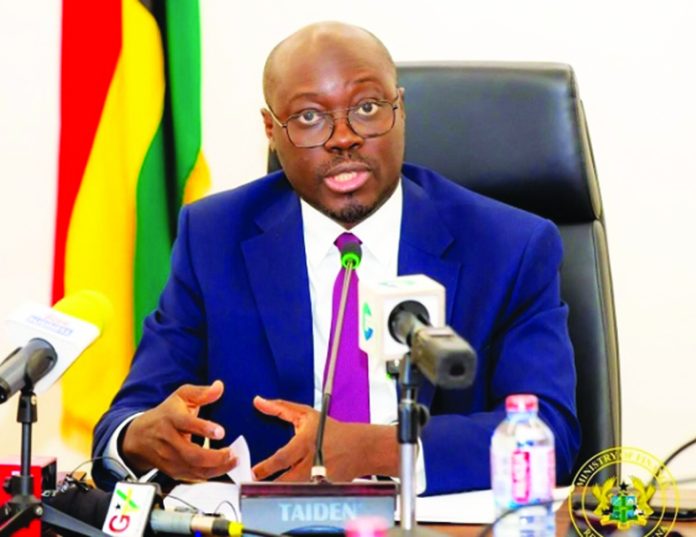
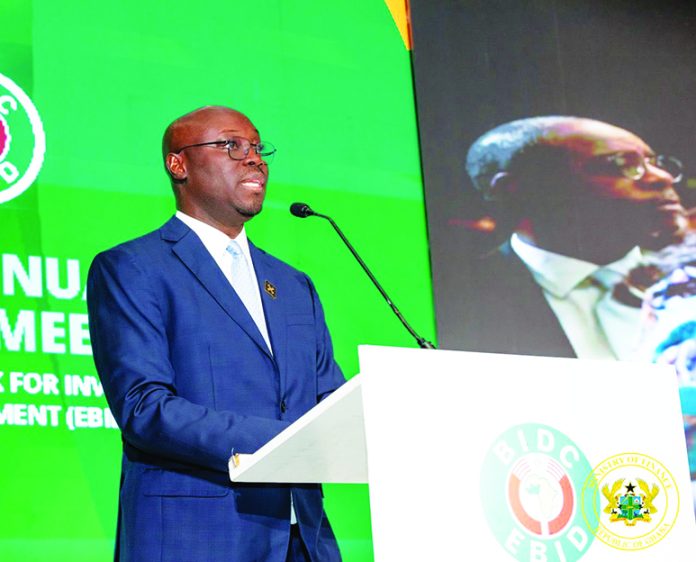
Finance Minister, Cassiel Ato Forson, has placed the country’s economic recovery firmly on the global stage, highlighting significant macroeconomic gains while earning strong commendation from the World Bank at the ongoing IMF/World Bank Spring Meetings in Washington, D.C.

Addressing the 13th African Fiscal Forum High-Level Roundtable held on the sidelines of the meetings, Dr. Forson presented Ghana’s recovery story as a compelling example of how African economies can rebound from crisis through disciplined reforms and strong policy direction.

Speaking on the theme of “Macro-Fiscal Developments and Outlook in Sub-Saharan Africa,” the Minister noted that Ghana’s experience over the past fifteen months demonstrates that economic shocks, while severe, can be transformed into opportunities for structural reset and long-term stability.

He recalled that Ghana faced a period of acute economic distress in 2022 and 2023, marked by high inflation, currency depreciation, and fiscal imbalances. However, he stressed that bold reforms implemented since 2025 have helped restore macroeconomic stability and reposition the economy on a sustainable growth path.

Dr Forson pointed to tangible improvements across key economic indicators. Real GDP growth rose to 6 percent in 2025, up from 5.8 percent in 2024, while inflation declined sharply from 23.8 percent in 2024 to 5.8 percent in 2025, falling further to 3.2 percent as of March 2026.

He also highlighted a strong recovery in the local currency, noting that the Ghana cedi appreciated by more than 40 percent against the US dollar in 2025, with the positive trend continuing into 2026.

On the fiscal front, the Minister reported a significant turnaround in Ghana’s primary balance—from a deficit of 2.9 percent of GDP to a surplus of 2.6 percent in 2025—underscoring improved fiscal discipline. Public debt levels have also declined markedly, with the debt-to-GDP ratio falling from 61.8 percent to 45.3 percent, far ahead of the country’s initial 2034 target.

Additionally, Ghana’s international reserves have strengthened, now covering 5.8 months of imports, while policy credibility has been reinforced through stronger institutions and the adoption of clear fiscal rules.

Dr. Forson emphasised that these gains are the result of deliberate policy choices anchored in fiscal discipline, institutional reforms, and a commitment to transparency—measures he said are critical to sustaining the recovery over the medium term.

Dr Forson described 2025 as a decisive turning point for Ghana’s economy, marking a transition from instability to recovery and renewed growth. He reiterated that Ghana is now firmly on the path to debt sustainability, supported by improved macroeconomic fundamentals and strengthened policy frameworks.

Beyond stabilisation, the Minister outlined the government’s next phase of economic transformation, which will focus on key sectors including agriculture, energy, education, and infrastructure. These priority areas, he noted, are central to consolidating the gains achieved so far while driving inclusive growth and job creation.

He also reaffirmed Ghana’s commitment to maintaining social investments, particularly in education, healthcare, and social protection programmes, to ensure that the benefits of economic recovery are broadly shared.

The Minister’s presentation drew strong endorsement from senior officials of the World Bank, who praised both Ghana’s progress and the leadership driving the reforms.

Ousmane Diagana, Regional Vice President for Western and Central Africa, described Ghana’s turnaround as impressive, signalling the Bank’s readiness to deepen its support for the country’s development agenda.

Other senior officials were equally emphatic in their praise. Seynabou Sakho, Regional Practice Director for Prosperity, commended the Minister’s fiscal reforms, particularly the restructuring efforts, noting that they have gained recognition beyond Ghana.

Similarly, Trina Hague, Regional Practice Director for People, highlighted Ghana’s resilience and the government’s commitment to safeguarding vulnerable populations despite global economic pressures.

UAE, India Lead Ghana’s Export Markets

0
Dr Cassiel Ato Forson, Finance Minister

The United Arab Emirates (UAE) accounted for GH₵104 billion, representing 25.9 percent of Ghana’s total exports between Q1 and Q4 2025, maintaining its position as the country’s top export destination, according to the latest trade newsletter released by the Ghana Statistical Service (GSS).

India followed as the second-largest export market with GH₵64.3 billion (16.0%), while Switzerland recorded GH₵56.8 billion (14.2%), reflecting strong global demand for Ghana’s key commodities, particularly gold. South Africa ranked fourth with GH₵41.3 billion (10.3%), and China completed the top five with GH₵19.6 billion (4.9%).

The figures highlight Ghana’s continued dependence on a narrow set of export markets, with the top five destinations collectively accounting for more than 70 percent of total export earnings over the period.

In the fourth quarter of 2025 alone, Ghana’s external trade reached GH₵170.1 billion, comprising exports valued at GH₵108.6 billion and imports of GH₵61.4 billion, resulting in a trade surplus of GH₵47.2 billion.

This marks a significant improvement from the GH₵17.5 billion surplus recorded in the third quarter, representing a sharp increase of 169.7 percent, largely driven by rising export values.

Asia Tightens Grip

The dominance of the UAE and India underscores Asia’s growing importance in Ghana’s trade architecture. The continent accounted for more than half (53.4 percent) of total exports in Q4 2025 more than double Europe’s share of 24.9 percent.

Asia also remained the primary source of imports, contributing 46.8 percent of all goods entering the country, reinforcing its central role in Ghana’s global trade network.

Other key export destinations in Q4 2025 included South Africa (GH₵12.1 billion), Switzerland (GH₵11.9 billion), and the Netherlands (GH₵5.3 billion), with the top five destinations accounting for 74.8 percent of total exports during the quarter.


Gold Dominates Export Earnings

Ghana’s export performance continues to be heavily driven by gold, which remains the backbone of the country’s external sector.

In Q4 2025, gold bullion exports were valued at GH₵72.7 billion, accounting for 66.9 percent of total exports. This was more than seven times the value of cocoa beans (GH₵9.6 billion), the second-largest export commodity, and far exceeded crude petroleum exports, which stood at GH₵7.6 billion.

The top five export products, gold, cocoa beans, crude petroleum, cocoa paste, and shea nuts, collectively accounted for 86 percent of total exports, reflecting a high concentration of export earnings in a few primary commodities.

Over the full year, gold alone contributed 62.9 percent of total exports, followed by cocoa beans and crude petroleum, with the three products accounting for nearly 80 percent of export revenue. The report notes that the surge in gold export earnings has been largely driven by price increases rather than higher volumes, pointing to potential vulnerability to global price fluctuations

China Remains Top Import Partner

On the import side, China maintained its position as Ghana’s largest trading partner, accounting for GH₵14.3 billion, or 23.3 percent of total imports in Q4 2025.The United States followed with GH₵5.3 billion, while the Netherlands, Belgium, and Nigeria also featured among the top import sources.

Imports were dominated by mineral fuels and oils, with motor spirit (GH₵6.4 billion) and gas oil (GH₵4.5 billion) leading the list. Vehicle imports also remained significant, reflecting sustained demand for transport and industrial equipment. Despite the strong nominal trade surplus, the report presents a more nuanced picture when adjusted for price changes.

The Eyes of Ghana to premiere in April, spotlighting rare Nkrumah-era footage

0
Producer of The Eyes of Ghana, Nana Adwoa Frimpong

A new feature-length documentary chronicling Ghana’s political history through rare archival footage is set to premiere this April, offering audiences a unique window into the life and legacy of Ghana’s first President, Dr Kwame Nkrumah.

Titled The Eyes of Ghana, the film is inspired by the life and work of Chris Hesse, a 93-year-old former personal cameraman to Dr Nkrumah, who has spent over seven decades preserving visual records of Ghana’s early post-independence era.

Speaking on JoyNews’ AM Show, producer Nana Adwoa Frimpong said the documentary serves as both a tribute to Mr Hesse and a broader effort to reclaim and retell Ghana’s story through authentic African perspectives.

She explained that Mr Hesse, who took on the role at just 30 years old, travelled extensively with Dr Nkrumah, documenting key moments in Ghana’s liberation and early nation-building journey.

According to her, the film features 15 minutes of carefully selected footage drawn from over 300 hours of archival material that has remained largely unseen for decades.

“He has been waiting to tell his story for more than 70 years. This film is really an homage to him, to Ghana’s history and to this rising generation of storytellers who want to see Ghana’s story told in full,” she said.

The documentary also interrogates how history is interpreted and who gets to tell it.

The film underscores the power of visual storytelling in shaping collective memory, with Ms Frimpong noting that many people, particularly outside Africa, remain unfamiliar with Dr Nkrumah’s legacy.

The Eyes of Ghana will be screened twice with free admission. The first showing is scheduled for April 16 at 6:00 pm at the National Theatre of Ghana, with doors opening at 5:00 pm.

The second screening will take place on April 18 at 5:00 pm at the University of Ghana Cedi Conference Centre, with doors opening an hour earlier.

The filmmaking team will be present at both events to engage with audiences and respond to questions after the screenings.

Background

Five years ago, we began making a film about Chris Hesse, Kwame Nkrumah’s personal cinematographer. Back then, we couldn’t have anticipated the wondrous journey that would invite each of us to traverse languages, generations, and continents, and culminate in a meaningful cultural exchange that would further the understanding we each had: that cinema has the power to preserve and connect, irrespective of time and place.

Credit: myjoyonline.com

Editorial:  Implementation Of Publican AI: Familiar Cycle Of Resistance?

0
Editorial

Over the past two weeks, Ghana’s Port corridors have been gripped by tension, following the rollout of the Publican AI system, an application deployed across the country’s ports and border entry points to enhance revenue mobilisation.

What was intended as a technological upgrade has instead triggered agitation among key trade groups, including the Ghana Union of Traders Association, the Importers and Exporters Association of Ghana and the Traders Advocacy Group.

Their opposition reached a peak yesterday, when traders abandoned their goods at the ports in protest against what they describe as excessive duties under the new system. While such reactions may appear spontaneous, they follow a familiar pattern in Ghana’s trade history.

The Publican AI system, introduced in early 2026 by the Ghana Revenue Authority, in collaboration with the Ministry of Finance, is designed to strengthen customs administration. Managed by the Customs Division, specifically the Customs Technical Services Bureau and supported by a private technology partner, the system, we are told, operates as an AI-driven tool for valuation and duty verification.

Its primary objective is to detect under-invoicing and plug persistent revenue leakages, while complementing the existing Integrated Customs Management System (ICUMS). A central secretariat has been established in Accra to handle disputes and oversee nationwide implementation, covering major ports such as Tema and Takoradi, as well as land borders.

Yet, despite these structural safeguards, resistance has been swift and intense. Traders insist that the system has significantly increased their duty obligations, a claim the GRA has firmly denied.

It is interesting to note that this is not the first time traders are rejecting a platform introduced by the government to maximise revenue. In 2020, similar protests erupted over the introduction of ICUMS. It appears to us that each time reforms are initiated to tighten controls and improve transparency, sections of the trading community respond with scepticism, if not outright opposition.

This raises difficult but necessary questions: are these protests purely a reaction to rising operational costs, or do they reflect deeper discomfort with stricter enforcement? It is undeniable fact that any policy perceived to increase the cost of doing business will be resisted. However, it is equally true that systems designed to close loopholes will inevitably expose practices that previously went unchecked.

Globally, customs administration is undergoing rapid transformation. From Singapore to China and the United Arab Emirates, artificial intelligence is increasingly being deployed to enhance efficiency, improve compliance, and reduce human discretion in valuation processes. Ghana’s adoption of such technology is, therefore, not an anomaly, but part of a broader shift toward data-driven governance.

What distinguishes the Publican AI system, however, is its strong emphasis on real-time revenue enforcement. Unlike many jurisdictions where AI primarily supports risk assessment, Ghana’s model directly influences valuation outcomes. This makes it both a powerful tool for revenue mobilisation and a potential source of friction if not carefully managed.

Ultimately, the question is one of balance – if the system succeeds in improving efficiency and curbing leakages, the benefits will extend beyond the state to the trading community itself through a more predictable and transparent regime. But for this to happen, trust must be built.

The Chronicle believes that sustained engagement—not confrontation—is the way forward. Government must provide clarity on how valuations are determined and ensure that dispute resolution mechanisms are accessible, transparent, and credible. Traders, on the other hand, must recognise that reform is inevitable in a modern economy.

If indeed duty assessments have risen abnormally under the new system, the burden will ultimately be passed on to consumers. That risk cannot be ignored. It is, therefore, imperative that any inconsistencies within the Publican AI framework are promptly identified and corrected.

While traders may be justified in raising concerns over rising costs, the state must equally demonstrate openness by giving them a fair hearing and providing avenues for redress. Only through such balanced engagement can confidence in the system be restored and stability maintained at the ports.

The current impasse need not escalate further. What is required is dialogue, constructive, transparent, and anchored in the national interest. Only then can Ghana fully realise the promise of technological transformation at its ports.


For more news, join The Chronicle Newspaper channel on WhatsApp: https://whatsapp.com/channel/0029VbBSs55E50UqNPvSOm2z

Police Officers Trained as Emergency Life-Savers

0
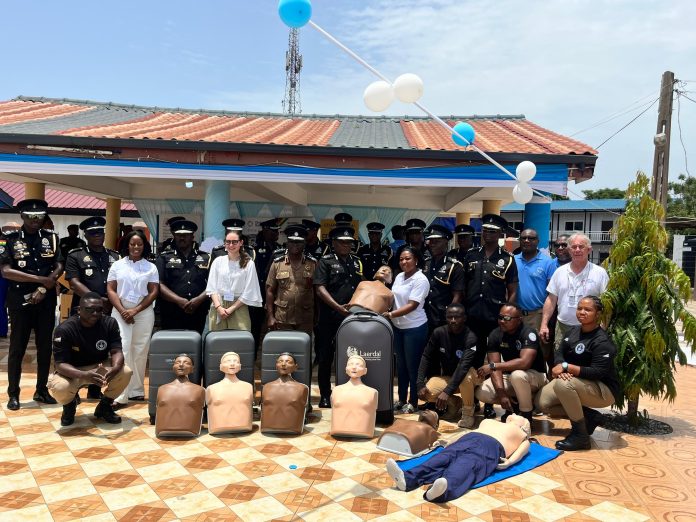
Stakeholders, including senior officers of the Ghana Police Service, representatives of Global Lifesavers, Inc., the Ghana Natio

The Ghana Police Service has taken a significant step toward redefining the modern police officer, not merely as a law enforcement agent, but as a first responder capable of preserving life.

At the closing ceremony of a two-day Train-the-Trainer workshop on emergency medical response, held at the Police Depot in Tesano, Accra, every Speaker who took the podium told the same story of collaboration, of urgency and of a Ghana in which no life is lost, for want of a trained hand nearby.

Dr. Selina Okyere, representative of Global Lifesavers, Inc., was the first to set the tone. Expressing appreciation for the trust that made the partnership possible, she was quick to frame the programme’s significance in terms that went beyond institutional capacity-building.

“This initiative goes beyond training. It is about lifesaving,” she said, noting that the curriculum spanning CPR, first aid, and tactical emergency care was designed to equip officers to act decisively whether on active duty or within the communities they patrol.

She acknowledged the structural credibility the ERC’s involvement lent to the exercise, stating that its “guidance and international standard support will ensure that the training delivers global best practices,” and assured all present of Global Lifesavers’ commitment to delivering “high-quality, sustainable training that will have a lasting impact.”

The National Ambulance Service aligned itself fully with that position. In a goodwill message delivered on behalf of its CEO, Dr. George Kojo Owusu, the Service described the programme as a demonstration of “the power of collaboration, bringing together institutions with a shared purpose to protect lives.”

Commending the High Command of the Ghana Police Service for its commitment to public safety, the message affirmed that “the skills acquired and partnerships forged during the period will undoubtedly enhance our readiness to respond swiftly and effectively in critical moments,” and reaffirmed the Service’s “unwavering commitment to working hand-in-hand with the police service and all stakeholders to build a safe Ghana.”

Mazarines Tyssens, representing the European Resuscitation Council, offered perhaps the most direct moral articulation of what the workshop stood for. Dispensing with institutional formality, she grounded the ERC’s involvement in a principle as simple as it was far-reaching: “Every life is valuable, and wherever you live does not mean that you should be limited.”

Her vision, she made clear, extended well beyond the police service. The ultimate goal, she said, was a Ghana in which every citizen — not just every officer — could perform CPR.

The IGP’s Charge

It fell to Inspector-General of Police Mr. Christian Tetteh on his part  praised the facilitators and partners for training officers who would themselves go on to train others, and congratulated the participants for their discipline and active engagement throughout the two days.

But he was equally candid about the operational reality that made the programme not merely worthwhile but necessary.

“In our line of duty, we are often the first to arrive at accident scenes, during emergencies, and in moments of crisis. In those critical moments, what we do or fail to do can make all the difference. That is why emergency medical response is not an added skill. It is an essential one.”

Addressing the newly certified instructors directly, the IGP was unambiguous about the responsibility they now carried.

“You are no longer just trainees. You are trainers, and indeed ambassadors of this critical skill within the Ghana Police Service.

“The baton has now been handed over to you. I encourage you to carry it with diligence, integrity, and a spirit of excellence.”

He backed those words with a concrete pledge: the administration would provide the logistics, equipment, and support systems necessary to ensure that what was learned at Tesano could be effectively applied in the field.

His vision, he stated, was to progressively extend the training to every officer within the Ghana Police Service.

“This is how we build a modern police service – one that is professional, responsive, and deeply committed to the safety and well-being of both our officers and the citizens we serve.”

He closed with a caution as much as a charge: “Training such as this must not be seen as an event, but as part of an ongoing journey towards professionalism and service excellence.”


For more news, join The Chronicle Newspaper channel on WhatsApp: https://whatsapp.com/channel/0029VbBSs55E50UqNPvSOm2z

The Ghanaian Chronicle