Home Blog Page 1335

Ghana maintains same position in latest FIFA rankings

0
Black Stars of Ghana

The Black Stars of Ghana have maintained their position in the latest FIFA Coca-Cola rankings. 

The four-time African champions remain 64th globally and are 12th on the continent in the month of July.

Having defeated Mali and the Central African Republic during June’s World Cup qualifiers, Ghana made a leap in the ranking but maintained their position a few weeks later.

The Black Stars were inactive in the month of July as compared to countries in Europe and South America that were involved in the European Championship and Copa America respectively.

Meanwhile, Argentina keep their place at the top of the table after winning the Copa America while Spain move to third place in the world following their success at the Euros.

Morocco, Senegal, Egypt, Cote d’Ivoire and Nigeria make the top five in Africa.

Ghana will return to action in September to commence the 2025 Africa Cup of Nations qualifiers. The Black Stars will face Angola in Kumasi before travelling to Niger for the second match of Group F.

The former African champions are hoping to make a return to the Africa Cup of Nations which will be hosted in Morocco next year.

Credit: ghanasoccernet.com

7k Police Personnel Recruited …within 3yrs –Veep Bawumia  

0
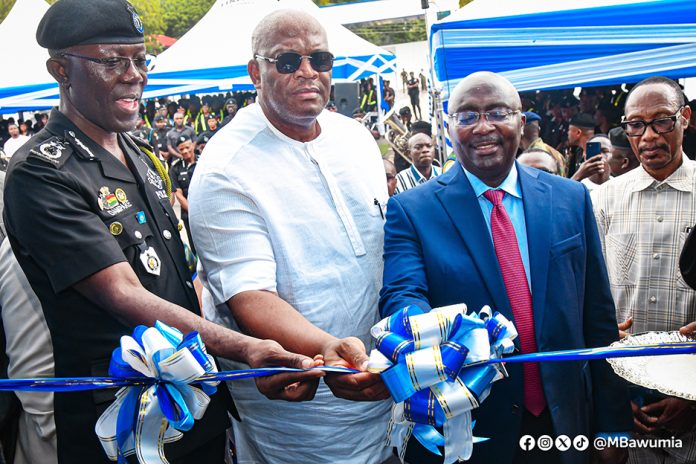
Veep Bawumia, Henry Quatey and IGP Dampare jointly commissioning the shop

Vice President Mahamudu Bawumia has disclosed that with the clearance from the government, the Ghana Police Service has recruited over 7,000 personnel to augment its staff strength.

He said the over 7,000 personnel were recruited over a period of three years and this has resulted in a significant manpower increase.

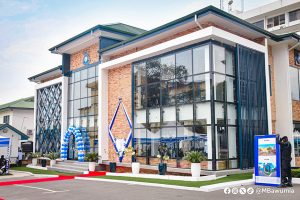
Dr Bawumia disclosed this when he inaugurated the state-of-the-art Ghana Police Shop, a pivotal addition to the country’s law enforcement infrastructure in Accra yesterday.

The development, he noted, emphasised the government’s steadfast commitment to enhancing security across the country.

He also indicated that the government had consistently allocated resources to strengthen the Police Service, including the provision of vehicles, motorbikes and protective gear.

The new police shop

This initiative, he noted, aligns with broader efforts to bolster operational efficiency and officer welfare, saying “these investments have not only increased police visibility, but also enhanced response capabilities and community engagement nationwide.”

Highlighting the critical role of security in national development, Vice President Bawumia praised the efforts of the Ghana Police Service, under the leadership of Inspector General of Police, Dr. George Akuffo Dampare, in maintaining peace and stability amidst regional challenges.

The commissioning of the Ghana Police Shop marks a significant milestone in the ongoing modernisation efforts within the Police Service.

Vice President Bawumia underscored the shop’s importance in fostering uniformity and providing additional logistical support to officers beyond what is traditionally supplied by the government.

The newly commissioned Ghana Police Shop will stock a comprehensive range of uniform items tailored to meet the diverse needs of officers, from office attire to operational and ceremonial wear.

Moreover, it will serve as a platform for officers to access souvenirs essential for international assignments, ensuring they represent Ghana with pride on global stages.

Innovatively, the shop will operate an online platform, enabling officers across the country to conveniently purchase items and have them delivered to their locations, thereby ensuring accessibility beyond Accra.

Vice President Bawumia reassured that the establishment of the shop is complementary to the government’s mandate of providing essential supplies to the Police Service, affirming that it will enhance uniformity and support officers’ operational effectiveness.

Vice President Bawumia officially declared the Ghana Police Shop open, expressing confidence that it would serve as a cornerstone for the Police Service, providing vital resources for current and future generations of officers.

Police Is Ready Ahead of Elections 

Henry Quartey, Minister of the Interior, said “Very soon, under the First Publication Act, anybody who makes a threatening statement to incite violence before, during and after the elections, we will make sure the law deals with the person.”

Minister Quartey affirmed the importance of a peaceful electoral processes of the country and urged all citizens to exercise their democratic right responsibly and peacefully.

He assured the public of the government’s dedication to maintaining a secure environment conducive to free and fair elections.

Minister Quartey reiterated the government’s commitment to ensuring peace and security before, during, and after upcoming elections.

He emphasised a zero-tolerance policy towards any form of violence or incitement, warning potential offenders of strict legal consequences under the law.

The minister also noted the strides made by Ghana’s security and intelligence agencies, particularly the Ghana Police Service, under the current administration.

Minister Quartey talked about advancements in police infrastructure and professionalism over the past seven and half years.

He underscored the transformation from outdated facilities and mismatched uniforms to a well-equipped and uniformed force, embodying professionalism and unity.

“In the last seven and a half years, the security and intelligence agencies in Ghana, particularly the Ghana Police Service, have been very well retooled,” Minister Quartey stated, reflecting on the progress achieved under the current administration.

On his part, Dr. George Akuffo Dampare, the Inspector General of Police (IGP), said “we are here today to witness the realisation of a vision aimed at uplifting the lives of our police personnel.”

Dr. Dampare underscored the importance of the project in fostering a conducive environment for officers to carry out their duties effectively.

The event, attended by stakeholders from diverse sectors, including media representatives and guests, underscored the government’s commitment to supporting Ghana’s security agencies.

Akufo-Addo happy with transformation of YEA

0
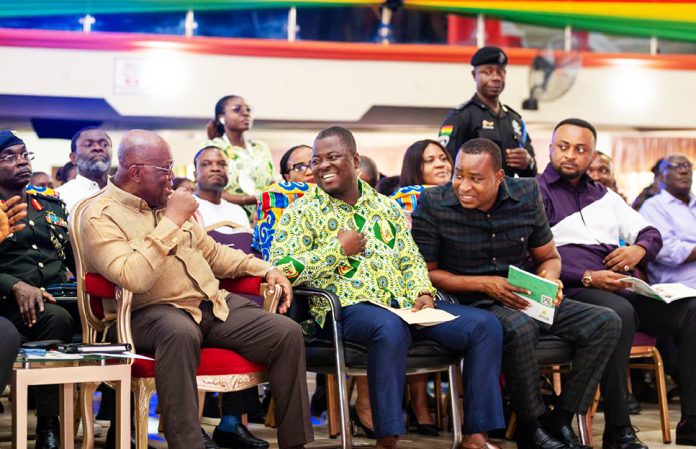
Prez Akufo-Addo in a hearty chart with Kofi Agyepong, CEO of YEA

President Akufo-Addo has assured the beneficiaries of the Youth Employment Agency (YEA) that his government will support the security services to consider their appeals to absorb them into mainstream security services such as policemen and prisons.

President Akufo-Addo who was speaking at the YEA forum held in Kumasi yesterday praised the management led by Kofi Agyepong and board for their significant efforts in addressing the country’s unemployment issue.

He also touched on the importance of the upcoming elections, urging citizens to make the right decision and participate actively in the process. “The future of Ghana resides in you and your votes,” he stated.

The Minister for Labour and Employment, Ignatius Baffour Awuah also commended YEA’s leadership.

He noted the agency’s unprecedented achievements, with over 100,000 beneficiaries annually, leading to meaningful livelihoods for 400,000 to 500,000 individuals over four years.

According to him the YEA has moved beyond traditional roles and now training individuals in various trades such as carpentry, masonry, welding and hairdressing and, therefore, appealed to security agencies to utilise the talents of beneficiaries efficiently.

Kofi Agyepong, CEO of YEA, emphasised the agency’s commitment to its beneficiaries, ensuring timely payments and training to boost morale and appreciation.

He shared success stories of beneficiaries creating jobs for themselves and others, noting that 8,496 beneficiaries are in the Ashanti region alone, including community police, health workers and prison service employees.

YEA supports 6,011 businesses in the region, paying allowances to service employees.

Textile model beneficiaries receive GHC1,857 each for 143 businesses, including tailors and seamstresses, while large garment companies benefit with over GHC92,000 each.

Agyepong acknowledged challenges with the sanitation model’s payment structure, but promised future improvements.

Ghana Publishing officially opens office in Kumasi

0
Minister Fatimatu in a group photograph with officials of GPCL

The Ghana Publishing Company Limited (GPCL) has officially opened its first regional office in the Ashanti Regional capital, Kumasi. The inaugural ceremony was attended by the new Information minister, Fatimatu Abubakar.

In her address, she highlighted GPCL’s journey over the decades and its historical significance. The Minister noted that the inauguration of the new office in Kumasi symbolises the revival of GPCL and its unwavering commitment to restoring its former glory.

“This occasion signifies a monumental step forward in our collective journey towards reclaiming and advancing the esteemed legacy of GPCL,” she stated.

Reflecting on GPCL’s rich history, Minister Abubakar recounted the establishment of presses in Tema, Tamale, Victoriaborg and Takoradi, complemented by sales points in all regional capitals.

She emphasised that these facilities ensured that vital information and publications reached every corner of the nation.

Despite past challenges that led to the cessation of many operations, she hailed the Kumasi office’s inauguration as a symbol of the company’s revival.

The Minister highlighted GPCL’s recent success, noting its consistent profitability over the last two years. She attributed this success to prudent and efficient management under the current administration.

Abubakar emphasised that this achievement demonstrates that with the right leadership and governance, state institutions can thrive and contribute significantly to national development.

“GPCL has emerged as one of the most viable state institutions. This remarkable turnaround is a testament to the prudent and efficient management,” she remarked.

The Minister extended her deepest appreciation to the GPCL Board, led by Dr. Daniel Owusu-Ansah and the management team, under David Boateng Asante.

She also lauded the GPCL staff for their hard work and dedication, noting that their commitment to excellence and resilience, especially during challenging times, has been pivotal in driving the company forward.

The establishment of the Kumasi branch represents a practical step towards decentralisation and bringing essential services closer to the people.

The new office will serve the Ashanti Region and its adjoining regions, making it easier for individuals and organizations to access a wide array of products and services.

The presence of GPCL in Kumasi is expected to have a positive economic impact, creating jobs and fostering local partnerships.

Moreover, it will empower the local population by providing them with timely access to crucial information and publications, thereby enhancing transparency and informed decision-making.

Unethical Conduct Of Journalists And Media Practitioners

0
OPINION

The Ghana Journalists Association (GJA), the Ghana Independent Broadcasters Association (GIBA) and the Private Newspapers and Online News Publishers Association of Ghana (PRINPAG), as well as our partners, the Media Foundation for West Africa (MFWA) and the New Media Association, note with concern the growing spate of breaches of responsible and professional media conduct in the country.

The GJA Code of Ethics and the GIBA Code of Conduct clearly spell out the responsibilities of journalists and media practitioners in the execution of their roles and mandates.

In the spirit of those professional codes, this Coalition condemns in no uncertain terms, comments and pronouncements that have the potential to undermine Ghana’s peace and stability as a democracy, and which can negatively affect our collective efforts in protecting and defending media freedoms, as well as freedom of expression in the country.

We are of the view that being critical and holding leaders and government accountable to the people should not be conflated with spewing hate speech and insulting personalities.

The Coalition is resolute in its defense of media freedom and free speech.However, we cannot overlook unethical behaviour that brings the media profession into disrepute and undermine public trust in the media as an institution.

We, therefore, unequivocally condemn all unethical and reckless media practice byany journalist or media practitioner. In this regard, we wish to remind and caution all journalists, media practitioners and media organisations that the extent to which the three umbrella bodies, that is, the GJA, GIBA and PRINPAG, together with the MFWA and the New Media Association, can defend media freedoms is very much dependent on how professionally and responsibly journalists, media practitioners and media organisations carry out their duties.

Over the weekend for example, we heard the disturbing and reckless comments of Blessed Godsbrain Smart aka‘Captain Smart’,made on Accra-based OnuaTV.He described as ‘beasts,’ people who would vote for the New Patriotic Party (NPP) in the December elections.

Giving the severity of his utterances and the ethical breach, we call on the Board and Management of Media General, to take immediate action to mete out appropriate sanctions to Mr. Smart. This will not only serve as a deterrent to others, but will enhance public confidence in the media organisation, as an organisation that detest unprofessional conduct.

In West Africa, Ghana is an oasis of peace and this needs to be guarded at all cost. We stress the point that the media industry plays a critical role in ensuring the protection of national peace and security.

We, therefore, urge all to conform to the tenets and standards we have set for ourselves in ensuring that everything we do is in conformity with the laws of the country and the ethics of our profession in order not to plunge our country into needless chaos as happened in Rwanda three decades ago.

We must also be guided by the fact that we are fast approaching the general elections in December with the political atmosphere already charged. Therefore, it is important to be sensitive to the fact in these times, the least incitement could lead to an explosion.

The GJA, GIBA, PRINPAG, MFWA and New Media Association, therefore, caution all journalists, media practitioners and media organisations to be cautious of their utterances and reportage on their platforms to save the country from slipping on to the path of violence with its attendant consequences.

It is important to note that this caution is not a gag on the right to free expression, given that there are decorous means and avenues for journalists and citizens to expresstheir opinions loud and clear.

We remain resolute in our defence for media freedom and that requires us to also champion media professionalism.

May God bless our nation Ghana and continue to make her great and strong.

Editor’s note: Views expressed in this article do not represent that of The Chronicle

AU Mid-Year meetings begin in Accra today

0
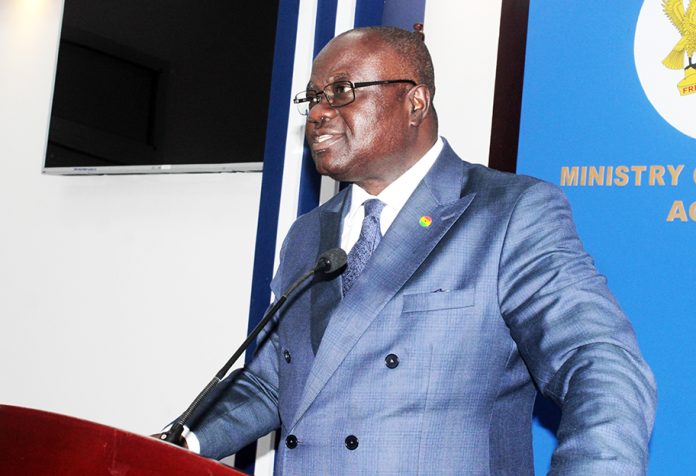
Dep. Minister for Foreign Affairs and Regional Integration addressing the media

The 45th Ordinary Session of the Executive Council and the 6th Mid-Year Coordination Meetings of the African Union (AU) and the Regional Economic Communities (RECs) have officially commenced in Accra, today.

These high-profile events, scheduled from July 18 to 21, 2024 will be held at the Accra International Conference Centre (AICC), under the auspices of His Excellency the President of the Republic of Ghana.

The AU’s theme for 2024 is: “Educate an African fit for the 21st century: Building Resilient Education Systems for Increased Access to Inclusive, Lifelong, Quality and Relevant Learning in Africa.”

The Deputy Minister for Foreign Affairs, Mr. Kwaku Ampratwum-Sarpong, in a short media briefing yesterday, highlighted the significance of the event.

“I have the honour to welcome you all to Accra on this special occasion of the 45th Ordinary Session of the Executive Council and by extension to the 6th Mid-Year Coordination Meetings of the African Union and the Regional Economic Communities,” the Deputy Minister stated.

“It may be recalled that the 37th Ordinary Session of the Assembly of Heads of States and Government of the African Union, held from 17th to 18th February, 2024 in Addis Ababa, approved for the Republic of Ghana to host the African Union (AU) Mid-Year Meetings in July 2024,” he added.

A National Planning Committee was established in April 2024 to manage the logistical arrangements for the meetings.

This marks a significant milestone for Ghana, as the Deputy Minister noted, “It has been seventeen (17) long years since the Republic of Ghana had the privilege to host the African Union Summit in Accra, under the able leadership of Ghana’s former President, John Agyekum Kuffuor. This was in July 2007.”

The Deputy Minister underscored the historical context of the AU summit in Ghana, reflecting on the progress made since the 2007 summit.

“At that time, our current President, H.E. Nana Addo Dankwa Akufo-Addo, was then the Foreign Minister when Ghana had the distinct honour of hosting the AU Summit of Heads of State.

“That Summit shaped the trajectory of our Union and served as a reminder of the progress we’ve made as a continent and the challenges we have overcome,” he said.

The Deputy Minister expressed optimism for the outcomes of the meetings, stating, “It is our fervent hope that through this event, the Republic of Ghana would once again demonstrate its commitment to the acceleration of the integration agenda of the continent and also help to promote continental unity.”

Political Parties should stop promoting Hate Speech -NMC

0
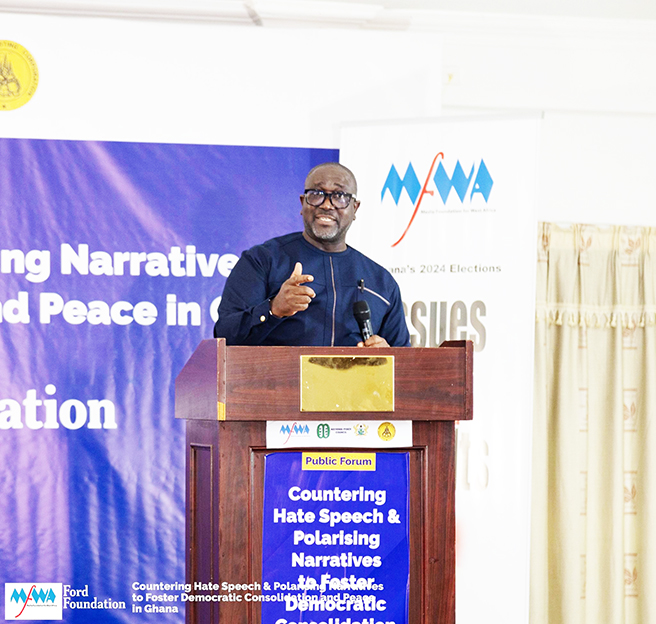
Executive Secretary of NMC, George Sarpong addressing the gathering

The National Media Commission (NMC) has advised political parties to desist from promoting hate speech to fuel chaos.The call was made by the Executive Secretary of the NMC, George Sarpong, in his keynote address at the public forum on countering hate speech, held in Accra yesterday.

The forum was organised by the Media Foundation for West Africa (MFWA), in partnership with National Peace Council, Ghana, National Commission for Civic Education, National Media Commission and funding support from the Ford Foundation.

Addressing the impact of political leaders emphasising ethnic or regional identities over national identity, Sarpong warned, “When political leaders emphasise ethnic or regional identities over national identity, it leads to a breakdown in social cohesion, making it difficult to build a unified democratic state.”

He stressed that such practices hinder the development of a cohesive national identity essential for democratic consolidation.

Mr. George Sarpong underscored the destructive potential of discriminatory communication.

“Any communication that belittles or discriminates against individuals or groups based on attributes such as race, religion, ethnicity or gender is a recipe for chaos,” he said, urging participants to consider the broader implications of their words and actions.

Mr. Sarpong also highlighted the dangers of polarising narratives and the importance of fostering a unified national identity.

“Those who disseminate polarising narratives always believe they act with good intentions, such as Christian groups, Muslims and Traditionalists who label the gay community with unprintable words, feeling a sense of righteousness in doing so,” Sarpong stated.

He emphasised that such actions, despite being perceived as righteous, contribute significantly to societal division and intolerance.

Mr. Sarpong pointed out the inconsistency in promoting intolerance in one area, while advocating for tolerance in another.

“The challenge is that you cannot display intolerance in matters of your religious interest and turn around to preach tolerance to politicians in matters of their interest,” he remarked, highlighting the need for a consistent approach to tolerance across all sectors of society.

“Any discourse that deepens divisions within society by emphasising differences and fostering an ‘us versus them’ mentality sets society on a slippery slope into hell,” he cautioned.

Mr. Sulemana Braimah, Executive Director of the MFWA, in his welcome remarks acknowledged the significant milestone of Ghana’s democratic journey.

“This year marks 31 years of our democracy, when we transitioned from military rule to constitutional governance. And this year we do have an election coming up in December, and this election will be the ninth successive one since we transitioned from military government to civilian government,” he noted.

He emphasised the importance of reflecting on and improving democratic practices in the face of challenges such as hate speech and disinformation.

“The need for such reflections on peace and democratic consolidation in Ghana have even become more critical given the overwhelming evidence around the world and particularly in West Africa, about democratic recession,” Mr Braimah stated.

Highlighting the increasing scope of disinformation campaigns, Mr. Braimah cited a report by the Africa Center for Strategic Studies, which identified West Africa as a major target. “According to a recent report by the Africa Centre for Strategic Studies…there were as many as 72 campaigns targeting 13 West African countries, including Ghana,” he explained.

Mr. Braimah identified several factors contributing to the problem in Ghana, including a polarised political environment and a highly partisan media landscape.

Despite the challenges, Mr. Braimah expressed hope and called for collective action. “I am not saying all this to scare us or to portray a very hopeless situation.

“I’m just trying to sound the alarm bells and to draw our attention to the fact that we have tasks ahead of us, which we must dutifully and effectively discharge in order to protect our democracy, preserve our peace, secure our stability, and promote our prosperity,” he said.

Dr. Ernest Adu-Gyamfi, Chairman of the National Peace Council, emphasised the urgent need to combat hate speech and promote peace ahead of Ghana’s upcoming December elections.

Dr. Adu-Gyamfi called on all forces of goodwill to rally together to counteract these negative narratives.

“If we have people who determine day after day that they will use tools to destroy our democracy, then it stands to reason that forces of goodwill and forces of peace should also rally to ensure we counter such narratives,” he advised

In light of the upcoming elections, Dr. Adu-Gyamfi announced the launch of the Multi-Stakeholder Coalition, a collaborative effort by the Media Foundation for West Africa, the National Peace Council, the Ghana Broadcasting Corporation, and other partners. This coalition aims to pool resources and energies to counter negative narratives and uphold democratic values.

Dr. Adu-Gyamfi also stressed the importance of integrity among state institutions, especially those responsible for maintaining peace during elections.

“The Electoral Commission, the National Commission for Civic Education, the National Media Commission, the National Peace Council, all of us, in the state agencies, should do all that we can to ensure integrity,” he stated.

He encouraged civil society, religious leaders, traditional rulers and the youth to play their roles in preserving the country’s peace.


Editorial: Threats Posed By Sea Waves Must Be Tackled

0
Editorial

The Ghana Hydrological Authority (HYDRO) has discovered that 370 kilometres (km) of the country’s coastline risk destruction due to human activities and sea waves. The Authority says that 370 km stretches from the west to the east and constitute two-thirds of Ghana’s 550 km coastline.

The Chief Executive Officer (CEO) of the Ghana Hydrological Authority, Dr. John Kissi, who revealed the threat to journalists this week, also said the 370-km coastline required coastal protection to prevent further disasters in the areas at high risk. He said, “Now two-thirds of it, which is about 370 km long, is at risk. It’s important for us to undertake coastal protection measures to protect those two-thirds of the coastline.”

The information given by the Ghana Hydrological Authority is quite frightening and rings the alarm bells for us as a nation to act swiftly to curtail any calamities or bear the consequences in the near future.

Coastal erosion is a natural process where waves, currents, and tides gradually wear away the land. The coastlines are dynamic interfaces between sea and land, serving as critical cultural heritage sites, economic hubs and ecosystems. However, the unyielding pressure of nature, coupled with human activities, is pushing these vital areas towards irreversible destruction.

Coastal erosion, exacerbated by rising sea levels and human interventions transcends just an environmental issue, it is a clarion call for urgent action. This natural phenomenon is being augmented by climate change, which causes sea levels to rise and intensifies storm surges. In addition, human activities, such as unsustainable tourism, construction and deforestation further exacerbate the erosion process.

According to the Ghana Hydrological Authority 80km out of the 370km coastline is currently protected, leaving 290km in dire need of protection. He further told pressmen that a third of the entire coastline, representing 180 km, is deemed fairly stable with low vulnerability.

The Ghana Hydrological Authority says that out of the 370 km, eight projects were ongoing at various stages of completion and there were a couple that had been completed in the past, “summing up the 80-kilometre stretch that leaves a 290-kilometre stretch of our coastline unprotected.”

It was frightening to note that some important national assets could be affected if immediate action is not taken to protect them from further destruction by waves and other factors.

The Ghana Hydrological Authority said that the assets to be safeguarded include the Aboadze Power Enclave shoreline for the protection of national power installations, such as the Takoradi Thermal Power Station (530 MW) and the Twin Energy Station (200 MW).

It is important to safeguard our coastlines because the opposite is very costly. Tourism, shipping, and fishing all derive some sort of support from the coastline. The economies of coastal communities and their livelihoods will be hugely affected by the destruction of these areas.

On the way forward, The Chronicle believes that addressing the destruction of coastlines requires multi-faceted approach.

The government, local communities, and environmental organisations must collaborate to implement sustainable coastal management practices. Government should provide natural barriers that absorb wave energy. The government’s tree planting programme comes in handy and subsequent administrations must improve upon it.

Furthermore, policies aimed at reducing carbon emissions are critical to mitigating climate change and its effects on sea levels. Thankfully, reducing carbon emissions is part of the 2030 Sustainable Development Goals, targeting a 45% reduction from the 2010 level and subsequently zero percent by 2050.

We think that if there is public awareness and education in the affected areas, it should be intensified. But if they are not being done, then the authority should introduce public awareness and education, as they are also essential.

While at it, the authority should engage communities in conservation efforts, foster stewardship, and emphasise the importance of preserving coastal environments for future generations.

The Chronicle sees the destruction of coastlines as a pressing challenge that demands immediate attention. Immediate action is needed because protecting our coastlines is not just an environmental necessity; it is a national duty to safeguard our heritage, economies and ecosystems.

Royal family seeks destoolment of Eastern Nzema paramount chief

0
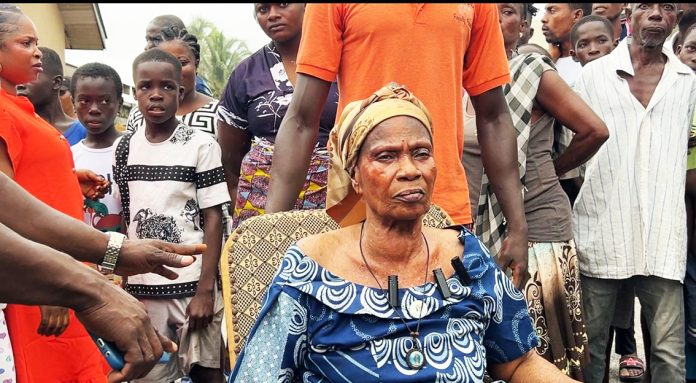
Obaahema Avo Nyimah III, Queenmother Atuabo

The Paramount Chief of Eastern Nzema Traditional Area (ENTC) and President of the Western Regional House of Chiefs (WRHC), Awulae AmihereKpanyile III, is in hot water following destoolment charges filed against him at the Western Regional House of Chiefs (WRHC).

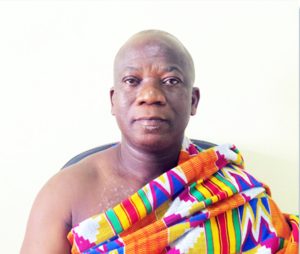
Awulae Amihere Kpanyile III, Omanhene of Atuabo

The petition was filed by the Paramount Queen Mother of Eastern Nzema, Awulahema Avo Nyimah III and Ebusuapayin, Frank Kwasi, Head of the Royal Family of Eastern Nzema.

The WRHC is yet to constitute a committee to look into the petition, which was filed in June 2024.


PARTICULARS OF OFFENCE

The petitioners have listed 10 particulars of offences for which they want the chief destooled.

The offences, as listed in the petition, include the fact that the Respondent has failed and/or refused to heed advice by the elders of the stool to marry after 13 years on the stool, contrary to tradition and custom of the people of Eastern Nzema.

The Respondent has also failed to account to the family and the stool of the numerous royalties from statutory bodies operating in the Traditional Area, since he was enstooled as Paramount chief 13 years ago.

The petitioners also alleged that the Respondent dishonestly takes statutory quarterly grants due the first Petitioner(paramount queen mother) from the WRHC, without her authorisation whatsoever and dishonestly refusing to inform her or pay same to her.

Again, the petitioners alleged that the Respondent unilaterally and consistently allocates scholarship resources from the Ghana Gas for the Indigenes of Eastern Nzema to non-Indegines without any consultation with his elders whatsoever.

Travelling outside Ghana without notice to the Queen mother and kingmakers,the Respondentis again being accused of failing to render an account to the elders of the stool family and to take proper custody of the family stool properties entrusted into his care.

Ebusuapayin Frank Kwasi, Royal Family Head

The petitioners explained that in the month of October 2023, the Kingmakers in a meeting at the chiefs palace at Atuabo and in the presence of the Respondent laid the charges herein before him (Respondent), who promised to change for the better, but had rather changed for the worse.

Also in the month of April 2024, three days were fixed at the request of Respondent to go into the matters stated herein, but though the kingmakers and elders of the stool both from far and near gathered at the chiefs palace over the matter.

The Respondent in utter disrespect refused to show up leading to the necessary rite and custom being performed to destool him.

RELIEFS

Meanwhile, the petitioners are seeking a declaration that the Respondent is liable to be destooled and or deposed in accordance with the traditional practices of the people of Eastern Nzema Traditional Area by the kingmakers herein.

They  are also seeking for perpetual injunction restraining  respondent from acting, parading and holding himself out in any manner, both in public and in private, in a capacity as the Omanhene of Eastern Nzema.

They are further seeking an order compelling respondent to surrender all stool Regalia in his possession to the kingmakers.

Respondent AmihereKpanyile has confirmed to this reporter that he has been served with the petition.

However, he refused to go into details with this reporter arguing that the matter was before court and yet to be heard.

E/R records 103 suspected cases of dengue fever

0
Dengue

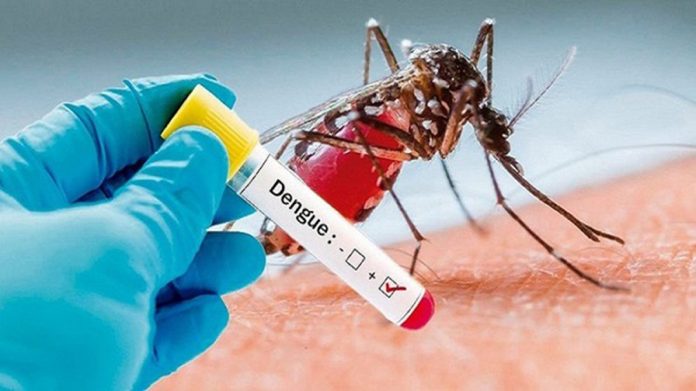
The Ghana Health Service (GHS) office in Koforidua has confirmed approximately 103 suspected cases of the Dengue fever across the region whilst 57 more samples are being processed and 11 confirmed cases.

The cases, which are mainly centered in Achiase, Akyemansa, Birim Central, Birim South and Birim North districts, came to light after samples were sent to the Noguchi Memorial Institute for Medical Research (NMIMR).

Dengue fever is a viral hemorrhagic fever transmitted by mosquitoes with symptoms such as high fever, severe headache, pain behind the eyes, joint and muscle pain, rash and sometimes bleeding from mucosal surfaces.

Severe cases can escalate to dengue hemorrhagic fever or dengue shock syndrome, which can be fatal without timely medical intervention.

This came to light on Monday during a media briefing by the Eastern Regional Health Director, Dr. Winfred Ofosu to provide updates on the outbreak.

The Regional Health Directorate urged residents to stay calm since the situation was under control, adding that, “we understand the anxiety this outbreak may cause, but through collective effort and vigilant action, we can effectively control the spread of dengue fever and safeguard the health of our community.”

Outlining several measures in an effort to contain the outbreak, the Regional Health Directorate indicated that surveillance and rapid response activities including expanding testing capabilities and deploying mobile health units have intensified to affected areas to facilitate timely medical care.

According to him, a robust public awareness campaign is being launched to educate the community about the importance of mosquito control and personal protection such as community meetings, educational programs in schools, and widespread distribution of informational materials.

Dr. Winfred Ofosu mentioned that the Regional Health Directorate was working closely with local government authorities, healthcare providers, community leaders, and international health organizations to ensure a coordinated and effective response to this outbreak.

The Regional Health Directorate has, therefore, called on constituents in the region to eliminate standing water around homes as well as regular empty and clean water containers, cover water storage tanks, and ensure proper drainage around living areas, which are breeding grounds for mosquitoes.

The Regional Health Director further advised residents in the region to seek early diagnosis and treatment in preventing complications and use insect repellent and wear long-sleeved shirts and long pants, particularly during dawn and dusk when mosquito activity peaks.

The Ghanaian Chronicle