Home Blog Page 1328

Amadou Onana joins Aston Villa from Everton for £50 million

0
Amadou Onana

Aston Villa have signed midfielder Amadou Onana from Everton in a £50m deal.

The 22-year-old played every minute of Belgium’s Euro 2024 campaign and now has the opportunity to represent Villa in the new season’s Champions League.

Onana joined Everton from Lille for £33m in 2022 and made 72 appearances for the Toffees, scoring four goals.

He was linked with a move to Arsenal in 2023, and a host of top clubs were reportedly keen this summer.

Villa boss Unai Emery had been in the market for a new defensive midfielder after the club sold Douglas Luiz to Juventus for £42.35m in June.

“I’ll be playing in the Champions League again and that’s very exciting,” said Onana.

“We also have a manager that’s one of the best in the business and I think he can take my game to the next level.”

Onana added that Villa midfielder and Belgium team-mate Youri Tielemans helped convince him to join the Midlands club.

“Youri played a big part in me being here because he told me lots of good stuff about the club,” said Onana.

The arrival of Onana has taken Villa’s summer spending to about £140m.

Villa have also spent £35m on signing Ian Maatsen from Chelsea, £18.6m on the double signing of Samuel Iling-Junior and Enzo Barrenechea from Juventus, £18m on Jaden Philogene’s return from Hull, £5m on Ross Barkley’s move from Luton and £9m on Lewis Dobbin’s transfer from Everton.


Credit: bbc.com

Playing as a false number is not difficult -Joseph Paintsil

0
Joseph Paintsil

Black Stars winger Joseph Paintsil has stated that playing as a False Number 9 isn’t a difficult position to play in.

He said this in a post-game presser after scoring a goal and providing two assists in Los Angeles Galaxy’s 3-2 win over Portland Timbers. His production marked the second game in a row that Paintsil scored a goal and registered two assists in the same game and looks to be returning to top form after sometime out to a muscle injury.

Galaxy’s win put the club ahead of Los Angeles rival club LA FC in the Western Conference Standings and Paintsil voiced his non difficulty playing the role though it is sometimes annoying due to the lack of supplies.

“It’s not a difficult role. It’s sometimes annoying because sometimes you don’t get a lot of balls. You need to do some runs…making the run also helps to create some spaces.

“This is not my first time playing in that position, I did that when I was in Genk against Club Brugge and also a couple of games. I just need to do whatever I need to do in whatever position I’m being used to help my team.”

Credit: citisportsonline.com

Alexander Djiku linked with Rennes move

0
Alexander-Djiku

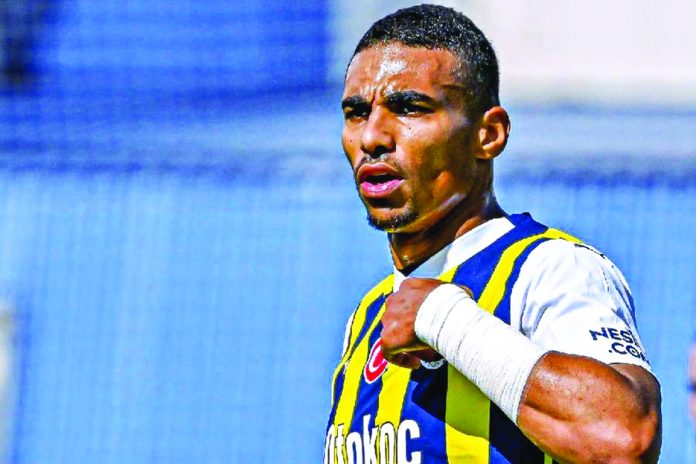
Ghana defender Alexander Djiku is reportedly a target for French Ligue 1 side Rennes. The news comes as a surprise given Djiku’s impressive start to life at Fenerbahce.

According to French publication L’Equipe, Rennes are keen on acquiring the services of the former Strasbourg defender and are willing to offer around €10 million for his transfer. Djiku is said to be open to a return to Ligue 1, where he previously excelled.

However, Fenerbahce appear reluctant to part ways with the Ghanaian, who has been a key figure in the team’s strong start to pre-season under the guidance of Jose Mourinho.

Djiku himself has expressed his enthusiasm for working with the legendary manager and has praised the team’s progress.

“Our training is going well. We have a friendly match coming up, and it is approaching. We are increasing our level and rhythm. Last year, there was a good and quality team. Many players continue this year as well,” he told Fenerbahce TV.

“We are trying to understand and establish our coach’s game tactics and philosophy. He is truly a great coach and tactician. He has won everything throughout his career and is a football legend. Benefiting from his experience makes us very happy,” he added.

With the Turkish Super Lig season on the horizon, Fenerbahce will be keen to retain their defensive solidity, while Rennes will face competition for Djiku’s signature if they are to secure his services.

Credit: ghanasoccernet.com

Hearts to face Heart of Lions in Homowo Cup

0
Hearts

Hearts of Oak will engage Hearts of Lions in the 2024 Homowo Charity Cup match slated for August 11, 2024.

The Ghana Premier League rivals will use the game as a preparatory match ahead of the upcoming campaign while proceeds from the game will be given to charity. The match will also be used to promote peace, especially with the 2024 election set for December.

The Homowo Charity Cup match, which is an annual game which is held during the period of the Homowo festival is usually played between Hearts of Oak and Great Olympics.

However, organisers of the game have confirmed that this year’s game will see the Phobians face Heart of Lions.

The Accra-based club will be seeking redemption after losing the Democracy Cup to fierce rivals Asante Kotoko on July 17, 2024.

Both clubs have started pre-season and have also been active in the transfer market as they look to beef up their squads.

Credit: ghanasoccernet.com

Yagbonwura is my grandfather and overlord

0
Samuel Abu Jinapor, Minister for Lands and Natural Resources

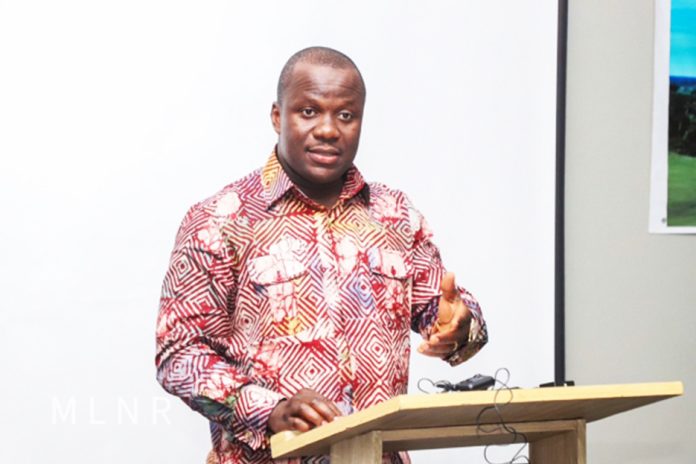
The Member of Parliament for Damongo Constituency and Minister for Lands and Natural Resources, Hon. Samuel A. JINAPOR, has stated categorically that the King and Overlord of Gonjaland, Yagbonwura Soele Bi Kunoto, is his father and overlord.

In an interview in Damongo with Akili Gideon of Damongo based Spear Fm, the Minister stated that “ The Yagbonwura is traditionally my grandfather and overlord and I will never do anything to undermine him”.

He further stated that he has great respect for the Chieftaincy institution and will always accord all chiefs high reverence especially his overlord.

The Damongo legislator explained that most of what has happened is as a result of some miscommunication and unfortunate misunderstanding of some issues and he insisted that “ I will take all measures necessary to restore normalcy between myself and the Jakpa Palace which is my natural home”.

The Lands Minister concluded the interview by calling for calm, peace and unity in the Gonja Kingdom and Damongo in particular while development is pursued.

P.K. Sarpong Writes: Free SHS at Risk of Collapse Under Mahama, Just as NDC Undermined Kufuor’s NHIS

0
Frees shs

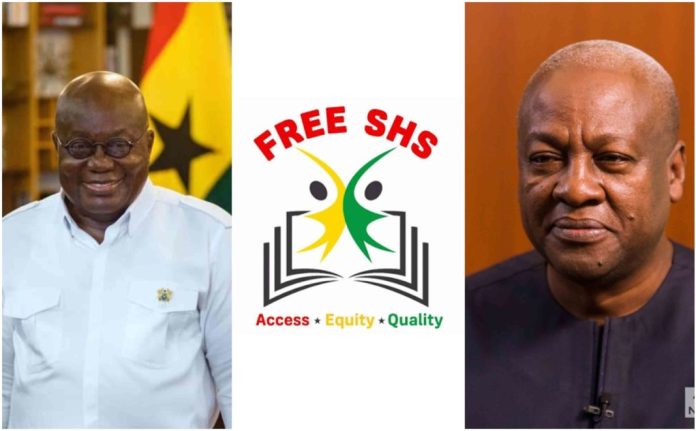
President Akufo-Addo’s Free Senior High School (SHS) policy faces extinction in the unlikely event that the opposition NDC’s flagbearer, John Dramani Mahama, succeeds in the 2024 presidential elections. There are cogent reasons behind the potential demise of the pro-poor Free SHS programme should John Mahama win the 2024 elections.

The National Democratic Congress (NDC) has a long history of dismantling programmes and policies bequeathed to them by the New Patriotic Party (NPP) whenever they come to power.

Oftentimes, the NDC, in opposition, would vehemently resist and protest against such policies, calling on Ghanaians to join them in opposing these initiatives.

They form pressure groups (the Committee for Joint Action, CJA, comes to mind) to oppose policies introduced by the NPP that have the potential to positively affect thousands, if not millions, of Ghanaians.

However, when they come to power, they find it a herculean task to manage these same programmes they fought against whilst in opposition. It is still fresh in our minds how the then opposition NDC fought against President John Agyekum Kufuor’s National Health Insurance Scheme (NHIS).

Led by the late John Evans Atta-Mills and ably supported by his lieutenant, John Mahama, the then opposition party derided the proposition to implement a health insurance policy capable of funding the health needs of Ghanaians in the various districts, municipalities, and metropolises.

They claimed President Kufuor was only building castles in the air with his health insurance idea. Members of Parliament from the Minority side (NDC) even staged a walkout when the bill was being passed in Parliament.

Realising that Kufuor’s Health Insurance would be their nemesis going into the 2008 elections, the NDC promised a one-time premium payment for subscribers. This meant that in one’s lifetime, he or she would pay a certain amount of money once and never need to pay any money to renew the subscription.

That enticing promise mesmerised Ghanaians, leading them to vote for the Mills/Mahama team. Ghanaians later discovered that the NDC had misled them when they were told that a one-time health insurance premium was impossible.

As if that was not enough, the NDC ran down the once robust health insurance scheme entrusted to them by the Kufuor administration. According to Dr Richard Anane, a former Minister of Health under whose tenure the NHIS was implemented, the scheme deteriorated under the NDC administration.

Contributing to the debate on the budget statement on the floor of Parliament at the time, Dr Richard Anane stated, “The NDC was bequeathed the National Health Insurance Scheme in very healthy conditions but what are we seeing today? Today, the cash and carry of the pre-Kufuor days has gained ascendancy and is even being formalised.”

Between 2009 and 2016, the number of NHIS subscribers decreased from 12.5 million to 11.03 million. Under the Akufo-Addo administration, subscribers have increased from 11.03 million to 17.5 million between 2017 and 2024. This indicates that the NPP has performed far better than the NDC. This is a testament to the fact that, but for the NPP coming to power in 2017, the NHIS would have collapsed completely.

What does the above scenario mean? It simply means that right from the outset, the NDC neither believed in the scheme nor understood it. How can one effectively nurture a child she did not give birth to? Since it wasn’t the NDC that introduced the NHIS, they couldn’t manage it well, leading to its near collapse.

Free SHS is in danger as well. Consistently, John Mahama and almost all the top leaders of the NDC have spoken against the programme. It is worth mentioning that the NDC went to court against Free SHS, led by Mahama Ayariga. Here are some of the negative comments made about the policy by these key NDC functionaries:

● President Mahama at an NDC rally in 2016 said: “Free SHS must not be introduced on the whimsical promises of a desperate politician. Many countries on the continent have failed with Free SHS.”
● President Mahama on November 23, 2012, told the people of Okere in the Eastern Region that “Free SHS will collapse the education system of Ghana.”
● President Mahama at UCC in 2016 said, “The Free Senior High School by the NPP is a political gimmick.”
● Former President Mahama at the NDC’s Tarkwa unity walk strongly rejected the Free SHS policy, stating that it is unwise to implement it.
● Mahama on November 25, 2017, stated that “Lalasulala Free SHS will fail.”
● Former President Mahama on his presidential primaries tour said, “Akufo-Addo’s Free SHS is not working.”
● Former President Mahama again on October 1, 2018, reiterated his aversion to Free SHS, stating that it will undergo a review and hinted at the possibility of the policy being scrapped because, to him, it is unthinkable to spend 2 billion Ghana cedis on Free SHS, and that it is seriously constricting the government’s budget.
● The then Minister of Education, Lee Ocran, on 10th September 2012, said, “Free SHS can only be possible in 2032, in 20 years’ time.”
● Mahama Ayariga, on September 26, 2016, said, “Choose Mahama’s education policy; it is better than Akufo-Addo’s Free SHS.”
● Hajia Joyce Zeinabu, then National Women Organiser of the NDC, on 20th November 2016, said, “Free SHS will breed teenage pregnancies.”
● The then General Secretary of the NDC, Mr Johnson Asiedu Nketiah, is on record to have said on 1st October 2018 that Free SHS is shambolic and that it will have to be scrapped.
● The National Chairman of the NDC, Elder Ofosu Ampofo, also on 18th December 2018, said, “The Double Track system is causing teenage pregnancy.”
● NDC MP for Adaklu, Kwame Agbodza, on 19th June 2018, said, “Over concentration on Free SHS is stifling funds meant for flood prevention.”
● Adam Mutawakilu, former NDC MP for Damango, said, “Blame the mysterious deaths at KUMACA on overcrowding as a result of Free SHS.”
● Felix Kwakye Ofosu on 14th May 2018 had this warning for the government: “You can’t use oil money to fund Free SHS.”
● Joshua Akamba to Tempane SHS students: “Reject Akufo-Addo for implementing such a shambolic education system.”
It is more than obvious that Mahama and his followers have a strong aversion towards the Free SHS policy. Moreover, they have never believed in it, just as they never believed in the NHIS when President Kufuor introduced it.

It stands to reason that if these people come to power, they can never manage Free SHS because they have very little knowledge about it and how to make it work effectively.

The NPP administration of President Nana Akufo-Addo and Vice President Bawumia birthed Free SHS, midwifed it into the healthy policy it is today, and therefore, can best nurture it in the years ahead. Free SHS will never survive in the hands of these NDC never-do-wells. Mahama will sink the programme if Ghanaians make the mistake of voting for the NDC in the 2024 elections.


Ghana’s Minister Makes History …Adutwum appointed to lead a team of experts to reform education in Africa

0
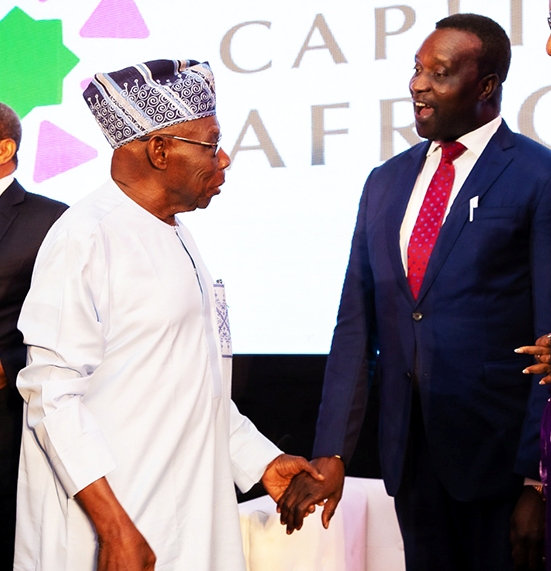
Dr Adutwum and Mr Obasanjo sharing jokes at the conference

The Minister for Education, Dr Yaw Osei Adutwum, has been appointed by the Africa Union (AU) to lead a team of experts to reform education in Africa.

The Chairman of the AU Educational Committee, Mr Olusegun Obasanjo, former President of Nigeria, announced the new role of Dr Adutwum in Accra late last week.

The occasion was Foundational Learning Conference organised by Human Capital Africa (HCA) in Accra, recently.

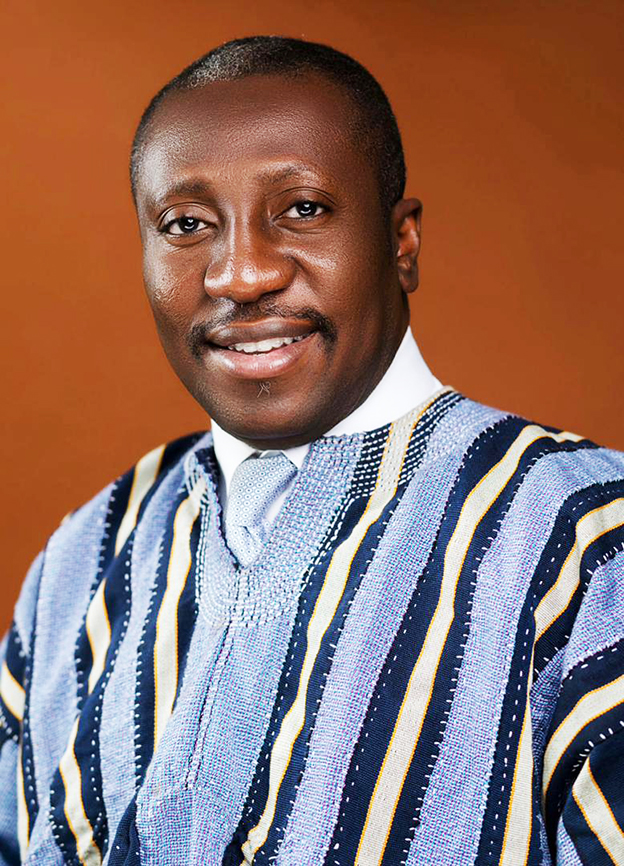
Dr Osei Yaw Adutwum, Minister for Education

The former Nigerian leader explained that Ghana’s education minister was chosen to lead the team of experts because of his vast experience and understanding of global education systems. This, according to him, would help the team come out with a blue print for Africa to get the best education that would help fight poverty and promote the development of the various countries.

Former President Obasanjo stated that since education was about life and death, there was the need for the leadership of Africa to attend to it as a life-long issue and not short-term.

He indicated that countries that do not take the issue of education seriously would find it difficult to transform their economies, as well as fight poverty among their people.

Obasanjo praised Ghana for the various interventions and initiatives put in place by the Education Ministry that are gradually shaping its economy and improving its educational outcomes.

He challenged African countries to take a keen interest in the welfare of their teachers by paying them well and also creating an enabling environment for them to operate effectively towards empowering their students with the requisite knowledge that would shape their understanding.

Dr Adutwum, responding to a question during a panel discussion, stated that there was the need for Africa to have an education strategic plan to improve upon the sector.

He explained that such a strategic plan would be able to help with a specific approach to individual nations, while some could emulate the best practices of countries doing well.

The Education Minister was optimistic that if all African countries come together to discuss their specific needs, it would be easy to group them for strategic planning and appropriate solutions prescribed for them.

The Founder and Chief Executive Officer of Human Capital Africa, Dr Obiageli Ezekwesili, reminded the leadership of Africa that it was time they took  a critical look at foundational learning, which was very critical for the continent to achieve quality education.

She appealed to all stakeholders to come together to support development of education on the continent.

Dr Ezekwesili lauded the various funding institutions the world over who were working very hard to support the development of education in various countries.

Background

Mr Olusegun Obasanjo, the former President of Nigeria, has played a significant role in African Union (AU) education initiatives.

He has been a strong advocate for education and has emphasized the importance of investing in human capital for Africa’s development.

Mr Obasanjo’s presence at the conference was informed by his conviction for leadership of the African countries to have a second look at the role of education in their transformation.

Some of the dignitaries who attended  the conference were President Nana Addo Dankwa Akufo-Addo, Joyce Banda, former President of Malawi, Jakaya Mrisho Kiawete, former President of Tanzania and Chairperson, Global Partnership for Education,  Ellen Sirleaf Johnson, former President of Liberia, representative of the African Union Commission, Aliko Dangote, Founder and President/CEO of Dangote Group.

Simpa hosts ECOWAS Parliament again

0
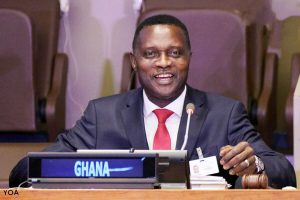
Mr Afenyo-Markin, MP for Efutu

The Parliament of the Economic Community of West African States (ECOWAS) has confirmed Winneba, in the Central Region of Ghana, as venue for its delocalised joint committee meeting from July 29 to August 2, 2024.

This would be the fourth time since 2021, that the town of Winneba would be hosting the august Parliament of the West African sub region.

The July 29 to August 3 delocalised meeting, scheduled for Winneba, is for the ECOWAS Parliament’s Joint Committee on Agriculture, Environment and Natural Resources, Energy and Mines and Infrastructure.

Special Guest of Honour at the Opening Ceremony on July 29, 2024 will be the Rt. Hon. Alban S.K. Bagbin, Speaker of Ghana’s Parliament.

The main theme of the meeting is “Plastic Waste Management: Challenges and Prospects in implementing Community Policies”.

The main objective of the meeting is to inform Members and sensitise them on the strategies and mechanisms developed by ECOWAS for the environmentally sound management of plastic waste in the West African region.

Consequently, the meeting is expected to make recommendations to the ECOWAS Commission on how to improve legislations within the community, to ensure coordinated implementation of environmental management policies and integrated management plans for chemicals and hazardous waste.

The delocalised meetings of the Committees are always organised in the Member States to enhance the visibility of the ECOWAS Parliament and its activities and to also discuss issues and programmes that relates to the development and integration process of ECOWAS.

ECOWAS Parliament normally meets in the capital cities of the host countries, but Winneba has changed that narrative.

Alexander Afenyo-Markin, the third Deputy Speaker of the ECOWAS Parliament and MP for Effutu Constituency, of which the capital is Winneba, has assured his colleague Members of the best of hospitality

“The Committee Chairs and Members of these two Committees have graciously agreed to come to Winneba and as the Member of Parliament for the Constituency, I say a very big thank you to you for the honour done us and also to assure you that Winneba would be happy to see you and be rest assured that every arrangement would be in place for us to have a good deliberation”. Afenyo-Markin noted.

BADEA promises rapid development of Africa

0
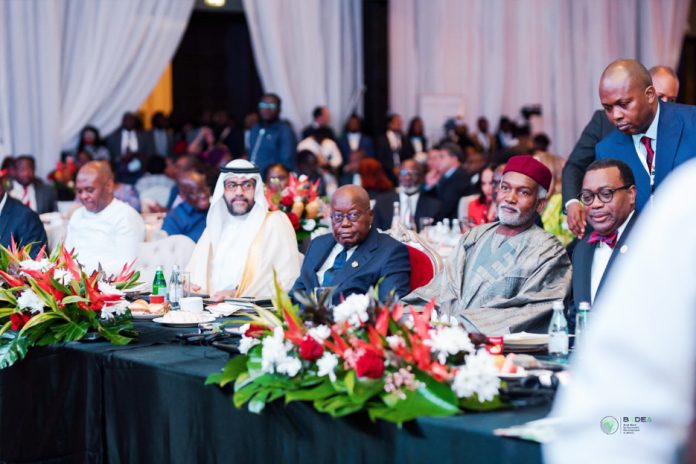
Pres Akufo-Addo and BADEA officials at the program

Dr Fahad Aldossari, the board chairman of the Arab Bank for Economic Development in Africa (BADEA) has assured African leaders and financial institutions that his outfit will do everything within its mandate to ensure that their objective of overseeing and promoting Africa’s rapid development within the next 50 years has been achieved.

Speaking at a leader’s breakfast, which took place as part of the launch of the Arab-Africa Financial Consortium (AAFC) and the BADEA 50th anniversary in Accra yesterday, Dr Fahad Aldossari pointed out that from now to 2074 (the next 50 years), BADEA will take immediate steps to institutionalise the AAFC by establishing a secretary to host and coordinate its activities.

“Today is also a special day as we feel honoured and grateful to his excellency, President of Ghana, the African Union Champion of financial institutions who, not only welcomed BADEA’s anniversary and hosted [us] in the beautiful city of Accra, but also elevated the partnership and coordination of financial institutions to support Africa,” he said.

“With His Excellency’s call to establish the Arab – Africa financial consortium following the successful launch of the African financial institutions’ network last Friday, I can confirm that BADEA will spare no effort in ensuring this consortium succeeds in realising the vision of Arab – Africa financial institution collaboration and coordination for leveraging of resources for the continent,” he  added.

Critical investments

President Akufo-Addo in his keynote address observed that BADEA has, in the last 50 years, played a key role in the development of the African continent and he was confident that with the establishment of the AAFC, the next fifty years will be even more exciting as far as the relationship between the Arab world and the African continent is concerned.

Investment in human capital, infrastructure development, trade and investment growth, and women and youth empowerment, according to President Akufo-Addo, are four key areas that he believes the Arab-Africa Financial Consortium (AAFC) ought to pay attention to and drive.

“Over the past five decades, BADEA has been a beacon of hope, a catalyst for development, and a symbol of the enduring bond between our two regions. Since its inception in 1974, BADEA has been instrumental in fostering economic development and cooperation between African and Arab countries.

“It has played a pivotal role in financing and supporting numerous projects across the African continent from infrastructure development to healthcare, education, and agriculture. These projects have not only contributed to the socio-economic development of our nations and continent but have also strengthened the partnership between Africa and the Arab world,” President Akufo-Addo said.

BADEA’s commitment to Africa according to President Akufo-Addo, “is evident in its track record”. He said that “over the past 50 years, BADEA has financed over 700 projects in more than 44 African countries with a total value exceeding US$6 billion”. These projects, Akufo-Addo said “have created jobs, improved living standards, and spared economic growth across the continent.”

“BADEA has not only evolved to meet the expectations of the continent and shareholders but also to demonstrate agility and responsiveness to meet development challenges from the COVID-19 response to becoming pledges in the Arab coordination group on food security, climate change, and resilient infrastructure. As we celebrate fifty years of Arab-Africa cooperation through BADEA, let us reaffirm our commitment to this vital partnership.

“Let us build on the successes of the past and work together to address the challenges of the future. Let us strive to create a more prosperous, inclusive, and sustainable future for all our peoples. I call on all stakeholders, governments, the private sector, civil society, and international organisations to join hands in this endeavour,” President Akufo-Addo said.

Five pivotal areas

Dr Adesina Akiwumi, President of the African Development Bank Group on his part indicated that there are five issues that the reinvigorated Arab-Africa partnership should focus on. At the top of the list, he said was energy development, second being exploitation of the continent’s rich green mineral resources and  third – mobilisation of support for green infrastructure in Africa, fourth -food security and lastly, ensuring that the new drive for Arab-Africa partnership revolves around the Africa Investment Forum initiative.

“In the last five years, because of our collective work together, we have been able to attract over 180 billion dollars in investment interest into Africa. So, I am fully confident that as we structure the Arab and African financial institutions’ partnership, around this (Africa Investment Forum) effort, we can deliver even more results” Dr Adesina Akiwumi said.

BADEA

The Arab Bank for Economic Development in Africa (BADEA) was established under the resolution of the 6th Arab Summit Conference at Algiers (28 November 1973). The Bank began operations in March 1975. BADEA is a financial institution owned by eighteen Arab member countries of the League of Arab States (LAS) which signed its Establishing Agreement on 18 February 1974.

The Bank is an independent International Institution enjoying full international legal status and complete autonomy in administrative and financial matters. It is governed by the provisions of its Establishing Agreement and the principles of international law.

The Arab Coordination Group (ACG), an alliance of Arab development institutions established to promote and coordinate financial and technical assistance to developing countries, primarily in the Arab world and Africa, is partnering with BADEA to launch the Arab – Africa Financial Consortium (AAFC).

The ACG comprises several key institutions including; the Abu Dhabi Fund for Development, the Arab Bank for Economic Development in Africa, the Arab Fund for Economic and Social Development, the Arab Gulf Programme for Development, the Arab Monetary Fund, the Islamic Development Bank, Kuwait Fund for Arab Economic Development, OPEC Fund for International Development, Qatar Development Fund, and the Saudi Fund for Development.

Ghana exports petrol to 7 W/A countries -NPA

0
Dr. Mustapha Abdul-Hamid, Chief Executive of NPA

The Chief Executive Officer of the National Petroleum Authority (NPA), Dr. Abdul- Hamid, says his outfit has entered into an agreement with Senegal and The Gambia for them (NPA) to export  petroleum products to their West Africa neighbours.

According to him, Ghana was already exporting the product to Mali, Niger, Burkina Faso, Cote d’ Ivoire and Togo, and that Senegal and The Gambia are latest additions.

Speaking at the Ghana International Petroleum Conference (GhiPCon), which was recently held in Accra, Dr. Abdul- Hamid said the increase in the volume of export was proof of NPA’s outstanding successes in its effort to curb illicit fuel activities in the country.

Currently, the industry has registered over 3,000 service providers with high local participation that delivers over four million metric tonnes of petroleum products annually, for both Ghana and beyond.

The development has positioned the industry to become a key contributor to the growth of Ghana’s Gross Domestic Product (GDP).

“We estimate that the sector had a monetary value of over GHC 71 billion, representing about 84% of the country’s 2023 GDP. In the past seven years the industry returned an average annual value of over GHC 35 billion,” he said.

The NPA CEO said given the dynamic nature of the downstream petroleum industry, his outfit was committed to using technology and innovation to remain relevant in the sub-region by formulating and implementing innovative strategies and policies that would ensure that the industry remains efficient and profitable, and at the same time ensure consumers get the best value for money.

He said with the new transparent automatic price adjustment formula, pricing had gradually been reformed from an annual regulated price with unpaid subsidies to bi-weekly and daily regulated.

The NPA Boss stressed that the Authority had declared zero tolerance for toxic fuel and as such Ghana, Kenya, Tanzania, Uganda and Morocco presently consume low sulphur fuels with typical import at less than 50 ppm, with a roadmap for local refineries to comply.

Dr. Abdul -Hamid noted that the NPA had rolled out  technology based schemes and project  such as the petroleum marking scheme, bulk road vehicle tracking project, electronic cargo tracking  system and the enterprise relational database management software to efficiently monitor and ensure the integrity of the quality and quantity of petroleum product delivered to consumers.

Meanwhile, the Minister of Energy, who read a speech on behalf of the Vice President, Dr. Mahamadu Bawumia, applauded the National Petroleum Authority NPA on how it has strategically managed the “Gold for Oil” program and now the Cylinder Recirculation Model, in a manner that has boosted investors’ confidence in the sector.

According to him, these efforts, coupled with a robust policy framework, have incentivised private sector to invest more and contribute significantly towards realising Ghana’s policy target of 50% LPG penetration by 2030.

He challenged NPA to continue to invest in infrastructure, leverage cutting-edge technology and enhance our supply chain resilience to secure our energy future.

He said with the geo-political tensions to technological advancements and environmental concerns, “our strategies must be robust, innovative and adaptable.”

He also assured governments commitment to continue to promote and explore policies that enhance Ghanaian content, support capacity building and create opportunities for the Ghanaian people.

The Ghanaian Chronicle